REVIEW · ISTANBUL
Gallipoli Day Trip from Istanbul
Book on Viator →Operated by Fez Travel · Bookable on Viator
One day. Nine WWI stops. Big feelings. If you care about the human side of history, this Gallipoli day trip hits hard, fast, and in good order, with the ANZAC Cove story told alongside the Ottoman side. You’ll start early from Istanbul with pickup or a nearby meeting point, ride south along the coast, and spend the day walking memorial grounds that were battle lines in 1915.
I really like that the tour takes care of the parts that usually eat up your time. Entrance fees and lunch are included, so you can focus on the sites, the pauses for photos, and the guide’s explanations at each stop. You also get an air-conditioned, non-smoking vehicle, and the tour runs as a small group of up to 20.
The only real drawback is the sheer commitment: it’s a 14-hour day with long driving both ways. Plan for an early start (pickup between 6:15 and 6:45) and a late return, and know that a few people reported confusion if the day’s flow isn’t clearly explained before the first town stop.
In This Review
- Key highlights to know before you go
- Why this Gallipoli day trip feels different from a typical history tour
- Getting picked up in Istanbul: the 6:15 to 6:45 start that shapes the whole day
- The drive south along Turkey’s European coast: long, but you’re not stuck
- Tekirdağ and the breakfast break: plan for one extra expense
- ANZAC Cove: where the landing story becomes real
- Lone Pine Memorial: names, sacrifice, and the lasting physical scale
- Chunuk Bair and The Nek: from attacking in hiding to losing ground
- Brighton Beach, Beach Cemetery, and Ari Burnu Cemetery: the shoreline’s quieter reminders
- Johnston’s Jolly and the 57th Regiment Turkish Memorial: trenches, tunnels, and the Ottoman side
- Burnu Cemetery and the quiet endings near the peninsula’s memorials
- Lunch near Gallipoli: included, timed right, and not the main event
- Price and value: what $240.15 actually buys you
- Group size and comfort: why the bus ride matters for a day like this
- Who this trip suits best
- Practical tips to make the most of the long day
- Should you book this Gallipoli day trip?
- FAQ
- What time does pickup start in Istanbul?
- Is pickup offered from my Istanbul hotel?
- Where is the meeting point if I’m not picked up?
- How long is the tour?
- What language is the tour guide?
- What’s included in the ticket price?
- Is breakfast included?
- How many stops and WWI sites should I expect?
- What should I know about cancellation or changes?
- Is travel insurance included?
Key highlights to know before you go

- Up to 20 people on the bus, so the day feels manageable instead of chaotic
- ANZAC Cove + Lone Pine + Chunuk Bair are the core anchors of the campaign story
- The Nek and Johnston’s Jolly bring trench warfare to life with on-site explanations
- Lunch included, with breakfast stop kept separate (own expense)
- Australian and New Zealand story alongside Turkish remembrance, not just one perspective
- Hotel pickup in Sultanahmet or Taksim, plus a simple backup meeting point
Why this Gallipoli day trip feels different from a typical history tour
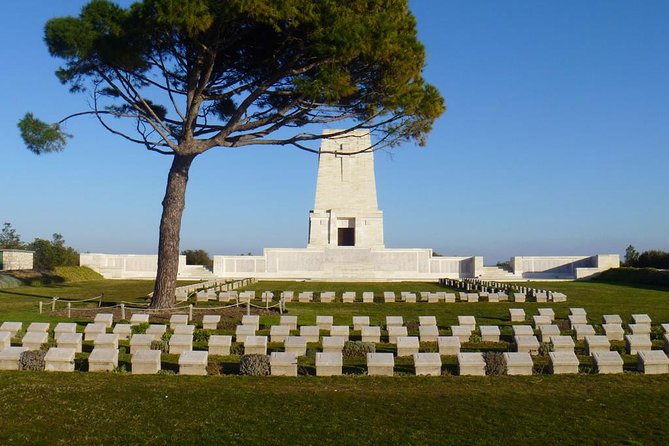
Gallipoli is one of those places where the geography does half the work for you. You see headlands, beaches, and memorial viewpoints, and suddenly the 1915 campaign makes more sense than it ever did from a textbook.
What makes this trip click is the way it keeps switching perspectives without turning it into a shouting match. You’ll hear how Australian and New Zealand forces landed with a goal of sacking Istanbul (Constantinople), and you’ll also get the Ottoman side—soldiers who resisted for more than six months, until the fighting reached a standstill. That balance is exactly why many first-time visitors leave feeling moved rather than just informed.
And you’ll get it in one day. Not a rushed “see it and go,” but a structured day where you stop at major remembrance places and then walk the grounds at a human pace.
You can also read our reviews of more tours and experiences in Istanbul.


Getting picked up in Istanbul: the 6:15 to 6:45 start that shapes the whole day
This tour starts early. Pickup is scheduled between 6:15 am and 6:45 am, depending on where your hotel is. If you’re in Sultanahmet (old city area) or Taksim, pickup is offered; if not, you’ll have a set meeting point near Sultan Hostel & Guesthouse.
I like this early timing because it gives you something few people get: a calmer start to the day’s driving, plus more time to linger once you reach the peninsula. The tradeoff is obvious, though. You’re leaving while many Istanbul neighborhoods are still waking up, and you’re still on the road when other people are heading to dinner.
Also note the practical side: the tour uses an air-conditioned, non-smoking coach, and you’ll have a mobile ticket. That matters on day trips where you don’t want to waste time figuring anything out when you’re half-asleep.
The drive south along Turkey’s European coast: long, but you’re not stuck
The ride from Istanbul to Gallipoli takes hours, and this is where you’ll feel the “day trip” label most. You’re traveling along Turkey’s European edge to reach the peninsula, and the itinerary builds in a leg-stretch break.
There’s a breakfast break you can use as a reset. It’s own expense, but it’s also a moment to swap from couch-to-chaos mode into “okay, we’re doing this” mode. After that, you continue toward the Gallipoli area.
You’ll also pass through regions like Tekirdağ, and the day’s pacing is designed so you arrive at the memorial sites with enough energy to actually pay attention. It won’t feel like a sprint the second you step off the bus—more like a slow fade into the campaign story, stop by stop.
Tekirdağ and the breakfast break: plan for one extra expense
You get a break early in the journey in Tekirdağ, with breakfast available but not included. That’s a small point, but I think it’s worth planning for because your start time is so early.
If you’re the type who needs coffee and food to start thinking, grab what you need during that stop and don’t try to “save it for later.” Once you’re on the memorial grounds, the day is more about walking and listening than searching for snacks.
ANZAC Cove: where the landing story becomes real
When the tour reaches ANZAC Cove, the day shifts from “getting there” to “staying with it.” This is a key stop where you’ll hear about the first day Australian and New Zealand forces landed.
What I like here is the symbolism of the place, but also the structure of the stop. You’re not just dropped off with free time. The guide explains the landing and the surrounding campaign context, and then you walk the headlands and remembrance spaces so the story sticks.
It’s also one of the emotional anchors of the whole trip. Many people describe Gallipoli as exceptionally moving, and ANZAC Cove tends to be the moment where that feeling becomes specific rather than general.


Lone Pine Memorial: names, sacrifice, and the lasting physical scale
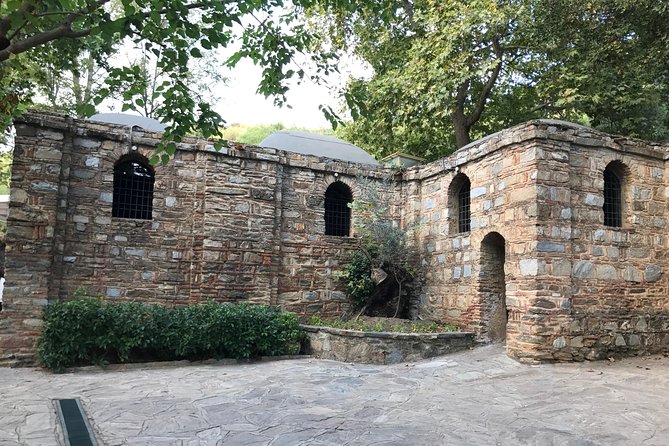
Next comes Lone Pine, described as Australia’s primary memorial location on the peninsula. You’ll learn why it’s named Lone Pine and then see the memorial grounds with 5,000 soldiers’ names.
This stop hits differently than the more “scene-based” locations. At ANZAC Cove you’re orienting yourself to the shoreline. At Lone Pine, you’re confronting the names and the scale of loss.
If you want to understand why this site mattered in 1915 and still matters today, this is where the tour gives you the right kind of stillness. Give yourself time to find a spot, read what’s there, and sit with it for a moment. The included pacing helps you do that without feeling rushed.
Chunuk Bair and The Nek: from attacking in hiding to losing ground
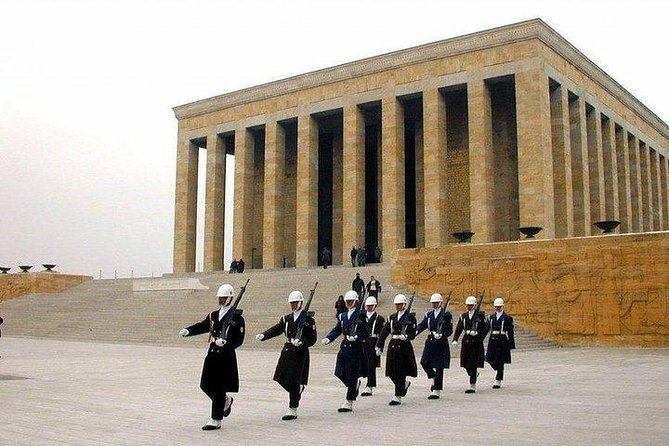
The tour then moves into two spots that explain the campaign’s hard edge: The Nek and Chunuk Bair.
At The Nek, you’ll hear stories connected to soldiers who attacked from hiding places within nearby forests. It’s the kind of detail that makes trench warfare feel less like a map and more like decisions made under fear and confusion.
Then you reach Chunuk Bair, where you’ll hear how the Allies captured the area but couldn’t defend it. You also visit remembrance points connected to New Zealanders who fought until the end.
I think these stops are valuable because they don’t treat the campaign like one straight line. The guide’s job here is to show you the back-and-forth reality, including what was gained and what couldn’t be held.
Brighton Beach, Beach Cemetery, and Ari Burnu Cemetery: the shoreline’s quieter reminders
You’ll also see Brighton Beach and the Beach Cemetery, plus Ari Burnu Cemetery. These are not always the first places people picture when they think of Gallipoli, but they matter because they show how widespread the conflict’s footprint is.
Walking through cemetery settings changes the tone. The guide’s explanations keep things grounded in what happened there, and you get that feeling that the peninsula is one connected remembrance space, not a set of separate attractions.
If you’re sensitive to solemn places, pace yourself. You’ll have other stops that include trenches and memorials too, but these cemeteries are often where your thoughts slow down on their own.
Johnston’s Jolly and the 57th Regiment Turkish Memorial: trenches, tunnels, and the Ottoman side
One of the most talked-about sections of the tour is Johnston’s Jolly. Here, the tour includes stops connected to original Allied and Turkish trenches and tunnels. You’ll hear stories that help you picture what it meant to attack and move in terrain shaped by wartime work.
This is also a strong “both sides” moment. Even when the campaign story centers on ANZAC landing and Allied goals, you still get the Ottoman perspective through the places where Turkish forces fought and held.
You’ll also visit the 57th Regiment Turkish Memorial, which reinforces that this is not a monument set up for one national narrative. It’s built for remembrance—and that makes a difference in how the day feels.
Some people loved the humor and presentation style of guides like Burak, Ercan Yavuz, Alp, and John—but even when the tone lightens, the on-site explanations don’t lose respect for what happened.
Burnu Cemetery and the quiet endings near the peninsula’s memorials
Later, the tour stops at Burnu Cemetery to honor the 252 servicemen buried there. After a full day of major landing and battle-ground points, this kind of stop gives you a different type of closure: smaller numbers, a more personal scale.
Then the day winds down with additional passing viewpoints tied to the peninsula’s remembrance sites before heading back toward Istanbul.
On the drive back, you’ll be seeing evening views of Turkey, and that shift matters. It’s one thing to be in history mode all day. It’s another to roll out of it gradually, on the way home, when your brain finally has time to process what you saw.
Lunch near Gallipoli: included, timed right, and not the main event
Lunch is included, served at a restaurant in a nearby town. I like that this isn’t a random snack stop. It’s planned as a real break so you can reset before the afternoon memorial stops.
Some people noted the lunch wasn’t amazing, but the practical win is that it’s handled for you. When the rest of the day is solemn walking and listening, that included meal buys you comfort without turning lunch into another logistics hunt.
Price and value: what $240.15 actually buys you
At $240.15 per person for about 14 hours, this isn’t a cheap day trip. But the value comes from what’s bundled.
You get:
- Pickup and drop-off from your Istanbul hotel area (Sultanahmet/Taksim) or a defined meeting point
- Entrance fees
- Lunch
- A professional English-speaking guide for the duration
- Transportation in an air-conditioned, non-smoking vehicle
That matters because Gallipoli logistics are the kind that chew up time—getting there, paying for access, and coordinating the day’s pace. Here, you outsource all of that to a small-group format capped at 20.
You also get a real storytelling element. Guides like Burak were praised for using supporting materials such as photos and letters from the time, and for challenging assumptions rather than repeating memorized lines. That kind of added context is hard to replicate on your own in one day.
The fair caution: a few people reported that English could be weaker with certain guides. If you’re picky about guide delivery style, you might want to double-check guide reviews close to your departure date, and keep your expectations realistic. The signage in English and Turkish also helps on-site.
Group size and comfort: why the bus ride matters for a day like this
A capped group size of 20 is a big deal on a day trip like this. It generally keeps the stops organized, and it makes it more likely you can find your guide easily at each location.
A few people specifically described the vehicle as comfortable and not like a giant coach crowding everyone into one experience. You also get the comfort factor of air-conditioning on what is already a long day.
Still, the bus time adds up. Even with a comfortable coach, you’ll be sitting for hours. I recommend you come prepared for that reality, because the value of the trip depends on staying awake enough to enjoy the stops.
Who this trip suits best
This is ideal if you’re:
- Interested in ANZAC and Turkish remembrance without reducing the story to one side
- A history-minded person who likes walking sites where the terrain supports the story
- Doing an Istanbul trip and want a meaningful day trip that isn’t just sightseeing
It can also work for couples and families. One review said a 10-year-old did pretty well with the long day, which suggests the pace at the sites allows for real viewing time rather than constant rushing.
If you hate early mornings or you get cranky on long drives, you might be happier doing something shorter within Istanbul, or booking a multi-day option instead of packing this much solemn ground into one day.
Practical tips to make the most of the long day
Bring patience for the schedule. Pickup is early, and the return can be late, especially around major holidays. Some people reported that on Eid holiday periods, traffic caused a much later-than-expected drop-off.
At the sites:
- Wear shoes you can walk in for extended periods
- Bring something for sun and light wind, because headlands can shift quickly
- Give yourself a few extra minutes at Lone Pine and the cemeteries to read without feeling rushed
And here’s a smart move: if anything about timing feels unclear—like when the guide joins your group or when the day’s next section begins—ask early. One person noted they didn’t get a guide until after the early part of the drive, which tells you that the day can start differently depending on where you’re picked up.
Should you book this Gallipoli day trip?
I’d book it if you want a structured, English-guided day that covers the major remembrance sites and presents ANZAC and Turkish perspectives in one route. The included lunch and entrance fees reduce friction, and the small-group size keeps the day from feeling like a factory tour.
I wouldn’t book it if you’re sensitive to long drives, early mornings, or late returns, because this is a full-day commitment from Istanbul. It also isn’t a guarantee of effortless English delivery across all guides, so if that matters most to you, plan to be flexible and lean on the on-site signage too.
If you’re trying to choose between a quick look and a real understanding of what happened in 1915, this one leans toward understanding.
FAQ
What time does pickup start in Istanbul?
Pickup is scheduled between 6:15 am and 6:45 am, depending on where your hotel is located.
Is pickup offered from my Istanbul hotel?
Pickup is offered if your hotel is in Sultanahmet or Taksim. Otherwise, you’ll meet at the Sultan Hostel & Guesthouse area as the start point.
Where is the meeting point if I’m not picked up?
The meeting point is Sultan Hostel & Guesthouse, Cankurtaran mahallesi Akbıyık caddesi, Cankurtaran, Terbıyık Sk. no:3, 34122 Fatih/İstanbul.
How long is the tour?
The duration is about 14 hours (approx.).
What language is the tour guide?
The tour is offered in English.
What’s included in the ticket price?
Included items are: professional English-speaking guide, air-conditioned transportation, hotel pickup/drop-off, entrance fees, and lunch. Tips are not included.
Is breakfast included?
Breakfast is available during an early break stop, but it is own expense.
How many stops and WWI sites should I expect?
You’ll visit multiple WWI remembrance locations across the Gallipoli peninsula, including ANZAC Cove, Lone Pine, Chunuk Bair, The Nek, Johnston’s Jolly, Brighton Beach, Beach Cemetery, Ari Burnu Cemetery, Burnu Cemetery, and the 57th Regiment Turkish Memorial.
What should I know about cancellation or changes?
This experience is non-refundable and cannot be changed. If it’s canceled due to poor weather, you’ll be offered a different date or a full refund, and if a minimum number of travelers isn’t met, you’ll be offered a different option or a full refund.
Is travel insurance included?
No. Compulsory travel insurance is listed as not included.