REVIEW · BRISBANE
North Stradbroke Island Day Tour from Brisbane – Small Group
Book on Viator →Operated by Queensland Day Tours · Bookable on Viator
Wildlife odds are high on Stradbroke Island. This small-group day tour from Brisbane pairs a relaxed ferry crossing over Moreton Bay with headland walks, beach views, and Indigenous culture stops.
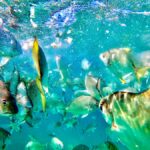
I especially like the chance to spot koalas and kangaroos in the island’s interior, with guides who know where to look and when to pause. I also like the wildlife-scanning from the coast—your guide checks the water for dolphins, turtles, manta rays, and (in season) whales.
One possible drawback: the day depends on weather. If it turns cloudy or rough, whale viewing and swim time can shrink, and the schedule can feel a little rushed when wildlife hunting takes extra time.
In This Review
- Quick takeaways
- Why North Stradbroke Works as a Brisbane Day Trip
- The Morning Setup: 7:45am Pickup and the Ferry Crossing
- North Stradbroke Island Time: Beaches, Lakes, and a Guided Pace
- Myora Springs Conservation Area: Freshwater With Cultural Meaning
- Cylinder Beach and Amity Point: Swim, Look Out, Reset
- Point Lookout and North Gorge Walk: Where Whale Season Shows Up
- Koala and Kangaroo Spotting in the Interior
- Price and Value: What You Get for $135.56
- Who This Tour Fits Best
- Should You Book This Small-Group Stradbroke Tour?
- FAQ
- What time does the North Stradbroke day tour start, and where do I meet?
- How long is the tour?
- How big is the group?
- What is included in the $135.56 price?
- Is lunch included?
- What kinds of wildlife can I expect to see, and when are whales most likely?
Quick takeaways

- Max 12 travelers keeps the day feeling personal rather than chaotic
- Ferry + guided transport removes the hardest part of getting to the island
- North Gorge Walk to Point Lookout is built for whale-season spotting
- Myora Springs Conservation Area adds a meaningful freshwater and cultural stop
- Swim options include ocean surf areas and time around lake shores
- Lunch is not included, so budget for food on island
Why North Stradbroke Works as a Brisbane Day Trip

This is a classic “big nature day” with the logistics handled for you. You get out of Brisbane early, transfer by coach, then head across Moreton Bay by ferry for a 30-minute crossing. After that, the island is mostly walk-and-stop, not drive-and-search.
What makes it especially appealing is the mix: wildlife on land, wildlife in the water, and beaches/lakes for downtime. You’re not only chasing animals—you also get to breathe in the island rhythm: headlands, sand, and that wide-open coastline feeling.
And because it’s a small group (up to 12), your guide can actually manage slow moments. You’re more likely to get a proper look at something unusual—like a koala high in a tree—or have time to reach a lookout before the crowd surge.
You can also read our reviews of more tours and experiences in Brisbane.
The Morning Setup: 7:45am Pickup and the Ferry Crossing
The day starts at 7:45am from 222 Margaret St in Brisbane City, with pickup near public transport. You’ll board an air-conditioned coach and ride about an hour to the ferry stop, then take the 30-minute ferry crossing to North Stradbroke Island.
This matters more than it sounds. If you’ve tried to self-drive or self-navigate for island days, you know the time cost adds up fast. Here, the schedule is built so you spend your energy on being outside, not on figuring out routes, parking, and timing.
You’ll also get live commentary on the ride. It’s not just trivia. It helps you understand what you’re about to see—how the coastline is arranged for spotting marine life, and why certain inland spots can be worth stopping for a careful look.
North Stradbroke Island Time: Beaches, Lakes, and a Guided Pace
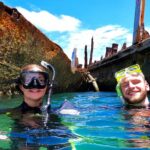
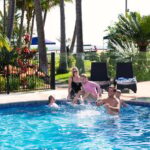
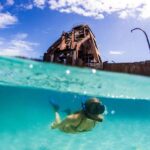
Once you reach the island, you’re on a guided route that hits the major coastal and wildlife areas. There’s time built in to relax too, not only to hop from stop to stop. In the middle of the day, you’ll have a chance for a refreshing dip in the surf or to unwind on the lakeshore beach area.
That “guided pace” is the main value of paying for a tour here. Many of North Stradbroke’s best wildlife moments are about timing and patience. A guide can slow you down at the right time and point out what to scan for—whether it’s movement in the brush or silhouettes in the water.
The itinerary also includes small developed areas you’d likely miss or skip if you were moving independently. Amity Point is one example, plus stops along the coast like Cylinder Beach and Point Lookout.
Potential downside: the day can feel weather-dependent, and if the group’s wildlife moment requires extra searching, the schedule can tighten. One review complaint was beach time feeling shortened when the guide spent additional time hunting koalas, so keep your expectations flexible.
Myora Springs Conservation Area: Freshwater With Cultural Meaning

One of the more thoughtful stops on this tour is Myora Springs Conservation Area. You’ll spend about 20 minutes here, surrounded by tropical forest.
This isn’t just a nature break. Your guide shares why the spring is significant to local Aboriginal people. That kind of context makes the stop feel more grounded than a quick photo stop—especially because water on an island isn’t just scenery. It’s a resource, and it shapes how people and wildlife move through the area.
Because the time here is short, keep it simple: wear comfortable shoes, bring your sunscreen, and plan to focus on what your guide is explaining rather than rushing to snap everything.
Cylinder Beach and Amity Point: Swim, Look Out, Reset

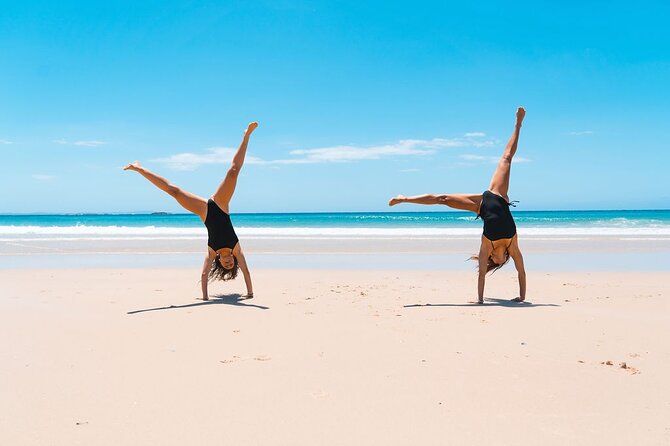
Cylinder Beach is one of the big “yes, you should swim” moments on the day. You’ll have about an hour here, and it’s positioned between scenic headlands—so it tends to feel like its own little world.
A few practical notes:
- Closed-toe shoes are recommended, but for the beach portion, you’ll want something comfortable you can also walk in.
- Bring your hat and sunscreen. Coastal sun is fast, and you’ll be outside a lot.
- If the weather is rough, you may still enjoy the views, but swim conditions can change.
Then you’ll shift to Amity Point, with about an hour there. It’s a charming seaside village with spectacular views of Brisbane City and Moreton Bay—so it gives you a satisfying “return to scale” moment after inland wildlife searching.
Amity Point also breaks up the day in a good way. You get a little time to look around at a real community setting instead of only moving between nature stops.



Point Lookout and North Gorge Walk: Where Whale Season Shows Up

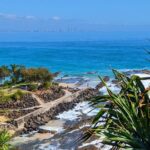
If you love coastal views, Point Lookout plus the North Gorge Walk is the heart of the day.
Point Lookout is an about 1-hour stop at the island’s iconic headland. Your guide uses the vantage point to scan for wildlife from the shoreline. Think dolphins, turtles, and other sea life you can sometimes spot in the water below.
North Gorge Walk is another roughly 1-hour guided section. It’s described as an easy coastal walk around the headland area, and it’s designed for wildlife spotting too. Here’s the big season tip: migrating humpback whales are most likely from May to October. If you’re traveling during those months, this is the time to be extra alert—your guide will be scanning while you walk.
What makes this portion feel worth the effort is the combination of exercise and payoff. You’re not doing an endurance hike, but you are getting to positions that naturally line up with how marine animals move near shore.
Weather still rules here. Cloudy skies can reduce visibility, and wind can make it less comfortable to linger at the edge. Still, even when whales don’t show, the headland views and frequent wildlife checks keep the experience active.
Koala and Kangaroo Spotting in the Interior

This tour is built around the island’s wild koala and kangaroo population. You’ll visit locations in the interior where you might find koalas munching eucalyptus leaves and kangaroos lounging in the grass.
This is where the “small group” size pays off again. Wildlife spotting isn’t about speed. It’s about standing quietly and watching long enough for something to happen. A guide can help manage spacing and timing so you don’t crowd the exact spot you’re hoping to see.
In the guide roster you might encounter names like Peter, James, Shane, or Brian—people who have a reputation for spotting koalas effectively and calling out wildlife from distance. The key isn’t magic. It’s knowing where to pause and what to look for, then keeping everyone on the same page without rushing.
One practical consideration: if your main goal is a swim, plan to be okay with the day’s priorities shifting toward wildlife. If koalas pop up, the group tends to slow down. That’s not a flaw—it’s how island wildlife days work.
Price and Value: What You Get for $135.56

At $135.56 per person, this tour is competing with other day trips, but it has real value baked in.
Here’s what you’re getting that reduces your own planning effort:
- Driver/guide and local guide
- Live commentary on board
- National park fees included
- Bottled water included
- Transport that covers coach to the ferry and the ferry crossing
What you should budget separately:
- Hotel pickup and drop-off (you meet at 222 Margaret St)
- Lunch
- Coffee/tea
So the “value” isn’t that everything is cheap. It’s that you’re paying for a full guided day with the most difficult logistics already done, plus guided stops that keep you moving efficiently.
Also, you’re not just buying transport. You’re paying for someone to take you to likely wildlife locations and to keep the day flowing so you can enjoy the walk and the views without doing navigation.
Who This Tour Fits Best
This tour is a strong match if you want:
- A full-day nature hit without renting a car
- Wildlife spotting as a priority (marine animals and island animals)
- A light-to-moderate walking day focused on viewpoints (North Gorge Walk)
It also tends to work well for families, since the minimum age is 5 years. That said, one family-oriented complaint was that the beach time felt tight, especially with changing schedules due to wildlife searching. If your kids mainly want long beach hangs, go in with flexible expectations—or be ready to trade “extra swim time” for “extra wildlife time.”
If you hate long travel days, note that the day runs about 10 hours total. It’s a commitment, but it’s a one-and-done island day rather than multiple days of half measures.
Should You Book This Small-Group Stradbroke Tour?
Yes, I’d book it if your top goal is a guided, wildlife-focused day that uses the island’s best viewing areas efficiently. The combination of ferry access, guided coastal walking to Point Lookout, and time spent scanning for koalas and kangaroos is exactly what you want from a day trip when you don’t want the hassle.
Skip it or choose another option if:
- You’re traveling with the expectation of guaranteed whales or guaranteed swim conditions (weather can change things).
- You need a very relaxed, beach-first schedule. This tour prioritizes wildlife and lookouts, and that can shorten beach time when sightings happen.
My practical advice: bring a hat, sunscreen, and closed-toe shoes, and keep your plans loose. If you do that, this tour gives you a lot of island variety for one day—and a good shot at seeing more than you’d manage on your own.
FAQ
What time does the North Stradbroke day tour start, and where do I meet?
The tour starts at 7:45am at 222 Margaret St, Brisbane City QLD 4000, and it ends back at the same meeting point.
How long is the tour?
The duration is about 10 hours.
How big is the group?
The tour has a maximum of 12 travelers.
What is included in the $135.56 price?
Included are the driver/guide, live commentary on board, a local guide, national park fees, and bottled water.
Is lunch included?
No. Lunch is not included (coffee or tea is also not included).
What kinds of wildlife can I expect to see, and when are whales most likely?
You may see dolphins, turtles, manta rays, whales, koalas, and kangaroos. Humpback whales are noted as migrating from May to October, with spotting tied to the coastal walk and lookout areas.