REVIEW · YULARA
Yulara: Uluru Sunrise and Kata Tjuta Day Trip by Bus
Book on GetYourGuide →Operated by AAT Kings · Bookable on GetYourGuide
Uluru sunrise is a wow moment. This 5-hour Yulara day trip lines you up for Uluru Sunrise from a prime viewpoint, with tea or coffee in hand as the Red Centre wakes up. You also get a packed morning drive to iconic stops that keep the day moving without feeling totally rushed.
One thing I really like is the human side: the accredited local guide brings Aboriginal culture, history, and park knowledge into the stops, not just onto a brochure. On different days, guides such as Dani, Sarah, Alex, Steph, Glenn, and Michael have been praised for making the commentary clear and practical.
The only catch to plan for is money and pacing. The tour price does not include Uluru-Kata Tjuta National Park entry for adults (AUD 38), and the tight sunrise schedule can make some moments feel quick, especially if you want long lingering photo time.
In This Review
- Key highlights you should clock before you go
- Why the 5-hour Uluru Sunrise and Kata Tjuta Combo Works
- The Early Start: Leaving Yulara for Sunrise Timing
- Uluru Viewpoints and the Sunrise Glow with Tea and Coffee
- Kata Tjuta Stops: Photo Windows and the Dome Feel
- Walpa Gorge Walk: Spearwood, Rocks, and Desert Life
- Coach Comfort, Timing, and How to Avoid Feeling Rushed
- Price and What You Still Need to Pay
- Who This Day Trip Suits (and Who Might Want a Different Option)
- Practical Tips for a Smoother Uluru Sunrise Morning
- Should You Book This Bus Tour from Yulara?
- FAQ
- How early does the tour leave for the Uluru sunrise?
- What is included in the $140 price?
- Do I need to buy the Uluru-Kata Tjuta National Park entry ticket?
- How long is the day trip?
- What kind of walking is involved at Walpa Gorge?
- What should I bring besides a camera?
Key highlights you should clock before you go
- Uluru first light with tea or coffee while the first rays hit the rock
- Kata Tjuta domes and viewpoints with camera-friendly sightlines
- Walpa Gorge walk on rocky ground with interpretation of plants and geology
- Accredited local commentary on Aboriginal culture, history, and how the park works
- Air-conditioned coach comfort that keeps early mornings manageable
Why the 5-hour Uluru Sunrise and Kata Tjuta Combo Works
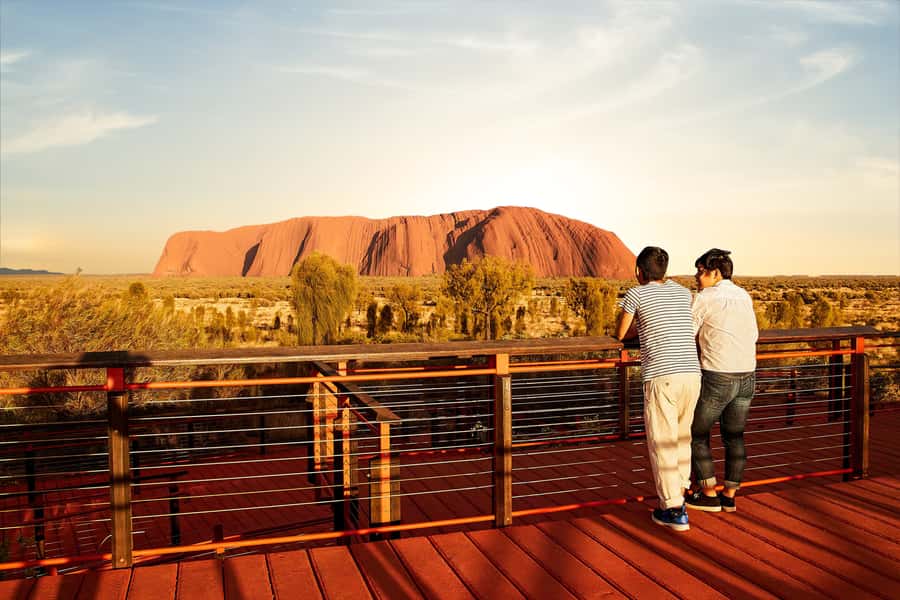
This is a classic Northern Territory “big icons, one morning” plan, and it mostly works because the timing is the whole point. You’re up early enough to catch sunrise light on Uluru, then you shift west to Kata Tjuta while the morning is still cool.
The best value here is the mix of science + story. You get geology and plant life in the walks, and you also get cultural context from an on-the-ground Aboriginal perspective through the guide’s commentary. For many first-timers, that combo is what turns a quick sighting into a real understanding of what you’re looking at.
The Early Start: Leaving Yulara for Sunrise Timing
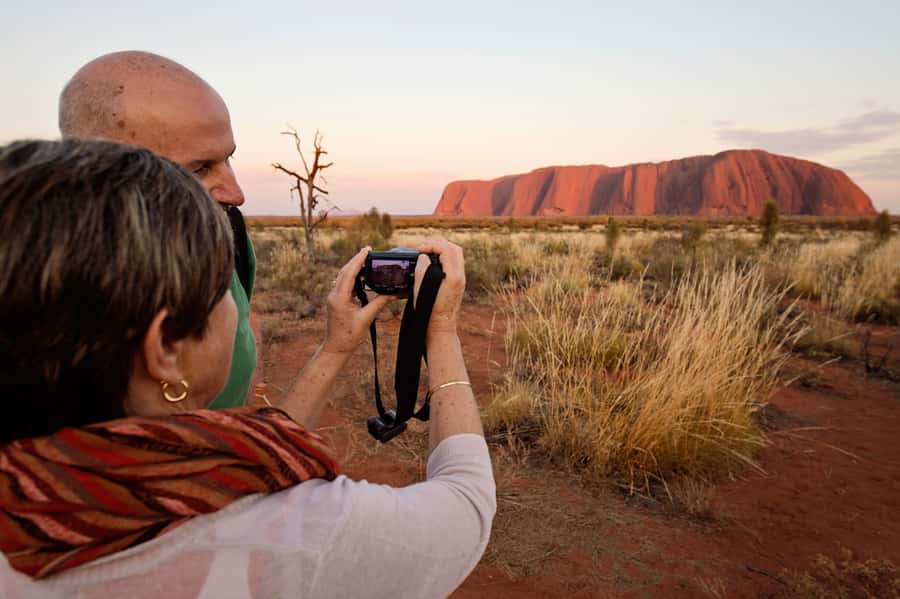
Your day begins with a schedule built around sunrise. The tour departs about 90 minutes before sunrise, and exact departure and return times shift throughout the year, depending on when the sun actually rises.
That matters because it affects how dark it is when you leave and how much you can control your own pace. If you’re the type who hates being late (or hates being rushed), set an alarm early, and aim to be at the pickup location about 10 minutes before your confirmed time.
A helpful planning note: the operator asks you to reconfirm 24–48 hours before departure. That’s smart here because sunrise timing changes, and a few minutes can feel like a lot when you’re chasing first light.
Uluru Viewpoints and the Sunrise Glow with Tea and Coffee
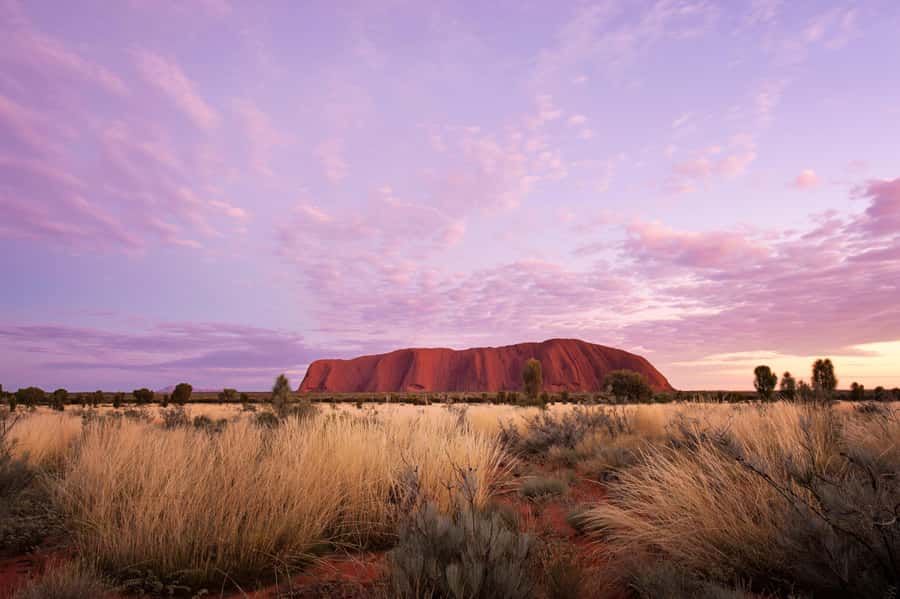
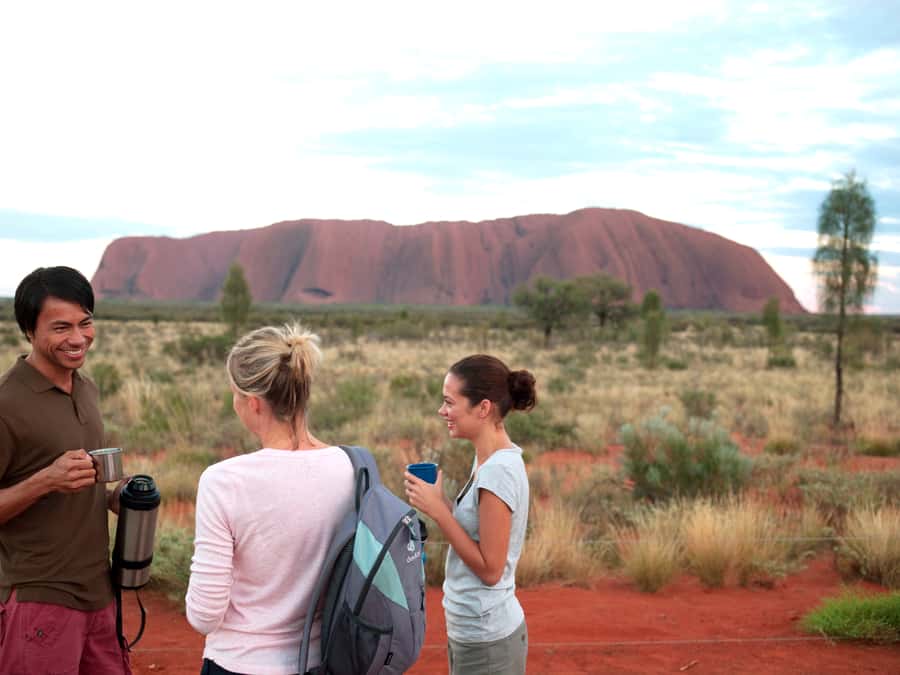
Uluru sunrise is the headline, and the tour is built around giving you an actual chance to see it happen, not just arrive for the aftermath. You’ll stop at a viewing area where you can watch the rock glow as the light changes.
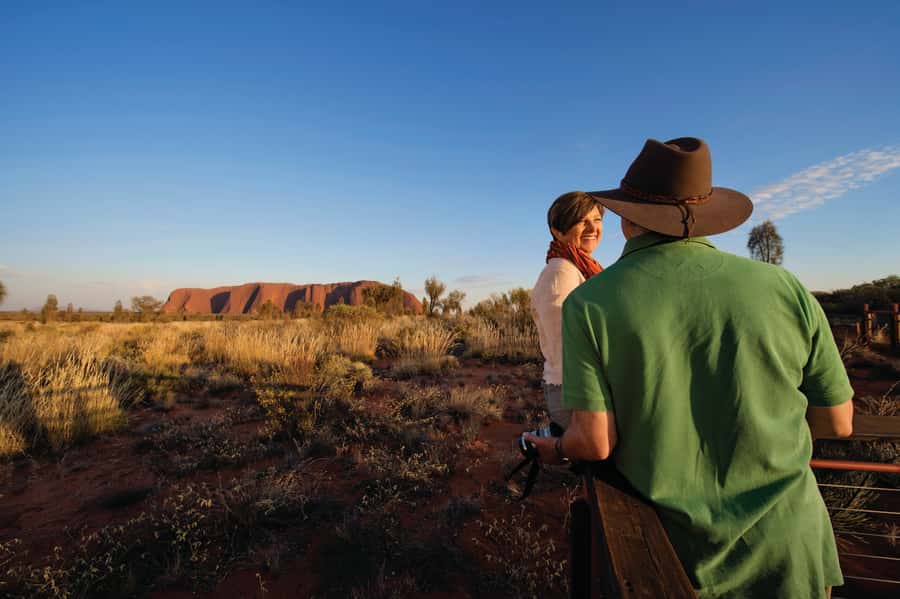
Tea and coffee are included, and that sounds simple until you realize how much warmer it makes the whole experience. It’s also a practical detail for your camera use. Some viewing platforms don’t have ledges you can easily set a cup on, so you’ll likely hold your drink while shooting photos. A good workaround is keeping your camera strap on and taking quick shots during key moments rather than trying to steady everything at once.
One more real-world thing: weather can change the quality of sunrise. If it’s cloudy, you may get a gentler version of the spectacle rather than dramatic rays cutting through. The viewpoint still matters, though, and the tour gives you the right setup for the conditions that morning.
Kata Tjuta Stops: Photo Windows and the Dome Feel
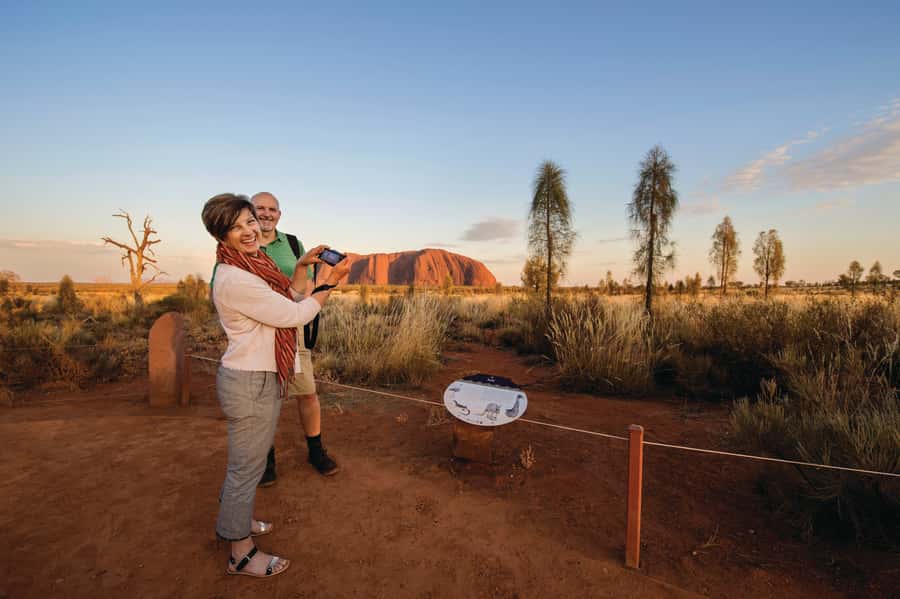
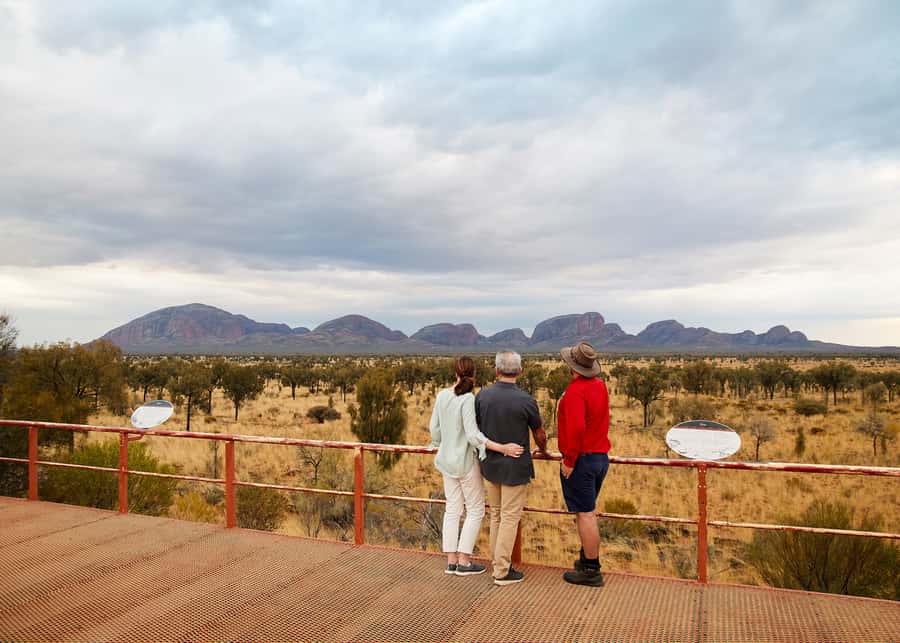
After Uluru, the day turns toward Kata Tjuta National Park, known for its massive dome formations. You’ll travel into the park by air-conditioned coach, then you’ll stop at lookouts where you can see the domes from multiple angles.
There’s also a standout photo stop described as Talinguru Nyakunytjaku, where you can look out for many kilometers. If you’ve only seen Uluru in photos, this is your brain’s reminder that the Red Centre is a whole system, not one rock.
If you love photography, treat these stops like a small window rather than a long break. You’ll want your camera ready, but also don’t forget to look with your eyes for a moment. The domes shift in texture and shadow fast as the morning light strengthens.
Walpa Gorge Walk: Spearwood, Rocks, and Desert Life
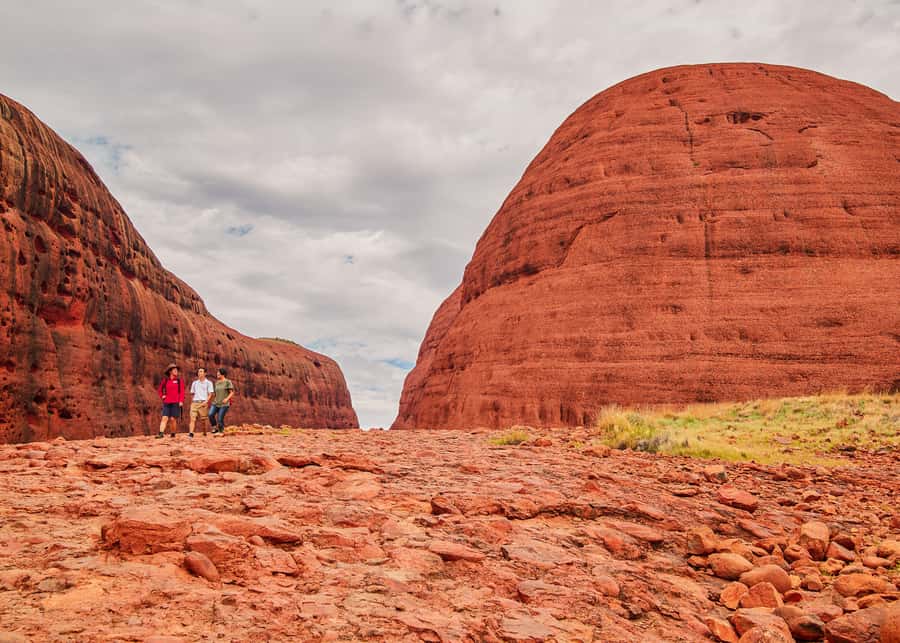
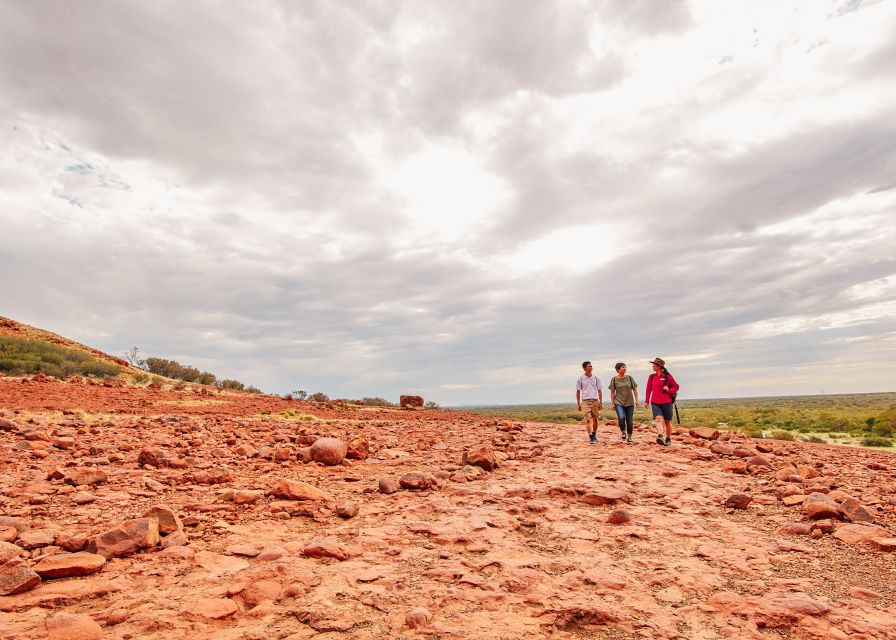
This is the part of the day where your legs do the work. The tour includes a walk through Walpa Gorge, on a gentle but rocky track. It’s not a long hike by wilderness standards, but uneven footing is real, and you’ll want steady shoes.
What makes the walk valuable is the interpretation. The guide talks about local flora and fauna and also the geology of the formation. In practical terms, that means you’re not just looking at rocks and shrubs—you’re learning what you’re seeing and why it survives here.
Spearwood (and other desert-adapted plants) come up during the walk, and that helps you notice details you’d otherwise miss. Reviews have also highlighted how carefully you need to watch your footing. Plan on looking down sometimes, especially on rocky sections, so you don’t twist an ankle chasing a view.
If mobility is a concern, you might find the day is still doable with the help of the guide. Some departures have included rest seating along the route, but the terrain is still rugged, so don’t treat this as an “easy stroll.”
Coach Comfort, Timing, and How to Avoid Feeling Rushed
This is a bus day trip, so the coach becomes part of the experience. The ride is air-conditioned, and the commentary continues along the way, so you’re not stuck “just waiting” in silence between stops.
That said, sunrise days have built-in pressure. Even with a well-run schedule, you’re working around time-sensitive light and the fixed windows for walks. Some people feel the Uluru lookout and the gorge walk can be a bit tight, which is the trade-off for packing both icons into one half-day.
My advice: keep your expectations set to the reality of sunrise touring. You’ll get memorable moments, but you won’t have hours alone to wander. If you’re someone who loves long, slow stops and deep photo sessions, you might prefer adding extra time on your own after this tour.
Price and What You Still Need to Pay

The tour price is listed at about $140 per person for 5 hours, and that includes pick-up and drop-off in Ayers Rock, tea and coffee, and an experienced accredited local driver guide. You also get travel in an air-conditioned coach and comprehensive commentary.
What’s not included is the Uluru-Kata Tjuta National Park entry fee: AUD 38 for adults (adults over 18), and children are free. You must pre-purchase park tickets online, and the tickets are valid for 3 consecutive days.
So the real cost to budget is closer to the tour price plus the park entry fee for adults. If you’re traveling as a family, the math can look much better because children don’t pay the park entry fee.
For me, the value comes from three things working together: early timing, guided context, and at least one real walking moment at Walpa Gorge. If you only wanted a quick bus photo stop, you’d probably feel like it’s too pricey. If you want a guided start to the park, it’s easier to justify.
Who This Day Trip Suits (and Who Might Want a Different Option)
This tour is a strong fit if you’re:
- In Yulara for a short visit and want the “big three” in one morning: Uluru, Kata Tjuta, Walpa Gorge
- New to the region and want cultural and natural history explanations tied to each stop
- Comfortable walking on uneven, rocky ground for the gorge segment
- A sunrise person who loves seeing light change something you thought you already knew
It may feel less ideal if you:
- Want extended time at each viewpoint and hate being told when to move on
- Have limited mobility and are concerned about rocky terrain, even if rest points exist on some routes
- Expect a relaxed breakfast-style morning instead of an early departure built around daylight
And one more note from real-world experience: if your priority is sheer drama, sunrise is the plan here. If your priority is softer light and a slower emotional pace, you might prefer the alternative sunrise/sunset style tour option available in the area.
Practical Tips for a Smoother Uluru Sunrise Morning
Bring a jumper. Even if your daytime temps are warm, nights can cool down fast in winter months, and the early morning departure means you’ll feel it before you warm up with tea.
Wear comfortable walking shoes with grip. The Walpa Gorge track is described as rocky, and you’ll benefit from shoes that keep your ankles steady. If you’re tempted to bring “pretty but slippery” sneakers, don’t.
Bring a water bottle—about 1 liter is the suggestion. You’ll also want to keep water handy because the day starts early and the park walks make you use energy before you realize it.
For your camera and hot drink setup, plan like this: keep one hand ready for your camera. If you want a clean shot, take a quick photo burst during the peak moment, then put your focus back on enjoying the view rather than juggling gear.
Should You Book This Bus Tour from Yulara?
I’d book this tour if you want a guided, time-efficient way to experience Uluru and Kata Tjuta without losing the cultural and nature context that makes the park matter. The best version of this day is when you treat it as a “start here” morning: sunrise for awe, Kata Tjuta for scale, Walpa Gorge for plant-and-rock learning.
I wouldn’t book it if you need lots of free time at each viewpoint or if you’re not comfortable on rocky walking surfaces. In that case, you might do better with a slower, self-paced plan that gives you more control over how long you linger.
If you book, do one simple thing: pre-purchase your park entry ticket online for the dates you’re visiting, and show up early. When timing and paperwork line up, you get the main reward—those first moments when Uluru turns from stone to light.
FAQ
How early does the tour leave for the Uluru sunrise?
The tour departs about 90 minutes before sunrise. Departure and return times vary through the year, so your voucher time may not match the real schedule. You should reconfirm your exact pickup time 24–48 hours prior.
What is included in the $140 price?
The tour includes pick-up and drop-off in Ayers Rock, tea and coffee, an experienced accredited local driver guide, travel in an air-conditioned coach, and comprehensive commentary.
Do I need to buy the Uluru-Kata Tjuta National Park entry ticket?
Yes. The park entry fee is not included. Adults need to pre-purchase online for AUD 38, and children are free. Tickets are valid for 3 consecutive days.
How long is the day trip?
The duration is listed as 5 hours.
What kind of walking is involved at Walpa Gorge?
You’ll walk on a gentle but rocky track through Walpa Gorge. Comfortable walking shoes are encouraged because the terrain is uneven.
What should I bring besides a camera?
Bring a jumper for early mornings, wear comfortable walking shoes, and bring a water bottle (around 1 liter is suggested).