REVIEW · SAMARKAND
Seven Beauties of Shing -Seven Lakes Day Trip From Samarkand
Book on GetYourGuide →Operated by Asli Travel · Bookable on GetYourGuide
Borders turn into scenery on this day trip. This Shing Seven Lakes excursion adds a real cross-border flavor: Panjakent’s Muhammad Bashoro mosque with green tiling, then a lively market break for dried apricots and local chatter before you head up toward mountain lakes. I like how the day mixes culture and nature without feeling like two separate trips—just one continuous change of scenery.
One possible drawback: your day runs on border time and mountain roads, so the timing can feel tight, especially since the plan is described as 6 lakes (a possible extra cost may apply to the farther seventh stop, depending on conditions). If you’re racing a train schedule, build in extra buffer—or pick the early side of the day trip.
In This Review
- Key points to know before you go
- Entering Tajikistan from Samarkand: the real work starts at Dzhartepa
- Panjakent’s Muhammad Bashoro mosque and the Central Bazaar stop
- The mountain drive: why your shoes and patience matter
- Mijgon, Soya, Hushyor: three lakes with three different moods
- Nofin and Hurdak: village scale and the shortest walk
- Marguzar Lake: petroglyphs, old mining, and the option to ride a donkey
- Price and value: what $280 per group really buys
- Drivers, language, and safety: the human part of the day
- What to pack and how to plan your day like a pro
- Should you book this Seven Lakes trip from Samarkand?
- FAQ
- How long is the Seven Lakes day trip?
- Does the tour include pickup from my place in Samarkand?
- What’s included in the price?
- Are food, drinks, and entry tickets included?
- How many lakes are included in the plan?
- Do I need a guide during the trip?
- What documents and items should I bring for the border?
Key points to know before you go
- Muhammad Bashoro mosque: 11th–12th century mausoleum/mosque complex with striking green tiling and a grand central cupola hall
- Central Bazaar in Panjakent: a practical stop to shop like locals, especially for dried apricots
- Dzhartepa border crossing: expect it to take time, and you’ll shift vehicles with new driving on the Tajikistan side
- Six distinct lakes: colors and moods change by weather—plus Soya Lake stays shaded year-round
- Mountain driving + unpaved walking: after the 6th lake you may face long stretches without paved trails, with a donkey rental option
- Marguzar Lake has the most “story”: petroglyphs and signs of semi-precious stone mining, plus a longer walk
Entering Tajikistan from Samarkand: the real work starts at Dzhartepa
This is not just a nature day. It starts with a border crossing at Dzhartepa checkpoint between Uzbekistan and Tajikistan, followed by a scenic drive to Panjakent. That initial handoff matters because it affects your pace. You’ll likely feel the rhythm of the day shift after the border—new driver, new set of rules for timing, and more focus on the mountain route.
Most of the groups I talked to about experiences like this stress one theme: plan for delays, not perfection. In practice, the day still works—just don’t treat it like a predictable, clockwork schedule. One group even found the ride bumpy enough that the driver’s caution was part of the experience, especially when roads were slick after rain.
The good news is that coordination is a highlight. Many people report clear messaging on the Uzbekistan side (names that came up include Zafar) and a smooth handoff on the Tajikistan side (with drivers like Sabir and Umed mentioned often). If you show up on time for pickup and keep your documents ready, the rest usually falls into place.
You can also read our reviews of more tours and experiences in Samarkand.
Panjakent’s Muhammad Bashoro mosque and the Central Bazaar stop
Your Panjakent time is built around two anchors: religion/history and everyday market life.
First up is the Muhammad Bashoro mosque, an 11th- and 12th-century mausoleum and mosque complex. What makes this stop special is the presentation: the entrance and its details are the main event, including green tiling and a grand central cupola hall. This is the kind of place where you can pause, look up, and get the feeling of how old routes and old empires still leave marks on today’s geography.
Then you’ll hit the Central Bazaar—a stop you’ll appreciate if you like practical travel. You’re not just walking through for photos. You can actually buy things like dried apricots, and you’ll get the “I’m here for the day” energy that markets have when you’re standing among people doing everyday errands. If you’re shopping for gifts, this is a better bet than trying to find the same items later.
One more detail: don’t expect this part to be a long museum-style lecture. The day is designed to keep moving. If you want deeper interpretation, a guide is available on request from the Tajikistan border—but otherwise you’ll rely on what your driver can explain in Russian or basic English, with help via translation when needed.
The mountain drive: why your shoes and patience matter
After Panjakent, the route turns toward the Seven Lakes area. This is where you’ll feel the “day trip to another country” vibe in your body. The roads can be rough, and you’ll be in a car for long stretches. People consistently note that the ride is bumpy, but they also mention the drivers take safety seriously.
What that means for you: wear comfortable shoes and plan for some walking where the ground might be uneven. You’ll also want to carry water and a snack or picnic items. While lunch is mentioned as an option in the city, food and drinks aren’t included in the tour price, so don’t count on the day feeding you.
Connectivity can be spotty too. One group noted there’s little to no mobile service for long stretches, so you should avoid any plan that depends on constant internet. Download offline maps ahead of time if you like that sort of security blanket.
Also pack for temperature shifts. A warm jacket is required in early spring and late autumn, and even in milder seasons, lake areas can feel cooler due to elevation and shade.
Mijgon, Soya, Hushyor: three lakes with three different moods
The lakes are the heart of the day, and each one has its own “reason to stop.”
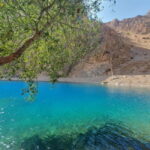
Mijgon Lake is described as appearing turquoise, blue, or even purple depending on weather and time of year. That’s a big deal because it means you shouldn’t assume you’ll see the same color in every photo online. If clouds roll in, the lake can shift fast. Give yourself a minute or two to watch it change instead of snapping one shot and moving on.
Next is Soya Lake, tucked between high rocks. The key detail is practical: the rocks cast the lake in shade throughout the year. That often creates cooler light, which can be great for photos—less glare—but it can also make the water look darker. Bring sunglasses, but also be ready for a different lighting mood than you expect from a bright, sunny forecast.
Then comes Hushyor Lake, described as full of sparkling fish. If you’re the type who likes watching small motion in big scenery, this one is for you. Fish activity can be subtle from a distance, so lean forward, take your time, and let your eyes adjust.
A pattern shows up in the best moments of the day: when your driver is patient about stopping for photos and short walks, the lakes feel more personal instead of rushed. Several groups specifically praised drivers who stopped whenever they wanted pictures and stayed flexible.
Nofin and Hurdak: village scale and the shortest walk
After the first trio, your day moves into lakes that feel more tied to the local way of living.
Nofin Lake is bordered by what’s described as the largest village among the villages of the Seven Lakes system, tied to a remote community of cattle herders. You’re not just viewing water here—you’re seeing how people live with the terrain. If you like travel that connects scenery to real livelihoods, this stop has that “this place is working” feeling.
Then there’s Hurdak Lake, described as the smallest lake in the area. That can actually be a good thing. A smaller lake stop sometimes means less crowding and more time to enjoy the calm. Just keep your expectations realistic: the day is still built around multiple stops, so don’t expect long stays at every viewpoint unless your driver manages extra time.
One more practical note from real-world experiences: after the 6th lake, there can be kilometers without a paved trail. That matters because it turns “lake photo stop” into “walking stop.” The good side is that you’ll likely get a more direct feel for the area. The tricky side is getting tired before Marguzar.
Marguzar Lake: petroglyphs, old mining, and the option to ride a donkey
Marguzar Lake is described as the largest and most beautiful lake in the Seven Lakes system. What you should know is that it’s not only about the view. It’s also about what’s around the lake: petroglyphs and signs that semi-precious stones were once mined here.
This stop often involves more effort. The plan mentions an option to take a donkey for a roughly 6-kilometer hike. Whether you choose it depends on your comfort level and how much time you have left that day. If you’re traveling with people who prefer to conserve energy, the donkey option can turn this from a “maybe we skip it” moment into a “we made it” moment.
You might notice a pattern in the day’s tradeoffs: the further the lake, the more walking and unpredictability. Some groups couldn’t go to the farthest seventh stop due to time pressure (like catching a train) or road conditions. So if Marguzar is your top priority, plan to arrive with a good mood and an acceptance that nature doesn’t check schedules.
Price and value: what $280 per group really buys
The price listed is $280 per group up to 3, and the tour runs about 8 hours. Included costs are fairly straightforward: air-conditioned transportation, a driver, and a sightseeing day trip to Tajikistan.
Not included are things that can add up: guide, entry tickets, and food and drinks. On top of that, the day trip is described as covering six lakes, even though the name references seven. Some groups reported that the farther stop may require an extra payment (one mentioned extra cost around $20). That doesn’t mean the tour is bad value—it means you should think of it as six guaranteed lake stops plus possible options depending on conditions and timing.
So is it worth it? For the right traveler, yes. You’re effectively buying four things:
- cross-border logistics and a guided route through a remote area
- a culture stop in Panjakent (mosque + bazaar)
- lake viewing across multiple sites in one day
- a driver who helps keep you safe and moving through roads that can be rough
If you’re the type who can do this independently, you might spend less. But if you don’t want to handle borders and mountain navigation, the $280 makes sense as a convenience fee.
Drivers, language, and safety: the human part of the day
One of the most praised parts of this trip is the people driving and coordinating. Many groups mentioned excellent coordination and friendliness. Names that came up include Sabir on the Tajikistan side and Umed as a helpful driver who made sure people felt comfortable.
Language can be a mixed bag. The driver is listed as Russian/English, but several groups noted English is limited and conversation may rely on translation apps. Mobile service can also be unreliable for long stretches, so don’t count on a smooth internet-based translation conversation during the hardest parts of the road.
That said, the driver side is often where the trip turns from functional into memorable. One driver was described as providing snacks, helping with photos, playing music, and sharing some Tajik culture. Another group mentioned even buying simple food like samsa and bread during the day. None of that is guaranteed, but it shows the range of what a good driver can add.
Safety-wise, several groups said they felt safe with the mountain driving. The key is to trust the driver’s pace, especially on rocky sections or in bad weather.
What to pack and how to plan your day like a pro
Because this is a fast 8-hour day, you’ll want to reduce friction.
Bring:
- passport (required for border crossing)
- comfortable shoes and hiking shoes if you plan to walk
- warm clothing (especially early spring or late autumn)
- sunglasses and a hat
- sunscreen and water
- food and drinks (since they’re not included)
A warm jacket note is practical: lake areas and mountain roads can cool down quickly, and shade around Soya Lake is real. Layers beat one bulky coat when you’re moving in and out of cars and changing light at each lake.
Also plan your photos with timing. Mijgon’s color shifts with weather; Soya Lake stays shaded; Hushyor Lake is about sparkle, which often looks best after your eyes adjust. If you keep switching lakes every few minutes without pausing, you’ll feel the day as logistics instead of scenery.
Finally, if you have an important train or connection the same day, be honest about the border and road unpredictability. Some groups had to cancel or skip a later lake because of scheduling pressure.
Should you book this Seven Lakes trip from Samarkand?
Book it if you want a single-day taste of Tajikistan that combines culture and mountains, without needing to arrange complicated border logistics yourself. It’s especially strong if you like: mosque architecture, market browsing, and multiple lake stops where the water color and light can change from one viewpoint to the next.
Skip or reconsider if you:
- need a strict timetable and can’t absorb border delays
- want long stays at each stop
- are only interested in a single, farthest seventh lake and not the six included ones
If your top priority is Marguzar and you’re comfortable walking, bring energy and shoes—then ask your driver what the plan looks like for reaching the farthest point that day. If conditions or timing force a shorter route, you’ll still get a full day of meaningful stops.
Bottom line: at $280 per group up to 3, it’s good value when you treat it as a coordinated day trip with fixed culture stops plus lake viewing across six sites—and you pack like it’s a mountain outing, because it is.
FAQ
How long is the Seven Lakes day trip?
The duration is listed as 8 hours.
Does the tour include pickup from my place in Samarkand?
Yes. Pickup is included from your hotel in Samarkand, or from the airport or railway station. You should wait in the hotel lobby about 5 minutes before the scheduled pickup.
What’s included in the price?
Included items are air-conditioned transportation, the driver, and the sightseeing day trip to Tajikistan.
Are food, drinks, and entry tickets included?
No. Food and drinks are not included, and entry tickets are also not included.
How many lakes are included in the plan?
The activity description and highlights focus on seeing 6 lakes. The farthest seventh stop may require extra time and/or an additional cost depending on conditions.
Do I need a guide during the trip?
A guide is not included, but it’s listed as available on request from the Tajikistan border.
What documents and items should I bring for the border?
Bring your passport and keep it with you during the tour. Also pack comfortable shoes, warm clothing (season-dependent), sunglasses/hat, water, and sunscreen. Food and drinks are also recommended since they’re not included.