REVIEW · SAMARKAND
Samarkand: Seven Lakes of the Fann Mountains Day Trip
Book on GetYourGuide →Operated by Trip Orient LLC · Bookable on GetYourGuide
Fann Mountains in one day? Yes, and it feels wild in the best way—emerald lakes, snow lines, and mountain villages all packed into a long day. I love the color contrast: emerald green and turquoise water set against snow-capped peaks. I also really liked how smoothly the day flows, including Panjikent sightseeing and a handled border crossing with guides like Elyor on the Tajikistan side.
You should know the logistics are part of the adventure. Roads can be rough and altitude is real, and you’re in and out of the van for long stretches, so comfort matters if you’re sensitive to bumpy rides.
If you’re after an authentic, nature-first day trip (not a museum shuffle), this one delivers. You’ll drive up into the Fann Mountains area, hit multiple lakes in sequence, and get a picnic break high up—plus a chance to dip your toe in cold water if you’re game.
In This Review
- Key highlights you’ll actually feel
- Samarkand to Panjikent: the border day starts with momentum
- Panjikent: bazaar + mosque + a quick local taste
- The offroad reality: why the drive to the lakes is half the story
- Seven Lakes sequence: Nezhigon to Hazorchashma, one color stop after another
- Village visits: Pardut, Khurdak, and Marguzor beyond the scenery
- Picnic at altitude: what you’ll love, plus the cold-water reality
- Timing, walking, and what to pack for 12 hours
- Price and value: does $115 hold up for a full cross-border day?
- Guides and drivers: how the day gets easier
- Who this is best for (and who should think twice)
- Tajikistan visa check: don’t leave this to the last minute
- Should you book the Samarkand to Seven Lakes day trip?
- FAQ
- How long is the Samarkand to Seven Lakes day trip?
- What’s included in the price?
- Is food included for the picnic?
- Where does the trip start and end?
- Do you handle the border crossing into Tajikistan?
- What languages are the guides available in?
- What visa do I need for Tajikistan?
- What should I bring?
- Is the tour accessible for wheelchair users or people with back problems?
Key highlights you’ll actually feel
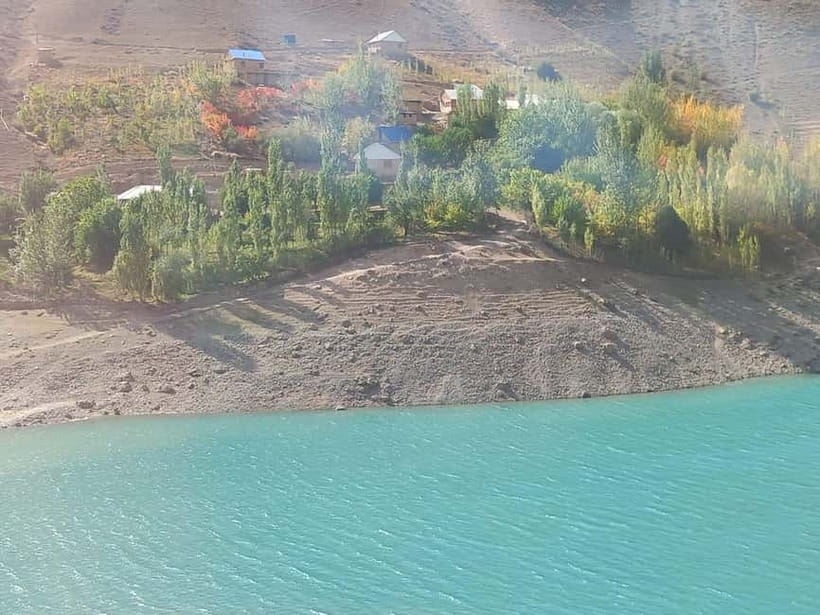
- Seven Lakes in one run: Nezhigon, Soya, Gushor, Nofin, Khurdak, Marguzor, and Hazorchashma
- That long view moment: the first-to-last lake stretch covers over 14 km of mountain valley
- Village stops with real faces: Pardut, Khurdak, and Marguzor, where you can see rural life up close
- Picnic at altitude: a high-mountain hill stop (tea sometimes included) after you buy picnic supplies
- Panjikent for context: a quick bazaar, mosque, and local area taste before the lakes
- Multiple guide languages: English, Russian, Persian, Korean, French, with guides like Elyor often making the day easy
Samarkand to Panjikent: the border day starts with momentum
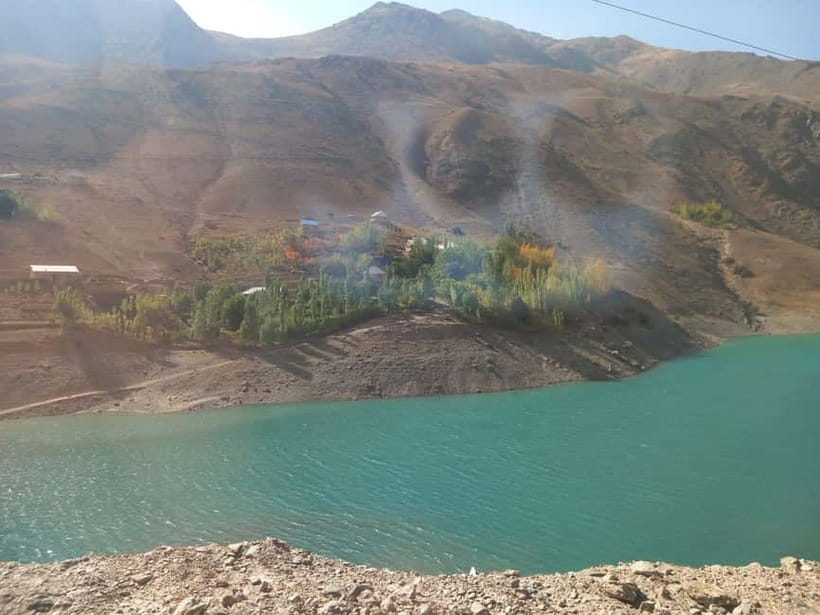
This is a full-day cross-border drive, and what makes it work is that it’s organized around the border step instead of pretending it won’t take time. You start in Samarkand with hotel pickup, then you head toward the Panjikent area on the Tajikistan side.
After you cross into Tajikistan, you spend a short window in Panjikent (about 30 minutes). That’s long enough to get your bearings and grab picnic supplies, but not so long that you feel stuck in traffic or rushed into shopping.
One more thing I appreciate: you don’t just get a “drive-and-drop.” The plan includes guided stops and photo breaks, which means you’re not constantly negotiating where to pull over.
You can also read our reviews of more tours and experiences in Samarkand.
Panjikent: bazaar + mosque + a quick local taste
The Panjikent stop is designed as a warm-up. You get a brief sightseeing pass that can include the bazaar and a mosque, plus a bit of local area experience. For many people, this short slice is the easiest way to shift from the Samarkand rhythm into Tajikistan’s mountain-country pace.
It’s also useful because it gives you time to think about supplies. Your picnic food isn’t included, so you’ll want snacks and basics ready for a day that runs about 12 hours from pickup to drop-off.
If you like photographing markets and everyday street life, this stop scratches that itch without turning the day into errands.
The offroad reality: why the drive to the lakes is half the story
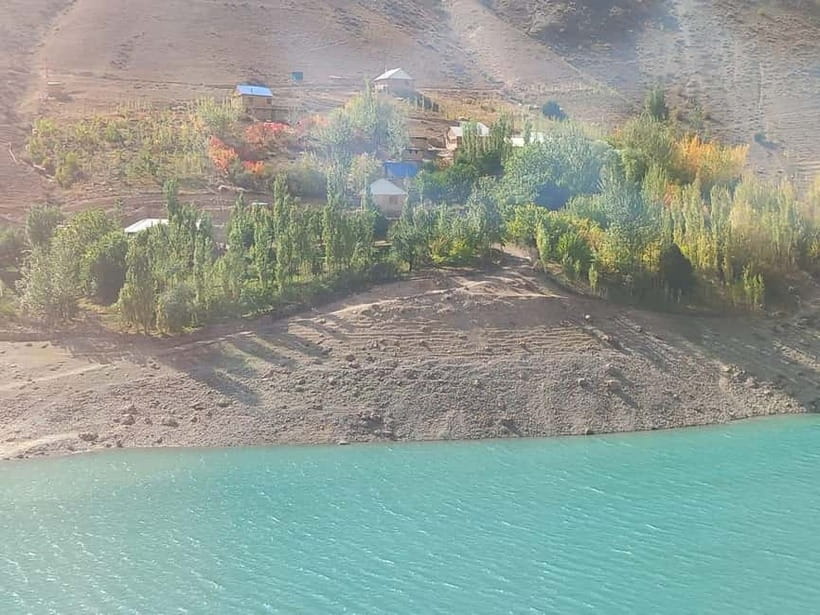
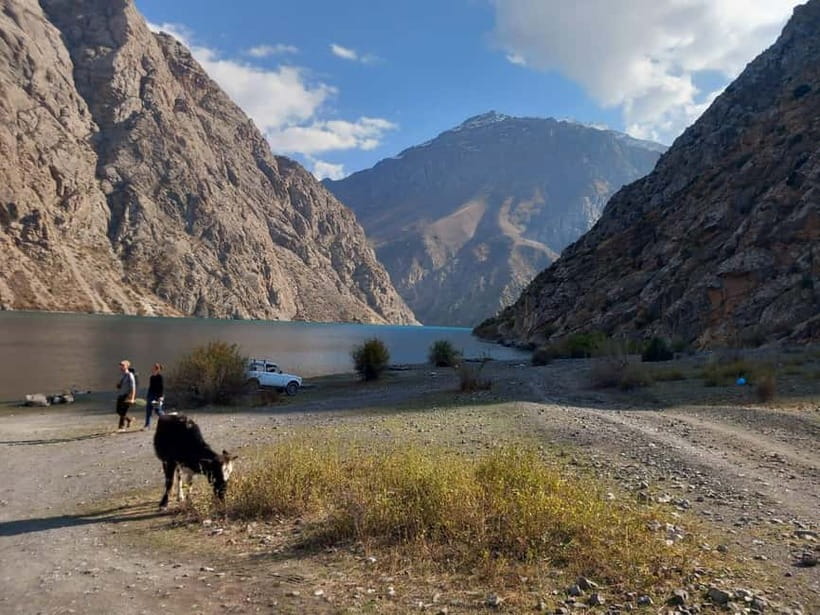
The route into the Seven Lakes area is not a smooth highway stroll. You’re climbing into the Fann Mountains zone at roughly 1,640 to 2,400 meters, with lake 7 often described higher in practice. That elevation affects how you feel (breath, cold, lighting), and the roads affect how you experience the journey.
In plain terms: you’ll spend a lot of time bouncing around in a van, and the last stretch near the far lake can be especially rocky. Many days still include plenty of “look out the window” moments, but you should also plan for comfort to be a real factor.
If your comfort priority is high, you’ll be glad you dressed for cold and had sensible shoes. Even when the road isn’t dangerous, it can feel rough, and you don’t want your day ruined by blisters or shivering.
Seven Lakes sequence: Nezhigon to Hazorchashma, one color stop after another
The magic of this trip is the sequence. You’re not seeing one lake and calling it a day—you’re moving through a cluster of seven, each with its own look and mood. The itinerary typically includes these lakes in the area: Nezhigon, Soya, Gushor, Nofin, Khurdak, Marguzor, and Hazorchashma.
You’ll also get the sense of the valley itself: a narrow mountain corridor with small lakes hidden between ridges. That matters because it makes the scenery feel discovered, not staged.
Here’s what you can expect as the day progresses:
- Early lakes are often easier to reach, and they set the color tone—emerald and turquoise water with snow background.
- Mid-lakes keep changing with light and weather, and you’ll be glad you brought your camera because the water doesn’t look the same twice.
- By the final lakes (especially around Hazorchashma), you’re higher, colder, and surrounded by a more intense sense of remoteness.
One practical note: the distance from the first to the last lakes is described as more than 14 km, so you’re dealing with both distance and time. The stops give you photo time and breaks, but this is still a long day where you’ll want to pace yourself.
Village visits: Pardut, Khurdak, and Marguzor beyond the scenery
Between the lakes, you visit mountain villages such as Pardut, Khurdak, and Marguzor. This is the part that turns the trip from sightseeing into people-and-place.
Even a short village walk can be meaningful. It gives you a glimpse of rural life in the mountains—how communities live with the seasons, how daily spaces work, and how locals interact with visitors. You may also get a chance to move around at least a bit instead of staying locked in the van.
This is also why a guide matters here. A good guide can translate what you’re seeing and help you understand why the villages are where they are—on slopes, in sheltered pockets, and along workable routes to the higher terrain.
Picnic at altitude: what you’ll love, plus the cold-water reality
The day includes a picnic on a mountain hill. Since picnic food isn’t included, you’ll want to buy or pack what you need earlier. Your group should stop at a local shop for picnic supplies, and that’s a great chance to try simple regional basics.
What makes the picnic stand out is the setting. You’re eating high up with mountain air and wide views. People often describe it as a highlight because it breaks up the driving and gives you a slower moment to enjoy the whole area, not just the photos.
And yes, the lakes can be swim-worthy. The water is described as cold, but there’s an option to go in near the lakes—if you bring a swimsuit and you’re okay with chilly water.
If you’re planning to swim, think practicality:
- cold water means quick in-and-out
- warm layers for after are not optional
- keep your time short so you don’t get chilled on the return road
Timing, walking, and what to pack for 12 hours
This is labeled as a 12-hour day trip, and the schedule reflects that: border crossing, Panjikent sightseeing, a long drive, multiple lake stops, village time, and a picnic break. You’re not just hiking all day, but you are moving constantly—short visits, photo stops, and stretches where you’ll want to move around on uneven ground.
About walking: the trip is generally described as low-hike, with most of the experience accessible from pull-offs. Still, near the last lake, some people end up walking a short distance when roads are rough or where closer access isn’t easy. Plan for at least a bit of walking.
Pack like this:
- comfortable shoes with grip
- warm clothing for mountain cold and wind
- camera (you’ll use it often)
- snacks and water (because you’ll be in transit for hours)
- optional swimsuit if you want that cold-water moment
Also follow the rules: no smoking, no alcohol and drugs, and keep the area clean. In a place this remote, respect is part of getting the experience to stay authentic.
Price and value: does $115 hold up for a full cross-border day?
At $115 per person, you’re paying for the whole machine: pickup and drop-off, transport, a live guide, border crossing support, Seven Lakes access, village stops, and photo stops. You’re also getting a short Panjikent city tour with bazaar and mosque components.
That’s the value piece people often miss when they compare prices to a self-arranged plan. Doing this independently means managing border steps, transportation on mountain roads, timing, and the “where do we go now?” problem. Here, those parts are bundled.
The one cost you still need to manage yourself is food. Picnic food and meals aren’t included, and you’ll likely buy supplies on the way. So think of the $115 as covering the logistics and guided experience, while you cover your own snacks and picnic items.
If you like structure—especially for border travel—this price can feel fair. If you’re the independent type who enjoys figuring everything out yourself, you might find it pricey. But the roads and the schedule make this one of those days where an organized plan helps.
Guides and drivers: how the day gets easier
The human part is a big reason this tour scores well. Guides such as Elyor show up repeatedly in the experience reports, and the guides are described as friendly, funny, and able to explain both culture and nature. If your language is English, Russian, Persian, Korean, or French, you should be able to communicate comfortably.
Drivers matter too. Even when the route is rough, you want someone who’s used to mountain terrain and can keep the ride controlled. People describe the mountain driving as tricky but handled safely, and that trust makes the day less stressful.
In short: when both guide and driver are strong, the entire day feels smoother. You spend more time looking at the lakes, less time worrying about what’s next.
Who this is best for (and who should think twice)
This tour is best for people who:
- want a nature-focused day trip with multiple stops
- are okay with a long day and mountain cold
- enjoy guided explanations for what you’re seeing
- like a bit of adventure, including rough roads
It is not suitable for:
- pregnant women
- people with back problems
- wheelchair users
Also, if you’re hoping for zero-bump comfort, you may find the ride uncomfortable at times. Some vehicles can be limited on rougher terrain, and road conditions can affect how close you can get to certain points. You’ll still see the lakes, but your comfort expectations should match the reality.
Tajikistan visa check: don’t leave this to the last minute
This trip involves crossing from Uzbekistan to Tajikistan, so visa rules matter. The guidance is to check your Tajikistan visa requirements. The info says Europeans do not need a visa, but it also says to double-check, and it notes you can apply online.
Do that early. Border travel goes faster when you’re not scrambling for documents.
Should you book the Samarkand to Seven Lakes day trip?
I’d book this if you want the Seven Lakes without turning your day into a logistics project. The combination of lake colors, mountain villages like Pardut/Khurdak/Marguzor, and a high-altitude picnic makes it feel like more than a simple sightseeing loop.
I’d think twice if you:
- dislike long rides on rocky roads
- need frequent comfort breaks
- have medical limitations that make uneven terrain harder
For the right fit, this is exactly the kind of “one extra day” trip that changes how a country feels. You’ll leave with cold mountain air in your lungs, photos you’ll actually remember, and a sense of having reached a place that doesn’t feel crowded.
FAQ
How long is the Samarkand to Seven Lakes day trip?
The duration is 12 hours.
What’s included in the price?
Hotel pickup and drop-off, transportation by van or sedan, a live tour guide, a Panjikent city tour (bazaar, mosque, local area experience), the Seven Lakes, a local village visit, a picnic on a mountain hill, border crossing support, and photo stops.
Is food included for the picnic?
No. Food for the picnic and meals aren’t included, so you should plan to buy supplies and bring snacks.
Where does the trip start and end?
It starts with pickup in Samarkand and includes drop-off back in Samarkand.
Do you handle the border crossing into Tajikistan?
Yes, border crossing is included as part of the tour.
What languages are the guides available in?
English, Russian, Persian, Korean, and French.
What visa do I need for Tajikistan?
You should check Tajikistan visa requirements before you go. The info provided says Europeans do not need a visa, but you should double-check and you can apply online if needed.
What should I bring?
Comfortable shoes, warm clothing, a camera, snacks, and water.
Is the tour accessible for wheelchair users or people with back problems?
No. It’s listed as not suitable for pregnant women, people with back problems, and wheelchair users.