REVIEW · MILAN
From Milan: Bernina Train, Swiss Alps & St. Moritz Day Trip
Book on GetYourGuide →Operated by TAOTRAVEL · Bookable on GetYourGuide
One train ride changes your whole idea of Switzerland. The Bernina journey to St. Moritz is the big draw, and I love how this trip pairs it with real Swiss town time instead of leaving you stuck on a bus. You also get a coach with an English-speaking guide, so you’re not just watching windows—you’re understanding what you’re seeing.
The main thing to consider: you only get about 105 minutes in St. Moritz, so if you want to linger over every café terrace and viewpoint, you’ll feel the time crunch.
In This Review
- What I like most (and why it matters)
- Key points worth knowing before you go
- The Bernina Red Train: the star of your day
- Milan to the Alps: coach comfort and the quick Lake Como view
- Colico break and bus timing: how to avoid feeling rushed
- St. Moritz at 1,856 meters: spend your 105 minutes wisely
- The Bernina ride from St. Moritz toward Tirano: glaciers and passes without hiking
- Ospizio Bernina and Morteratsch Glacier: what you should look for
- Tirano: a quick reset before heading back to Milan
- Guides and organization: why this tour feels easy
- Price and value: what $120 gets you (and what to compare)
- Practical tips that make your day smoother
- Who this tour is best for
- Should you book this Bernina and St. Moritz day trip
- FAQ
- How long is the trip?
- What train ride do I take?
- How long is the St. Moritz time?
- Are there breaks on the way?
- Is the coach air-conditioned?
- Is food included?
- Can I open the train windows for photos?
- What identification do I need?
- (Optional note)
What I like most (and why it matters)
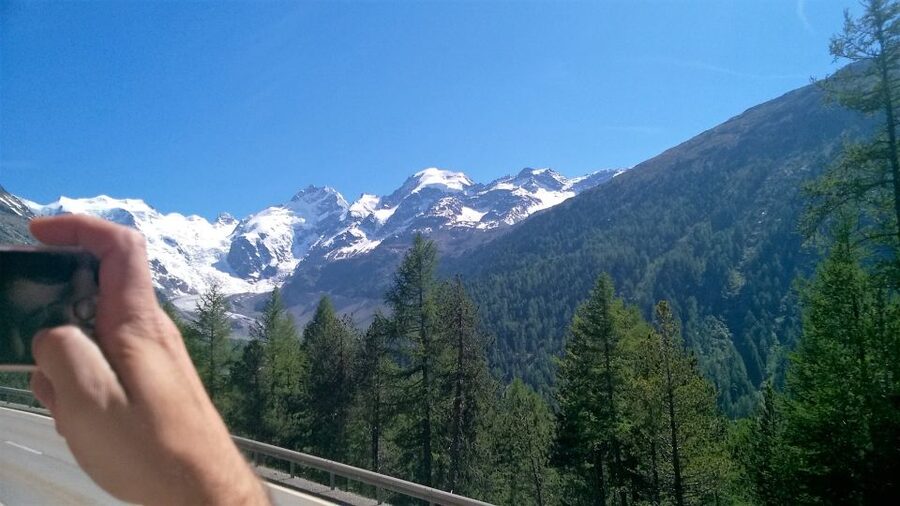
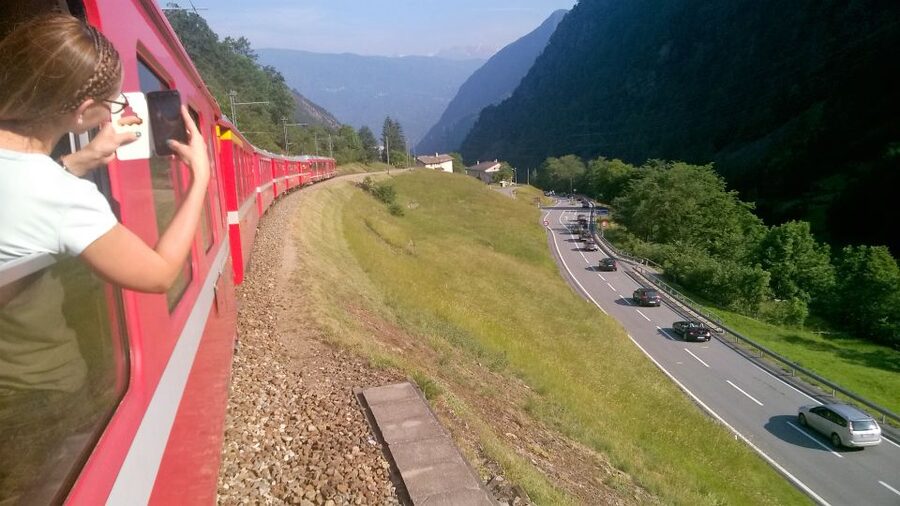
The Bernina Red Train part is the standout. It climbs fast (gradients up to 7%) and reaches about 2,253 meters, with pass-by views like Morteratsch Glacier and classic Alpine passes such as Maloja Pass—perfect for photos, especially since you can open the windows for clearer pictures.
I also like the way the day is paced around comfort. The vehicle is air-conditioned, the schedule builds in short breaks, and the guide keeps timing tight so you actually get to enjoy St. Moritz and still catch the train without stress.
One possible drawback is simple: St. Moritz is built for slow living, and your visit is geared toward a highlights circuit, not a long stay.
Key points worth knowing before you go
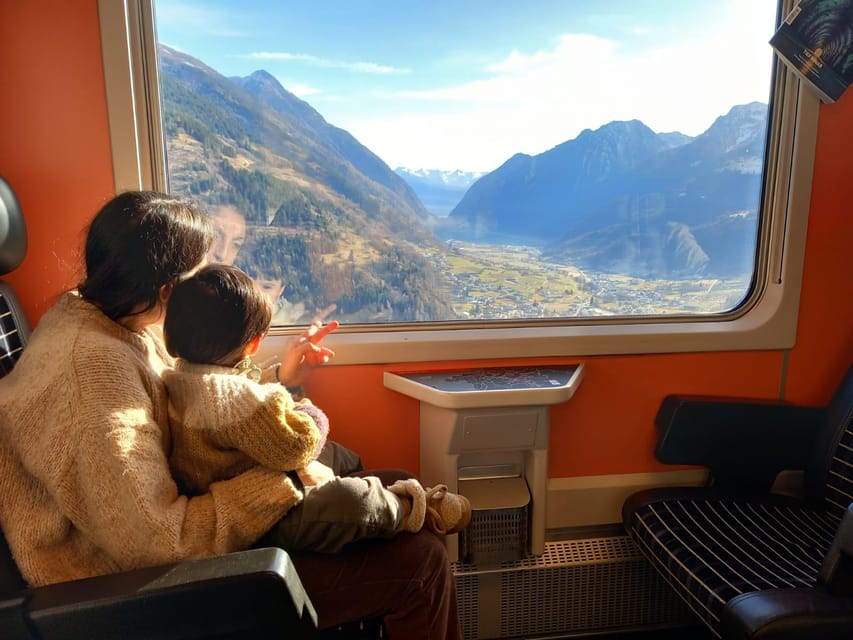
- Bernina Red Train timing: you ride the train in the afternoon, with views across glaciers and valleys.
- St. Moritz free time: plan your “must-do” stops early because it’s about 105 minutes.
- Photo-friendly windows: you can open train windows to reduce glare for pictures.
- Two coach transfers: you’ll spend time on the road, but it’s air-conditioned and guided.
- Short scenic passes: Lake Como is a quick pass-by, while the Alpine scenery gets more time on the train.
You can also read our reviews of more tours and experiences in Milan.
The Bernina Red Train: the star of your day
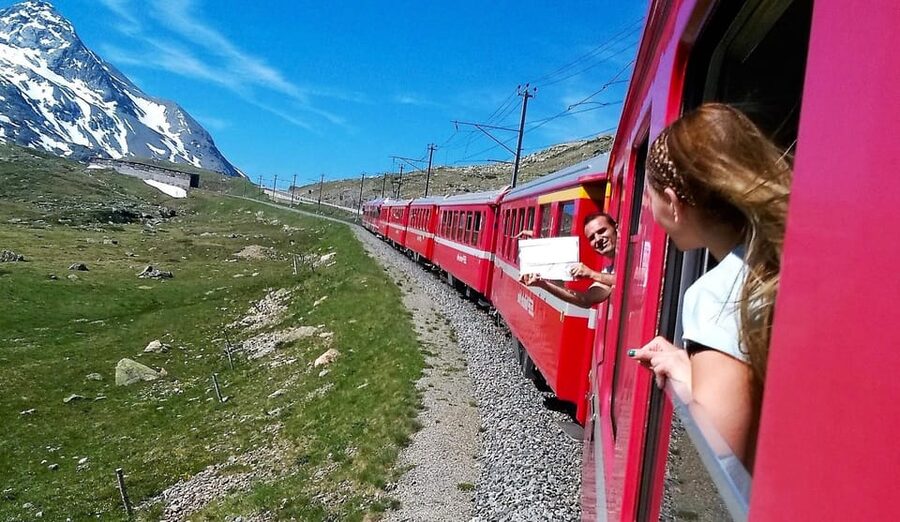
This is an Alps day trip where the schedule is built around one obvious question: what’s the best way to see this region? The answer is the Bernina Red Train, often called one of the most beautiful train rides in the world. Even if you’ve seen Alpine photos before, seeing the route in motion is different. The train doesn’t creep along like a scenic sightseeing bus. It climbs.
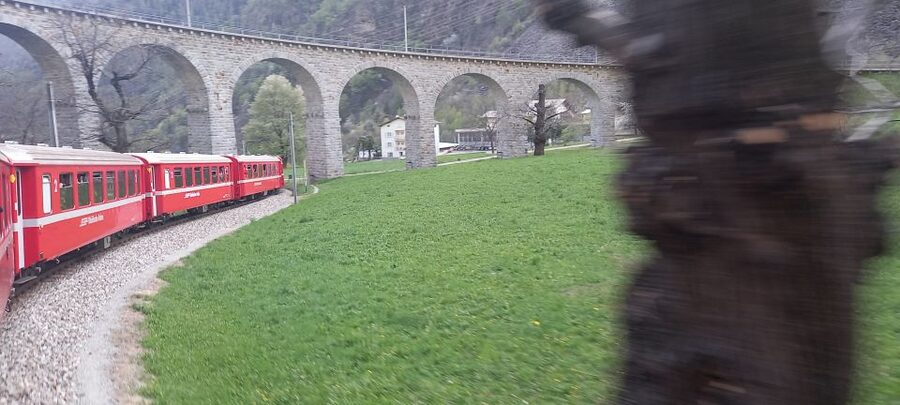
You start from St. Moritz (or the day’s reversed version starts at Tirano) and ride on a historic line that climbs up to around 2,253 meters. The track rises with gradients up to 7%, which is steep for a mainline train and part of why the views change so dramatically as you go.
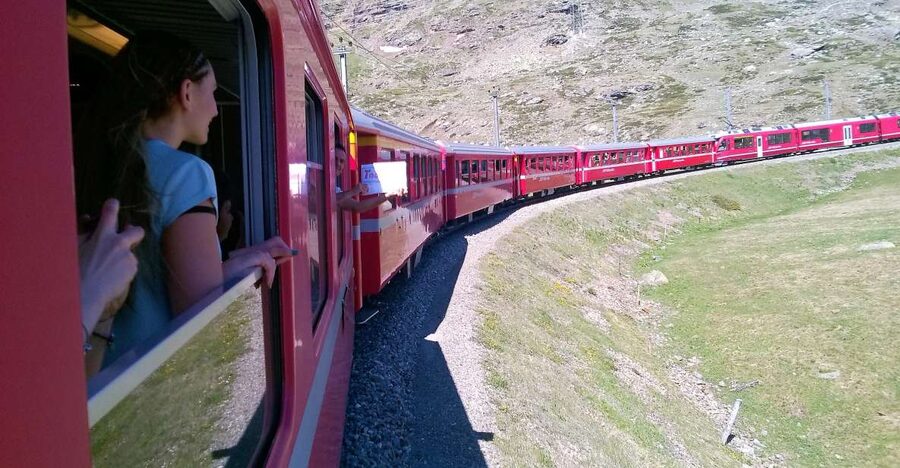
What makes the train ride feel special is the mix of “up close” nature and “wow” altitude. You’ll pass points like Ospizio Bernina (you’ll get a scenic pass-by), and you’ll glide past Morteratsch Glacier, which is the kind of thing you can’t really replicate from a road pull-off. Even without a hike, it feels like you’ve reached a higher level of the Alps.
Milan to the Alps: coach comfort and the quick Lake Como view
Getting out of Milan and into the mountains is part of the experience, and this tour does it in a practical way. You’ll transfer from a central meeting location (options may include TAOTRAVEL at Terrazza Gallia) to the bus/coach ride into Switzerland.
The day includes an air-conditioned vehicle, which matters because you’re sitting for stretches. One thing I’d watch for: depending on the weather and how hot the bus feels, comfort can vary. It’s not a luxury car ride, but it’s designed to keep you comfortable enough for a long day.
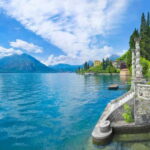
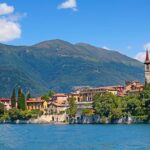
Early on, you get a small scenic bonus: Lake Como is passed by for about 5 minutes. It’s not a slow “take a ferry and wander” moment. It’s a drive-by glimpse. Still, it sets the tone. You get that immediate shift from Italian lakes to the first hint of Alpine grandeur.
Then there’s a short stop around Colico Piano for about 15 minutes. This is your “reset” moment. It’s also one reason this trip works well as a day out: you’re not trapped on the road with zero chances to stretch, use the restroom, or grab something for energy.
Colico break and bus timing: how to avoid feeling rushed
Short breaks can make or break a day trip. When you have only a few minutes, you want to be efficient. At Colico Piano, you’ll have a brief break (around 15 minutes), and later the coach schedule brings you other quick pauses.
A practical approach for these tight stops:
- Use the restroom first if you need it, then decide whether you’ll buy snacks.
- Keep your phone charged before the big train window moment, since you’ll want pictures once you’re up high.
- Keep your group meeting point instructions in mind. With many people, delays usually start as “small confusion.”
One more thing: the day includes multiple vehicle segments. If you’re the type who hates waiting, you’ll still be fine because the itinerary is built to keep moving. If you’re sensitive to heat, dress in layers so you can handle temperature swings between outside air and the coach.
St. Moritz at 1,856 meters: spend your 105 minutes wisely
Once you arrive in St. Moritz (about 1,856 meters above sea level), you’re stepping into the resort town known for its elegance and long history as a luxury retreat. This is where you’ll feel the shift from “Alpine scenery” to “Alpine lifestyle.”
You’ll have roughly 105 minutes of free time. That’s enough to do a mini “St. Moritz highlights circuit” if you move with a plan, but not enough to slow down for every side street.
Here’s how I’d spend it:
- Walk the core center first to get oriented fast.
- Decide early if your priority is shopping (there are luxurious stores) or views.
- If the weather is clear, don’t waste time inside. The altitude makes outdoors feel more dramatic, even on a simple stroll.
You can also pop into a pastry shop for chocolates—this tour is built to include a taste stop, and it’s one of those small moments that makes the day feel extra “Swiss.” St. Moritz tends to have pricey comfort, but you’re not paying like you’re booking a hotel room. You’re buying a snack and getting a memorable place in return.
A good reality check: St. Moritz can be more about atmosphere than “major attractions.” If you want big sightseeing stops, you’ll likely enjoy the town more when you treat it as a scenic base rather than a checklist destination. And if you’re the kind of person who wants more time in one place, you might wish you had an extra hour. The schedule is designed to protect the train ride.
The Bernina ride from St. Moritz toward Tirano: glaciers and passes without hiking
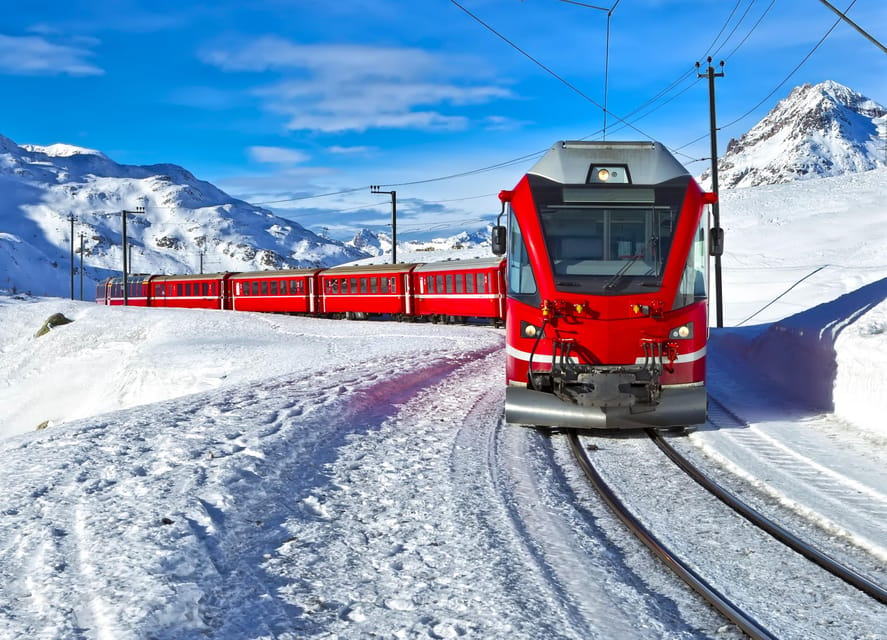
After your St. Moritz time, you’ll board the iconic Bernina train. This is where the day becomes “story-like,” because you transition from luxury-town strolling to wild-mountain terrain.
The train section is around 2 hours and 20 minutes. During that stretch, you’ll see the Alps change around you. Along the way, you’ll get pass-by views including:
- Maloja Pass (passed by en route earlier in the day)
- Ospizio Bernina (pass-by on the train route)
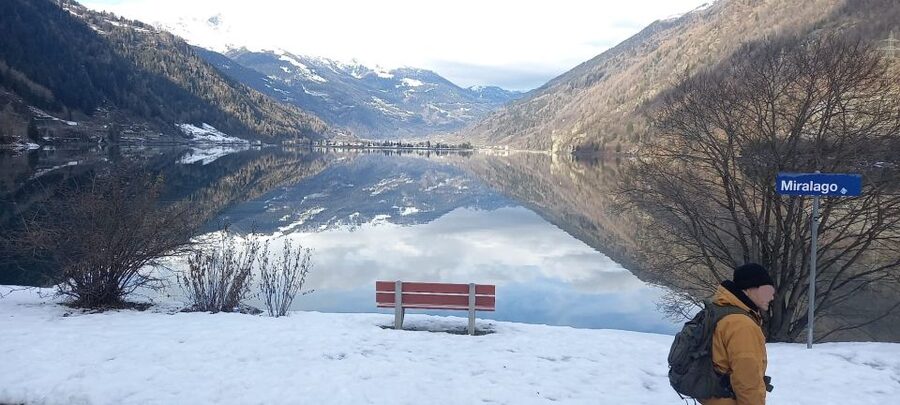
- Morteratsch Glacier (passed by, classic glacier scenery)
Why this matters: glacier views are usually hardest to access without planning a hike or a longer stay. On this train, you get the payoff without needing boots, routes, or extra time. You just sit there and let the terrain do the work.
Also, take advantage of the practical detail that makes a real difference for photos: windows can be opened on the train route (helpful for glare). Don’t treat it like a gimmick. If you’ve ever photographed through glass on a moving train, you know how quickly glare ruins shots. Being able to open the window helps you get crisp images for keeps.
And yes, you’ll still see plenty of people taking photos. That’s normal. Just remember to keep your belongings secure when you open windows, and don’t block the view for others.
Ospizio Bernina and Morteratsch Glacier: what you should look for
It’s easy to sit back and just enjoy the moment. That’s absolutely fine. But you’ll get more value if you know what landmarks to watch for.
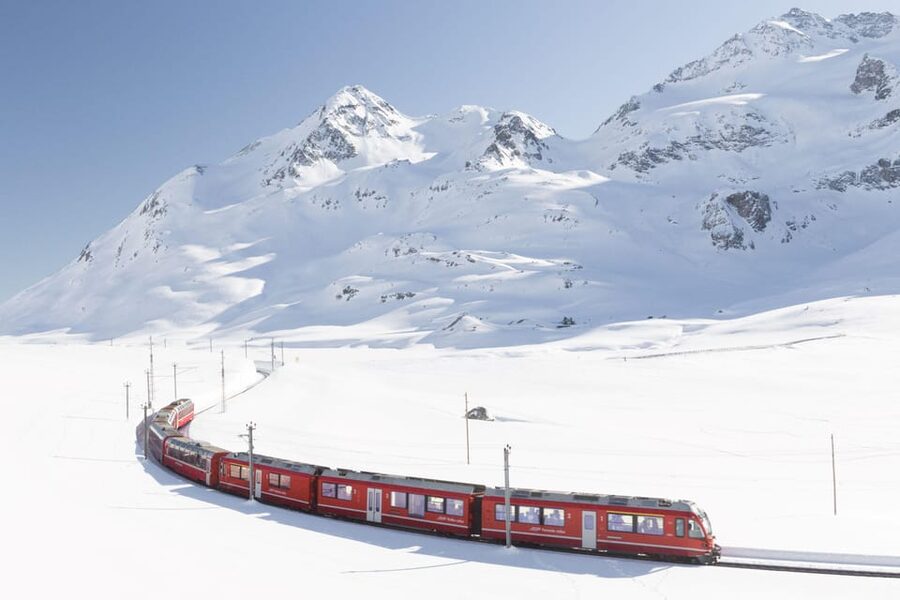
When you see the pass-by of Ospizio Bernina, think of it as a marker of how high and remote you are getting. When you catch Morteratsch Glacier in the view frame, pause your photo burst for a second and actually look. Glaciers can look slow and distant from photos, but from a train window they feel more immediate—because the movement changes your sense of scale.
If you’re with a group, the best strategy is simple: keep your eyes up for the big visual cues, then plan one “serious photo moment” where you stop everything else for 60 seconds. The Bernina ride moves fast enough that attention flickers can mean missing a key view.
Tirano: a quick reset before heading back to Milan
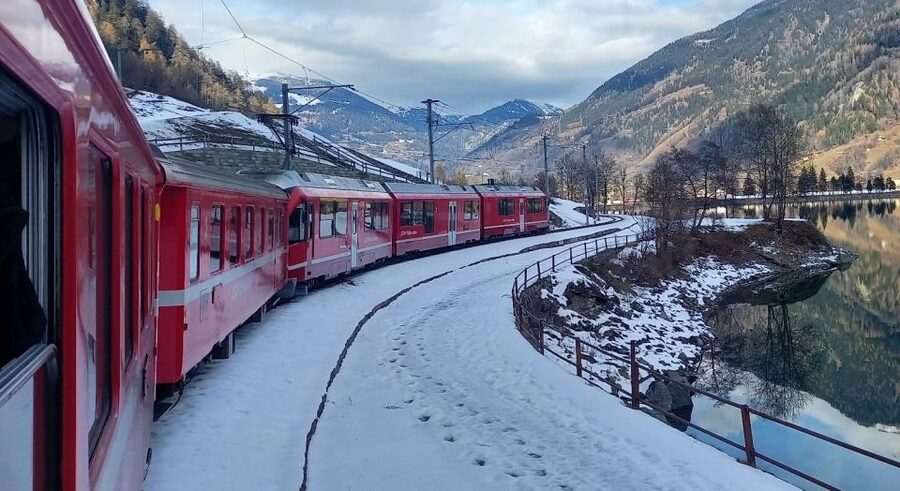
After the train ride, you’ll arrive in Tirano. Your time here is shorter—about a 10-minute break—so treat it as a quick reset, not a second attraction window.
You’re then back on the coach for the return. The drive time is around 2.5 hours, but it depends on traffic and timing. One useful upside of the return segment is that the scenery can still look good by daylight, depending on when you’re heading back. It’s not just “getting home.” It’s part of the Alps-to-Italy story wrapping up.
When the day finishes, you’ll likely feel the same thing most people do on a route like this: the train ride sticks in your mind more than the town stops. That’s the point.
Guides and organization: why this tour feels easy
On a day trip like this, the difference between good and great is usually timing and communication. The English-speaking tour leadership on this trip is one of the standout parts people praise—often with guides who bring humor, stay punctual, and keep the group moving so you’re never wondering what’s next.
You may travel with guides such as Alejandro, Chiara, Maja, Monica, or Maria Cristina (you’ll see the name assigned at booking). Drivers are also part of the experience. People mention coordination that keeps transfers smooth and timing on track.
That matters for you because you’re mixing:
- short coach legs
- a real train segment with specific departure timing
- limited town time
If the group gets delayed, the whole day can unravel. This is exactly the kind of trip where reliable leadership prevents that.
Price and value: what $120 gets you (and what to compare)
At around $120 per person, this day trip isn’t a budget throwaway. But it also isn’t just “pay for a train ticket.” Your cost covers:
- a second class train ticket with the train ride between St. Moritz and Tirano (or the reverse)
- round trip private transfer from the central train station (plus coach segments)
- an air-conditioned vehicle
- an English-speaking tour leader with commentary on the train
- free time in St. Moritz
- the option to open windows for photo-friendly viewing
So what’s the value equation?
You’re paying for convenience plus narration. Doing Bernina + St. Moritz on your own is possible, but it’s more work: timing train schedules, coordinating transfers, and managing your day when the weather changes.
Where the pricing can feel “tight” is personal pace. St. Moritz is short by design, and the stops are designed around the train. If you’re the type who wants to linger, you may feel you paid for a timetable, not for a relaxed vacation day.
Still, when you add up the travel stress you avoid, the price starts to make sense.
Practical tips that make your day smoother
This trip is long enough that small choices matter. Here’s what I’d do to make it painless:
- Wear comfortable shoes. St. Moritz strolling is part of the experience, and you don’t get a chance to “opt out” of walking.
- Bring your passport or ID card. Switzerland entry requires valid identification on the day of travel.
- Dress in layers. Mountain air and bus air can swing fast, especially when you’re in and out for short breaks.
- If you’re serious about photos, plan one main shot per stop, not ten. The train window moments like Morteratsch Glacier and the pass areas move quickly.
- Keep water and basic snacks in mind. Food and drinks aren’t included, so you’ll rely on what you choose at breaks.
Also, a couple of travel-behavior notes from how the day runs:
- There are short breaks and some busy stop moments. Use the restroom early rather than waiting.
- Your return is by coach, so consider charging time before you settle in.
Who this tour is best for
This is a good fit if:
- You want the Bernina Red Train but don’t want to manage connections on your own.
- You like Alpine views without committing to long hikes.
- You enjoy guided context, especially on the train ride where you’re learning while watching out the window.
- You’re visiting Milan and want one “big Switzerland moment” without overnight plans.
It’s less ideal if:
- You need long, slow time in one town. St. Moritz is set for highlights.
- You hate bus rides. You’ll be on a coach for multiple legs.
- You use a wheelchair. The tour is not wheelchair accessible.
Should you book this Bernina and St. Moritz day trip
My take: if the Bernina Train is on your Switzerland bucket list, this is one of the easiest ways to make it happen in a single day from Milan. You’re getting both the dramatic rail experience and a taste of St. Moritz luxury time, with guides who keep the day running on schedule and help you get more meaning from the scenery.
If you’re the kind of traveler who wants lots of unstructured time, you might feel squeezed in St. Moritz. But if you’re happy with a guided day that trades “extra hours” for “maximum highlights,” this is a strong match.
If you’re on the fence, check train departure times that work for your day and plan for a long but satisfying ride.
FAQ
How long is the trip?
The day trip lasts about 12 hours, though starting times vary and transfer times are approximate.
What train ride do I take?
You ride the Bernina train in the afternoon, traveling on the Bernina Red Train from St. Moritz to Tirano or the reverse (itinerary can be inverted).
How long is the St. Moritz time?
You get free time in St. Moritz for about 105 minutes.
Are there breaks on the way?
Yes. You pass by Lake Como and stop for a break around Colico Piano (about 15 minutes), plus a short break in Tirano (about 10 minutes).
Is the coach air-conditioned?
Yes, the vehicle used for transfers is air-conditioned.
Is food included?
No. Food and drinks are not included.
Can I open the train windows for photos?
Yes. The train windows can be opened on the route from St. Moritz to Tirano (or vice-versa) to reduce glare.
What identification do I need?
You need a current valid passport. If you’re an area Schengen citizen, an ID card is accepted.
(Optional note)
As with any mountain day, bring comfortable shoes and a layer or two so you’re ready for changing temperatures as you move between coach stops and higher altitude train views.