REVIEW · MILAN
From Milan: St Moritz & Alps Day Trip with Bernina Red Train
Book on GetYourGuide →Operated by City Wonders Ltd. · Bookable on GetYourGuide
A Bernina day can feel like two trips. This one strings together St. Moritz glamour, the Bernina Pass drive, and a reserved-seat train ride through the Alps with an English guide who keeps the day flowing. It’s the kind of route where you stop, look, and then keep looking.
What I like most is how the day balances built-in structure with real wiggle room. You get time to wander St. Moritz on foot, and Tirano long enough to actually taste the vibe rather than just pose for photos with your camera held up.
One thing to consider is the pace and comfort. It’s about 11 hours with a fair amount of walking, and a few people note the coach can feel less than perfect for AC and comfort, with no onboard toilet mentioned.
In This Review
- Key moments that make this trip worth it
- Milan to the Bernina: how the day actually moves
- Quick tip for your seat
- Bernina Pass viewpoints: where the Alps start doing the talking
- St. Moritz on foot: old-world polish and a glacial lake walk
- Bernina Red Train: the reserved-seat part that people remember
- Train seat strategy
- What to do during the train ride
- “Swiss Alps” sightseeing time: planning for the in-between stops
- Tirano: medieval streets, markets, and a local history lens
- What I think you should prioritize in Tirano
- Coach return to Milan: when “11 hours” turns real
- Price and value: what $104 buys you
- Who this day trip suits best (and who should think twice)
- Booking advice: how to pick the right day
- Should you book this Bernina day trip?
- FAQ
- How long is the day trip from Milan?
- Where do I meet the tour in Milan?
- Does the price include train tickets?
- Is there a guide?
- What stops are included during the day?
- How much free time do I get in St. Moritz and Tirano?
- Are food and drinks included?
- What should I bring?
- Can I bring a stroller or wheelchair?
Key moments that make this trip worth it
- Reserved Bernina Red Train seats with opening windows for clearer photos and better views
- Bernina Pass scenery during the mountain approach, not just at the end of the day
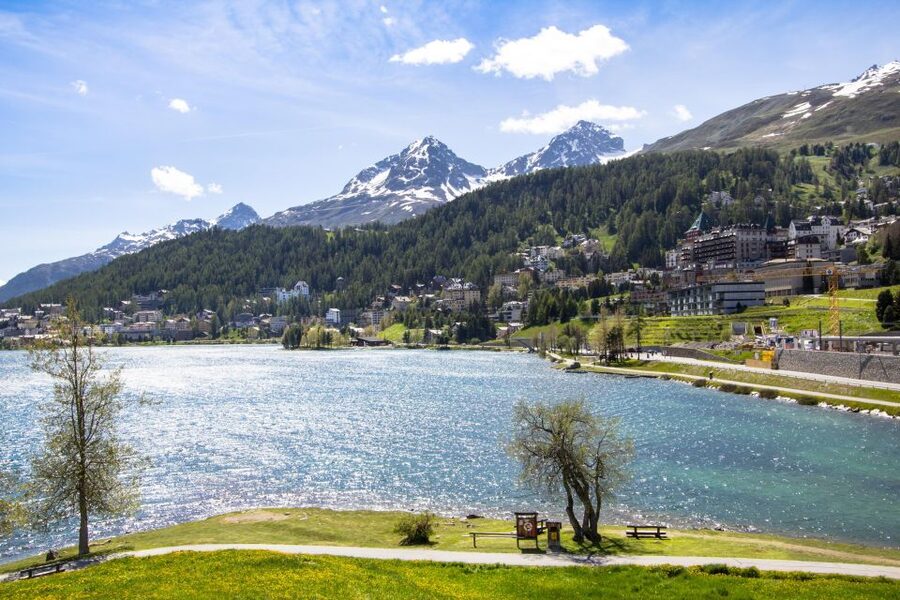
- St. Moritz on foot: cobbled streets, the glacial lake area, and upscale shopping windows
- Tirano’s medieval feel plus market-stroll time guided by someone who explains what you’re seeing
- Coach times are long enough that comfort and planning your breaks matter
Milan to the Bernina: how the day actually moves
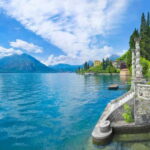
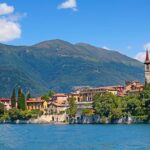
The day starts in Milan at Porta Garibaldi, meeting your guide just outside the main station entrance on the left side, near the stairs and under the covered roof. From there, you’re on a private air-conditioned coach for about three hours toward the mountains. Even before St. Moritz, the trip is doing something smart: it uses travel time for scenery, including views through Lombardy and past Lake Como along the way.
You should expect a real early start depending on your departure date. In one example schedule, the tour began around 7:15 AM, and that early energy matters because you’ll want to arrive in St. Moritz while you still feel fresh enough to walk and explore.
The best part of the Milan-to-Alps section is that you’re not staring at a screen for most of it. You’re on a route that climbs, and the mountain views tend to come in waves. That makes the coach portion feel useful rather than just “getting there,” especially on a clear day.
You can also read our reviews of more tours and experiences in Milan.
Quick tip for your seat
If you’re trying to maximize the views during coach travel, pay attention to where you sit. One guide tip you can use immediately: for bus viewing, choose the left side for best chances at seeing the views as you go up. For the train, the advice flips—when traveling from St. Moritz toward Tirano, aim for the right side.
Bernina Pass viewpoints: where the Alps start doing the talking
Your route includes Bernina Pass scenery for about 30 minutes as you pass through. This is not a long stop, so don’t plan on an epic walk or a long coffee break here. It’s more like a “glance and adjust your focus” moment, where the goal is to watch the mountains change in front of you.
This is also where the Bernina story becomes real. You’ll see the kind of high-elevation mix that makes the Bernina route famous: snow-capped peaks, glaciers, and pristine lakes in the same sweep of view. If you’ve only ever seen the Alps from postcards, this is where your brain starts recognizing shapes again—ridges, valleys, and that unmistakable steepness.
If weather is poor, you might not get the same sharp contrast. But even then, being on the pass route for a short window is usually worth it because it helps you connect what you’re seeing later from the train and from St. Moritz.
St. Moritz on foot: old-world polish and a glacial lake walk
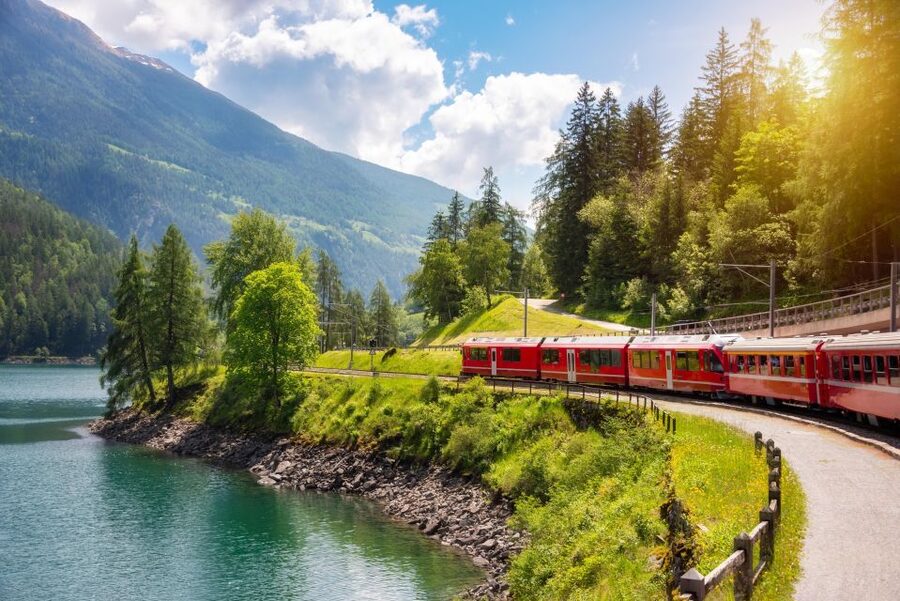
Once you arrive in St. Moritz, you get about two hours of free time. This is not the kind of “free time” where you’re overwhelmed by endless options, but it is enough to do the key St. Moritz things at a relaxed pace: walk the cobbled streets, look toward the glacial lake area, and soak up the elegant resort mood.
This part of the day often hits because St. Moritz feels different from the rest of the Alps. Yes, you have mountains and snow potential in the background, but the atmosphere is more refined and planned. You’ll notice it in the storefronts—high-end boutiques with window displays that make you feel underdressed in the best possible way.
You can tailor this two-hour block to your style:
- If you like photos, plan a slow stroll, stop often, and take a few wide shots from the lake direction when you see the light.
- If you like people-watching, St. Moritz works. Even when you’re not buying anything, the vibe gives you something to look at.
The walking matters here. You’re on your feet more than you might expect for a day trip, so bring comfortable shoes and dress in layers. In the mountains, the temperature can shift quickly, and being warm makes the whole day smoother.
Bernina Red Train: the reserved-seat part that people remember
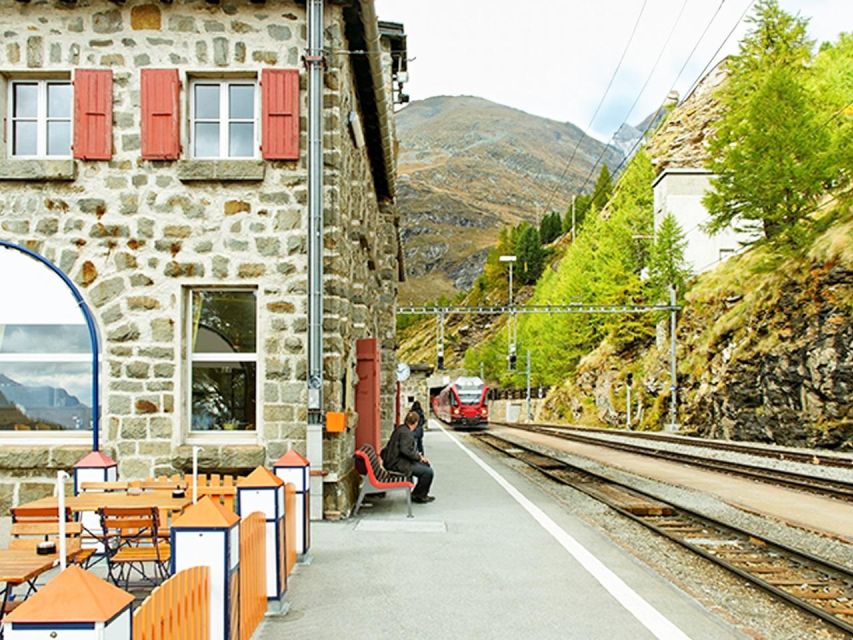
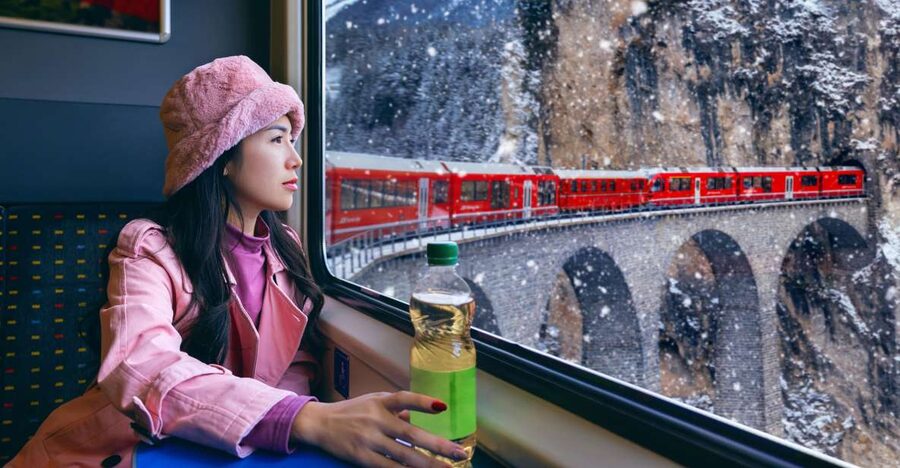
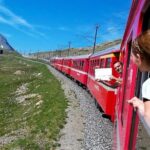
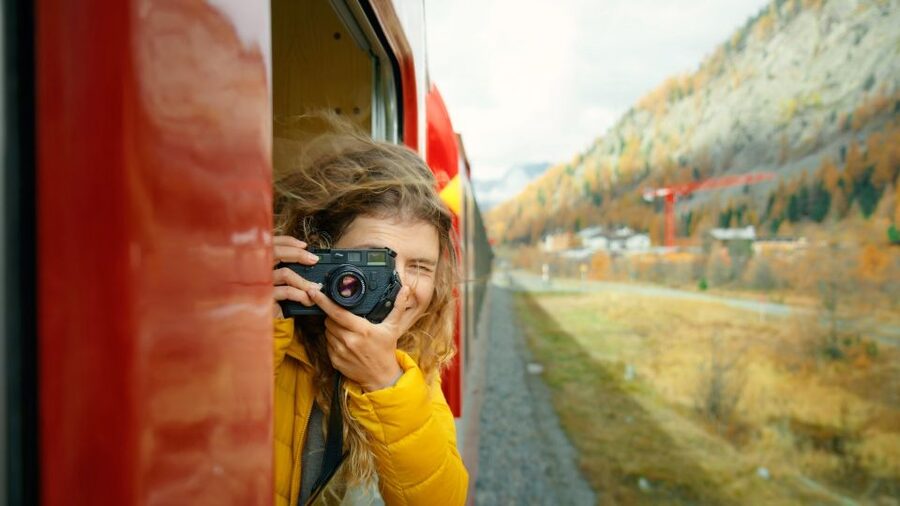
Here’s where the tour earns its reputation: you board the Bernina Red Train for the St. Moritz–Tirano route, with reserved tickets. The big advantage is that you have opening windows, which can make a huge difference for both photos and just plain enjoyment.
When the windows open, the ride stops feeling like a bus-with-seats. The air changes, and the Alps get closer in a way that stays hard to duplicate by road. The train’s job is to show you the Bernina engineering and the dramatic terrain—valleys, snow-fed scenery, and long views that stretch beyond the next bend.
Train seat strategy
Use the earlier tip: on this St. Moritz to Tirano direction, try for the right side if you want the clearest chances at seeing the big views. Even if you don’t sit there, the views are good either way. But seat choice is one of those small levers that helps you get more out of the ride.
What to do during the train ride
Don’t burn all your energy fighting for photos. Do a few “serious shots,” then put the phone away for a bit and let your eyes adjust. The most satisfying part of this segment is noticing how quickly the scenery shifts from broad valley views to tighter alpine textures as the train moves through.
“Swiss Alps” sightseeing time: planning for the in-between stops
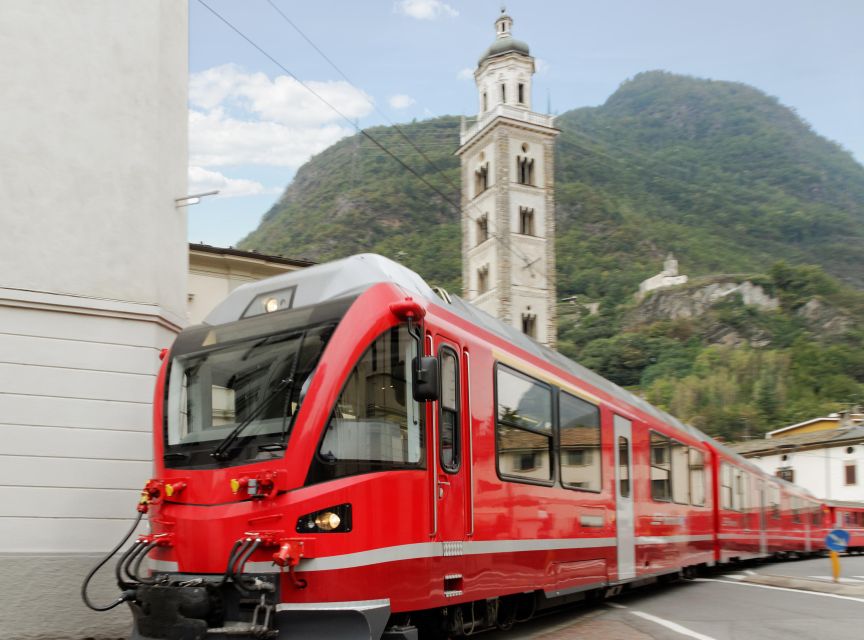
After St. Moritz, you’ll have about two hours of Swiss Alps sightseeing time. The tour doesn’t frame this as one museum visit—it’s more about getting you more time near mountain viewpoints and viewpoints-by-coach.
This is a useful chunk because it bridges the mood gap. St. Moritz is polish and strolling. Tirano is old town streets and local food energy. The Alps sightseeing time is the “connection tissue” that keeps the day feeling like one continuous journey rather than a string of separate stops.
The downside is the one-day reality: it’s still a long day, and even good scenery can become “sit down, stand up” logistics. So plan hydration, a quick snack if you need it (food isn’t included), and some time to rest your legs.
Tirano: medieval streets, markets, and a local history lens
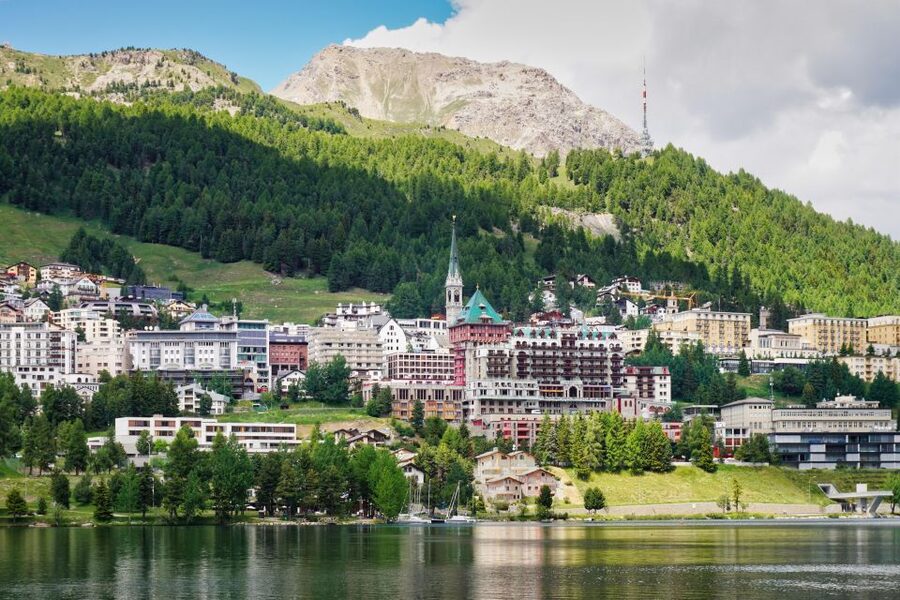
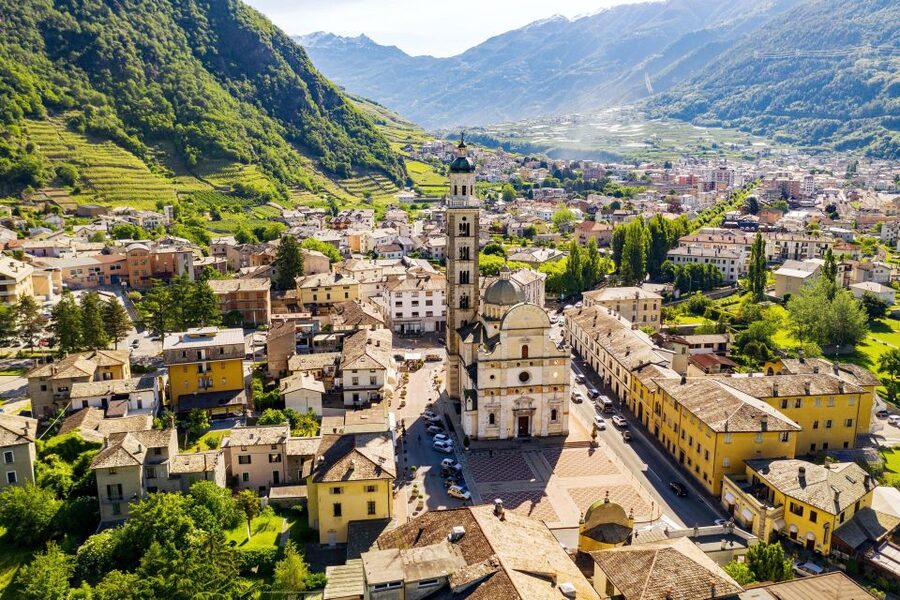
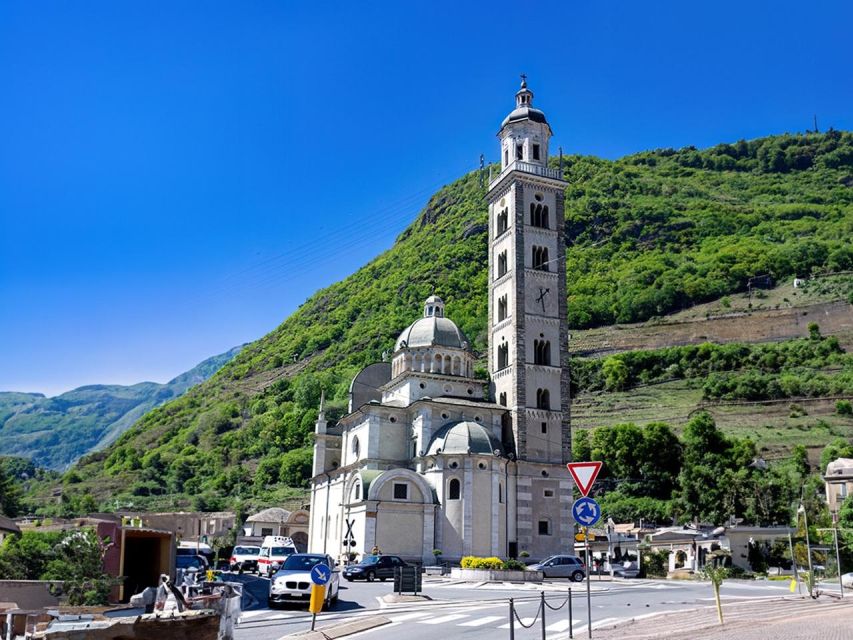
Tirano is your final major stop, with about 45 minutes of free time. That doesn’t sound like much, but Tirano is a place where the compact center helps you. In a short window you can still get the feel of the medieval town and enjoy food-flavor moments.
The tour’s focus here is exactly that: you’re meant to stroll, grab a bite, and look around without feeling like you’re on a tight race. There’s also time for market browsing, which is where you’ll taste everyday life rather than only tourist highlights.
What I think you should prioritize in Tirano
- Follow the guide’s pacing for the first minutes so you know where the key streets and sights are.
- Then let yourself go slow. The cobbled streets and older architecture reward walking, even in a short time.
- If you want local flavor, treat this as your meal-window. Food and drinks aren’t included, so bring cash or a card plan you trust.
Tirano also benefits from interpretation. The guide is there to explain what you’re seeing, and that extra context helps the town click faster. It turns a quick stop into something you remember for the details, not just the scenery.
Coach return to Milan: when “11 hours” turns real
Your return coach ride runs about 2.5 hours back to Porta Garibaldi. By then, most people are tired in the nice, satisfied way. One reason the day works even with the long totals is that you get strong sensory moments earlier—Bernina train views and pass scenery—so the return doesn’t feel like the “pointless ending.”
That said, plan for comfort on the coach. Some people have pointed out issues like the coach not cooling as expected and that there’s no toilet on the bus. You can’t control that, but you can prepare: limit how much liquid you chug right before boarding, and consider bringing a light layer you can bundle up in during colder stretches.
If you’re the type who gets restless on long vehicles, bring something simple—an e-reader, offline music, or just your camera battery fully charged. The day gives you plenty to look at, but it’s still a long ride overall.
Price and value: what $104 buys you
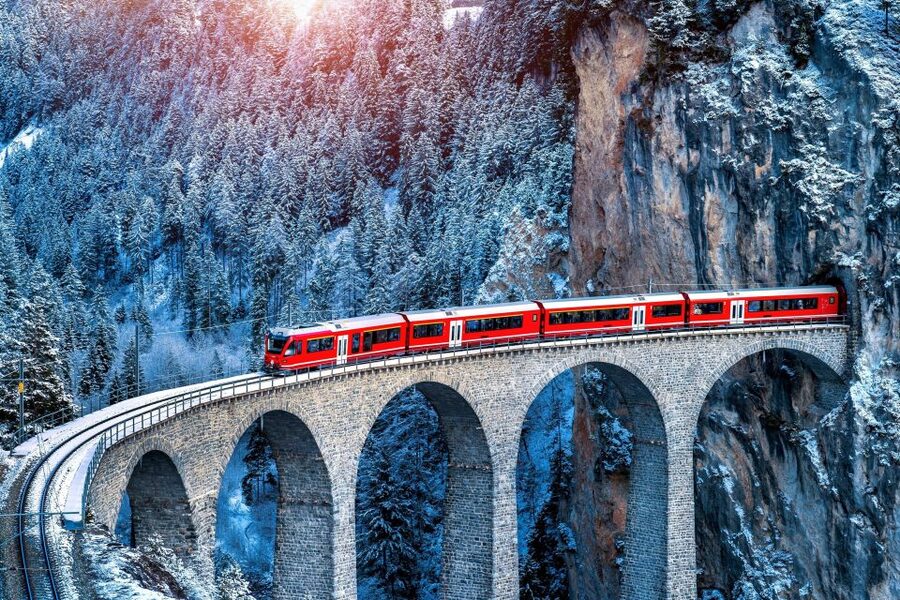
At around $104 per person, this is priced like a guided day that includes two major transport components: a private coach plus Bernina Red Train tickets (reserved) with opening windows. You’re also paying for the English guide who manages timing, explains what you’re seeing, and keeps the group moving through three very different places.
So the value comes from bundling. If you tried to recreate this on your own, you’d spend time stitching together train schedules, lodging to break the day up, and figure out the smoothest way to see St. Moritz and Tirano. Here, you trade some independence for a “go-go-go” plan that’s designed for one day.
Also, the guide time matters. A lot of the enjoyment comes from understanding what you’re looking at—especially on the Bernina side of the route where the engineering and the alpine geography are the star.
If your travel style is flexible and you hate strict timing, you might feel compressed in a day like this. But if you want maximum scenery per hour, it’s a solid price-for-output deal.
Who this day trip suits best (and who should think twice)
This tour fits best if you:
- Want a one-day hit of St. Moritz plus Tirano without changing bases
- Enjoy long scenic rides and can handle a chunk of walking
- Like having an English guide to turn “pretty views” into something you understand
It may feel tough if you:
- Get motion-sick or hate long coach segments
- Need more than two hours in St. Moritz to fully relax, shop, or wander without timers
- Want food included (it’s not), since you’ll need to plan your own snacks and meals
And if you’re traveling with mobility needs, take the restrictions seriously. The tour is not suitable for wheelchair users and can’t accommodate strollers or people needing special assistance, and it also doesn’t allow luggage or large bags.
Booking advice: how to pick the right day
Even with the same route, the day’s quality depends a lot on weather. If you can choose dates, aim for a time when forecasts look clearer—Alps scenery pops more when you get bright light and sharp visibility.
When you book, also be ready for the reality that 11 hours is still 11 hours. I’d rather you plan for a full day than hope it won’t feel long. Bring layers, comfortable shoes, and a plan for your personal breaks.
Finally, seat strategy can help:
- Coach: consider the left side for viewing hints mentioned by guides
- Train: consider the right side for views heading St. Moritz to Tirano
Those small choices don’t change the route, but they can change how much you actually see.
Should you book this Bernina day trip?
If your goal is classic alpine scenery plus two very different towns in a single day, this is an easy yes. The combination of Bernina Pass views, a reserved-seat Bernina Red Train ride with opening windows, and guided time in St. Moritz and Tirano is exactly what one-day travel should do: give you big moments with minimal hassle.
Skip it if you want a slow pace, food included, or lots of time to roam. With the walking and the fixed timing, it’s best for travelers who like structure and want their views delivered efficiently.
FAQ
How long is the day trip from Milan?
The total duration is 11 hours.
Where do I meet the tour in Milan?
Meet at the main entrance of Porta Garibaldi Train Station. From the main entrance, it’s on the left side just outside the station, in front of Briccocafé next to the stairs under the covered roof. You should look for a City Wonders tour sign.
Does the price include train tickets?
Yes. Your ticket includes the Bernina Red Train tickets on the St. Moritz–Tirano route, with opening windows on that part.
Is there a guide?
Yes. An English-speaking guide travels with you for the whole day.
What stops are included during the day?
You’ll have time in St. Moritz and Tirano, and you’ll pass by Bernina Pass. There is also sightseeing time labeled for the Swiss Alps between St. Moritz and Tirano.
How much free time do I get in St. Moritz and Tirano?
You get about 2 hours in St. Moritz and about 45 minutes in Tirano.
Are food and drinks included?
No. Food and drinks are not included, so you’ll need to plan your own meals or snacks.
What should I bring?
Bring a passport and comfortable shoes. You may also need a visa if required for your nationality.
Can I bring a stroller or wheelchair?
No. Baby strollers are not allowed, and the tour cannot accommodate wheelchairs or people who require special assistance. Large luggage is also not allowed.