REVIEW · HIROSHIMA
Day Trip to Hiroshima & Miyajima with Itsukushima Shrine
Book on GetYourGuide →Operated by AMIGO TOURS JAPAN GK · Bookable on GetYourGuide
Japan’s best postcard is reachable fast. This day trip ties together Miyajima’s floating torii gate views, the UNESCO-listed Itsukushima Shrine, and (if you choose it) Hiroshima’s Peace Memorial Park. You’ll ride by coach, cross by ferry, then spend time walking, snacking, and reflecting at two very different sides of Japan.
What I like most is the rhythm: a ferry crossing that puts the shrine’s landmark torii in front of you from the water, then guided time at the shrine so you don’t just wander randomly. I also like the bilingual approach—guides who work English and Spanish in a way that keeps the whole group together, with clear explanations and quick follow-ups.
One consideration: it’s a packed day. Even when the timing feels right, places can get crowded (especially at the shrine and around the memorial area), and the pace may leave you wanting a bit more time in your favorite spots.
In This Review
- Key things to know before you go
- How you’ll get from Hiroshima to Miyajima (without stress)
- Meeting points you should find easily
- Coach time and why it matters
- The ferry ride that makes Miyajima feel cinematic
- Itsukushima Shrine: what to focus on at Japan’s landmark gate
- The torii gate: why you’re seeing it the way you are
- Guided time helps you read the place
- Miyajima free time: deer, streets, and the right kind of wandering
- The vibe on the island
- Don’t miss the island details
- Optional temple moments (if your timing allows)
- Hiroshima Peace Memorial Park: handling a heavy stop with care
- What you’ll see
- How the tour pace affects your emotional experience
- Bilingual guidance and safe transport: the comfort piece you’ll feel
- The coach ride experience
- Price and value: what $39 really buys you
- Who gets the best value
- Practical tips that keep the day enjoyable
- What to bring
- When crowds can slow you down
- Wear for the weather
- Accessibility note
- Should you book this Hiroshima and Miyajima day trip?
- FAQ
- How long is the tour?
- What is included in the $39 price?
- Where do I meet the guide in Hiroshima?
- Is lunch included?
- Is the tour wheelchair accessible?
- Can I cancel and can I pay later?
Key things to know before you go
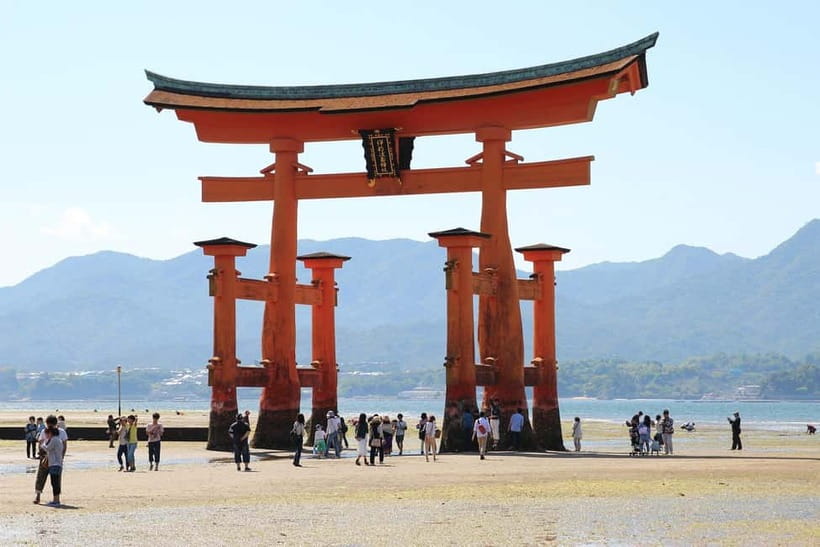
- Ferry views of the torii gate: You don’t just see it—you watch it from the water.
- Itsukushima Shrine guide time: You’ll get context for this UNESCO site tied to the 6th century.
- Real walking and free time: You balance guided moments with time to roam Miyajima streets on your own.
- Hiroshima Peace Memorial option: If selected, the visit ends up emotional, and you’ll want calm energy.
- Bilingual Spanish/English guidance: You get explanations in both languages, not just one long talk.
- Comfort matters: Wear shoes you can stand in, since you’ll be on your feet for multiple stops.
How you’ll get from Hiroshima to Miyajima (without stress)
This is one of those tours that reduces decision-making. You meet your guide at Hiroshima Station, get on a coach, and let someone else handle transit and timing. From there, the day follows a simple pattern: coach to the coast, ferry to Miyajima, then ferry/coach back as the day unfolds.
There are two options. If you choose Miyajima only, the day is shorter and ends once you’re back in Hiroshima. If you choose Miyajima plus Hiroshima, the day runs longer because you also go to the Peace Memorial Park.
You can also read our reviews of more tours and experiences in Hiroshima.
Meeting points you should find easily
For the Miyajima + Hiroshima option, meet outside Hiroshima Station Shinkansenguchi Hiroba Bus Berth. To reach it, take the North Exit, go down the stairs, and head to the Shinkansenguchi Bus Berth between Bus Stops 8 and 9. The guide is waiting with an Amigo Tours sign.
For the Miyajima-only option, meet outside Hiroden-Miyamimaguchi Station with the same Amigo Tours sign.
Coach time and why it matters
Expect about 50 minutes by bus/coach before the ferry, plus additional coach travel later if you include Hiroshima. The advantage is obvious: you don’t have to figure out local trains and connections on a tight schedule. The tradeoff is also real: you’ll sit on the bus more than if you DIY it.
And yes—this is not suitable for wheelchair users, since the day involves ferry and walking.
The ferry ride that makes Miyajima feel cinematic
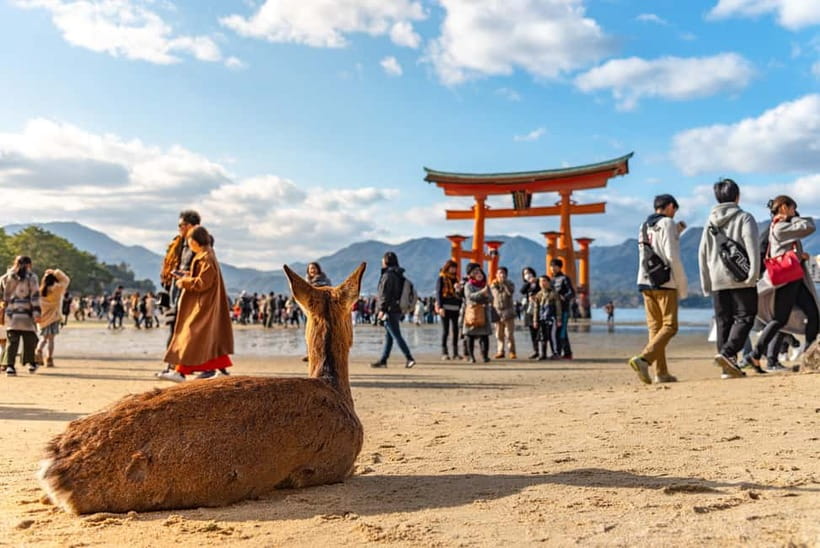
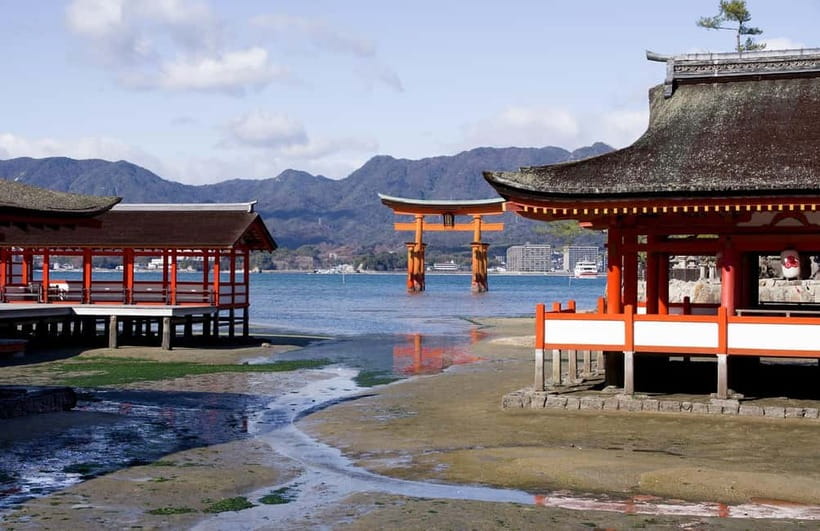
The ferry crossing is more than transportation. It’s your warm-up. As you head toward Miyajima, you get coast views and the torii gate framing you from the water—exactly the angle that makes that famous landmark so dramatic.
Plan to bring your camera and treat the ferry like part of the experience, not a quick in-between moment. Even if the weather shifts, the water perspective changes the way the shrine looks. It’s also a nice break from constant walking before you reach the island’s busy streets.
A small practical note: the day moves in set blocks of time, so if you’re the type who needs to take every photo twice, keep that energy for the shrine area and not for “every second” on the ferry.
Itsukushima Shrine: what to focus on at Japan’s landmark gate
Once you reach Miyajima, the big draw is Itsukushima Shrine and its legendary “floating” torii gate. The shrine itself is UNESCO-listed and dates back to the 6th century, which is part of why it feels like more than a photo stop. This is a living sacred site, not just a monument for tourists.
The torii gate: why you’re seeing it the way you are
The torii gate appears to rise from the water at high tide, which is why it looks like it’s hovering. Even if you don’t catch perfect tidal timing, the overall effect still lands—because you’re seeing it from the right approach angle, after already getting water-level views on the ferry.
Guided time helps you read the place
You’ll have a guided visit at the shrine, plus short free time. That matters because the shrine’s layout and significance are easier to enjoy when someone explains what you’re looking at. You also avoid the common problem of spending your “limited free time” just trying to find the most important areas.
Miyajima free time: deer, streets, and the right kind of wandering
After the shrine, you get a stretch of free time to roam Miyajima at your own pace. This is where the island shifts from structured sightseeing to something closer to a stroll—slow, casual, and very Japanese.
The vibe on the island
Miyajima is known for a peaceful atmosphere, and in practice that means you can breathe a little after the shrine context. You’ll pass charming streets and historic temple areas, then have time to look for snacks and souvenirs without feeling rushed.
Don’t miss the island details
A few things are basically built into the Miyajima experience here:
- Friendly deer roaming around freely
- Miyajima oysters, a local favorite
- Momiji manju, the maple-leaf shaped pastries you’ll see everywhere
If you’re a “read the room” traveler, you’ll notice how the island encourages gentler behavior. You’ll want to move carefully around deer and avoid blocking pedestrian flow on narrow lanes.
Optional temple moments (if your timing allows)
One detail I’d keep in mind: some days may include a chance for a short hike or extra temple area time. In past groups, stops connected to Daishoin Temple have shown up when scheduling allows, so if your group includes that, it’s worth the effort.
If it doesn’t fit, don’t worry—Miyajima still delivers plenty with the shrine, the streets, and the food.
Hiroshima Peace Memorial Park: handling a heavy stop with care
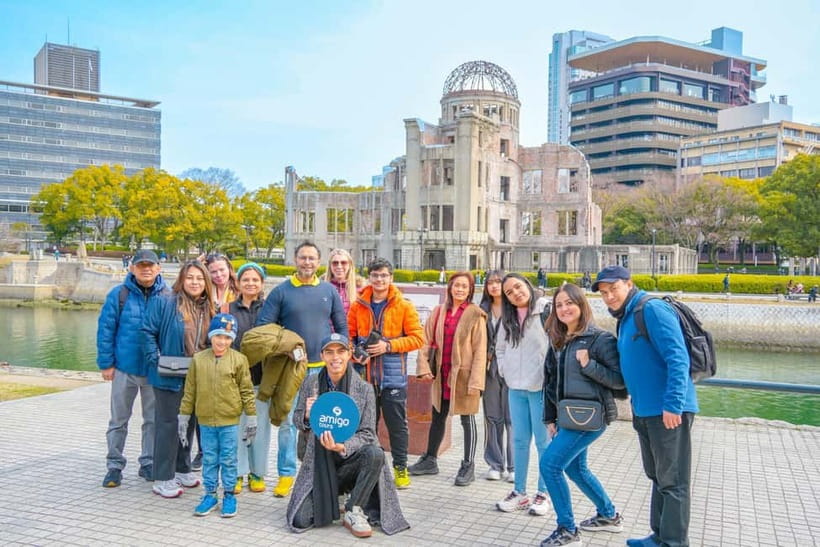
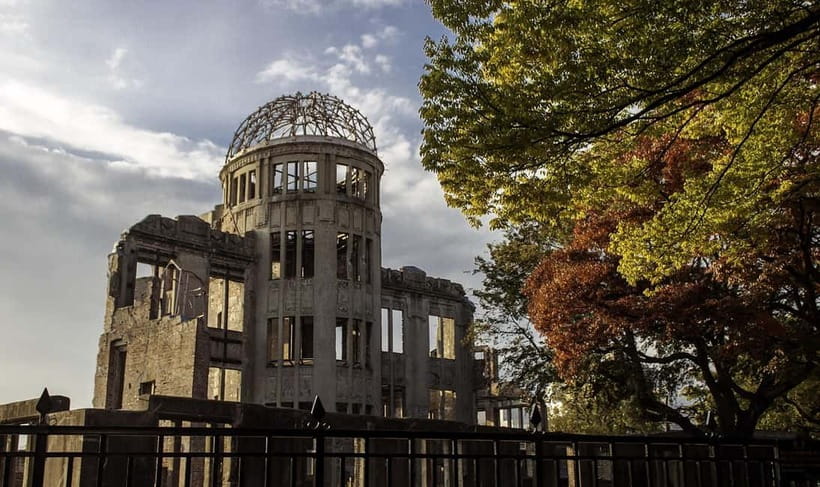
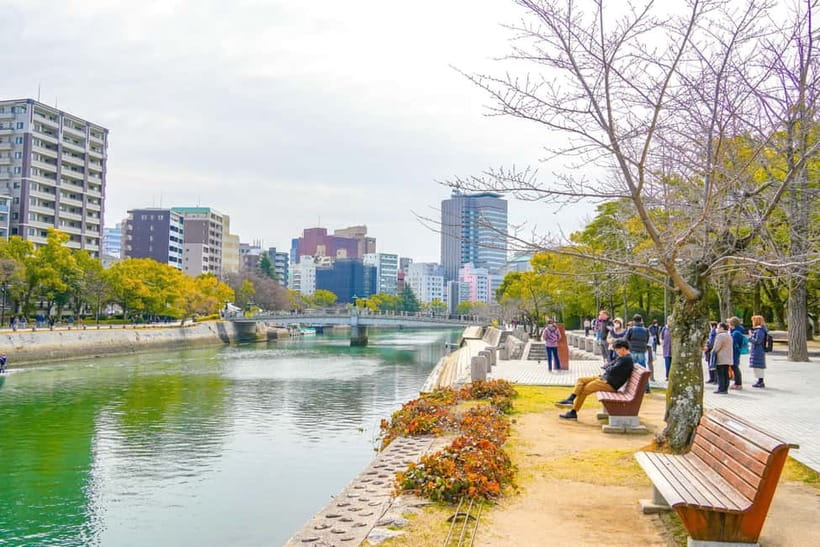
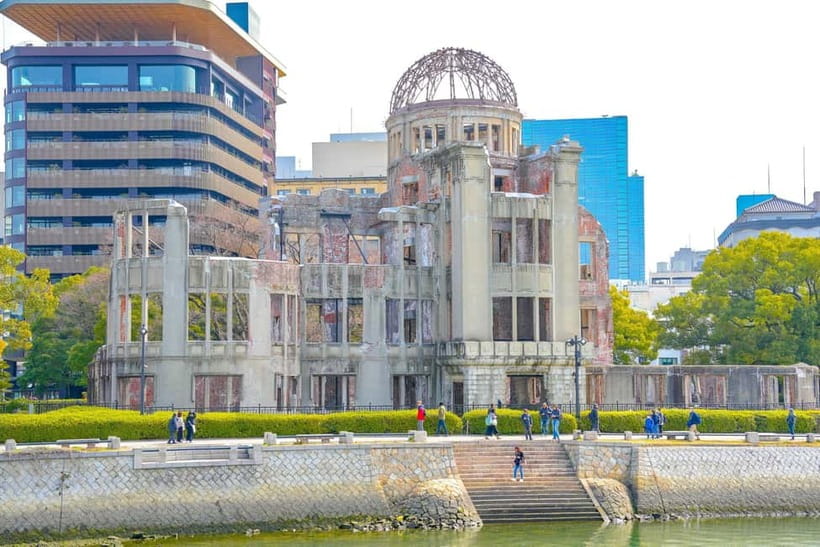
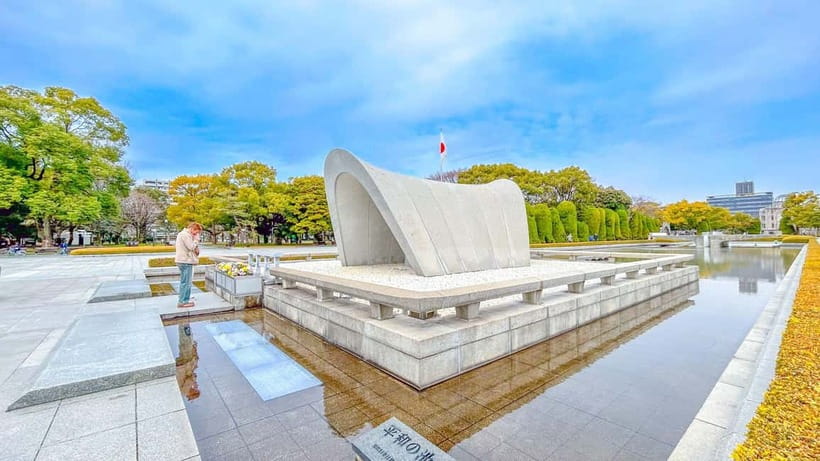
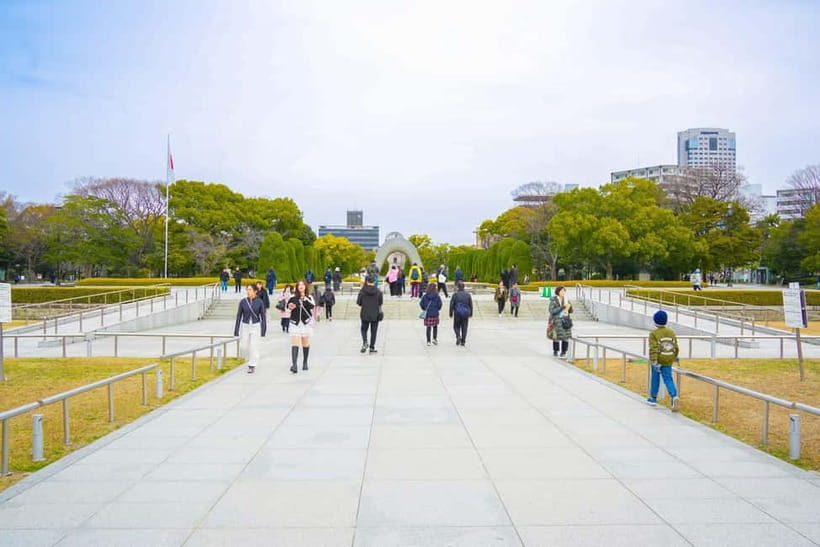
If you select the option that includes Hiroshima, your day shifts again—this time into remembrance. You’ll go to Hiroshima Peace Memorial Park, where you can see monuments connected to the 1945 atomic bombing and the people impacted by it.
What you’ll see
You’ll spend time at the Peace Memorial area, including the Atomic Bomb Dome and other monuments dedicated to the victims. This is the kind of place where “seeing it fast” can feel wrong. Walking through slowly is part of how the message lands.
How the tour pace affects your emotional experience
Your time here is guided, then you’ll have free time to continue at your own pace. In many people’s minds, the emotional effect is stronger when you end with this stop rather than starting the day here. One smart approach some groups use is to keep the memorial for later so you don’t carry the heaviness on the bus all day.
If you’re the kind of person who gets overwhelmed in crowds, plan to take breathing breaks in quieter corners. Bring water. Take notes if it helps you process. There’s no “right” emotional response—only the need to give yourself time.
Also, the museum area can get crowded depending on the season. If you want to see exhibits, go with flexible expectations for how long you’ll be able to linger.
Bilingual guidance and safe transport: the comfort piece you’ll feel
The tour runs with a bilingual guide in English and Spanish. That’s not a small perk—on a day with tight timing, clear explanations help you spend your energy on the places, not on guessing.
I especially appreciate how guides handle questions. In past groups, guides have been praised for returning quickly with answers when something isn’t immediately clear. That keeps the day from turning into a one-way script.
The coach ride experience
Transport quality matters when you’re spending most of the day traveling and standing. This one has strong feedback on coach comfort and driving. One group specifically praised a driver named Moriyama for safe, careful driving, and that kind of calm behind the wheel makes it easier to enjoy the day.
Price and value: what $39 really buys you
At $39 per person, this tour’s value comes from what’s included. You’re paying for more than a checklist of sites—you’re paying for:
- A bilingual guide (English/Spanish)
- Transportation from the meeting point
- Ferry ticket to Miyajima
- Admission to Itsukushima Shrine
- The organized timing that strings it together in one day
Lunch isn’t included, so budget for meals on your own. Still, even with that, the included transport + ferry + guided time can make this cheaper and easier than trying to piece everything together yourself, especially if you’d rather not wrestle with schedules.
Who gets the best value
You’ll likely feel the best value if:
- you only have one day in Hiroshima
- you want help with logistics
- you’d rather not plan ferry timing and routes
- you appreciate cultural context at major sites (shrine + memorial)
If you love totally free-form travel and can handle transit planning, DIY might be cheaper. But you’d be giving up the convenience of a guide to keep you on track.
Practical tips that keep the day enjoyable
You don’t need much, but you do need the basics.
What to bring
- Comfortable shoes: you’ll be standing and walking across multiple stops
- Camera: the torii gate from the water is a prime photo
- Water: crowds and walking add up
When crowds can slow you down
The shrine can be very busy, and the memorial area can feel intense when lots of people are there. If you’re sensitive to crowds, use your free time to step back from the busiest areas—especially in and around the main photo zones.
Wear for the weather
The day can involve sun and humidity at certain times of year, and it can be a long walk day. Dress for comfort over style.
Accessibility note
This tour isn’t listed as wheelchair-friendly due to walking and ferry-related movement.
Should you book this Hiroshima and Miyajima day trip?
Book it if you want an efficient way to see two of Japan’s most meaningful stops in one day—Miyajima’s torii-and-shrine experience and, if selected, Hiroshima’s Peace Memorial. I like that your money buys you real structure: bilingual guiding, ferry access, and shrine admission, with enough free time to actually enjoy Miyajima instead of just marching through it.
Skip it (or consider a simpler option) if you hate tight schedules, need lots of quiet time at museums, or are traveling with mobility needs that don’t match a walking-and-ferry day.
If you want a day that’s both beautiful and emotionally serious, with logistics handled and time to wander, this is a solid bet.
FAQ
How long is the tour?
The duration ranges from about 210 minutes to up to 8 hours, depending on which option you choose.
What is included in the $39 price?
It includes a bilingual guide (English and Spanish), transportation from the meeting point, admission to Itsukushima Shrine, and ferry tickets.
Where do I meet the guide in Hiroshima?
If you’re doing Miyajima + Hiroshima, meet outside Hiroshima Station Shinkansenguchi Hiroba Bus Berth (North Exit, down the stairs, between bus stops 8 and 9). If you’re doing only Miyajima, meet outside Hiroshima Station Hiroden-Miyamimaguchi Station.
Is lunch included?
No. Lunch is not included.
Is the tour wheelchair accessible?
No. The tour is not suitable for wheelchair users.
Can I cancel and can I pay later?
Yes. You can cancel up to 24 hours in advance for a full refund, and you can reserve now and pay later.