REVIEW · BORDEAUX
Bordeaux: Vineyards Wine Tasting Half-Day Trip
Book on GetYourGuide →Operated by OFFICE DE TOURISME DE BORDEAUX · Bookable on GetYourGuide
Two castles or a medieval village. Either way, you’re moving through Bordeaux’s wine world fast. What makes this trip work is the mix of guided château tastings plus a real sense of place, whether you’re walking Saint-Émilion’s streets or heading toward Médoc and its famous appellations.
I especially like the Saint-Émilion stop in winter (and on certain weekdays) because the monolithic underground church is a truly unusual experience. I also like the way the tour is structured for people without a car: a professional guide does the explaining, and the bus handles the long drives so you can focus on wine and the towns.
The main thing to consider is that this is a half-day format—tastings can be more of a taste than a pour, and you won’t be eating or doing much more than the planned stops.
In This Review
- Key highlights worth your attention
- Half-day Bordeaux wine country: what changes by season and weekday
- Where you start in Bordeaux: meeting point and the “no-car” advantage
- Saint-Émilion and the monolithic underground church (winter + Monday/Sunday)
- Médoc on Tuesday/Saturday: two château visits in classic Bordeaux style
- Graves & Sauternais on Wednesdays: two tastings, two identities
- Entre-deux-Mers on Thursdays: an intimate route with two château stops
- Blaye Citadel day on Fridays: UNESCO fortress first, then wine
- What the château visits feel like: tours + two wines each stop
- The guides and the bus ride: how language and pacing affect your experience
- Timing and what you really see in 5 hours
- Rain or shine, and why your footwear choice matters
- Rules that affect your day: luggage, food, and what not to bring
- Who should book this Bordeaux half-day tour (and who should skip)
- Price and value: is $68 a fair deal for what you get?
- Should you book this Bordeaux vineyards wine tasting trip?
- FAQ
- What time does the tour depart and return?
- Where is the meeting point in Bordeaux?
- How long is the tour?
- Does the itinerary change depending on the day?
- What is included in the wine tasting?
- Is food provided during the tour?
- What should I bring for the tour?
- Is the tour suitable for everyone?
- Can I cancel and get a refund?
Key highlights worth your attention
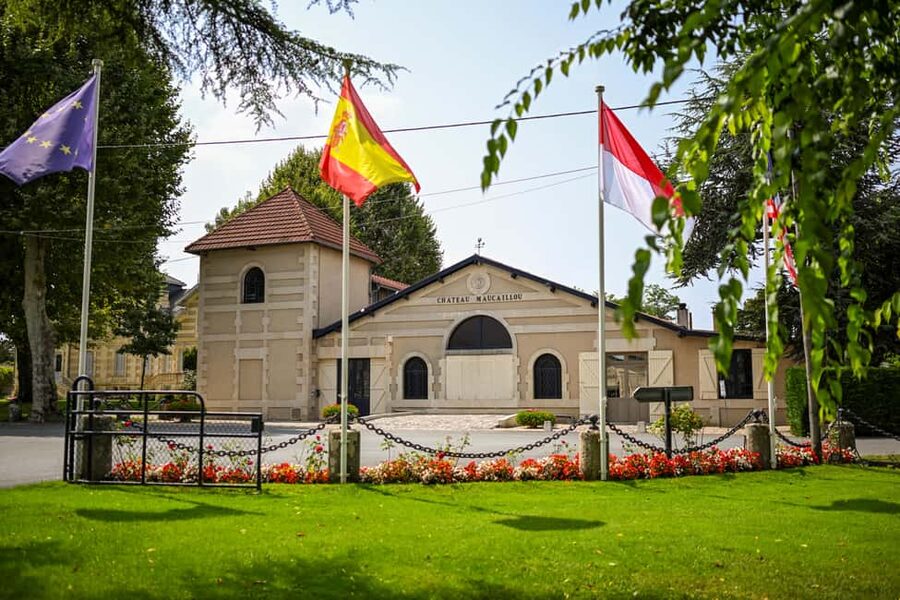
- Saint-Émilion’s monolithic underground church: UNESCO village + an underground rock-carved highlight
- Two châteaux, two wine tastings each day: consistent structure across regions
- Day-by-day region changes from April to October (Médoc, Graves & Sauternais, Entre-deux-Mers, Blaye)
- French and English guiding: narration on the ride helps you connect the dots
- Tight timing (about 5 hours round-trip from Bordeaux): great efficiency, less free roaming
Half-day Bordeaux wine country: what changes by season and weekday
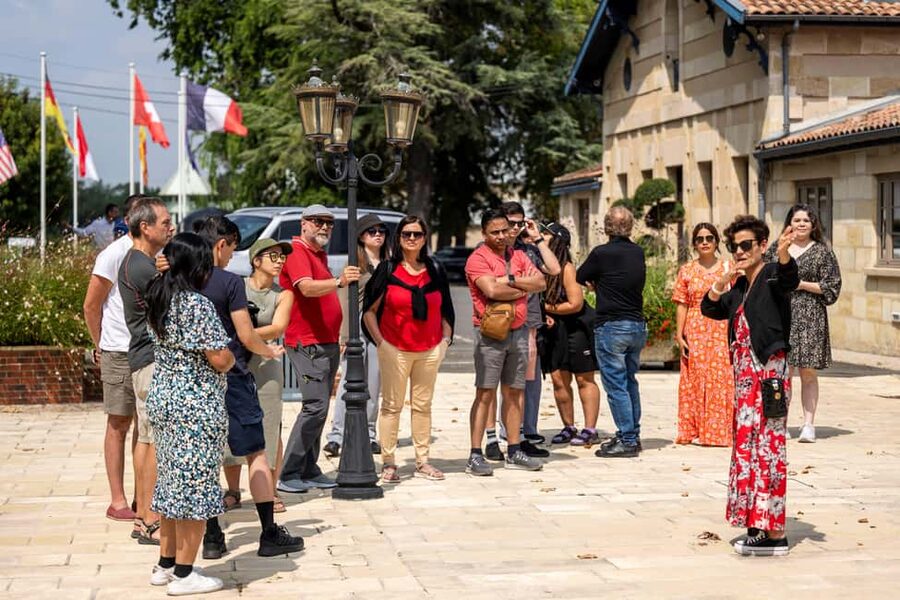
This tour is built around the idea that Bordeaux wine works best when you see more than one part of the system. So the itinerary rotates by season, and it also changes by day of the week in the busy months.
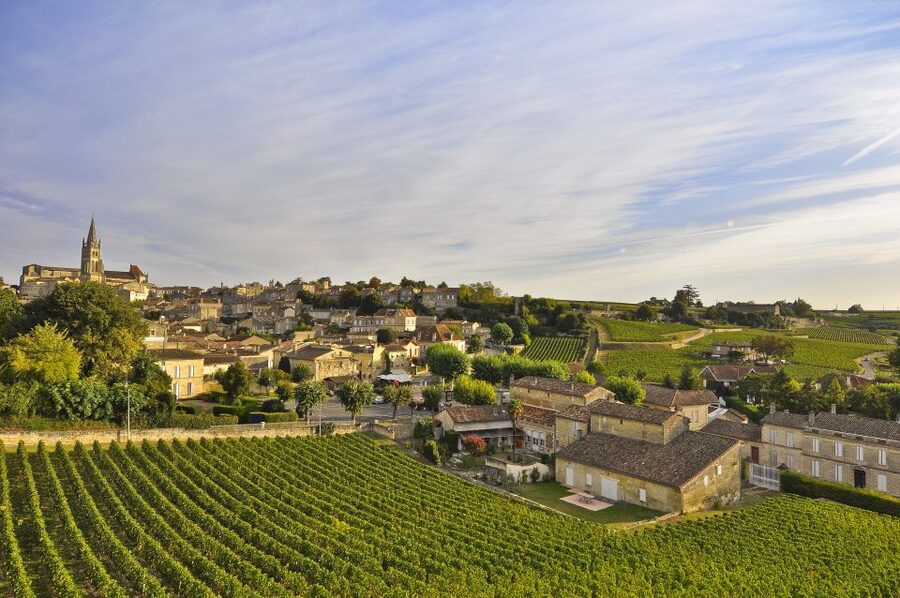
From November to March, the half-day focus is Saint-Émilion. Departures run every Saturday, and the big theme is the UNESCO medieval village—especially that monolithic church carved directly into the rock. After the village walk, you head to a local wine château for a guided tasting.
From April to October, departures run daily, but each day points you to a different wine region. The pattern is very specific:
- Monday & Sunday: Saint-Émilion + underground church, then a château wine tour and tasting
- Tuesday & Saturday: Médoc with two château visits and tastings
- Wednesday: Graves & Sauternais with two château visits and tastings
- Thursday: Entre-deux-Mers with two château visits and tastings
- Friday: Citadel of Blaye (UNESCO) plus a château tasting in Bourg or Blaye
This rotating schedule matters because you’re not paying for one stop—you’re paying for a curated slice of the Bordeaux wine map that you can only get easily by joining a group.
You can also read our reviews of more tours and experiences in Bordeaux.

Where you start in Bordeaux: meeting point and the “no-car” advantage
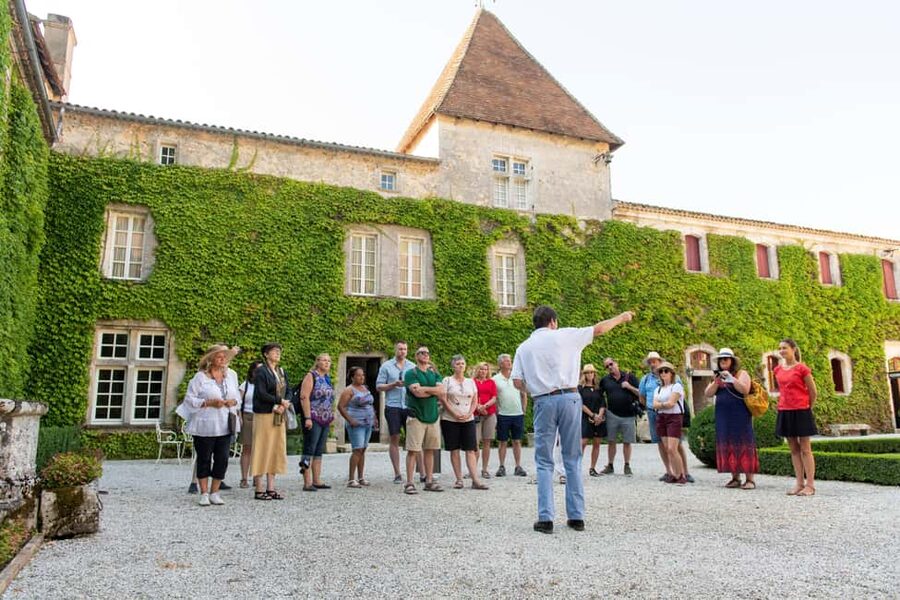
You’ll meet at Office de Tourisme et des Congrès de Bordeaux Métropole, at 12 Cr du 30 Juillet, 33000 Bordeaux. The departure is 1:30 PM, and you’re back by 6:30 PM, which keeps the whole thing feeling like a planned afternoon, not a travel day that steals your evening.
The bus/coach time is part of the value. You’re given guided narration on the road, and the transfers are handled for you—helpful when you’re trying to get to vineyards that aren’t convenient by public transit.
Practically, I’d treat the ride time as useful learning time. It’s also your window to ask questions of the guide in English or French, depending on how your group is mixed.
Saint-Émilion and the monolithic underground church (winter + Monday/Sunday)
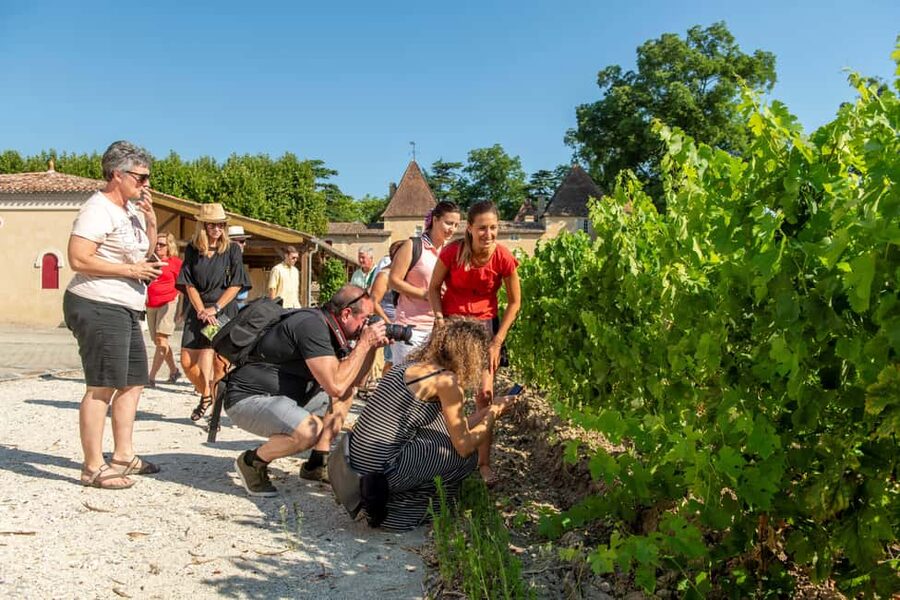
Saint-Émilion is the main show when this tour goes into medieval-village mode. You get a guided visit in the UNESCO village area, with time to wander the cobbled lanes yourself.
The headline is the monolithic church, carved directly into the rock—an underground church experience that’s different from what most wine travelers expect. It’s the kind of stop that adds context to the wine, because it reminds you the region’s importance isn’t only modern winemaking. It’s centuries of identity built into the town.
Once the village portion is done, you head out to a local château for a wine tour and tasting. On these days, you’re typically tasting two Saint-Émilion wines (a guided walk + a focused tasting, not a long buffet).
One detail that helps you manage expectations: your free time in the village can be relatively short. Some departures give you time to look around properly, but it’s still a half-day schedule—so if you love slow strolling and taking photos, you’ll want to prioritize a few lanes and sights you really care about.
Médoc on Tuesday/Saturday: two château visits in classic Bordeaux style
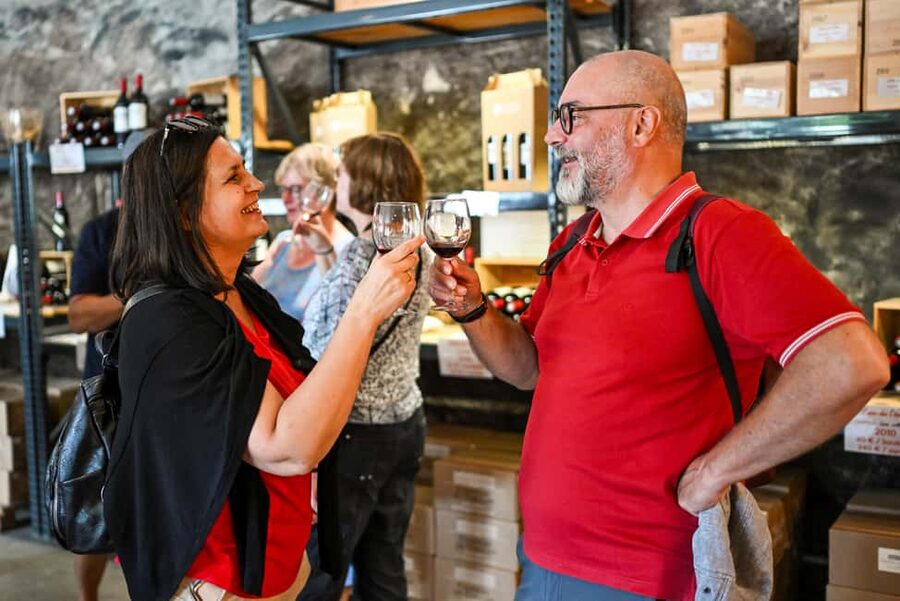
On Tuesday and Saturday (April to October), the tour heads to Médoc. This is the “two château” format, meaning you get two separate vineyard/château experiences, each with a guided tour and tasting.
This is a great fit if you want to understand what changes from one estate to another—especially when the winemaking approach differs but the broader Medoc identity stays recognizable. The guide’s job here is to connect the dots: how a château thinks about vines, aging, and style—and then how that translates into what you taste.
In the real world, château tours can vary in pacing and interaction. On some departures, you may get more of a walk-through that feels personal and hosted, while other châteaux lean more informational. The tastings still stick to two wines per stop, so you’ll get repetition (same structure, different estate).
If you’re a Bordeaux beginner, Médoc days are often easier to follow because the region is famous. If you’re already wine-familiar, it can feel like you’re moving quickly—still worthwhile, but don’t expect one estate to turn into a full deep education.
Graves & Sauternais on Wednesdays: two tastings, two identities
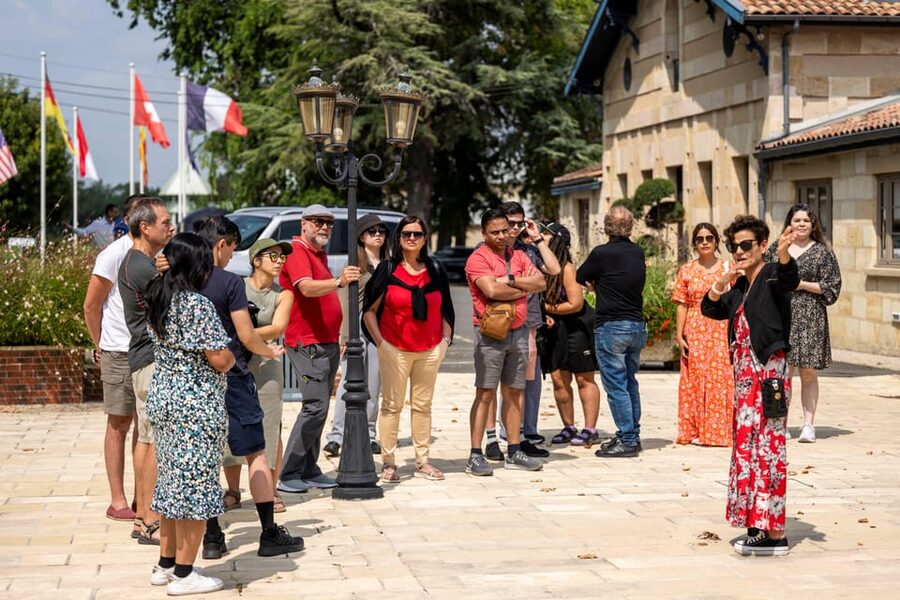
On Wednesdays (April to October), you visit Graves and Sauternais—again with two château visits and tastings.
This day is designed for contrast. Graves and Sauternais share a neighborhood on the map, but they don’t behave the same way as styles. Even if you’re not chasing sweetness, this mix helps you understand why “Bordeaux wine” isn’t one thing—it’s a bunch of controlled differences.
From your perspective, the value here is the sequencing. Two château tours in one half-day is a time saver. You’ll also likely hear the guide explain the basics of how each region’s character influences what ends up in your glass.
Like the other “two château” days, it’s still a tasting-and-walk schedule, not a long, slow lounge at one winery. You’ll want to take notes quickly during explanations, because there’s limited time between stops.

Entre-deux-Mers on Thursdays: an intimate route with two château stops
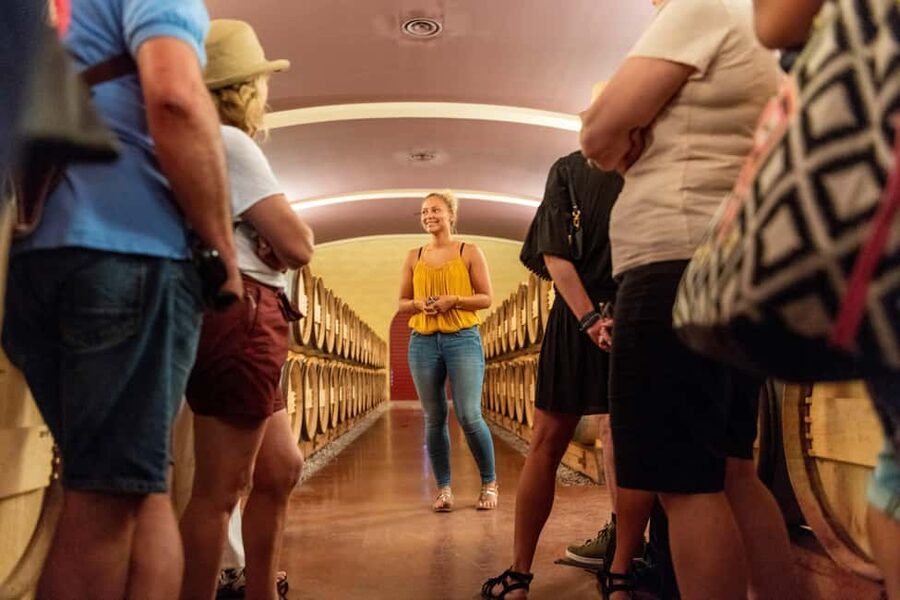
On Thursday (April to October), you go to Entre-deux-Mers, with two château visits and tastings.
This route often appeals to people who want a slightly less pressure-filled version of Bordeaux wine exploration. It’s still real château visits, still guided tastings, still structured—but the region’s energy is typically more low-key than the flashier postcard stops.
This day works well if you like meeting winemaking people and hearing how smaller producers describe their vineyards. You can come away with a clearer idea of how Bordeaux estates talk about their approach—bottling decisions, aging decisions, and why they feel they’re making a particular style.
Again, two wines per château keeps things tight. If you’re hoping for a longer sampling session, this isn’t built that way. Think: guided tasting + education + moving on.
Blaye Citadel day on Fridays: UNESCO fortress first, then wine
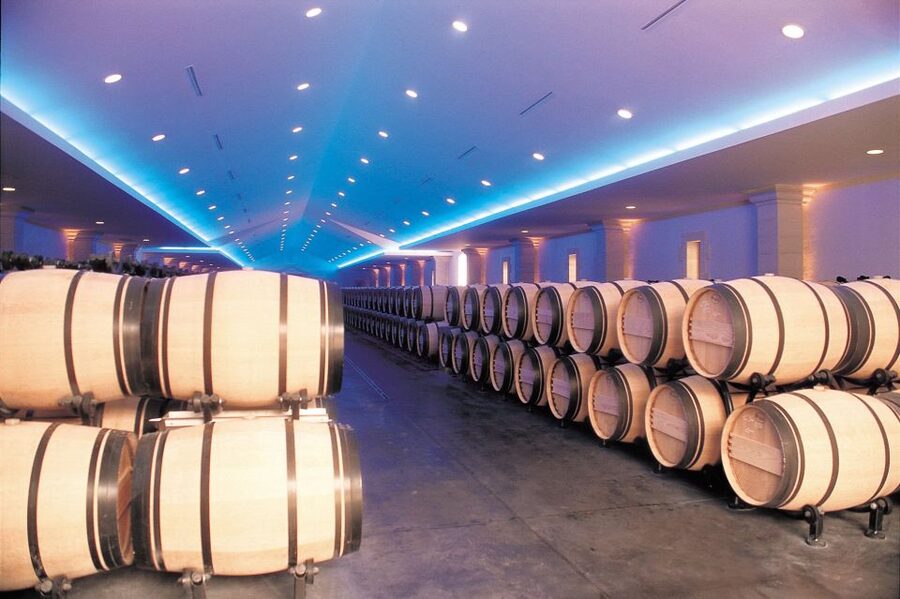
On Fridays (April to October), you do something different: you visit the UNESCO-listed Citadel of Blaye, then finish with a château wine tasting in Bourg or Blaye.
This is a strong choice if you want Bordeaux that’s not only vineyards. A citadel visit gives you a broader historical frame for the region, and it breaks up the “only wine” rhythm.
After the fortifications stop, you still get your wine time—a château tour and tasting of two wines—so you don’t lose the main reason you booked this trip.
If you’re traveling with someone who likes history more than wine, this Friday format can be a good compromise.
What the château visits feel like: tours + two wines each stop
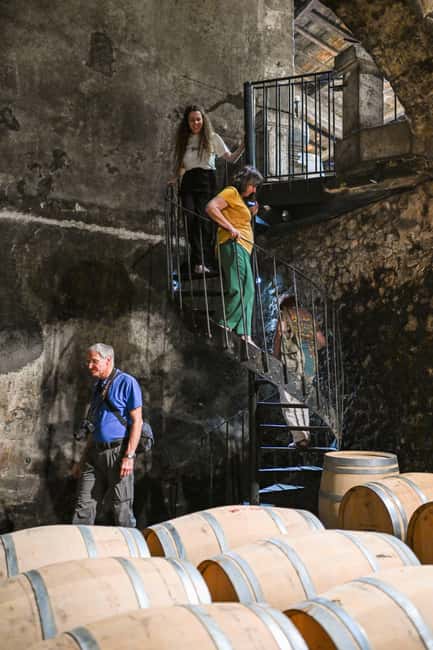
Across the tour, the pattern stays the same: château tour + tasting. Depending on the day, that means either:
- Saint-Émilion format: one château tasting of two Saint-Émilion wines after the village and underground church, or
- Two-château format: two separate tastings, each with two wines
The tasting is guided, and the guide is there to help you understand what you’re smelling and why. You might hear clear explanations that connect vineyard practices to what you find in the glass. Some guides also bring extra personality—people on past departures have mentioned styles ranging from funny magic-show moments to engaging on-the-spot storytelling.
What you should plan for: tastings are not designed to be filling. Several guests have flagged that the tastings can come in small quantities, and not every château provides the kind of snacks you might expect on a longer tour.
My practical advice: treat the château tastings as sampling and learning. Eat before the tour if you can, and go in ready to appreciate the differences, not to leave with a buzz and a full stomach.
The guides and the bus ride: how language and pacing affect your experience
This tour includes a professional French and English-speaking guide, and that matters more than it sounds. Bordeaux wine talk can get technical fast. Having someone translate it into plain, followable explanations is what turns a tasting from confusing to enjoyable.
Some guests have highlighted guides like Astrid, Jean-Claude, Veronique, or Bruno for being clear, energetic, and good at keeping explanations moving without losing the thread when language shifts happen.
On the road, bus commentary helps you connect what you’re seeing—vineyard areas, villages, and production logic—with what you taste later. Also, the coach ride gives you a chance to sit down and reset. Several departures are run on comfortable buses, and at least some have been described as air-conditioned.
One pacing note: if the guide’s narration is constant for long stretches, it can feel like there’s less downtime for enjoying the scenery. That’s not a dealbreaker, but it’s good to know what kind of group dynamic you’re signing up for.
Timing and what you really see in 5 hours
You’re out 1:30 PM to 6:30 PM, which is the whole point: a half-day taste of Bordeaux without sacrificing your dinner plans. But it also means you’re not getting leisurely exploration.
Here’s the rhythm that usually matters most:
- You start in Bordeaux at the tourist office.
- You spend time on the bus toward the first stop.
- You get a guided tour and tasting at a château (or a village + underground church first, on Saint-Émilion days).
- You transfer again, then do the next château stop.
- You return to Bordeaux by early evening.
Because the schedule is tight, the free time component (especially in Saint-Émilion) is best used efficiently. If you want photos, pick locations quickly. If you want deeper wandering, this is where you may wish you had more time.
Rain or shine, and why your footwear choice matters
This tour runs rain or shine. So you’ll want shoes that handle uneven paving stones and vineyard paths, especially if you’re visiting Saint-Émilion’s cobbled streets or moving around a château property.
Also, come prepared for outdoor time. Even if you’ll sit on the bus a lot, the “walk part” is real.
Rules that affect your day: luggage, food, and what not to bring
A few things can shape your comfort level:
- Food isn’t allowed on the coach.
- No oversize luggage or large bags.
- No weapons or sharp objects.
So for a smooth experience, travel light. Plan meals around the tour, because you can’t depend on buying or bringing snacks for the ride.
If you were picturing a relaxed half-day with a picnic vibe, adjust your expectations now. This is a structured wine tour, not a portable lunch day.
Who should book this Bordeaux half-day tour (and who should skip)
This tour is a good match for:
- People staying in Bordeaux who don’t want to rent a car
- Wine beginners who want a guided framework for what they taste
- Travelers who like efficiency—two château experiences in one trip window
- History-minded visitors who want Saint-Émilion or Blaye’s UNESCO stop
It’s not suitable for:
- Pregnant women
- People with mobility impairments
If either of those applies to you, you’ll need to look for a different format with better accessibility and a more flexible schedule.
Price and value: is $68 a fair deal for what you get?
At $68 per person for about 5 hours, this tour can feel like good value for Bordeaux—especially because you’re paying for more than just wine.
You’re getting:
- Transport by bus
- A professional guide
- Multiple guided château visits
- Access to key experiences like Saint-Émilion’s monolithic underground church (in the Saint-Émilion versions)
- Wine tastings that are structured and guided
Yes, the tastings can be small, and the half-day format limits how much you can do. If you want large pours, a long sit-down lunch, or a slow paced winery day, you may end up wishing the tour gave you more time per stop.
But if you want the basics done well—right regions, right guidance, and minimal logistics stress—$68 is the kind of price that makes sense.
Should you book this Bordeaux vineyards wine tasting trip?
Book it if:
- You want guided Bordeaux wine without driving
- You like the idea of seeing different parts of the wine map (Saint-Émilion, Médoc, Graves/Sauternais, Entre-deux-Mers, or Blaye)
- You’re happy with two wines per château and focused tastings instead of big drinking sessions
Skip it if:
- You’re hoping for a longer tasting experience with lots of food and water provided
- You dislike strict schedules and short free time windows
- Accessibility or pregnancy constraints apply
If you’re somewhere in the middle, I’d treat this tour as your Bordeaux “starter pack.” It gives you enough to orient yourself, understand how estates differ, and decide what to pursue later on your own.
FAQ
What time does the tour depart and return?
It departs from Bordeaux Tourist Office at 1:30 PM and returns by 6:30 PM. The duration is listed as 5 hours.
Where is the meeting point in Bordeaux?
You meet in front of the Bordeaux Tourist Office at 12 Cr du 30 Juillet, 33000 Bordeaux, France.
How long is the tour?
The tour duration is 5 hours.
Does the itinerary change depending on the day?
Yes. From April to October, the region changes by weekday (Saint-Émilion, Médoc, Graves & Sauternais, Entre-deux-Mers, or Blaye/Citadel). From November to March, it runs Saturdays to Saint-Émilion.
What is included in the wine tasting?
Tastings are guided and include two wines per château stop. Saint-Émilion days include a château tour and tasting of two Saint-Émilion wines. Other regions include two château visits and tastings.
Is food provided during the tour?
No. Food isn’t included, and food isn’t allowed on the coach.
What should I bring for the tour?
Bring comfortable shoes. The tour runs rain or shine.
Is the tour suitable for everyone?
No. It is not suitable for pregnant women and not suitable for people with mobility impairments.
Can I cancel and get a refund?
Yes. There’s free cancellation up to 24 hours in advance for a full refund.