REVIEW · BORDEAUX
Medoc Region Wine Day Trip with Vineyard Visits & Tastings from Bordeaux
Book on Viator →Operated by Ophorus · Bookable on Viator
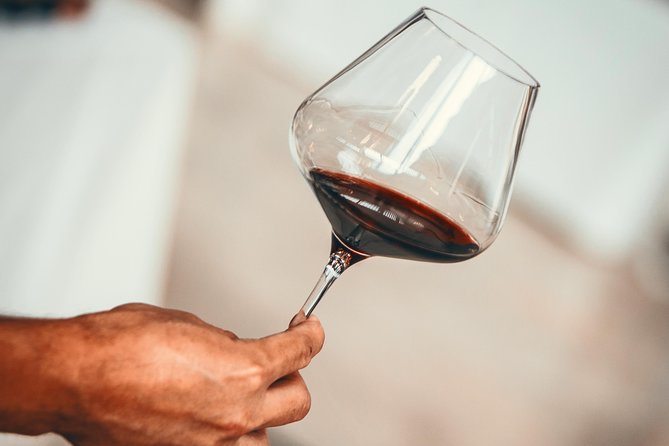
Three tastings, one classic Médoc lesson. This full-day tour is interesting because you move through major Left Bank styles on a structured route, with a small group (max 8) keeping the day from feeling like a cattle stampede. I also like the way you get guided tastings at several estates, including an early stop in either Margaux or St. Julien before you compare styles again later around Pauillac and St. Estèphe.
One thing to plan for: France does not usually serve snacks during wine tastings, so you’ll want a solid breakfast or lunch beforehand. If you arrive hungry, the day can feel long, especially with the driving time between estates.
In This Review
- Quick highlights
- Médoc in one day: what this tour does well
- Morning drive and the first château tasting in Margaux or St. Julien
- Pauillac break: town time, lunch options, and a real reset
- Second included tasting: Pauillac or St. Estèphe comparisons
- Final château stop: classified growth or Crus Bourgeois finish
- The guide effect: how commentary can make or break the day
- Price and value: what $266 gets you (and why it can be fair)
- Comfort and pace: van time, group size, and tasting rhythm
- What kind of traveler should book this Médoc tour
- Should you book this Médoc tour?
- FAQ
- What time does the tour start in Bordeaux?
- How long is the Médoc wine day trip?
- Where do I meet the guide?
- How big is the group?
- Is hotel pickup included?
- Are wine tastings included in the price?
- Are meals included?
- Can children or pets join the tour?
- Is the tour available on Sundays in March and November?
Quick highlights
- Small group (max 8) for better pace and more personal attention during tastings
- Classified-growth focused stops across different Médoc appellations for real style comparisons
- Pauillac free time to wander the town and grab lunch on your own
- English-speaking guides such as Helene, Hugo, Jerome, and Mathis in recent groups
- All tasting fees included, so you’re not doing surprise math mid-day
- Air-conditioned minivan that keeps the transfer comfortable year-round
Médoc in one day: what this tour does well
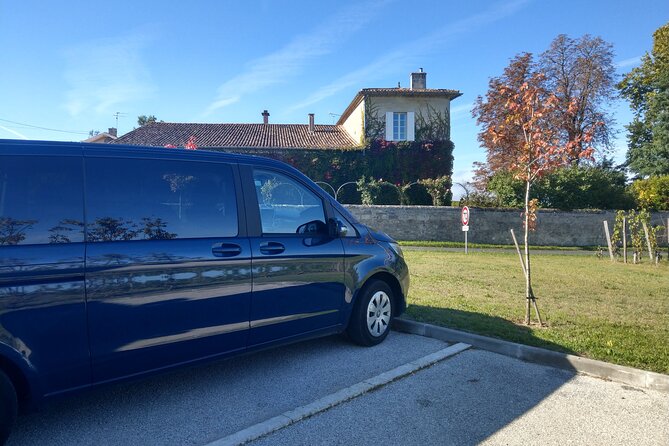
This is a straightforward, full-day Left Bank wine experience from Bordeaux: you get transport, a guide, and multiple scheduled tastings without having to plan the logistics yourself. The big value is the sequence. Instead of dropping you at random vineyards, you follow a route that lets you notice differences between appellations—then connect those differences back to grape choice, climate, and winemaking decisions.
The tour runs about eight hours and starts in Bordeaux at 9:30 am. You meet at 12 Cr du 30 Juillet, and the day ends back at the same meeting point. You’re not stuck with a long airport-style pickup maze, and the start location is close to public transportation if you’re getting there on your own.
The group size matters. With a maximum of 8 people, you tend to get a more conversational vibe at tastings, and you’re less likely to feel hurried at every stop. That matters because château visits can be slow and sensory; good pacing turns tasting into learning, not just a sip-and-go checklist.
You can also read our reviews of more tours and experiences in Bordeaux.

Morning drive and the first château tasting in Margaux or St. Julien
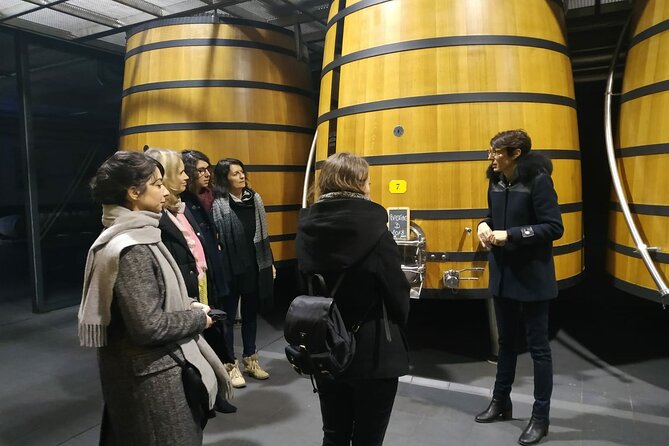
Your first estate visit is in either Margaux or St. Julien, both famous for structured wines with distinctive personality. You’re tasting a classified growth château there, which usually means the estate has a long track record and a clear house style. Even if you’re new to Bordeaux, this is one of the most efficient ways to get your bearings because those appellations are often used as benchmarks.
A guide will walk you through what makes the wine style work—think classic Bordeaux fundamentals like grape blend, aging choices, and how the vineyard parcels translate into flavor. Guides such as Hugo and Jerome have been praised for explaining appellations and ratings in ways that are easy to follow.
If you’re the kind of person who likes to take photos, this morning portion often includes scenic moments during the ride. Several people have noted the tour includes good photo opportunities along the way, which helps break up the day beyond just tasting rooms.
Pauillac break: town time, lunch options, and a real reset
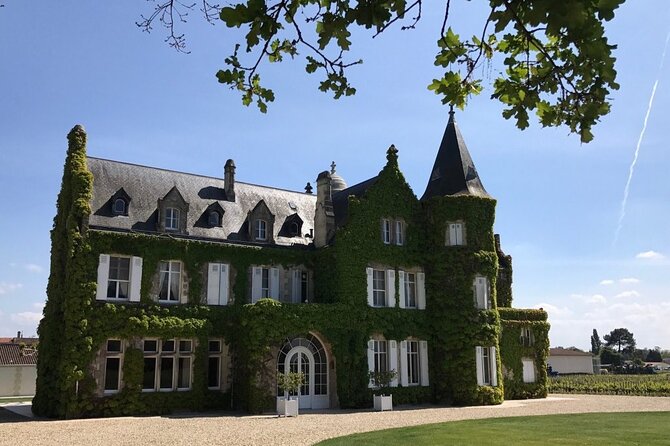
After that morning tasting, you continue on to Pauillac. This is your first chance for breathing room: you get free time in town to explore at your own pace. You can also use this gap for a second informal tasting option if you want to add to the day (you’d pay for that yourself).
Lunch is on your own here, and it’s worth taking seriously. Tastings are included, but food and drinks are not, and the tour guidance also notes that snacks are typically not provided during wine tastings in France to preserve the purity of the wine’s flavor. In plain terms: eat before you go in, and choose a meal that won’t leave you fighting for air afterward.
Pauillac is a good base for lunch because it’s a real town, not just a stop sign and a tasting room. You’ll also have time to regroup before the second included tasting, which can be helpful if you plan to buy a bottle or two.
Second included tasting: Pauillac or St. Estèphe comparisons
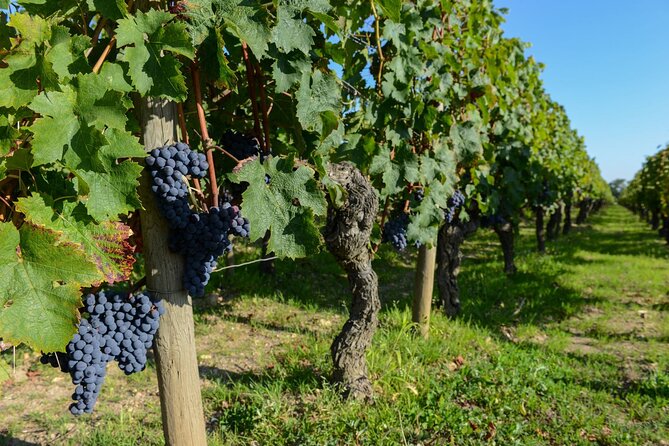
The second tasting happens after the Pauillac break, and it shifts you into a new appellation: either Pauillac or St. Estèphe. This is where the tour earns its keep. You start to connect the dots between what you tasted earlier and what you’re tasting now—often with a noticeable change in structure, fruit character, and how the wine carries its tannins.
The guide sets up the comparison so it doesn’t feel random. Some guides, like Helene, have been described as high energy and very enthusiastic about educating on wine and region details, which makes the second tasting feel like part of a lesson rather than repetition. Other guides can be more low-key; one person noted a quieter approach with less onboard narration during stops, so your experience may depend on the guide’s style.
Still, the format stays the same: you’re at a château, tasting wine, and learning what makes this appellation distinct from what you sampled in the morning. If you’re both a beginner and an experienced wine drinker, this step is especially useful because it gives you two different reference points in one day.
Final château stop: classified growth or Crus Bourgeois finish
The last stop is another château tasting in one of these categories: Classified Growth or Crus Bourgeois. That final tasting is your closing act, and it often helps you calibrate your preferences. Even within the Bordeaux “tiers,” there can be meaningful differences in texture and aging style.
This is also where you can make sense of the pricing in the real world. If you buy Bordeaux later, you’ll do it with more context: which blends and tannin structures you like, and whether you prefer wines that feel more polished and aromatic versus those that feel tighter and more structured.
The final stop can also feel like the most relaxed moment. By then you’ve already learned how the day works—where to focus your tasting notes, how to compare wines without overthinking, and how to ask simple questions that get you real answers from the château staff.
The guide effect: how commentary can make or break the day
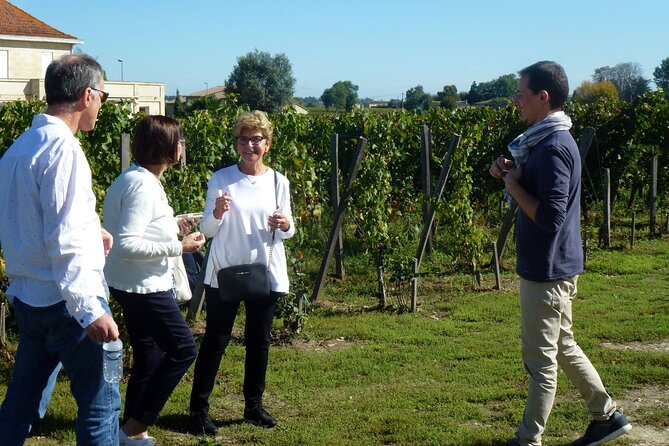
A Medoc tour lives or dies on communication. The good news is that this one has a strong track record with guides who explain the region clearly and keep things moving. People have praised guides like Guy for covering history and wine, and Mathis for sharing commentary about the Medoc during the drive along with a strong grasp of the region.
There’s still a realistic consideration: not every guide will run the same style of conversation. One review mentioned a guide sitting in the van during tastings, which can reduce the on-the-ground context you hoped for. If your ideal wine day includes constant narration and history at each stop, arrive with a little patience and be ready to ask questions if the guide isn’t filling the room.
Your best move is simple: bring curiosity. During tastings, ask what they want you to notice first—blend, oak, aging, or tannins. That tends to pull more value out of the visit regardless of the guide’s volume.
Price and value: what $266 gets you (and why it can be fair)
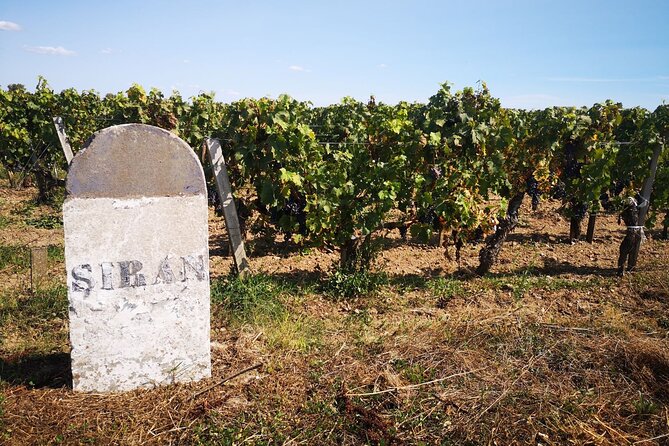
At $266.16 per person for a roughly eight-hour day, the value depends on what you’d otherwise pay to make the same plan happen. You’re paying for air-conditioned transportation from Bordeaux, an English-speaking guide, and all wine tasting fees.
For a day that includes multiple château visits, that’s the key: tastings can add up quickly if you book them individually, and transportation costs plus coordination can be harder than it sounds in Bordeaux if you’re trying to see more than one or two places. Here, the structure is doing work for you.
Is it expensive? It can be, if you only care about one winery or you hate long drives. But if you want a compact education across Médoc appellations, this is a reasonable price for the effort and planning you avoid—especially in a small group where you’re not trapped with 30 people at each stop.
One more value note: tasting fees are included, but food is not. That means your total day cost will likely rise depending on how you choose lunch in Pauillac. Budget for that, and the math feels much more honest.
Comfort and pace: van time, group size, and tasting rhythm
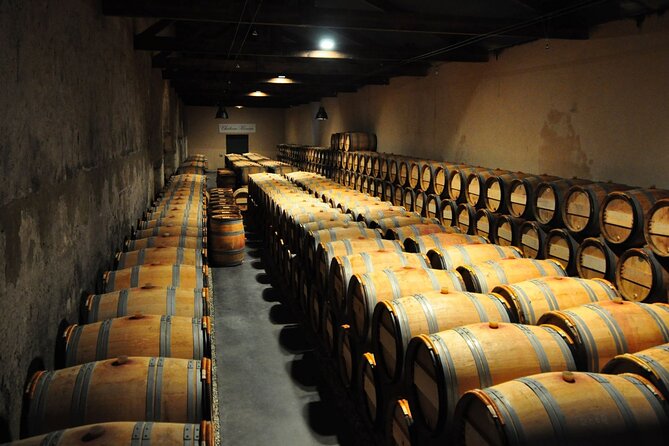
This is a full-day outing, so yes, you’ll spend time in the minivan. That’s not a negative by itself; it’s how the itinerary reaches multiple Médoc zones in a single day. The driver and guide also use the drive time for regional context, and several people noted the commentary helped set expectations.
The comfort piece is handled by the air-conditioned minivan. Still, group size matters for comfort too. While the tour maxes at 8, you can still feel a bit cramped if everyone is seated tightly, and one person flagged van space as a concern when the group felt larger than expected.
Pacing is generally built around a rhythm: tasting, then moving, then town time, then another tasting, then a final château. To enjoy that rhythm, come with energy. The tour note about no typical snacks at tastings is the big practical reminder.
What kind of traveler should book this Médoc tour
This works best if you want an organized day and you’re open to learning by tasting. If you’re short on time in Bordeaux but still want a serious taste of Médoc differences, this is a strong match.
It’s also a good fit if you like variety without planning. You’ll cover multiple appellations through a format that makes it easier to remember what you liked and why.
If you’re chasing only tiny family estates and very offbeat stops, you might feel the itinerary leans toward more established château categories (classified growth and Crus Bourgeois). That can still be enjoyable—especially for understanding how Bordeaux systems produce consistent results—but it’s worth knowing the vibe may not be purely rustic.
Should you book this Médoc tour?
Book it if you want a structured, English-guided Médoc day with transport and tastings handled for you, plus a real chance to compare styles from morning to afternoon. The small group size helps, and the focus on Margaux or St. Julien, then Pauillac or St. Estèphe, then a final classified or Crus Bourgeois stop gives you a learning path that’s easy to follow.
Skip it or choose a different option if you hate long travel time, want meals included, or need lots of constant narration at every stop. If that’s you, plan to ask questions during tastings and eat well before the day starts so the schedule feels comfortable.
If you want a practical win: arrive hungry in the morning and the day will feel long; arrive fueled, and it can feel like a clean, memorable wine education.
FAQ
What time does the tour start in Bordeaux?
The tour starts at 9:30 am.
How long is the Médoc wine day trip?
It runs for about 8 hours.
Where do I meet the guide?
You meet at 12 Cr du 30 Juillet, 33000 Bordeaux, France.
How big is the group?
The tour has a maximum of 8 travelers.
Is hotel pickup included?
No, hotel pickup and drop-off are not included.
Are wine tastings included in the price?
Yes. All wine tasting fees are included.
Are meals included?
Food and drinks are not included unless specified. You should plan for lunch on your own, especially during the Pauillac break.
Can children or pets join the tour?
This is adult only. Children under 18 are not allowed, and pets are not allowed.
Is the tour available on Sundays in March and November?
No. It is not available on Sundays in March and November.