REVIEW · ASWAN
Best Private Day Trip To Abu Simbel From Aswan
Book on GetYourGuide →Operated by Emo Tours Egypt · Bookable on GetYourGuide
Abu Simbel feels unreal from the road. This private day trip turns a long drive into a well-paced day with air-conditioned transport and a local guide at Abu Simbel, plus time at both the Ramses II and Nefertari temples.
Two things I really like: the ride is private (so you’re not stuck with a slow group pace), and the guide helps you get oriented before you ever walk into the heat. One heads-up: the temples are the main event, so you’ll move at a steady pace—plus the whole trip is built around a long south-of-Aswan drive.
Key points to know before you go
- Private, air-conditioned transfers from your Aswan hotel and back
- Local guide on-site at Abu Simbel to explain what you’re seeing
- Skip-the-ticket-line so you lose less time waiting
- Entry fees and lunch included, with bottled water provided
- Guided time at both temples, including Ramses II and Nefertari
In This Review
- Abu Simbel’s Big Pitch: Two Rock Temples, One Road Trip
- The 8:00–5:00 Plan That Lets You See It All
- Getting Oriented in the Car: Why the Guide Explains Before Heat Hits
- Ramses II and the Sun Temple: What to Focus on
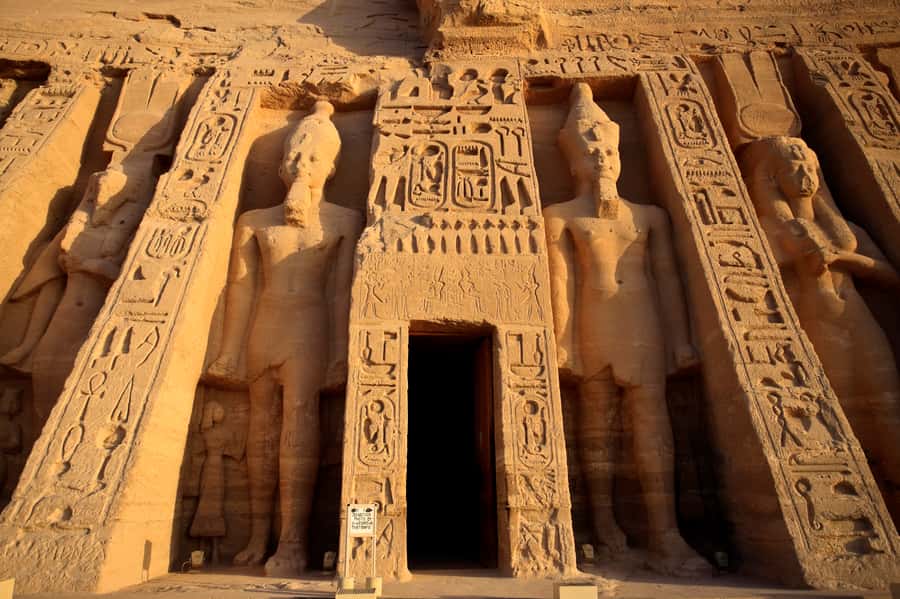
- Nefertari and Hathor: The Temple With a Softer Story
- Transfers, Timing, and Pacing: Staying Comfortable on a Long Day
- Lunch Included: Local Food, Real Chances to Get It Right
- Value for Money: Does $145 Cover What You Actually Need?
- Who Should Book This Private Abu Simbel Day Trip?
- Should You Book? My Take
- FAQ
- FAQ
- What are the tour hours for this Abu Simbel day trip?
- Do I get picked up from my hotel in Aswan?
- How long is the drive from Aswan to Abu Simbel?
- What’s included in the price?
- What is not included?
- Do I need a passport?
- Which languages are available for the guide?
- When should I book?
Abu Simbel’s Big Pitch: Two Rock Temples, One Road Trip
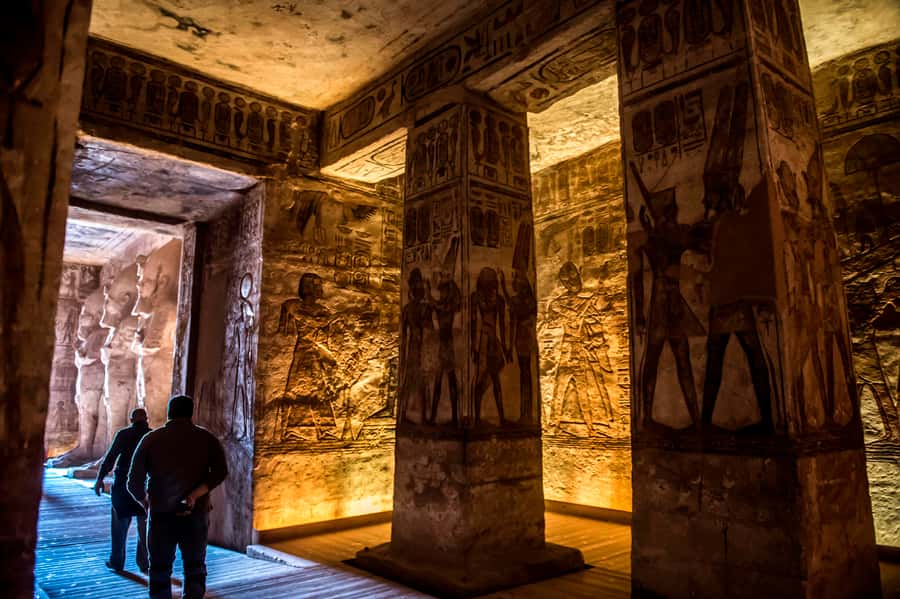
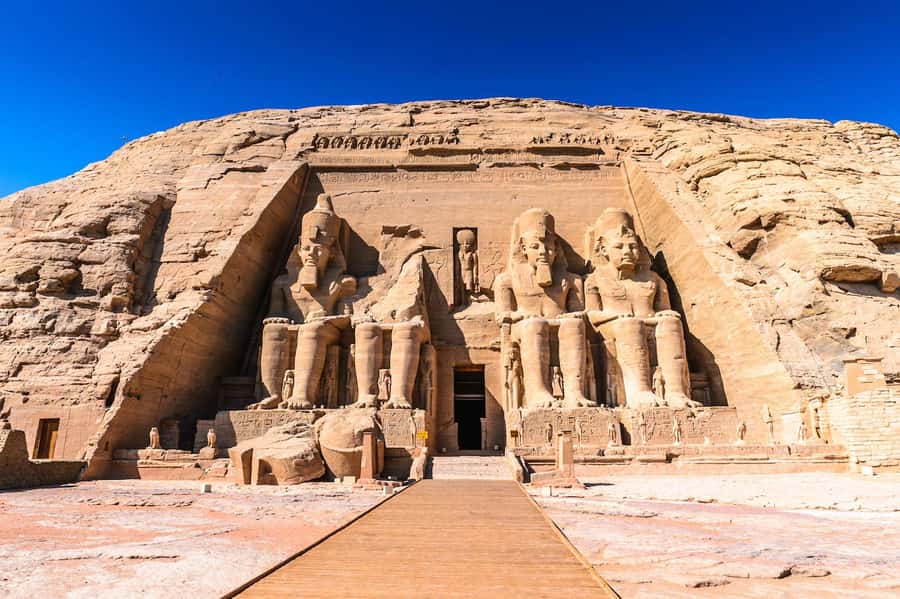
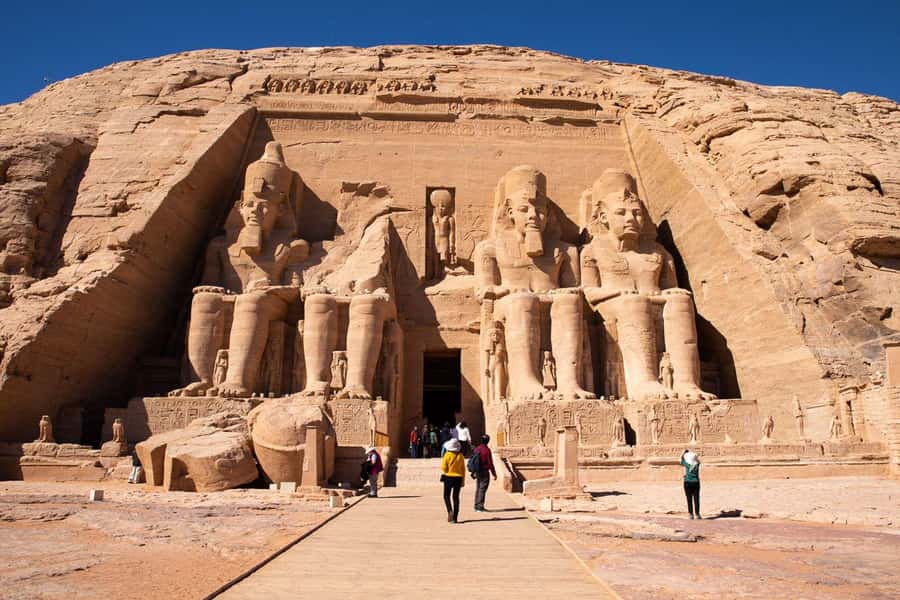
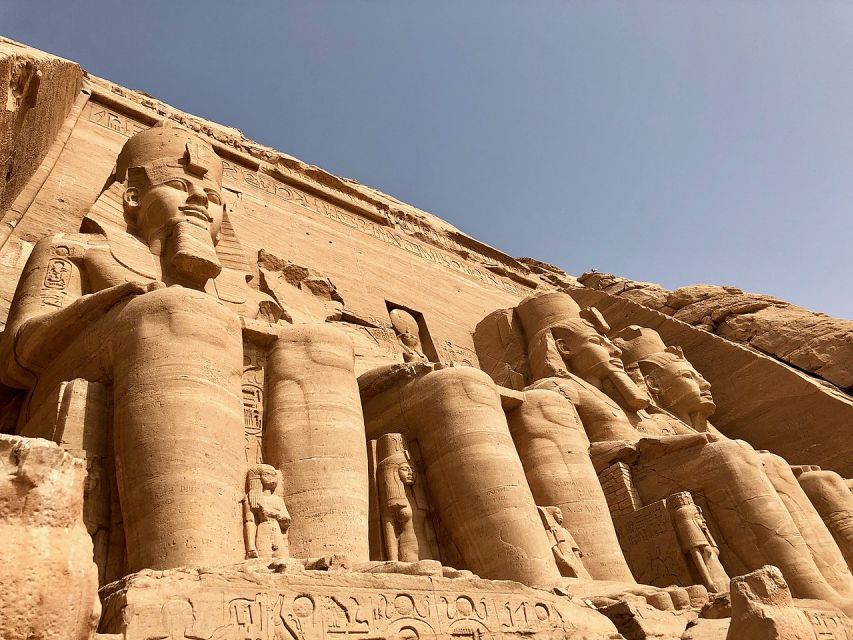
Abu Simbel is one of those places where the setting and the story feel linked. The two temples were carved into the rock as part of Egypt’s New Kingdom glory, and they were later saved from flooding through a major effort by the Egyptian government and UNESCO. That rescue story matters here, because it’s not just about pretty ruins—it’s about preserving something that was always meant to last.
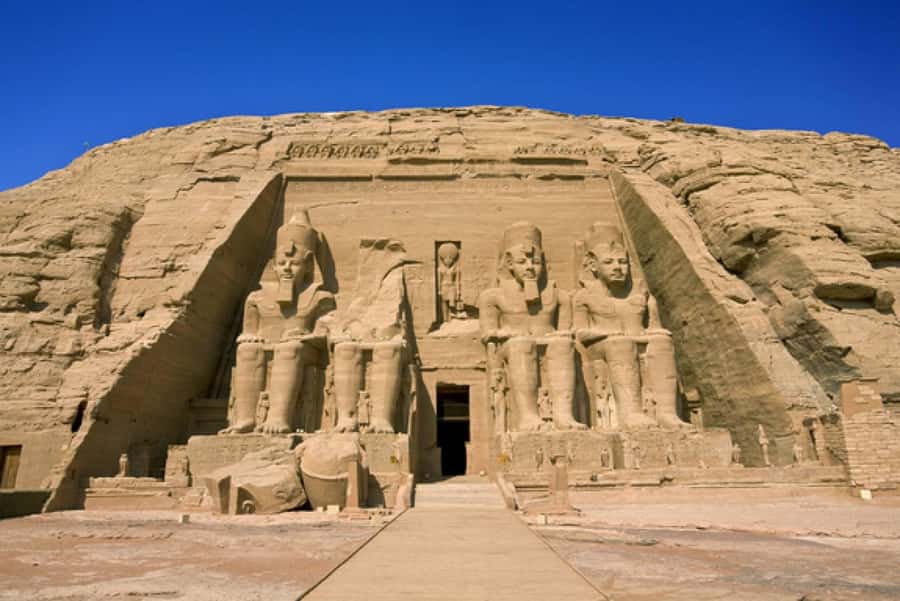
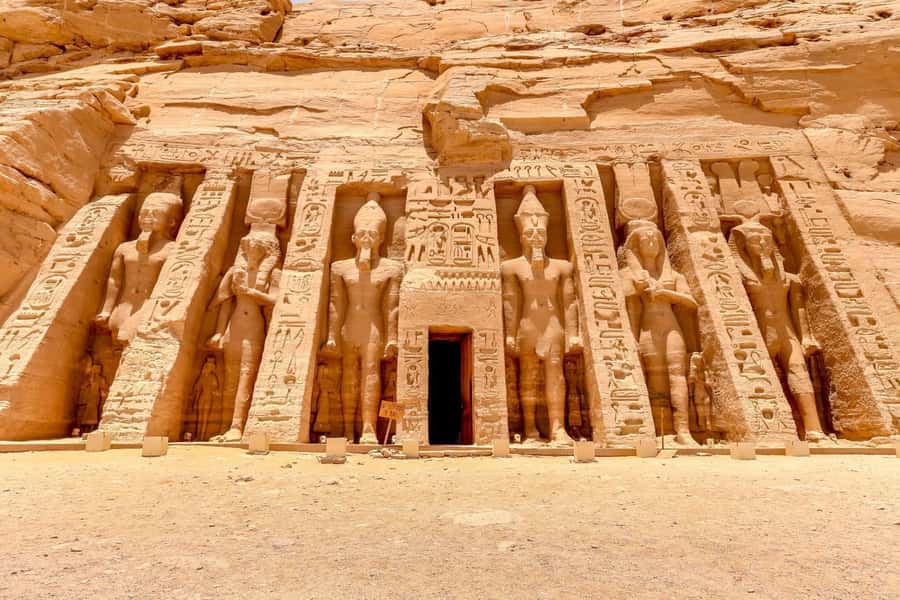
The Ramses II temple is often described as the Sun Temple of Ramses II, and it’s dedicated to four universal gods—Ptah, Re-Her-Akhtey, Amun-Re—and to Ramesses II himself. The Nefertari temple (also called the Temple of Hathor) has a different emotional tone. Hathor is tied to the sun god in symbolism, and the layout brings Ramesses II, Nefertari, Hathor, and the Sun God into one combined message.
What makes this day trip special is that you’re not just checking boxes. You get guided time that helps you connect the carvings and names to the larger idea of power, devotion, and royal propaganda—then you still get time to look with your own eyes.
The 8:00–5:00 Plan That Lets You See It All
This is an approximately 9-hour private tour that runs daily from 8:00 am to 5:00 pm. You’re picked up from your hotel in Aswan and taken to the south of Aswan by private, air-conditioned vehicle for roughly 3 hours to reach Abu Simbel.
That drive length is the whole game. You should plan on leaving early and spending your day focused. The good news: because this is private, the schedule feels more controlled than on bigger group tours, and you’re not negotiating with someone else’s pace.
Once you arrive, the temples are arranged so you’re not zig-zagging around blindly. You’ll get multiple guided sessions that cover the key parts of the complex, including time at the Ramses temple and then the Nefertari temple.
For planning your expectations: this is not a slow, meandering day. It’s built for first-timers who want to absorb a lot without getting overwhelmed.
You can also read our reviews of more tours and experiences in Aswan.
Getting Oriented in the Car: Why the Guide Explains Before Heat Hits
One of the most praised parts of this kind of trip is how the guide uses the drive time. Since you’re coming a long way, you don’t want to walk up to massive statues and carvings with zero context. Several guides handle this well by using photos, maps, and stories during the drive—so when you arrive, you already understand what you’re looking at.
It’s also practical. A guide may not be able to provide detailed narration inside the temples the way you might expect, so the explanations shift to the outside areas and to the vehicle before entry. In other words: you get the brain work done first, then your time inside can be more about noticing details.
I like that this approach respects your attention. You’re not forced to rely on a rushed lecture at the most visually intense spot. Guides such as Samir Gaber, Zakariya, Mustapha, and Magdy have stood out for the same reason—clear explanations and a helpful tone before you step into the main sights.
If you’re the type who likes to understand inscriptions and iconography instead of just taking photos, this structure will feel like a win.
Ramses II and the Sun Temple: What to Focus on
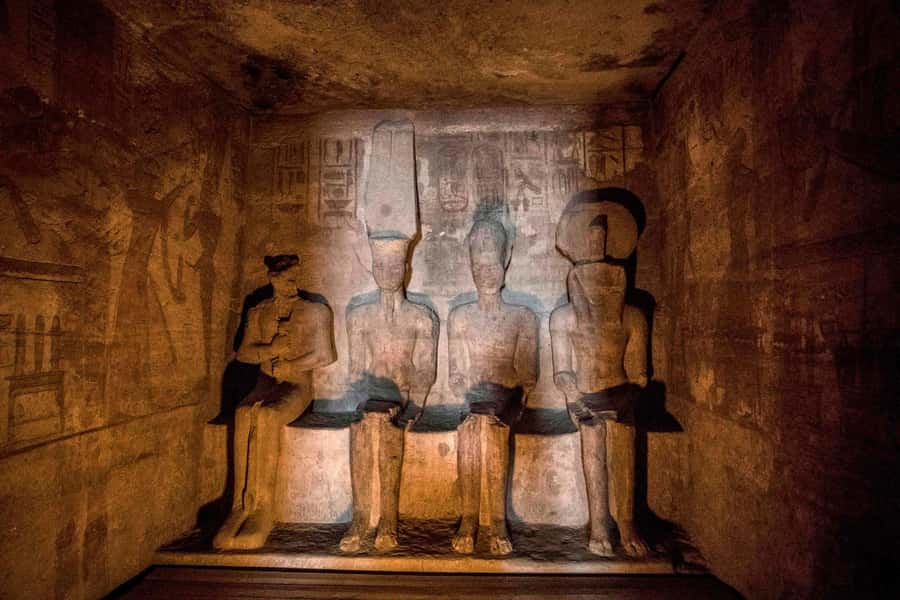
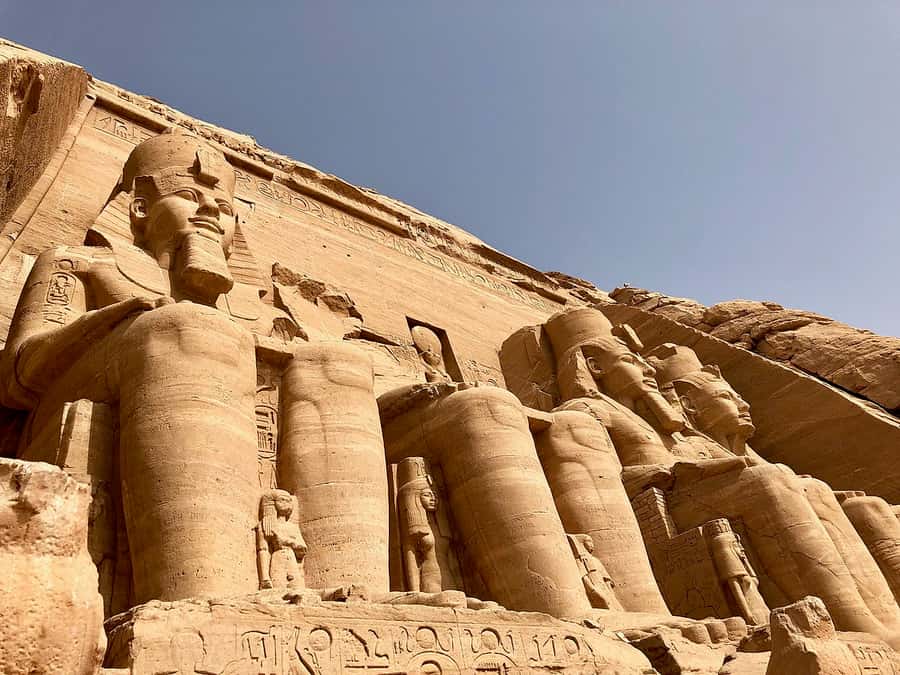
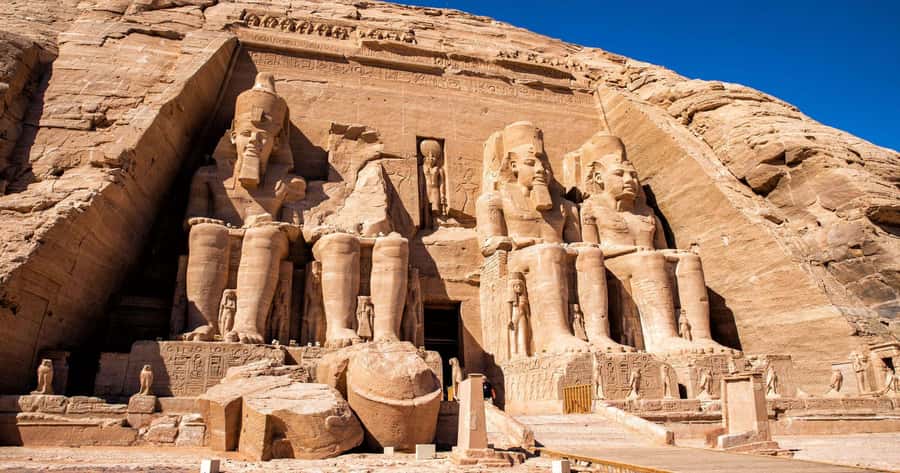
Your guided time includes the main Abu Simbel experience centered on the Ramses II temple. This is the place to look for the big, bold message of the New Kingdom: royal power fused with divine authority.
Here’s what you’re really trying to catch with your eyes:
- How the temple’s dedication ties Ramesses II to universal gods (Ptah, Re-Her-Akhtey, Amun-Re)
- How the overall concept reads as a Sun Temple, built for symbolic meaning
- How the statue scale and carvings communicate royal messaging rather than simple decoration
In past groups, guides have helped visitors interpret things like hieroglyphs and the key figures’ meaning. Some guides also point out specific photo spots and help you time your viewing so you don’t feel crowded or rushed.
One realistic note: you’ll be on temple time, not museum time. That’s why the earlier orientation in the car is so important. If you’re already connecting what the carvings represent, you’ll feel like you’re spending your time better.
Nefertari and Hathor: The Temple With a Softer Story
After the Ramses experience, you move to the Temple of Nefertari, also known as the Temple of Hathor. This part is shorter, but it’s packed with symbolism that makes the overall visit feel complete.
The big idea to remember is that Nefertari’s temple isn’t just a side stop. It’s a designed pairing in meaning:
- Nefertari (as queen) is linked to Hathor
- Hathor’s symbolic connection to the sun god ties the temples back to the Sun theme
- The combined effect brings Ramesses II, Nefertari, Hathor, and the Sun God together as one message
Guided time here usually helps you notice how the carvings and structure communicate that relationship. Even if your Egyptian history is rusty, the guide’s job is to translate the visuals into something you can actually understand on the spot.
This is the temple that often changes people’s mood. The Ramses temple hits with scale and authority; the Nefertari temple adds meaning and a human center to the story.
Transfers, Timing, and Pacing: Staying Comfortable on a Long Day
The transport side of this tour is built around comfort. You’re using a private air-conditioned vehicle, and the trip is set up so you’re not stuck wandering in the sun without support.
What I think matters most for you:
- You’re not waiting around at the start without a plan; pickup is from your hotel in Aswan, and you return to the hotel afterward.
- You get skip-the-ticket-line, so your day starts working faster once you arrive.
- There are built-in stops and breaks along the way, since the drive is long and the heat can be intense.
Some comments also point out that the day feels more humane than typical tours—drivers often handle the logistics calmly, and guides manage the explanations in a way that doesn’t feel like you’re being herded.
Still, keep one consideration in mind: because the temples are the centerpiece, you won’t have an unlimited amount of free roam time. If you like to linger forever in one section, you may find yourself wishing for a bit more walking time.
Lunch Included: Local Food, Real Chances to Get It Right
Lunch is included at a local restaurant, and bottled water is provided. In practice, this matters a lot on a day trip like this, because you don’t want to arrive at the temples hungry and dehydrated.
What you might find on the plate depends on the restaurant and what’s available, but several people have described lunches featuring grilled fish and grilled chicken, often with rice, salad, and sauces. Others mention a Nubian-style lunch feel, with friendly service.
The only caution I’d give is that food is personal. One person noted grilled chicken and fish being overdone to the point of tasting a bit charcoal-y, while others praised it as excellent. If you’re picky about cooking style, treat lunch as part of the experience—not something you need to judge against five-star restaurants.
Practical tip: eat, drink water, and save your energy. You’ll want that for temple viewing after the meal.
Value for Money: Does $145 Cover What You Actually Need?
At $145 per person, this tour isn’t the cheapest way to reach Abu Simbel—but it is priced like a day that includes effort, not just a seat on a bus.
Here’s what you’re getting for the money:
- Private, air-conditioned round-trip transfers from Aswan
- Local guide at Abu Simbel Temple
- Entry fees included
- Lunch included
- Bottled water provided
- Skip-the-ticket-line to save time
If you tried to DIY it, you’d likely spend money on transport, entry, and a guide situation that’s harder to manage—especially on a long road trip. This tour’s value is that it packages the hard parts: time, logistics, and interpretation.
Where this price makes the most sense:
- Couples who want a private pace
- Families who don’t want to deal with timing chaos
- Anyone who wants a guide’s explanations so the carvings actually click
- People short on time in Aswan (where Abu Simbel isn’t optional)
If you’re a hardcore budget traveler who wants maximum freedom and minimum cost, you might compare options—but for most visitors, the private comfort plus guided temple time is what justifies the spend.
Who Should Book This Private Abu Simbel Day Trip?
Book this if you want:
- A guided Abu Simbel experience without coordinating the details yourself
- Comfort for a long drive—this is built for the road time as much as the temple time
- Explanations that help you understand the big symbols, including Ramses II’s divine connections and Nefertari’s Hathor symbolism
You might rethink it if:
- You hate early starts and long transit days
- You want a totally self-directed visit with lots of wandering time
- You’re extremely sensitive to meal style, since lunch is included but local and variable
This tour is also a good match for first-timers who want the highlights done right, with enough guidance to turn Abu Simbel from impressive into meaningful.
Should You Book? My Take
Yes, I’d book this if Abu Simbel is a priority and you value a smooth, private day. The best version of this trip comes from the combo of private comfort, guided context, and not wasting time waiting around. Guides who use photos, maps, and clear explanations during the drive—like Samir Gaber, Zakariya, Mustapha, Magdy, and others—turn a long day into something that feels coherent instead of chaotic.
If you’re expecting a relaxed, slow stroll with zero schedule pressure, this might feel structured. But for most people, Abu Simbel is too special to do without a guide and a comfortable plan.
FAQ
FAQ
What are the tour hours for this Abu Simbel day trip?
The tour runs daily from 8:00 am to 5:00 pm, with an approximate total duration of 9 hours.
Do I get picked up from my hotel in Aswan?
Yes. Pickup is from your hotel in Aswan, and the tour includes return to Aswan after visiting Abu Simbel.
How long is the drive from Aswan to Abu Simbel?
The drive is around 3 hours each way by private air-conditioned vehicle, based on the tour’s travel time.
What’s included in the price?
The tour includes hotel pickup and return transfers, private air-conditioned vehicle, entry fees, a local guide at Abu Simbel Temple, lunch at a local restaurant, and bottled water.
What is not included?
Tipping is not included.
Do I need a passport?
Yes. You’ll need a passport, and the tour also requires passport details during booking.
Which languages are available for the guide?
The live tour guide is available in English, Spanish, German, and Arabic.
When should I book?
You need to book at least 48 hours in advance, and you’ll be asked for required details during the booking process (including passport photo update and full booking information).