REVIEW · REYKJAVIK
Reykjavik: Thrihnukagigur Volcano Guided Hiking Day Trip
Book on GetYourGuide →Operated by Inside the Volcano · Bookable on GetYourGuide
Thrihnukagigur is Iceland’s wow factor with a pulse. You hike across a lava field that feels like the moon, then get lowered into the dormant volcano crater for a close-up look at the interior colors and textures. I love how the guides make the whole thing feel controlled and safe, even with the adrenaline of that 120-meter drop, and I especially like the practical rhythm: hike in, crater experience, slow time for photos and viewpoints, then a real Icelandic meal.
Two things that help this tour land: the scenic stop-at-the-right-moments setup and the small-group crater time (each group breaks into parties of 4–5). One thing to consider is that this is not a stroll—while the grade is moderate, the ground is uneven and the mountain weather can turn sharp fast.
In This Review
- Key highlights worth circling on your Iceland map
- Why Thrihnukagigur feels different than a typical volcano trip
- Bláfjöll start: getting out of Reykjavík without losing your morning
- Across the lava field: your 45 to 50 minutes of rocky, otherworldly walking
- Helmet on and harness clicked: descending 400 feet (120 meters)
- Inside the volcano: how the time actually works
- Back at the crater base camp: views, wildlife spotting, and a warm break
- The return hike: 45 minutes that feel easier after soup
- Price and value: what $385 buys you in the real world
- Who should book Thrihnukagigur, and who should think twice
- Should you book? My practical fit check
- FAQ
- How long is the Thrihnukagigur volcano guided hiking day trip?
- Is the hike difficult?
- What’s the big activity inside the volcano?
- Do I need to bring anything?
- Is safety gear provided?
- Is pickup in Reykjavík available?
- Is this tour suitable for people with mobility impairments?
- What food and drinks are included?
Key highlights worth circling on your Iceland map
- 120-meter crater descent with helmets and harnesses kept on
- Lava-field hike with big views toward Reykjavik, Reykjanes, and Snæfellsnes on clear days
- Up to an hour inside the volcano, with time to look, walk slowly, and take photos
- Small parties of 4–5 in the crater for safety and a more personal experience
- Soup and hot drinks at camp to warm up after the climb
- Guides like Daniel, Ben, and Marcus are repeatedly praised for clarity, kindness, and good photo help
Why Thrihnukagigur feels different than a typical volcano trip
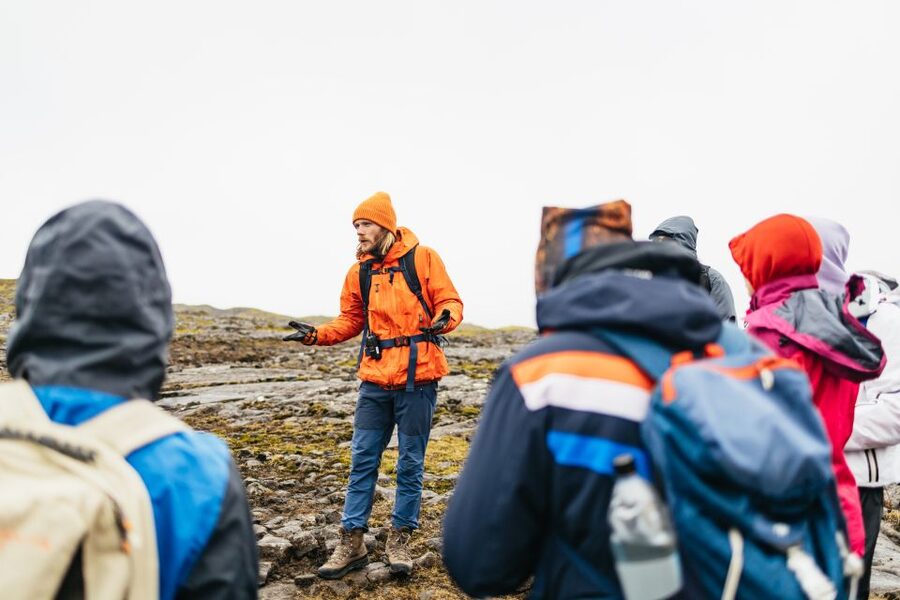
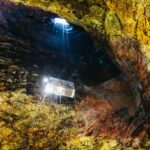
Iceland has plenty of dramatic volcano scenery, but Thrihnukagigur is special because you’re not just looking at the volcano from the outside. You’re guided down into the crater—down far enough that your perspective flips from landscape to atmosphere. The big selling point is simple: you get a close encounter with a dormant volcano’s interior, including the view back up through the opening while the chamber stretches around you.
The tour also balances wonder with structure. You’re kitted out with helmets and harnesses, and your guides run the experience with a clear safety flow. That matters, because the setting is intense: rocky surfaces outside and then a controlled descent inside. One review reaction pattern shows up again and again—people come out saying it was emotional or speechless, but not chaotic.
What you’re really buying here is rare access. How often can you experience volcano interior views with a guided plan, small groups, and time to actually look instead of just rushing past?
You can also read our reviews of more tours and experiences in Reykjavik.
Bláfjöll start: getting out of Reykjavík without losing your morning
This trip is built around a morning (or set departure time) leaving Reykjavík for the Bláfjöll area. The transfer is about 45 minutes on the coach, and that drive time is part of the experience. You’re leaving city weather behind and heading into a mountain environment where conditions can feel totally different—colder, windier, and often more rugged than what you’d guess from Reykjavík.
Your start point is at a ski cabin called Breiðabliksskáli in Bláfjöll. If you’re doing hotel pickup, it’s optional, and pickups begin about 30 minutes before departure (operated by Grayline). If you’re heading to the meeting point yourself, plan to arrive early: you should be there no later than 30 minutes past the set departure time, since that’s when the pickup bus arrives from Reykjavík.
The practical tip here is to treat this like a mountain day, not a city excursion. I’d rather see you in proper hiking shoes and layers than trying to “power through” in sneakers or jeans. Your comfort level will shape how much you enjoy the hike and the waiting periods at camp.
Across the lava field: your 45 to 50 minutes of rocky, otherworldly walking
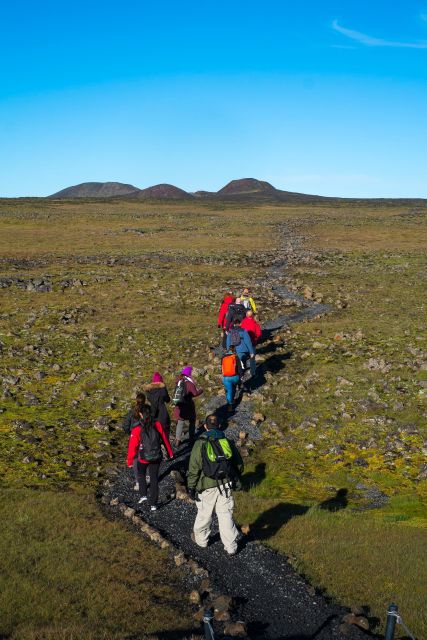
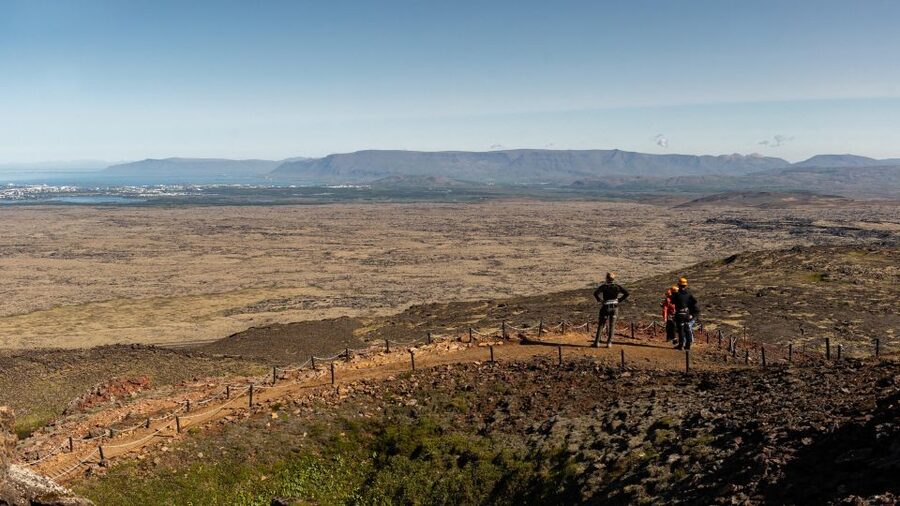
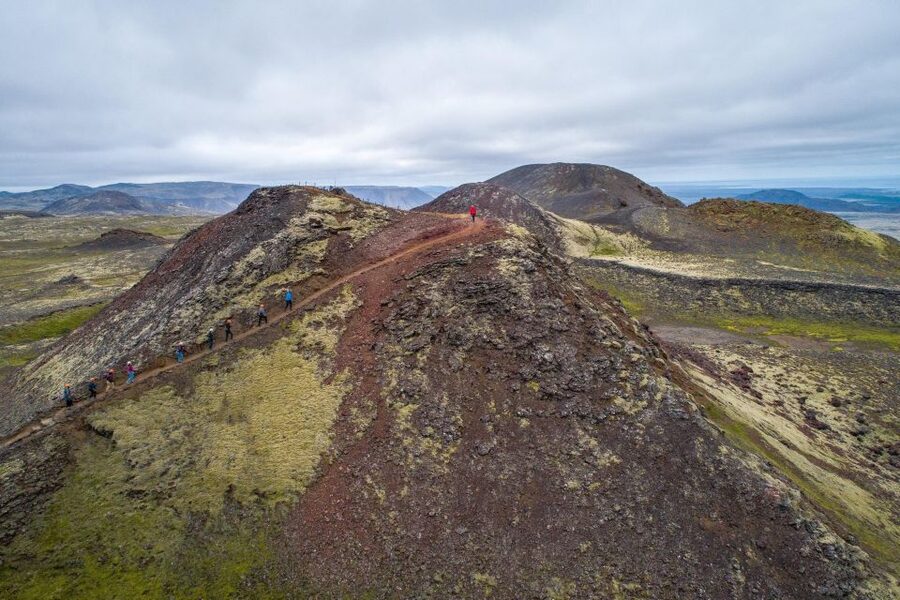
Before you ever see the crater, you earn the view. From the Bláfjöll cabin, you hike toward Thrihnukagigur Volcano, a walk that takes roughly 45 to 50 minutes and is described as moderately difficult.
Here’s the real nuance: it’s “moderate” in terms of elevation, but not in terms of ground feel. The route includes lava-field terrain that’s hilly and uneven. You’re walking on volcanic leftovers—so your footing matters. Hiking shoes aren’t a suggestion; they’re the difference between enjoying the scenery and thinking only about your ankles.
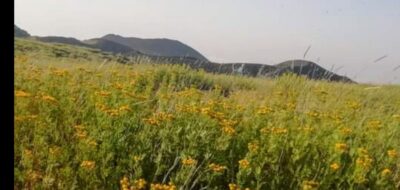
On the way, this is where you’ll likely catch the big-picture Iceland postcard moments. The route is set up so you can take in views over the Reykjavik area, plus the Reykjanes peninsula and, when conditions are right, even the Snæfellsnes peninsula. Clear weather turns this walk into a long, satisfying lead-in.
The best part of this section is the mood shift. You start out on a normal mountain path, then you cross into lava scenery that genuinely looks like another planet. That moonlike feeling is what makes the later crater descent hit even harder—because your brain has already been adjusted to the volcanic setting.
Helmet on and harness clicked: descending 400 feet (120 meters)
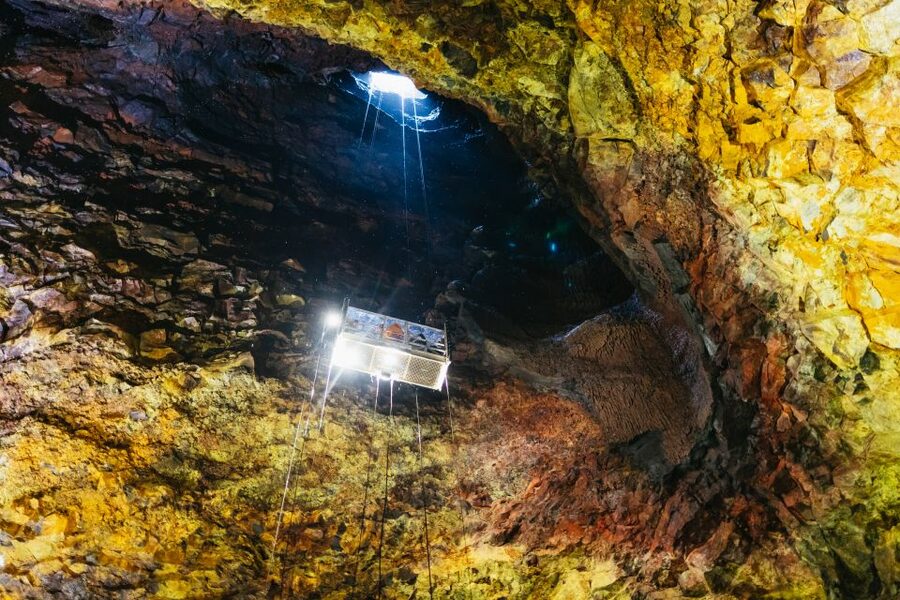
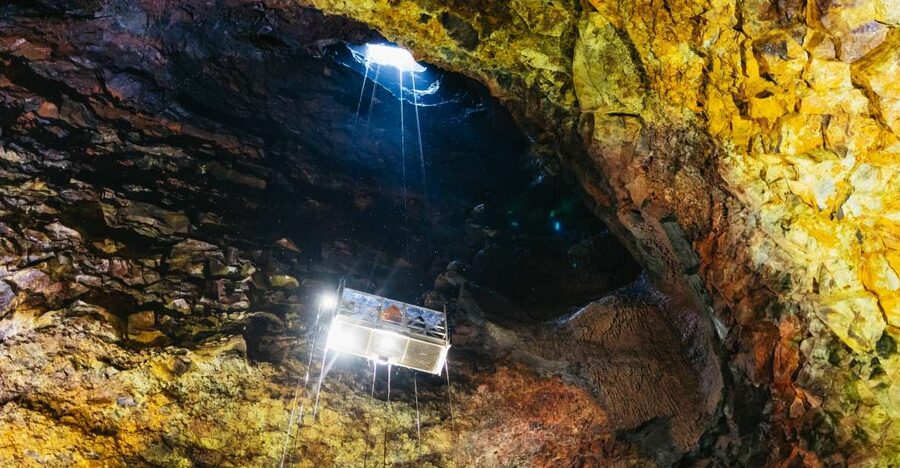
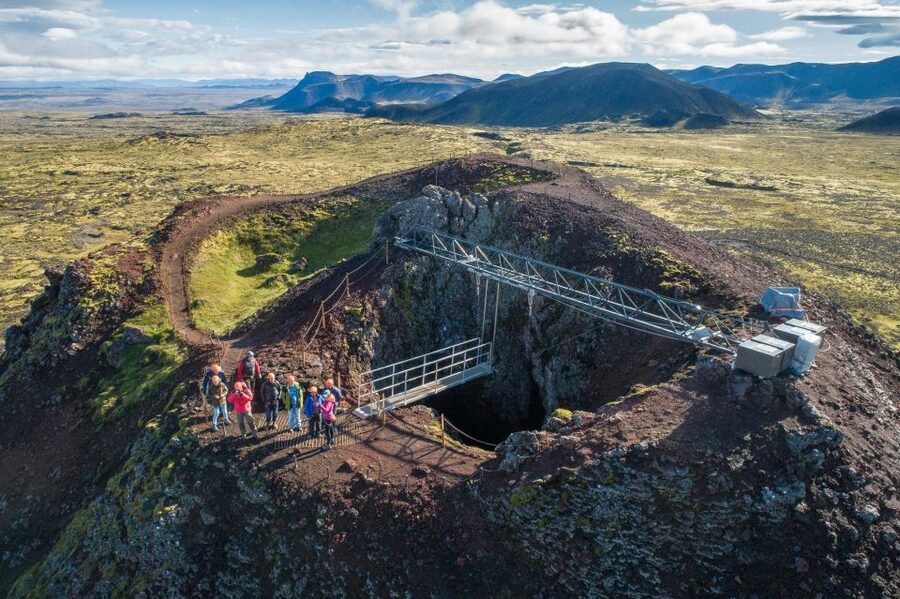
Now for the main event. When you reach the crater area, you begin the descent. The total drop is 400 feet (120 meters), and it happens gradually—your descent is described as a slow 10-minute lowering process designed for safety and giving you time to take in the views.
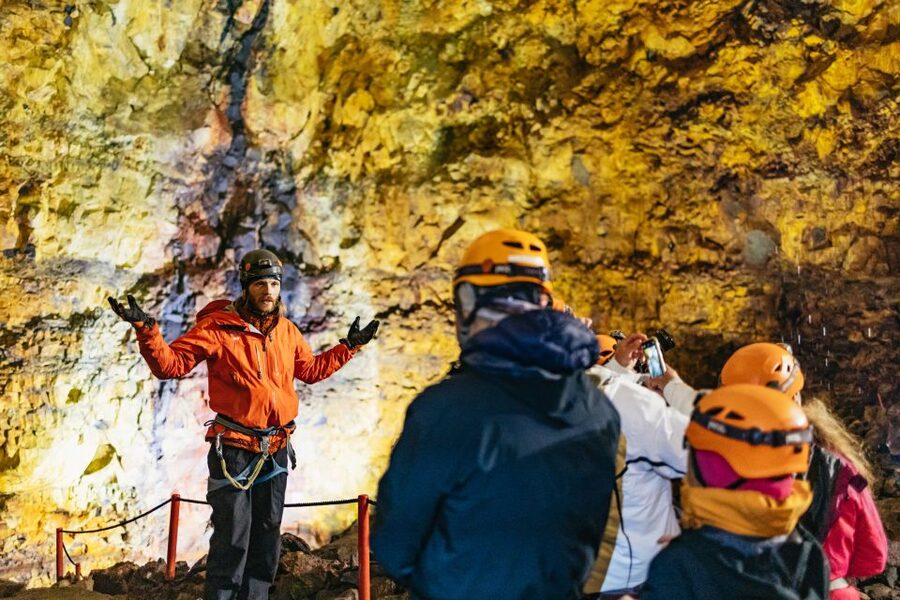
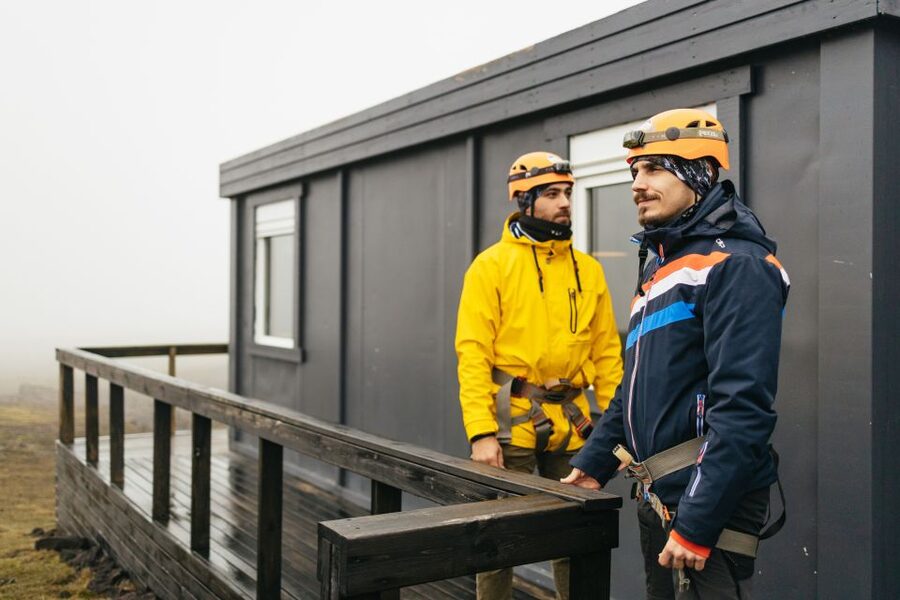
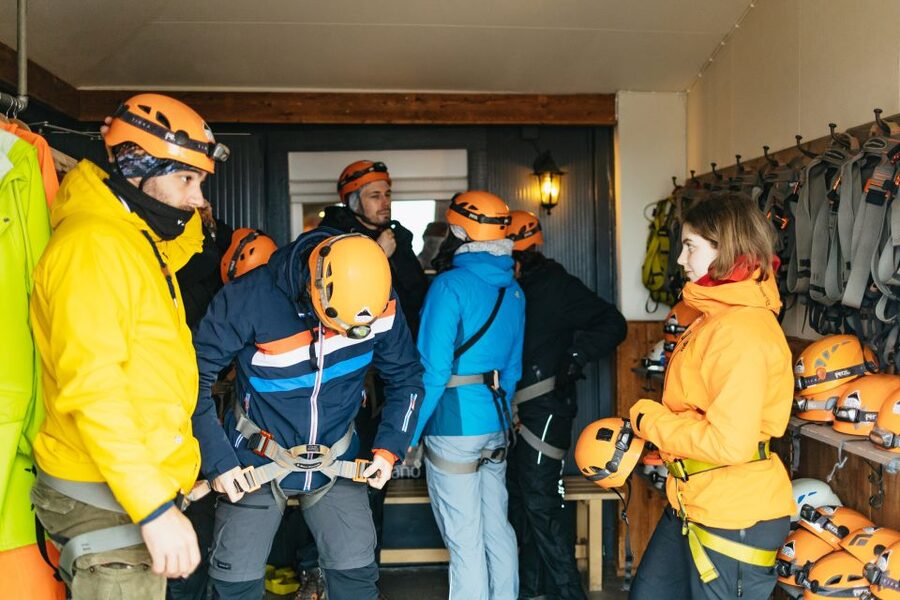
At this stage, the tour is deliberately serious about safety. You’ll be instructed on what to do and how to behave inside the volcano, and you wear a helmet and harness at all times. Groups are split into smaller parties of 4–5 for safety and intimacy. That small-group structure is one of the biggest reasons people report it doesn’t feel like a cattle-call.
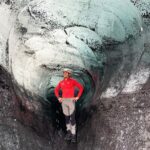
What will you see once you’re down there? You’re inside a dormant volcano chamber, with the interior showing striking colors and textures. The setting is close enough that it stops being “a photo moment” and becomes “a place moment.” Light changes as you look around, and the opening above gives you a view that makes the outside world feel oddly distant.
Also, the tour gives you control over time. You’ll spend up to an hour inside the volcano, or less if you prefer. That choice matters for people who want to look longer, and it also helps if you’re tense about heights or confined spaces. Guides also make a point of keeping things calm, with instructions you can follow instead of guessing.
I’ve seen enough “I was scared but it worked” style feedback to call this out: fear doesn’t automatically ruin this experience. The difference is whether you get clear guidance and a slow pace. This tour is built around that.
Inside the volcano: how the time actually works
Once you reach the chamber, your hour (or less) is about looking, moving slowly, and taking in how the volcano interior changes your sense of scale. The guides stick with you at all times, which keeps the experience from turning into random wandering.
This is also the segment where your mindset matters. Don’t expect a theme-park ride. Think of it more like guided access to a natural structure. You’ll likely spend part of the time just looking out toward the opening and part of the time focusing on the interior features and the way colors appear in different light.
If you’re a photo person, you’re in the right place. People repeatedly describe the views and interior visuals as amazing, and one review even points out how visibility on the aperture is impressive. Translation: the camera will get used, but so will your eyes.
And if you’re worried about heights: you don’t have to stare down continuously. You can pause, follow the guide’s pace, and keep your focus on what’s in front of you. The design of small groups helps here too, because you’re not constantly fighting for space or timing.
Back at the crater base camp: views, wildlife spotting, and a warm break
After the crater time, you return to base camp. This part is longer than you might think, and that’s a good thing. The plan includes a break/photo stop with coffee and tea, plus a safety briefing and time for scenic views.
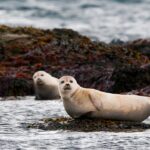
It’s also the section where you might get some wildlife viewing, depending on what’s around that day. The key idea is that you’re not just “done” when you climb back up. You still get time to breathe, look around outside, and reset before the hike back.
This break is timed well. You’ve already done the hard emotional lift (the descent) and the physical work (the approach hike). Adding a warm pause helps your body recover so you’re not cold and cranky when it’s time to keep walking.
The return hike: 45 minutes that feel easier after soup
Then it’s the second hiking segment—about 45 minutes back through the lava terrain. The return hike can feel different than the first leg. Your legs may be tired, but you’ve already “paid the price,” so your brain tends to switch into enjoyment mode.
The tour is paced so you’re not sprinting. The terrain remains uneven, so take your time. Your job is to keep stable footing. If you watch your steps, the weird lunar scenery turns from a challenge into a backdrop for a great conversation with your guide.
And when you finish, you don’t just get a snack. You get a proper feast of traditional Icelandic meat soup or a vegetarian soup, plus hot coffee, hot chocolate, tea, or water. This is the payoff that makes the early start feel worth it. After wind and cold mountain air, warm soup hits hard—in a good way.
Price and value: what $385 buys you in the real world
At $385 per person, this isn’t a budget add-on. The question isn’t whether it’s expensive; it’s whether the experience justifies the cost.
Here’s the value logic I see:
- You get transportation from Reykjavík (including coach time) and a full guided mountain day.
- You get full safety gear (helmets and harnesses) and guided support at every major phase.
- You get access that’s rarely available: a crater descent into a dormant volcano chamber with controlled time inside.
- You get a small-group crater structure (4–5), not just a large group moving as one.
- You get warm, included food—meat or vegetarian soup—plus hot drinks.
In other words, you’re paying for access plus safety plus time. If you love Iceland’s geology and want the most direct connection possible to volcanic interiors, this tour makes sense. If you mainly want scenic viewpoints without physical effort, you might decide to choose a different style of volcano tour that requires less equipment and walking.
One more honest note: people often say it’s expensive, and then follow it up with phrases like once-in-a-lifetime. That pattern usually isn’t random. It’s the kind of tour you can’t replicate anywhere else on earth.
Who should book Thrihnukagigur, and who should think twice
Book it if you:
- Want the rare experience of going inside a volcano chamber, not just looking at one
- Are okay with a moderate hike on uneven, hilly lava terrain
- Appreciate expert guiding, especially when safety gear and procedures are involved
- Like having time to look and photograph, not just move through quickly
Think twice if you:
- Have mobility impairments, since the tour is not suitable for that
- Expect a totally flat walk or minimal walking
- Don’t plan for mountain weather (warm layers and proper shoes are key)
Also, consider your tolerance for wind and cold. Iceland can change quickly, and one recurring theme is how guides handle rough weather while still keeping the experience running. That can make the hike more intense, but it also gives you a more memorable day if you’re dressed right.
Should you book? My practical fit check
If your dream Iceland day includes volcanoes, geology, and a hands-on way to see the interior of a dormant system, I’d book this. It’s hard to beat the combo of lava-field hike + guided crater descent + warm soup finish.
But go in smart. Bring hiking shoes, wear warm layers, and accept that the experience includes real walking on uneven ground. If you’re comfortable with that, you’ll get something most Iceland tours can only describe from far away.
In the end, this is the kind of tour you remember for the feeling of scale—standing on lava outside, then being lowered inside a crater where the world looks different.
FAQ
How long is the Thrihnukagigur volcano guided hiking day trip?
The tour lasts between 4 and 6 hours, depending on the starting time available.
Is the hike difficult?
It’s considered moderately difficult: straight walks with limited elevation, but the surface is hilly and uneven. It’s not a flat, easy stroll.
What’s the big activity inside the volcano?
You descend about 400 feet (120 meters) into the crater of Thrihnukagigur Volcano. You’ll spend up to around an hour inside the volcano (or less if you prefer).
Do I need to bring anything?
You should bring hiking shoes. You’ll also want warm clothes since mountain weather can be different from Reykjavík.
Is safety gear provided?
Yes. You’ll be provided with safety gear such as helmets and harnesses, and you wear them at all times inside the volcano.
Is pickup in Reykjavík available?
Pickup is optional. If you choose it, pickup at hotels/guesthouses starts about 30 minutes prior to departure, and it is operated by Grayline.
Is this tour suitable for people with mobility impairments?
No. The activity is not suitable for people with mobility impairments.
What food and drinks are included?
After the hike, you’ll be served traditional Icelandic meat soup or vegetarian soup, along with hot drinks such as coffee and hot chocolate, plus tea or water. Some sweets are also included.