REVIEW · SEVILLE
Pueblos Blancos & Ronda: Private Full-Day Tour from Seville
Book on GetYourGuide →Operated by Naturanda Turismo Ambiental · Bookable on GetYourGuide
One day, three white-town moods. This private full-day trip out of Seville strings together Zahara de la Sierra views, Grazalema’s mountain feel, and Ronda’s cliff drama around Puente Nuevo. I like how the day mixes pretty villages with real nature time, not just quick photo stops.
The main thing to consider is pacing: it’s a 10-hour day with winding mountain roads and some walking, and it’s not a fit if you have mobility limits or wheelchair needs. Also, food and drinks aren’t included, so you’ll want cash or a card ready for lunch and coffee breaks.
In This Review
- Key highlights worth centering in your day
- Private tour from Seville: why this feels personal
- Seville to the countryside: wheat and sunflowers before the mountains
- Las Aguzaderas: a medieval border stop that frames the whole region
- Zahara de la Sierra: steep-hill views plus a real olive oil moment
- Sierra de Grazalema: the Puerto de las Palomas viewpoint and vultures
- Grazalema: short village time, longer meal time, and a calmer pace
- Cork oak forest on the drive to Ronda: the working Andalusia feeling
- Ronda: how to use 2.5 hours for views, bridge photos, and cliffside wandering
- Optional detours: Arcos de la Frontera or Setenil by request
- Price and value: what $620 per group buys you
- Timing, transport, and what to pack for a winding day
- Who this tour suits best (and who should skip it)
- Should you book this private Pueblos Blancos & Ronda day trip?
- FAQ
- What towns does the tour include?
- How long is the tour?
- Where does the tour start in Seville?
- Is lunch included?
- What languages are available for the guide?
- Is the tour suitable for wheelchair users or mobility impairments?
- Can I bring an infant?
- What’s the cancellation policy?
Key highlights worth centering in your day
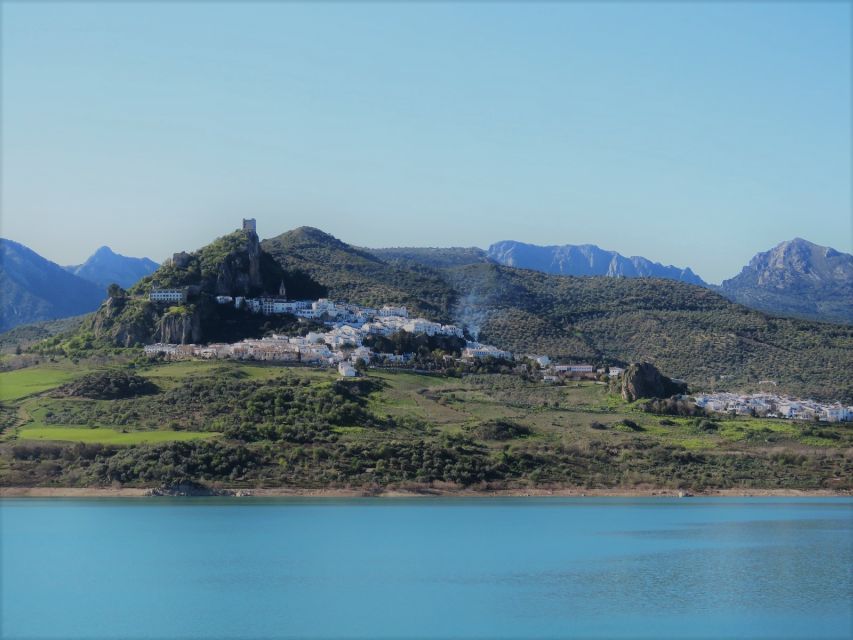
- Zahara de la Sierra on a steep hill, with time to wander and a stop at a small olive oil factory
- Sierra de Grazalema Nature Park and a view point at Puerto de las Palomas (1157 m) where griffon vultures may be seen
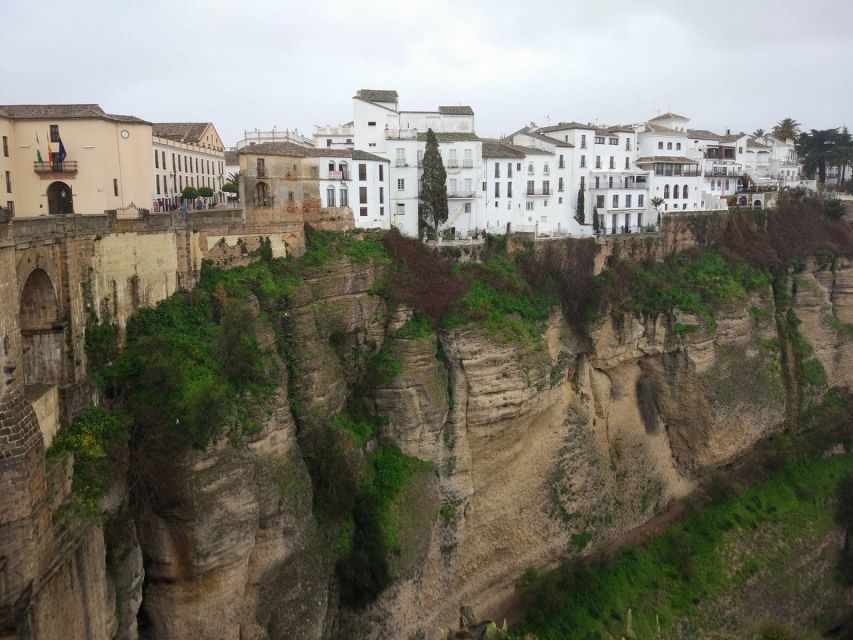
- Ronda’s Puente Nuevo / New Bridge plus free time to explore the town’s two cliff zones
- Mediterranean forest with cork trees and oak, and a reminder that locals still work with cattle and collect honey, cork, spices, and wood
- Optional add-ons by request: Arcos de la Frontera or Setenil (cave-town style)
Private tour from Seville: why this feels personal
This is a private group tour from Naturanda Turismo (Seville), designed for small numbers (up to 2 in the group price). That matters because you’re not stuck with a rigid bus rhythm. The guide is with you the whole time, including a walking component, so you get more direction and less wandering-with-no-purpose.
I also like the flexibility built into the way guides run the day. In real life, guides such as Luca and Miguel have been praised for adjusting timing when weather changes. That can mean less stress when fog rolls in or a shower interrupts plans, and more ability to linger at the spots you care about most.
You can also read our reviews of more tours and experiences in Seville.

Seville to the countryside: wheat and sunflowers before the mountains
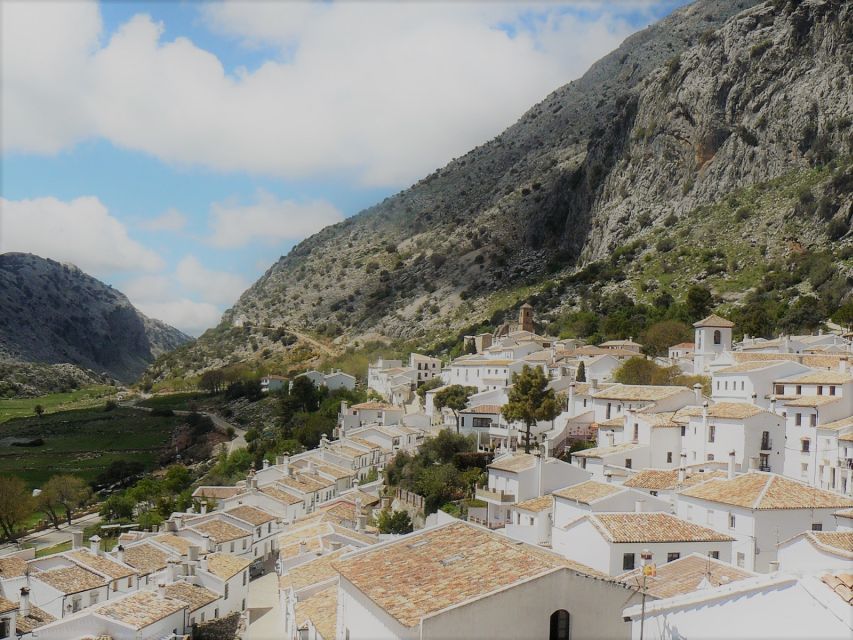
Leaving Seville, you drive through farmland—wheat and sunflower fields are part of the feel. It’s a gentle start that helps you switch gears from city mode to countryside mode fast.
You then settle into the longer stretch of travel time (about 1.5 hours by coach). For me, the value here is simple: you’re not just visiting places, you’re also seeing how Andalusia changes as you head toward the natural parks. It’s one of the ways this tour avoids feeling like a checklist.
Practical note: roads get twisty as you climb, so if you’re prone to motion sickness, pack something you trust and be ready for a slower, more scenic drive.
Las Aguzaderas: a medieval border stop that frames the whole region
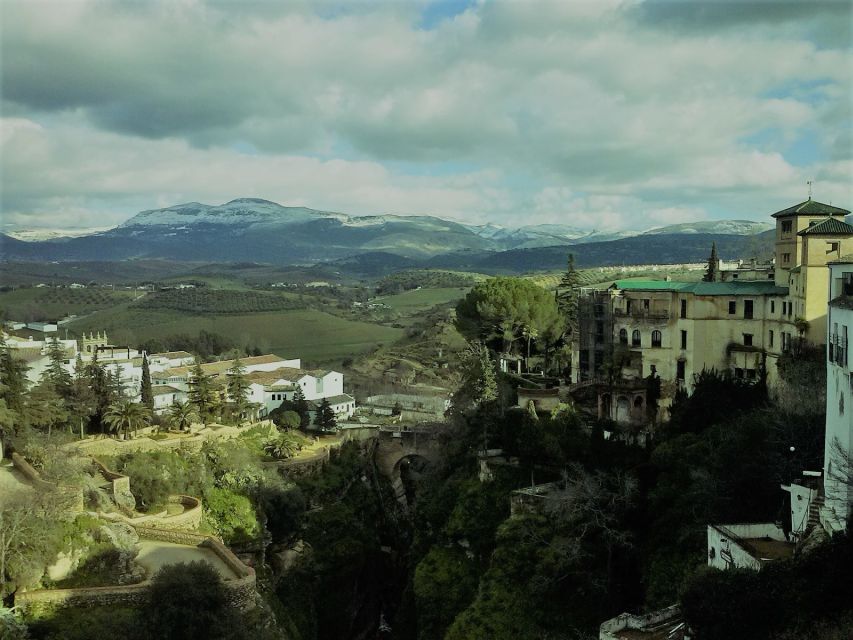
Before you reach the mountain towns, you stop at the Castle of Las Aguzaderas, described as a medieval building on the old border between Catholic and Moorish kingdoms. Even if you don’t stay long, this kind of stop gives you context for what you’ll see later: architecture, street layouts, and the way different eras left fingerprints on the region.
This is also where a good guide makes a difference. Multiple guides listed for this experience (including Luca and others) are praised for turning place names into understandable stories—who lived here, why the borders mattered, and how the land itself shaped daily life.
Zahara de la Sierra: steep-hill views plus a real olive oil moment
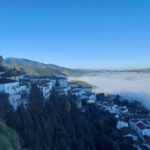
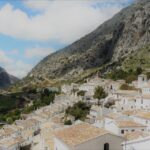
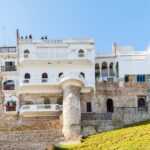
You’ll reach Zahara de la Sierra on top of a steep hill, and you get about an hour to take it in. This is the part of the day where the famous White Villages vibe becomes more than a marketing term: white walls, cliff-edge viewpoints, and that sense of being perched above the valley.
Time-wise, you get enough room to do the practical stuff: wander without rushing, grab a coffee, and take photos that don’t feel like a race. Guides have also been noted for building in small, satisfying stops—one recurring element is a visit to a small olive oil factory.
That factory stop is a smart inclusion for two reasons. First, it breaks up the day so you’re not bouncing from viewpoint to viewpoint only. Second, olive oil is a huge part of the local economy and culture, so seeing the process (even in a short format) gives you something you can carry home mentally when you taste olive oil later in Spain.
Sierra de Grazalema: the Puerto de las Palomas viewpoint and vultures
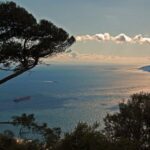
On the way toward Grazalema, you pass through Sierra de Grazalema Nature Park. You’ll travel to Puerto de las Palomas, at 1157 meters above sea level. This is the kind of stop that rewards patience: you’re high up, air feels different, and on clear days the views can be dramatic.
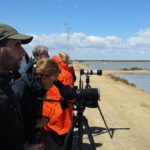
One of the best reasons to build in nature time here is the chance to see wildlife. The mountains are home to the largest colony of griffon vultures in Spain, and you may spot them in their habitat. You don’t need to be a bird expert to enjoy this—just be ready to look up and watch for movement.
Also, the route crosses provinces (Cadiz, Malaga, Seville), so the day quietly teaches you that Andalusia isn’t one single look. It’s a mosaic, and the mountains help connect the dots.
Grazalema: short village time, longer meal time, and a calmer pace
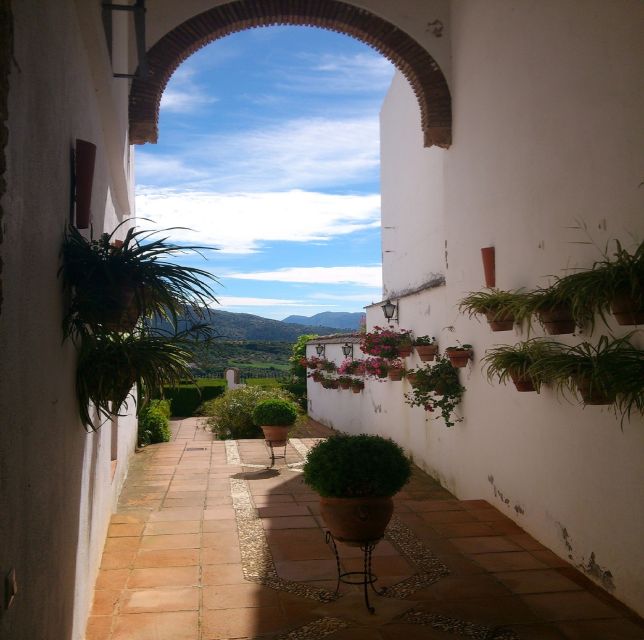
Once you arrive, you get a 30-minute visit in Grazalema, followed by about an hour for lunch. The quick village walk is great for orientation: white houses, colorful flowers, and that compact feel that makes you want to slow down.
Lunch is where you’ll probably appreciate the structure most. Since food and drinks aren’t included, you’ll need to pay for your meal—but the tour plan intentionally gives you a real break rather than squeezing you into a snack run. In Ronda you’ll have free time too, so this lunch slot helps avoid turning the afternoon into energy management.
If you’re traveling with someone who likes history and stories, a guide’s explanations can make this town feel bigger than its size. In past experiences, guides have been praised for explaining local evolution in a way that worked even for a child (like one guide who kept a 10-year-old engaged with clear, story-like history).
Cork oak forest on the drive to Ronda: the working Andalusia feeling
After Grazalema, you head toward Ronda through a Mediterranean forest described as full of cork trees and oaks. This part of the day is valuable because it shows how the countryside is used, not just admired.
The tour description includes the idea that locals still work with cattle and produce things like honey, cork, aromatic spices, and wood. Even if you only see glimpses from the road, it adds realism. You’re not just looking at a scenic backdrop—you’re seeing an economy in action.
It also helps Ronda land better afterward. When you arrive, the town’s dramatic setting feels earned, not random.
Ronda: how to use 2.5 hours for views, bridge photos, and cliffside wandering
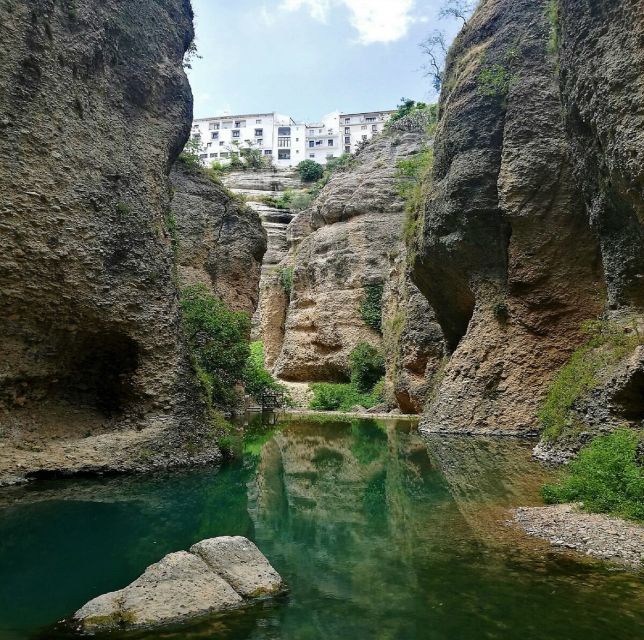
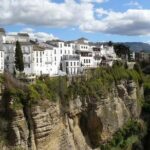
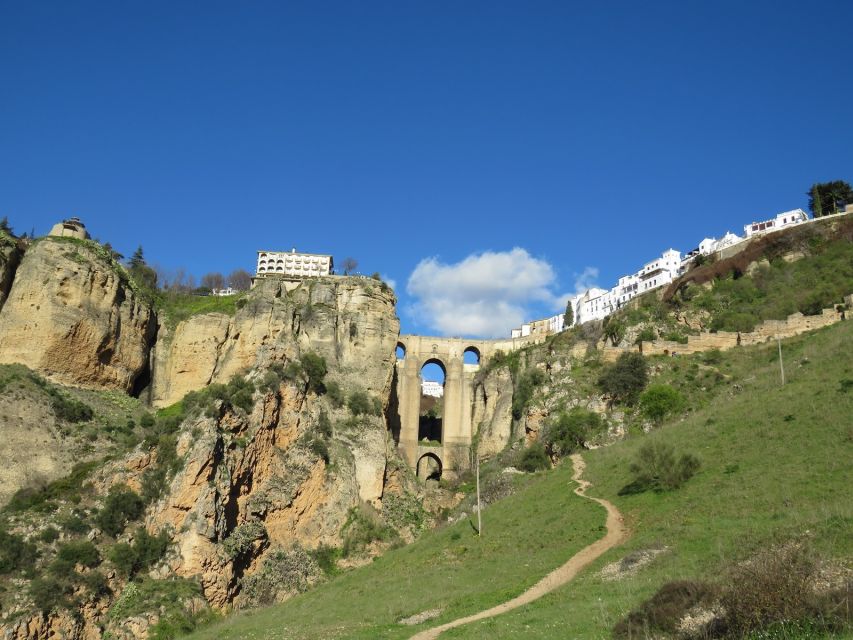
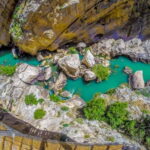
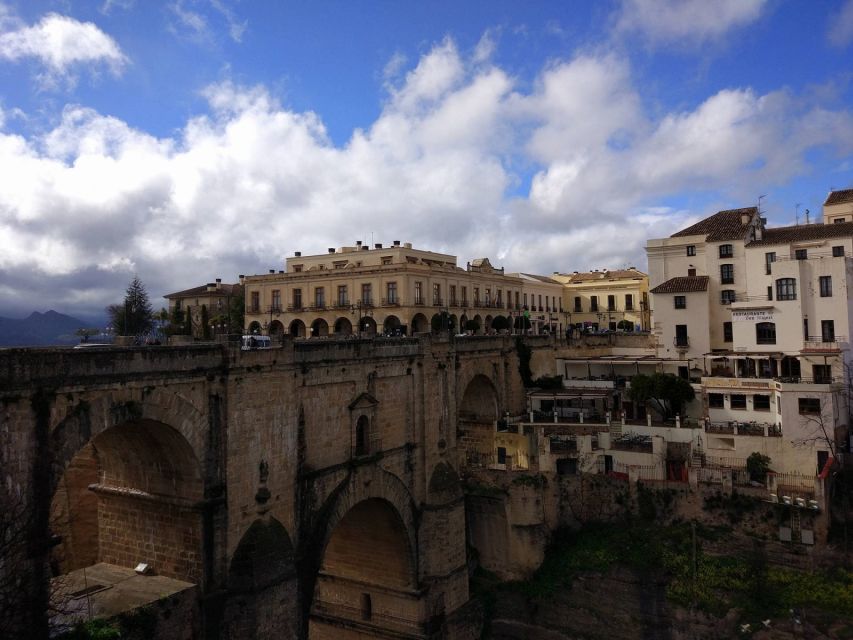
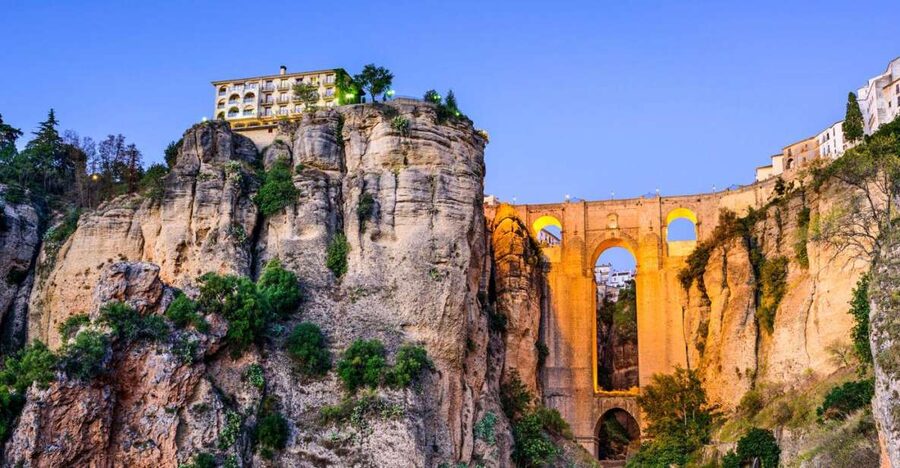
Ronda is one of Spain’s older towns, and it’s built in a dramatic way: two separate cliff areas connected by a bridge known as The New Bridge, built in the 18th century (often referred to as Puente Nuevo). The bridge is the headline, but the town is what makes it stick.
You’ll have about 2.5 hours of free time in Ronda. That timing is ideal because it lets you do both styles of exploring:
- a viewpoint-focused route around the bridge and its edges
- a slower stroll through streets and squares so you can pause whenever something catches your eye
If you want the best photos, plan for at least one stop where you can see the bridge from below and another where you can capture the town-plaza perspective. Many guides have been noted for taking photos at the iconic spots, and for suggesting where to stand for the best angles.
Safety and comfort matter here. The old-town areas and viewpoints can involve uneven ground and stairs, so wear sturdy shoes and give yourself extra seconds around edges.
Optional detours: Arcos de la Frontera or Setenil by request
A nice feature of this experience is the option to add another White Village stop by request: Arcos de la Frontera or Setenil.
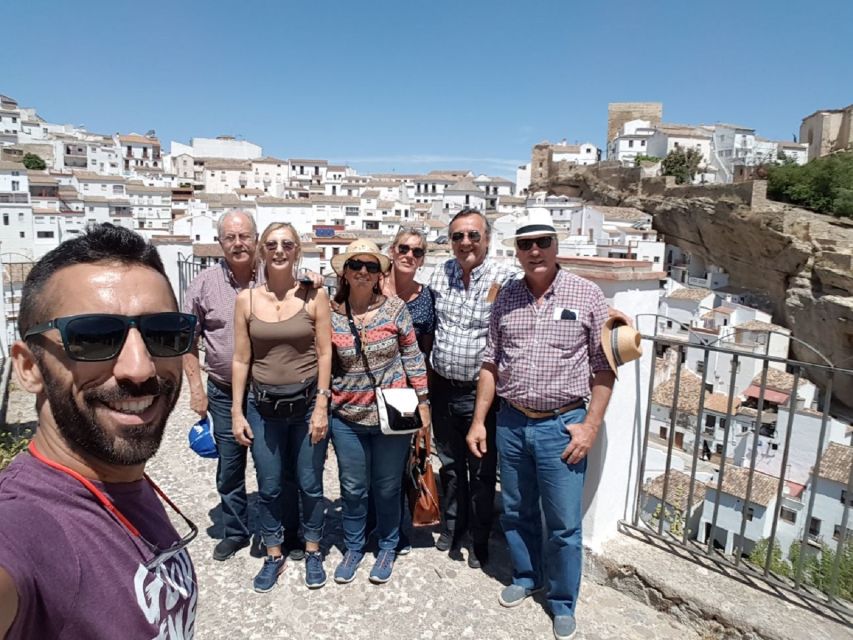
Setenil tends to be the bigger attention-grabber because it’s described as a cave-town style visit. The idea is that buildings relate to the rock overhangs, which gives you a very different feel from the usual hilltop-with-white-walls look. If you want something visually odd in a good way, Setenil is often the choice.
Arcos de la Frontera, on the other hand, may appeal more if you want classic viewpoints and the classic “white village hanging over the land” feeling. The tour staff can guide you on which swap makes the most sense for your interests and time.
Price and value: what $620 per group buys you
This tour is priced at $620 per group up to 2 for a 10-hour day, with a private professional guide, pick-up and drop-off service from Seville, a walking tour component, and private transfer.
On paper, yes, it’s not cheap. But value comes from stacking what you’d otherwise pay for separately:
- private guiding (so you’re not paying for a generic audio tour)
- dedicated transport out to multiple mountain towns
- enough structure to hit Zahara, Grazalema, and Ronda without feeling rushed
If you’re traveling as two people, it can be a practical splurge—especially compared to booking multiple tickets for different tours or paying for separate transport each time you want a viewpoint stop.
The biggest “value check” for you is this: do you want the extra attention and flexibility of a private guide? If yes, the pricing starts to make sense fast.
If you’d rather follow a strict group schedule and move on fast, a bus day trip might be more budget-friendly. But you’d give up some of the room to linger in places like Ronda where you can choose how you want to spend time.
Timing, transport, and what to pack for a winding day
This is a full-day experience, and your comfort matters because you’ll spend time in a vehicle and then walk in old towns.
Bring:
- comfortable shoes (non-negotiable)
- a light layer for mountain air
- water for the road (since food and drinks aren’t included)
Also consider motion sickness support if you’re sensitive to curvy mountain roads. Several guides are praised for driving with care, but physics is physics.
If you plan to shop, keep in mind the schedule balances short village stops with free time in Ronda. That means you can browse, but don’t expect long, slow market wandering everywhere.
Who this tour suits best (and who should skip it)
This tour is a strong fit if you:
- want a private day outside Seville with guided context
- like viewpoints, small towns, and nature breaks
- care about seeing Puente Nuevo with time to walk and choose where to stand
It’s likely not for you if:
- you have mobility impairments or wheelchair needs (the tour is explicitly not suitable)
- you need an experience without walking or uneven old-town surfaces
- you’re traveling with unaccompanied minors (not allowed)
Families can still be fine depending on ages and needs, but you should check the walking expectations and stamina for cliffside Ronda.
Should you book this private Pueblos Blancos & Ronda day trip?
I think this is a smart book for couples or small groups who want a day that feels both scenic and thoughtful. The combination—Zahara de la Sierra’s elevated views, Grazalema’s mountain-town calm, and Ronda’s bridge-and-cliffs drama—keeps you from bouncing through Spain like a pinball.
If you’re the type who enjoys detail (olive oil process, border-era context, and why the nature park matters), a private guide really helps. And if weather shifts, the day’s structure seems designed for adjustment, with guides like Luca specifically noted for route creativity when rain hits.
If you’re on a tight budget or want minimal walking, skip it and look for a cheaper, shorter option. But if you want one high-impact day that links nature and towns, this is the kind of itinerary you’ll feel for weeks after.
FAQ
What towns does the tour include?
You’ll visit Zahara de la Sierra, Grazalema, and Ronda. There is also an opportunity to visit Arcos de la Frontera or Setenil upon request.
How long is the tour?
The duration is 10 hours, from pick-up to drop-off.
Where does the tour start in Seville?
The starting location is Naturanda Turismo – Tourist Office, with pick-up and drop-off service from Seville included.
Is lunch included?
Food and drinks are not included, so you’ll pay for meals during the day.
What languages are available for the guide?
The guide is available in Spanish, English, French, and Italian.
Is the tour suitable for wheelchair users or mobility impairments?
No. It is not suitable for people with mobility impairments or wheelchair users.
Can I bring an infant?
Infant seats are available on request if advised at the time of booking.
What’s the cancellation policy?
You can cancel up to 24 hours in advance for a full refund.