REVIEW · AMMAN
One Day Trip to Jerash & Ajloun Castle
Book on Viator →Operated by R&H VIP Transportation Services · Bookable on Viator
Roman Jordan in one long day.
This private Jerash and Ajloun Castle trip is interesting because it strings together two eras in a single 5–8 hour outing: the Roman showpiece of Jerash and the Saladin-era defense of Ajloun. I really like the included hotel pickup and drop-off that keeps the day stress-free, and I especially like the payoff of the views from Ajloun Castle once you’re up on Mount ‘Auf. One drawback to plan for: entrance fees and meals are not included, so the $75 price is for the transport and timing, not the tickets.
What makes it easier is the way the day is set up around you. You get an air-conditioned vehicle, an English-speaking driver, bottled water, and even onboard WiFi—handy when you’re bouncing between ruins and viewpoints and your phone needs to stay useful. People also speak highly of specific drivers in this service area, including Mohammed, Mahmoud, Mohammad Bardaghawi, and Mohamed Ali, for being punctual and helpful with the flow of the day.
At the sites, you can go at your own pace. You’ll explore Jerash and Ajloun independently, with an option to add a local guide at your own expense. If you’re the kind of traveler who likes structure and context the whole time, think about budgeting for a site guide—especially at Jerash where there’s a lot to look at.
In This Review
- Key points before you go
- Jerash and Ajloun in one day: why this pairing works
- Jerash Ruins: start at Hadrian’s Arch and let the city unfold
- Oval Plaza and the big Roman public spaces you should notice
- Cardo Maximus, Temple of Artemis, and the fountain stop that feels different
- Ajloun Castle (Qala’at ar-Rabad): Saladin’s fortress and Jordan Valley views
- The private transport piece: WiFi, air-con, and a driver who keeps the day moving
- Price and value: when $75 feels fair (and when it doesn’t)
- Timing and pacing: how to make 5–8 hours feel like enough
- What’s included vs. what you pay for separately (so you don’t get surprised)
- Who this Amman day trip suits best
- Should you book this Jerash and Ajloun day trip?
- FAQ
- How long is the Jerash and Ajloun Castle day trip from Amman?
- Is hotel pickup and drop-off included?
- Does the price include admission tickets to Jerash and Ajloun Castle?
- Is there air-conditioned transportation?
- Is WiFi provided during the drive?
- Will I have a local guide at the sites?
- What is the cancellation policy?
Key points before you go
- Jerash’s major ruins are concentrated into a walk that’s easy to navigate, starting at Hadrian’s Arch and moving through big plaza spaces.
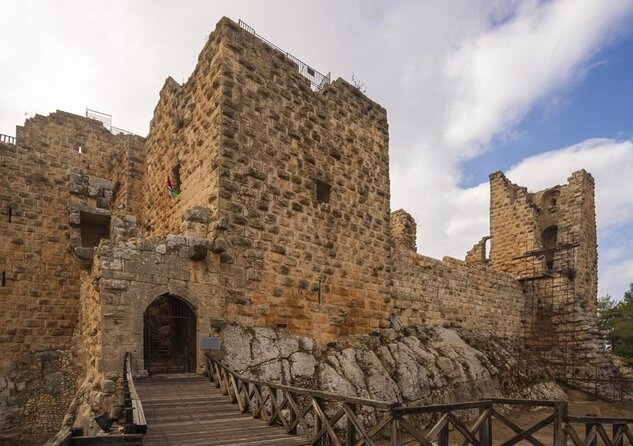
- Ajloun Castle is a fortress visit with real vantage points, from towers down toward the Jordan Valley.
- Air-conditioned private transport plus onboard WiFi means you’re not cooked by the drive from Amman.
- The trip is built for self-paced exploring, with optional local guides if you want extra depth.
- Price is about convenience, not admissions, since tickets for both sites are extra.
Jerash and Ajloun in one day: why this pairing works
If you only have limited time around Amman, this is a strong combo day. Jerash gives you the big, iconic Roman layout—arches, plazas, a main cardo street, temples, fountains—so you can really feel what an ancient city was built to do. Ajloun Castle then flips the story to medieval Jordan, with a fortress shaped by defense and control.
I like that the day has a built-in rhythm. Jerash is typically the longer stop (around 3 hours), and Ajloun is shorter (about 1 hour). That matters because it keeps you from spending your whole day in transit or standing around with nothing planned. You’ll spend most of your energy walking where it counts.
Also, it’s a private day trip. That means you’re not stuck waiting for other people to decide whether they want one more photo by the colonnades. Your driver handles the timing and gets you back to Amman.
You can also read our reviews of more tours and experiences in Amman.
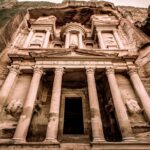

Jerash Ruins: start at Hadrian’s Arch and let the city unfold
Jerash is often called the Pompeii of the Middle East, and I get why. The most famous photo moment is the gateway: Hadrian’s Arch, where the city’s Roman identity greets you right away. It’s a great first stop because it gives you a sense of scale before you start moving through plazas and temples.
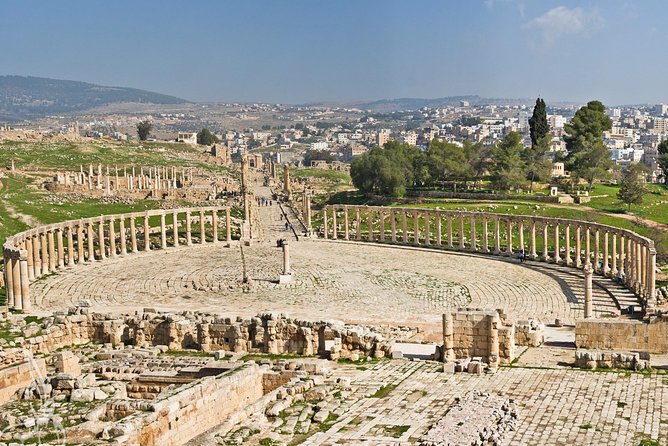
From there, you move into the heart of the city at the Oval Plaza. This is where the ruins feel most like a public space meant for people, not just ruins meant for looking. Think colonnades, open plaza room, and the kind of architecture that supported major civic events.
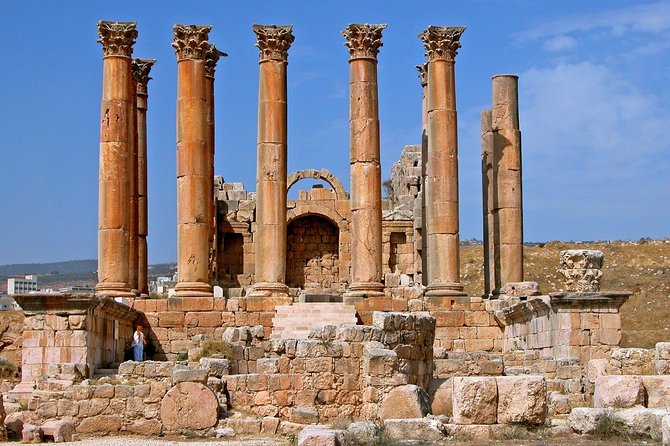
If you like architecture details, Jerash rewards you fast. You’ll see temple structures set against the open courtyard feel of the plaza areas. You’ll also get the sense of how the Romans used public space: commerce, ceremony, and crowd movement all planned into the layout.
Practical tip: plan to bring your walking shoes and take the first 20–30 minutes to slow down. Once you’re oriented, you’ll enjoy the smaller features more.
Oval Plaza and the big Roman public spaces you should notice
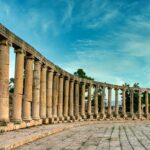
At Jerash, the Oval Plaza is the anchor. This is the area you’ll want to use as your landmark. I love how the colonnades draw your eye down the length of the plaza, and it’s easy to imagine the city’s daily life here—market traffic, public gatherings, and ceremonial movement.
Two specific things to look for as you’re moving through:
- The temple area highlights, including the Temple of Zeus, which gives you a sense of how religion was visually centered in city life.
- The plaza’s open rhythm, where the architecture frames views and makes the ruins feel like a place people once lived around.
There’s also a nice storytelling moment at Jerash when you connect the big spaces to what they were used for. The Oval Plaza is tied to events like chariot racing, and it helps the whole site feel less random. You’re not just checking off Roman names—you’re seeing a designed city.
Cardo Maximus, Temple of Artemis, and the fountain stop that feels different
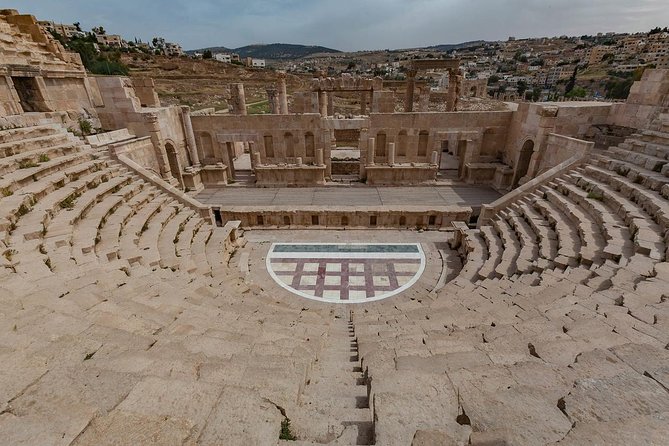
Jerash isn’t only about grand gates and plazas. The Cardo Maximus is the main north-south street lined with shops and temples, and it’s one of the best ways to understand the city’s daily grid. Walking along it helps you picture how people moved from one important area to another.
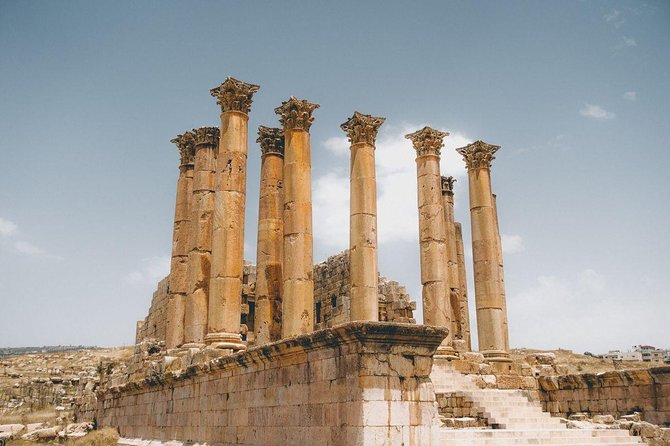
Then there’s the Temple of Artemis area, which includes a climb. I’m glad this is part of the route, because it gives you a reward: when you get up, you’re looking out over the ruins with better angles and a clearer sense of Jerash’s layout. Even if you’re not a big “temples at the top” person, the viewpoint break helps refresh your attention.
Don’t rush past the Nymphaeum either. It’s a fountain area with decorative figures, and it feels a little less like straight architecture and more like a designed centerpiece. That mix is what makes Jerash memorable: you go from civic spaces to street life, then up to religious viewpoints, then to a decorative water feature that adds texture.
Ajloun Castle (Qala’at ar-Rabad): Saladin’s fortress and Jordan Valley views
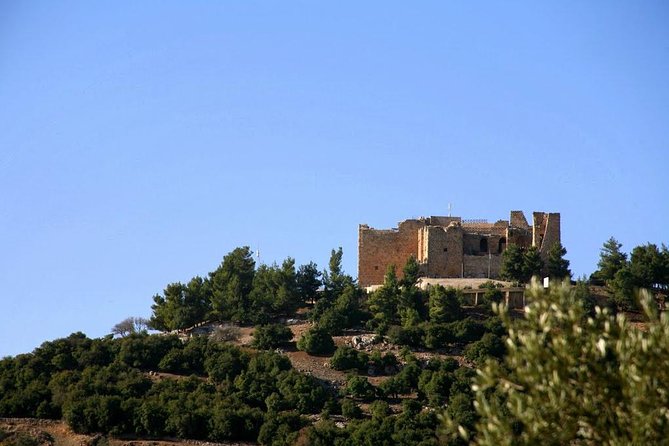
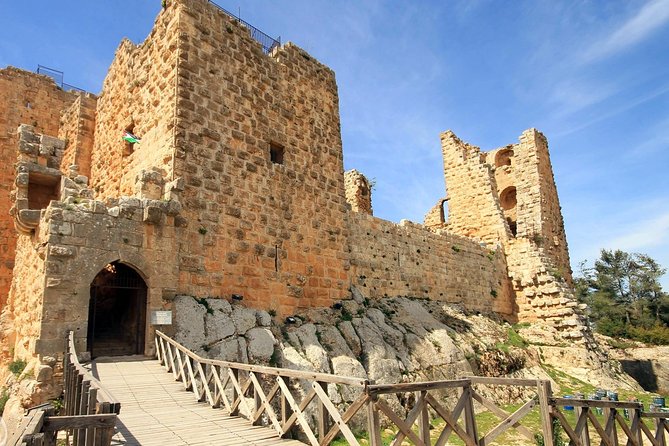
Ajloun Castle is a totally different experience than Jerash. Jerash is about an ancient city that spreads out. Ajloun is about a fortress that sits above you and demands a slower pace.
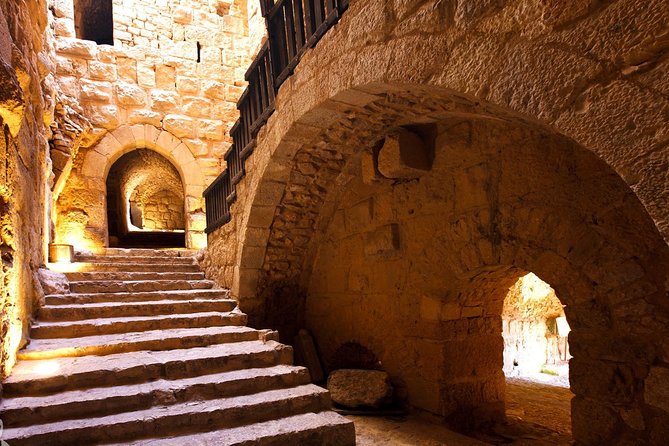
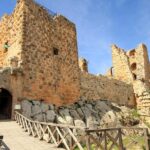
Ajloun Castle was built in 1184 by Saladin’s forces, and it was designed to defend against the Crusaders. That date and purpose matter because the castle layout makes more sense once you connect it to defense: towers, walls, inner spaces meant for control, and vantage points for spotting movement.
Once you arrive, there’s an on-site museum that helps you get your bearings. It explains the castle’s construction under Saladin and its role in controlling trade routes. I find that step valuable because it turns your walk around the towers and courtyards into a story instead of a checklist.
What I really like about the castle visit is the combination of walking and looking. You can explore inner courtyards, towers, and chambers, then climb for panoramic views of the Jordan Valley and beyond. That viewpoint is the reason many people remember this stop as the “wow” moment that breaks up the Roman day.
Also keep an eye out for the cistern. Ajloun has a Mamluk-era cistern, and the engineering detail is a nice reminder that fortresses weren’t only about walls—they needed water access too.



The private transport piece: WiFi, air-con, and a driver who keeps the day moving
The biggest practical win here is the way the day starts and ends. Hotel pickup and drop-off are included, so you’re not spending your morning bargaining for transit or trying to coordinate rides in unfamiliar streets.
The vehicle is air-conditioned, and you also get bottled water. Add onboard WiFi and suddenly the drive doesn’t feel like dead time. It can help you review what you want to look for at Jerash, or map out your return route when you’re done at Ajloun.
Language support is another strong point: the driver is English-speaking. That sounds basic, but it matters when you’re trying to ask a quick question about timing, where to start walking first, or how much time you should give a specific area.
Based on the service patterns tied to this company’s drivers, you can also hope for a thoughtful approach. Names that come up with praise include Mohammed and Mahmoud, plus Mohammad Bardaghawi and Mohamed Ali for being attentive and helpful with the day’s flow.
Price and value: when $75 feels fair (and when it doesn’t)
At $75 per person, this works best when you’re comparing total convenience. You’re paying for private transportation with hotel pickup/drop-off, an English-speaking driver, and air-conditioned comfort.
If you’re traveling in a pair or group, you might feel it less is a “bargain” than a taxi comparison—especially because entrance fees and meals are extra. Still, the value usually shows up when you don’t want the hassle of self-organizing transport and timing between two separate sites.
Timing and pacing: how to make 5–8 hours feel like enough
This is a full-day trip, typically around 5–8 hours. The good news: the stops have realistic time blocks—Jerash around 3 hours, Ajloun around 1 hour—so you’re not stuck in constant “just one more minute” mode.
Here’s how I’d pace it for a smoother experience:
- Give yourself a first-pass walk in Jerash without trying to see every corner.
- In Ajloun, prioritize the museum and then the towers/viewpoints, since that’s where the payoff is.
- Keep water and snacks simple, since meals are not included.
A big timing bonus is that the driver handles the back-and-forth travel from Amman, which means your energy goes into the ruins and the castle.
What’s included vs. what you pay for separately (so you don’t get surprised)
Included:
- Air-conditioned private transportation with onboard WiFi
- Hotel pickup and drop-off in Amman
- English-speaking driver
- Bottled water
- Fuel surcharge
Not included:
- Meals
- Gratuities
- Local guide at the sites
- Admission fees for Jerash and Ajloun Castle
- Personal expenses
So when you budget, think about the $75 as the cost of getting you there comfortably with a driver and a clean schedule. Then add the tickets and your food.
If you want more context while you’re walking, the option is there: you can hire a local guide at your own expense. That choice can be worth it in Jerash, where the size can make it easy to miss what matters most. If you’re a self-guided type, you’ll still get a lot by following the big route: arch → plaza → street → temple area → fountain.
Who this Amman day trip suits best
This day trip is a great fit if:
- You want two major Jordan sites without organizing transit on your own.
- You like Roman archaeology and medieval defense stories in the same day.
- You value comfort—air-con, pickup, and WiFi help a long day stay enjoyable.
It may not be ideal if:
- You’re very strict about costs and hate adding entrance fees on top.
- You only want one site and don’t like split days.
The private format makes it better for couples and small groups who want control over their pace.
Should you book this Jerash and Ajloun day trip?
I’d book it if you’re aiming for maximum variety with minimal logistics. Jerash delivers the most recognizable Roman ruins experience in northern Jordan, and Ajloun Castle gives you the medieval fortress perspective plus the Jordan Valley views. The included transport comforts—air-conditioned car, bottled water, and onboard WiFi—are the kind of small things that add up when you’re gone most of the day.
If you do book, go in with the right expectations: this price covers the ride and the timing, while entrance fees and meals are on you. If you plan for that, you’ll have a smooth day that feels like real Jordan, not just a checkbox tour.
FAQ
How long is the Jerash and Ajloun Castle day trip from Amman?
It typically lasts about 5 to 8 hours, depending on timing and how you pace your visits.
Is hotel pickup and drop-off included?
Yes. Hotel pickup and drop-off in Amman are included.
Does the price include admission tickets to Jerash and Ajloun Castle?
No. Admission fees are not included.
Is there air-conditioned transportation?
Yes. The trip includes an air-conditioned vehicle.
Is WiFi provided during the drive?
Yes, onboard WiFi is included.
Will I have a local guide at the sites?
You can explore independently. Local guiding is optional and would be at your own expense.
What is the cancellation policy?
You can cancel for a full refund if you cancel up to 24 hours in advance of the experience start time.