REVIEW · AMMAN
Jerash, Ajloun, Umm Qais Day Trip
Book on Viator →Operated by R&H VIP Transportation Services · Bookable on Viator
Roman ruins, castle views, and big horizons in one day.
This north Jordan loop packs Greek, Roman, and Islamic eras into a smooth ride with a licensed English-speaking driver and optional local guides at each stop. I like how the day feels flexible in real time, yet still hits the headline sights without you feeling herded. And Umm Qais alone gives you those famous border-spanning viewpoints.
Two things I especially appreciate: the onboard Wi-Fi and phone charging, so downtime doesn’t feel wasted, and the private format, which means you can move at your pace and ask questions without waiting your turn. You also get bottled water and a climate-controlled vehicle, which matters when the drive starts early and the weather shifts.
One consideration: you’ll pay entry fees at the sites, and if you want extra context you may also want to hire local guides (at your own expense). Budget a little extra so you can choose how guided you want the day to be.
In This Review
- Key highlights worth planning for
- The north Jordan route that actually makes sense
- Amman pickup to the long drive north: comfort and control
- Jerash Ruins: colonnaded streets, Hadrian’s Arch, and major plazas
- Ajloun Castle: Saladin’s fortress and the Jordan Valley to Dead Sea views
- Umm Qais: the Greco-Roman city with three-country horizon views
- Local guides: what’s worth paying for and what isn’t
- Price and value: $62 buys a lot of logistics handled for you
- Timing and pacing: how this day stays from feeling rushed
- What to pack for Jerash, Ajloun, and Umm Qais
- Best for couples, history walkers, and people avoiding the rental-car headache
- Should you book this Jerash, Ajloun, Umm Qais day trip?
- FAQ
- What is the price for this day trip?
- Are entry fees included for Jerash, Ajloun Castle, and Umm Qais?
- Is hotel pickup and drop-off included?
- Is Wi-Fi available during the drive?
- Is this tour private or shared with other groups?
- Can I hire local guides at the sites?
- What is the cancellation timeframe?
Key highlights worth planning for
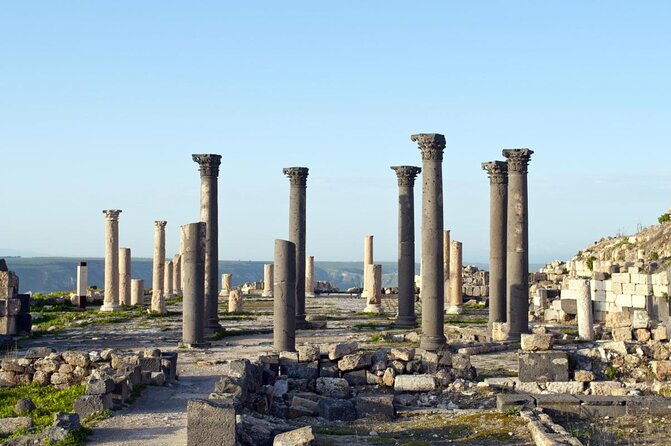
- Jerash’s best-preserved Roman setting with spots like Hadrian’s Arch and the colonnaded streets
- Ajloun Castle on a hilltop built to control key passages into northwest Jordan
- Umm Qais viewpoint over Jordan, Syria, and Palestinian and Israeli territories
- Onboard Wi-Fi, bottled water, and charging make the drive more comfortable
- Optional local guides at each site, including a standout Umm Qais guide named Farag
The north Jordan route that actually makes sense
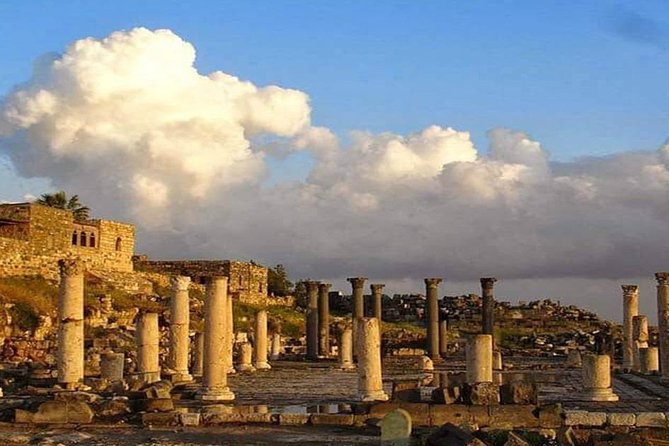
This is one of those days that sounds ambitious until you experience it: you drive north from Amman, spend meaningful time at three historic stops, then come back without the stress of renting and driving yourself. The key is that the sights are close enough to do in a day, but different enough that you don’t feel like you’re repeating the same kind of ruins.
Jerash brings the Roman grandeur. Ajloun adds the medieval Arab-Islamic fortress story. Umm Qais ties it together with both archaeology and extreme viewpoints. If you want variety without wasting days on logistics, this route is a strong choice.
You can also read our reviews of more tours and experiences in Amman.

Amman pickup to the long drive north: comfort and control
You start with hotel pick-up in the morning, and your English-speaking driver meets you at the lobby. The vehicle is climate-controlled, and you get bottled water onboard, plus phone charging during the ride. On top of that, there’s onboard Wi-Fi, which is handy when you want to plan your walking path or pull up maps before you step out.
This is a private tour, so it’s only your group. That matters because timing at Jerash and Umm Qais can swing based on weather and how long you want at viewpoints. Your driver can also adjust the visit length so you don’t feel rushed.
One small pattern I’ve seen work well on days like this: ask your driver early what pace they’re aiming for. With a private day, that conversation can shape the entire flow.
Jerash Ruins: colonnaded streets, Hadrian’s Arch, and major plazas
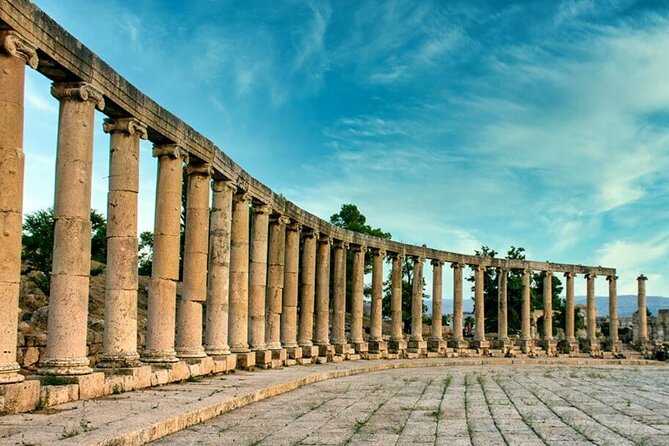
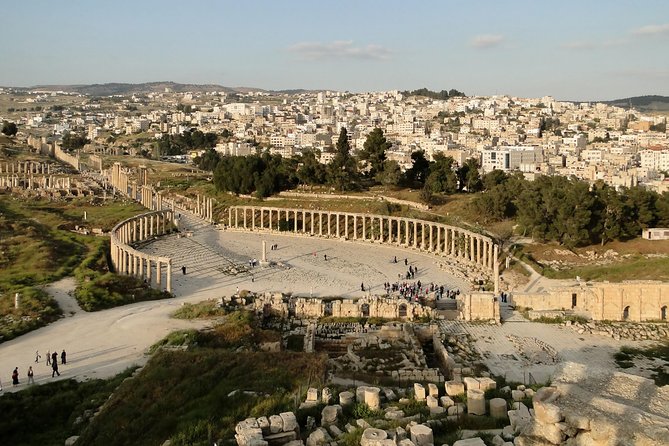
Jerash is the kind of place where you can feel the Roman city layout immediately. Expect to walk through colonnaded streets and large public spaces like plazas and forums, then shift your attention to temples and the amphitheater. It’s considered one of the best preserved classical sites in Jordan, so you get structure instead of scattered stones.
What to look for as you explore:
- Hadrian’s Arch, a dramatic marker that helps you understand where major routes and entrances would have been
- The oval plaza and the big forum area, which make the civic life of the city easier to picture
- Hilltop temples and Roman-era architectural clusters that sit above the street level
Jerash also has a layered story. The site connects to Greek origins dating to Alexander the Great’s era and later flourished as a Decapolis city. Then the timeline continues through Christian and Muslim rule, before the region shifts again during the Crusades. You don’t need to master all of it to enjoy the walk, but it helps to know you’re seeing multiple chapters.
A practical note: Jerash is a lot of walking. Comfortable shoes matter more than you think, especially if you plan to add any extra guided time.
Ajloun Castle: Saladin’s fortress and the Jordan Valley to Dead Sea views
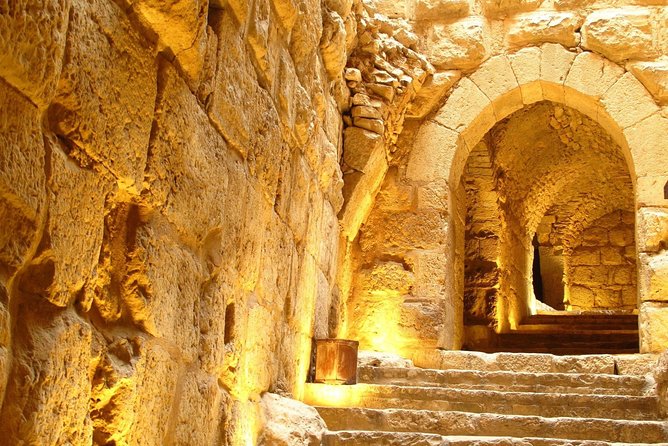
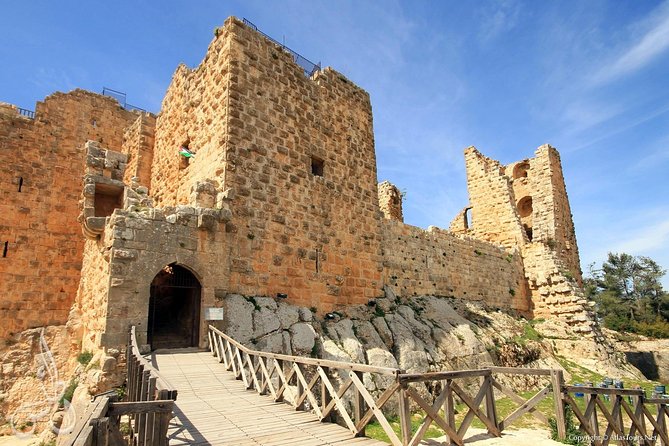
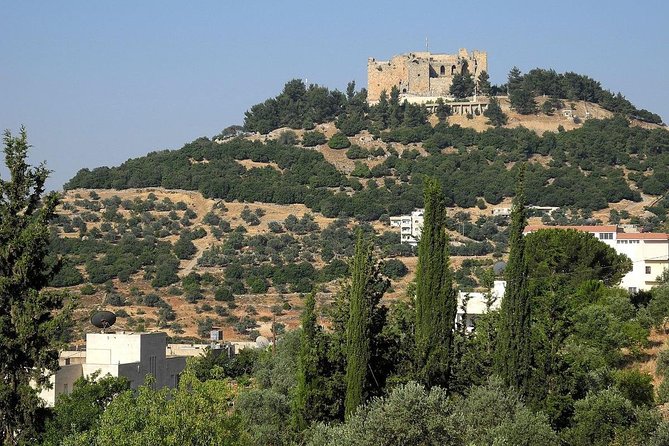
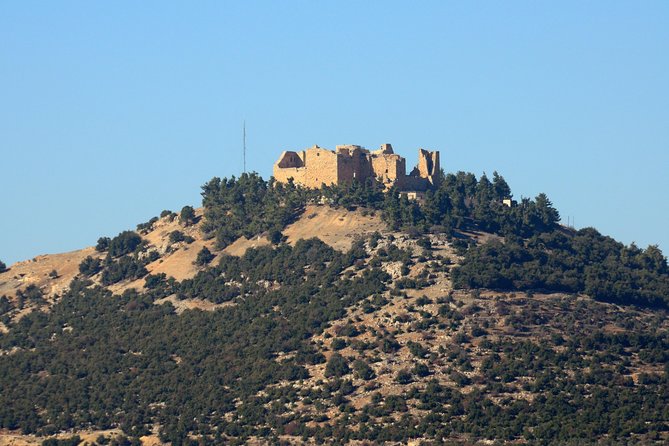
Ajloun Castle (Qala’at ar-Rabad) is the medieval counterpoint to Jerash. It’s a 12th-century fortress built by forces associated with Saladin against the Crusaders, and it was positioned to dominate three major passages into northwest Jordan. That strategic placement is part of why the castle still feels so commanding even centuries later.
When you visit, focus on the hilltop setting and the military design:
- Towers, chambers, galleries, and staircases that reflect defensive architecture
- A climb into the tower area so you can take in the valley views
The payoff is the scenery: the outlook can stretch toward the Jordan Valley and toward the Dead Sea. In real-life comfort terms, Ajloun also earns a packing note from people who’ve been there. It can get windy and chilly at higher altitude, so bring something to cover up—especially if you’re sensitive to cool breeze.
If you only do one “castle climb” in Jordan, make it this one. Ajloun is practical, not just photogenic.
Umm Qais: the Greco-Roman city with three-country horizon views
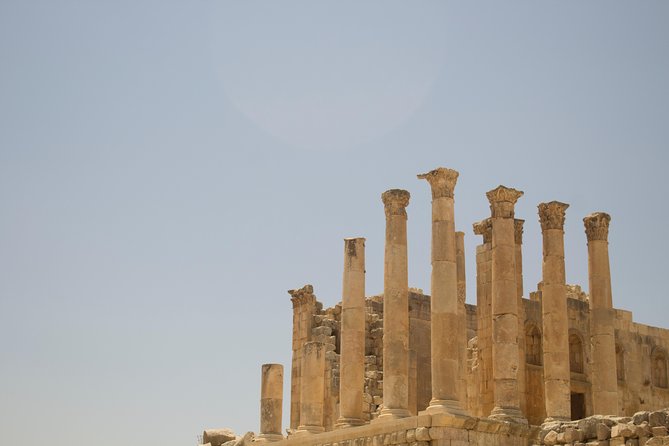
Umm Qais (connected to ancient Gadara) is the stop that often feels like a reward for doing the drive. You’ll visit an archaeological museum area and walk through the Greco-Roman ruins in a setting where Roman remains sit next to an abandoned Ottoman-era village. That contrast helps you grasp the change from thriving city to quiet ruins.
The viewpoint is the headline here. From Umm Qais, you can see across Jordan, Syria, and the Israel and Palestinian Territories—a rare perspective that makes the region’s modern borders and ancient stories feel connected.
Why people remember the details:
- You can connect the ruins to the Decapolis context through the Gadara story
- There’s also a biblical association tied to the miracle of the Gadarene swine, which adds another layer to why some visitors come looking for meaning, not just architecture
If you want more than a self-guided stroll, this is the place where it can be worth hiring a local guide. One guide name that stands out from real visitor recommendations is Farag (shared as @hikingwithfarag on Instagram). Ask your driver what you’d like most: a quick overview or deeper context through the site’s layout and location.
Also, plan your time at Umm Qais carefully. There’s enough to walk slowly and enough space to pause for views—do both, but don’t try to see every possible route in one go.


Local guides: what’s worth paying for and what isn’t
This tour is designed so you don’t feel forced into extra spending. Local guides are available at all three sites, but they’re at your own expense. That’s a good setup, because you can decide on the level of detail you want.
Here’s how to make that decision smarter:
- If you like architecture and city planning, you’ll likely enjoy paying for guidance at Umm Qais, where the setting and border views add context.
- At Jerash and Ajloun, you may prefer to keep it simple—use the ruins themselves, plus your driver’s general explanations, and save money if you’re not chasing every historical detail.
A practical rule I’d use: pick one site for a guide and treat the other two as self-guided walks with your driver’s commentary. That way you control your budget and your feet stay happy.
Price and value: $62 buys a lot of logistics handled for you
At $62 per person, you’re paying for a private day with a licensed English-speaking driver, plus comfort features that can be harder to replicate on your own. You also get:
- Hotel pick-up and drop-off
- Private transportation in a climate-controlled vehicle
- Bottled water onboard
- Wi-Fi and phone charging during the ride
What’s not included is the part you’ll want to plan for in advance: entry fees to the sites and any local guides you choose to hire. So think of this as a base price for the route and the ride, not a full “everything included” package.
Is it good value? For me, yes—if you don’t want to rent a car, coordinate timing between three distant sites, or spend your day stuck in navigation. The private setup is the real value driver here, especially if you’re visiting with a partner, family, or small group and you’d rather stop when you want to stop.
Timing and pacing: how this day stays from feeling rushed
The tour runs about 5 to 8 hours depending on timing and how long you linger at each place. The key is that the route is built around substantial time at Jerash, Ajloun, and Umm Qais, not just quick photo stops.
Typical stop lengths listed are around:
- Jerash: about 2 hours
- Ajloun Castle: about 2 hours
- Umm Qais area: about 2 hours
That adds up to a full day even before the drive back to Amman. The good news is that on a private tour, you can usually adjust within reason. If you want a slower walking pace at Jerash or extra viewpoint time at Umm Qais, your driver can often work with you.
One thing that can change the feeling of the day: the order of stops. The planned flow is Amman → Jerash → Ajloun → Umm Qais, but you may find Umm Qais comes first depending on scheduling. Either way, it’s still the same three-sight highlight day.
What to pack for Jerash, Ajloun, and Umm Qais
This day is part ruins, part viewpoint, part hillside. You’ll want practical gear rather than fancy gear.
Bring:
- Comfortable walking shoes for Jerash’s long stretches
- A light layer or scarf for wind and chill in Ajloun’s higher areas
- Sun protection, since several viewpoints and temple areas are exposed
If you’re the type who likes to plan photo spots, the onboard Wi-Fi can help you map your route before you start walking.
If you get hungry, don’t panic. One helpful pattern on this kind of tour is that your driver can recommend lunch options, sometimes even suggesting local eateries. You can also plan to keep snacks on hand in case you want a little buffer.
Best for couples, history walkers, and people avoiding the rental-car headache
I’d point this trip at a few types of visitors:
- Couples or small groups who want a private day without driving themselves
- People who want major ancient sites plus a medieval fortress and panoramic views, all in one day
- Travelers who like getting context without turning the day into an all-day lecture
It’s also a good fit if you value comfort. The air-conditioned vehicle, bottled water, and charging are not glamorous, but they make a long north-drive feel manageable.
Should you book this Jerash, Ajloun, Umm Qais day trip?
I’d book it if your goal is simple: three major northern Jordan experiences—Roman city ruins, a medieval hilltop castle, and a viewpoint that reaches across multiple borders—done in one day with pickup and drop-off. The private format, plus the comfort details like Wi-Fi and phone charging, makes it a low-stress way to see more than just Amman’s closest sights.
Don’t book it if you hate paying extra once you arrive. You’ll still face site entry fees, and if you want local guides you’ll need to add that cost too. Also, if you want zero walking, this likely won’t feel perfect; each stop offers meaningful walking and viewpoints.
If you’re on the fence, here’s the decision shortcut I’d use:
If you want an organized route with flexibility and comfort, this trip is a strong yes. If you want a self-planned itinerary with no extra costs, you may prefer going independently.
FAQ
What is the price for this day trip?
The tour costs $62.00 per person.
Are entry fees included for Jerash, Ajloun Castle, and Umm Qais?
No. Admission tickets and entry fees are not included, and you’ll pay on site.
Is hotel pickup and drop-off included?
Yes. The tour includes hotel pick-up and drop-off, and your driver meets you at your hotel lobby.
Is Wi-Fi available during the drive?
Yes. There is onboard Wi-Fi, along with phone charging and bottled water availability.
Is this tour private or shared with other groups?
This is a private tour/activity. Only your group participates.
Can I hire local guides at the sites?
Yes. Local guides are available at all three sites, but their services are at your own expense.
What is the cancellation timeframe?
Free cancellation is available up to 24 hours in advance of the experience start time for a full refund.