REVIEW · NAPLES
Naples: Pompeii & Herculaneum Day Trip – Small Group Tour
Book on Viator →Operated by Worldtours · Bookable on Viator
Pompeii in one day, without the stress. This is one of those Naples plans that keeps your morning simple and your day focused: you get round-trip transport plus guides who help you actually read the ruins. I also like that entrance fees are handled, so you’re not stuck figuring out tickets while the clock runs. One thing to keep in mind: Pompeii involves a lot of walking on uneven ground, so good shoes matter.
The guided pace is what makes the sites click. I’ve seen how guides like Donatella, Tomaso, Nando, Sharon, and Flavio can turn ordinary street corners into real-life moments—like explaining Roman engineering, showing the best viewing angles, and pointing out the differences between Pompeii and Herculaneum. Still, the bus ride can feel tight at times, and in some situations (like audio glitches or mixed languages) you may want to protect your ability to hear clearly.
This day trip is built for people who want the highlights with expert help, not for the slow-and-steady explorer. Also, the crater of Mt Vesuvius is not part of the plan, so plan a different activity if that’s your must-do.
In This Review
- Key points before you go
- Getting Oriented: Naples pickup and the 8:00am start
- Pompeii’s highlights in about 2 hours of guided time
- Herculaneum’s smaller scale—and why it can feel more human
- Lunch and the value math for your $135.45 day
- No Vesuvius crater stop: plan your volcano fix separately
- Comfort, crowds, and hearing the guide: what to expect on the road
- Who this tour is best for
- Should you book this Pompeii and Herculaneum day trip?
- FAQ
- How long is the Pompeii and Herculaneum day trip?
- What time does the tour start?
- Is hotel pickup included in Naples?
- Are the entrance fees included?
- Is lunch included?
- Is Mt Vesuvius (the crater) part of this tour?
- What language is the tour offered in?
Key points before you go
- Round-trip Naples transport keeps you from wrestling trains, buses, or taxis all day.
- Tickets are included for both sites, so your time goes to ruins, not admin.
- Two guides’ perspectives help you compare Pompeii vs Herculaneum in a way you can feel.
- Optional lunch can add value, but it’s a set meal, not a gourmet stop.
- Max group size of 40 is small enough for questions and meeting points that don’t feel chaotic.
- Walking is real: Pompeii’s uneven paths can be tough if mobility is an issue.
Getting Oriented: Naples pickup and the 8:00am start
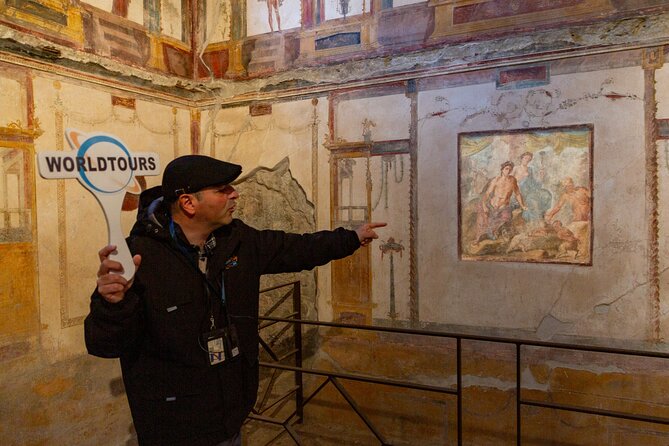
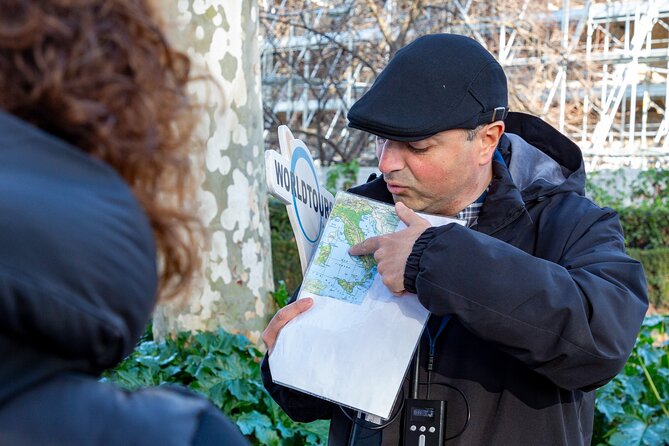
The day starts early—8:00am—and the first win is how structured the morning feels. You’ll be contacted after booking to confirm your pickup location and time, and your driver or guide will be waiting with a sign showing the company name and a participant list. If you’re arriving from a cruise, make sure the operator has your ship name so the timing doesn’t get messy.
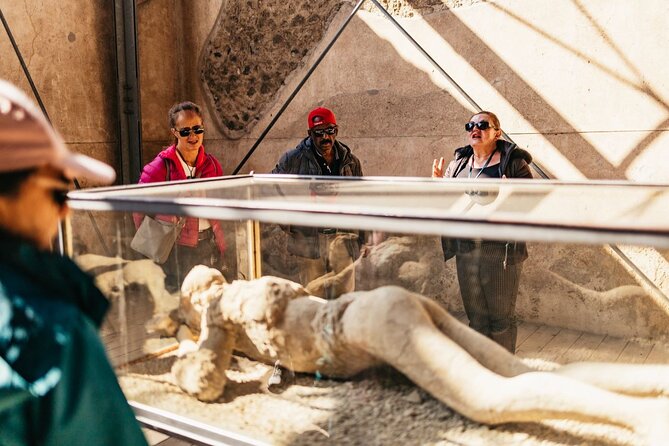
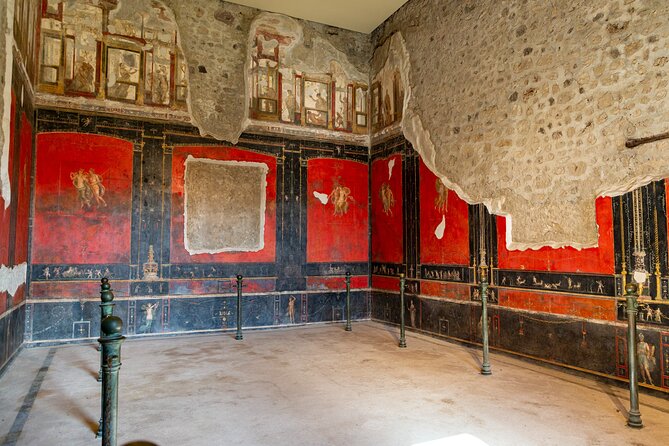
From there, your group moves from Naples to the archaeological parks without you needing to plot a route. In practice, that means less time spent on navigation and more time spent on the good stuff: looking at wall paintings, stepping through street grids, and understanding what life looked like when a volcano froze it in place.
You can also read our reviews of more tours and experiences in Naples.



Pompeii’s highlights in about 2 hours of guided time
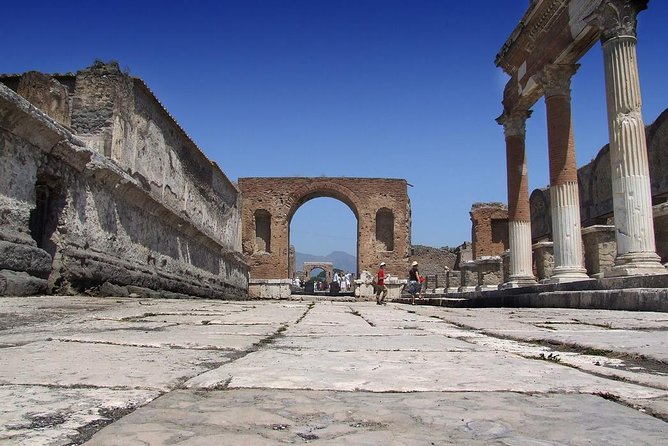
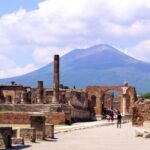
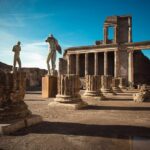
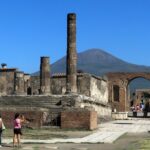
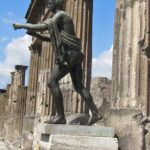
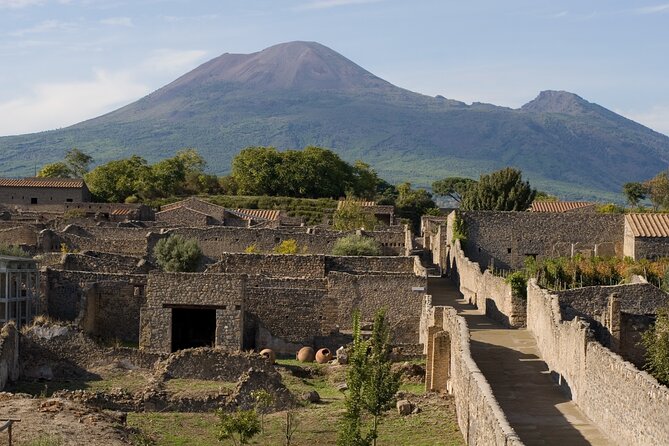
Pompeii gets the biggest chunk of guided time—roughly 2 hours inside the site—and that’s the core of the day trip. Your guide meets you outside the archaeological park, then you walk in together with a plan for what to notice. It’s not meant to be a full, week-long Pompeii marathon. Instead, it’s a “see the essentials and learn what you’re looking at” strategy.
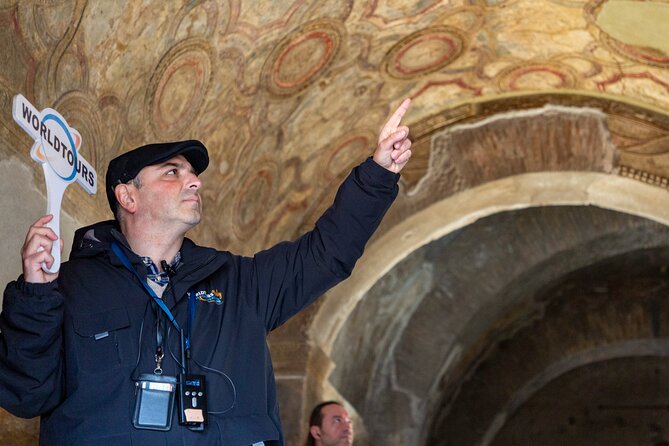
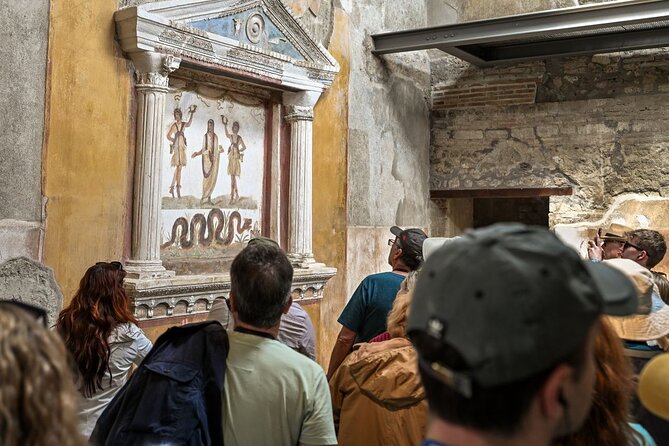
Here’s why that works: Pompeii is massive, and it’s easy to wander until you realize you’ve been walking for 45 minutes without knowing why a certain doorway or mosaic matters. A good guide—like those praised for mixing facts with entertaining stories—helps you connect details into a bigger picture. In particular, guides have a way of explaining Roman daily life in plain terms: how spaces were used, what decorations implied, and how the layout shaped community.
One practical note: Pompeii can get crowded. That doesn’t ruin the experience, but it changes how fast you’ll move and where you’ll be able to linger. I’d show up mentally ready for motion and dust—then enjoy the payoff when the ruins open up into view.
What you should do for comfort: bring a hat and prioritize decent shoes. Some people felt they underestimated how much ground they’d cover, especially when paths are uneven and you need to keep pace.
Herculaneum’s smaller scale—and why it can feel more human
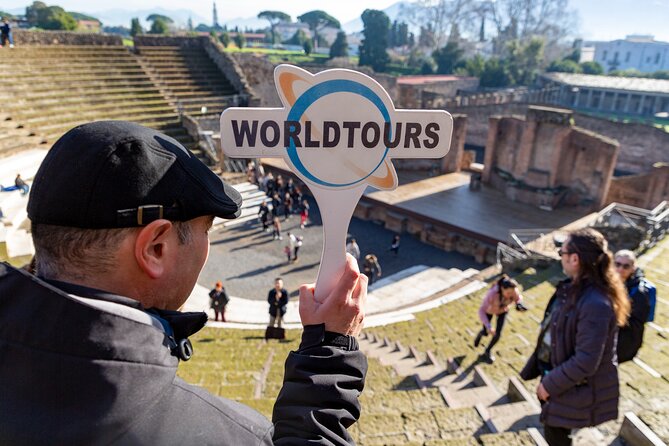
After Pompeii, you head to Parco Acheologico di Ercolano (Herculaneum). This stop is shorter—about 1.5 hours to 2 hours on-site—but it often feels more manageable. Herculaneum is smaller than Pompeii, and that difference matters when you’re trying to enjoy your day instead of surviving it.
The guide leads you from the entrance, then you explore the excavated streets and homes. This is where the comparison really lands. Pompeii can feel like a huge museum floor; Herculaneum can feel like you’re walking through a neighborhood that stayed put—alleyways, doorways, and rooms you can imagine being lived in.
In some guide styles, you’ll hear repeated connections to Pompeii—what’s similar, what’s different, and why. That repetition can be helpful if you want the contrast to sink in. It can also feel slightly slow if you’re already itching to move on, so keep an eye on your own energy level after the morning.
One thing people often love here: the chance to focus on specific moments, including stories tied to what was preserved. If you like your ruins to come with context and vivid examples (not just dates), Herculaneum can be the more emotionally satisfying half of the day.
Lunch and the value math for your $135.45 day
Lunch is optional. If you select it, it’s included with the tour. The overall idea is simple: you get fed near Pompeii so you don’t waste time hunting for a restaurant, waiting, ordering, and paying while your group schedule keeps moving.
The lunch setup tends to be a set menu. Many people describe it as basic but sufficient—think salad and pasta-style dishes. Some meals were called delicious, with stand-out ingredients tied to the region (like notably great cherry tomatoes). So yes, it can be good. But also: it’s not a flexible, gourmet dining experience.
A fair warning: a few diners felt the lunch wasn’t as good as expected for the money, or that extra charges popped up. Since the tour positions lunch as included when selected, I’d treat that meal as a practical add-on rather than your highlight meal of the trip.
Value check: your price includes the day’s big costs: transport from Naples, two site entrance fees, and guided time at both parks. If you’d otherwise pay admission tickets and arrange your own transport, this can make financial sense—especially if you’re short on days in Naples.
No Vesuvius crater stop: plan your volcano fix separately
This day trip does not include a visit to the crater of Mt Vesuvius. That’s important because Pompeii and Herculaneum naturally lead you to think about the volcano story, but you won’t get the payoff view from the crater as part of this specific tour.
So ask yourself: do you want ruins only, or do you want the volcanic viewpoint too? If you want both, pair this trip with a separate Vesuvius activity on another day. If you don’t care about the crater, then you’re in a good spot—this itinerary stays focused and doesn’t stretch to fit another long drive.


Comfort, crowds, and hearing the guide: what to expect on the road
The small-group promise (maximum 40 travelers) can make the day feel lighter than huge bus tours. Pickup from selected meeting points and the plan to manage transitions can keep things calm.
Still, road comfort is variable. Some people reported crowded transport and AC that wasn’t on, which can be an issue in warm months. Others mentioned that audio equipment (like microphones) didn’t always work well on the bus, and that mixed-language groups can affect what you hear when the guide switches between languages.
If you’re picky about audio, you might find it helpful to bring something simple—like small earplugs—to reduce the risk of missing key comments. And if you’re traveling with mobility concerns, keep your expectations realistic: the walking at Pompeii includes uneven ground and a faster pace than some people are ready for.
On the plus side, drivers have shown they’re serious about timing. In cruise-day situations, people praised drivers and coordinators for keeping the schedule tight so they didn’t miss the ship. That’s not magic—it’s just good operational focus, and you feel it when the day runs on time.
Who this tour is best for
This is a strong fit if you:
- Want both Pompeii and Herculaneum in one day with guiding and tickets handled.
- Prefer a structured highlights route over self-guided wandering.
- Like asking questions and getting explanations instead of reading plaques for hours.
- Are okay with a full day and moderate walking demands.
It may be less ideal if you:
- Need very slow pacing in crowded, uneven areas.
- Want maximum time per ruin site (this is not a deep “every corner” itinerary).
- Are hoping for Mt Vesuvius crater views as part of the package.
Should you book this Pompeii and Herculaneum day trip?
If you’re visiting Naples with limited time, I’d book it—especially if your goal is to get the big Pompeii + Herculaneum contrast without wasting energy on logistics. The guided structure helps you avoid the most common self-guided mistake: seeing impressive ruins but not knowing what you’re looking at.
I’d make one decision upfront: choose how you’ll handle the walking. If you can manage uneven paths and can keep pace for two sites, the “two-parks-and-go” format is a good use of your day. If you’re worried about mobility, consider whether you’ll be comfortable with uneven ground in Pompeii and a more group-driven schedule.
Finally, remember the volcano piece: if Mt Vesuvius crater is your top priority, you’ll want a separate plan for it. If ruins are the priority, this tour is a practical, value-minded way to get there—guided, ticketed, and back to Naples without drama.
FAQ
How long is the Pompeii and Herculaneum day trip?
It runs about 8 hours (approx.), with separate time at Pompeii and Herculaneum plus transport time.
What time does the tour start?
The start time is 8:00am.
Is hotel pickup included in Naples?
Pickup is offered from selected meeting points in Naples, and you’ll be picked up and dropped back to your meeting point area.
Are the entrance fees included?
Yes. Pompeii and Herculaneum entrance fees are included.
Is lunch included?
Lunch is included only if you select the lunch upgrade. If you don’t choose it, you’ll still visit both sites, but you won’t have the meal included.
Is Mt Vesuvius (the crater) part of this tour?
No. The Mt Vesuvius crater visit is not included.
What language is the tour offered in?
The tour is offered in English.