REVIEW · DOHA
From Doha: Day Trip to North And West Qatar With Pickup
Book on GetYourGuide →Operated by Doha Tourism · Bookable on GetYourGuide
Desert art and fort ruins, one long day. This 8-hour tour strings together UNESCO history, stark desert scenery, and photography-friendly stops like the umbrella-shaped rock and Richard Serra sculptures.
What I like most is the mix: mangrove scenery at Purple Island/Al Thakira, then the heritage-heavy Zubara Fort area, and finally the wild stretch of the Zekreet Peninsula. Add an English-speaking guide, and you get context instead of just check-the-box photos.
One thing to consider: it’s a long day with plenty of time on the road, and lunch and snacks aren’t included, so you’ll want to plan for food.
In This Review
- Key Things That Make This Day Trip Worth It
- A Different Side of Qatar, Without the Stress of Driving
- Doha Pickup and the Reality of an 8-Hour Schedule
- Purple Island and Al Thakira Mangroves: A Calm Break
- Al Khor Harbor: Pearl-Fishing Heritage in the Background
- Al Zubara Fort (UNESCO): Fort Views Plus Village Context
- Jumail Abandoned Village: A Photo Stop With a Pulse
- Al Shamal Views: When Bahrain Shows Up
- Zekreet Peninsula and Zekreet Fort: Wildlife Reserve Energy
- Richard Serra East West in the Desert: Art That Feels Temporary
- Al-Shahaniya Municipality Finish: Camel Racetrack Stop
- Price and Value: What $71 Actually Buys You
- Guides Make the Difference: Names You’ll Hear Repeatedly
- What to Bring (and What Not to Bring)
- Who Should Book This Day Trip
- Should You Book This North and West Qatar Tour?
- FAQ
- What is the duration of the tour?
- Where is the pickup included?
- What does the tour include?
- Is lunch or snacks included?
- What major places will I visit?
- Can I see Bahrain from the tour?
- What should I bring?
Key Things That Make This Day Trip Worth It
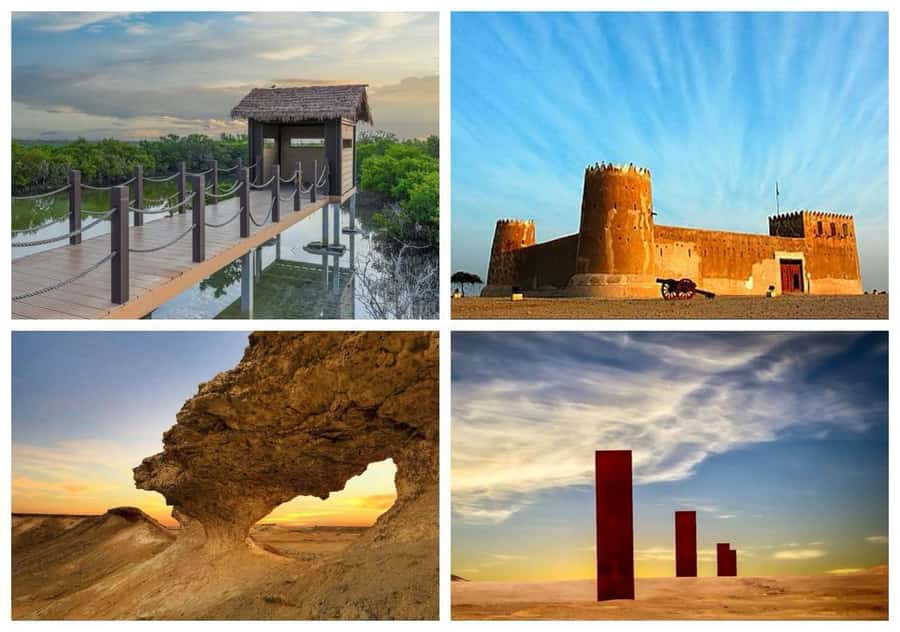
- UNESCO Zubara Fort plus nearby traditional village scenery made from limestone and mud
- Mangrove stop at Purple Island / Al Thakira that breaks up the driving
- Jumail Abandoned Village for a genuinely eerie, historical photo moment
- Zekreet Peninsula wildlife reserve and the famous umbrella-shaped rock
- Richard Serra East West art installations placed right in the desert
- English guide praised for pacing, clear explanations, and answering questions
A Different Side of Qatar, Without the Stress of Driving
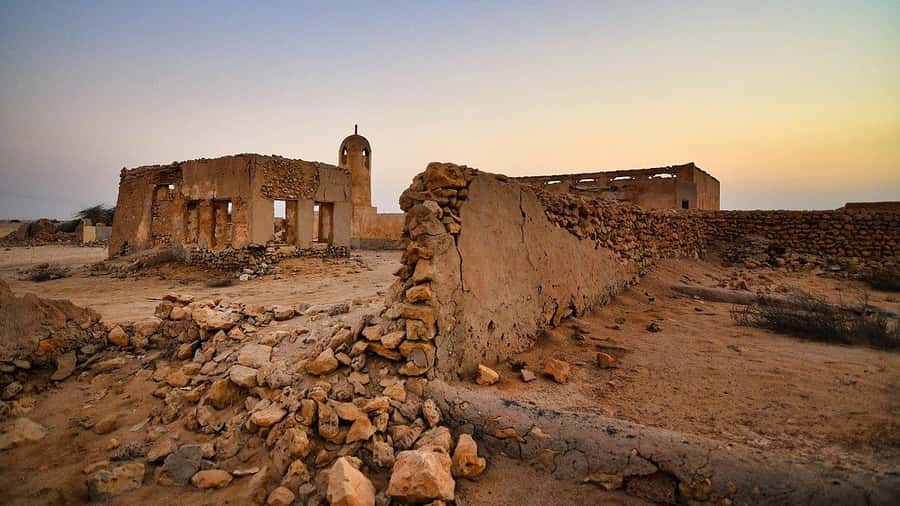
This north-and-west route feels like you’ve left Doha behind, even though you’re starting from it. Qatar’s southern and city sides are all modern lines and skyline views; up here, you trade that for coast air, mangroves, fortified ruins, and big sky. It’s the kind of day that’s hard to stitch together on your own unless you’re comfortable with remote routes.
The tour is built around 4WD transport and an air-conditioned vehicle, which matters more than it sounds. When you’re covering Al Khor area, Zubara, the west coast, and the Zekreet region in one day, comfort on the move helps you enjoy the stops once you arrive.
Doha Pickup and the Reality of an 8-Hour Schedule
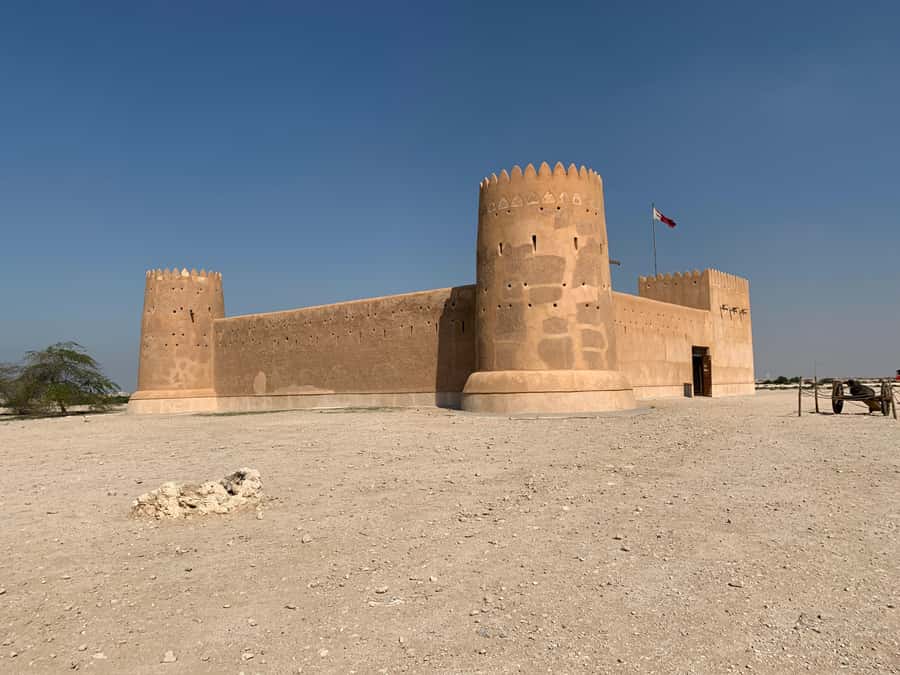
The experience is timed for a full-day circuit: you get pickup in Doha (including hotel or airport pickup), then you spend a lot of the day heading between far-apart areas. Transfers in the plan range from short hops to longer stretches, so the day can feel like a mix of photo stops and steady driving.
Here’s the good part: you’re not spending your time figuring out logistics. You’re using a guided flow with a live English guide, and you hit multiple sites that are awkward to combine in one trip. If you’re only in Qatar briefly, this is a fast way to see more than the typical Doha day.
Purple Island and Al Thakira Mangroves: A Calm Break
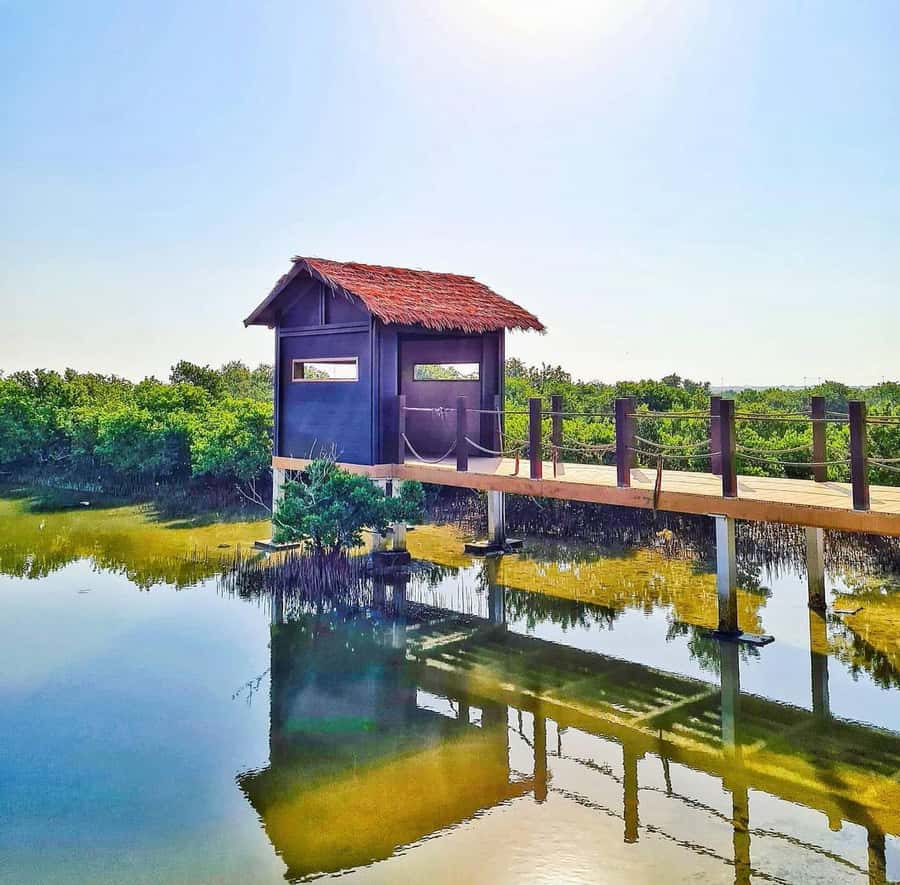
One of the best “reset moments” on this tour is the mangrove scenery at Purple Island, tied to the Al Thakira area. The schedule sets you up for a guided walk and photo opportunities, often around softer light conditions (the plan even flags sunrise/sunset options).
Why this stop matters: it’s not just another scenic overlook. Mangroves are one of the few places in Qatar where you get a totally different feel—waterlogged roots, shaded edges, and a quieter rhythm compared to the open desert. It’s also a practical break before the day turns more rugged.
If you’re thinking about what to bring, this is where sunglasses and a camera earn their keep. The bright reflections off sand and water can be intense.
Al Khor Harbor: Pearl-Fishing Heritage in the Background
The tour is designed to include a start in the direction of Al Khor Harbor, described as a center for historic pearl-fishing and related coastal life. Even when you’re not there long, it’s a useful starting point because it frames everything else you’ll see later.
You’ll feel the contrast right away:
- coastal history to set the context
- then forts and abandoned settlements tied to earlier trading and settlement patterns
- then, later, the modern-looking contrast of desert art
This matters for your understanding. Without a bit of context, Zubara Fort can feel like just ruins. With it, it connects to the way people lived and traveled across the region.
Al Zubara Fort (UNESCO): Fort Views Plus Village Context
The highlight for many people is the UNESCO-listed Zubara Fort area. Expect a guided visit with time to walk, stop for photos, and take in the archaeological setting. This is one of those places where the guide’s storytelling helps you read what you’re looking at.
A detail worth paying attention to: the tour includes a traditional Qatari village area nearby, with houses made of limestone and mud. That’s not just for aesthetics. It gives you a sense of how people adapted materials and construction methods to the environment. When you pair that with the fort visit, the day stops feeling like random sightseeing and starts feeling like a timeline.
Practical note: fort stops usually mean uneven ground in places and a lot of standing for photos, so pace yourself and don’t feel rushed. The guides on this route are often praised for not pushing the group, which helps you actually absorb the site rather than just pass through.
Jumail Abandoned Village: A Photo Stop With a Pulse
Then you move toward Jumail Abandoned Village. The format here is straightforward: a photo stop plus a guided tour and sightseeing time.
Why it works: abandoned places can turn into eerie gimmicks if there’s no context. But when you add a guide and simple explanations of what you’re seeing and why it matters, the stop becomes memorable. It’s a different kind of history—less “museum-style” and more “the past is still here.”
You’ll likely find yourself taking pictures from multiple angles, because the light and the shadows across old structures change how the scene reads. The tour includes the kind of stop length where you can step back, reframe, and not panic that the group is leaving without you.
Al Shamal Views: When Bahrain Shows Up
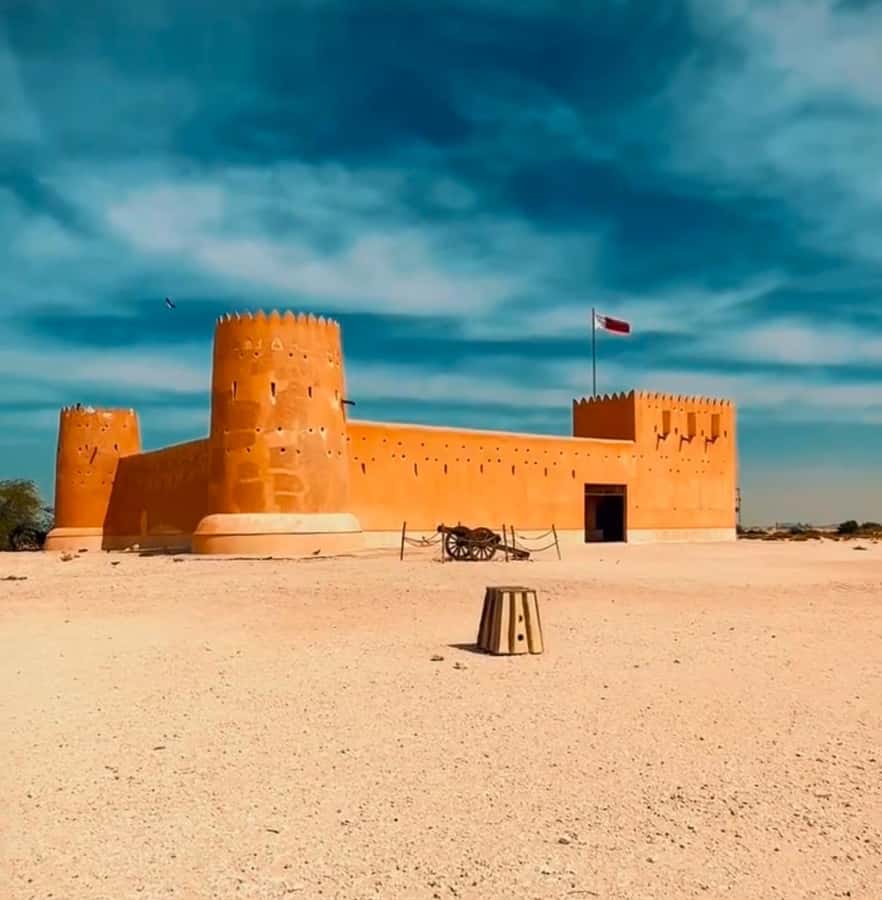
In Al Shamal, the day adds a view-based moment. The tour notes that you can see Bahrain on clear days.
This isn’t something to count on. Visibility matters, and weather and haze can make a difference. Still, even when Bahrain isn’t visible, the west-north outlook tends to reward you with that wide-sky feeling you can’t fake with city streets.
If you’re the type who likes “maybe photos,” this is a good place for it. Bring your camera, and keep the settings ready—you’re not stuck waiting around for one perfect shot.
Zekreet Peninsula and Zekreet Fort: Wildlife Reserve Energy
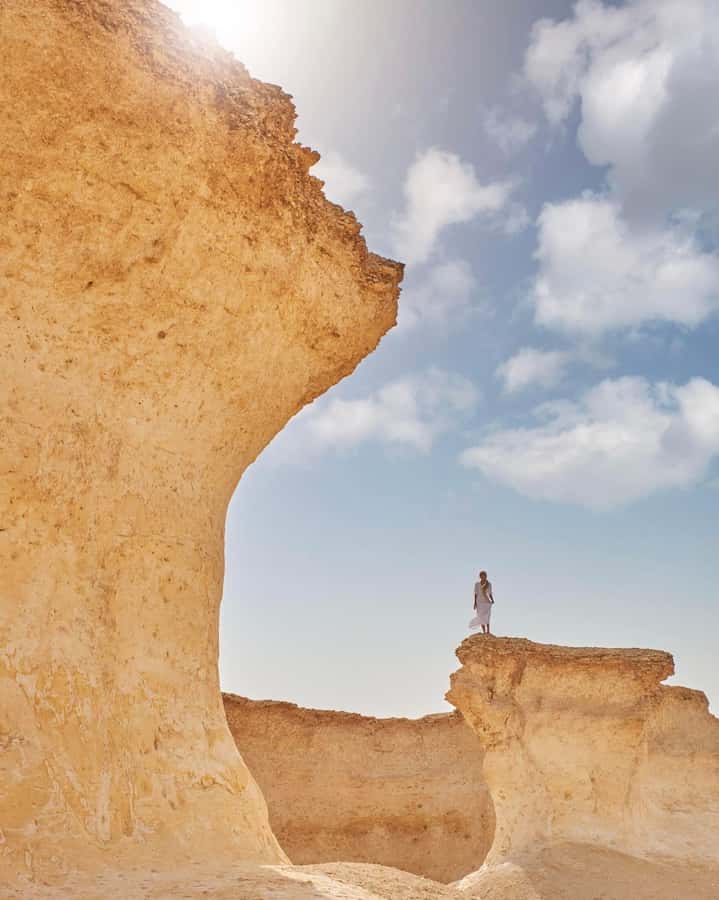
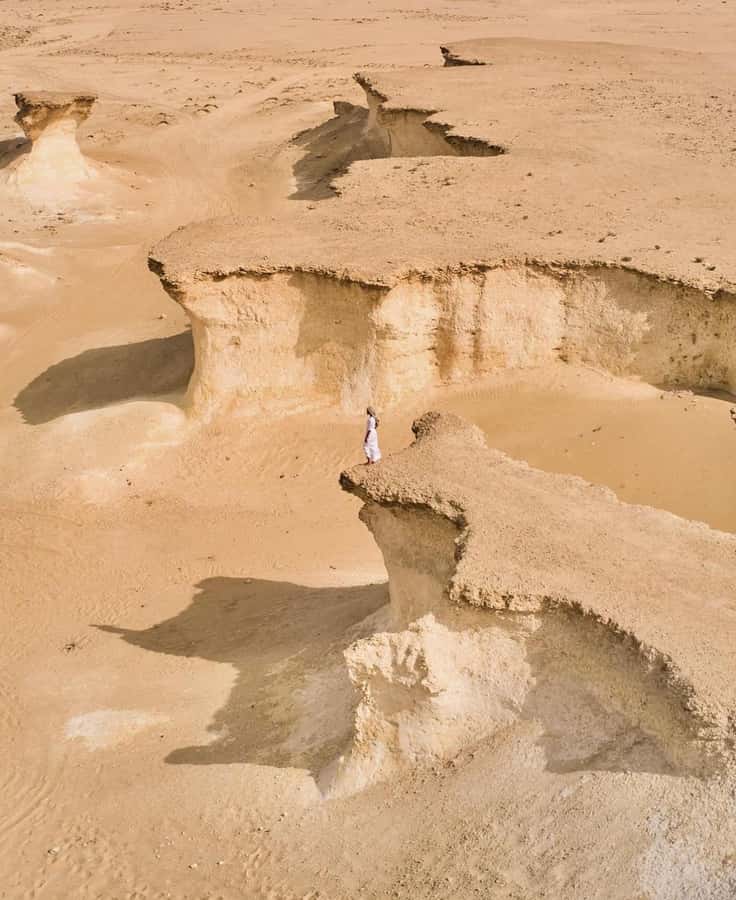
Now comes the stretch many people remember most: the Zekreet Peninsula and the Zekreet Fort area. The plan includes the famous umbrella-shaped rock and time in the Zekreet region, described as a wildlife reserve.
Zekreet Fort is framed as an 18th-century landmark, with standout scenery among the dunes. Even if you’re not a “history first” traveler, you’ll likely enjoy this section for its raw visual contrast. Fort walls and desert rock do not look the same in every light. When the sun shifts, the tones change fast, and the photos look better because the day doesn’t stay flat.
About the umbrella-shaped rock: the tour calls it a favorite subject of photography. That means you’ll have proper time to get different angles without feeling like you’re sprinting.
If you only have one major “wow” photo goal for the trip, put it here. This is where the day really turns into desert-themed storytelling.
Richard Serra East West in the Desert: Art That Feels Temporary
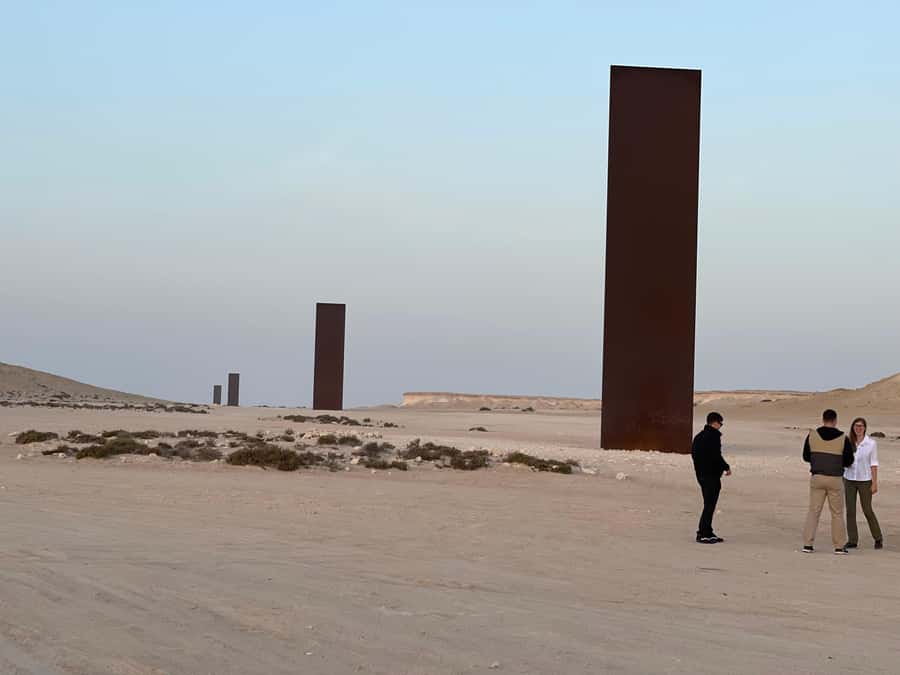
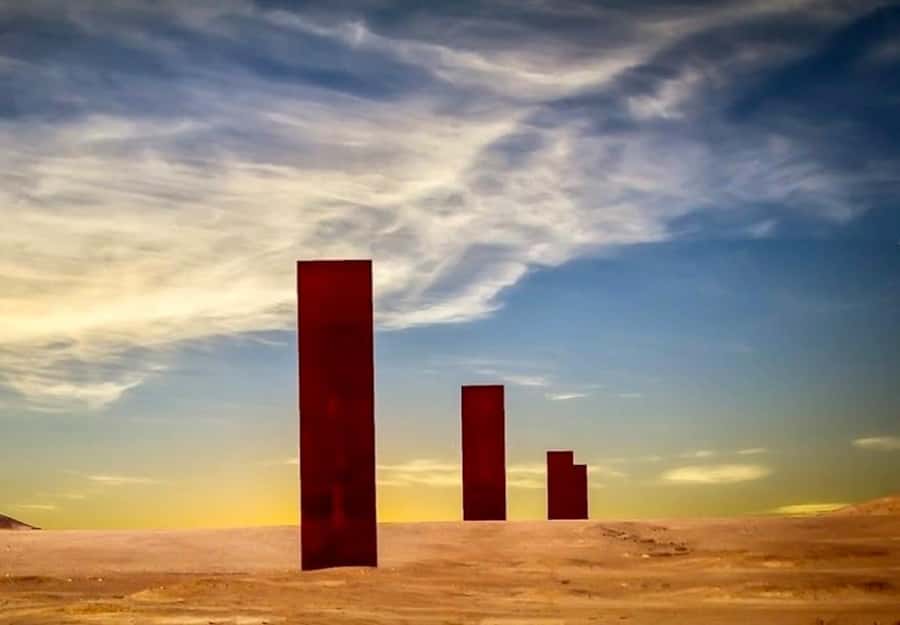
One of the most praised stops is Richard Serra Desert’s East West sculptures. People consistently highlight the way it adds variety to the day, because it’s not another fort or coastline scene. It’s art placed in an outdoor setting, so it feels like it belongs to the desert and also like it doesn’t.
The tour includes guided time plus walking/photo opportunities. That walking part matters. From different angles, the sculptures read differently, and you don’t get the full effect if you just take one quick shot and move on.
If you’re a photographer, this stop is especially helpful because it gives you both shape and negative space. The bright sun and shadow edges can make the steel forms look dramatic, even if you don’t consider yourself a photo person.
Al-Shahaniya Municipality Finish: Camel Racetrack Stop
The last portion of the day includes the Al-Shahaniya Municipality area, with a camel racetrack stop mentioned in the route experience. It’s a good “cap” to a day that started with coastal heritage and ended with desert culture and open spaces.
It won’t feel like a long museum visit. Think of it as a final scene that helps you understand what life can look like in Qatar outside Doha’s daily routines.
Price and Value: What $71 Actually Buys You
At about $71 per person for an 8-hour outing, you’re paying for more than transport. You’re paying for the combination of:
- 4WD transportation that helps you reach remote areas
- an air-conditioned vehicle for the heavy driving hours
- a live English guide
- bottled water plus coffee/tea
- insurance coverage
- a separate entrance that can help you avoid some waiting time at sites
The big “not included” detail is food: lunch and snacks aren’t included. That’s the one area where you’ll want to budget smartly. Some guides also handle quick practical breaks (like gas-station stops where you can buy snacks), but don’t count on a specific menu or a full meal every time.
If you compare this to doing the day with multiple private cars or taxis, the group tour format often looks better value fast—especially because you’re covering long distances and want a guide at the historical sites.
Guides Make the Difference: Names You’ll Hear Repeatedly
This tour stands out for guide performance. In the feedback that shapes people’s impressions, you’ll see guide names like Abdul Rahman, Hassan/Hasan, Abdullah, Adnan, Ahmad Aurangzeb, and Adnan again and again for a reason: people talk about clarity, friendly professionalism, and a pace that doesn’t feel like a cattle run.
A few recurring “good day” details you should expect:
- the guide answers questions in detail
- the group gets enough time for photos
- the guide takes care of comfort points like water and tea
- the day stays organized from pickup to finish
There’s one small caution worth noting: not everyone rates the operator communication perfectly. If you’re the type who likes crisp, step-by-step updates, double-check your pickup timing details before you head out.
What to Bring (and What Not to Bring)
The tour is explicit about sunglasses and a camera. Do that. The light can be intense and the scenery is very photo-friendly.
Also note: pets aren’t allowed.
For everything else, keep your choices simple. This is a day built around walking at stops and spending time outdoors for viewpoints and sculptures.
Who Should Book This Day Trip
This is a great match if you:
- want to see more of Qatar than Doha in a single day
- care about history and want the modern surprise of desert art
- like photo-friendly geology like the umbrella-shaped rock
- prefer a guide to explain forts, settlements, and what you’re seeing
It’s less ideal if you:
- hate long driving days
- need a guaranteed full lunch included in the price
- want a slow, unstructured day with lots of downtime between stops
Should You Book This North and West Qatar Tour?
If your priority is maximum variety—mangroves, UNESCO heritage, abandoned village atmosphere, Zekreet dunes, wildlife reserve territory, umbrella rock, and Richard Serra art—then yes, this is the kind of day trip that delivers value. The guide-led storytelling and the way the schedule balances history with scenery are the reasons this tour earns such consistent praise.
If you book it, come prepared for a long day on the road and handle the food plan yourself. Do that, and you’ll have a full, satisfying picture of North and West Qatar that you can’t easily replicate with a DIY route.
FAQ
What is the duration of the tour?
The tour lasts 8 hours.
Where is the pickup included?
Pickup is included from Doha, and it’s available through hotels and the airport.
What does the tour include?
It includes 4WD transportation, an air-conditioned vehicle, a live English tour guide, coffee and/or tea, bottled water, and insurance. It also includes skip-the-line access through a separate entrance.
Is lunch or snacks included?
No. Lunch and snacks are not included.
What major places will I visit?
You’ll visit Al Khor Harbor, the UNESCO-listed Zubara Fort, a traditional Qatari village area, Jumail Abandoned Village, the Zekreet Peninsula and its wildlife reserve, Zekreet Fort, the umbrella-shaped rock, and the Richard Serra Desert sculptures. You’ll also pass through Al Thakira to see mangroves.
Can I see Bahrain from the tour?
On clear days, you can see Bahrain from Al Shamal.
What should I bring?
Bring sunglasses and a camera.