REVIEW · SEATTLE
Mount Rainier National Park Day Tour from Seattle
Book on Viator →Operated by Jupiter Legend Corporation · Bookable on Viator
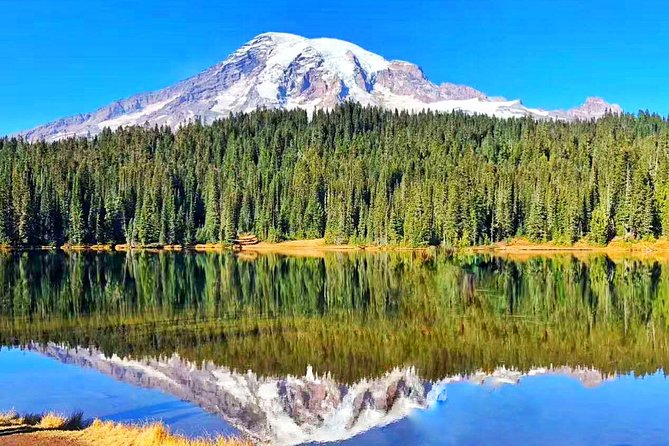
Rainier looks like a postcard today.
This day tour turns the long drive into a simple no-rental-car outing from Seattle, with round-trip transfers from multiple neighborhoods (and SeaTac area pickups) plus Mount Rainier National Park admission built in. I especially like the way it strings together classic viewpoints so you’re not spending your energy on logistics.
My favorite part is the stop in Paradise, where you get about 2 hours to soak in the Henry M. Jackson Memorial Visitor Center area and choose your pace. Depending on the season, you may also add short walks to waterfalls and lakes, with the tour’s hiking or snowshoeing plans adjusted for conditions.
One thing to consider: your experience depends heavily on weather and visibility. If the mountain is socked in, you’ll still see waterfalls and forest views, but the big “there’s the peak” moment can be missing. Also, vehicles vary by day and group size, so legroom can feel tight on some vans.
In This Review
- Key Highlights You’ll Actually Care About
- Leaving Seattle Early: Pickup Timing and What the Drive Means
- What Makes This Tour Work Without Renting a Car
- Mount Rainier Basics: The Volcano Story Behind the Views
- Longmire Museum: A Small Stop That Sets Context Fast
- Christine Falls Viewpoint: A Quick Frame-Your-Photo Moment
- Narada Falls: The Park’s Big Car-Accessible Waterfall
- Paradise Visitor Center and the Skyline Feel: 2 Hours That Make or Break the Day
- Reflection Lakes: The Mirror Effect Works Only When the Air Behaves
- Winter Plan: Longmire Museum Plus a Wonderland Trail Hour
- Snacks, Lunch, and the Small Comfort Issues That Matter
- Guides, Language, and How to Get the Most Out of the Commentary
- Value Check: Is $148 a Fair Deal for a One-Day Rainier Hit?
- Who This Tour Suits Best (and Who Should Think Twice)
- Should You Book This Mount Rainier Day Tour from Seattle?
- FAQ
- How long is the Mount Rainier day tour from Seattle?
- What does the tour cost?
- Is Mount Rainier National Park admission included?
- What stops are included during the summer months?
- What does the winter itinerary look like?
- Where do pickups happen and when do they start?
- What language is the tour offered in?
- How many travelers are on the tour?
- What happens if weather is bad at Mount Rainier?
Key Highlights You’ll Actually Care About
- Door-to-door pickup across Seattle and the SeaTac area, starting at 7:45 AM
- Two-hour Paradise time for photos, lunch, and a short hike (timing varies by conditions)
- Car-accessible waterfalls like Narada Falls, plus a viewpoint stop at Christine Falls
- Seasonal approach: summer focuses on Paradise and Reflection Lakes; winter shifts to Longmire and the Wonderland Trail hour
- Small-group cap of 12 travelers, which helps with smoother stopovers
- Food included for the day: granola bar, bottled water, and a lunch sandwich (listed as most likely)
Leaving Seattle Early: Pickup Timing and What the Drive Means
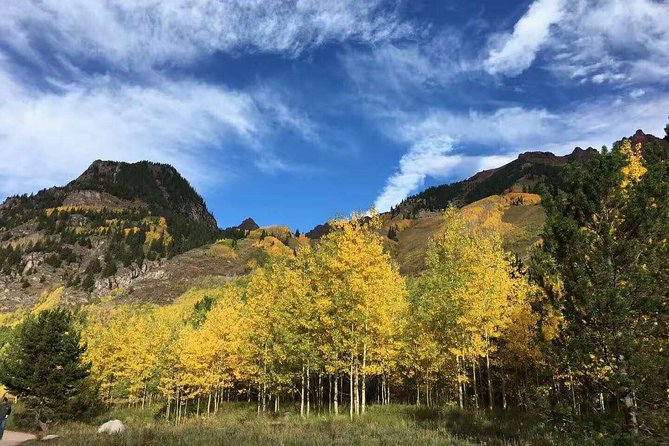
You’re looking at a long day: about 10 to 11 hours from pickup to drop-off. The early start matters, because Mount Rainier conditions can change fast, and roads can slow you down.
Pickup begins at 7:45 AM with Seattle Chinatown as the first listed spot (616 6th Ave S). Downtown options like Pioneer Square are later (for example, 8:00 AM at 612 2nd Ave), and airport/SeaTac pickups start around 9:00 AM and run into the 9:40 AM range.
Practical tip: after booking, make sure your pickup info is correct. The operator asks you to provide your pickup location at least 3 days prior; if they don’t receive it, they’ll assign a default pickup at 8:10 AM at Seattle Public Library (Central Library), 1000 4th Ave.
You can also read our reviews of more tours and experiences in Seattle.

What Makes This Tour Work Without Renting a Car
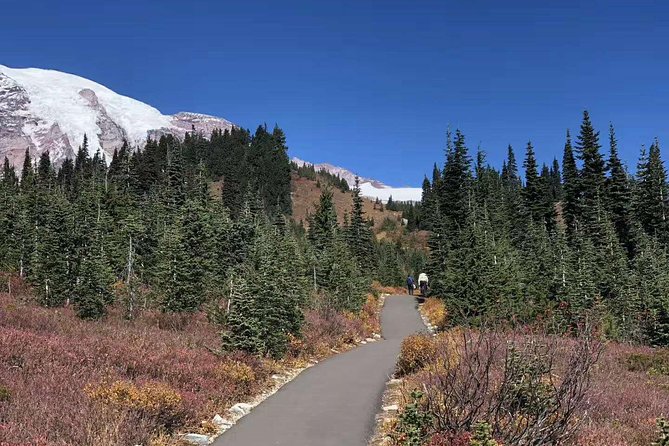
For a lot of people, the appeal is simple: you get Mount Rainier access without the stress of driving in an unfamiliar place, dealing with parking, or juggling rental timing. With this tour, professional vehicles handle the transfer, and the day is structured around park pull-offs and visitor areas.
This is also a value play if you’d otherwise rent a car. Even if you don’t count dollars, renting means time spent picking up and returning a vehicle, plus the “where do we park” hassle at each stop. Here, the transportation is part of the deal, and your day is planned as a route through the park’s best known areas.
You’ll also like the built-in pacing. The itinerary isn’t just a one-stop photo stop. It’s designed to stack highlights—Longmire, waterfalls, Paradise, and (in warmer months) Reflection Lakes—so you see more in the same day.
Mount Rainier Basics: The Volcano Story Behind the Views
Mount Rainier isn’t just tall; it’s active and wildly sculpted. It’s the highest mountain in Washington and the tallest volcano on the U.S. mainland. It also has a reputation for being extremely glaciated, with the Carbon Glacier called the largest by volume in the contiguous U.S., and Emmons Glacier noted as the largest in the area.
Why this matters for your day: the park’s snow and ice feed major rivers and help create dramatic waterfalls, big open views, and lush forests when the water runs. So even if you don’t see the mountain peak in full clarity, you’ll still get nature that feels “Rainier-shaped.”
There’s also a human angle. Rainier is a popular mountaineering objective, with thousands of attempts each year and only about half reaching the summit—so you’re visiting a place people chase for serious reasons.
Longmire Museum: A Small Stop That Sets Context Fast
Longmire Museum is on the south side of the park at about 2,700 feet. It’s part of the historic Longmire district and includes exhibits on the park’s natural and geological history, plus animals and a bit of human story through the Longmire family and Native communities who traveled through the area.
Timing is seasonal. In winter (November to April), you get about 60 minutes. In summer (May to October), it’s shorter—about 20 minutes.
Why I like this stop: it’s quick, but it gives you a mental map. When you later see waterfalls, glaciers, and snowfields, you’ll understand the “why” behind what you’re seeing instead of just collecting photos.
Downside: it’s brief in summer, so if you want a deeper museum-style read, you’ll likely wish you had more time.
Christine Falls Viewpoint: A Quick Frame-Your-Photo Moment
Christine Falls is listed as a summer-only stop (May to October), with a brief 10-minute window. The viewpoint is described as a waterfall framed by a stone bridge area and is noted as a popular roadside spot.
One caution: this is subject to change based on weather and road conditions. That’s normal for mountain travel, but it means you should keep your expectations flexible for the shortest stops.
If your goal is mostly photos, 10 minutes can be just enough. If you want a slow, lingering viewpoint, this part of the day may feel too quick.

Narada Falls: The Park’s Big Car-Accessible Waterfall
Narada Falls is a highlight for a reason. It’s about 150 feet tall and is described as the largest waterfall accessible by car in the park. The setting is geologically interesting too: the waterfall plunges over a relatively recent flow of hard andesite lava, abutting older rock.
You’re typically given about 40 minutes here, which is decent for both photos and a short walk from the road.
One real-world note from experience with this kind of stop: the approach to Narada Falls can feel steep. If you’re even a little uneasy with inclines on uneven ground, wear shoes with solid grip and expect slower movement near the falls.
If you’re chasing the most dramatic waterfall moment of the day, Narada Falls is where your time tends to pay off.
Paradise Visitor Center and the Skyline Feel: 2 Hours That Make or Break the Day
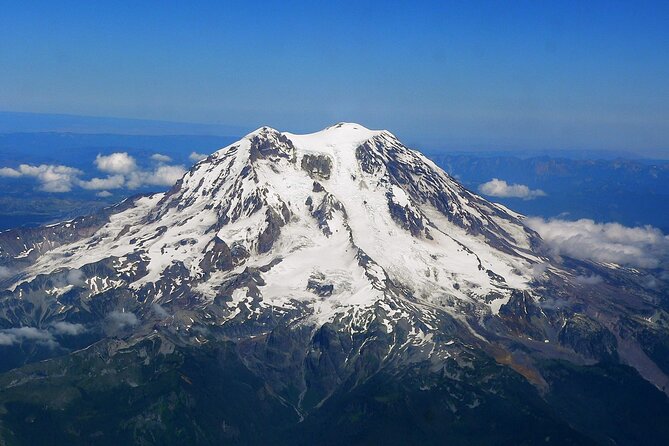
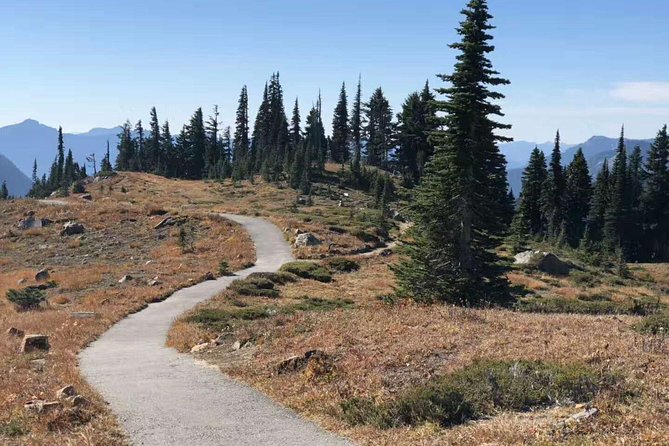
Paradise is famous for sweeping views and wildflower meadows in the summer. It’s also the main winter-use area in the park and gets an enormous amount of snow—about 643 inches (16.3 meters) per year on average.
This tour gives you about 2 hours at Paradise, including time around the Henry M. Jackson Memorial Visitor Center. That long window is the smart part. In a one-day visit, you need room to adapt: the mountain can be clear one moment and foggy the next.
When conditions are good, this is your best chance to feel like you really reached Mount Rainier. You’ll also likely eat lunch here—snack and lunch service is part of the day, with lunch listed as a sandwich most likely.
If conditions are poor, this can still be a powerful stop, but the day may shift toward viewpoints that don’t require peak visibility. Either way, Paradise is where you’ll want comfortable layers and a bit of patience.
Reflection Lakes: The Mirror Effect Works Only When the Air Behaves
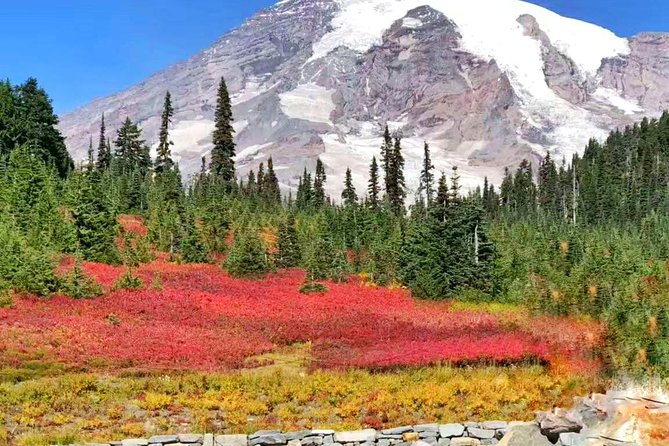
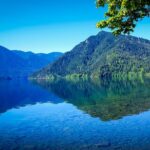
Reflection Lakes are another summer-only stop (May to October), usually only 10 minutes. The big draw is the idea of small alpine lakes that can reflect the mountain like a mirror when there’s no breeze.
This is also subject to change based on weather and road conditions. That matters because wind can ruin the reflection effect fast, and fog can hide the peak you’re hoping to see mirrored.
If you want “mountain reflected in water” photos, come prepared to wait a minute or two at the right angle and be ready to move quickly if the air settles or cloud lifts.
Winter Plan: Longmire Museum Plus a Wonderland Trail Hour
In the cold season (November to April), the day shifts. The winter route is described as: Seattle → Mount Rainier National Park → Longmire Museum → Wonderland Trail (about 60 minutes) → Seattle.
Wonderland Trail is a 93-mile hiking route that encircles the volcano. The trail is known for being strenuous, and the backpacking permit process is competitive. So even though you’re only getting a short time on it, you’re stepping onto something many hikers dream about.
The practical payoff: winter gives you a different kind of Rainier—snow and frozen details, and a vibe that feels more “mountain expedition” than “roadside sightseeing.” If the weather cooperates, it can be stunning.
One more winter detail: if heavy snowfall affects uphill access, the schedule may be halted and you’ll enjoy breathtaking views at the foot of the mountain instead. That keeps the trip scenic even when plans must bend.
Snacks, Lunch, and the Small Comfort Issues That Matter
This tour lists snacks as a granola bar and bottled water, plus a lunch sandwich most likely. For a full day out of the city, that’s a big deal because you’re not forced to hunt for food in the park.
Still, plan like you might want extra hydration. Carry a refillable bottle if you can, and bring simple extras like tissues and a few wipes. On long drives, those tiny things save your mood.
Comfort-wise, vehicles can vary. The tour uses different professional vehicle types depending on the day’s group size. Reviews mention tight legroom and use of a 15-passenger van on some departures, so if you’re tall or easily uncomfortable in tight seating, it’s worth asking what vehicle model you’ll get.
Guides, Language, and How to Get the Most Out of the Commentary
This experience includes a professional driver and guide (or driver-guide). Some guides are praised for handling weather and park conditions with real timing sense, and for making sure the group has enough time for photos.
Names I saw tied to strong experiences include Ryan and Chris (with praise for pacing and adapting to conditions), plus guides like Nan, Jackie, Chen, Jeremy Wu, and Duan.
One practical consideration: while the tour is offered in English, multiple reviews describe departures where Mandarin was heavy in the narration. If English-only understanding is important to you, bring a bit of flexibility. A basic translation app helps you follow along even when the microphone mixes languages.
Also remember this is a day tour with many stops. Even when the guide is great, short stops can mean you won’t get a long, nerdy explanation at every waterfall. If you want deep geology at your own speed, you might still want to follow up with extra reading later.
Value Check: Is $148 a Fair Deal for a One-Day Rainier Hit?
At $148 per person, the ticket isn’t “cheap,” but it can be solid value because several big-ticket costs are bundled: park admission, guided transportation from Seattle neighborhoods and SeaTac area pickups, and food for the day.
The real question is fit. If you hate driving out of the city, don’t want to plan parking, and want a structured route that hits famous areas efficiently, this price can feel reasonable. You’re paying for a day that removes decision fatigue.
If you’re the type who wants maximum time at one spot or wants to wander independently all day, a day tour can feel limiting. A few reviews also mention that some parts of the day felt brief or that commentary didn’t match expectations for depth. That doesn’t automatically mean it’ll happen, but it does tell you to pick your priorities before booking.
The good news: the itinerary is built around the park’s most famous car-access points, so you should come away seeing plenty even if the mountain peak isn’t crystal clear.
Who This Tour Suits Best (and Who Should Think Twice)
This is a strong choice for:
- First-timers who want the classic Mount Rainier hits without car planning
- People who want a structured route with a little hiking and a lot of scenic stops
- Anyone who prefers a small group cap of 12 over bigger bus tours
- Visitors who want the easy win of pickup from multiple Seattle locations
You might think twice if:
- You’re very sensitive to tight seating or long van rides
- You need an English narration experience with zero Mandarin included
- You’re expecting a long, in-depth museum-and-trail education day (this is still a day tour, not a multi-day hike)
The best mindset: treat this as a one-day “greatest hits” pass, not as a substitute for a full hiking trip.
Should You Book This Mount Rainier Day Tour from Seattle?
If your goal is simple and clear—see Mount Rainier’s signature areas from Seattle with minimal hassle—then booking makes sense. I like that the day is organized around high-payoff stops like Paradise and Narada Falls, with included food and round-trip pickup that saves you the hardest planning work.
Book it if you can be flexible with the weather and you’ll dress for shifting conditions. If the forecast looks iffy, adjust your expectations too. Cloudy days can still be gorgeous, but the “peak reveal” might be muted.
Skip it or compare alternatives if you know you’ll be unhappy in a cramped vehicle, or if you need consistent, fully English commentary without heavy multilingual narration. For everyone else, this tour is a practical way to get to Rainier and come home with more than a single roadside photo.
FAQ
How long is the Mount Rainier day tour from Seattle?
The tour runs about 10 to 11 hours, with a start time of 7:45 AM from Seattle and a full day of stops inside the park.
What does the tour cost?
It’s listed at $148.00 per person.
Is Mount Rainier National Park admission included?
Yes. Mount Rainier National Park admission is included.
What stops are included during the summer months?
In summer (May to October), the tour includes Longmire Museum, Christine Falls Viewpoint, Narada Falls, Paradise Visitor Center (about 2 hours), and Reflection Lakes (about 10 minutes). Christine Falls and Reflection Lakes can be subject to change based on weather and road conditions.
What does the winter itinerary look like?
In winter (November to April), the route includes Longmire Museum (about 60 minutes) and about 60 minutes on the Wonderland Trail, along with a Mount Rainier park visit and return to Seattle.
Where do pickups happen and when do they start?
Pickups start at 7:45 AM in Seattle Chinatown (616 6th Ave S), with additional downtown options starting around 8:00 to 8:30 AM and SeaTac-area pickups starting around 9:00 AM.
What language is the tour offered in?
The tour is offered in English. Some departures may include more Mandarin narration depending on the day and the group.
How many travelers are on the tour?
The maximum group size is 12 travelers.
What happens if weather is bad at Mount Rainier?
The experience requires good weather. If it’s canceled due to poor weather, you’ll be offered a different date or a full refund. In winter, heavy snowfall can halt the uphill schedule, and you may instead enjoy views at the foot of the mountain.