REVIEW · CAIRO
Luxor Private Day Trip from Cairo by Plane
Book on Viator →Operated by Go Tours Egypt · Bookable on Viator
Luxor feels like Egypt’s other universe, and flying makes the switch fast. This private day trip by plane is built for people who want the big-name sites—without losing your whole day to slow transport. You’ll ride in comfort, get a guide who can explain what you’re seeing, and spend your hours in Luxor instead of in transit.
I really like the time-saver angle: domestic flights Cairo–Luxor–Cairo plus hotel pickup keeps the schedule tight but not chaotic. I also like that you’re not doing this as a faceless group shuffle—your guide works with just your party, and you get bottled water for the long hot-walk stretches.
One thing to think about: entrance fees aren’t included, so you should budget extra for tickets, and the day still packs in several major stops. If you want Luxor at a relaxed, lingering pace, this format may feel like you’re racing the sun.
In This Review
- Key highlights I’d target before booking
- Why fly to Luxor from Cairo instead of doing the long way
- From hotel pickup to airport drop-off: keeping the day smooth
- Valley of the Kings: tombs carved for pharaohs
- Hatshepsut at Deir el Bahari: a temple built for a queen
- Colossi of Memnon: two giants guarding the way in
- Karnak Temple: Amun, Mut, and the columns you feel in your chest
- Lunch in Luxor and those extra cultural stops
- Price and logistics: what $99 buys you (and what to budget)
- Who this Luxor day trip by plane is best for
- My take: should you book this one?
- FAQ
- How long is the Luxor private day trip from Cairo by plane?
- Are hotel pickup and airport transfers included?
- Are domestic flights included?
- Is a guide included, and is it private?
- Are entrance fees included?
- Is lunch included?
- Is bottled water provided?
- What about tipping?
- What happens if weather is bad?
Key highlights I’d target before booking
- Time saved by flying: you trade hours of land travel for more hours among the monuments
- Private Egyptology guide: you’re not just reading plaques—you’re getting real context
- Valley of the Kings, Hatshepsut, Colossi, Karnak: major West Bank and East Bank hits in one run
- Hotel pickup and airport drop-off: the day flows with fewer handoffs
- Included lunch and bottled water: fewer decisions, more sightseeing time
- Pace is efficient, not rushed-feeling: multiple stops with enough room to see what matters
Why fly to Luxor from Cairo instead of doing the long way
Luxor is famous for a reason, but getting there from Cairo can eat your energy fast. This is the sort of trip that makes sense when you’re short on time and still want the real monuments: West Bank tombs and temples, then Karnak on the East Bank.
Flying is the obvious win. The tour runs about 10 to 12 hours, and hotel pickup is included, with roughly 1 to 2 hours of travel time each way to reach the pickup points. In other words, you’re spending your main daylight hours where you came for the photos, not on a bus.
Also, Luxor rewards focus. When you do it in a single day, you’re more likely to remember the order of what you saw: tomb valley, cliffside temple, the giant statues at the entrance, then the forest of columns at Karnak. It’s a lot—but it’s also clean and memorable.
You can also read our reviews of more tours and experiences in Cairo.


From hotel pickup to airport drop-off: keeping the day smooth
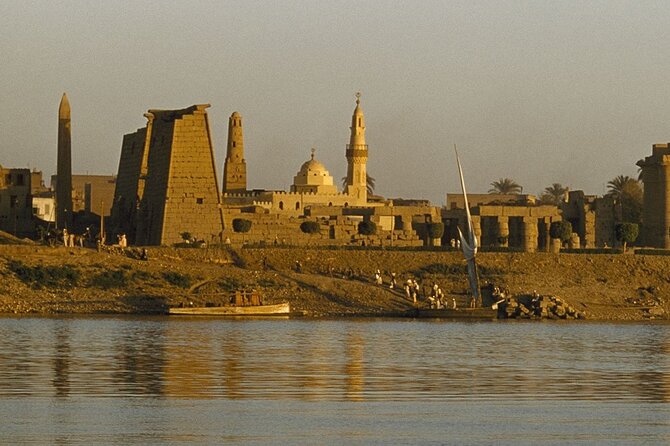
The mechanics matter on trips like this, because one missed step can turn sightseeing into stress. Here, your day starts with pickup from your hotel, and it ends with a return to the airport for the flight back to Cairo. Transfers are done in a private modern air-conditioned vehicle, which is a big deal when the heat is doing its best impersonation of a hair dryer.
You’ll also have a bit of a built-in safety net with the way tickets are handled: there’s a mobile ticket, and you get confirmation at booking. Practically, that means fewer chances to get stuck hunting down paperwork at the last minute.
One lesson I’d take from real-world feedback: if you haven’t heard from your guide or operator close to departure, message ahead and confirm. One traveler reported they had to reach out for confirmation before the trip—so I’d rather you be the early planner than the late worrier.
Valley of the Kings: tombs carved for pharaohs
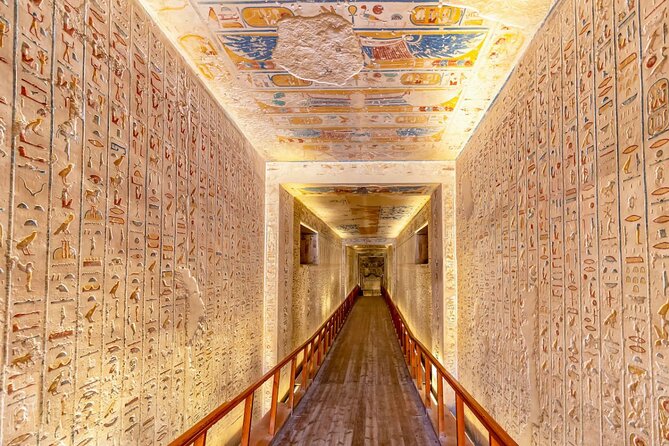
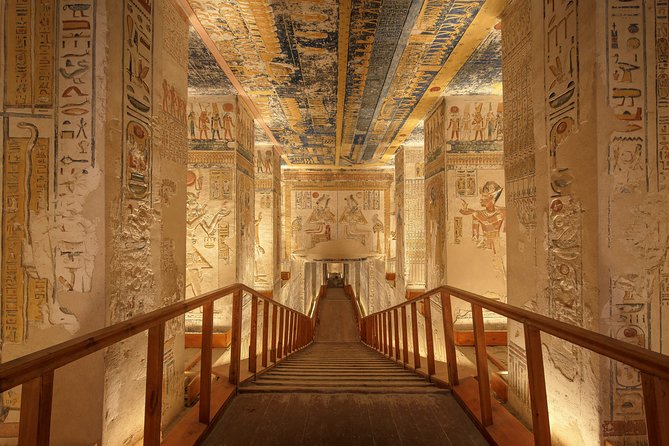
This stop is the main event on Luxor’s West Bank. The Valley of the Kings is where, for nearly 500 years (roughly the 16th to 11th century BC), rock-cut tombs were excavated for pharaohs and powerful nobles of Egypt’s New Kingdom. You’re not just looking at a valley—you’re walking through the setting that shaped royal burial for centuries.
The visit is scheduled for about 2 hours. That’s usually enough time to see the “shape” of the place: the entrance experience, the layout of the valley, and at least a couple of tomb interiors depending on how long you spend at each doorway.
A practical note: entrance fees aren’t included, so you’ll want to plan for tickets on site. And if you’re sensitive to walking on uneven stone, bring shoes with good grip—this is not a flat museum floor.
Why I think this stop works especially well on a day trip: when you have a guide, the tombs stop being random doorways. A good guide can connect what you see (layout, purpose, symbolism) with the time period—so it feels like history, not a photo contest.
Hatshepsut at Deir el Bahari: a temple built for a queen
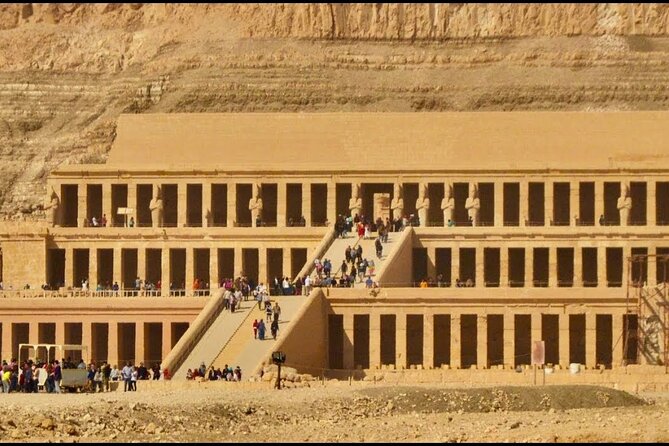
If Valley of the Kings is about the afterlife, Hatshepsut’s temple is about power made visible in stone. This mortuary temple belongs to Queen Hatshepsut, built during the reign of Pharaoh Hatshepsut in Egypt’s Eighteenth Dynasty. It’s located opposite Luxor city on the West Bank, and it’s often described as an architectural masterpiece because of how it’s integrated with the terrain.
You get about 1 hour 30 minutes here. That’s enough time to take in the main elements of the temple complex and understand why it was built where it was. It’s also one of the places where you’ll appreciate a guide who can explain the story behind the structure—because without context, it can feel like ruins scattered by time rather than a designed monument.
Keep in mind: it’s still an active sightseeing stop, so wear light layers and keep your water handy. The tour includes bottled water, which is helpful, because this part of the day is usually where you notice the heat.
Colossi of Memnon: two giants guarding the way in
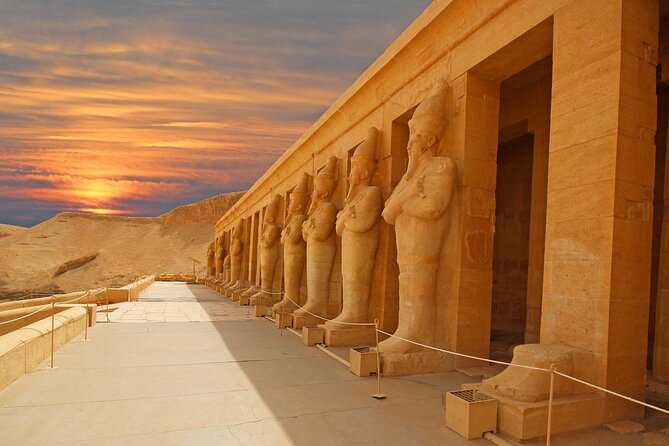
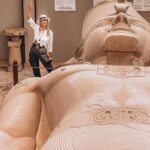
The Colossi of Memnon are the kind of landmark you recognize even if you’ve never been to Egypt before. These are two massive stone statues of Pharaoh Amenhotep III, standing at the front of the ruined mortuary temple. People often talk about them as sentinels—guards of the valley area—because they sit right there as the grand threshold.
This stop is shorter in the schedule, but it’s also high-impact. In a single day, these statues are useful because they give you a “breather landmark” between the deeper tomb and temple exploration. You can look, orient yourself, take a few photos, and then move on with a clearer mental map of the West Bank sites you’ve hit already.
Another practical upside: even if you’re tired, these are big and obvious. You don’t need to read every little plaque to know you’re in front of something extraordinary.

Karnak Temple: Amun, Mut, and the columns you feel in your chest
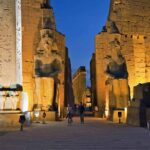
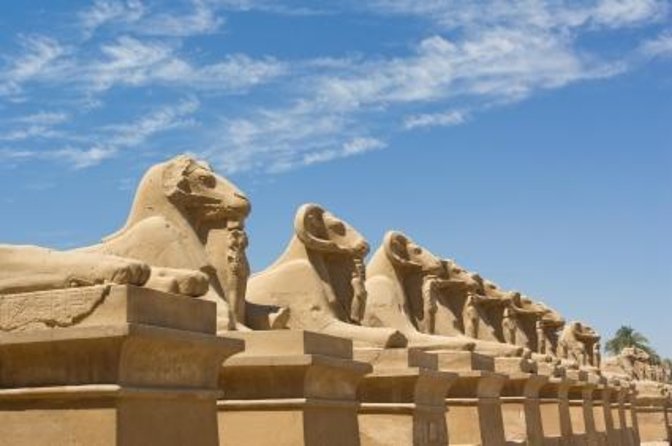
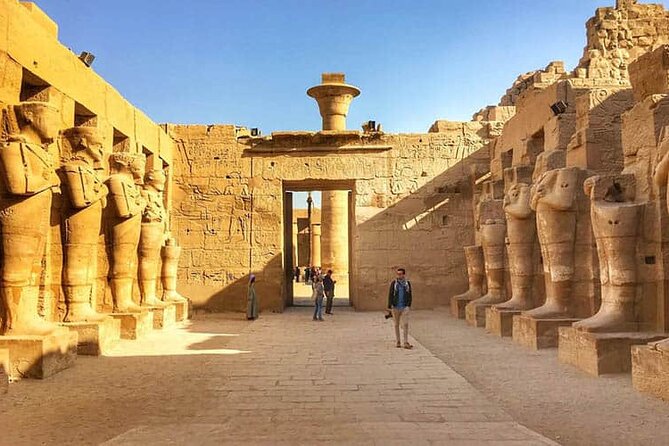
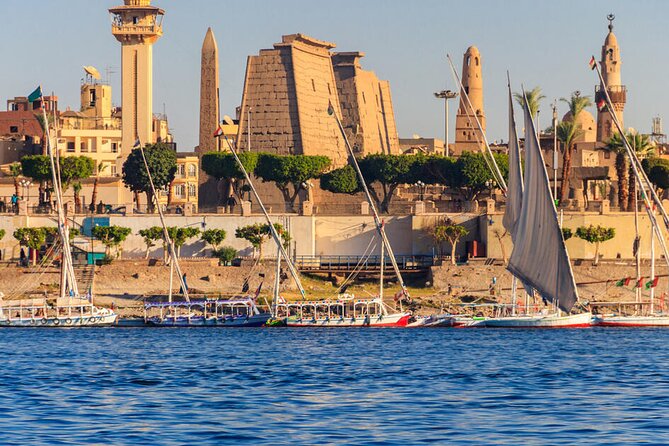
Karnak is why many people say Luxor is a must. This temple complex dates from around 2055 BC to around 100 AD, built as a cult temple dedicated to gods including Amun, Mut, and Khonsu. The sheer scale is a big reason it’s unforgettable—this is described as the largest building for religious purposes ever constructed.
Your visit here is about 2 hours, and it’s typically the stop that sticks hardest with people. One traveler highlighted the large columns as a favorite, and I get that. When you stand among towering columns, the place stops being “a monument” and becomes something closer to a feeling—space, power, and repetition.
Here’s where a private guide pays off. If your guide talks about Amun’s role (sun and air), Mut as the mother goddess, and how all of this fits into the New Kingdom rise, Karnak becomes easier to decode. You’re not just seeing carvings. You’re seeing a worldview.
Also, entrances aren’t included, so plan for ticket costs here too. And because Karnak can involve walking through multiple areas of the complex, stick to comfortable footwear and expect uneven stone.
Lunch in Luxor and those extra cultural stops
This tour includes lunch, which is a real quality-of-life win on a long day. It means you’re not trying to solve the “Where do we eat with a tight schedule?” puzzle in the middle of your sightseeing.
In real schedules, you might also find cultural add-ons—some people mention stops like a spice market or banana island as part of the broader day. I can’t promise those will be part of every departure, but it’s a good reminder that Luxor isn’t only monuments. If your guide suggests a quick local experience that doesn’t derail your main sites, it can be a fun way to break up the intensity of tomb and temple walking.
If you’re picky about food, use the included lunch as your anchor. That way you don’t end up hungry and cranky during the last flight segment of the day.
Price and logistics: what $99 buys you (and what to budget)
At $99 per person, this is priced like a bargain for a full day built around flight + a private Egyptology guide + hotel pickup + transfers. The value comes from the combination: you’re paying for time efficiency (flying) and interpretation (a guide), not just access to a list of sites.
But you should also budget for the obvious extras: entrance fees aren’t included, and tipping isn’t included either. Entrance costs can add up across Valley of the Kings, Hatshepsut, Colossi area, and Karnak, so factor that into your trip math before you arrive.
Another practical point: this day trip requires a moderate physical fitness level. That doesn’t mean you need to be an athlete, but it does mean you should be ready for walking, uneven ground, and time spent outdoors.
Finally, this experience depends on good weather. If conditions are rough, the tour may be canceled and offered a different date or a refund—so if you’re traveling around peak season, build in some flexibility when you can.
Who this Luxor day trip by plane is best for
I think this tour fits best when:
- you’re staying in Cairo and want the “Luxor highlights” without turning your vacation into a bus schedule
- you like history explanations and want your guide to connect the sites to the people who built them
- you prefer a private flow over group chaos
- you’re comfortable with an efficient day and want to sleep that night feeling like you actually used your time
It may be less ideal if you want to spend a full day (or more) at fewer sites. Luxor rewards lingering: sitting in the shade, re-watching the light change on temple walls, returning to the same spot to see it differently. This tour is built for doing a lot, so you’ll get depth through guidance and order—not through extra hours on site.
My take: should you book this one?
Yes, if you want Luxor’s biggest hits in a single day and you’re smart about the trade-offs. The strongest reason to book is the time math: flying plus hotel pickup lets you see Valley of the Kings, Hatshepsut, the Colossi of Memnon area, and Karnak without sacrificing your entire schedule.
I’d book with confidence if you care about good guiding. Many guides connected to this tour are described as friendly, humorous, and helpful with history—people even mention guides like Amin Haggag, Khalid/Khaled, and Said, plus a mention of Sayed Omar as a photographer. That kind of personal touch is exactly what makes a fast day trip feel complete instead of rushed.
Before you go, do two things: plan your entrance-fee budget, and message ahead if confirmation seems unclear. Then you’ll spend the day doing what you came for—walking through the chapters of ancient Egypt, in the right order, with less time lost getting there.
FAQ
How long is the Luxor private day trip from Cairo by plane?
The tour runs about 10 to 12 hours.
Are hotel pickup and airport transfers included?
Yes. You get pickup from your hotel and return, plus transfers by a private modern air-conditioned vehicle.
Are domestic flights included?
Yes. The itinerary includes Cairo to Luxor and Luxor to Cairo domestic flights.
Is a guide included, and is it private?
Yes. You’ll have a private qualified Egyptology guide, and it’s a private activity for your group.
Are entrance fees included?
No. Entrance fees are not included.
Is lunch included?
Yes. Lunch is included in the tour.
Is bottled water provided?
Yes. Bottled water is provided during the trip.
What about tipping?
Tipping is not included, so you’ll want to budget for it if you plan to tip.
What happens if weather is bad?
The experience requires good weather. If it’s canceled due to poor weather, you’ll be offered a different date or a full refund.