REVIEW · CAIRO
Private day trip to Cairo from Hurghada
Book on Viator →Operated by Zakharious Tours · Bookable on Viator
Cairo in one day is a big ask. This trip is interesting because you get a German-speaking Egyptologist guiding you through the Egyptian Museum, then jump straight to the pyramids and Sphinx at Giza. I especially like the smart pairing of museum context with the big monuments, so the day feels less like sightseeing and more like understanding.
The main consideration is the pace: you’re looking at an 18-hour day with a very early start and a long drive, so it helps to be okay with being on the move.
In This Review
- Key Points That Matter
- Why This Hurghada-to-Cairo Day Trip Feels Different
- The Long Desert Drive: When Comfort and Timing Count
- Entering the Egyptian Museum: 120,000 Objects, One Smart Start
- Giza Pyramids in Real Time: Cheops, Chephren, Menkaure
- Great Sphinx and Valley Temple of Khafre: Short Stop, Big Payoff
- Lunch and Breaks: Fueling a Very Tight Schedule
- Price and Value: What $221 Covers (and What It Doesn’t)
- Guides and Group Size: The Real Secret Sauce
- Smart Packing and Timing Tips for a Smooth Cairo Day
- Should You Book This Cairo Day Trip from Hurghada?
- FAQ
- How long is the private day trip from Hurghada to Cairo?
- What are the main stops on the tour?
- What’s included in the price?
- What is not included?
- Is the tour guide German-speaking?
- Is admission included for the major sites?
Key Points That Matter

- German-speaking Egyptologist all day: you’re not left guessing at what you’re seeing.
- Museum first, then Giza: you get context before the pyramids hit.
- Small-group feel: you’re often just a few people, which keeps things calmer.
- Good pacing for first-timers: enough time to look closely without turning it into a marathon sprint.
- Lunch included, drinks not: plan for hydration and budget for extras.
Why This Hurghada-to-Cairo Day Trip Feels Different
A Cairo day trip from Hurghada can easily turn into a rushed checklist. What makes this one work is the way it’s built for clarity: you start with the Egyptian Museum, then you head to Giza while the ideas from the museum are still fresh in your head.
I like that your guide is an Egyptologist who speaks German. You’ll hear explanations tied to what you’re actually looking at: Old, Middle, and New Kingdom artifacts, plus the famous King Tutankhamun exhibit. That means you’re not just admiring objects; you’re getting the story behind them.
If you’re doing Cairo for the first time, this is also the right kind of “limited time” plan. You won’t have hours for everything, so the value is in choosing the strongest hits: the museum, the pyramids of Giza, and the Sphinx with Khafre’s Valley Temple.
One more thing: expect a real early start. In past outings, pickup has been reported around 2 a.m., which is brutal if you’re not a morning person. But it also helps you get through the day when crowds may be lower and the schedule still stays sane.
You can also read our reviews of more tours and experiences in Cairo.


The Long Desert Drive: When Comfort and Timing Count
This tour is built around getting you from Hurghada to Cairo by air-conditioned vehicle, and you’ll travel a route along the Red Sea before you swing into desert scenery. That’s a long stretch, so comfort matters, and the fact that the vehicle is air-conditioned is a big plus when you’re moving early and you’ll be exposed to heat later.
You should also understand the structure of the day: it’s not a casual outing. It’s an all-day push with a tight timeline, so you’ll want to treat it like an expedition day, not a sightseeing stroll.
A few practical notes that help:
- Bring a light layer even if it’s warm. Early mornings can feel cooler.
- Plan for limited bathroom opportunities on the road, since you’re in long-distance transport.
- Pack small snacks only if you’re comfortable with the rules of the day. Lunch is included, but drinks aren’t.
From the experience setup, it’s clear they’re aiming for a “get there safely, get it done well” approach. That safety-and-organization feeling shows up in how consistently people describe smooth planning and punctuality.
Entering the Egyptian Museum: 120,000 Objects, One Smart Start
The first real stop is the Egyptian Museum (also called the Museum of Egyptian Antiquities). You’re given time to see the museum’s scale—over 120,000 art objects—but you’re not left alone to wander for hours.
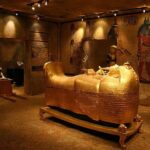
You’re there for the big story arcs. The visit includes artifacts from the Old, Middle, and New Kingdoms, and you’ll also spend time on the King Tutankhamun exhibit. This is where a guide makes a noticeable difference. Without context, a museum can feel like rooms of stuff. With context, you start to see patterns: how royal power is represented, how styles change over time, and what different object types were used for.
The schedule sets aside around 2 hours for the museum. That’s enough for a focused route, especially if you’re aiming to understand what you see rather than try to see everything. The downside is obvious: you won’t cover the full museum collection. This is a highlight route, and that’s usually the right move when your day is otherwise dominated by travel.
What to watch for (so you don’t miss your money’s worth):
- If you’re interested in pharaohs and burial practices, keep an eye out for how funerary symbolism is presented across periods.
- If King Tut is your personal hook, prioritize that area early so you’re not stuck later when fatigue hits.
Giza Pyramids in Real Time: Cheops, Chephren, Menkaure
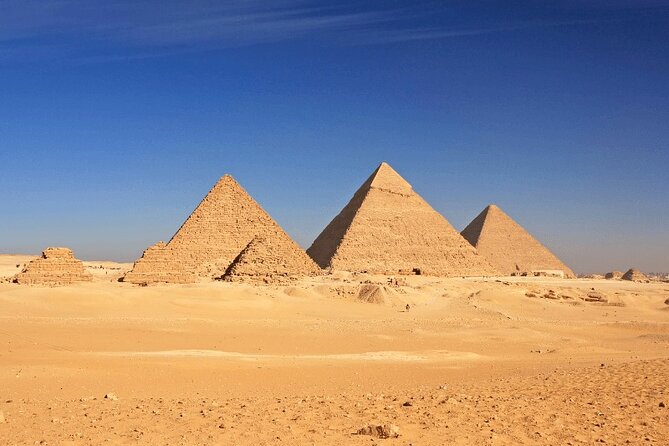
After the museum, you head to Giza for the pyramids. This stop is about the immediate impact—and the details you can actually process with only a couple hours.
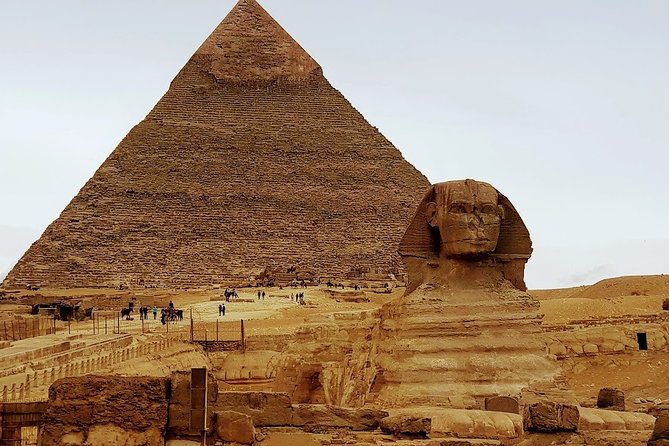
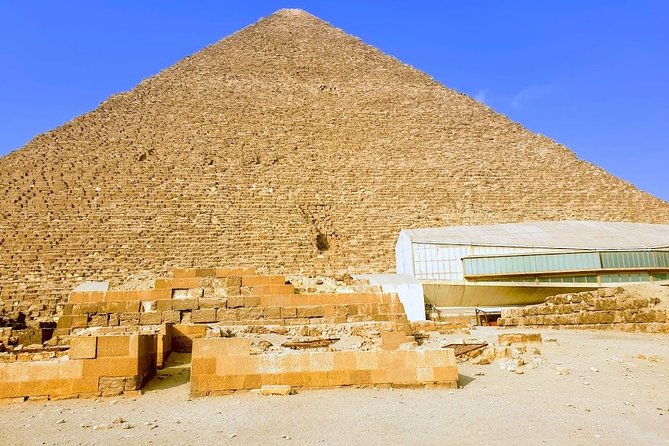
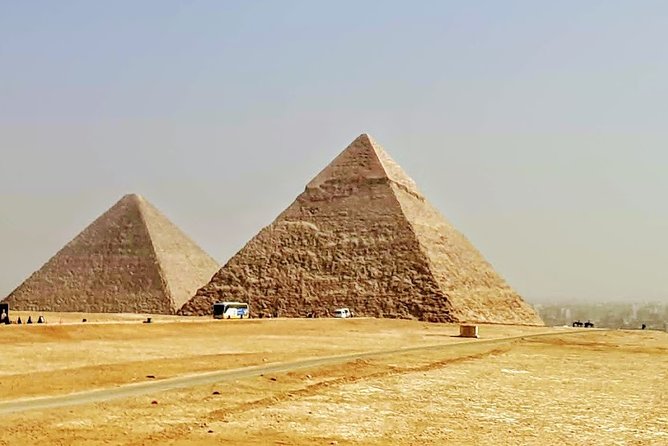
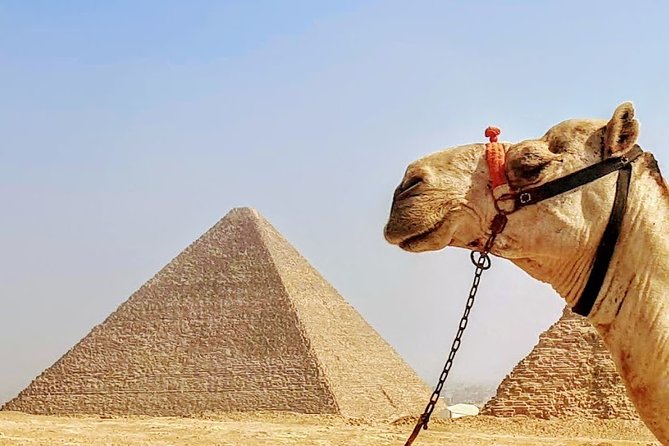
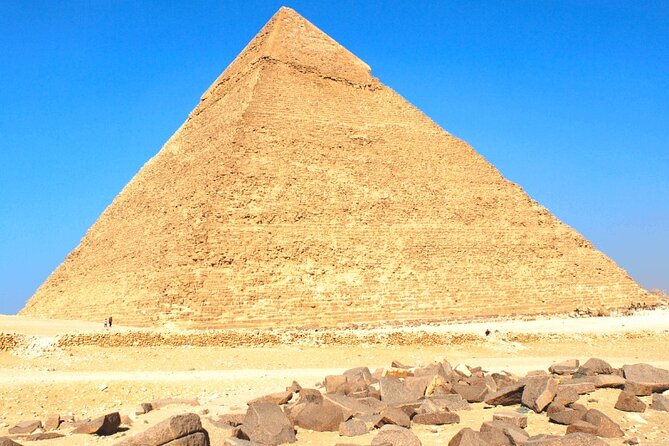
You’ll visit the pyramids of Cheops, Chephren, and Mykerinos (Menkaure) and explore the Giza Plateau. The pacing matters here. Two hours is not enough for a full “every corner, every angle” trip, but it’s long enough to do the essential circuit and still pause to take in the geometry, scale, and positioning.
One reason this timing works is that the museum first gives you a foundation. When you stand in front of these structures, you’re more likely to connect them to what you saw earlier about Egyptian beliefs in kingship and the afterlife. Even if you only remember a couple key points from the guide, it can completely change your experience.
You should also know what’s excluded. Ticket add-ons for the coffin of the Cheops pyramid and the mummy halls are not included. If those areas matter a lot to you, plan for the extra cost and time. If they don’t, you can still have a strong day without them.
Photo tip that’s practical, not fancy: choose one or two “must-shots” and one “slow look” moment. When the day is long, that’s how you avoid leaving Giza feeling like you were only passing through.
Great Sphinx and Valley Temple of Khafre: Short Stop, Big Payoff
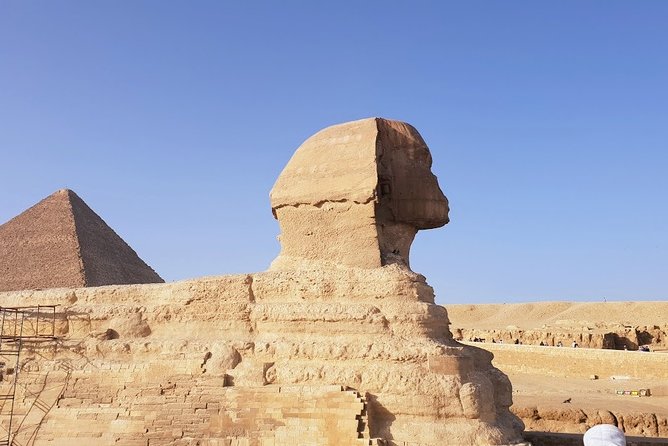
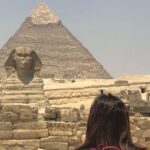
Next comes the Great Sphinx and the Valley Temple of Khafre. The scheduled time is about 30 minutes, which sounds short until you realize these are compact, iconic zones. This is one of those cases where short time can be perfect, as long as you’re not expecting a deep architectural tour.
The Sphinx is an image you’ve probably seen a hundred times. Seeing it in person is different. Up close, you’ll notice how weathering affects the stone and how the site sits in relation to the surrounding plateau.
Then there’s the Valley Temple of Khafre. Even with limited time, it gives you a second angle on Khafre’s story. You’re not just viewing a face; you’re seeing part of the funerary landscape linked to the pyramid complex.
The main consideration is stamina and movement. Thirty minutes can fly by if you’re trying to read every carved detail. Instead, do this:
- Pick one moment for the Sphinx (a slow look from a good angle).
- Spend the rest of the time moving with purpose toward the temple area and getting your bearings for photos.
This stop is fast by design, so it’s ideal for first-timers who want the strongest sights without draining the whole day.

Lunch and Breaks: Fueling a Very Tight Schedule
Lunch is included, which is a big part of why this trip works for most people. When you’re doing an 18-hour day, not having to hunt for food is more than convenience—it’s energy management.
Drinks at the restaurant are not included, so if you’re heat-sensitive, plan accordingly. Bring a refillable bottle for earlier parts of the day if you can. That way you’re not stuck waiting for lunch to get water.
This is also where you decide how you’ll handle the pace. If you want a calmer day, you’ll be tempted to eat slowly. Try to keep lunch steady and practical. Your best Cairo moments are still ahead, and fatigue can sneak up quickly when you’re up early.
Price and Value: What $221 Covers (and What It Doesn’t)
At $221 per person, the value here comes from the full package: round-trip transport from Hurghada by air-conditioned vehicle, lunch, and guided visits to the Egyptian National Museum plus the pyramids and Sphinx.
This isn’t a cheap “hop in, see a few photos” outing. It’s priced like a real day plan with a specialist guide and a full schedule. If you compare it to piecing together Cairo transport plus a private guide plus museum logistics, it starts to look more reasonable.
What’s not included:
- Drinks during lunch/at the restaurant
- Tips
- Personal expenses
- Ticket add-ons such as the coffin of the Cheops pyramid or mummy halls
So how do you judge if it’s worth it for you? Ask yourself these questions:
- Do you want an Egyptologist guiding the meaning behind what you see? If yes, this price makes more sense.
- Can you handle a long day and early pickup? If no, you may feel like you spent your energy traveling rather than appreciating Cairo.
- Do you care about those extra coffin/mummy-hall areas? If you do, budget extra time and money.
Guides and Group Size: The Real Secret Sauce
People consistently praise the human side of this day trip: friendly drivers, smooth organization, and a guide who can handle questions without rushing.
Names that have shown up in past groups include Markus, Ebrahim E., and Mohammad, all described as German-speaking and helpful. That matters because Cairo can be overwhelming. A guide who can translate the city into stories and explain what you’re seeing turns stress into focus.
Group size is another quiet advantage. Even though it’s described as a private day trip, there have been moments where it functioned as a small group (for example, when only a few travelers joined). That tends to mean fewer bottlenecks and more flexibility for your pace.
A practical tip: bring a short list of priorities. If your top goals are museum artifacts or the pyramids specifically, tell the guide early. You’re more likely to feel like the day fits you rather than feeling like you’re following a rigid script.
Smart Packing and Timing Tips for a Smooth Cairo Day
Because this tour is built around a tight schedule, your preparation can make or break your comfort. Keep it simple and useful:
- Wear comfortable shoes. You’ll be walking at the museum and moving around at Giza.
- Bring a hat and sunscreen for Giza. Even on “cooler” days, the sun can feel intense.
- Plan hydration. Drinks at lunch are not included.
- Expect an early pickup. If you sleep lightly, set multiple alarms or ask your hotel to confirm the pickup time.
Moderate physical fitness is recommended. That doesn’t mean you have to be an athlete, but you should be ready for sustained walking and uneven surfaces around historic sites.
Also, if you’re the kind of person who hates being rushed, focus on mental pacing: look, breathe, then take photos. If you try to do all three at once, your day can feel frantic.
Should You Book This Cairo Day Trip from Hurghada?
If you’re a first-time visitor and you want Cairo’s biggest icons in one focused day, I think this is a strong option. You get the right sequence—museum context first, then the pyramids and Sphinx—and the guide support can make the sights feel meaningful rather than overwhelming.
You should think twice if:
- You don’t handle early starts or long drives well.
- You’re hoping for a slow, in-depth museum wandering day.
- You want included access to add-on ticket areas like mummy halls or the coffin experience. Those cost extra.
Overall, this is best for travelers who want efficient sightseeing with expert interpretation, and who are okay with turning one day into a full Cairo experience.
FAQ
How long is the private day trip from Hurghada to Cairo?
It’s listed at about 18 hours (approx.).
What are the main stops on the tour?
You’ll visit the Egyptian National Museum, the Pyramids of Giza, and the Great Sphinx plus the Valley Temple of Khafre.
What’s included in the price?
Included are an air-conditioned vehicle, lunch, visits to the pyramids and Sphinx of Giza, and the Egyptian National Museum.
What is not included?
Drinks at the restaurant, tips, personal expenses, and extra additions not mentioned in the process are not included. Tickets to the coffin of the Cheops pyramid or the mummy halls are also not included.
Is the tour guide German-speaking?
Yes. You’ll be accompanied throughout by a German-speaking Egyptologist.
Is admission included for the major sites?
The schedule lists admission tickets as free for the museum, pyramids, and the Sphinx/Valley Temple stop.