REVIEW · MIYAZU
Kyoto: Miyama Village, Amanohashidate & Ine Bay Day Trip
Book on GetYourGuide →Operated by TAIHOU CO,LTD · Bookable on GetYourGuide
Two bays, one pine-covered dragon sandbar, and a thatched dream. This day trip strings together Ine Bay’s funaya boat houses with the iconic Amanohashidate and the storybook village of Miyama.
I really like how this trip gives you “real Japan,” not just postcard stops. I especially enjoy Ine Bay’s water-level life in the 230 traditional funaya homes, and I love the combo of Amanohashidate’s big views plus the temple and shrine stops that make it feel meaningful.
One thing to plan for: it’s a long day with lots of walking at scenic spots, plus you should expect some extra, self-paid costs (cable car/ropeway and possibly a boat ride).
In This Review
- Key takeaways before you go
- Why this Osaka-to-Kyoto day trip actually makes sense
- Ine Bay and the funaya boat houses: seeing homes built for tides
- Amanohashidate: the dragon sandbar plus temple-and-shrine meaning
- Temples and shrines: academic success, cleansing, and a rotating bridge
- Beach time: where you control the pace
- Miyama Kayabuki-no-Sato: thatched houses and snow-smart design
- What you’re looking at (and why it’s impressive)
- Café break and preserved interiors
- How the schedule feels: fast transfers, staged stops, and timing pressure
- Money, extras, and what to bring so you’re not stuck
- Guide quality makes the difference: Liu San, Cave, and multilingual flow
- Who should book this tour, and who should skip it
- Should you book Kyoto: Miyama Village, Amanohashidate & Ine Bay?
- FAQ
- Where is the meeting point?
- How long is the tour?
- What is included in the price?
- What is not included?
- Are there self-paid activities?
- Is lunch provided?
- What should I bring?
- Is the tour suitable for people with mobility impairments?
- How will I get details about the guide and driver?
- What languages does the tour guide speak?
Key takeaways before you go
- Ine Bay’s funaya boat houses: you’re not just looking at water—you’re seeing homes built right above it
- Amanohashidate from multiple angles: sandbar views, temples, shrine rituals, and beach time
- Thatched-house craftsmanship at Miyama: you’ll learn what makes the architecture work in heavy snow
- A guide who handles languages smoothly: Liu San (and others) keep the group moving and explain clearly in English/Japanese/Traditional Chinese
- Extra fees are likely: cable car/ropeway and optional add-ons can add up
- Bring cash and comfy shoes: some places take cash only, and you’ll stand and walk more than you expect
Why this Osaka-to-Kyoto day trip actually makes sense
This tour is built for people who want Kyoto scenery without spending a night in Kyoto. You start early from the Namba/Shinsaibashi area, then ride in a comfortable, air-conditioned coach with a guide who speaks English/Japanese/Traditional Chinese. That means you can focus on the sights instead of juggling trains, transfers, and schedules.
The price (about $63 per person) is the main value story. You’re paying for round-trip transportation from central Osaka plus guided time at three big destinations. What you don’t get included is the kind of stuff that varies—like lunch and personal expenses—so your cost stays predictable if you plan ahead.
The itinerary is also realistic: you get guided context where it matters, and then you get free time so you can photograph, browse, or just sit. That balance matters on a day trip, because the “fast and furious” style usually leads to missed details.
You can also read our reviews of more tours and experiences in Miyazu.
Ine Bay and the funaya boat houses: seeing homes built for tides
Ine Bay is the kind of place that makes you slow down without trying. The star is the funaya: about 230 traditional boat houses that sit right over the sea. They aren’t museum props. Locals still live in these water-facing homes, so the whole bay feels like a working shoreline, not a staged scene.
On arrival, you get photo time and a guided walk through the area. You’ll likely notice how the village layout follows daily life: sea work first, everything else around it. Even if you only get part of the experience from land, it’s still special because you can see the homes at water level and understand why they evolved this way.
One of my favorite details here is the two-story design. The first floor can be used to store fishing boats, while the second floor becomes the lived-in space. That practical setup is the kind of local engineering you won’t pick up from a quick look at a brochure.
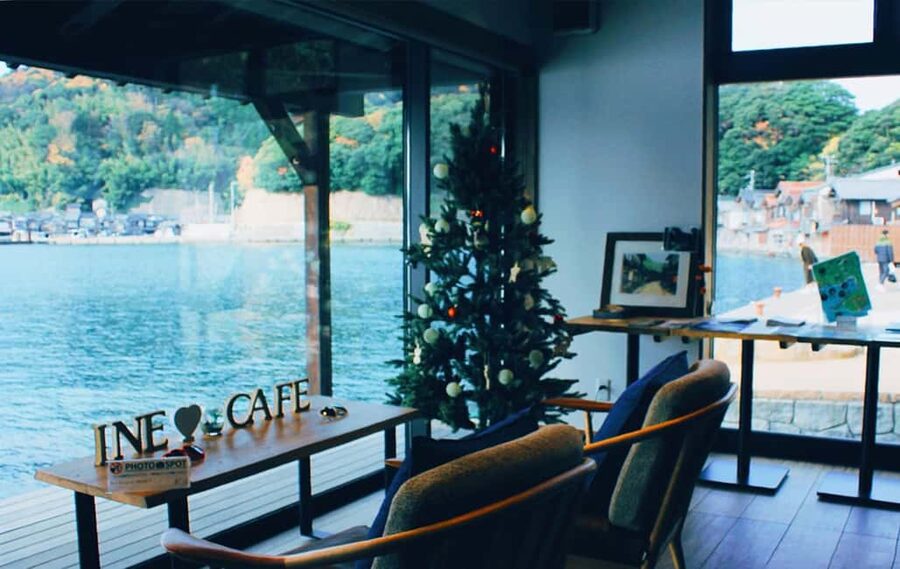
You’ll also have a chance for a break with bay views—think seaside café time. If the weather is clear, the water turns into a mirror for the shoreline, and your photos will look like you planned them. If the weather is cloudy, you’ll still get that quiet, coastal mood.
Optional add-ons can enhance Ine Bay even more. In particular, people talk about an Ine Bay boat cruise with seagulls, and one reviewer specifically mentioned a bird-feeding-style moment that made the cruise feel playful rather than touristy. Just remember: boat and other extras are not bundled into the base price.
Amanohashidate: the dragon sandbar plus temple-and-shrine meaning
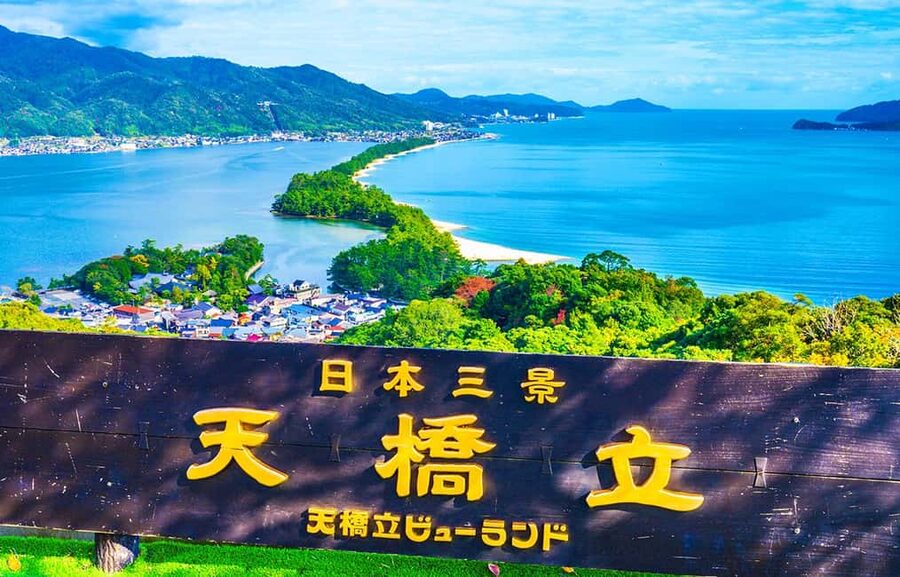
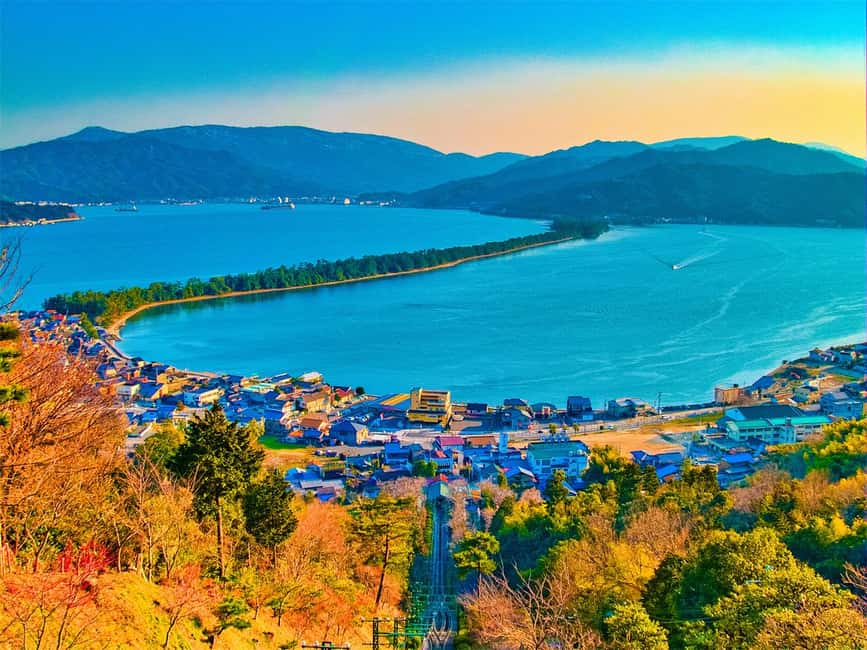
Next comes Amanohashidate, and yes, it’s famous for a reason. This 3.6-kilometer sandbar stretches across the bay like a green dragon, lined with more than 8,000 pine trees. It’s a long view, not a quick snapshot view, and that’s why you should plan to look in stages—front, center, then farther out.
You’ll also see why this area gets called the bridge to heaven: it’s shaped for perspective. From the ground, you understand the sweep. From an elevated viewpoint (the cable car is self-paid), you get the full composition—what the whole sandbar does across the water.
People get excited about the ropeway/cable car because it changes your photos instantly. One group member called it their favorite part of the trip, and others mentioned the self-paid cost as an extra to budget. Either way, if you’re weighing whether the cable car is “worth it,” this is one case where height actually earns its money.
There’s also a fun good-luck ritual if you want something memorable beyond scenery. At Amanohashidate, you can try the traditional method of viewing the sandbar upside down between your legs for good fortune. It’s silly for about five seconds, then suddenly it’s the kind of Japanese moment you’ll remember later.
Temples and shrines: academic success, cleansing, and a rotating bridge
Amanohashidate isn’t only pretty—it has spiritual stops that give the day more weight.
You’ll visit Chion-ji Temple and Monju-do Hall, sacred places associated with praying for academic success. If you’re traveling with teens or you’re the type who likes “why this place matters,” this stop helps explain the local mindset, not just the postcard image.
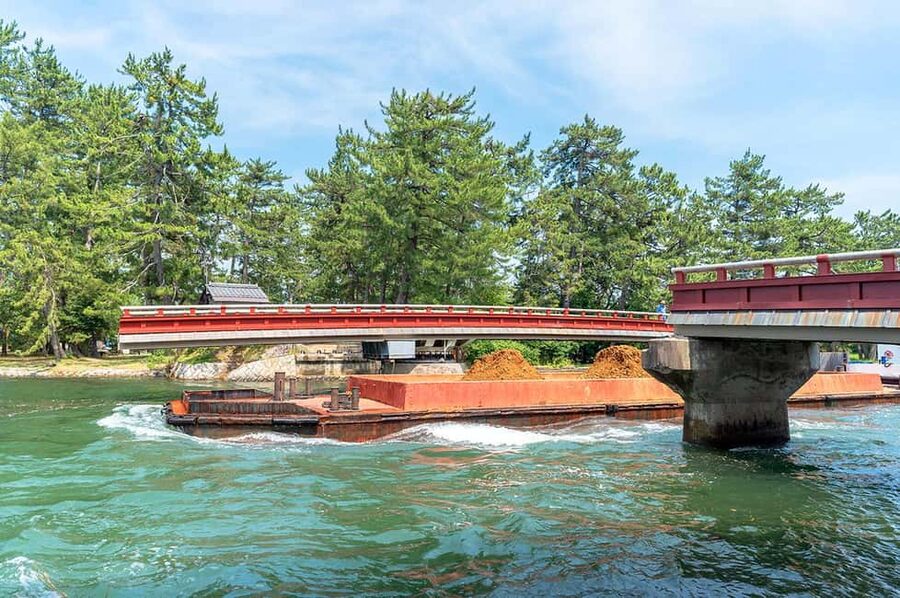
You’ll also have chances to see a rotating bridge as it turns to let ships pass. That’s one of those “only here” sights—simple mechanics, but it feels rare and fun.
Then there’s the shrine area with Amanohashidate Shrine and the Isoshimizu Spring, which is listed among Japan’s top 100 natural waters. The ritual detail is important: wash/cleanse your hands before making a wish. It’s quick, but doing it correctly makes the stop feel authentic rather than rushed.
Beach time: where you control the pace
Between guided moments, you get free time at Amanohashidate Beach. This is good breathing room. If the group is moving quickly elsewhere, the beach is where you can slow down—watch boats, take photos from a different angle, or just sit for a while.
One practical note: if you tend to get overly focused on “covering everything,” set yourself a plan here. Decide your top photo angle, then enjoy the rest instead of chasing every viewpoint.
Miyama Kayabuki-no-Sato: thatched houses and snow-smart design
The final stop is Miyama Kayabuki-no-Sato, set in Kyoto’s northern mountains. This is where the day goes from seaside drama to quiet countryside.
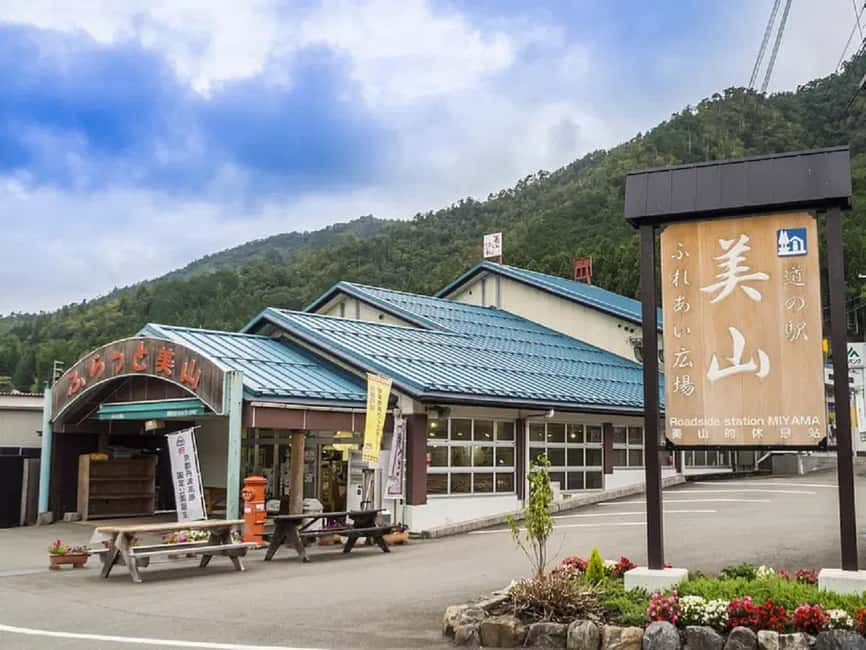
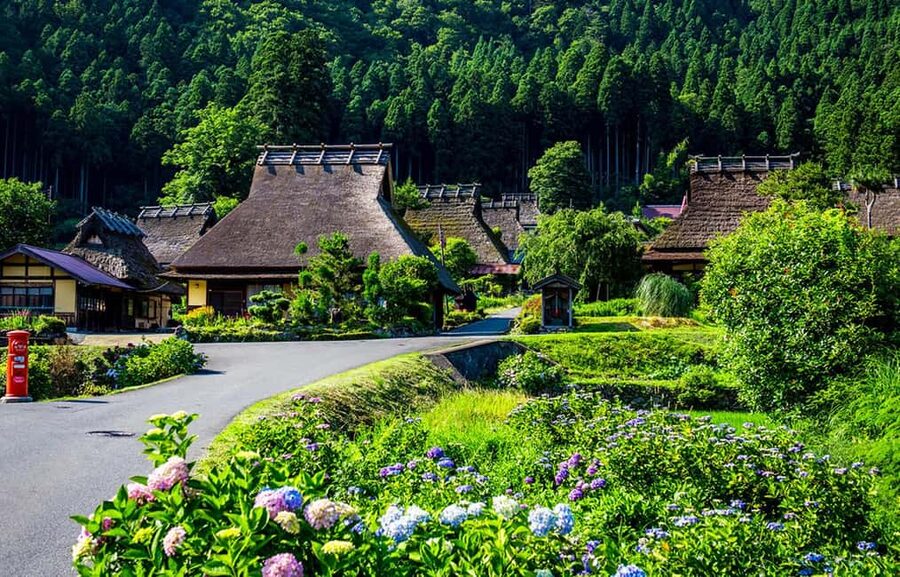
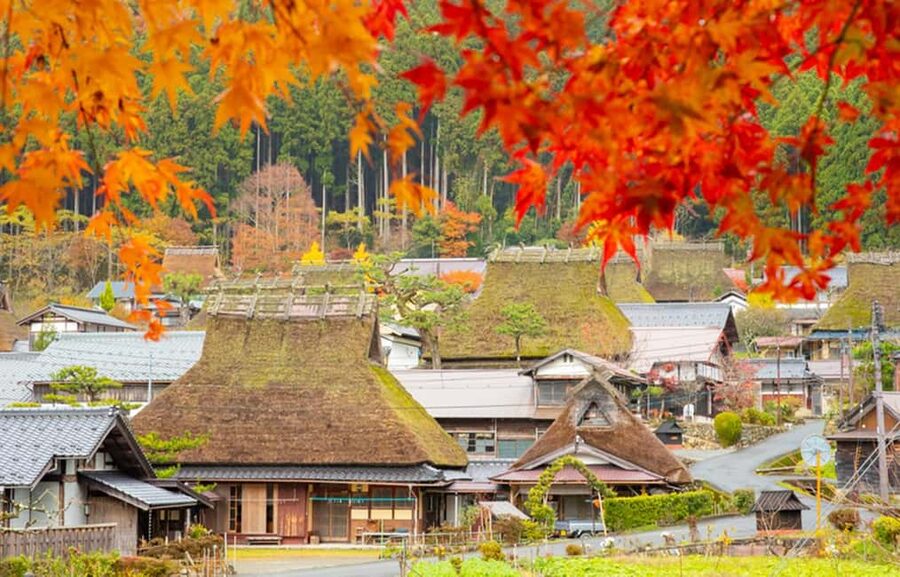
Miyama is known as one of Japan’s three remaining thatched-roof villages, with more than 40 Edo-period style houses. The roofs, the beams, the layout—everything looks built for weather, not just views. If you’re tired of crowds, this village is a relief. You’ll feel the difference the moment you enter: smaller scale, calmer pace, more “hang around” energy.
What you’re looking at (and why it’s impressive)
During your guided time, you’ll learn about the construction pieces that help these houses survive winter. The crisscrossed beams called chigi aren’t just decoration—they’re part of the structure’s long-standing design logic. The snow-cutting rods called yukiwari help manage heavy snow conditions.
That architectural detail is what makes Miyama more than a pretty backdrop. It’s rural engineering you can actually understand with a guide’s explanation.
Café break and preserved interiors
There’s also time for a café stop at Café Gallery Saika, where people mention creamy local ice cream. It’s an easy reward after walking.
You can also explore artifacts of traditional rural life and peek inside a preserved thatched house. Even if you’re not a “history” person, this interior look is where the village makes sense. You start seeing how people lived day to day—storage, layout, and how family life fit into a simple structure.
The village photo stop and the guided tour are fairly short, so you’ll want to move at a comfortable pace: look first, then read the details, then decide what to linger on.
How the schedule feels: fast transfers, staged stops, and timing pressure
This is a 10-hour day trip. That’s long enough that you should treat it like a full outing, not a “quick” culture sampler.
You’ll spend significant time on the road. The early departure (meeting around 7:05, leaving about 7:20) means you’ll be settling in on the coach while Osaka is still waking up. The upside is you avoid much of the mid-day chaos at the big scenic sites.
What keeps it from feeling chaotic is the structure: each destination has a guided segment plus photo time, and there’s free time at key spots. The pace is designed so you can enjoy multiple settings in one day:
- Ine Bay for coastal village atmosphere
- Amanohashidate for panoramic nature + temples/shrine
- Miyama for thatched village craft and slow countryside time
Still, it’s worth being honest about timing. Some people felt the last two stops could use a bit more time, especially if you love photography or you enjoy chatting with locals/café stops. On a shared group tour, the schedule keeps everyone aligned, so you’re basically trading depth for variety.
Two practical ways to make this work for you:
- Prioritize one “must-do” add-on (if you’re paying for it) so you don’t regret later.
- At each stop, pick one angle and one activity first—then let the rest happen naturally.
Money, extras, and what to bring so you’re not stuck
You should plan your spending around what’s included vs what’s not.
Included:
- English/Japanese/Traditional Chinese-speaking tour guide
- Comfortable bus transport
- Parking fee
Not included:
- Lunch
- Personal expenses
Extras to expect:
- Cable car/ropeway at Amanohashidate is self-paid
- Some people also budget extra for an Ine Bay boat ride
Also: cash is smart. The tour information recommends bringing cash because some scenic spots, restaurants, and other places may only accept cash payments. That’s especially helpful in smaller areas where card systems can be patchy.
Bring:
- Comfortable shoes (you’ll walk outside and stand for views)
- Sunglasses (water and bright sandbar glare can be strong)
- Camera
- Weather-appropriate clothing
One more detail that’s easy to overlook: avoid feeding animals. It’s listed as not allowed, and it’s also one of those rules that helps protect wildlife and keeps the village environment respectful.
And yes, you should be cautious of eagles in the area. That’s not something you can control, so treat it like normal wildlife awareness: don’t panic, just stay mindful and follow guide guidance.
Guide quality makes the difference: Liu San, Cave, and multilingual flow
On group tours, the guide can either make the day smooth—or feel like you’re constantly checking your watch. This one tends to score well because the guide experience is front-and-center.
In recent experiences, Liu San showed up in multiple accounts as a helpful, experienced guide. People praised how he kept the schedule on track while still giving enough time in each place. One reviewer even noted his language switching between languages in a smooth way, which matters because you’ll hear explanations without getting lost in translation.
Another guide name that surfaced is Cave, mentioned as speaking Mandarin and English well and coordinating information quickly and clearly. The shared theme is communication quality: you get overviews, you get practical reminders, and you don’t spend the day guessing.
Guides also act like traffic controllers during free time. More than once, feedback highlighted how the guide helps people plan for departure times and keeps everyone oriented about what’s next. That’s a big deal on an early-start, multi-stop day trip.
If you care about photos, you’ll also appreciate that some guides are active about helping with photo angles and timing. That doesn’t guarantee great shots, but it reduces the “I didn’t know where to stand” problem.
Who should book this tour, and who should skip it
This day trip is a strong fit if you want:
- Coast and countryside in one day
- Famous scenic nature plus temple/shrine stops
- A comfortable ride from central Osaka with a guide handling the explanations
- Photography opportunities across sea, sandbar, and thatched village scenes
- A break from Osaka’s pace without planning trains yourself
It’s especially good for solo travelers and small groups because the schedule is pre-planned and the guide keeps things organized.
You should skip it if:
- You have mobility impairments, since the tour is listed as not suitable for that
- You prefer a slow, unstructured day where you can spend hours in one place (this tour spreads time across three areas)
Also, consider what you’re pairing after the tour. Delays can happen due to bad weather, traffic, or holiday/crowding conditions. Plan no tight connections right after you’re back.
Should you book Kyoto: Miyama Village, Amanohashidate & Ine Bay?
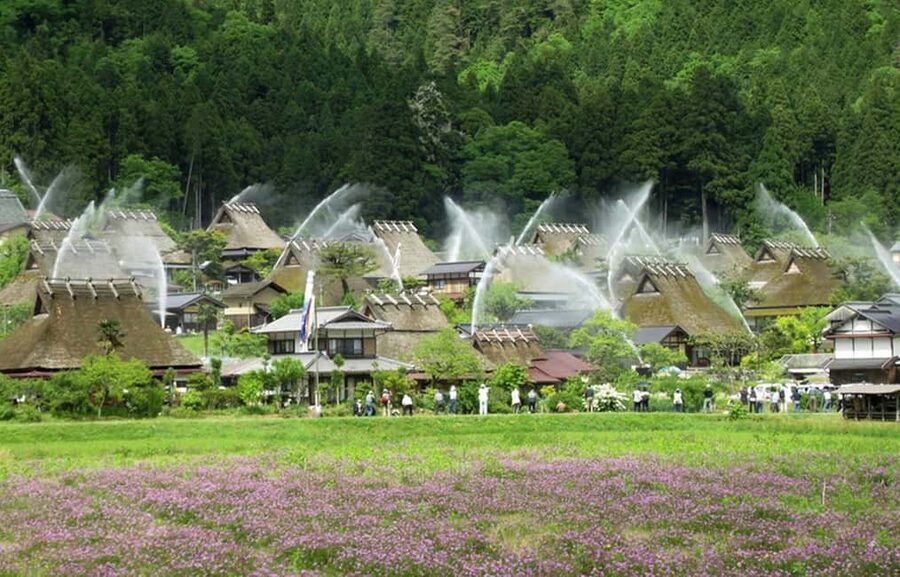
I’d book this if your goal is variety with guidance and you want to see three major landscapes without rail planning. The value is real because you’re not just paying for transport—you’re paying for someone to explain what you’re looking at, from funaya life to Amanohashidate’s rituals to the snow-smart thatched construction in Miyama.
I’d hesitate if you want maximum time per site, or if you dislike extra payments for viewpoint access and optional boat rides. This is a full-day format. You’ll get a lot in 10 hours, but you won’t get the slow, lingering deep experience you might want if Miyama is your top priority.
If you can handle a packed day, bring cash, wear comfy shoes, and pick your must-do add-ons in advance, this one can feel like a full-on Kyoto taste test—plus a calmer countryside finish.
FAQ
Where is the meeting point?
You meet at Nipponbashi Station Exit 2 (Namba Shinsaibashi area), at 1-chōme-3-6 Nipponbashi, Chuo Ward, Osaka, 542-0073. You meet at 7:05 AM and depart at 7:20 AM.
How long is the tour?
The tour duration is 10 hours.
What is included in the price?
It includes an English-Japanese-Traditional Chinese speaking tour guide, comfortable bus transport, and the parking fee.
What is not included?
Lunch and personal expenses are not included.
Are there self-paid activities?
Yes. The cable car/ropeway ride to Amanohashidate’s viewpoint is self-paid.
Is lunch provided?
No, lunch is not included.
What should I bring?
Bring comfortable shoes, sunglasses, a camera, cash, and weather-appropriate clothing.
Is the tour suitable for people with mobility impairments?
No. The tour is listed as not suitable for people with mobility impairments.
How will I get details about the guide and driver?
You’ll receive an email the evening before the tour with important details, including guide and driver information. It may go to spam/junk, so check there too.
What languages does the tour guide speak?
The guide speaks English, Japanese, and Traditional Chinese.