REVIEW · KYOTO
Kyoto and Nara Day Trip from Kyoto
Book on Viator →Operated by JTB Global Marketing & Travel Inc. · Bookable on Viator
A full day of Japan’s old-world icons. This Kyoto and Nara trip is a smart hit-list day: you’ll see Nijo Castle and Kinkaku-ji in the morning, then shift south to Nara for Todai-ji and Kasuga Shrine. Two things I really like are the air-conditioned transport between stops and the way an English-speaking guide ties together the stories behind each site.
The main trade-off is time. This is a 10 to 11 hour day with multiple major attractions, so you need to enjoy quick, high-impact moments rather than slow wandering at every gate.
In This Review
- Key Highlights Worth Your Time
- A Fast, Air-Conditioned Way to Hit Kyoto and Nara’s UNESCO Stars
- Entering Nijo Castle: Tokugawa Power and the Shoe-Off Rule
- Golden Pavilion Time at Kinkaku-ji (and Why the Pond Matters)
- Kyoto Imperial Palace Grounds: Shishin-den and a Real Sense of Ceremony
- Kasuga Grand Shrine Lanterns and Nara Park’s Messaging System
- Todai-ji and the Great Buddha Hall: Scale You Feel in Person
- The Day’s Pace: When Timing Helps and When It Feels Rushed
- Guides That Make the Stops Click (KC, Momo, Yuki, and More)
- Lunch Options, Dietary Limits, and What to Do If You Skip It
- Price and Value: Is $194.85 a Fair Deal for This Much Ground?
- Plan B for Palace and Castle Closures
- Who This Tour Suits Best (and Who Might Want to DIY)
- Should You Book This Kyoto and Nara Day Trip?
- FAQ
- How long is the Kyoto and Nara day trip?
- What’s included in the price?
- Is there air-conditioned transportation?
- What happens if the Kyoto Imperial Palace is closed?
- What’s the Nijo Castle backup plan if it’s closed?
- Where does the tour start and end?
Key Highlights Worth Your Time
- UNESCO sites back-to-back across Kyoto and Nara, with admission handled on the plan
- Nijo Castle and Golden Pavilion early in the day, when you’re more likely to enjoy them at a calmer pace
- Todai-ji’s Great Buddha Hall for the kind of scale that feels bigger than photos
- Kasuga Shrine lanterns and a strong link to Nara Park
- English guide humor and clarity, with guide names like KC, Momo, and Yuki showing up often in feedback
- Deer park payoff, plus the chance to photograph right after the big temple stops
A Fast, Air-Conditioned Way to Hit Kyoto and Nara’s UNESCO Stars
If you want Kyoto and Nara in one day, this style of tour works because it removes the hardest part: figuring out transportation while juggling shoe rules, temple crowds, and changing schedules. The bus portion is air-conditioned, and the route is built around major sites with set timing so you’re not stuck timing trains and buses all day.
You’ll get a clear day flow too. You start in Kyoto with two heavy-hitters—Nijo Castle and Kinkaku-ji—then you head toward Nara to see the biggest Buddha complex in town. In between, you also get a look at Kyoto’s imperial legacy and Nara’s shrine culture.
The catch is expectation setting. If you like lingering 2–3 hours at each place, you’ll feel the pressure of a schedule. If you like learning just enough to make each stop land, you’ll probably find the pace energizing.
You can also read our reviews of more tours and experiences in Kyoto.
Entering Nijo Castle: Tokugawa Power and the Shoe-Off Rule
Your first big cultural hit is Nijo Castle, a World Heritage site completed in the early 1600s. It was home to the Tokugawa shogun before the mid-1800s, and the design is intentionally dramatic: a solemn outer feel paired with intricate interior details. That contrast is exactly what makes this stop click.
Practical tip: plan for shoe removal. One review notes you have to take off shoes at Nijo Castle, so bring socks you don’t mind walking in. If you’re wearing thin socks, consider packing a clean pair just for this day.
This stop is also a good opener because it sets up the day’s theme: how political power and religion shaped the built world in old Japan. You’ll see how the castle relates to the broader Kyoto Imperial Palace presence, even though the imperial sites aren’t the first thing you tour.
Timing-wise, you get about 50 minutes here with admission included, so don’t expect to “exhaust” the interior. Expect to appreciate the big ideas and key spaces.
Golden Pavilion Time at Kinkaku-ji (and Why the Pond Matters)
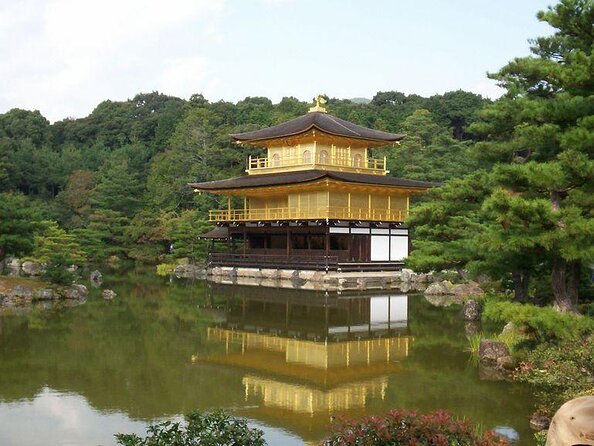
Next comes Kinkaku-ji, the temple most people picture when they think of Kyoto. The highlight is the Golden Pavilion, sheathed in gold leaf and built as a three-story structure beside a pond. The photography angle isn’t accidental; the pond helps you capture the pavilion’s reflections, so arrive ready to aim, then relax.
This stop is rated highly for a reason. It’s not just pretty—Kinkaku-ji is also a shortcut to understanding how Japanese religious spaces work with nature. Even if you don’t go deep on theory, the setting teaches you quickly: water, architecture, and gardens all have a job.
You get about 45 minutes, and admission is included. That’s enough time for the pavilion and the main garden approach, but not for slow, meandering “I’ll come back for another loop” behavior. If crowds spike, I’d focus on: pavilion views first, pond reflection second, and don’t get stuck chasing one perfect angle for 20 minutes.
Kyoto Imperial Palace Grounds: Shishin-den and a Real Sense of Ceremony
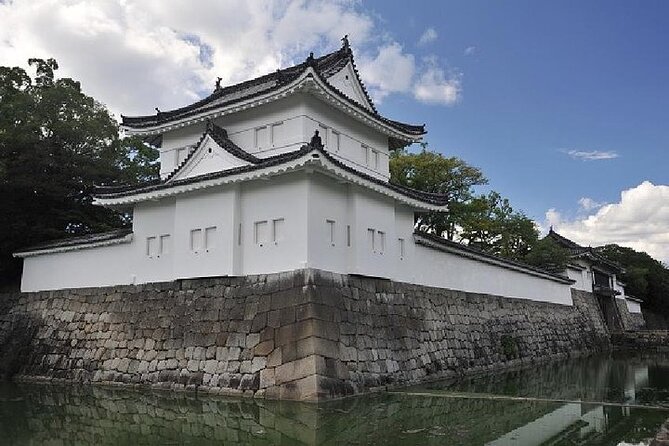
After the temple energy, the tour shifts to Kyoto’s imperial story at the Kyoto Imperial Palace grounds. The palace was used as the Emperor’s residence until about 150 years ago, and you may get a chance to see the Shishin-den, described as a key site for important state ceremonies.
This part is shorter—about 40 minutes—so treat it as context rather than a full palace deep dive. Think of it as a way to connect the earlier shogun/castle theme with what came after in political center stage. If you’ve only seen palaces from the outside before, this is a helpful orientation moment.
Important schedule reality: Kyoto Imperial Palace is closed to visitors on Mondays (or the following day if Monday is a holiday), and also on days with an Imperial Household Agency event. If that’s the case for your day, the tour swaps in Kitano Tenmangu Shrine. If the closure falls on the 25th, it may visit Nishi Hongan-ji Temple instead.
That means you should be flexible. The overall goal stays the same—big cultural sites and guided explanations—but the exact stop can shift.
Kasuga Grand Shrine Lanterns and Nara Park’s Messaging System
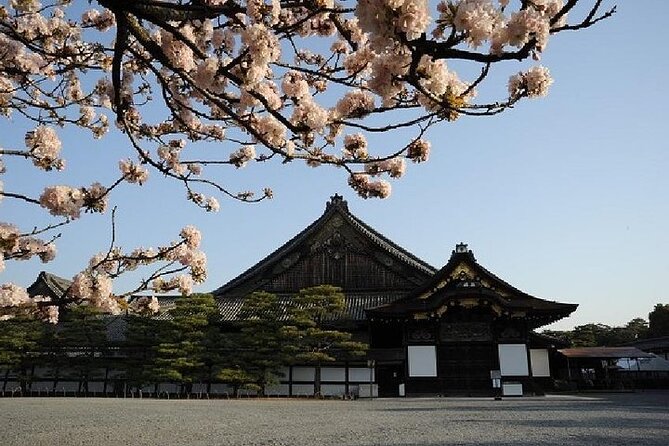
Then you head into Nara, and the day’s mood shifts from castle-and-gold to shrine-and-story. Your shrine stop is Kasuga Grand Shrine, designated as a World Heritage site.
The standout here is the 3000+ lanterns lining the interior. Even if you’re not a “lantern person,” the sheer density makes it hard to forget. It also adds a different kind of atmosphere than the daylight temple halls: more glow, more texture, more feeling of ritual space.
You also get an inside-the-main-area experience. The tour enters the Main Sanctuary special visit area, when operationally possible. If it can’t be entered due to events or circumstances, the tour visits either the Kasuga Taisha Museum or Todaiji Museum instead. So you still get something meaningful, even when access changes.
Expect about 1 hour here with admission included. This is a good mid-day anchor: it balances the big-bronze stop coming next with a shrine setting that feels more intimate and story-driven.
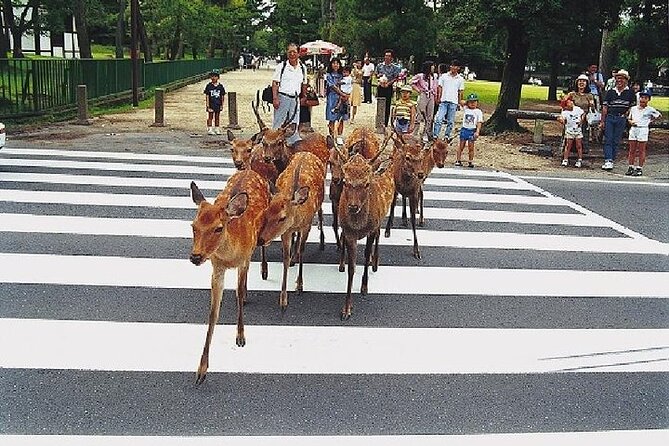
And yes, Nara Park’s deer show up as your afternoon wind-down. After this stop, you’ll be in the zone where deer are part of the landscape, not just background scenery.
Todai-ji and the Great Buddha Hall: Scale You Feel in Person
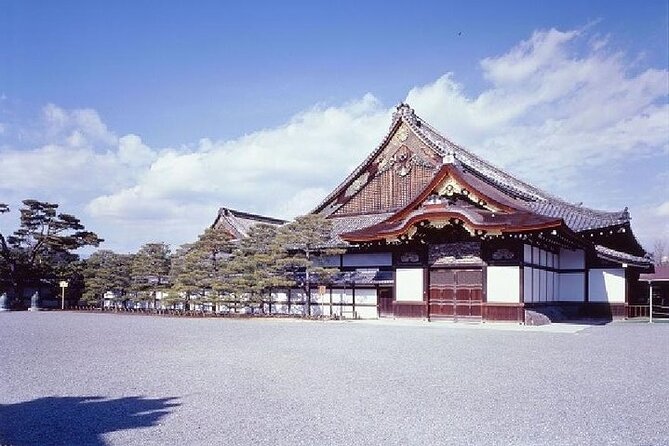
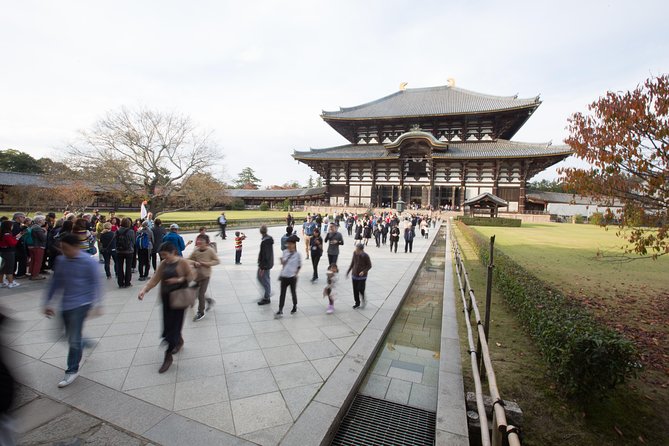
If Kinkaku-ji is the icon, Todai-ji is the scale king. It’s a World Heritage site tied to the Nara Period and known as a symbol of that era. The main hall houses one of the world’s largest statues of Buddha, with the Great Buddha Hall being the big moment.
The key thing here is scale. Even if you’ve seen Buddha statues in photos for years, Todai-ji’s “this is enormous” factor lands harder once you’re standing in the space. It’s also a strong architectural reminder: ancient Japan wasn’t only about shrines and gates—it was about big civic/religious construction.
You get about 1 hour 10 minutes with admission included. That’s enough time to see the main hall, take in the bronze Buddha, and still wander a bit around the complex.
Practical note from real-day experience: the deer at Nara Park can be cute, but you should handle them like wildlife. One review specifically warned about deer that can be aggressive. So don’t act like it’s a petting zoo. Keep distance, watch where you walk, and keep your food situation under control.
The Day’s Pace: When Timing Helps and When It Feels Rushed
This tour is designed as a high-yield day: multiple UNESCO stops, guided storytelling, transport included, and set admission windows. You’ll start around 8:20 am and return around 6:30 pm if you choose the Kyoto start/end option (tour ends at Kyoto Station). There’s no hotel drop-off, so you’ll want a plan for getting back.
What that pacing means for you:
- You’ll likely spend more time moving between sites than you would on a DIY day.
- The “best” approach is to treat each stop as a guided highlight, then return later on your own if you want slower time.
- If you’re not great with walking, be ready for some in-and-around temple grounds and the end-of-day shift back toward the bus area.
One drawback that comes up in feedback is that Nara sometimes gets less time than you’d want, plus there can be a longer walk at the end of the day from bus access areas. That doesn’t mean the day is poorly run—it just means your comfort level with walking should match the schedule.
So wear shoes you trust. For Kyoto especially, you’ll likely be changing how you walk in shoe-off areas. Socks matter.
Guides That Make the Stops Click (KC, Momo, Yuki, and More)
The biggest quality signal in the feedback is the guide. Names like KC, Momo, and Yuki appear in standout comments for being funny, clear, and helpful—plus good at keeping the group moving at a pace that still lets people catch the meaning behind each place.
What I’d look for as you join up:
- A guide who answers the “why” behind the “what.” This tour’s stops connect politics, religion, and cultural design—castle power, gold-leaf aesthetics, imperial ceremony, shrine ritual, and giant Buddha worship.
- A guide who can manage a mixed group. Reviews highlight guides as responsive to different needs and capable of steering people back on time.
Also, a few reviews praise the driver and the overall organization, with repeated notes that everything felt safe and scheduled. Still, always keep an eye on the clock yourself. A well-run tour isn’t magic; it’s just good planning plus a group that follows instructions.
Lunch Options, Dietary Limits, and What to Do If You Skip It
Lunch is optional based on what you book. If you choose a lunch option, it’s included, but it’s also tied to set formats.
You may see three main choices:
- A Western-style set menu if you pick that option
- An Indian thali if you pick the Indian option (noted as vegetarian-friendly in the menu description)
- Or no lunch, which gives you free time to eat on your own in the Kyoto Station area
Here’s the important part: the tour data says meal requests like halal, gluten-free, and other meal requests are not available. Vegetarian handling is mentioned for the Western lunch option if you inform them at reservation time, and it specifies that same-day changes can’t be accepted. For the Indian thali option, the thali is described as suitable for vegetarians, with specific items listed.
My practical advice: if your dietary needs are complex, treat the lunch choice as fixed and plan accordingly. If you don’t need lunch, the no-lunch option can be easier because you control what you eat.
Price and Value: Is $194.85 a Fair Deal for This Much Ground?
At $194.85 per person, this is not a budget-only sightseeing sprint. But it also isn’t an overpriced “transfer day,” because the plan includes what usually costs you time and money on your own: licensed English guide interpretation, air-conditioned transport, and admission fees for the listed stops.
Here’s how I’d think about the value:
- You’re paying for direction. In Kyoto and Nara, getting from major site to major site can be the real friction.
- You’re paying for access. Admission is wrapped into the plan, and that matters on days when crowds and queues can derail a DIY day.
- You’re paying for story. The guide is there to connect the sites, not just count stops.
If your priority is seeing as much as possible in one day without the stress of logistics, this price starts to make sense. If you prefer slow, independent exploration and you already know how you’ll get around, you might do better assembling a DIY route. But if you’re short on time in Kyoto and want a guided overview of UNESCO highlights, this tour is a reasonable spend.
Plan B for Palace and Castle Closures
A tour like this lives and dies by schedules. The good news: the plan includes backup stops when closures happen.
Two examples you should know:
- Kyoto Imperial Palace: closed to visitors on Mondays (or next day if Monday is a holiday) and on Imperial Household Agency event days. If that’s the case, Kitano Tenmangu Shrine is used, and if the closed day falls on the 25th, it may switch to Nishi Hongan-ji Temple.
- Nijo Castle: closed on certain Tuesdays in January, July, August, and December, and from December 26 to January 3. If it’s closed, Ryoan-ji Temple is visited instead.
At Kasuga Grand Shrine, if the Main Sanctuary special visit area can’t be entered, you’ll visit Kasuga Taisha Museum or Todaiji Museum.
This matters because it protects your day from going flat. You may not see the exact same gates as someone else on a different day, but you’ll still see major cultural sites with guided context.
Who This Tour Suits Best (and Who Might Want to DIY)
I’d recommend this tour if you:
- Want a first-time intro to Kyoto and Nara’s biggest religious and cultural attractions
- Prefer English guidance to understand what you’re seeing without researching for hours
- Like a day that’s organized and easy to follow, especially if you don’t want to wrestle with transportation
I’d think twice if you:
- Want long, quiet time inside each site
- Struggle with walking and shoe-off temple rules
- Have highly specialized dietary needs that aren’t covered by the set lunch options
If you’re flexible and want your days in Japan to be about highlights with context, this works well. If you’re the type who likes “one temple, three hours, no rush,” you may feel crowded by the schedule.
Should You Book This Kyoto and Nara Day Trip?
Book it if you want the highest concentration of Kyoto and Nara icons in one easy day—Nijo Castle, Kinkaku-ji, Todai-ji, and Kasuga Grand Shrine—with admission and transport handled and an English guide doing the storytelling. The value is strongest if you’re short on time and you want your first visit to feel meaningful fast.
Skip it or consider a DIY plan if you hate being on a timetable, need lots of downtime, or you want deep, unhurried exploration at just one or two sites. This tour is a highlights machine. If that’s your style, you’ll have a great day.
FAQ
How long is the Kyoto and Nara day trip?
The tour runs about 10 to 11 hours.
What’s included in the price?
The tour includes an English guide interpreter, admission fees and transportation costs, and lunch only if you select the With Lunch option at booking.
Is there air-conditioned transportation?
Yes, stress-free air-conditioned transport is included.
What happens if the Kyoto Imperial Palace is closed?
If the Kyoto Imperial Palace is closed (often Mondays), the tour visits Kitano Tenmangu Shrine instead. If the closed day falls on the 25th, it visits Nishi Hongan-ji Temple.
What’s the Nijo Castle backup plan if it’s closed?
Nijo Castle is closed on certain Tuesdays and during late December to early January. If closed, the tour visits Ryoan-ji Temple instead.
Where does the tour start and end?
It starts at the JTB SUNRISE TOURS desk near Kyoto Station (Avanti, Kyoto Station area) and ends around 6:30 pm at Kyoto Station. There’s no hotel drop-off.