REVIEW · NAIROBI
From Nairobi: Elephant Orphanage and Giraffe Center Day Trip
Book on GetYourGuide →Operated by GRACEPATT SAFARIS · Bookable on GetYourGuide
Elephants and giraffes, right from Nairobi. This packed day trip pairs the Giraffe Centre feeding moment with the David Sheldrick orphanage’s bottle-feeding rituals, plus a stop at Kazuri beadwork.
I like how the route balances animal time with real culture and craft. In a few hours you get close to Rothschild giraffes, then shift gears to the more emotional world of rescued baby elephants.
Another thing I really like: the guides who run this day often get you there early, so you’re not stuck in long lines with your best camera battery dying in your hands. I’ve also seen guides like Stephen, Titus, Wellington, and Meshak praised for helping people get the best viewing positions and for sharing helpful facts in plain language.
My one caution is the extra cost once you’re in Nairobi National Park, plus the ground at the orphanage can be muddy and slippery. Also, this isn’t a good fit for wheelchairs or anyone with serious mobility limits, since you’ll be walking and standing for viewing time.
In This Review
- Quick hits: what makes this day trip work
- Nairobi’s best one-day combo: giraffes, baby elephants, and beadwork
- The value math: what you pay vs what you get
- First stop: Giraffe Centre and feeding Rothschild giraffes
- Feeding time: fun, but follow the lead
- David Sheldrick Wildlife Trust: baby elephants, milk bottles, and rescue stories
- Where crowd control shows up (and why early helps)
- The reality check: mud and slip risk
- Nairobi National Park fees: the one line item you must not forget
- A tip that can save time: pre-handle entry requirements
- Kazuri (Kobe) Beads Factory: craft you can see made by hand
- Why this stop matters (beyond souvenirs)
- Buying advice: pick something you’ll actually use
- The guide and vehicle: how the day feels in practice
- Watchouts: what happens if your guide is more driver than narrator
- Weather handling
- Time, logistics, and what to pack for a 3–8 hour day
- Pack like you’re visiting animal spaces
- Is this worth it for you? Who should book
- Should you book this Nairobi Elephant Orphanage and Giraffe Centre day trip?
- FAQ
- How long is the day trip?
- How much does the tour cost?
- What extra fees do I need to pay?
- Is lunch included?
- What are the main stops on the route?
- Do I get a guide, and is it in English?
- Are tickets included?
- Is it a small group?
- Is this suitable for people with mobility impairments?
- Are pets allowed?
Quick hits: what makes this day trip work
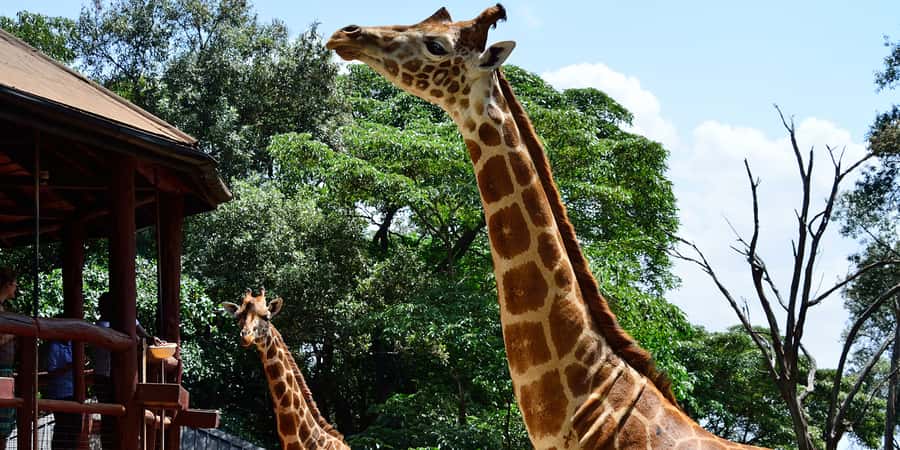
- Rothschild giraffes up close at the Giraffe Centre, including the chance to feed them
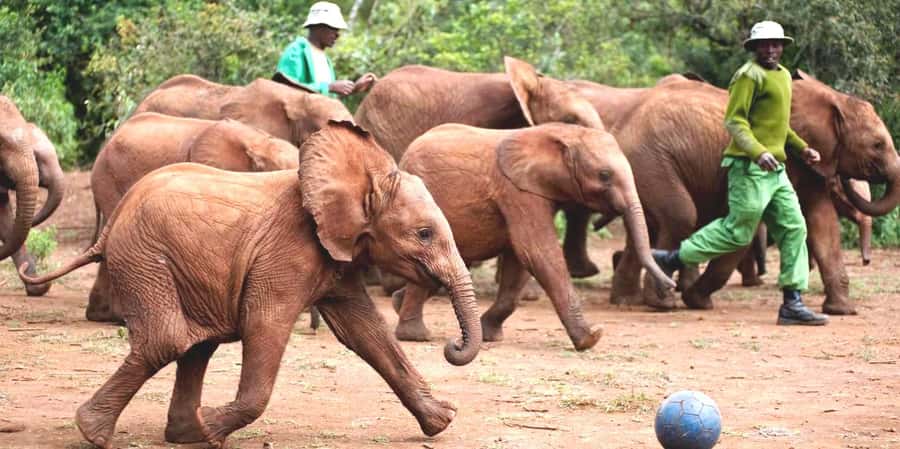
- Sheldrick’s feeding schedule energy: you watch baby elephants play while keepers manage milk bottles and routines
- Conservation with a human story: rescued elephants get introductions that explain what brought them there
- Kazuri beadwork and pottery made by African women, with time to see how it’s done
- A guide to manage timing so you spend more time watching animals and less time figuring out logistics
Nairobi’s best one-day combo: giraffes, baby elephants, and beadwork
If you only have a short window in Nairobi, this is one of the most efficient ways to experience two major wildlife-focused stops without doing separate day tours. You’ll go from a semi-wild giraffe setting to David Sheldrick Wildlife Trust’s baby-elephant area in the same day, then end with a craft stop that’s tied to community jobs.
The best part is the mix. The giraffe feeding is gentle and playful. The orphanage is more emotional and story-driven. And the bead factory gives you a satisfying “you can take this home” payoff that isn’t just another souvenir shelf.
You can also read our reviews of more tours and experiences in Nairobi.
The value math: what you pay vs what you get
The base price is listed at $90 per person, which covers hotel pickup and drop-off, a live English guide, and entry tickets to the Giraffe Centre and/or Elephant Orphanage depending on the option you choose. If you select the version that includes a Nairobi National Park game drive, you’re adding more wildlife viewing time.
Then comes the part you must plan for: the Nairobi National Park conservation fee for access to the orphanage area. Your information sheet gives two figures: an additional $85 per person and also a conservation fee listed as $45 per adult and $25 per child. Either way, it’s not optional—so when you budget, treat this trip like a two-tier cost: the tour price plus the park fee you must pay.
In my view, the tour is worth it when you want (1) an easy day plan, (2) help with timing, and (3) a guide who can get you into good viewing flow.
First stop: Giraffe Centre and feeding Rothschild giraffes
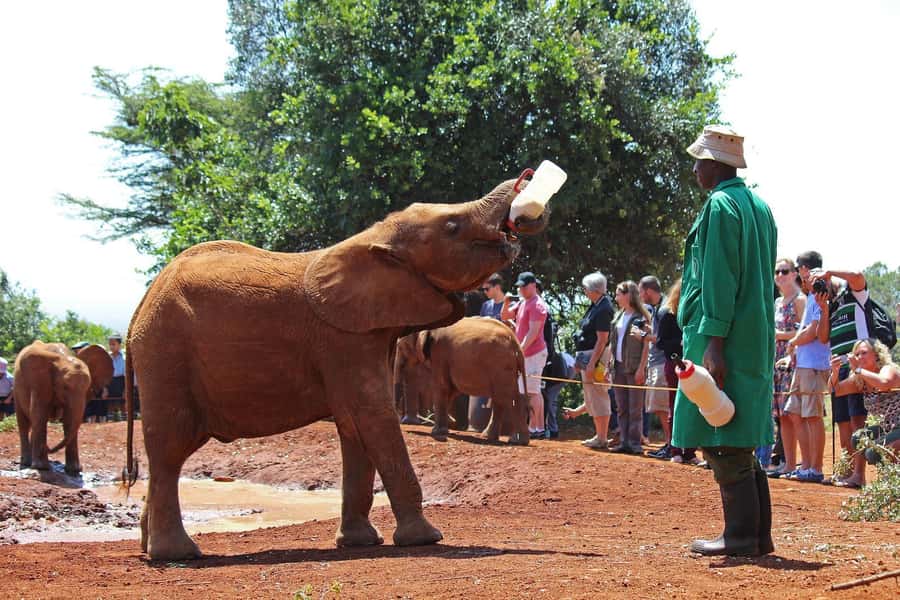
Most days start with pickup from your Nairobi hotel or from the Haile Selassie Avenue pickup point option. Then you head straight to the Giraffe Centre, where giraffes are kept in a semi-wild, sanctuary-style setting.
Why this stop is special: Rothschild giraffes have a recognizable look, but the bigger win is the behavior. You’ll get close enough to see how calm they can be and how quickly they learn the routine of visitors. The tour info also calls out conservation efforts and giraffe traits, so you’re not just standing there hoping the giraffe leans in for a photo.
Feeding time: fun, but follow the lead
Feeding is the highlight. Expect it to be simple, guided, and very hands-on—your job is to be ready, quiet, and follow staff instructions. A couple of practical notes from real-world experience at places like this:
- Go slowly with your movements. Sudden motion can spook animals.
- Wear shoes you don’t mind getting scuffed, since you may stand for short stretches.
This is one of the few animal interactions in Nairobi that feels joyful rather than intense—perfect as the first stop.
David Sheldrick Wildlife Trust: baby elephants, milk bottles, and rescue stories
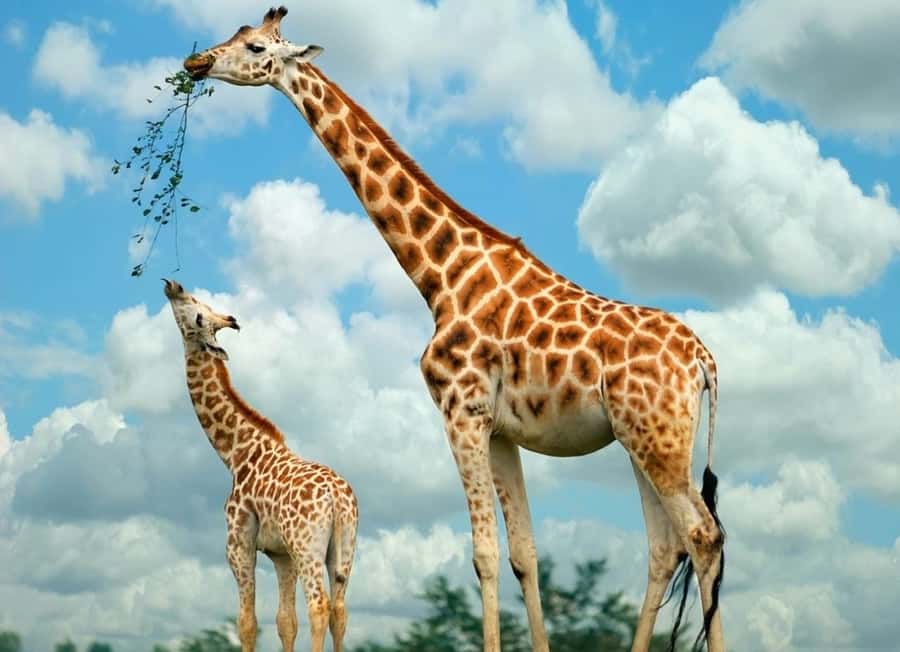
Next comes David Sheldrick Wildlife Trust, inside Nairobi National Park. This is the main emotional anchor of the day, and it’s also where good timing matters.
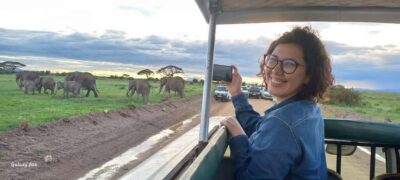
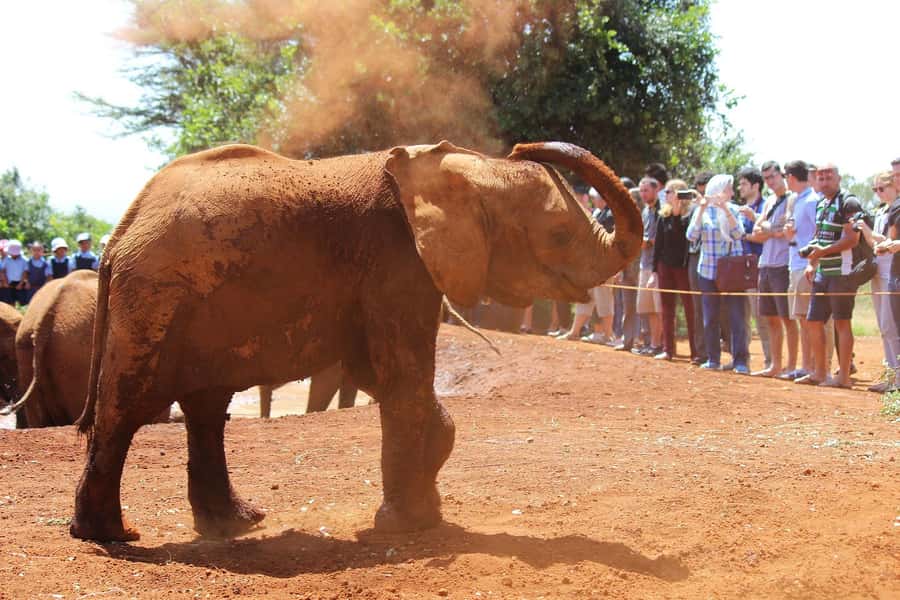
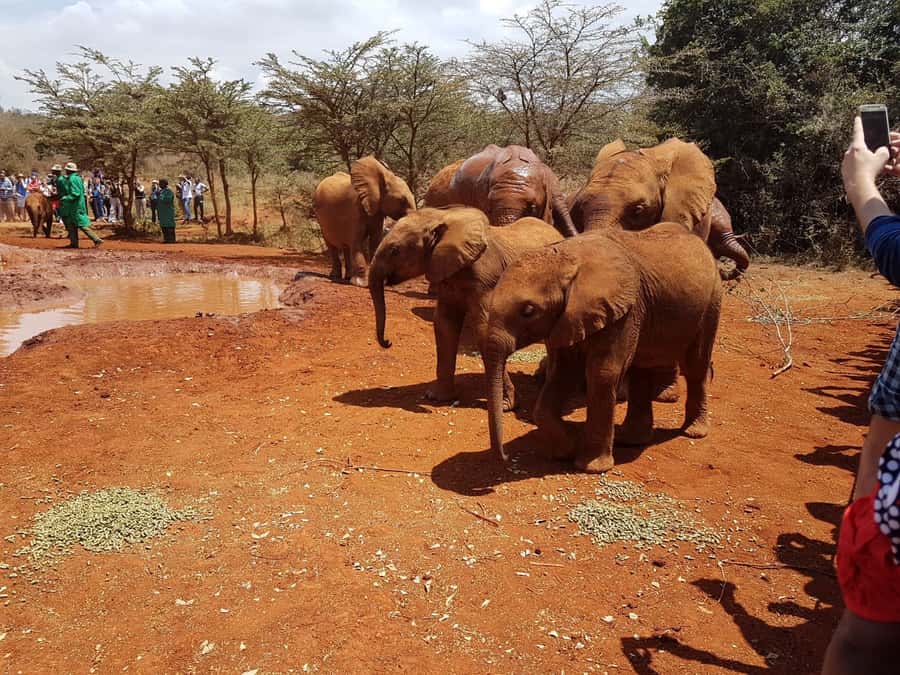
At Sheldrick, you’ll take a walk through the center where baby elephants wait to be fed. The tour description highlights scenes that make this place feel alive: babies play in the water, they gargle their milk, and each elephant has a personal story connected to its rescue.
When the 2–3-year-olds come in, you’ll see a different stage of development. Some can feed themselves. Others still take help, but you’ll notice the trunks doing their work—holding giant milk bottles and moving quickly through a feed.
Where crowd control shows up (and why early helps)
Sheldrick works on a schedule, not a typical timed-ticket “everyone books the same slot and sits down.” The info you have and what people report from past visits suggests arriving early helps you get a better viewing position.
In plain terms: if the center is busy, your angle matters. Guides often place you for a clear view and better photo and video framing. That’s one reason you’ll see names like Stephen and Titus praised for positioning.
The reality check: mud and slip risk
One caution that comes up is that the orphanage area can be muddy and slippy. Wear footwear with solid grip, and plan for more standing time than you might expect. If you’re visiting after rain, take extra care around walkways and viewing areas.
Nairobi National Park fees: the one line item you must not forget
This day trip is set up for comfort and convenience, but you still have to handle a mandatory park access fee. Your information sheet states you’ll pay an additional park conservation fee tied to the elephant orphanage area.
As noted earlier, your details include:
- An additional $85 per person (mandatory to access the elephant orphanage)
- A park conservation fee listed as $45 per adult and $25 per child
Because those numbers conflict slightly in the provided info, I strongly suggest double-checking the exact amount for your day and for your ages. Either way, build it into your budget before you arrive.
A tip that can save time: pre-handle entry requirements
One past visitor note points out that you may need to book the national park entry fee yourself online through eCitizen, and doing it in advance can help you avoid long waits. If you’re traveling on a tight schedule, ask your guide ahead of time whether they expect you to handle the national park payment, or whether you’ll do it online before arrival.
Kazuri (Kobe) Beads Factory: craft you can see made by hand
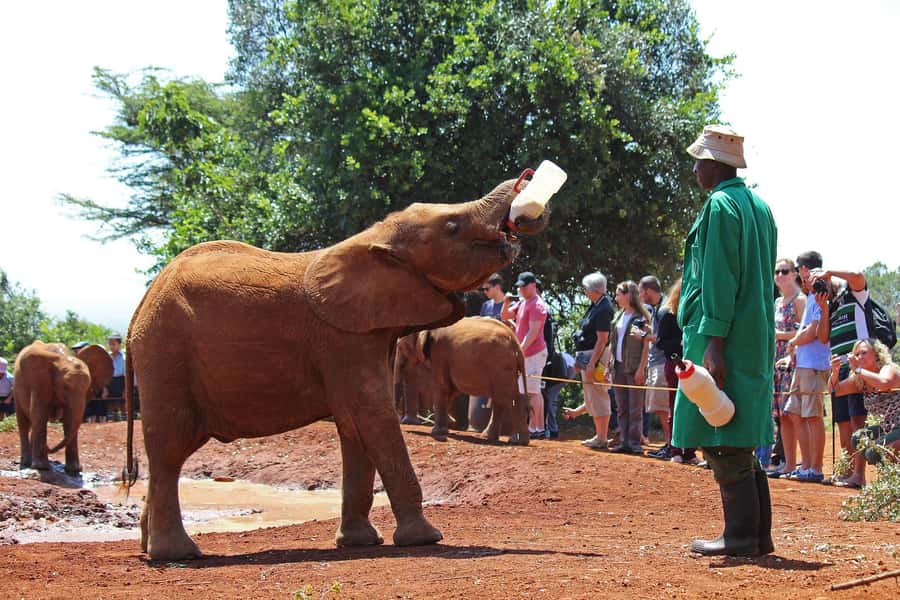
After elephants and giraffes, the energy shifts. The final cultural stop is the Kazuri Beads Factory in Nairobi (it also shows up in some materials and conversations as Kobe Bead Factory).
This is not just a store with pre-made items. You’ll have a guided visit where you can admire bead jewelry and pottery that are handcrafted by African women. The tour description emphasizes the chance to watch the craftsmanship and see the workshop.
Why this stop matters (beyond souvenirs)
The bead factory is one of those stops that makes you feel better about buying something. Instead of funding a faceless chain, you’re supporting a workshop with employment and training tied to women’s work. If you want a take-home item that feels like part of your Nairobi day instead of a random market purchase, this is usually the best moment to do it.
In past experiences on this route, people have described the bead factory as a delightful surprise—especially when they learn the story behind it and meet the women involved.
Buying advice: pick something you’ll actually use
If you’re tempted to buy a lot, set a limit before you go in. Then focus on:
- Pieces that match what you already wear (you’ll use them more)
- Items that feel durable enough for daily life
- A reasonable price range so you don’t feel rushed
You can always add another small souvenir later, but the bead stop is easiest to do thoughtfully while your guide is nearby.
The guide and vehicle: how the day feels in practice
This tour runs with a live English guide and uses hotel pickup/drop-off for convenience. It’s also set up for a small group, which matters when you’re trying to see animals that don’t pause for photos.
Several guides on this circuit get repeat praise for:
- Arriving early to reduce waiting
- Helping you get prime viewing spots at both animal centers
- Staying patient when people need a minute at transitions
Watchouts: what happens if your guide is more driver than narrator
One helpful note to take seriously: not every guide-style fits every traveler. There’s at least one account where the guide acted more like a driver and shared less interpretation. If you care a lot about learning as you go, ask your guide what kind of explanations you’ll get at each stop. You’ll get more of the value you want.
Weather handling
Rain happens in Nairobi. On this route, guides have been described as flexible—adjusting the day and providing practical help like an umbrella so you don’t spend the day cold and wet.
Time, logistics, and what to pack for a 3–8 hour day
The listed duration is 3–8 hours, so treat this as a flexible half-day (often closer to a morning start). Your day may include extra small breaks, like a coffee or quick craft browsing time before or between major stops, depending on timing and your group.
Pack like you’re visiting animal spaces
Bring:
- Shoes with good traction (mud/slip risk at the orphanage)
- A hat and sunscreen for the giraffe feeding area
- A light layer for the orphanage’s open viewing spots
- Your camera gear, plus one extra memory card
For comfort, consider a small day bag so you can keep your hands free for feeding moments.
Is this worth it for you? Who should book
This is a great fit if you want:
- A one-day Nairobi wildlife experience with big emotional impact (the elephants)
- A gentle, hands-on animal moment (feeding giraffes)
- A craft stop that supports community work and gives you something real to take home
It’s less ideal if:
- You have mobility limitations. The itinerary involves standing and walking in active areas.
- You don’t want to pay extra park fees on top of the tour price.
- You want long, slow downtime built in. This is a “do a lot” day.
If you’re traveling as a family, you’ll likely appreciate the structured flow and the guide support—especially for keeping kids comfortable during transitions.
Should you book this Nairobi Elephant Orphanage and Giraffe Centre day trip?
For most first-timers in Nairobi who want two must-sees without planning headaches, I’d say yes—book it. The combination is strong, the pacing works, and the bead factory gives you a meaningful ending instead of a rushed last stop.
Book it with eyes open about two things: the Nairobi National Park conservation fee and the mud/slip reality at the orphanage. If you handle those, you’ll get a memorable day that mixes joy, education, and community craft.
If you want to maximize your day, arrive early where it matters, wear grippy shoes, and ask your guide how the viewing time will be handled so you’re not stuck with a bad angle when the elephants and keepers do their feeding rounds.
FAQ
How long is the day trip?
It’s listed as 3–8 hours, depending on the starting time and option you choose.
How much does the tour cost?
The price is listed at $90 per person.
What extra fees do I need to pay?
There is an additional Nairobi National Park conservation fee that is mandatory to access the elephant orphanage. Your information lists it as $85 per person, and it also lists $45 per adult and $25 per child—so confirm the exact amount for your group.
Is lunch included?
No. Lunch is not included, and you’ll pay for it on your own. There may be time for a lunch stop, but it’s your expense.
What are the main stops on the route?
You’ll visit the Giraffe Centre, the David Sheldrick Wildlife Trust (Elephant Orphanage), and the Kazuri Beads Factory (sometimes referred to as Kobe Bead Factory in materials). Hotel pickup and drop-off are included.
Do I get a guide, and is it in English?
Yes. You get a live English-speaking guide.
Are tickets included?
Entry tickets are included depending on the option chosen for the Giraffe Centre and/or the elephant orphanage.
Is it a small group?
Yes, it’s described as a small group.
Is this suitable for people with mobility impairments?
No. It’s listed as not suitable for people with mobility impairments.
Are pets allowed?
No. Pets are not allowed.