REVIEW · NAMBA
From Osaka/Kyoto: Kyoto & Nara Day Trip with Optional Lunch
Book on Viator →Operated by VIP Japan Tours · Bookable on Viator
A long Kyoto day can feel like a workout. This one is a smart way to hit Arashiyama, Nara, and Fushimi Inari in a single 9–10 hour loop with an air-conditioned bus. I especially like the option to add a traditional Kobe beef shabu-shabu lunch at Kyoto Wasabi, and I like that the guide keeps things moving so you waste less time figuring things out.
The main thing to consider is the pace. Each stop is time-boxed, so you’ll need comfortable shoes and you’ll want to plan how long you’ll linger—especially if heat or crowds slow down walking.
In This Review
- Key things that make this day trip tick
- The itinerary logic: three Kyoto-area legends, one controlled schedule
- Arashiyama Bamboo Grove and the nearby sights you can actually choose
- Kyoto Wasabi lunch: why the food stop is a real value here
- Nara Park and Todai-ji: the UNESCO stop with deer-level temptation
- Fushimi Inari at the end: torii gates and a smart pacing plan
- Bus comfort, meeting rules, and why timing is everything on this tour
- Price and what you’re really paying for at about $68
- Guides you might run into: energy, humor, and keeping the group moving
- Who this day trip suits best (and who should skip it)
- Should you book this Kyoto and Nara day trip?
- FAQ
- Is lunch included in the tour price
- Do I have to pay for Todai-ji Temple
- How long is the tour
- Where does the tour depart
- What languages are available on the tour
- What happens if weather is bad
Key things that make this day trip tick
- All-fees-included touring: guide, air-conditioned vehicle, and included stop fees keep the day simpler
- Optional Kyoto Wasabi lunch: choose among Kobe beef shabu-shabu, pork shabu-shabu, Kobe beef rice bowl, or Kobe beef sukiyaki
- Arashiyama-first routing: you start at the bamboo area and then flex to nearby sights like Tenryū-ji and Togetsukyō Bridge
- Nara Park plus Todai-ji: UNESCO Todai-ji is a highlight, but the entrance fee is optional
- Fushimi Inari torii gates at the end: a classic finish with photo-worthy paths up Mount Inari
- Small-ish group by bus standards: up to 49 people, with English or Chinese commentary (sometimes mixed)
The itinerary logic: three Kyoto-area legends, one controlled schedule
This tour is built for people who want the big visual hits without juggling trains, transfers, and timing. You’ll start in the Arashiyama area, swing through Kyoto for a short break, then move to Nara Park and end at Fushimi Inari Shrine.
Real talk: it’s a full day. The bus is part of the experience, and the payoff is that you see major sites without doing logistics homework.
Also, you can return to either Osaka or Kyoto at the end. That flexibility matters if you’re staying in one city but prefer to end the day somewhere else.
Arashiyama Bamboo Grove and the nearby sights you can actually choose
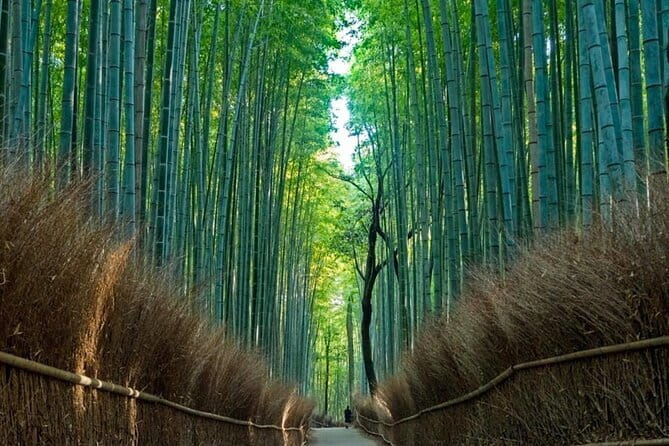
Arashiyama Bamboo Forest is your first major stop, and it’s the right opener. The sunlight through the tall stalks creates that calm, slightly otherworldly look people travel for—and starting here helps you beat the most chaotic crowds.
From this bamboo area, the day’s design gives you options close by. Depending on time, you may be able to pair the bamboo walk with classic nearby picks like:
- Tenryū-ji (Tenryū Shiseizen-ji): a Zen head temple area known for a peaceful setting
- Togetsukyō Bridge: a wooden bridge landmark over the Katsura River
- Nonomiya Shrine: a Shinto stop near the bamboo grove
- Iwatayama Monkey Park: a hilltop detour where you’ll see monkeys
- Ōkōchi Sansō: the former home and garden connected to actor Denjirō Ōkōchi
- Kimono Forest at Randen Arashiyama Station: the colorful art installation with cylindrical pillars
- Yusai-tei: a modern art/dye studio offering a kimono-dyeing workshop
Here’s the practical angle: the tour gives you enough structure to cover the signature sights, but you still choose what matters most to you in the time you get. If you’re the type who loves wandering, Arashiyama is a great place to “spend” your extra energy.
Kyoto Wasabi lunch: why the food stop is a real value here
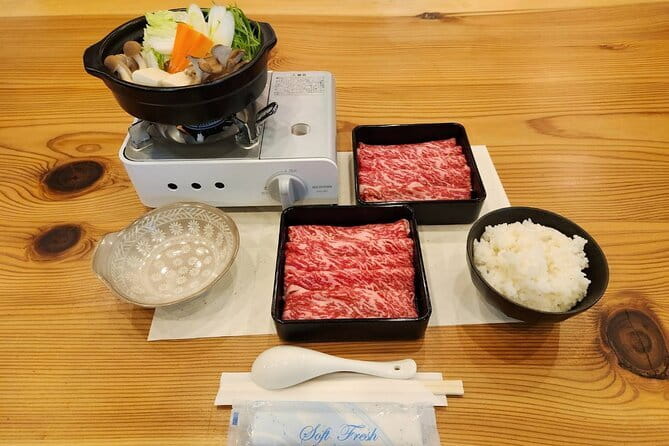
The Kyoto section is anchored by lunch at Kyoto Wasabi Restaurant, set in a historic Kyoto townhouse and described as welcoming guests for over 120 years. Lunch is optional, but it’s also one of the biggest reasons this tour feels like more than a bus ride with checkboxes.
If you choose the meal, you can pick from several Kobe beef styles:
- Kobe beef shabu-shabu
- Pork shabu-shabu
- Kobe beef rice bowl
- Kobe beef sukiyaki
This is where the value math can work in your favor. With a group tour, you’re basically buying time savings plus a planned dining slot in a prime sightseeing day. If you skip lunch, you’ll still have a break—but you’ll be managing your own food plan on the fly.
Two useful notes before you decide:
- The lunch stop is described as a shorter break (about 50 minutes), so it’s not a slow sit-down meal.
- If you’re sensitive to meal quality differences, treat your lunch choice as part of your strategy. Shabu-shabu and sukiyaki are both different experiences, even when they use the same general ingredients.
Nara Park and Todai-ji: the UNESCO stop with deer-level temptation
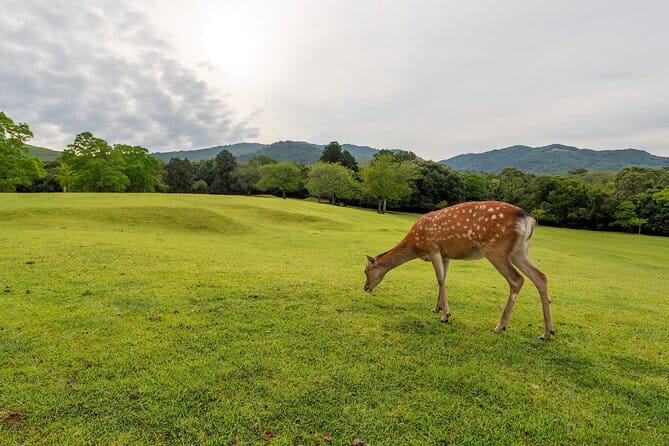
Then you move to Nara Park, where the setting does half the work for you. It’s ancient-capital vibes, but the real “in-your-face” moment is the deer.
Plan for deer encounters at Nara Park, including the common habit of feeding them. You’ll often see deer confidently approaching people looking for treats, so keep your bag situation simple and stay aware as you walk.
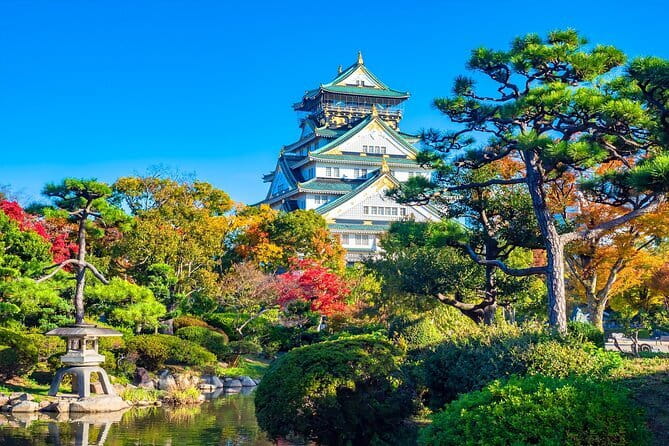
Todai-ji is the headliner. It’s a UNESCO World Heritage site and famous for the Great Buddha inside the world’s largest wooden structure. The key detail for planning is that the Todai-ji entrance fee is not included and is optional.
That means you should decide up front: do you want the full Todai-ji interior experience, or do you prefer to spend more time wandering the park area and nearby stops? The tour gives you time in the Nara area (about 1 hour 20 minutes), and the choice changes how you use that window.
Nearby options mentioned for the Nara segment include:
- Manyō Botanical Garden, also known as Kasuga Taisha Garden
- Tamukeyama Hachiman Shrine
If Todai-ji is your must-see, don’t let indecision steal time here. If you’re more into gardens and quiet shrine atmosphere, you might prefer to treat Todai-ji as optional and spend more of the slot outdoors.
Fushimi Inari at the end: torii gates and a smart pacing plan
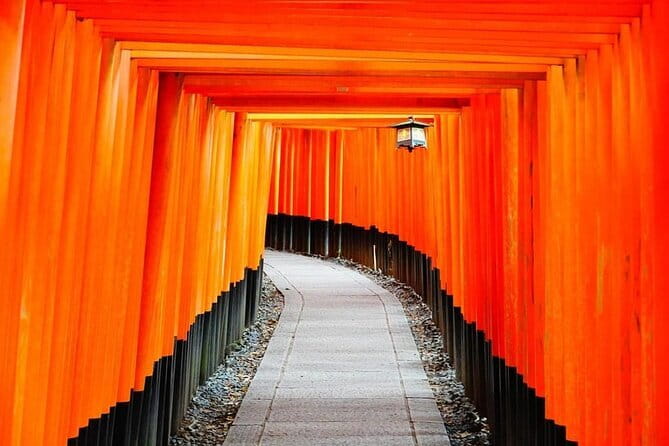
Fushimi Inari-taisha Shrine is the closing act: thousands of vermilion torii gates forming paths up Mount Inari. Even when you’ve seen photos before, you still get that “how is this real” feeling when you’re standing among the gates.
Your time here is boxed in around 1 hour 20 minutes. That’s enough to walk a good portion of the route and take photos, but it’s not enough to do everything slowly and also shop and snack.
So pace it like this:
- Start with the most photo-famous sections near the entrance.
- Then decide how far up you want to go before you hit your time limit.
- Don’t forget you’ll be sharing your walking rhythm with other people—some sections are naturally crowded.
If you love vertical walking and you want the gates to keep unfolding as you move, Fushimi Inari is the kind of place where your energy level matters. This tour ends with a strong, visually memorable finish, but it’s also a moment when fatigue can show up.
Bus comfort, meeting rules, and why timing is everything on this tour
The bus is air-conditioned, and that matters because the day is long. Group size tops out at 49 travelers, and commentary is provided in English or Chinese, sometimes with both languages on the same bus.
Here are the rules that can make or break your experience:
- Arrive about 10 minutes early at your assigned meeting point.
- The bus departs on time and does not wait.
- You’ll confirm your name when you arrive, since you’ll be on a participant list.
- Luggage goes in the trunk and won’t be accessible during stops, so keep valuables with you.
Also keep in mind that the schedule can change because of weather, road traffic, or other unforeseen factors. The tour departs regardless of weather or traffic unless the operator notifies you otherwise.
If you’re the type who hates strict clocks, this might feel intense. The upside is that the tight structure is what helps you reach several big sights in one day without losing the whole schedule to transit delays.
Price and what you’re really paying for at about $68
At $68.03 per person, you’re paying for a lot of practical things: an air-conditioned vehicle, an English or Chinese speaking guide, and included fees and taxes. Many stops list free admission tickets, but Todai-ji entrance and lunch are not included unless you choose the optional lunch.
What that means for value is simple:
- If you want the major sights without building a day around transit, the bundled guide + bus can save you time and stress.
- If you skip lunch and you don’t plan to pay for Todai-ji entrance, you can keep costs lower—but you’ll still be committing to the full time schedule.
In real-world terms, this tour is best when you treat it like a one-day highlights package. If you prefer flexible wandering with longer stop times, you might feel squeezed.
Guides you might run into: energy, humor, and keeping the group moving
Guide quality is a big deal on tours like this, and you can see patterns in the names highlighted for performance. Nick-san and Amanda are repeatedly mentioned as attentive, friendly, and informative. Harry and Gary also come up as engaging and high-energy, with Gary particularly noted for keeping spirits up even on very hot days.
A few other names show up as well, with Eric being mentioned in connection with convenient parking and clear guidance at crowded sites.
Even with a good guide, the schedule pressure remains. The best-case scenario is a guide who explains what to see fast, tells you how much time you truly have, and helps you avoid dead time between stops.
Who this day trip suits best (and who should skip it)
This tour fits best if you:
- Want major sights in one day: bamboo, Nara deer and Todai-ji, and torii gates
- Prefer guided structure over planning routes
- Like group travel as long as the group stays on track
- Are okay with lots of walking in one day and a time-boxed itinerary
I’d think twice if you:
- Get cranky when a schedule is strict and the bus does not wait
- Want long, relaxed stays at a single place
- Are sensitive to heat or long transit days
- Really want shopping or restaurant time at multiple stops (the tour is built for sight time)
One more practical tip: wear shoes you can walk in for a long day. Even when stops are time-boxed, you’ll cover enough ground to feel it.
Should you book this Kyoto and Nara day trip?
Yes, book it if you want a clean highlights plan and you’re fine with a packed day. The mix of Arashiyama Bamboo Forest, Nara Park with Todai-ji, and Fushimi Inari gives you the most recognizable Kyoto-and-nearby imagery in a single loop, and the optional Kyoto Wasabi lunch can make the day feel more complete.
Think twice if you’re chasing a slow “Kyoto day” rhythm or if you know you’ll struggle with time limits. Also, plan your Todai-ji choice ahead of time so you don’t lose precious minutes deciding.
If you’re going for first-time orientation—getting your bearings fast—this is the kind of tour that can help you spend the rest of your trip more freely, because you’ll know what you loved and what you want to return to.
FAQ
Is lunch included in the tour price
Lunch is optional. If you choose it, you’ll eat at Kyoto Wasabi Restaurant and you can select items such as Kobe beef shabu-shabu, pork shabu-shabu, Kobe beef rice bowl, or Kobe beef sukiyaki.
Do I have to pay for Todai-ji Temple
The entrance fee to Todai-ji is not included. The tour notes it as optional, so you’ll decide whether you want to go inside the Great Buddha area.
How long is the tour
The tour runs about 9 to 10 hours.
Where does the tour depart
It departs from Osaka or Kyoto based on your selected meeting point, and hotel pickup/drop-off is not included. The meeting points are near public transportation.
What languages are available on the tour
You’ll have an English or Chinese speaking guide. Depending on the number of participants, English and Chinese commentary might be provided on the same bus.
What happens if weather is bad
The experience requires good weather. If it’s canceled due to poor weather, you’ll be offered a different date or a full refund.