REVIEW · MARRAKECH
From Marrakech Full Day Trip To Ourika Valley Waterfalls
Book on Viator →Operated by Maroc Adventure · Bookable on Viator
Atlas Mountains are closer than you think. This full-day trip from Marrakech sends you into the Ourika Valley, where you’ll see green Berber villages, irrigation water flashing through the foothills, and Atlas peaks that make city heat feel like a memory. I love the human side of it: you stop for mint tea in a local herb setting and get a taste of Berber hospitality without it feeling like a show.
I also like the active, practical part of the day. You get transport in an air-conditioned vehicle, then you head to the hiking area (starting at Ighref) for the Setti Fatma Waterfalls leg, with mountain views that make the drive worth it. The one thing to keep in mind is pace and effort: the hike is for people with a moderate fitness level, and the day is long enough that you’ll want comfortable shoes.
In This Review
- Key things to know before you go
- Ourika Valley: The Escape From Marrakech Heat
- Marrakech Pickup and the Small-Group Advantage
- The Road Through Haouz and Aghmat: Berber Roots Along the Way
- Ighref and Jebel Yagour: The Hike Begins
- Setti Fatma Waterfalls: What the Walk Feels Like
- Herb Gardens and Mint Tea: The Most Moroccan Break in the Day
- Landscapes You Can Read: Valley Water, Villages, and Orchards
- Timing, Group Size, and How to Plan Your Day
- Price and Value: Getting More Than a Bus Ride
- Who This Tour Is Best For (and Who Should Rethink It)
- Should You Book This Marrakech to Ourika Valley Trip?
- FAQ
- How long is the Marrakech to Ourika Valley day trip?
- What time is pickup in Marrakech?
- Is lunch included?
- What’s included in the price?
- Do I need a local guide during the trip?
- What fitness level do I need for the hike?
- What’s the group size limit?
Key things to know before you go
- Small group size (max 15): more personal stops and less chaos than big buses
- Berber tea stop: mint tea in a local herb garden area breaks up the day nicely
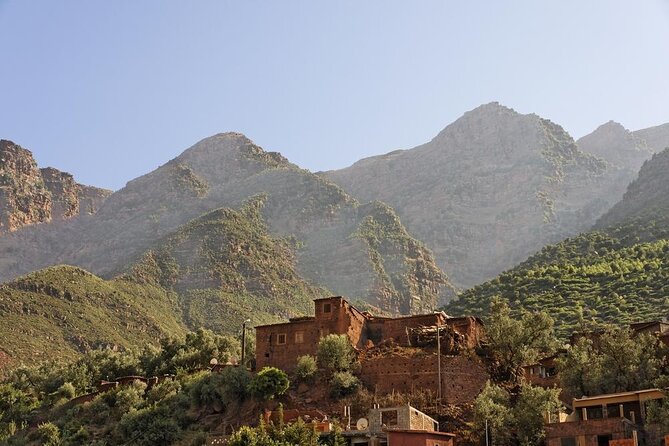
- Real Atlas viewpoints: panoramic village views plus whitewater irrigating the valley
- Waterfall hike setup: you start at Ighref and head toward the Setti Fatma area
- Value at a low price: tea, AC transport, and an included admission ticket
Ourika Valley: The Escape From Marrakech Heat
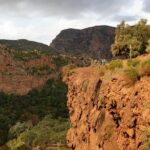
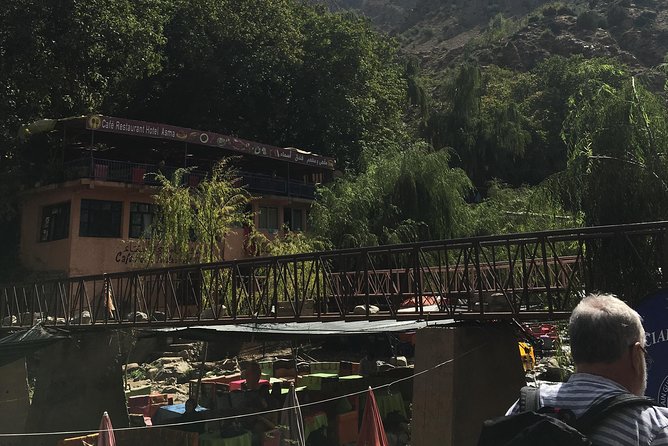
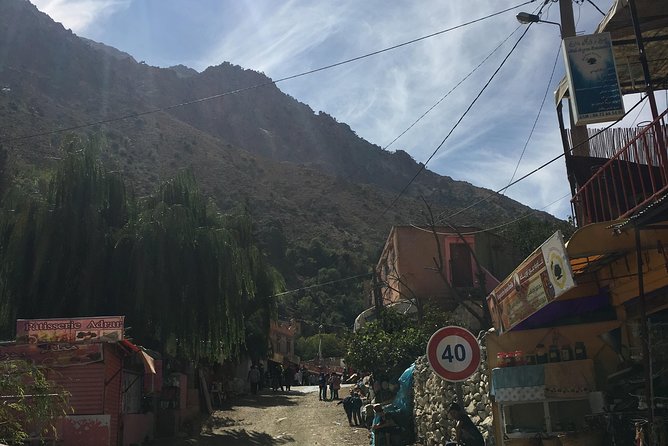
If Marrakech has been doing its usual thing—traffic, crowds, and that steady wall of warmth—this day trip is your pressure release. The Ourika Valley sits at the foot of the Atlas Mountains, so the air feels different fast. You’re not just looking at scenery from a window; you’re moving through valley life: orchards, vegetation, and mountain villages spread across the slopes.
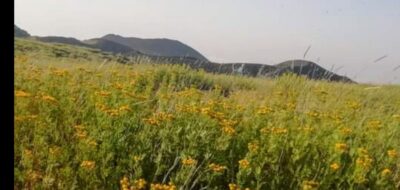
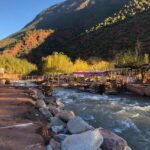
What I like most is that the valley doesn’t feel like a single postcard moment. You get changing views as you go—from roadside mountain outlooks to the green pockets around the villages. And the scenery isn’t just “pretty” in a generic way. The whitewater running through the foothills is doing an actual job: it irrigates the valley, so it’s part of how people live here, not just a decorative stream.
That’s also why the Berber stops matter. They give context for what you’re seeing—green agriculture and village settlement shaped by mountain water and local traditions.
You can also read our reviews of more tours and experiences in Marrakech.
Marrakech Pickup and the Small-Group Advantage
You’ll start around 9:00 am, picked up from your accommodation in Marrakech. That timing is smart: it gives you daylight for the drive and enough hours in the valley without feeling like you’re sprinting from stop to stop at night.
Transport is included and you ride in an air-conditioned vehicle, which sounds simple, but it matters in real life. Long road days in Morocco can be tough in the heat; having that AC on the way out helps you arrive fresher and ready to walk.
The tour also caps groups at 15 travelers. In my book, that makes a difference for photo stops and for hearing what’s going on when the driver or guide explains the area. It’s still a day trip with a schedule, but it doesn’t feel like cattle herded through a checklist.
The Road Through Haouz and Aghmat: Berber Roots Along the Way
Before you hit the core of the valley experience, you’ll travel through the plain of Haouz and make stops that connect the landscape to people. One of the more interesting route moments is the approach toward Aghmat, described as an abandoned village founded by the Berbers before the arrival of Islam.
You’re not going there for luxury, and you shouldn’t expect a preserved “museum site.” It’s more like a historical waypoint you can look at from the outside, which makes it feel grounded rather than staged. Standing in the changing terrain—plain to mountain foothills—you get a better sense of why settlements formed where they did.
And even if history isn’t your main focus, this kind of stop helps you read the valley later. When you reach the lush Ourika area, you understand it’s not random greenery. It’s tied to the mountain systems—water, irrigation, and the villages built around them.
Ighref and Jebel Yagour: The Hike Begins
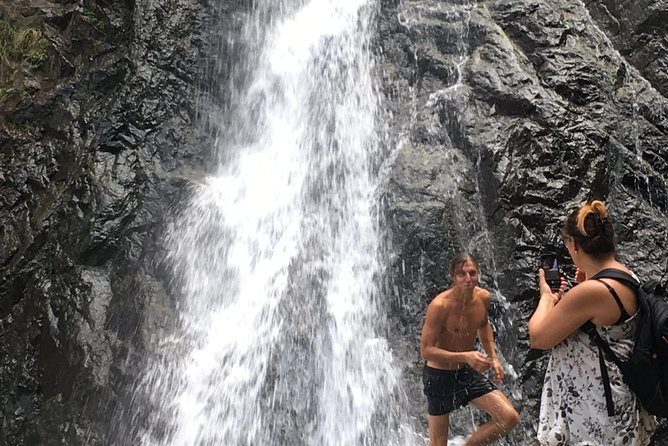
Your hike starts from Ighref, which functions as the gateway point for reaching the Setti Fatma Waterfalls area. You’ll also connect to the Jebel Yagour area—listed as a mountain famous for rock art—so your walk isn’t only about reaching a waterfall. It’s also about moving through the foothills toward bigger mountain terrain.
Here’s the practical value: starting from a defined point (Ighref) means you’re not guessing what trail to take or where to turn. You’re walking as part of a guided-style plan, which helps a lot in places where signage can be less “tourist-proof.”
Fitness note: the tour requests moderate physical fitness. That doesn’t automatically mean hard-core trekking, but it does mean you should be ready for uneven ground and sustained walking for part of the day. If you’re the type who usually avoids stairs and rocky surfaces, you’ll probably find this more tiring than you expect.
Setti Fatma Waterfalls: What the Walk Feels Like
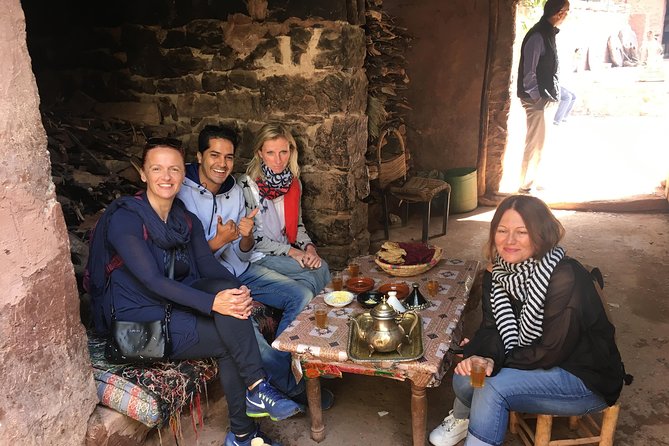
The headline natural feature is the hike to the Setti Fatma Waterfalls. Waterfalls are always photogenic, of course. But the best part of this kind of walk is what happens on the way there: you’ll get that rising sense of the valley narrowing and the mountain presence getting stronger.
You’ll also get panoramic views over small Berber villages scattered across the region. That matters because waterfalls can be quick to see and then gone—but the viewpoint pieces give you time to slow down and actually look.
A small reality check: you should treat the waterfall part as a hiking experience, not a stroll. Comfortable shoes make a big difference. And if weather is bad, the experience can be affected—this is one of those tours where conditions matter.
If you want extra help on the ground, there is an option for a local guide that’s not included (listed at 3 euros per person). Whether you feel that’s worth it depends on your comfort level walking and reading the area.

Herb Gardens and Mint Tea: The Most Moroccan Break in the Day
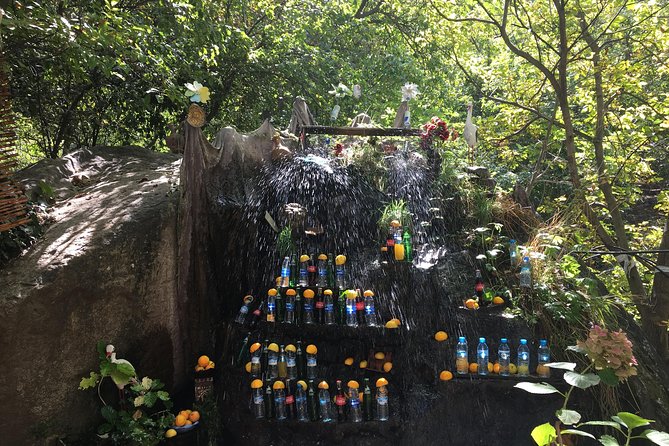
Tea stops are common on tours. This one is different because it’s tied to a local herb garden setting. You’ll have mint tea and sit with views over the valley. That combo—warm drink plus mountain sightlines—turns a break into a pause that actually refreshes you.
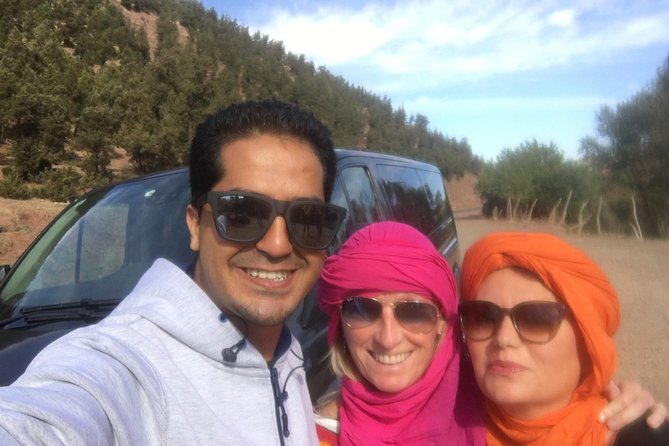
Also, Berber hospitality isn’t only about the drink. It’s about how you’re treated while you’re there. In the better runs of this day trip, guides like Jawad are described as friendly and helpful, and that kind of warmth makes the tea stop feel like a conversation, not a transaction.
If you’re sensitive to caffeine or have a sensitive stomach, mint tea is usually gentle, but you’ll still want to drink water and pace yourself—especially if you’ve been walking.
Landscapes You Can Read: Valley Water, Villages, and Orchards
One reason the Ourika Valley experience sticks with me is the way the landscape tells a story. You see lushness, yes, but you also see irrigation water cutting through the foothills. That “whitewater” isn’t a random aesthetic. It’s the engine behind orchards and vegetation.
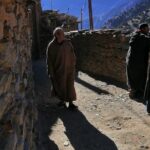
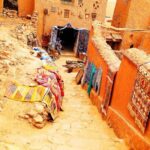
As you move through the valley areas, you’ll notice small Berber villages dotting the region. They aren’t crowded high-density spots. It’s more like communities distributed where the land and water allow growing and living.
This is also why the tour description emphasizes comfort and relaxation. You’re not just rushing to one photo. You’re learning to notice what makes the valley function—water, agriculture, and settlement patterns shaped by the mountains.
Timing, Group Size, and How to Plan Your Day
The tour runs about 8 to 9 hours. That’s a good length for a day trip, but it’s still a full day. You’ll be out long enough that you’ll feel it if you start the morning underfed or wearing shoes that aren’t ready for rough ground.
Lunch is not included, so you’ll want to plan either money and time for food on your own or simply bring your own snack strategy. Drinks also aren’t included, so bring water or plan to buy it where you can.
The good news: because tea is included, you won’t leave the tea stop hungry. But it won’t replace a proper meal.
For timing expectations, remember the pickup is at 9:00 am and the activity ends back at the meeting point. So you’ll return to Marrakech the same day, ideally before evening fatigue hits hard.
Price and Value: Getting More Than a Bus Ride
At $17.38 per person, this is positioned as a budget-friendly way to reach the Atlas Mountains. The best value pieces are the basics that actually cost time and effort: air-conditioned vehicle, an English-/French-speaking driver, and tea. You also get an included admission ticket.
Where value improves for you as a traveler is how the day is structured. You’re not only transported. You’re also walking to a named waterfall area and stopping in meaningful points along the way—valley views, Berber-related stops, and a tea moment with herb setting.
The one extra cost to consider is that a local guide costs 3 euros per person and lunch/drinks are not included. Still, even with those extras, the overall day can remain a strong deal if your goal is sightseeing plus a real nature walk.
Who This Tour Is Best For (and Who Should Rethink It)
This day trip suits you if you want:
- A break from Marrakech’s heat and crowds
- A mix of culture + nature in one day
- A manageable hike with a defined starting point and a planned route
- A small group experience (max 15) with friendly communication
It may be less ideal if:
- You don’t handle hills or uneven ground well, since the hike needs moderate physical fitness
- You expect lunch and drinks to be fully handled for you
- You’re easily disappointed by weather-dependent nature experiences
Also, if you’re the type who hates being rushed, you’ll want to treat this as a scheduled excursion. You’ll have time to enjoy the valley, but it’s not “wander at leisure” all day.
Should You Book This Marrakech to Ourika Valley Trip?
I’d book it if your priorities are: getting out of the city, seeing the Ourika Valley in a structured way, and doing the Setti Fatma Waterfalls hike without the stress of figuring out transport and trail logistics on your own. The price is low enough that you can take the day seriously but still feel you’re spending wisely.
I’d also book it if you like human touches—like a well-timed mint tea stop—because that’s where the day becomes more than scenery. And if you care about comfort, the AC vehicle and small group size help keep the day from feeling exhausting.
Skip or rethink it if you’re not comfortable with a moderate hike or if you don’t want any weather risk around a waterfall visit. This is one of those “nature day” experiences where conditions matter.
In short: for most people visiting Marrakech, this is a practical Atlas-day escape with real walking and real valley views for a very reasonable price.
FAQ
How long is the Marrakech to Ourika Valley day trip?
The tour lasts about 8 to 9 hours.
What time is pickup in Marrakech?
Pickup starts at 9:00 am.
Is lunch included?
No, lunch is not included.
What’s included in the price?
Included items are an air-conditioned vehicle, an English-/French-speaking driver, tea, and an admission ticket.
Do I need a local guide during the trip?
A local guide is not included, but there is an option listed at 3 euros per person.
What fitness level do I need for the hike?
The tour requires moderate physical fitness.
What’s the group size limit?
The tour has a maximum of 15 travelers.