REVIEW · MALAGA
From Malaga and Costa del Sol: Day Trip to Tetouan, Morocco
Book on GetYourGuide →Operated by TRANSFERS AND EXPERIENCES · Bookable on GetYourGuide
Tetouan in one day is a careful ride. This Costa del Sol tour is interesting because you cross the Strait of Gibraltar, clear border control in Ceuta, and then spend hours inside the Medina of Tetouan with a guide walking you through the city’s most iconic lanes, including the Mellah (old Jewish quarter).
I also like how the day mixes guided walking with a more traditional Morocco stop, so you’re not just shopping for souvenirs. One drawback to weigh: the schedule has a lot of travel time plus border queues, and the longer shopping portion can feel more like organized sales stops than free browsing.
In This Review
- Key things you should know before you go
- Crossing from Spain to Morocco: the route is the real commitment
- Inside the UNESCO Medina: Mellah, Hassan II Square, and the souk
- Shopping time in Tetouan: helpful, but not unlimited browsing
- The Berber farmhouse stop: a cultural pause on a long day
- Logistics and timing: why this tour can feel like 10% Morocco and 90% transit
- Guides on the ground: what you get for your money
- Price and value: is $188 worth it?
- Who this trip suits (and who should skip it)
- Practical prep: passport, shoulders, and shoes
- Should you book the Malaga-to-Tetouan day trip?
- FAQ
- How long is the day trip from the Costa del Sol to Tetouan?
- What’s included in the price?
- Are food and drinks included?
- What language is the live tour guide?
- How do you travel from Spain to Morocco?
- What do we do once we reach Tetouan?
- Is there time for shopping?
- What should I bring and wear?
- Is this tour suitable for young children or mobility needs?
Key things you should know before you go
- Ferry + border crossings take time: expect long stretches on the road and at checkpoints on both directions
- 5 hours of Tetouan with a local guide: you get structured sightseeing, not a quick drive-by
- UNESCO Medina route includes Mellah and the souk: the guided focus is on the city’s key historic areas
- Shopping is time-limited: you’ll have stops for browsing, but there may also be sales-style presentations of products
- Berber farmhouse visit adds context: it’s part of the day’s cultural pacing, not just sightseeing
- Bring the right gear: passport, shoulders covered, and comfortable closed-toe shoes are non-negotiable
Crossing from Spain to Morocco: the route is the real commitment
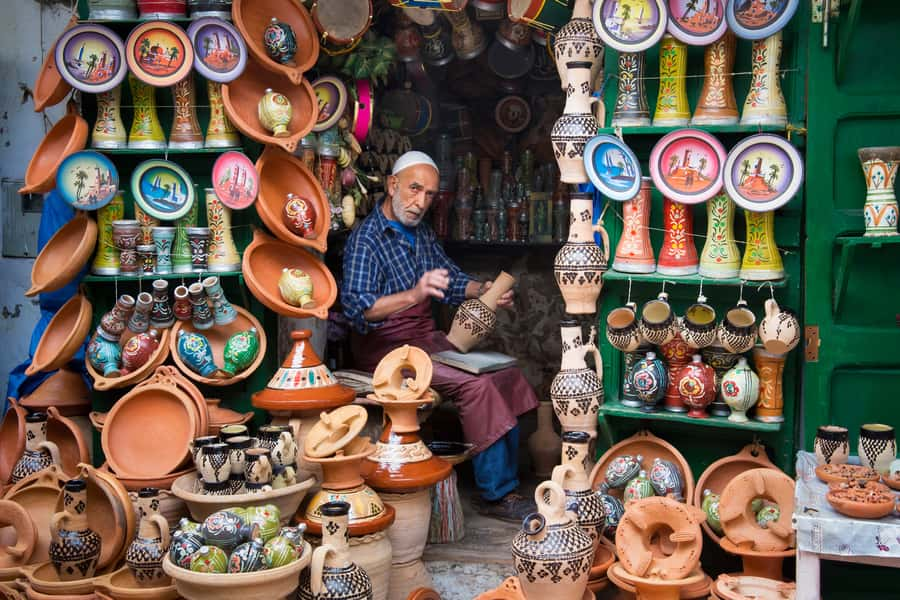
This is a full-day trip in the truest sense of the word. You start with pickup from multiple points along the Costa del Sol (with options like Torremolinos Centro, Puerto Marina, Estepona’s bus station, and others), then head toward Algeciras. From there, you take the ferry across the strait.
Once you arrive in Ceuta, you’ll pass through border control and then transfer into Tetouan. Your walking time is only the middle of the day—about 5 hours—so everything before and after is what makes this trip either worth it or frustrating, depending on your patience.
You should also plan for the fact that the total duration can vary. The tour is listed as 10–15 hours, but the activity notes an estimated 13–19 hours depending on where you’re picked up and dropped off. Return times by area run late: for example, around 10:00 PM in Algeciras, later for Marbella and Fuengirola, and close to 1:15 AM for Malaga departures.
You can also read our reviews of more tours and experiences in Malaga.

Inside the UNESCO Medina: Mellah, Hassan II Square, and the souk
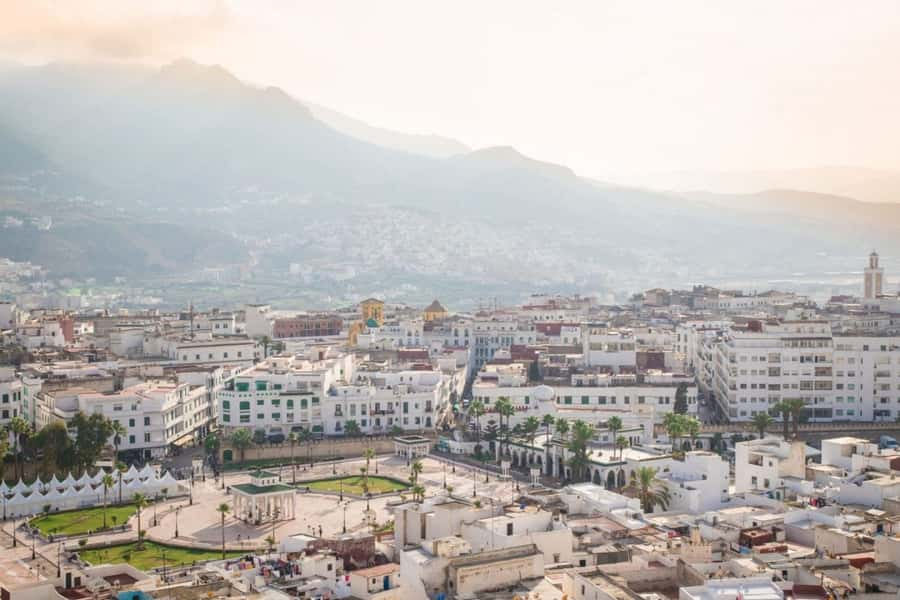
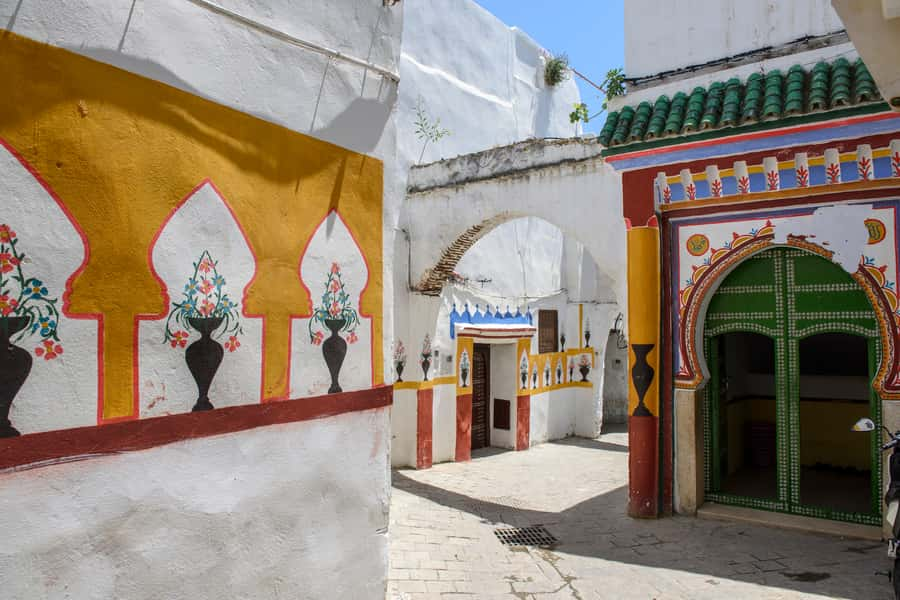
The heart of the day is your guided time in Tetouan—about 5 hours—with a local guide focused on the Medina of Tetouan (a UNESCO World Heritage Site). This isn’t the kind of day where you get lost and hope for the best. You’re guided through streets and quarters that matter.
Expect the tour to include major stops such as:
- Mellah, the old Jewish quarter, where the historic layout is a big part of the experience
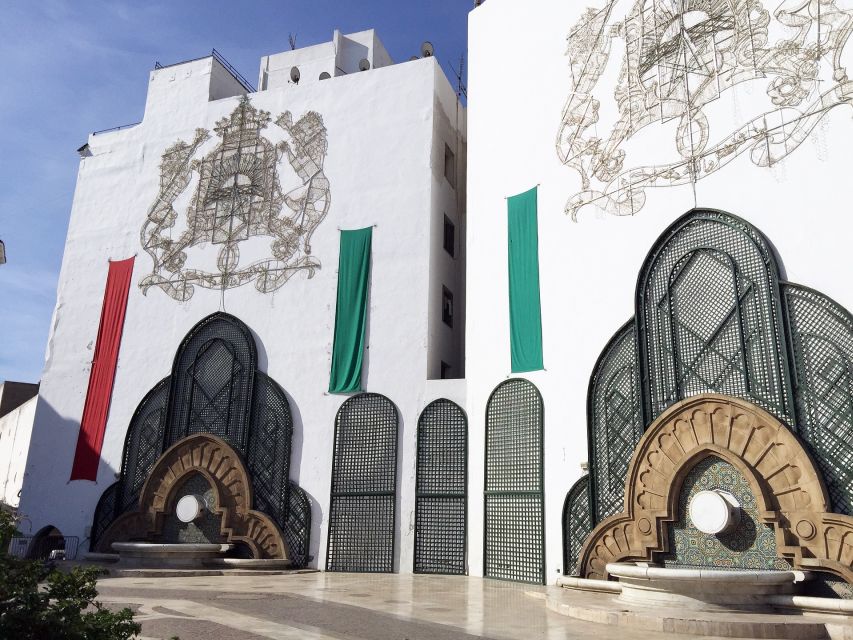
- Hassan II Square as a recognizable public anchor point
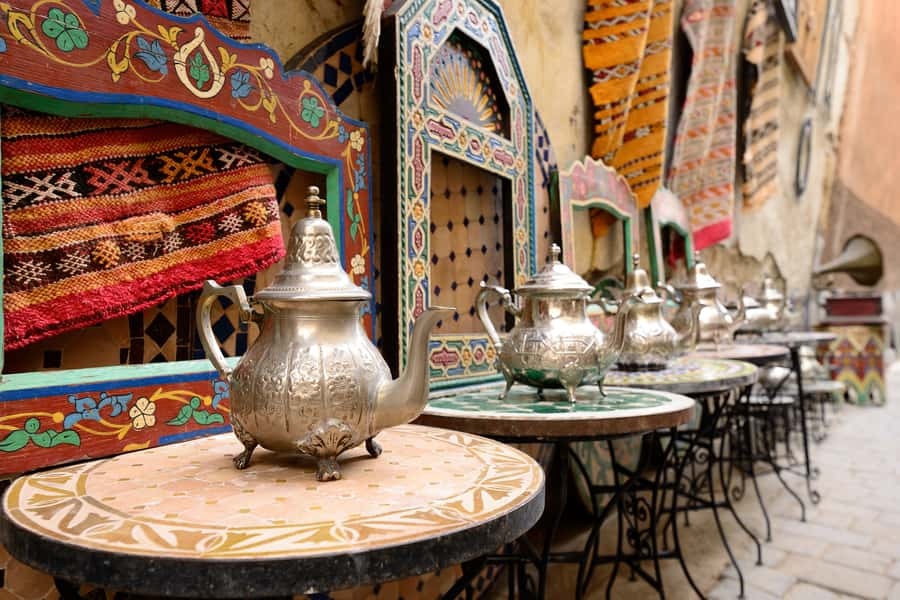
- The souks of Tetouan, where you’ll see the city’s commercial rhythm firsthand
- Time inside the Medina’s most iconic lanes (guided, so you’re not just looking at walls)
What I like about this structure is that you’re not trying to “decode” the Medina alone. A good guide helps you connect what you’re seeing to why it’s there—especially in older quarters where there’s a lot going on in a small area.
One practical note: you’ll be walking, and you’ll be doing it in the kind of footwear that doesn’t slip or pinch. Comfortable closed-toe shoes matter more than you think, because the day includes both city walking and time waiting around transit checkpoints.
Shopping time in Tetouan: helpful, but not unlimited browsing
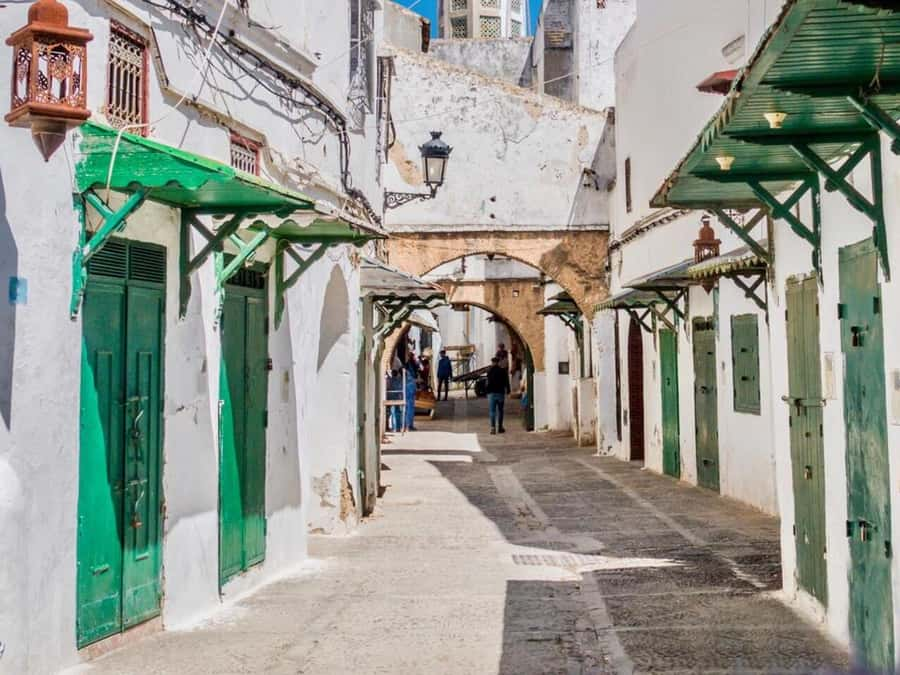
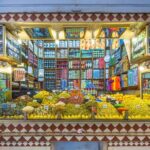
You do get time for shopping in Tetouan’s commercial areas. The plan typically includes a period after the guided walk to buy lunch (or at least handle your meal break) and then check out the city’s shopping zone.
Here’s the thing to understand: time is limited, and the day is organized. Based on real-world feedback, some groups report being taken to areas that are more sales-oriented than open-ended browsing, especially for items like oils, spices, teas, and carpets. That doesn’t make it bad—it just means you’ll want to go in with clear expectations.
If your ideal souvenir plan is wandering slowly, asking questions, and comparing prices for an hour, this may feel rushed. If you’re happy with a short, guided shopping window and you know what you want (or what you’re willing to pay for), this part can still work.
A useful mindset: treat shopping as a bonus, not the core of the trip. The Medina visit is the main event.
The Berber farmhouse stop: a cultural pause on a long day
After your time in Tetouan—including the Medina and the commercial shopping window—you’ll visit a typical Moroccan Berber farmhouse.
You shouldn’t expect a full-day rural experience here. This is a structured add-on that helps round out the day beyond city streets. In tours like this, the farmhouse stop is usually where you see a different side of daily life and learn some context that you might not get from the Medina alone.
If you’re the type of traveler who likes contrast—old historic city on one side, countryside-style living on the other—this stop gives your day some variety. If you only want urban history, you may see it as time you could spend in another part of Tetouan. Either way, it fits the tour’s overall pacing.
Logistics and timing: why this tour can feel like 10% Morocco and 90% transit
This is where you have to be honest with yourself. Your day includes multiple bus/coach segments and ferry crossings, plus border control procedures on both directions. One of the most consistent points in feedback is that the trip involves a lot of travel time and waiting—especially around crossing points.
That doesn’t mean the trip is poorly run. It means geography has rules. The Strait of Gibraltar is real, and so is the fact that you’re moving between countries in a group schedule.
There’s also a security reality to consider. One report described a tense moment involving people attempting to storm the bus around departure from Tetouan. I’m not saying this is guaranteed or common, but it’s a reminder that at busy transport moments, you should stay close to your group, follow instructions from your excursion guide, and keep your focus when things feel chaotic.
If you’re prone to stress on long days, bring patience. A lot of it.

Guides on the ground: what you get for your money
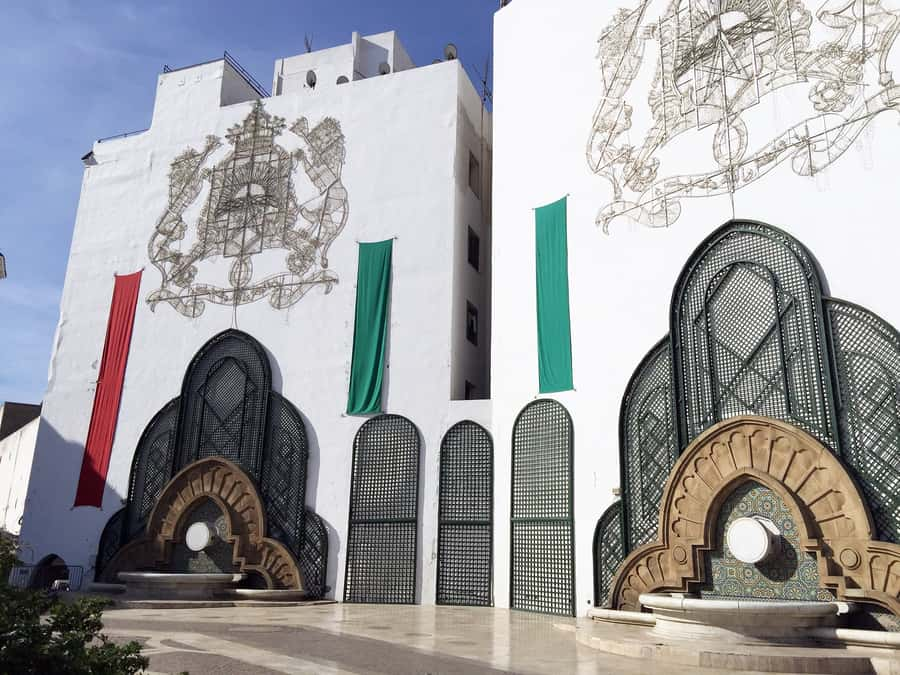
Your experience includes:
- Transportation
- A local guide in Tetouan
- An excursion guide
The tour also operates in English and Spanish with live guidance. That matters because you’re crossing into another country and spending hours in a historic neighborhood. You’re not just watching scenery—you’re learning how the places connect.
One of the strongest praised elements in the day is how the guides keep things moving and make the information understandable and engaging. When the schedule is long, the difference between a monotone group and an active guide is huge.
Also, in at least some cases, the day’s meal moment is described as an authentic Moroccan lunch paired with live musicians and singing. Since the official info says food and drinks aren’t included, think of it as a bonus that may happen depending on how your group day is handled—plan to budget for your own meal and you won’t feel caught off guard.
Price and value: is $188 worth it?
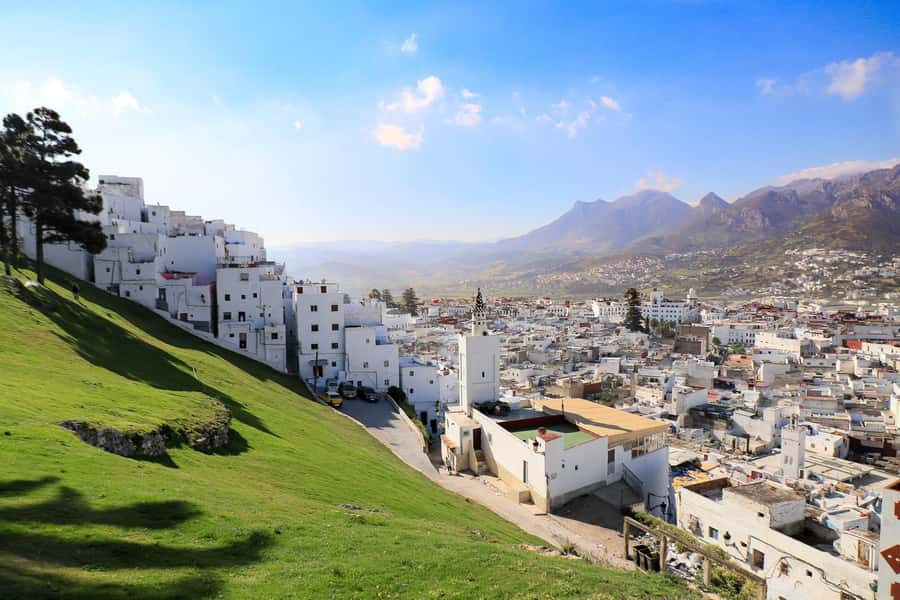
At $188 per person, you’re paying for a full logistics package: coach transport from the Costa del Sol, ferry crossing, guides, and structured time in Tetouan. Food and drinks are listed as not included, so you’ll need extra budget for lunch and any drinks you buy.
The value calculation really depends on what you want most:
- If you want a guided, structured way to see Tetouan’s UNESCO Medina, Mellah, and the souks without organizing the border crossing yourself, this price can make sense.
- If your main goal is hanging out in Moroccan markets all day, the limited Tetouan time plus structured shopping stops can feel like a mismatch.
I’d also factor in the long-day cost: this is a commitment. You trade comfort and flexibility for a one-day taste of a different country.
Who this trip suits (and who should skip it)
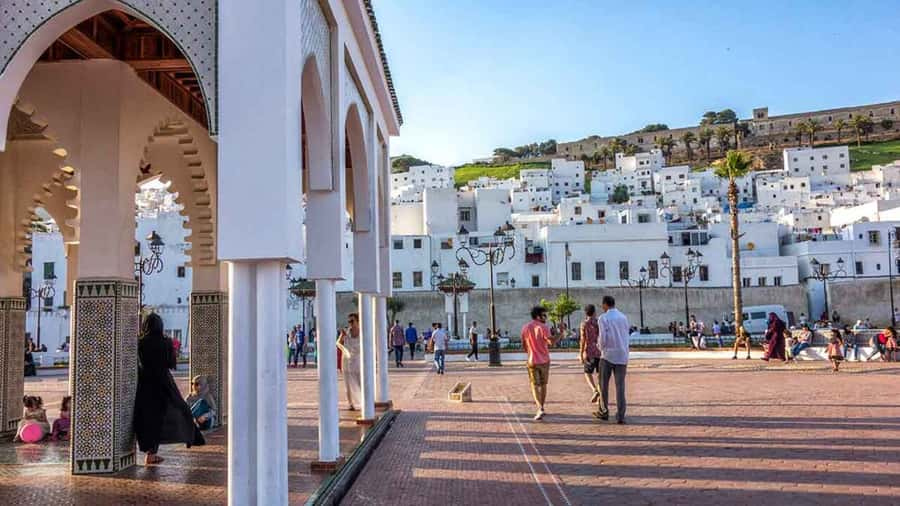
This isn’t built for everyone. The tour notes it’s not recommended for families with small children and pushchairs, and it also isn’t suitable for people with mobility impairments. The day includes walking in older streets plus long transit segments and border control waiting.
It’s a great fit if you:
- Like city walking with a guide
- Want the UNESCO Medina experience with context
- Don’t mind a late return time
- Prefer structured sightseeing over planning border logistics on your own
It might not suit you if you:
- Hate long travel days and waiting
- Need long, free browsing time for shopping
- Struggle with crowds or tight schedule pacing
Practical prep: passport, shoulders, and shoes

Before you go, lock in the essentials:
- Passport (required)
- Comfortable closed-toe shoes
- Clothes that cover your shoulders
There’s also a visa note: you should check the Morocco consulate list for your country to confirm whether you need a visa. The tour provides a link to use for that check, so don’t rely on guesswork.
If you’re thinking about packing, pack like it’s a day of walking and waiting. A small day bag, water if you’re allowed to carry it, and a layer for cool air near the water can make the ferry segments more comfortable.
Should you book the Malaga-to-Tetouan day trip?
Book it if you want a guided, time-efficient way to see Tetouan’s UNESCO Medina highlights—especially Mellah and the souks—without arranging transport and border logistics yourself. I’d also book if you’re okay with a long day where transit is a big chunk of the experience.
Skip it or look for an alternative if you’re shopping-focused and want long free-choice market time, or if you get overwhelmed by busy crossings and waiting. This tour’s biggest risk isn’t the city—it’s the schedule intensity.
If you do book, go with a clear plan: focus on the guided Medina hours, treat shopping as a short bonus, and keep your energy for the moment you step into Tetouan.
FAQ
How long is the day trip from the Costa del Sol to Tetouan?
The tour is listed as 10–15 hours, but the overall estimated duration can run 13–19 hours depending on your pickup point.
What’s included in the price?
The price includes transportation, a local guide in Tetouan, and an excursion guide.
Are food and drinks included?
Food and drinks are listed as not included, so you should budget separately for your meal.
What language is the live tour guide?
The live tour guide operates in English and Spanish.
How do you travel from Spain to Morocco?
You travel by coach to Algeciras, take a ferry across the Strait of Gibraltar, pass through border control in Ceuta, and then continue by bus/coach to Tetouan.
What do we do once we reach Tetouan?
You spend about 5 hours with a local guide, visiting key areas such as the Medina of Tetouan (UNESCO site), Mellah, Hassan II Square, and the souk.
Is there time for shopping?
Yes, you’ll have time for shopping in Tetouan’s commercial area, after the guided sightseeing.
What should I bring and wear?
Bring your passport and wear comfortable closed-toe shoes. You must wear clothes that cover your shoulders.
Is this tour suitable for young children or mobility needs?
It’s not recommended for families with small children and pushchairs. It is also not suitable for people with mobility impairments.