REVIEW · SICILY
Syracuse and Ortygia Island Day Trip from Taormina
Book on Viator →Operated by SAT Group · Bookable on Viator
Syracuse hits fast, then keeps going. This day trip strings together Greek-Roman ruins and the island neighborhood of Ortygia in one long, well-paced day. You’ll ride along the coast, get guided time in the archaeological zone, then walk among locals in Ortygia’s squares and historic buildings.
What I like most is the mix of big-ticket sights: the Ear of Dionysius and the highlights around the Neapolis archaeological area (including the Altar of Hieron II). I also appreciate that you’re not stuck in a single “look and go” loop; Ortygia gives you a real chance to wander on your own after the guided portion.
One drawback to plan for: parts of the day can feel like a lot of moving between stops and languages, so you’ll want to mentally budget time for the coach and crowd rhythm, not just the sites.
In This Review
- Key Things That Make This Trip Worth It
- Coach Ride Along Sicily’s Coast: A 9-Hour Day From Taormina
- Parco Archeologico della Neapolis: Greek and Roman Ruins, Entry Fee Separate
- Ear of Dionysius: Caves, Photos, and a Reality Check
- Altar of Hieron II and Theater Settings: What You Might See (and Not See)
- Ortygia on Foot: Piazza Archimede, Fountain of Aretusa, and Local Rhythm
- Syracuse Cathedral and the 17th-Century Buildings: What to Gawk At
- Walking, Heat, and What to Pack for 9 Hours in Sicily
- Price and Logistics: Is $78.31 Good Value?
- Who This Tour Fits Best (and Who Might Want Something Else)
- Should You Book This Syracuse and Ortygia Trip?
- FAQ
- How long is the Syracuse and Ortygia day trip from Taormina?
- What time does the tour start, and where do I meet?
- What’s included in the tour price?
- Are entrance fees included for the archaeological sites?
- Is lunch included?
- What language is the tour offered in?
- How big is the group?
- Is the tour suitable for most people?
- Can I get a full refund if I cancel?
Key Things That Make This Trip Worth It
- Parco Archeologico della Neapolis is the core attraction with guided time, but you’ll pay entry separately.
- Ear of Dionysius caves are included in the guided sightseeing block, and they’re the moment many people remember.
- Ortygia is walk-first and photo-ready, with Fountain of Aretusa in Piazza Archimede and the Cathedral area nearby.
- Small extra costs are real: Duomo di Siracusa is listed at €2 per person.
- It’s a long day in sun with plenty of walking, so shoes, water, and shade strategy matter.
- Group size can be up to 49, so if you dislike crowds, sit where you can hear easily and keep close to your group.
Coach Ride Along Sicily’s Coast: A 9-Hour Day From Taormina
This is a structured, full-day excursion. You meet at Terminal Interbus Taormina (Via Luigi Pirandello) at 8:00 am, then climb into an air-conditioned coach for the drive to Syracuse, about 1.5 hours each way on average. The whole day runs about 9 hours, and the ending point is back at the same Taormina meeting area.
That coach ride matters more than you might think. Some departure days involve multiple pickup points, which can turn “transport time” into a bigger part of your day. On a day like this, it’s smart to treat the schedule like a series of scenes—some guided, some free, some transit—and not expect every minute to be site time.
Practical tip: bring water and something light for your bag. Even with AC on the bus, once you step into the archaeological zone and Ortygia’s streets, the sun can take over fast.
You can also read our reviews of more tours and experiences in Sicily.
Parco Archeologico della Neapolis: Greek and Roman Ruins, Entry Fee Separate
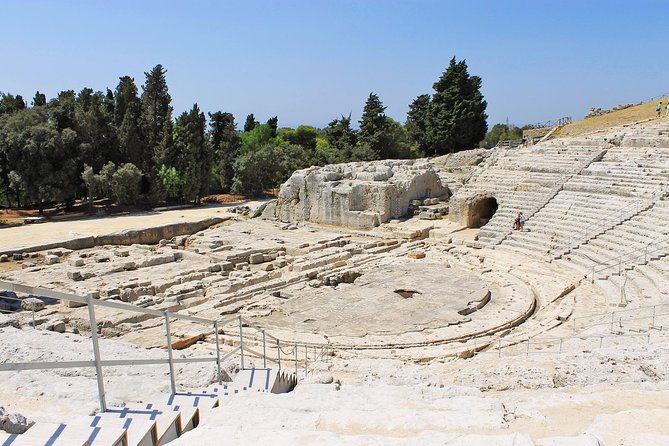
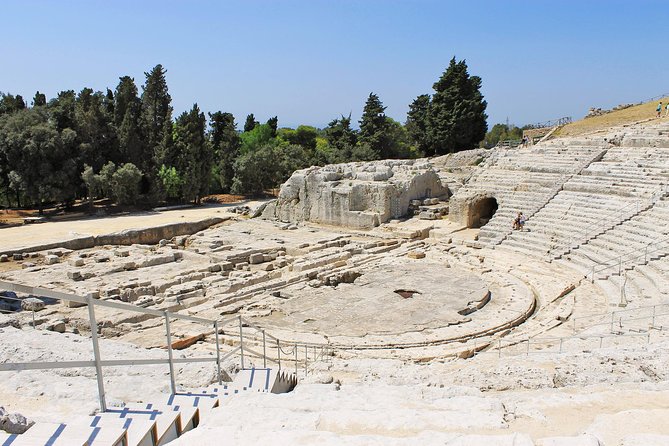
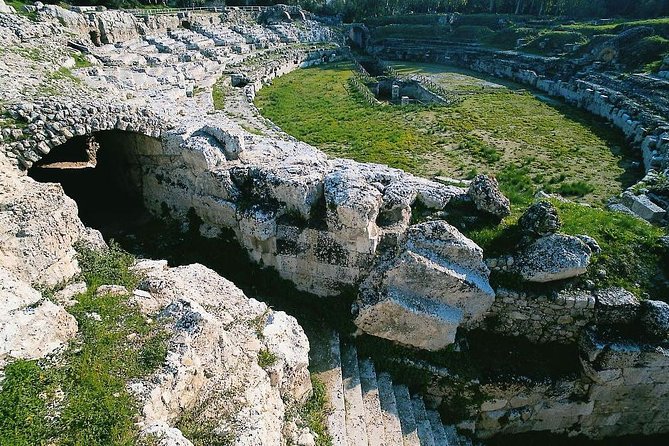
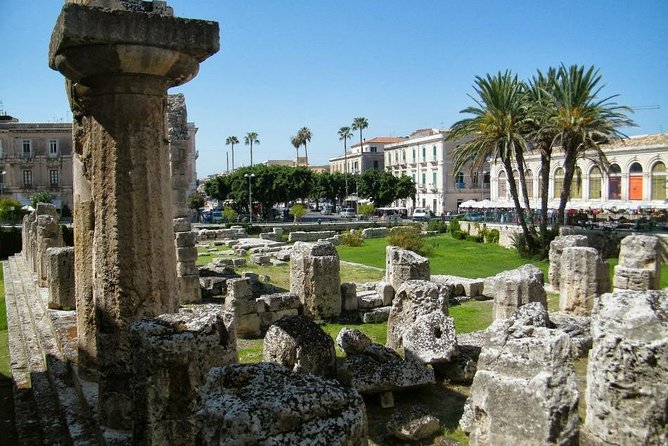
Neapolis is where ancient Syracuse still shows its muscle. Your guided visit runs about 1 hour and focuses on the Roman and Greek monuments that survive in impressive form. You’ll check out highlights such as the Roman amphitheater, the Greek theater, and the limestone cave complex area.
There’s one big budgeting point: entry to Parco Archeologico della Neapolis isn’t included. The tour notes it as an additional expense. If you’re traveling from the EU and under 18, entry to the park may be free, but for most adults you should assume you’ll pay onsite.
What makes this stop feel “worth it” is how much you can understand in a short time. The guide isn’t just pointing at stones—they’re tying monuments to their functions and stories, like where major ceremonies took place and how Greek and Roman urban planning shaped what you see.
Possible downside: the Greek theater area can be visually interrupted depending on the season. In warmer months, parts may be affected by stage setups or protective works, so you might not always get a perfectly open view of every area you hoped to see. You can still appreciate the scale, but your expectations should be flexible.
Ear of Dionysius: Caves, Photos, and a Reality Check
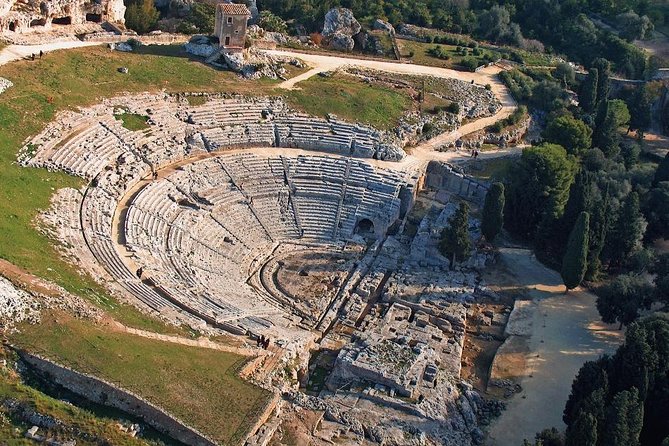
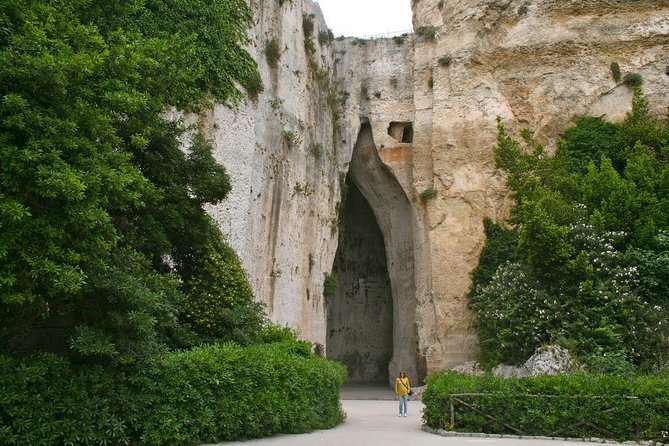
After the broader Neapolis zone, you move into the Ear of Dionysius stop, again about 1 hour. This is the one that feels most like a “walk into legend.” You’ll visit the caves in the archaeological area and get guided context while you move through the limestone spaces.
This stop tends to be the crowd-pleaser because it’s visual and different from the open-air ruins. You’ll also have easy photo moments right where the guide wants you to look, which helps if you’re not familiar with the site.
Reality check you should plan for: the cave experience is time-limited, and it’s part of a larger day. If you want long, slow exploration, this stop won’t replace a standalone visit. But for a day trip from Taormina, it hits the essential highlights without swallowing your whole schedule.
Tip: wear breathable layers. In hot weather, even shade can be inconsistent around archaeological areas.
Altar of Hieron II and Theater Settings: What You Might See (and Not See)
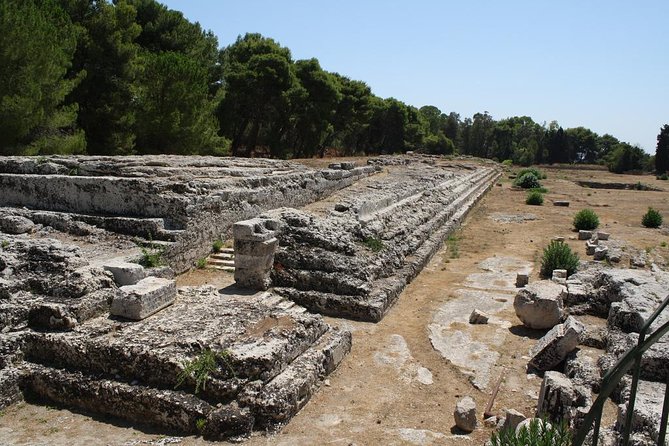
One of the reasons this tour earns its reputation is that it ties the “iconic” sites to specific ancient rituals. You’ll hear about where bull sacrifices took place during festivals, including the Altar of Hieron II. That detail helps transform “a monument” into an actual scene from daily life and belief.
The theaters are another anchor point, but they come with a common caveat. Depending on timing, the Greek theater may be partially covered or set up for events, which can block views of certain stage areas. Even when nothing is happening, you may still see signs of protection and maintenance—part of keeping fragile structures intact.
So here’s how you should think about the theaters before you go:
- Treat the stop as a guided overview plus a few key viewpoints.
- Expect the best drama from the guide’s storytelling, not only from physical access.
- Be ready to accept some scaffolding or temporary interruptions.
That sounds like a complaint, but it’s actually good planning advice. It keeps the day fun instead of turning every missing angle into disappointment.
Ortygia on Foot: Piazza Archimede, Fountain of Aretusa, and Local Rhythm
Ortygia is where the day becomes Sicily in real time. After your Neapolis portion, you’ll head to the island neighborhood and pause to purchase lunch. Since food and drinks aren’t included, you’ll be making decisions yourself—where to eat, what to order, and how leisurely to take it.
Then the tour guides you to some of Ortygia’s most recognizable public spaces:
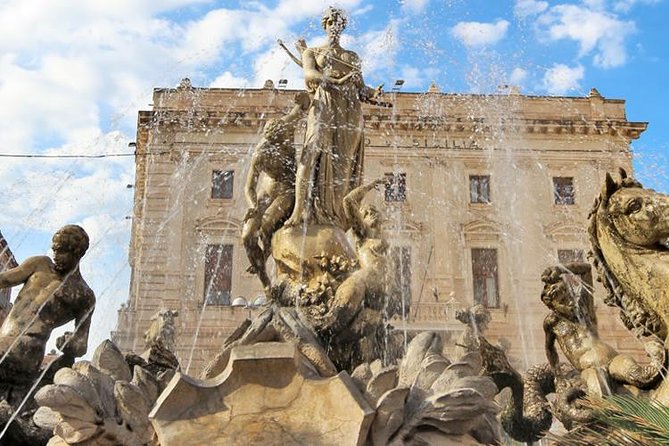
- Piazza Archimede and the Fountain of Aretusa
- A walk toward the Piazza del Duomo area
This is a good place to slow down, because Ortygia’s best features are human scale: locals moving between shops, squares changing character hour by hour, and architecture you can read just by looking up.
You’ll also notice the Gothic feel around the palaces near Piazza Archimede. That blend of styles is one of Ortygia’s charms: it doesn’t behave like a single “period museum.” It’s more like layers stacked on layers.
In practice, Ortygia gives you a blend of guided focus and self-guided wandering. Some people really love this structure because it keeps the history organized without locking you away from the streets.
Syracuse Cathedral and the 17th-Century Buildings: What to Gawk At
Near the end of the Ortygia walking segment, you’ll make time at the Syracuse Cathedral. The tour allocates about 15 minutes for the cathedral visit. There’s also a small extra cost here: Duomo di Siracusa is €2.00 per person.
The key thing isn’t how long you’re inside—it’s what surrounds you while you’re there. Around Piazza del Duomo, you’ll spot major civic and religious buildings, including:
- Palace of Beneventano del Bosco
- City Hall
- Archbishop’s Palace, dating back to the 17th century
When time is short, you want a “look-up habit.” Don’t stare only at the church door. Angle your head toward the facades and pay attention to symmetry, windows, and stonework. It’s how you get the most out of a short stop.
Walking, Heat, and What to Pack for 9 Hours in Sicily
This day trip is doable, but it’s not a “sit down all day” tour. Ortygia is pedestrian, and the archaeological area involves walking on uneven ground. In hot weather, the difference between comfortable and miserable can come down to basics.
From real-world experience patterns on this route, heat can reach 36–40°C in summer periods. On days like that, people who aren’t ready for sun and standing tend to feel rushed or fatigued by the time they reach the afternoon portion.
Bring:
- Comfortable shoes with grip
- A cap/visor and sunglasses
- Lots of water (don’t rely on finding it instantly)
- Sunscreen, even if you only get 10 minutes of shade
If you’re sensitive to heat, plan to take short pauses when the guide stops for explanations. It’s not “being difficult.” It’s smart pacing.
Also consider this: some schedules may require longer walks between the bus and certain areas if parking isn’t close. That’s why shoes matter as much as what you’re seeing.
Price and Logistics: Is $78.31 Good Value?
At $78.31 per person for about 9 hours, this tour is essentially paying for three things:
1) Transportation from Taormina in an air-conditioned coach
2) Local guide service plus a tour leader
3) A guided experience focused on major Syracuse and Ortygia stops
That value changes once you factor in entrance fees. Neapolis entry is not included, and you’ll likely pay for Duomo di Siracusa (€2). Still, for many visitors it remains cheaper and simpler than trying to piece together a Syracuse-and-Ortygia day alone, especially if you don’t want to coordinate schedules and transport under your own steam.
Where value can drop slightly:
- If your group day runs slower due to multiple pickups
- If you personally don’t enjoy long narration or language switching
Some departures run explanations in more than one language, and when the guide repeats the same material, it can feel like time is slipping away—especially when standing in the sun. If you want the cleanest experience, aim to sit where you can hear clearly and mentally accept that the day is built around a group pace, not a solo itinerary.
Who This Tour Fits Best (and Who Might Want Something Else)
This is a great match if you want:
- A guided overview of both mainland Syracuse ruins and Ortygia’s town center
- A day that blends structured stops with wandering time
- An easy way to get there from Taormina without planning transport
It may feel less ideal if you:
- Want maximum time at the Greek theater area specifically
- Strongly dislike crowds or group logistics
- Hate standing around for repeated explanations in different languages
Good news: Ortygia often becomes the highlight for many people. Even on days when the archaeological portion feels interrupted by heat or limited access, Ortygia’s squares and streets can still deliver the emotional payoff.
If you’re lucky with the guide, you’ll get real story detail rather than a list of dates. Guides you may encounter on this route (depending on your departure) include people like Renate, Eva, Giuseppe, Alfredo, Enza, and Santo, and they tend to focus on making the sites make sense, not just see-and-move.
Should You Book This Syracuse and Ortygia Trip?
Book it if you want a straightforward day that hits the big Syracuse highlights plus Ortygia’s most recognizable squares. At this price, with guided time, air-conditioned transport, and a practical schedule, it’s a solid value for a one-day pass through the area.
Skip or rethink if you know you’ll struggle with heat, long walks, or you’re picky about theater access during seasonal closures. In that case, you might enjoy a more flexible plan that lets you control pace and spend more time where your interests are strongest.
If your goal is to see the essentials, get context, and still have time to enjoy Ortygia on foot, this is a smart use of a long day from Taormina.
FAQ
How long is the Syracuse and Ortygia day trip from Taormina?
It runs about 9 hours on average.
What time does the tour start, and where do I meet?
You meet at Terminal Interbus Taormina (Via Luigi Pirandello, Taormina) at 8:00 am.
What’s included in the tour price?
The tour includes an air-conditioned vehicle, local guide service, and a tour leader service.
Are entrance fees included for the archaeological sites?
No. Entry to Parco Archeologico della Neapolis is not included, and the Duomo di Siracusa has an extra fee of €2.00 per person.
Is lunch included?
No. Food and drinks are not included. The schedule includes a pause so you can purchase lunch.
What language is the tour offered in?
The tour is offered in English.
How big is the group?
The maximum group size is 49 travelers.
Is the tour suitable for most people?
Most travelers can participate.
Can I get a full refund if I cancel?
Yes, free cancellation is available up to 24 hours in advance for a full refund. If you cancel less than 24 hours before the start time, it isn’t refunded.