REVIEW · LUCERNE
From Lucerne: Day Trip to Jungfraujoch – Top of Europe
Book on GetYourGuide →Operated by Best of Switzerland Tours · Bookable on GetYourGuide
A glacier day trip feels unreal. From Lucerne, this Jungfraujoch outing strings together gondola, cogwheel train, and glacier tunnels for big-alpine payoff. I love the reserved seats and priority boarding that make the system feel orderly, and I love that you get both the Sphinx Observation Terrace panoramas and the Ice Palace tunnel walk. The one thing to watch is the long, high-altitude day—views can also shrink in bad weather.
This trip is built for people who want Switzerland’s wow factor without working out routes, timetables, or connections. You’ll ride in a comfortable coach to the Bernese Oberland, enjoy a breather in Interlaken, then go up to Jungfraujoch with guided help and planned free time.
In This Review
- Quick hits: Jungfraujoch in one well-run day
- Why Jungfraujoch feels like a different planet (and why you’d go anyway)
- Lucerne to the Alps: Brünig Pass, Lake Brienz, and Interlaken breathing room
- Grindelwald Terminal to Eiger Glacier: the gondola that sets the mood
- Getting oriented at the top: guided help plus the “Alpine Sensation” moment
- Sphinx Terrace and Plateau: Aletsch Glacier views and that classic triple-peak framing
- The Ice Palace tunnels: when “walking into the glacier” stops being a slogan
- Timing on Jungfraujoch: how to use your time without getting rushed
- The descent via Wengen to Lauterbrunnen: views still matter on the way down
- Price and value: what $354 gets you (and what it doesn’t)
- Weather reality: the one thing no tour can guarantee
- Who this tour is best for (and who should think twice)
- Service and guide quality: when instructions are half the magic
- Should you book this Jungfraujoch day trip from Lucerne?
- FAQ
- How long is the day trip from Lucerne to Jungfraujoch?
- Where do I meet the tour in Lucerne?
- What’s included in the price?
- What transport do you use to reach Jungfraujoch?
- How much time will I have at Jungfraujoch?
- What do you do at the Sphinx Observation Terrace?
- What is the Ice Palace experience?
- Are food and drinks included?
- What do I need to bring?
- Is there free cancellation, and what language is the guide?
Quick hits: Jungfraujoch in one well-run day
- Reserved seats + priority boarding help you get onto the big transport with less stress
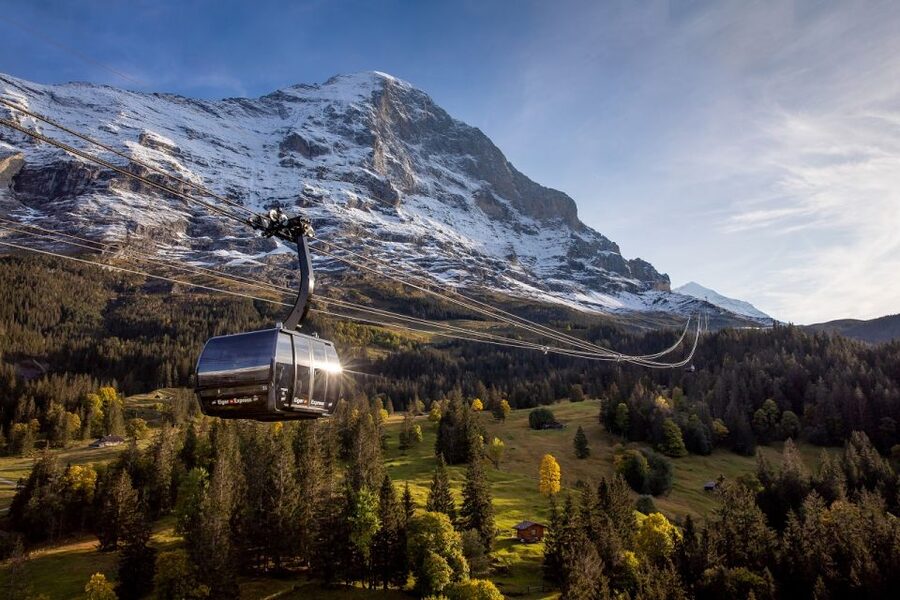
- Eiger Express gondola and the cogwheel train feel like part ride, part science project
- Sphinx Observation Terrace and Plateau delivers wide views toward the Aletsch Glacier
- Ice Palace tunnel walk gives you glacier texture up close, not just distance views
- Lots of built-in photo help from guides means you’re not guessing where to stand
Why Jungfraujoch feels like a different planet (and why you’d go anyway)
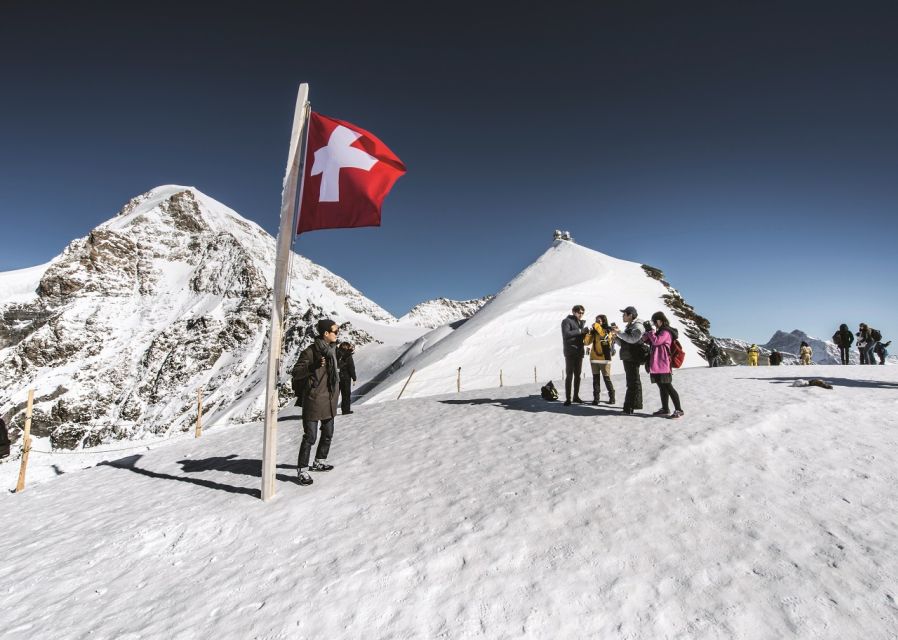
Jungfraujoch is where Switzerland turns ultra-vertical. You’re going to the High-Alpine “Top of Europe” zone to see snow, ice, and rock at a scale that looks almost engineered for postcards—except it’s real, and it’s cold in a way that makes you respect the mountains.
What makes the day worth it is that it’s not only about reaching the highest point. You also get a mix of viewpoints and experiences: the Sphinx Observation Terrace/Plateau for sweeping glacier sightlines, and the Ice Palace tunnels for a more tactile feel inside the ice environment. If you’re the type who likes both wide “wow” and close-up “how is this possible,” this hits the mark.
The trip also plays to the region’s signature trio—Eiger, Mönch, and Jungfrau—with classic views from the top. That matters because this isn’t just any mountain look. It’s the world-famous set of peaks people spend years trying to photograph in good light.
You can also read our reviews of more tours and experiences in Lucerne.
Lucerne to the Alps: Brünig Pass, Lake Brienz, and Interlaken breathing room
Your day starts in Lucerne with a coach transfer that takes you across some of central Switzerland’s prettiest driving geometry. You’ll go over the Brünig Pass and along the shores of Lake Brienz, then roll into the Bernese Oberland.
Along the way, the coach ride is more than time filler. It’s how the tour smoothly strings together a “different world” transition—from town rhythm to glacier rhythm. That scenic pacing is part of the value, especially if you don’t want to rent a car or shuffle between stations.
You also get free time in Interlaken and you’ll pass through towns on the return routing. That break is important for two reasons:
1) It lets you reset between the long morning drive and the climb upward.
2) It gives you a chance to grab a snack outside the vehicle, since food and drinks aren’t allowed on board.
If you hate being on a schedule, just know this is a tightly timed day. It can feel like you’re always moving, even when you’re technically “waiting.”
Grindelwald Terminal to Eiger Glacier: the gondola that sets the mood
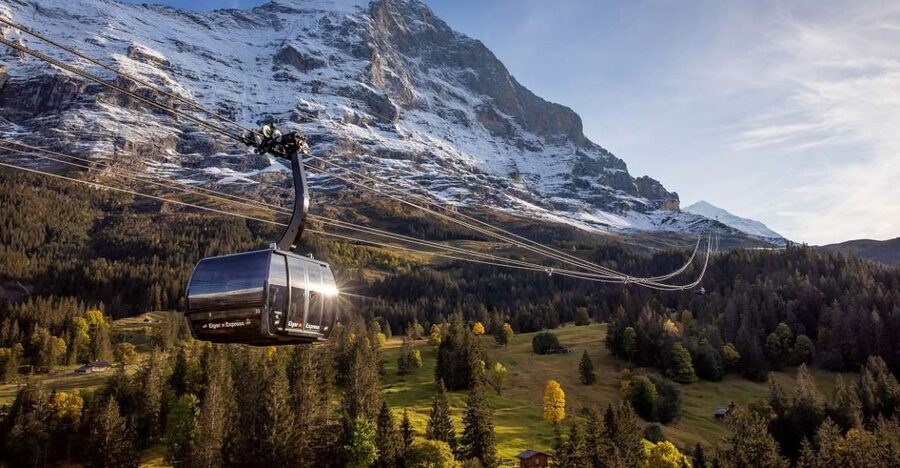
After the Interlaken stop, you reach the Grindelwald Terminal and board a cable car to the Eiger Glacier. That cable car ride is short—about 15 minutes—but it’s a perfect warm-up. It gets you above the bustle and into the glacier zone quickly, so the day doesn’t drag before you hit the real alpine stuff.
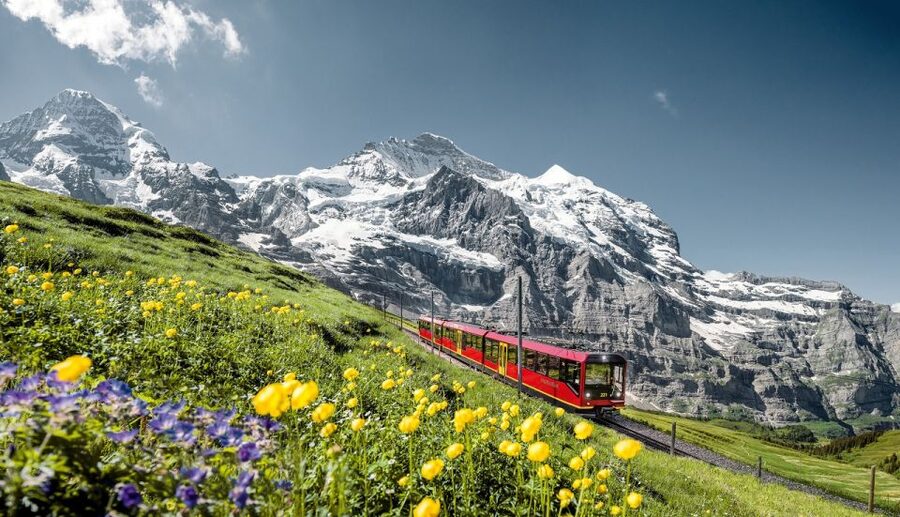
Once at the Eiger Glacier station, you switch to a cogwheel train for the final push toward Jungfraujoch. This kind of train matters here. It’s not just transportation; it’s built to tackle steep grade and it makes the ascent feel dramatic without you exerting yourself.
You’ll also get a guided segment at the Eigergletscher station and scenic views along the route. Even if you mostly care about the top, those small guided stops help you understand what you’re looking at before you’re standing 3,500+ meters above sea level with a thousand directions to stare in.
Getting oriented at the top: guided help plus the “Alpine Sensation” moment
When you arrive at Jungfraujoch, you’re not just dropped into the void. The structure includes guided direction early, plus free time after, and that combination is a smart way to handle a place that can be crowded.
The trip also includes the Alpine Sensation adventure tour, marking the 100th anniversary of the Jungfrau Railway. You may find this part especially appealing if you like a bit of guided context—how the mountain travel system works, and what makes this railway era significant.
There’s a quiet practical point here: when you’re dealing with a high-altitude site, it helps to know where to go first. The tour’s flow reduces the odds that you’ll waste your best visibility windows.
Sphinx Terrace and Plateau: Aletsch Glacier views and that classic triple-peak framing
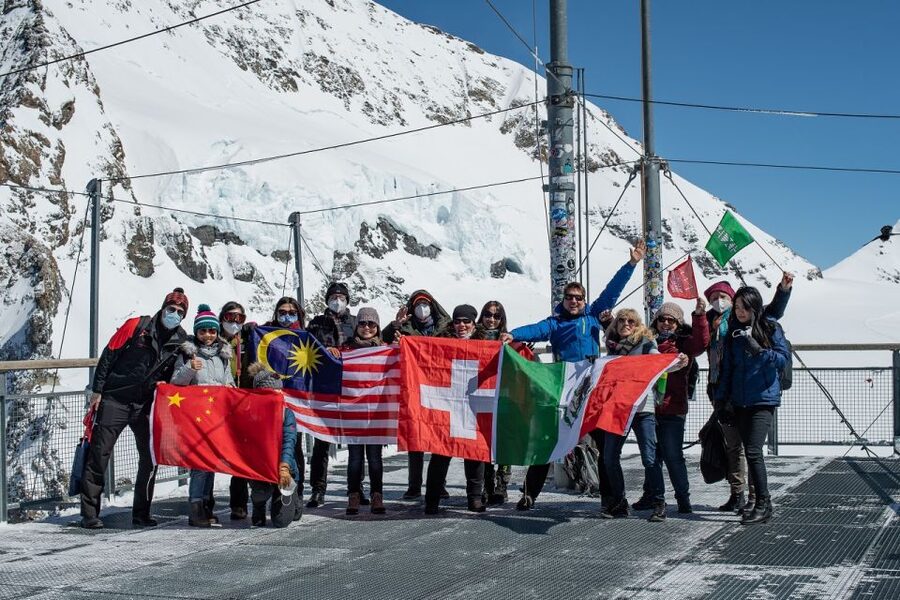
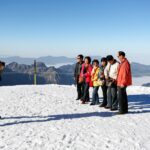
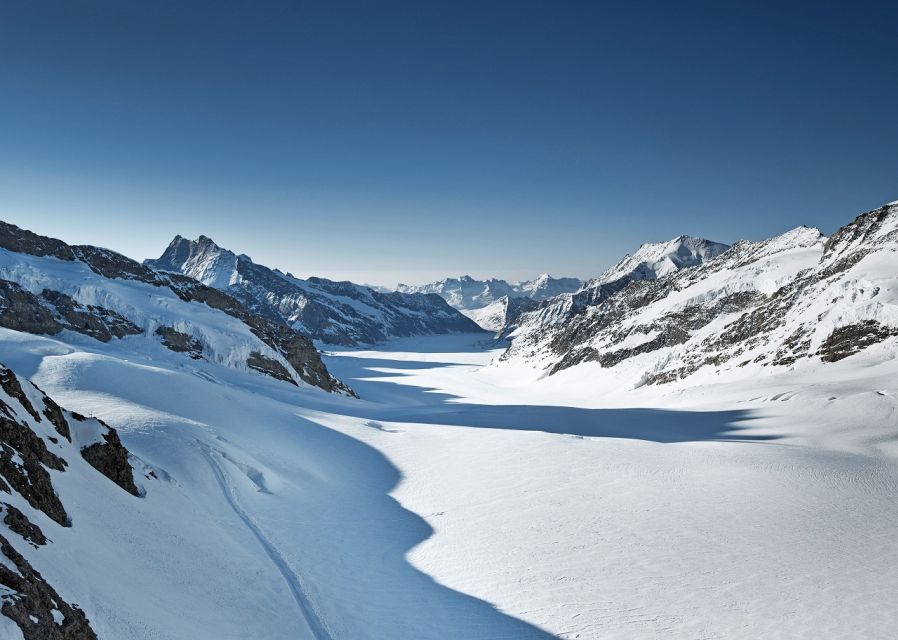
This is the part of the day you’ll plan your photos around. The Sphinx Observation Terrace and Plateau are designed for panoramic views, and they’re one of the best “stand still and take it in” sections of the whole itinerary.
From there, you’ll see expansive glacier scenery with the Aletsch Glacier called out specifically. That’s a big deal because Aletsch isn’t a minor glacier feature—it’s one of the UNESCO-style reasons this region is world-class.
You’ll also be looking toward the famous Eiger, Mönch, and Jungfrau triple peaks. That matters because the peaks’ silhouettes are often different depending on cloud cover, sun angle, and your exact vantage point. With planned time at the terrace, you have a better chance of catching the mountain shapes clearly.
One caution from the real-world feel of busy mountain sites: there can be crowds around viewpoints. You should treat the terrace experience as something you’ll manage with patience rather than trying to sprint for the best spot at the first second.
The Ice Palace tunnels: when “walking into the glacier” stops being a slogan
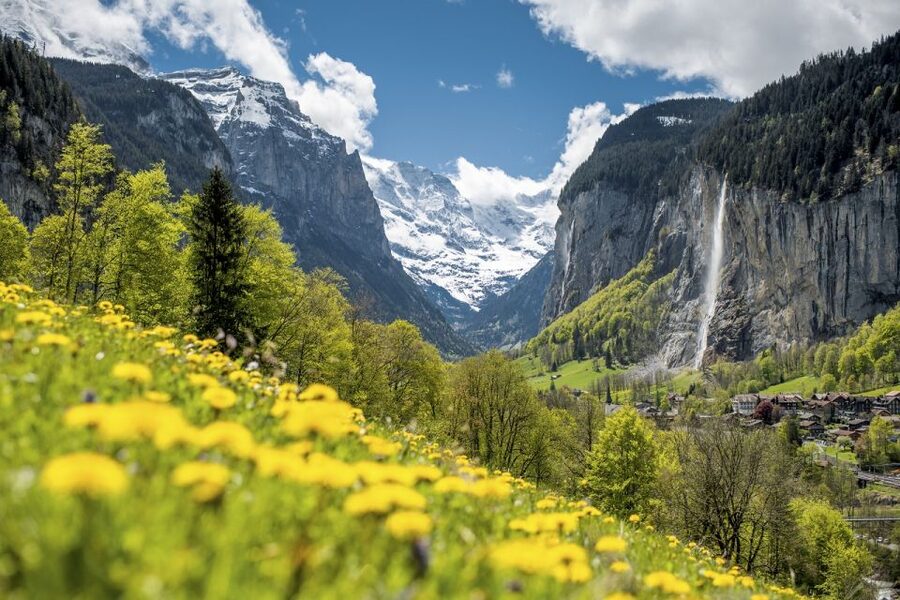
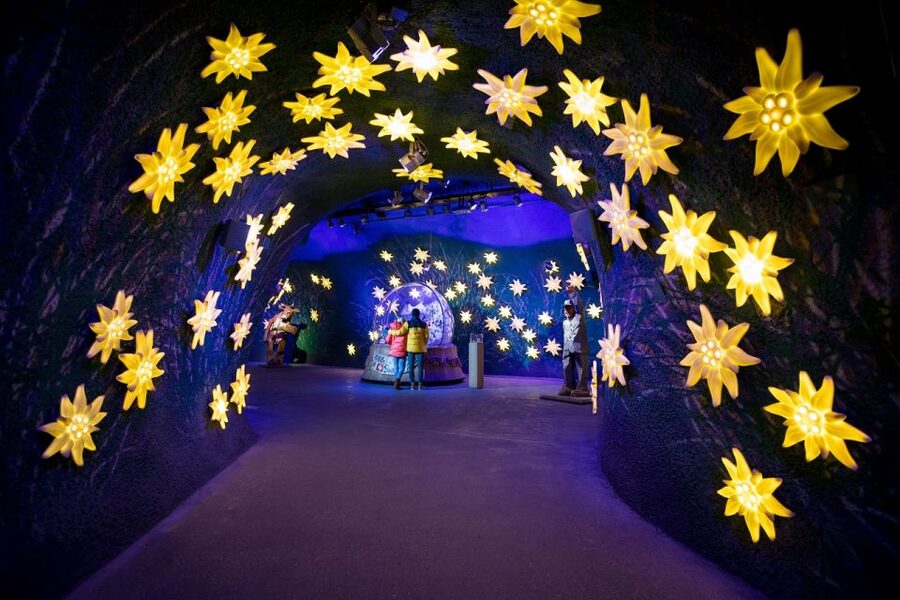
The Ice Palace is where the tour shifts from views to an interior experience. You’ll walk through tunnels inside the glacier environment, which gives you a sense of scale and texture that you can’t get from outside observation points.
Why this is valuable: ice can look “pretty” from a distance, but inside it has structure—walls, edges, the way light behaves, the cold intensity. The Ice Palace helps your brain make the place feel physical and real, not just lofty.
Also, it’s a nice counterbalance to the open-air terrace. If weather changes, tunnels give you something to do without losing the day to shifting clouds.
Timing on Jungfraujoch: how to use your time without getting rushed
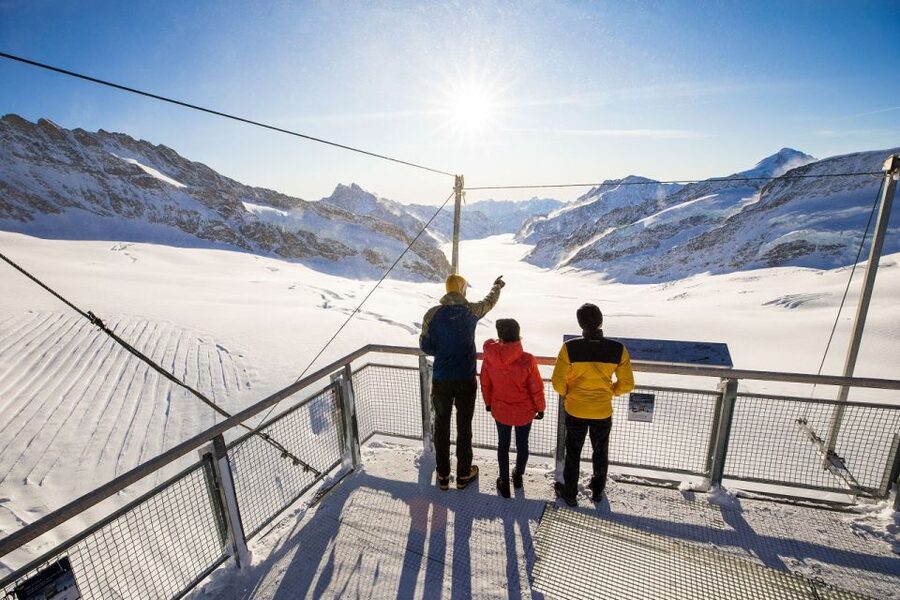
The tour guarantees a minimum stay of 2 hours at Jungfraujoch. In practice, you’ll want to think about that time like this:
- Some of it will go to figuring out where you want to spend your best moments.
- Some of it will go to moving between the terrace areas and the Ice Palace.
- Some of it will go to simply standing there and letting your eyes adjust.
In the real world, high-altitude sites can also cause headaches, dizziness, or mild altitude discomfort even in people who exercise regularly. The recommendation here is clear: you should be physically fit and healthy, you should wear good footwear, and you should be cautious if you’re at risk for issues at altitude.
If you’re the kind of person who likes to see everything fast, try slowing down instead. The weather and light can change, and you’ll feel better if you’re not fighting your schedule every minute.
The descent via Wengen to Lauterbrunnen: views still matter on the way down
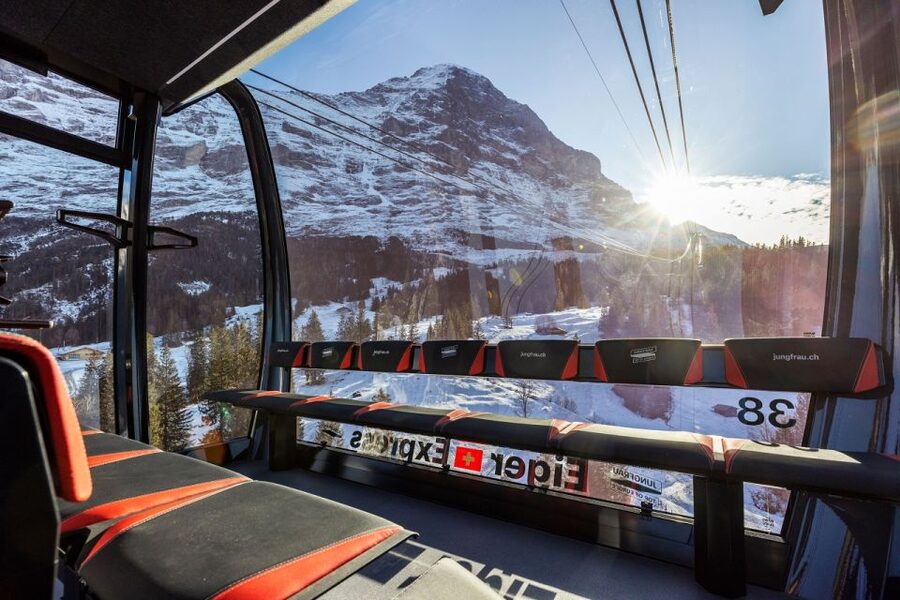
Going down doesn’t mean the day is over. You’ll take the train from Jungfraujoch to Lauterbrunnen (about 55 minutes), then ride a coach onward to Lucerne. The routing passes through Wengen on the descent.
This is one of the underrated benefits of a guided day trip: the transition from high altitude back to valley towns stays smooth. You don’t have to track connections while your brain is still trying to process what it just saw.
As you descend, you usually get a different feeling than you did on the way up. Up top is about scale. Down in the valleys, it’s about how quickly the world becomes human-sized again—while the mountains still loom.
Price and value: what $354 gets you (and what it doesn’t)
At $354 per person, this isn’t a budget excursion. But the value isn’t only about the destination—it’s about how much transportation and planning the tour handles for you.
Included in the price are:
- Comfortable coach transportation with a professional multilingual guide
- Cable car from Grindelwald to the Eiger Glacier
- Cogwheel train to Jungfraujoch
- Train down from Jungfraujoch to Lauterbrunnen
- Seat reservation and priority boarding
- Carbon-balanced operations certified by myclimate
Not included:
- Food and drinks
So here’s the practical value logic: if you priced out the correct rail segments and added the cost of time, coordination, and stress, you’re paying for convenience and reliability. The priority boarding especially helps when there are lots of people and limited movement.
That said, food isn’t covered. If you expect to eat a sit-down meal on top, plan on paying extra. If you’re trying to keep your spending controlled, bring your own plans for meals off the vehicle and then budget for what’s available at altitude.
Weather reality: the one thing no tour can guarantee
At Jungfraujoch, the view depends on weather. Sometimes you’ll get crisp blue-sky clarity and sometimes you’ll land in cloud or whiteout conditions. The best part is that the experience still works even when visibility isn’t perfect, because the Ice Palace and the alpine environment still deliver something.
Still, your best “wow” moments are tied to visibility on the Sphinx terrace and along the mountain lines toward the triple peaks. That’s why the tour’s time management matters: you want enough hours to make the most of whatever weather you’re given.
Who this tour is best for (and who should think twice)
This trip is a good fit if you want the “Top of Europe” experience without figuring out trains and transfers on your own. It’s also ideal if you like structured time—guided help where it counts, free time where you can choose your pace.
It’s not suitable for wheelchair users. It also isn’t meant for babies under 1 year, and there are additional caution notes for very young children and for pregnancy later in term.
From the health guidance, keep these in mind:
- You should be physically fit and healthy for high altitude.
- It’s not recommended for pregnant women from the 7th month or those with high-risk pregnancy.
- Children under age 2 may have difficulty with pressure changes and fluid intake.
If you’re usually okay at elevation and you can walk on cold, potentially icy surfaces with good footwear, you’ll likely do fine.
Service and guide quality: when instructions are half the magic
One reason this tour feels smooth is the way the guide handles transport instructions. Multiple guides associated with the experience—like Roberto, Bernie, Andrea, and Vladimir—are often described as helpful with logistics and supportive with photo spots and timing.
That matters because Jungfraujoch is a place where it’s easy to lose time. When someone gives clear direction at the right moments, you spend more time looking at mountains and less time figuring out which door is the right one.
Also, you’re not stuck with only one language option. The guide supports English, Chinese, and Spanish, which is a genuine quality-of-life factor when you’re trying to understand altitude advice and “where to go next” directions.
Should you book this Jungfraujoch day trip from Lucerne?
Book it if you want a high-impact alpine day with organized transport, priority boarding, and built-in time at the exact spots people come for. It’s especially worth it if you dislike planning logistics and you want to maximize your chance of enjoying terrace views and the Ice Palace without a headache.
Skip it (or think carefully) if you’re sensitive to altitude, you need wheelchair access, you’re traveling with very young children, or you strongly prefer flexible, on-your-own pacing. And if you’re chasing guaranteed visibility, keep your expectations realistic—weather has the final vote at Jungfraujoch.
If you’re fit, warm enough gear is in your bag, and you want Switzerland at its most dramatic, this is one of the easiest ways to make Jungfraujoch happen.
FAQ
How long is the day trip from Lucerne to Jungfraujoch?
The tour runs about 10 hours.
Where do I meet the tour in Lucerne?
You meet at Bus Parking Landenberg (Alpenquai, 6005 Luzern) near the Lucerne Train Station. Arrive 15 minutes early with your confirmation details and valid ID.
What’s included in the price?
Included are a professional multilingual guide, comfortable coach transport, the cable car from Grindelwald to Eiger Glacier, the train up to Jungfraujoch and down to Lauterbrunnen, and seat reservation with priority boarding. Carbon-balanced operations certified by myclimate is also included.
What transport do you use to reach Jungfraujoch?
You’ll take a coach from Lucerne to the Oberland, then a cable car to Eiger Glacier, followed by a cogwheel train to Jungfraujoch, and a train down to Lauterbrunnen.
How much time will I have at Jungfraujoch?
A minimum stay of 2 hours at the top is always guaranteed.
What do you do at the Sphinx Observation Terrace?
You’ll visit the Sphinx Observation Terrace and Plateau for expansive panoramic views, including views of the Aletsch Glacier.
What is the Ice Palace experience?
You walk through the tunnels of the Ice Palace into the heart of the glacier.
Are food and drinks included?
No. Food and drinks aren’t included, and you can’t bring food and drinks into the vehicle.
What do I need to bring?
Bring your passport or ID card.
Is there free cancellation, and what language is the guide?
You can cancel up to 24 hours in advance for a full refund. The live guide is available in English, Chinese, and Spanish.