REVIEW · LUCERNE
Jungfraujoch Top of Europe Day Trip from Lucerne
Book on Viator →Operated by Hans Meier Tourist AG - Gray Line Zurich · Bookable on Viator
One day. A lot of altitude. This Jungfraujoch day trip from Lucerne is interesting because you ride a mix of air-conditioned coach and old-school cogwheel trains right into Europe’s highest rail station at 11,333 feet. I especially like the way the route builds from valley villages up to the UNESCO World Heritage area, and I also like that you get a guided plan for the different stops. The only drawback is time pressure: you have to move fast between attractions, and some people feel a bit rushed at the top.
Here’s the trade-off: the itinerary is packed, but it’s also why it works. You’re not stuck figuring out connections or hauling luggage between mountain terminals while the clock runs. Just plan for crowds at Jungfraujoch and bring warm layers, because even in good weather the cold on the mountain is real.
In This Review
- Key Things I’d Plan Around
- From Lucerne to Jungfraujoch: how the day is paced
- Coach to Interlaken and the Bernese Oberland approach
- Lauterbrunnen cogwheel train: the slow climb that feels worth it
- Kleine Scheidegg transfer: the short stop where everything turns
- Jungfraujoch Top of Europe at 11,333 feet
- Ice Palace and Alpine Sensation: cold rooms, big wow factor
- Sphinx Observatory: the Aletsch Glacier viewpoint
- Eigergletscher and the V-Cableway Eiger Express return
- Weather, crowds, and what to pack so the day feels easy
- Price of $366: does this feel worth it?
- Guide quality: why names matter on a big day
- Who this trip is best for (and who should skip it)
- Should you book this Jungfraujoch day trip from Lucerne?
- FAQ
- What time does the Jungfraujoch day trip start in Lucerne?
- About how long is the day trip?
- What transport is included on the trip?
- Is WiFi available during the tour?
- How much time do I have at Jungfraujoch?
- Are food and drinks included in the price?
- What language is the tour offered in?
- How many people are on the tour?
- Is free cancellation available?
- Is the tour suitable for people with moderate physical fitness?
Key Things I’d Plan Around
- 11,333 feet at Jungfraujoch: you’re at Europe’s highest railway station, so dress for wind and cold.
- Alpine Sensation route: the underground-style round trip links the Ice Palace and the Sphinx Observatory.
- Multiple transport types: coach + cogwheel + cable car means you’ll spend the day moving, not waiting.
- Limited time per stop: you get about 3 hours at Jungfraujoch, then quick transfers.
- Guide-driven timing: the best days feel well-paced thanks to guides like Kid, Hans, and Ray.
From Lucerne to Jungfraujoch: how the day is paced
This is a long, focused day built around one goal: getting you to Jungfraujoch, and doing it efficiently. You start at 9:30 am near Frankenstrasse 1, 6003 Lucerne, and you return back to the same area in the evening.
The day runs about 9 hours 30 minutes total. That’s a commitment, but the structure is clear: you drive out of Lucerne, train up into the Bernese Oberland, spend a set block of time at the top, then reverse the journey back down.
The value here is in the logistics. You get a professional guide who keeps the group moving between different modes of transportation. If you’ve ever tried to do Jungfraujoch independently, you know how easy it is to lose time.
You can also read our reviews of more tours and experiences in Lucerne.
Coach to Interlaken and the Bernese Oberland approach
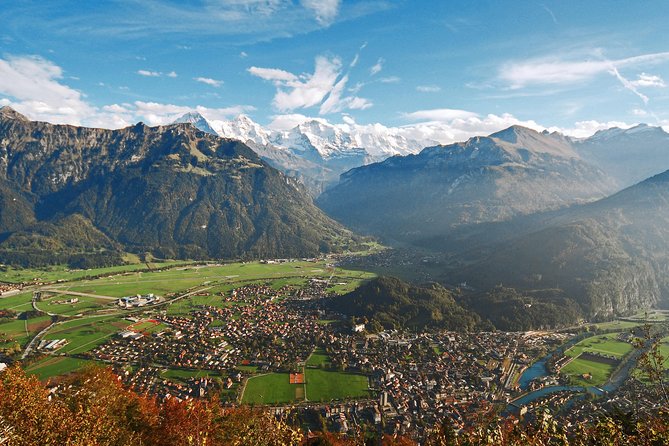
You meet your guide in central Lucerne, then climb away from the lake and into the Bernese Oberland. The coach is air-conditioned, and there’s WiFi on board, which is handy when the day feels long.
There’s a stop in Interlaken with limited time before you head onward to Lauterbrunnen. This part is more about the scenery and reset than sightseeing. You’re getting your bearings and using the time for a quick walk and fresh coffee if you need it.
Why I like this approach: it turns the mountain day into a proper Swiss drive. You’re seeing valleys and peaks build as you go, not just teleporting from station to station.
Lauterbrunnen cogwheel train: the slow climb that feels worth it
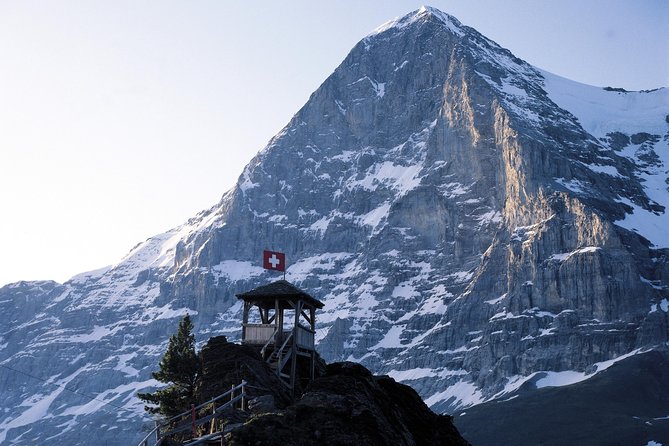
At Lauterbrunnen, you take the cogwheel train up with your guide. This is the kind of rail ride Switzerland does exceptionally well: slow enough to enjoy the view, organized enough that you don’t worry about connections.
You head toward Kleine Scheidegg, with the route running beneath the famous Eiger North Face. That detail matters. It’s not just any mountain rail line—it’s built around one of the most recognizable cliff faces in the Alps.
Your guide handles the timing so you can focus on the window views and photos. In the better moments, the light hits the peaks and makes the whole ride feel cinematic—even when you’re not trying hard to chase perfect pictures.
Kleine Scheidegg transfer: the short stop where everything turns
Kleine Scheidegg is where you switch trains. The changeover is brief—think quick platform-to-platform movement—so don’t plan a long detour here.
This is one of those “blink and you’re moving” segments. If you’re traveling with a group, a good guide helps you stay aligned so nobody gets left behind in a crowded station.
One reason this transfer is worth paying attention to: it keeps the day on schedule for your limited time at Jungfraujoch. Miss the rhythm here, and the top part of the day can start to feel rushed.
Jungfraujoch Top of Europe at 11,333 feet
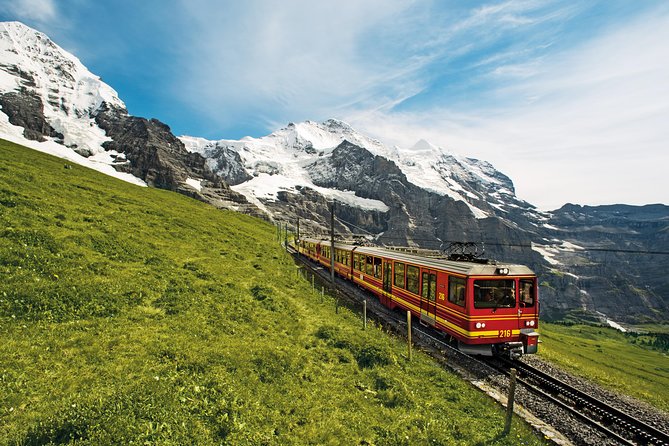
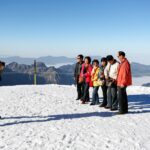
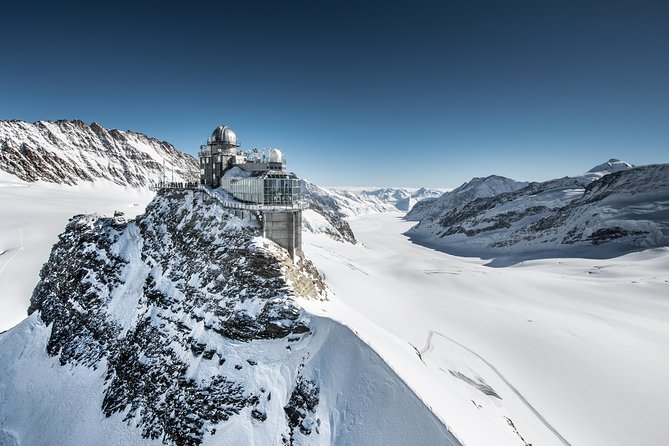
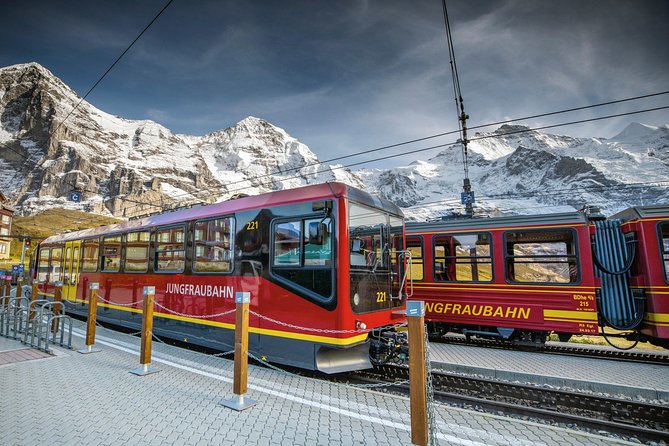
When you reach Jungfraujoch (11,333 feet / 3,454 meters), the place basically turns into a high-altitude hub. This is also a UNESCO World Heritage site, and Jungfraujoch is known for being Europe’s highest railway station.
You get about 3 hours at the top. That’s enough time to see the big sights without feeling like you need an entire second day—if you plan your walking path a bit.
What I like about having a guided plan at this level is that you’re not wandering aimlessly. The guide helps you hit the major viewpoints and key interiors in the order that makes sense with the crowds and the weather.
Ice Palace and Alpine Sensation: cold rooms, big wow factor
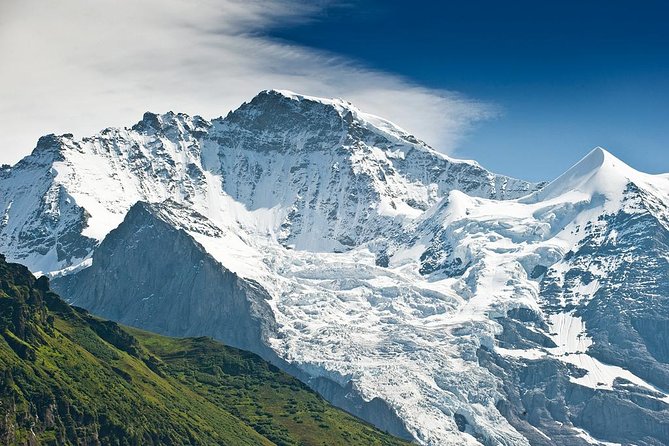
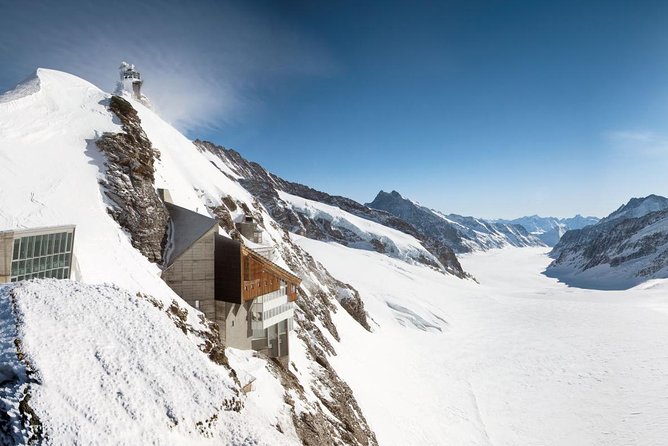
After arriving, you continue into the Alpine Sensation, a round-tour subway connection opened to mark the centenary of the Jungfrau Railway. It links the Ice Palace and the Sphinx Observatory, so you’re not just looking from one platform.
The Ice Palace stop is about 15 minutes. That’s short, but it’s designed as a highlight stop. You’ll see ice displays and walk through cold, enclosed spaces that feel like you stepped into a mountain fantasy book.
Practical tip: if you wear layers, you’ll enjoy this more. Some areas are colder than you expect, and keeping your core warm makes the whole experience more comfortable.
Sphinx Observatory: the Aletsch Glacier viewpoint
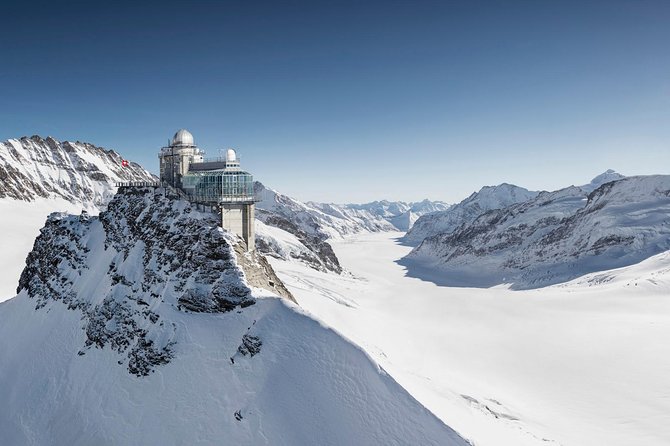
Next up is the Sphinx Observatory with about 15 minutes to enjoy the views. This is where the big glacier connection comes in: you look out over Aletsch Glacier, described as Europe’s longest glacier.
On a clear day, the view can reach as far as snow-capped peaks in France and Italy. Even when visibility isn’t perfect, the scale of the mountains can still hit hard because everything is so close and so steep.
This is also the kind of spot where wind matters. Plan for it. If you’re wearing thin layers, you’ll feel it fast at this altitude.
Eigergletscher and the V-Cableway Eiger Express return
After your time at Jungfraujoch, you head down by train to Eigergletscher and switch to the V-Cableway Eiger Express. The cable car portion is about 15 minutes before you reach Grindelwald Terminal, where your coach waits for the ride back to Lucerne.
The key idea: the descent is not just travel time. It’s a different perspective. When you move down, the valleys and villages start to open up visually, and the snowline begins to feel less surreal.
You’ll probably leave with a strong sense of the Eiger region’s geography. It’s one of those routes that makes you understand why these mountains are famous, not just beautiful on a postcard.
Weather, crowds, and what to pack so the day feels easy
This trip works in lots of conditions, but the mountain has one rule: you deal with weather on the mountain’s terms. People often describe Jungfraujoch as stunning even when conditions are overcast, and the visibility can be excellent on clearer days.
Crowds are part of the deal at the top. There can be a lot of people moving through the same corridors and viewpoints, and seating can be tight. That doesn’t ruin it, but it does change how you should pace yourself.
Here’s how I’d prepare:
- Dress in layers: cold + wind at altitude can get sharp.
- Bring water: you’re moving all day and you’ll feel it.
- Bring a small snack if you can: food is available, but it’s not the place for a bargain meal.
- Wear comfortable shoes: you’ll be walking, transferring, and standing in stations.
Also, keep your expectations realistic about shopping. Yes, there are places to buy snacks and warm drinks, but your best use of time is usually views first, shopping second.
Price of $366: does this feel worth it?
At $366.46 per person, this isn’t a cheap day. But you’re buying a bundle, not just a ticket to a viewpoint.
You’re getting:
- round-trip coach transportation
- cogwheel train segments to get up the mountain
- the V-Cableway Eiger Express for the return
- a professional guide
- WiFi on board
- a mobile ticket that keeps things simple at check-in
That added value matters because Jungfraujoch is logistically complex. The day is timed so you don’t have to solve train changes, platform searches, and delays by yourself at high altitude.
Still, the cost will feel heavy if you hate crowds or if you’re not confident you’ll enjoy the fast pace. If your priority is a slow, lingering mountain day, this may not match your style.
Guide quality: why names matter on a big day
A good guide can turn a complicated day into a calm one. In the experience, guides like Kid, Hans, and Ray show up with different personalities, but the common thread is timing and organization.
Some guides really shine at photo moments. You might find yourself with extra group shots you didn’t plan for, because the guide knows where to stand for the best angles and quick backdrops.
There’s also a flip side: if the meeting spot isn’t easy to find, the first few minutes can feel chaotic. The meeting point is Frankenstrasse 1 near the tourism office area. I’d arrive a bit early and double-check what corner the coach uses, because some people report the bus pulls up around the bend rather than right at the street-name marker.
Who this trip is best for (and who should skip it)
This is ideal if you:
- want to see Jungfraujoch without doing independent train planning
- like a guided itinerary with clear stops
- are comfortable with moderate physical fitness for transfers and uphill walking segments
- want a big, curated Alps day from Lucerne
It’s less ideal if you:
- get stressed by tight timing and moving through crowds
- need lots of free time at each stop
- want to eat leisurely and shop for long stretches
If you’re traveling as a couple or family and you want one “big ticket” Alps experience that’s handled end-to-end, this fits well.
Should you book this Jungfraujoch day trip from Lucerne?
I think you should book it if Jungfraujoch is on your Switzerland must-see list and you want the mountain to feel organized. Paying for the guide and the bundled transport makes a real difference when you’re going to 11,333 feet and relying on multiple rail and cable connections.
Hold off if you strongly prefer slower travel, or if crowds and short attraction windows will annoy you. In that case, you might enjoy a less packed approach instead.
If you decide to go, do three things: pack layers, bring water, and start early. With that, this becomes a genuinely memorable Alps day—one where the logistics are handled and the views are the main event.
FAQ
What time does the Jungfraujoch day trip start in Lucerne?
The tour starts at 9:30 am. You’ll meet your guide near Frankenstrasse 1, 6003 Luzern.
About how long is the day trip?
Plan for about 9 hours 30 minutes total, from morning pickup area in Lucerne to return in the evening.
What transport is included on the trip?
You’ll use an air-conditioned coach, take the cogwheel train up to Jungfraujoch (via Lauterbrunnen and Kleine Scheidegg), and ride the V-Cableway Eiger Express as part of the return.
Is WiFi available during the tour?
Yes. WiFi on board is included on the coach.
How much time do I have at Jungfraujoch?
You’ll have approximately 3 hours at Jungfraujoch, plus shorter stops for the Ice Palace (about 15 minutes) and Sphinx Observatory (about 15 minutes).
Are food and drinks included in the price?
No. Food and drinks are not included, though there is on-site food available at the top where you can purchase snacks or warm drinks.
What language is the tour offered in?
The tour is offered in English.
How many people are on the tour?
This experience has a maximum group size of 60 travelers.
Is free cancellation available?
Yes. You can cancel for a full refund up to 24 hours in advance of the start time.
Is the tour suitable for people with moderate physical fitness?
The tour advises moderate physical fitness. You’ll be walking and transferring between trains and cable cars, so comfortable walking matters.