REVIEW · LA PAZ
From La Paz: Day Trip to Chacaltaya and Moon Valley
Book on GetYourGuide →Operated by HanaqPacha Travel · Bookable on GetYourGuide
Moon Valley and Chacaltaya feel like two different worlds. You start with a maze of clay-and-sandstone spires that look made for another planet, then you end at the abandoned Chacaltaya ski area high above La Paz. It’s one of those day trips where the scenery does the talking, and the guide helps you read what you’re seeing.
I like that this is a short, focused 8-hour outing that hits two must-do places without making you spend your whole day commuting. I also really appreciate the bilingual guide setup (English and Spanish), since the geology and high-altitude hike make the context worth having.
One thing to consider: you’ll be dealing with high altitude and wind exposure, so pack for cold and keep an eye on how you feel—this isn’t a stroll.
In This Review
- Key Things You’ll Notice on This La Paz Day Trip
- Valle de la Luna: La Paz’s Other-Planet Geology Close to Town
- The Drive and Timing: Why the Day Feels Efficient (and When It Doesn’t)
- Chacaltaya’s Abandoned Ski Area: When the Glacier Was the Main Event
- The High-Altitude Walk to the Top: Views, Wind, and Smart Pacing
- What the Guide Adds (Including the Guillermo Mention)
- Price and Value: Is $40 a Fair Deal?
- What to Pack (So Wind Doesn’t Ruin Your Photos)
- Who This Trip Best Fits (And Who Should Skip It)
- Quick Reality Check: The Trade-Offs You Should Expect
- Should You Book This La Paz Day Trip?
- FAQ
- How long is the La Paz day trip to Chacaltaya and Moon Valley?
- What is included in the price?
- Do I need to bring food or drinks?
- Where does hotel pickup and drop-off happen?
- Will I reach high altitude?
- Is this tour suitable for wheelchair users?
- What should I wear or bring?
Key Things You’ll Notice on This La Paz Day Trip
- Valle de la Luna isn’t really a valley: it’s a canyon-and-spire maze right near La Paz.
- Clay and sandstone erosion is the story behind the weird shapes you’ll photograph.
- Chacaltaya glacier history: Bolivia’s former ski resort, now largely gone after melting in the last decade.
- A high viewpoint walk from the abandoned ski area to the top of Chacaltaya at 5000+ meters.
- Wind and exposure are real in both areas, so your jacket matters more than you think.
- Guillermo gets special praise for doing a great job guiding during the Chacaltaya part of the day.
Valle de la Luna: La Paz’s Other-Planet Geology Close to Town
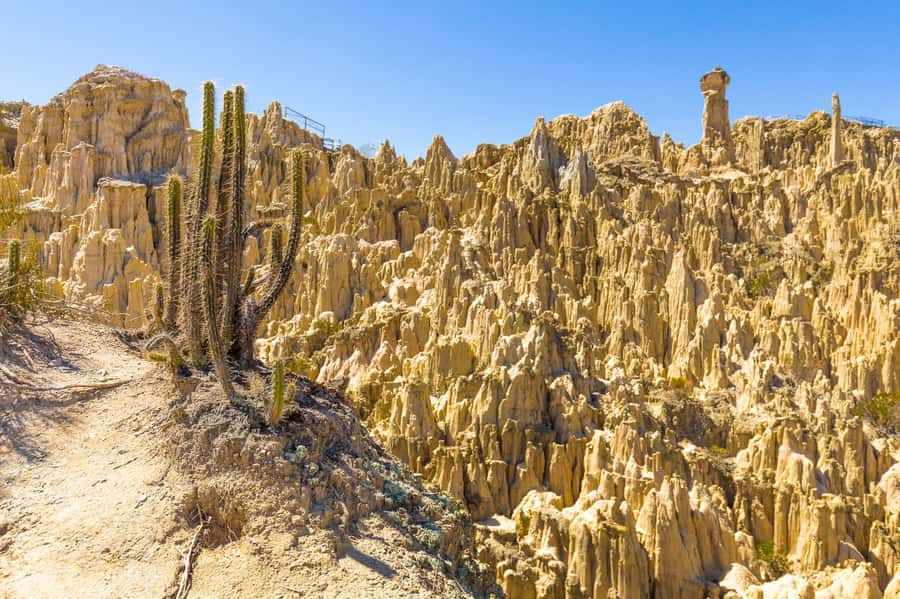
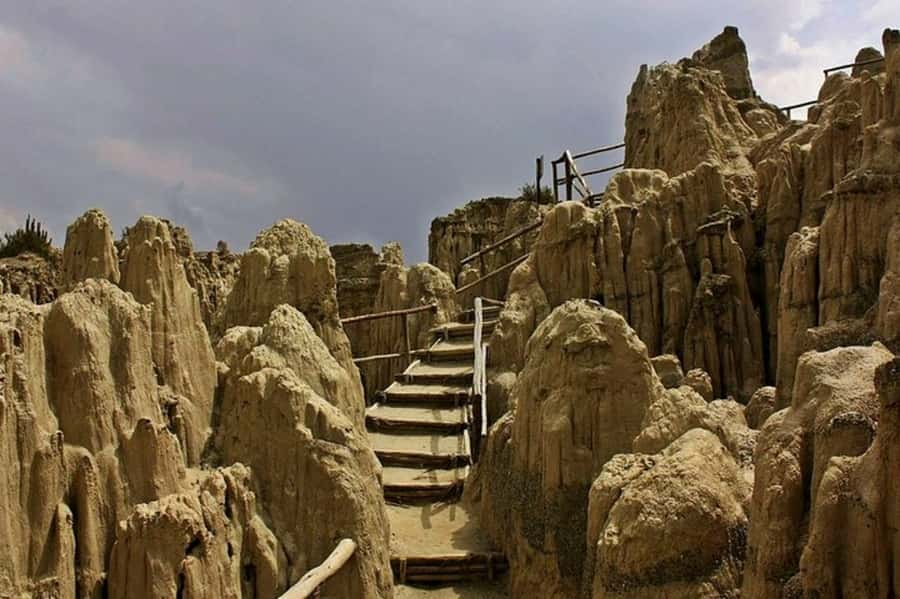
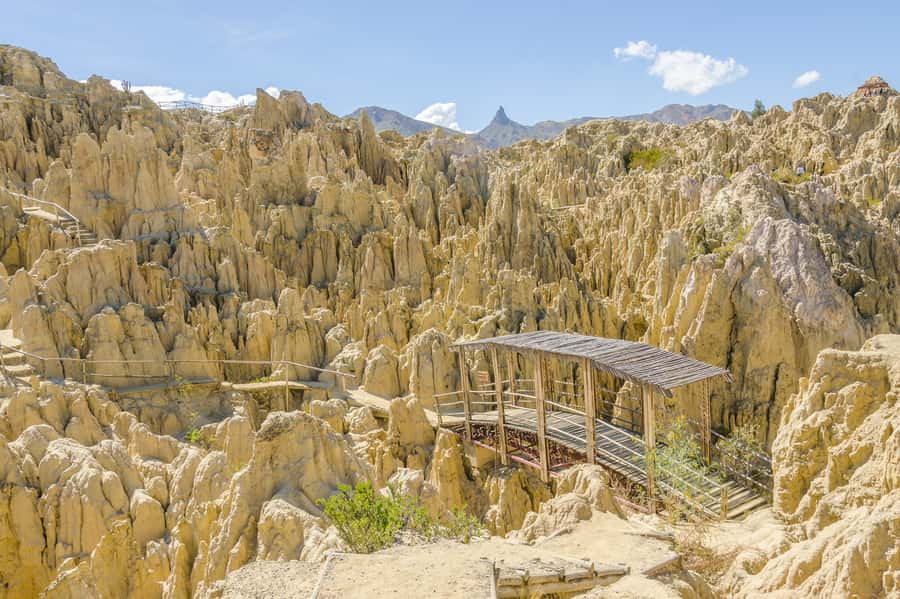
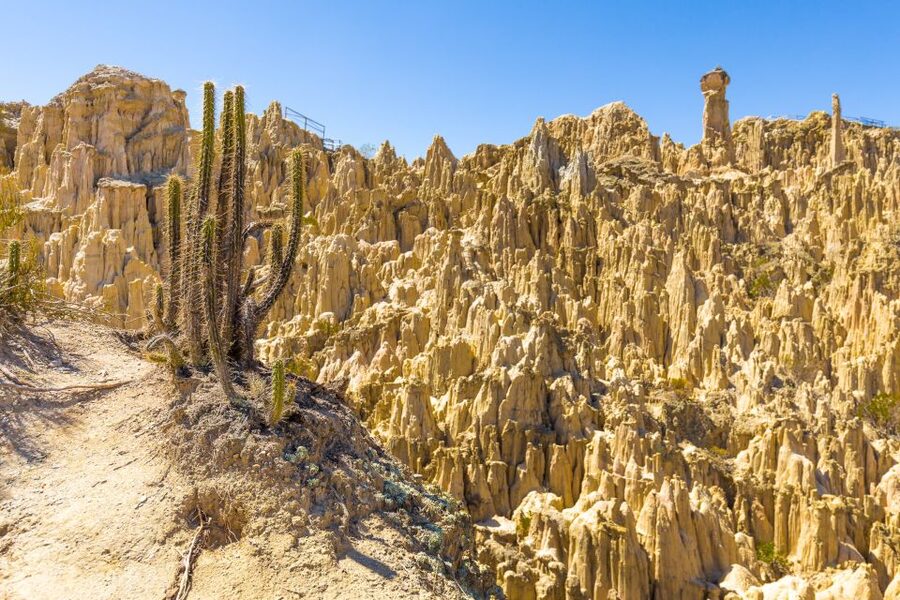
Valle de la Luna (Moon Valley) sits about 10 kilometers from downtown La Paz, which makes it a rare combo: big-time scenery without a long day-long journey. The name can trick you. This place isn’t a neat green valley you’d hike through. Instead, it’s a maze of canyons, gullies, and giant spires rising from dusty ground.
Here’s the cool part: the formations are largely clay and sandstone, shaped over time by strong winds and rains that erode the mountains. When you look at the shapes, try to notice how softer material disappears faster, leaving sharper ridges and taller pillars behind. You’re not just looking at scenery—you’re seeing a physical record of weather doing its slow work.
You’ll probably come away with that odd feeling you get at geologic sites: everything looks sculpted, but nothing is human-made. This is one of the best reasons to take a guided trip. A good guide helps you connect what you’re seeing (spires, channels, eroded edges) to why it happened.
A practical note: you’ll want to bring a windbreaker and a jacket. Even if La Paz starts mild, these open areas can feel harsher once you’re up and exposed.
You can also read our reviews of more tours and experiences in La Paz.
The Drive and Timing: Why the Day Feels Efficient (and When It Doesn’t)
This is an 8-hour guided day trip, offered with starting times you can check for availability. That time frame matters because it’s long enough to see both highlights properly, but short enough that you’re not spending your only day in La Paz stuck in transit.
Transportation is part of the value here because hotel pickup is included from the downtown area (and the Ritz Apart Hotel). If your lodging is outside that pickup zone, you’ll need to arrange the closest meeting point with the local partner after booking. In other words: you want to know where you’ll meet before the day arrives, so you don’t lose time at the start.
One thing to keep in mind is that the road conditions can vary. At least some parts of the route to the high point areas can feel rough and exposed, and wind can hit hard once you’re out in the open. If you get carsick easily, it’s worth taking a motion-sickness precaution before you go.
Chacaltaya’s Abandoned Ski Area: When the Glacier Was the Main Event
After Moon Valley, you head to Chacaltaya, and the mood shifts fast. At Chacaltaya, you’re no longer just reading erosion in the rocks. You’re looking at climate change written into the terrain.
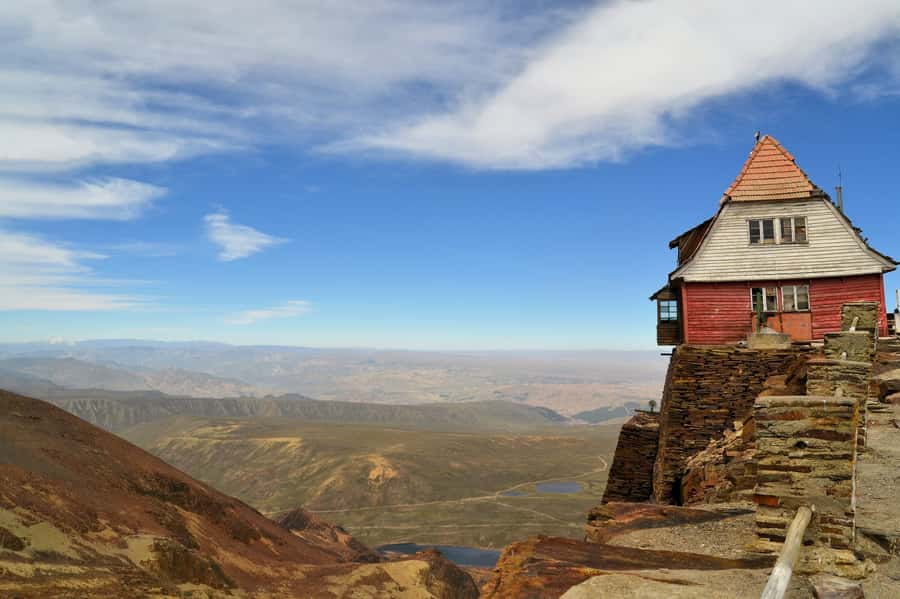
Chacaltaya was Bolivia’s only ski resort, serving as an iconic high-altitude destination until the glacier largely melted in the last decade. The area used to be famous for being among the world’s most equatorial ski zones—described as the second most equatorial after Maoke, Indonesia—and also positioned as the northernmost lift-served ski area in South America. Even if you don’t care about sports history, that context explains why so many people still treat Chacaltaya like a landmark.
When you arrive, you’ll be at the abandoned ski resort setting, which is itself part of the experience. The structures and the cleared area create a ghostly contrast with the surrounding mountain. It feels like stepping into a chapter of history where the ending has already happened.
And then you move on foot.
The High-Altitude Walk to the Top: Views, Wind, and Smart Pacing
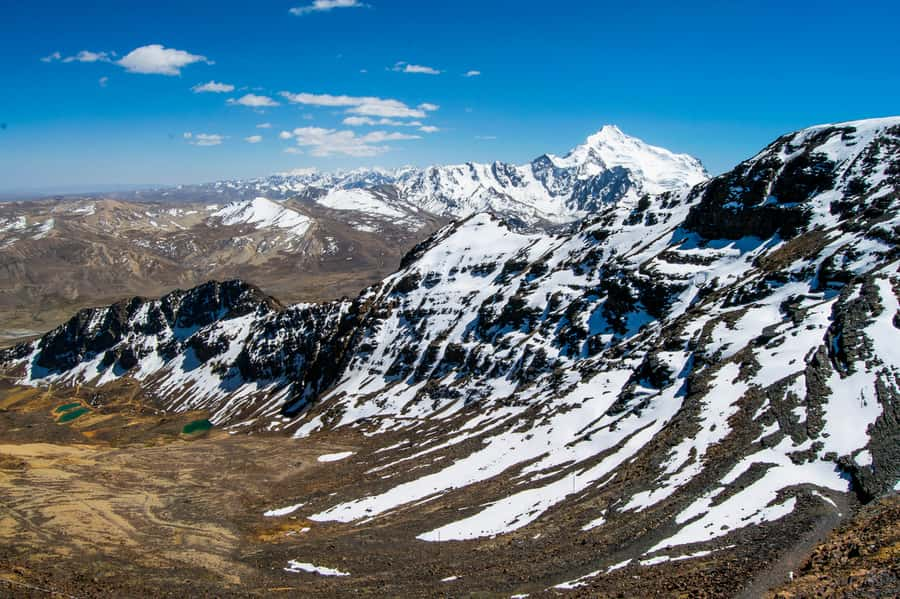
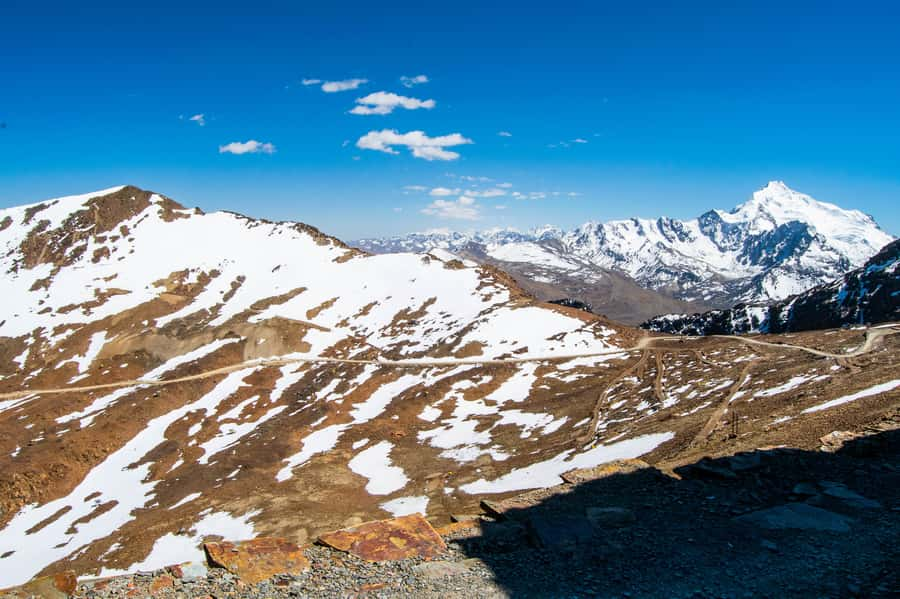
You’ll walk from the abandoned ski area up toward the top of the Chacaltaya mountain for great views at over 5000 meters above sea level. This is the moment that most people remember, because you get the payoff: big sky, wide visibility, and a sense of how high you really are.
But it’s also where you need to be the most careful. The tour notes that it takes you to high altitudes, and it’s not suitable for people with vertigo. Even if you don’t have vertigo, you should treat the hike like a slow, steady effort—not a race.
What I recommend for pacing:
- Take it slow and keep your breathing controlled.
- If you feel lightheaded, stop, rest, and tell the guide.
- Dress for wind even if you don’t feel cold at the start.
One review experience included snow on the ground and strong wind at the high point, which is a good reminder that conditions can change. If you’re flexible, plan to move gently and let the altitude do what it does—focusing you whether you want it to or not.
What the Guide Adds (Including the Guillermo Mention)
The tour includes a bilingual guide in English and Spanish, and that matters because Moon Valley and Chacaltaya both reward knowing the story behind what you see. At Moon Valley, the geology lesson helps you interpret the canyon network and the spire shapes. At Chacaltaya, understanding the resort’s history and its equatorial-ski context makes the abandoned area feel more meaningful than just a pile of ruins.
One highlight from the feedback: Guillermo is specifically mentioned as an excellent guide, especially for the Chacaltaya hike and the views. That’s the kind of guiding that makes a difference at high altitude, where a calm, well-organized guide helps keep the group together and keeps you informed.
That said, you should still set yourself up for success. The tour is advertised as bilingual, but language delivery can vary by guide and situation. If English is essential to you, it’s smart to confirm early in the day, when you’re still fresh and before you’re focused on breathing at altitude.
Price and Value: Is $40 a Fair Deal?
At $40 per person for an 8-hour guided day trip, you’re paying for four things: transport from La Paz, an experienced guide, entry fees, and the value of not having to plan two separate high-effort outings on your own.
Here’s how I think about the value:
- If you try to DIY Moon Valley and Chacaltaya, you’ll quickly lose time figuring out logistics and booking.
- Having a guide on both geology and the high-altitude hike adds payoff that you might otherwise miss.
- Entry fees are included, so you don’t get surprised by extra costs at each stop.
The main thing that isn’t included is food and drinks. That’s manageable, but it means you’ll want a plan—either snacks you bring or money for meals elsewhere. Also, there’s pickup from downtown and drop-off at the Church of San Francisco in La Paz, but hotel drop-off is not included.
So the deal is good if you want simplicity and a guided experience. It’s less attractive if you prefer total control over timing, or if you strongly want long stops where you can linger without moving on.
What to Pack (So Wind Doesn’t Ruin Your Photos)
You only have two explicit clothing suggestions, but they cover the big risk areas: bring a windbreaker and a jacket. Moon Valley can be windy and exposed, and Chacaltaya can feel much colder, especially at higher elevation.
Beyond that, I’d treat this as a high-altitude outing:
- Warm layers under your jacket.
- Something wind-resistant for the hike.
- Comfortable shoes for walking on uneven ground.
If you’re prone to altitude symptoms, also consider a plan for taking it slow and staying hydrated. The tour is short enough that you may still be okay, but the altitude can be a surprise even for active travelers.
Who This Trip Best Fits (And Who Should Skip It)
This day trip is best for people who like active sightseeing—short walking segments with meaningful payoffs, not long museum-style stops. You’ll enjoy it if you’re curious about geology, want the story behind Chacaltaya, and don’t mind wind and altitude.
It’s not suitable for:
- People with mobility impairments
- Wheelchair users
- People with vertigo
If you’re unsure about altitude, don’t ignore that note. High altitude can affect people differently, and Chacaltaya goes above 5000 meters on foot.
Quick Reality Check: The Trade-Offs You Should Expect
This tour is efficient, but it’s not leisurely. You’re seeing two major highlights in one day, which means you’ll likely move through stops with guided timing.
Also, the exposure cuts both ways. That otherworldly view is the reward, but it comes with wind and an open-feeling environment. Dress for that reality and you’ll have a much smoother day.
Finally, bilingual guide service is included, but individual delivery can vary. Your best strategy is to communicate early and ask questions when the guide is still organizing the group.
Should You Book This La Paz Day Trip?
If you want an efficient introduction to two of La Paz region’s most distinctive sites—Valle de la Luna’s strange spires and Chacaltaya’s abandoned glacier ski history—I think this is a strong value at $40. The guided context makes both places easier to appreciate, and the Chacaltaya viewpoint hike is exactly the kind of payoff you’ll remember.
I’d only hold back if altitude is a concern for you, you’re sensitive to wind and cold, or you have vertigo. For everyone else, this is the kind of day trip that feels like you packed in a lot without losing your sanity—or your toes.
FAQ
How long is the La Paz day trip to Chacaltaya and Moon Valley?
The tour lasts 8 hours.
What is included in the price?
You get a bilingual guide (English and Spanish), hotel pickup in La Paz’s downtown area, drop-off at the Church of San Francisco, and entry fees.
Do I need to bring food or drinks?
Food and drinks are not included, so you should plan to bring snacks or buy what you need.
Where does hotel pickup and drop-off happen?
Pickup is included from the downtown area only, and also from the Ritz Apart Hotel. Drop-off is at the Church of San Francisco in La Paz.
Will I reach high altitude?
Yes. The tour takes you to high altitudes, and the Chacaltaya walk reaches over 5000 meters.
Is this tour suitable for wheelchair users?
No. It’s not suitable for people with mobility impairments or wheelchair users.
What should I wear or bring?
Bring a windbreaker and a jacket, since the areas can be windy and conditions can change at altitude.