REVIEW · LA PAZ
From La Paz: 4-Day Trip to San Pedro de Atacama w/Salt Flats
Book on GetYourGuide →Operated by Tours Uyuni Bolivia · Bookable on GetYourGuide
Uyuni to Chile in four days feels fast. I love the photo-rich route plus the English-speaking guide who helps with timing and stops, but the comfort level is basic and the first and last days are more transit than sightseeing. Plan for cold nights, extra cash for small fees, and a long border day even when everything is arranged for you.
In This Review
- Key Moments You’ll Remember
- From La Paz Overnight Bus to Uyuni: The Pace You Should Expect
- Train Cemetery and Colchani Salt Work: Starting at the Real Source
- Salar de Uyuni: Sunset Photos, Salt Hotel, and the Incahuasi Choice
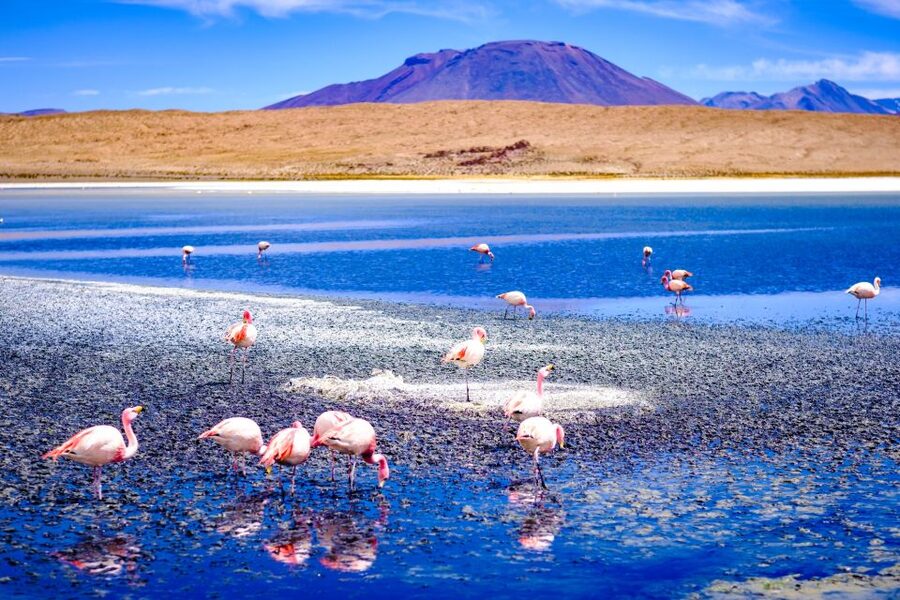
- Day 3’s Flamingo Lagoons: The Pink-Bird Payoff
- Sol de Mañana Geysers, Polques Hot Springs, and Lincancabur Views
- Lodging and Meals: Basic, Functional, and Worth Planning For
- Price and Logistics: Is $493 Good Value for This Route?
- Guide Style, Group Size, and How the 4WD Splits
- Should You Book This La Paz to San Pedro Salt Flats Trip?
- FAQ
- What time do I check in and when does the bus leave from La Paz?
- What’s included in the price?
- What are the main extra costs not included?
- Is Incahuasi Island always part of the trip?
- How big is the group?
- What do I need to bring?
- Does the tour end in Chile?
- Does the bus have Wi-Fi?
- Who should avoid this tour?
Key Moments You’ll Remember
- Overnight bus + guided 4×4 days: You start moving at 9:00 p.m., then hit the sights in full-on daylight.
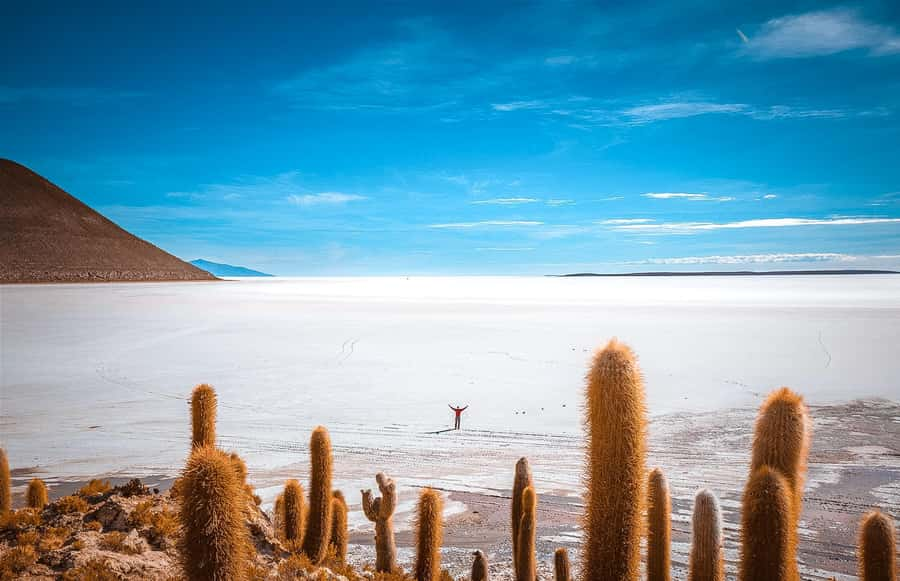
- Train Cemetery to Incahuasi: Old locomotives, salt craft in Colchani, then the giant cactus viewpoint.
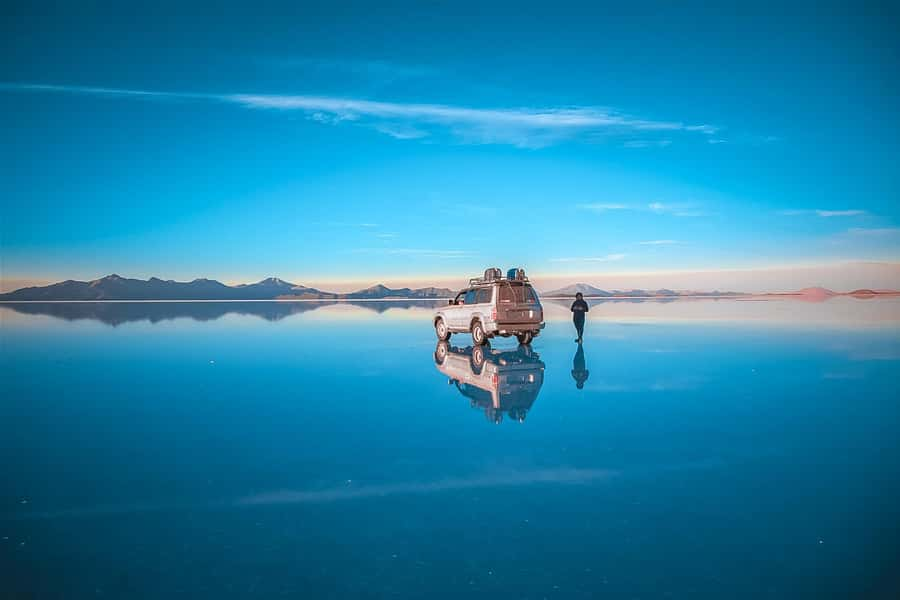
- Salar de Uyuni at sunset: A built-in window for iconic reflection photos and a simple but satisfying end-of-day moment.
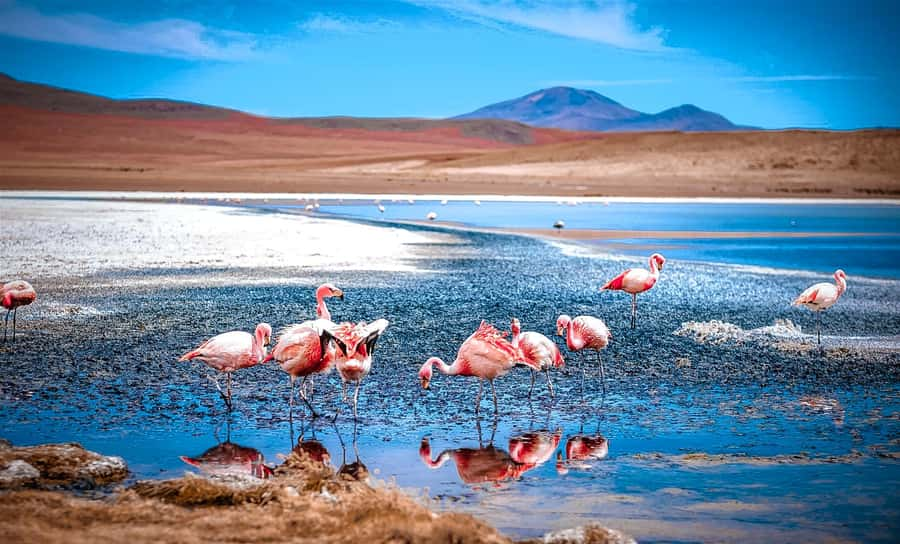
- Flamingo lagoons circuit: Cañapa, Hedionda, and Chiarcota bring the pink-bird payoff.
- Sol de Mañana and hot springs: Volcanic geysers and Polques hot springs before the viewpoint sweep.
- Drop-off in San Pedro de Atacama: You finish at the main square, with border assistance handled.
From La Paz Overnight Bus to Uyuni: The Pace You Should Expect
This trip is a clever two-part journey. Day one is mostly an overnight bus ride from La Paz. Check-in is at 8:30 p.m. and departure is at 9:00 p.m. The bus isn’t just sitting there waiting for you; it includes dinner, breakfast, water, a hot drink, heating, a toilet, polar blankets, Wi‑Fi, and first aid. It’s still a sleeper bus, so you’ll get real downtime, but you’ll also feel the altitude and the long stretch of travel.
This matters because it shapes your expectations. Even though it’s sold as 4 days, the sightseeing rhythm mainly happens on the 4×4 days in the desert and salt flats. You’ll be moving early, stopping often, and shooting photos constantly, which is exactly why this style works if you want maximum scenery in minimum planning.
You can also read our reviews of more tours and experiences in La Paz.
Train Cemetery and Colchani Salt Work: Starting at the Real Source
Once you arrive in Uyuni around 7:30 a.m., you get a short window to reset—walk around, grab a coffee, and get your bearings before the full program begins at 10:00 a.m. Meeting time is in the agency office, and the 4×4 departure is typically 10:30 a.m. from Uyuni.
The first stop that hits fast is the Train Cemetery, where you can see the remains of locomotives from the late 1700s and early 1900s. It’s not just a quick photo stop. The flat salt desert backdrop makes the rusted metal look like a sci-fi set. Bring a camera strap you can trust, because you’ll be hopping out for shots and walking a bit on uneven ground.
Then comes Colchani, a small village tied to salt production. This is where the experience shifts from postcard to human scale. You’ll pass by the artisanal market and a small museum area where you can understand how salt gets handled locally—then you roll straight into the big open white world.
One practical note: you’re in remote territory for days. On most of these routes, phones and credit cards can become unreliable, so keep your essentials ready before you fully go off grid.
Salar de Uyuni: Sunset Photos, Salt Hotel, and the Incahuasi Choice
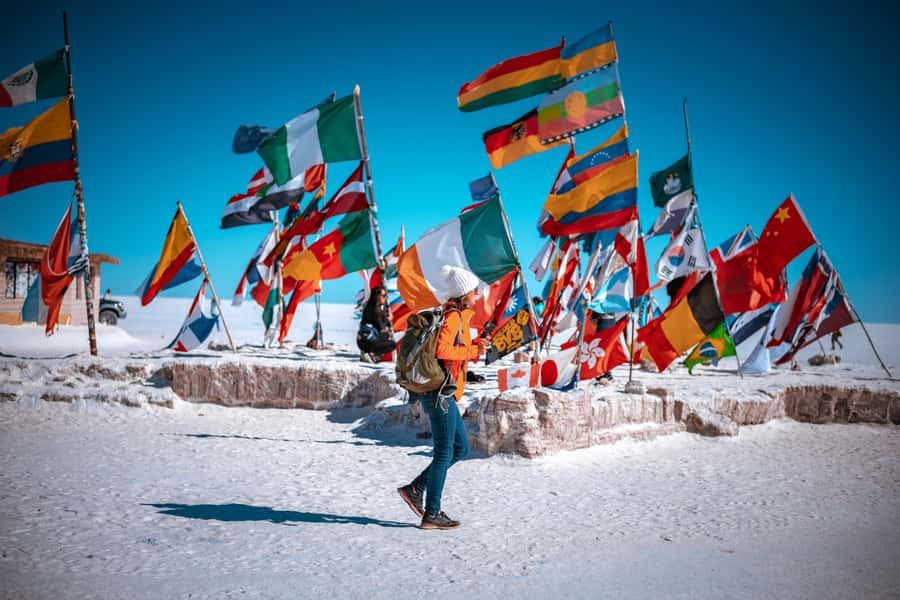
The Salar de Uyuni day is where the tour earns its reputation. You drive in 4WD vehicles with rooftop luggage racks, bouncing across salt tracks toward multiple signature spots.
Along the way, you stop at:
- Salt eyes (round pools that look otherworldly from the right angles)
- Salt Hotel–Museum, built using salt blocks
- Dakar Monument
- Flags of the world
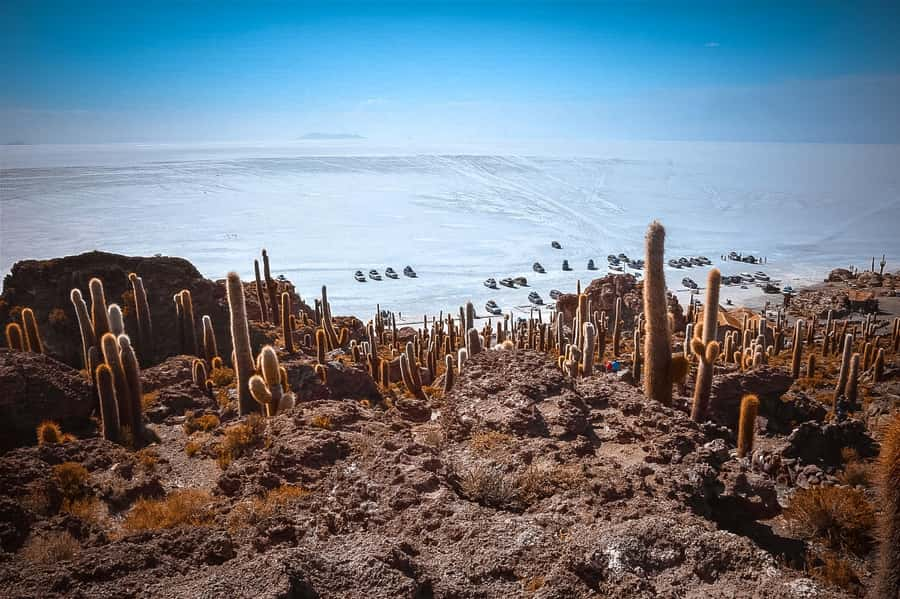
- And finally, Incahuasi Island with its giant cactus viewpoint
That last piece is important. The tour states that during the rainy season (January to April), access to Incahuasi Island is not possible. That means you should treat this stop as season-dependent. If it’s your top priority, plan your trip in the dry months when possible.
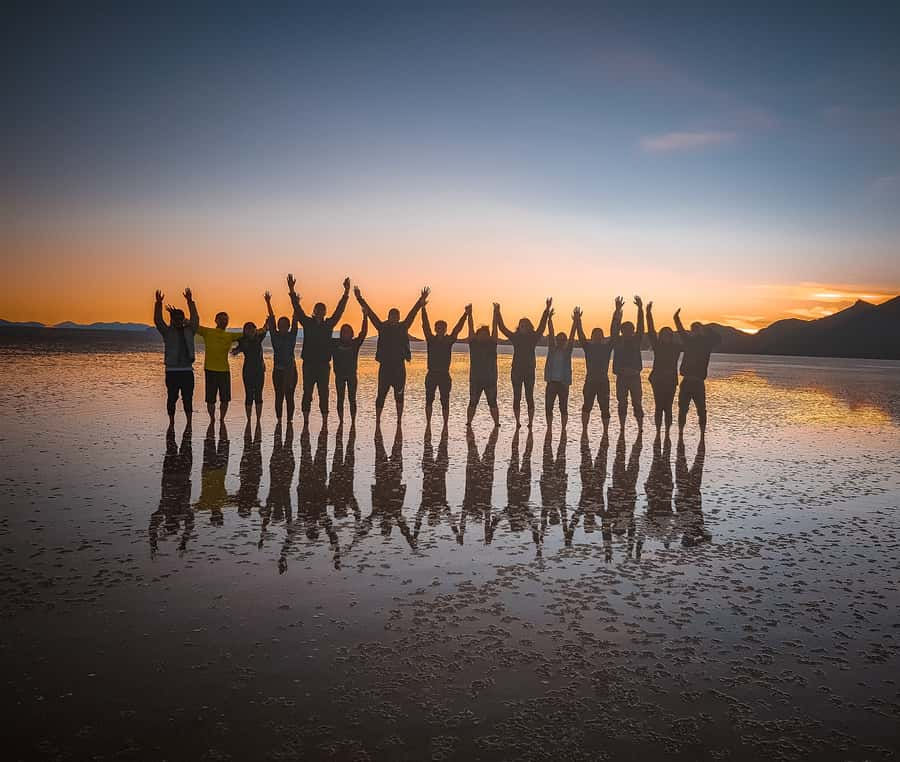
When you reach the salt flats, the most valuable part isn’t just seeing white ground. It’s how the schedule protects the sunset window. There’s time to slow down, watch the colors change, and get those mirror-style shots your brain insists are impossible. Many guides also spend extra time helping with positioning and photo angles, which really matters on a day where you’re learning the terrain while your light is changing.
Day 3’s Flamingo Lagoons: The Pink-Bird Payoff
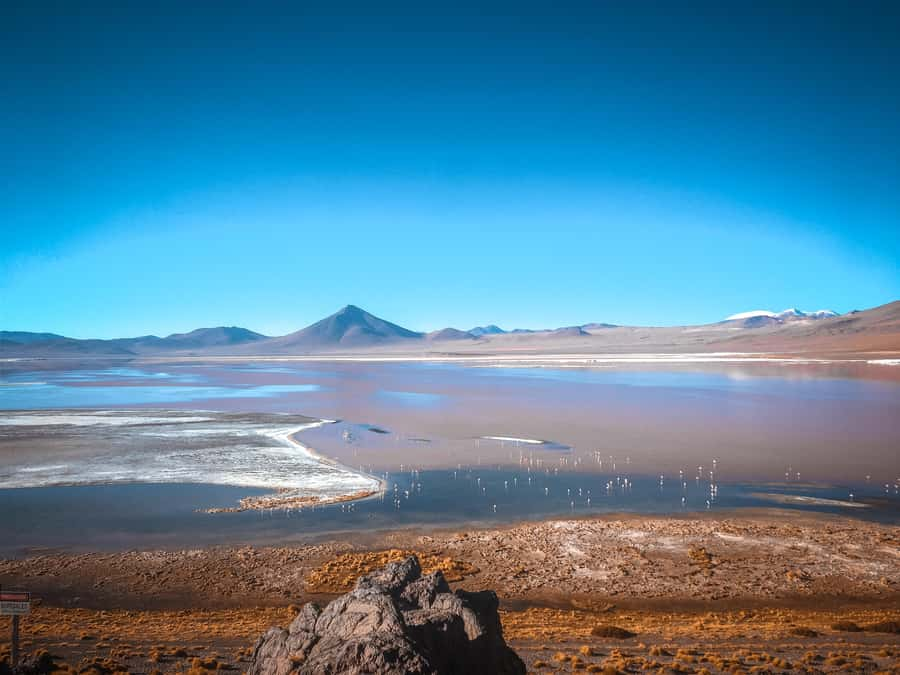
After breakfast, you head into the high Andean lagoon circuit. Day three is the variety day: lagoons, desert, weird rock shapes, and flamingos appearing like the whole region is trying to impress you.
You’ll visit lagoons including:
- Cañapa
- Hedionda
- Chiarcota
with flamingoes in the mix.
Then the day keeps stacking. You stop for lunch, and the route continues through Siloli desert and Stone Tree (a striking rock formation that looks like nature did special effects). The big emotional hit is Red Lagoon, which is known for flamingos.
You finish in the community of Huayllajara, where you’ll have dinner and rest.
Two realistic considerations for this day:
- You’ll be outside a lot, and wind is common in these elevations. Bring layers even if you’re fine at noon.
- The “jump from place to place” format means you’ll get less wandering time than you might want at every stop. The tradeoff is you see more total sites.
Sol de Mañana Geysers, Polques Hot Springs, and Lincancabur Views

Day four starts early. You go to Sol de Mañana geysers, where you’ll see volcanic activity like bubbling mud and fumaroles. The sulfur smell is real enough that it helps to know what you’re walking into, not just what it looks like on Instagram.
After that, you visit Polques hot springs. This is a rare comfort break in a trip like this—hot water plus desert air equals a reset for your whole body.
Then it’s the Salvador Dalí Desert, known for multicolored rock formations. From there, you climb toward viewpoints featuring:
- Green Lagoon
- White Lagoon
- Lincancabur Volcano
Finally, you move to border time. Guides help with the border crossing around 10:00 a.m., and you typically arrive in San Pedro de Atacama around 1:30 p.m. You get dropped at the main square.
This is the day to keep your expectations flexible. Even when everything is coordinated, border processes can feel slow simply because there’s paperwork and queues involved. Build in patience.
Lodging and Meals: Basic, Functional, and Worth Planning For
This tour’s biggest “hidden” value is that it includes accommodation and meals across two nights. The first night is in Agencha, with rooms listed as 4/5/6 bedrooms and shared toilets. The second night is in Huayllajara with a shared 6-bedroom setup and shared toilet.
Now the honest part: lodging is basic. The food is also functional. It’s included for the bus and the tour days (on-board 1 dinner and 1 breakfast, plus 2 lunches and 2 dinners and 2 breakfasts during the tour). Expect meals that keep you fueled, not meals designed for foodie enjoyment.
Cold matters here. Several people mention freezing temperatures at night and recommend bringing or renting a sleeping bag (and note that it’s not included). Even if your bed has multiple blankets, you may still want extra warmth. Also bring toilet paper since facilities can be limited depending on where you stay and what’s available.
The most practical takeaway: pack for cold wind, not just warm sun.
Price and Logistics: Is $493 Good Value for This Route?
At $493 per person for 4 days, the price looks high on paper. But it includes a bundle of things that are hard to assemble smoothly: the overnight bus from La Paz, 4WD transportation, a tour guide, meals, accommodation, and the transfer to San Pedro de Atacama with border help.
Where costs can surprise you is what’s not included. You should budget for:
- Incahuasi Island entry (30 Bs)
- Reserva Eduardo Avaroa (150 Bs)
- Toilets on the way (30 Bs)
- Hot springs (6 Bs)
- Bolivian migration tax (15 Bs*)
- Drinks and snacks, plus personal expenses
If you add those up, you can see why cash planning is key. On top of that, the tour says you should bring a passport or ID, and you should expect limited creature comforts outside cities.
Is it cheaper if you book locally in Bolivia? Some people say yes, and it can be. The value of this option is that you don’t spend your precious limited time arranging transport across remote distances, and you do get an English-speaking guide and small-group organization (limited to 11 participants).
Guide Style, Group Size, and How the 4WD Splits
The tour includes an English certified speaking guide. In this region, the guide matters. They’re not just telling stories. They’re helping you:
- hit the right stops in the right order,
- keep the schedule moving,
- and make sure you understand what you’re looking at.
The drivers also make a huge difference. Reviews credit drivers like Yvan, Pedro, Arturo, Jonny, Ronaldo, and Ivan for safe handling over rough terrain. That’s one of the reasons small groups can feel more reassuring than DIY in a rental car—if you’re not used to desert roads, you’ll want capable hands behind the wheel.
Also, keep in mind the group can split across two 4WD vehicles. In some cases, you might not always have the guide physically in your vehicle at every moment, depending on how the operation runs that day. If you care about explanations at every stop, it’s fair to ask your guide how they’ll handle commentary across both cars.
Should You Book This La Paz to San Pedro Salt Flats Trip?

Book it if you want:
- big-ticket sights in a tight timeline (Uyuni, flamingo lagoons, geysers, hot springs),
- an English-speaking guide doing the navigation and timing,
- and a smooth transfer from Bolivia into Chile without juggling logistics.
Consider a different plan if you:
- hate basic accommodation and simple meals,
- dislike cold and wind without proper layering,
- or need more flexible time at each stop instead of an action-packed schedule.
If you do book, pack smart: bring layers, plan for basic facilities, carry some cash in Bolivianos for entries and small fees, and don’t forget a warm sleeping setup (sleeping bag if you can).
Overall, this is a high-impact route. It trades comfort for efficiency—and it’s worth it if you want those salt-flat and lagoon moments more than you want a five-star bed.
FAQ
What time do I check in and when does the bus leave from La Paz?
You check in at 8:30 p.m. at the bus office in La Paz, and the bus departs at 9:00 p.m.
What’s included in the price?
The tour includes the bus ticket La Paz to Uyuni, transfer to San Pedro de Atacama, 4WD transportation, an English-speaking tour guide, local driver, meals (on the bus and during the tour), accommodation for two nights, and the first night is in Agencha and the second night in Huayllajara.
What are the main extra costs not included?
Not included are Incahuasi Island entry (30 Bs), Reserva Eduardo Avaroa entry (150 Bs), toilets on the way (30 Bs), hot springs (6 Bs), Bolivian migration tax (15 Bs), personal expenses, plus drinks and snacks, sleeping bags, and toiletries.
Is Incahuasi Island always part of the trip?
No. During the rainy season (January to April), access to Incahuasi Island is not possible.
How big is the group?
The group is listed as a small group limited to 11 participants.
What do I need to bring?
Bring your passport or ID card.
Does the tour end in Chile?
Yes. The tour assists with border crossing and drops you off in San Pedro de Atacama’s main square around 1:30 p.m. on the final day.
Does the bus have Wi-Fi?
The bus description includes Wi-Fi.
Who should avoid this tour?
It’s listed as not suitable for people with back problems, altitude sickness, or those over 95 years.