REVIEW · ASHDOD
From Ashdod Port: Jerusalem and Bethlehem Day Trip
Book on GetYourGuide →Operated by Bein Harim Israel Tours · Bookable on GetYourGuide
One day can cover two holy cities. This Ashdod Port tour strings together Mt. Scopus panoramas with a guided walk past the Western Wall, plus time in both Jerusalem and Bethlehem. The main trade-off is simple: it’s a 9-hour whirlwind, and crowds or access problems can affect what you actually get to enter and how long you stay.
I like that the day starts smoothly with pickup right after you disembark at Ashdod, and you ride in a comfortable, A/C vehicle with a guide who stays with you all day. For $120, the value is helped by the fact that entrance fees are included, even though food and drinks are not.
One thing to plan for up front: the itinerary runs on tight timing. If you’re slow getting off the ship or you lose the group in crowded holy sites, you can end up with less time than you expected.
In This Review
- Key things to know before you go
- Ashdod Port pickup and the Mt. Scopus viewpoint that sets the tone
- The drive past biblical landmarks: quick context, not a history class
- Entering the Old City: Western Wall excavations and a straight walk to the sacred core
- Via Dolorosa to the Holy Sepulchre: what you’ll see, what can slow you down
- Lunch in the Old City market: a breather that’s also part of the experience
- Bethlehem drive: Mount Zion views and the shift from Jerusalem streets to birthplace country
- Bethlehem’s Nativity Church and Holy Grotto: two big entrances, one crowded bottleneck
- Guide experience matters: how Avi and George critiques translate into your strategy
- Price and value for a cruise-day Jerusalem and Bethlehem hit
- Who this tour suits best (and who should consider something else)
- Practical tips: dress, passport, and how to protect your time
- Should you book the Ashdod Port Jerusalem and Bethlehem day trip?
- FAQ
- Where do I meet the guide in Ashdod?
- How long is the tour?
- Is food included in the price?
- Do I need a passport?
- What should I bring and wear?
- Can the tour skip sites due to crowds or security?
Key things to know before you go
- Mt. Scopus skyline stop: a panoramic view that helps you “place” Jerusalem before you start walking.
- Old City entrance on foot: you enter through a massive gate and walk past key areas like the Western Wall and the Byzantine Cardo.
- Via Dolorosa route segment: you walk a section of the path associated with Jesus carrying the cross.
- Holy Sepulchre timing reality: sometimes crowds mean limited access or short visits around the tomb areas.
- Bethlehem in one sweep: Nativity Church plus the Holy Grotto are both on the schedule.
- Cruise-ship return included: you’re dropped back in Ashdod in time to rejoin your ship.
Ashdod Port pickup and the Mt. Scopus viewpoint that sets the tone
Your day starts right at Ashdod Port. A Bein Harim guide meets you holding a sign that says Bein Harim, and you head out in a comfortable vehicle with A/C. This matters on a cruise day: you don’t want a long scramble to find your group, and you don’t want a long bus ride without comfort.
Before you get buried in old stone and sacred sites, you’ll stop at Mount Scopus for a wide view over Jerusalem’s rooftops. I like this kind of first look because it turns the rest of the day from a list of stops into a place you can understand. Even if you already know the major landmarks, seeing the city layout helps your brain connect streets, walls, and hills.
From there, the drive brings you along the Mount of Olives area, where you can spot the Church of All Nations by the Garden of Gethsemane. You also pass by the Kidron Valley and the Ophel Promenade running parallel to the Old City walls. These roadside moments are quick, but they give you context for what you’ll be seeing on foot later.
The drive past biblical landmarks: quick context, not a history class
This tour doesn’t pretend to be a slow, museum-style experience. Instead, it uses the drive to layer in key biblical geography: Mount of Olives, the Kidron Valley, and the Old City walls. You’ll feel the logic of the route as the day moves from one sacred area to the next.
If you’re the type who likes to connect the dots, you’ll probably enjoy how the vehicle ride sets up the walking portion. For example, seeing the walls from a distance makes the later moment of entering the Old City gates feel more real. If you’re expecting long explanations or extended photo stops, keep your expectations practical—this day is built for highlights.
Entering the Old City: Western Wall excavations and a straight walk to the sacred core
Once you arrive at the Old City, you enter on foot through one of the massive gates in the 16th-century walls. From there, the walk focuses on major anchor points, and the first big one is the Western Wall excavations.
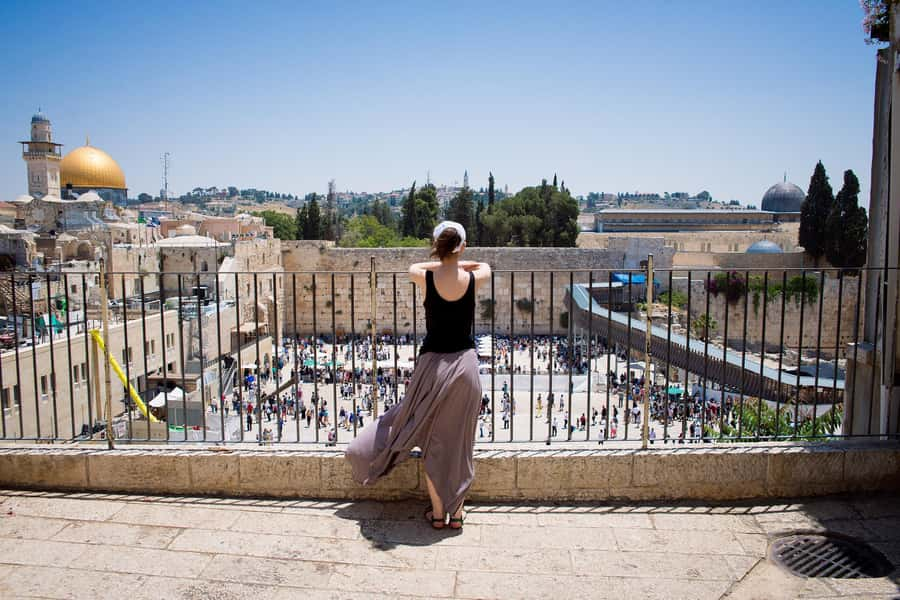
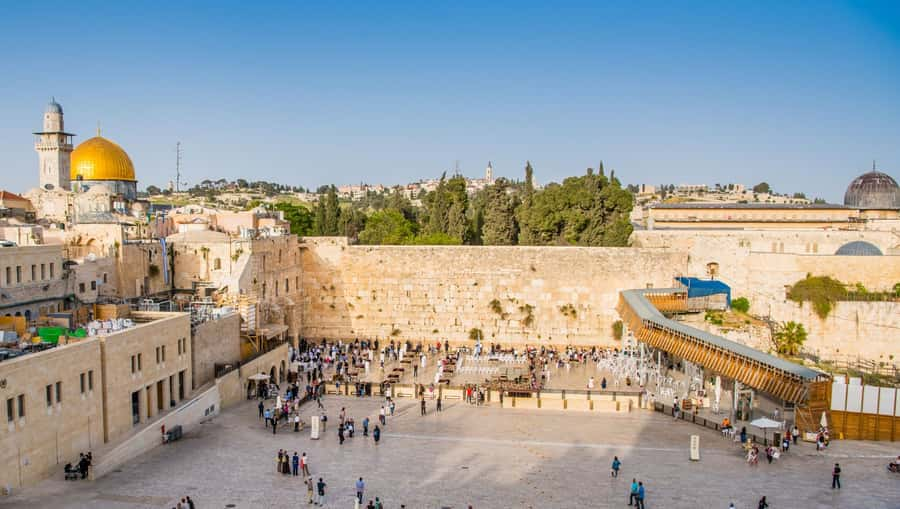
The Western Wall is the part that remains from the 2,000-year-old holy Jewish Temple that once stood on Temple Mount. The tour’s approach here is hands-on: you don’t just look from afar. You walk with your guide through the area toward the Wall, which helps you understand why this space matters so much to people who visit.
In the Jewish Quarter, you’ll also see the Byzantine Cardo lined with columns. That’s a nice change of pace from the religious stops, because it gives you a sense of the Old City as a living, layered place. Then the walk shifts again toward the path many people associate with the Via Dolorosa.
Via Dolorosa to the Holy Sepulchre: what you’ll see, what can slow you down
The next stage connects you to the heart of the Christian pilgrimage sites. You’ll walk a section of the Via Dolorosa associated with Jesus bearing his cross, and the route culminates at the Holy Sepulchre Church.
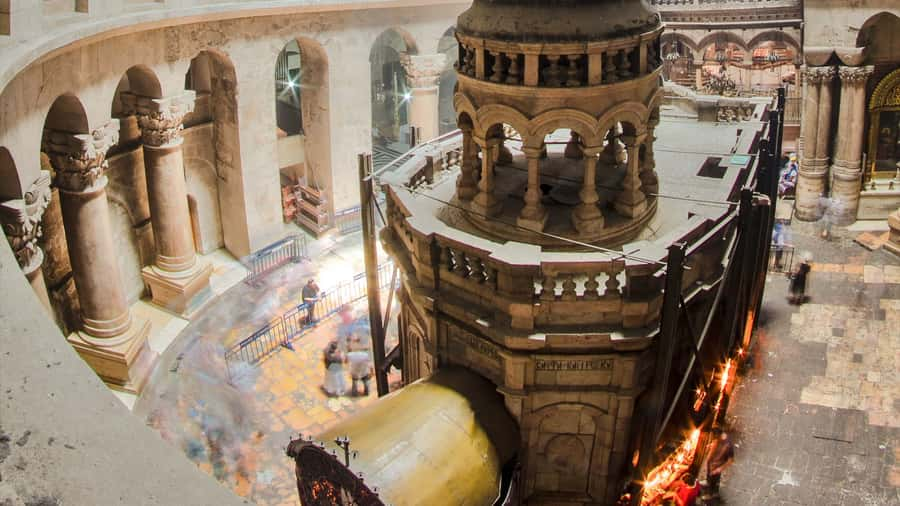
The Holy Sepulchre Church was built in the 4th century to encompass Christ’s tomb and the site of crucifixion at Golgotha (Calvary). Even if you’ve read about it before, being inside changes the feel. The church complex is dense, with multiple connected areas, so it can feel like a “world within walls.”
Here’s the reality check that you should plan for: the tour notes that at times there can be too many visitors at Jesus’ Tomb area, and the visit is not always possible. One past booking also complained about getting only about 20 minutes at the Holy Sepulchre, with other time seeming to slip away earlier in the day. That’s the trade-off with a cruise-day schedule—you’re often balancing must-see stops against crowd flow.
My practical advice: if you care deeply about Holy Sepulchre access, go with a calm mindset. Prioritize staying with your guide, moving efficiently when you’re told where to go, and being ready for sudden crowd bottlenecks.
Lunch in the Old City market: a breather that’s also part of the experience
You’ll have a lunch break in the Old City and time to meander through a traditional market. Food and beverages are not included, so this is your chance to choose what fits your budget and dietary needs.
I like having a market walk built into the day, because it breaks up the religious-heavy route. Also, this is where you can get practical souvenirs, small gifts, and snacks without needing extra transportation. Just don’t treat it like a long vacation meal; it’s still part of a tight 9-hour day.
One caution from experience-based accounts: if you’re sensitive to time, know that the day can include short stops that feel more “shopping-oriented.” In one booking, extra time spent at a Christian cooperative reduced time at another key site. That doesn’t mean it will happen for every group, but it’s smart to watch the clock and ask your guide what order the day will follow.
Bethlehem drive: Mount Zion views and the shift from Jerusalem streets to birthplace country
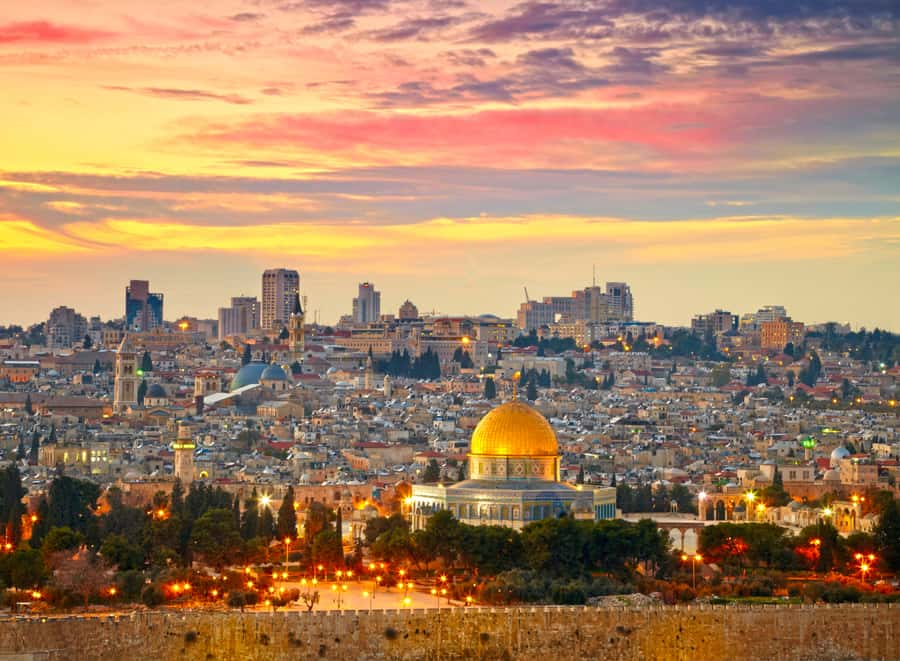
After leaving the Old City, the drive offers views toward Mount Zion, and then you head toward Bethlehem. This travel shift is important because it changes the pace and feel of what you’re walking through.
On the road, you’re going from a compact walled city into a different setting where the main stops are centered on the Nativity story. Even though it’s still a day tour, the geography helps you mentally reset.
This is also where you’ll likely start seeing the day’s biggest “pressure test”: the farther you go, the more you rely on punctual coordination and crowd movement inside the holy sites.
Bethlehem’s Nativity Church and Holy Grotto: two big entrances, one crowded bottleneck
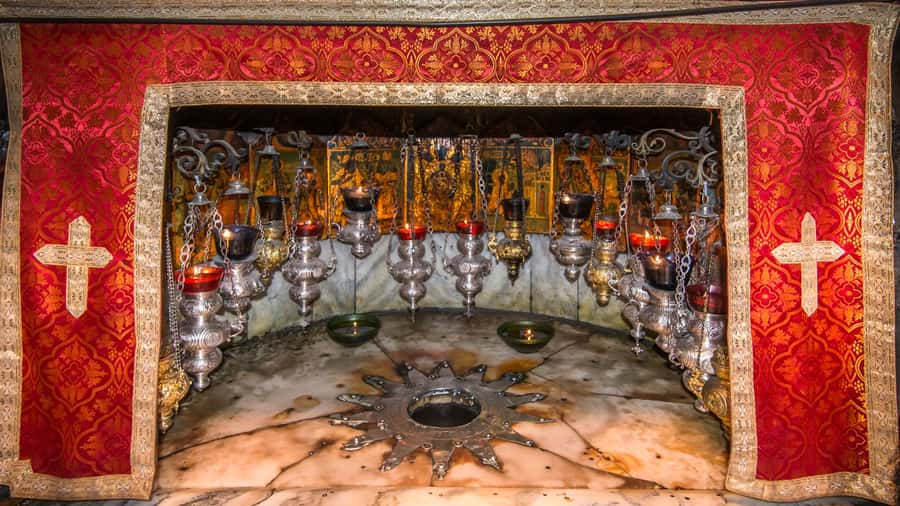
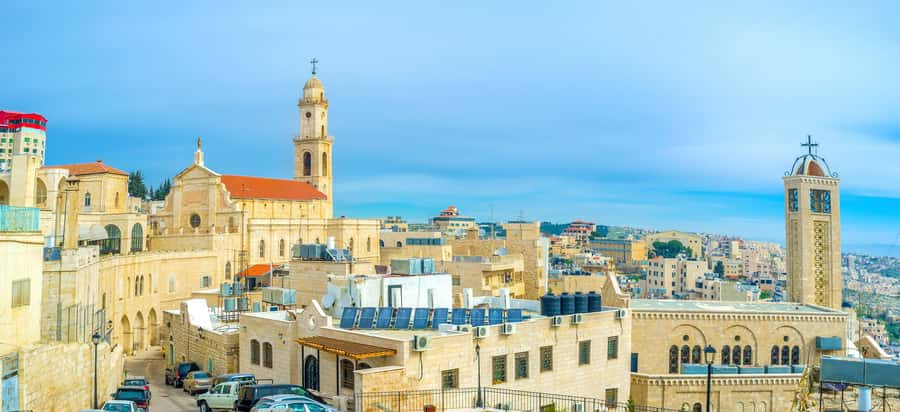
In Bethlehem, you visit the Church of Nativity and the Holy Grotto where the nativity took place. These are the two major Bethlehem sites most people want, and it’s good they’re both included rather than replacing one with another.
That said, the tour is candid that the Holy Grotto visit might not always be possible if crowds are too heavy. In other words, even with a ticketed plan, the entrance experience can be impacted by foot traffic and security flow.
Also, Bethlehem is where guide style becomes more obvious. One past booking criticized a guide named George for behavior that made it hard to feel comfortable, especially with kids. I can’t predict your guide, but I think that’s the lesson to take: if you’re traveling with children, set a simple plan. Agree on a clear meeting spot before you enter tight areas, and make sure everyone knows what to do if you get separated.
Guide experience matters: how Avi and George critiques translate into your strategy
A day tour lives or dies on group management. One booking mentioned a guide named Avi being unfriendly during the Jerusalem walk, with a tone that didn’t feel reassuring when trying to keep track of two children. Another issue involved the tour not waiting long enough for passengers to get off the ship, which led to missing the tour.
These comments aren’t about theology. They’re logistics and attention. They also point to your best move: treat this like a strict appointment day. When the guide meets you, stay close early. When you disembark, be ready right away. If your ship is late, it’s still on you to move quickly once you’re cleared to go.
If you want to reduce stress, do two things:
- Build in time before meeting the guide. Don’t aim for the last possible moment to get off the ship.
- Stay clustered in crowded passages. Sacred sites get narrow and packed, and separation happens fast.
Price and value for a cruise-day Jerusalem and Bethlehem hit
At $120 per person for 9 hours, you’re paying for three big things: round-trip transportation from Ashdod, a guide accompanying you the whole day, and entrance fees. Food and beverages are not included, so budget for at least a meal and water.
Is it “cheap”? Not really. But it can be good value compared with DIY planning when you’re dealing with a cruise schedule. The tour also saves you from figuring out logistics on your own, especially given that the tour is only for passengers arriving in Ashdod.
The best value here is the coverage: Mt. Scopus, Western Wall, Holy Sepulchre Church, Nativity Church, and the Holy Grotto all in one day. If you try to do this independently, you’d still spend time traveling between sites and wrestling with entry timing.
One more value note: the tour allows for flexibility when visits are limited due to security, holidays, or accessibility. Sometimes that means a site gets reduced or skipped, but the structure is there to keep your day moving.
Who this tour suits best (and who should consider something else)
This tour is a strong fit if you want a guided, highlight-based day with minimal decision-making. If you love pilgrimage sites and want the core places connected by a plan, you’ll probably enjoy the flow.
It’s less suitable if you want long, unhurried time in one location. The schedule is built for coverage, not for lingering. It also isn’t suitable for children under 5, and it’s not designed for people with mobility impairments.
If you’re going with kids, the walking parts and crowd flow can be intense. You can still do it—just be deliberate. Stick close, use comfortable footwear, and don’t treat this as a “let’s wander and see” day.
Practical tips: dress, passport, and how to protect your time
The tour asks for a passport, comfortable shoes, a hat, and water. Also, shorts and sleeveless shirts are not allowed. This is one of those details that can turn a smooth day into a stressful one if you forget.
I’d add a simple strategy for timing: keep your passport accessible before you reach checkpoints or entries. Also, bring a small amount of cash or a card for lunch since food isn’t included.
And for photos: the stops are real, but the day moves fast. If you see a good moment at a viewpoint or a key church area, take your photos quickly and move on. Crowds build without warning.
Should you book the Ashdod Port Jerusalem and Bethlehem day trip?
Book it if you want the main pilgrimage highlights in one organized day, and you’re comfortable with a fast pace and possible crowd limits. The combination of Western Wall, the Holy Sepulchre, and Bethlehem’s Nativity sites in one outing is exactly the kind of coverage that works well for cruise travelers with limited time.
Skip (or pick a different format) if you need long stays, barrier-free access, or if you know your group struggles with dense crowds and staying together. Also, if you’re traveling with young kids, be extra proactive about meeting points and staying close to the guide—some past experiences show how quickly things can feel stressful.
If you do book, treat it like a scheduled appointment day: get off the ship fast, meet the guide right away, and keep moving with the group when you’re inside the holy sites. When everything runs smoothly, this is the kind of day that makes Jerusalem and Bethlehem feel connected, not just separated by distance.
FAQ
Where do I meet the guide in Ashdod?
Your guide from Bein Harim will be waiting in Ashdod Port holding a sign that says Bein Harim.
How long is the tour?
The duration is 9 hours.
Is food included in the price?
No. Food and beverages are not included. There is a lunch break in the Old City where you can get something on your own.
Do I need a passport?
Yes. A passport is necessary for this tour.
What should I bring and wear?
Bring your passport, comfortable shoes, a hat, and water. Shorts and sleeveless shirts are not allowed.
Can the tour skip sites due to crowds or security?
Yes. The tour notes that sometimes specific sites can’t be visited due to limited accessibility, security issues, or holiday festivities, and that crowds at Jesus’ Tomb in Jerusalem or the Nativity Grotto in Bethlehem can make visits not always possible.