REVIEW · LITCHFIELD NATIONAL PARK
From Darwin: Litchfield National Park & Waterfalls Day Trip
Book on GetYourGuide →Operated by Autopia Tours · Bookable on GetYourGuide
One day, and you swim in the wet tropics. This Darwin-to-Litchfield trip is built around waterfall swims and real Top End wildlife spotting, with a comfortable A/C minibus and an outback driver-guide who sets the tone fast. You’ll go from floodplain views to plunge pools and back again—long, hot, and worth it.
I especially like the way the day gives you time to cool off at Litchfield’s famous waterholes, including Florence Falls and Buley Rockhole. I also like the animal-and-plant focus, from crocodile country on the Adelaide River (if you choose it) to wetland life at Fogg Dam.
One consideration: it’s a 10.5-hour day and you’ll be in the heat a lot, so it helps if you’re okay with sun, walking, and sometimes swimming spots closing in wet-season conditions.
In This Review
- Key highlights to look forward to
- A long Darwin day that’s really two trips in one
- From The Leea to the Adelaide River: start strong with crocodiles
- The mid-morning stops that turn photos into real understanding
- Magnetic Termite Mounds: the century-old science you can see
- Florence Falls: where the swimming time actually matters
- Buley Rockhole: a calmer walk and a strong payoff
- Fogg Dam wetlands: birds, reptiles, and quiet wildlife moments
- The guides make or break the day (and yours can be excellent)
- Timing, transportation, and comfort on a 10.5-hour circuit
- Price and value: what $130 buys (and what costs extra)
- What to pack for Litchfield swimming and heat
- Who should book this tour, and who should skip it
- FAQ
- FAQ
- How long is the Darwin to Litchfield day trip?
- Is the NT Parks Day Pass included in the price?
- Is lunch provided?
- Do I need to bring swimwear and a towel?
- Is the Jumping Crocodile Cruise included?
- What should I bring for the wet-season heat?
- Is this tour suitable for wheelchairs or limited mobility?
Key highlights to look forward to
- Florence Falls waterhole time built for swimming, not just photos
- Buley Rockhole for a less intense walk and plenty of cooling-off time
- Magnetic Termite Mounds for that odd, century-old “how does this work?” stop
- Adelaide River croc options via the Jumping Crocodile Cruise, or swap to Fogg Dam
- Fogg Dam wetland viewing with birds and other wildlife in a conservation setting
A long Darwin day that’s really two trips in one
Litchfield National Park sits just over an hour from Darwin, but this experience stretches into a full day—630 minutes of tropical scenery, wildlife, and swim breaks. The pace works because the stops are spaced out, and the drive keeps you out of the logistics headache. You’re going to feel the heat, though, especially from October to April when humidity and monsoonal weather can roll in.
That wet-season timing is why I like doing this as a guided day trip. Road conditions and access can change last minute, and having an experienced driver-guide handling the route keeps you from wasting your time. You’re also more likely to end up at the best available swimming options when conditions shift.
The park itself is a mix of rainforest pockets, sandstone country, and water-shaped pools. It’s the kind of place where your day isn’t only about the view; it’s about being able to step into the water when you hit the right stop.
From The Leea to the Adelaide River: start strong with crocodiles
Your day begins at The Lea Darwin at 64 Cavenagh St, with pickup outside the front. Aim to arrive about 10 minutes early—it’s a long day, and punctual starts help everyone get their full time at the park.
The first big block is the Adelaide River segment (about 75 minutes). This is where the optional Jumping Crocodile Cruise often fits in. You’re there for guided boat-style wildlife viewing, which is usually the moment people remember months later—not because it’s a shock-and-awe stunt, but because it shows saltwater crocodiles in their element.
If you want a different route, the day can switch focus toward Fogg Dam Conservation instead (more on that later). The key point is you’re not just driving past wildlife habitat—you’re getting a structured viewing time early enough that it still feels fresh.
The mid-morning stops that turn photos into real understanding
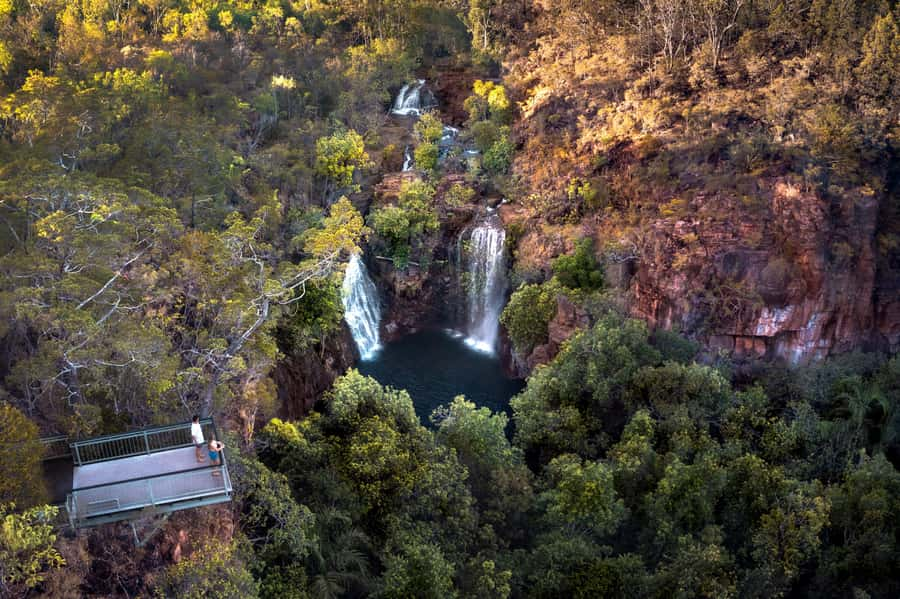
After the Adelaide River, the schedule adds shorter “connect-the-dots” segments—photo stops, guided interpretation, and walks. Even though these sections are shorter (think about 15 to 25 minutes blocks), they’re the glue of the day.
This is where the tour’s park education starts to click. You’ll pass through spots tied to the local plant and animal world, plus the cultural layer of the Limilngan-Wulna people. The tour’s framing matters because it helps you see the natural areas as something more than pretty backdrops.
Then there’s the break time (about 30 minutes). It’s not just for food—use it to re-check your gear, refill water, and plan when you’ll put sunscreen on again. In the Top End, skipping that small routine is how people end up uncomfortable later.
Magnetic Termite Mounds: the century-old science you can see
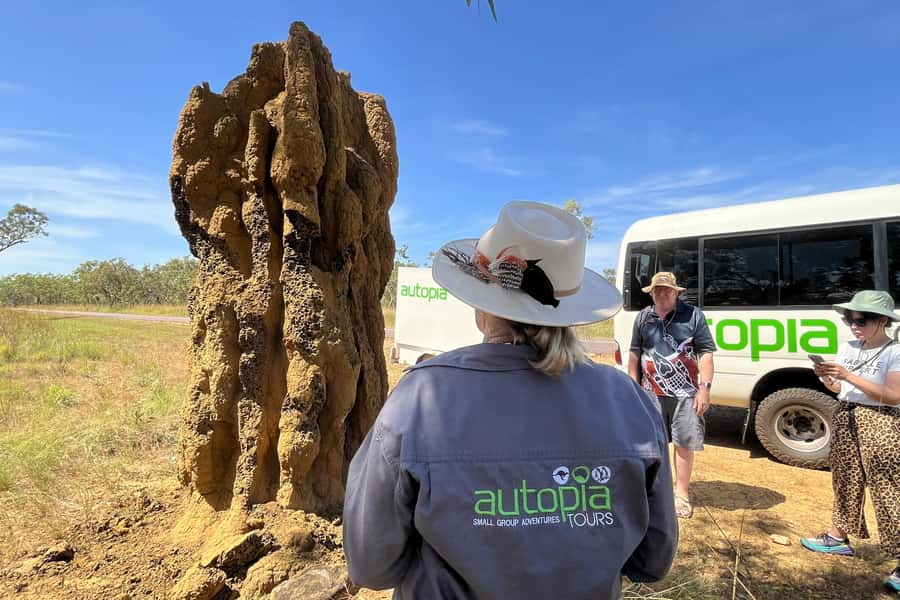
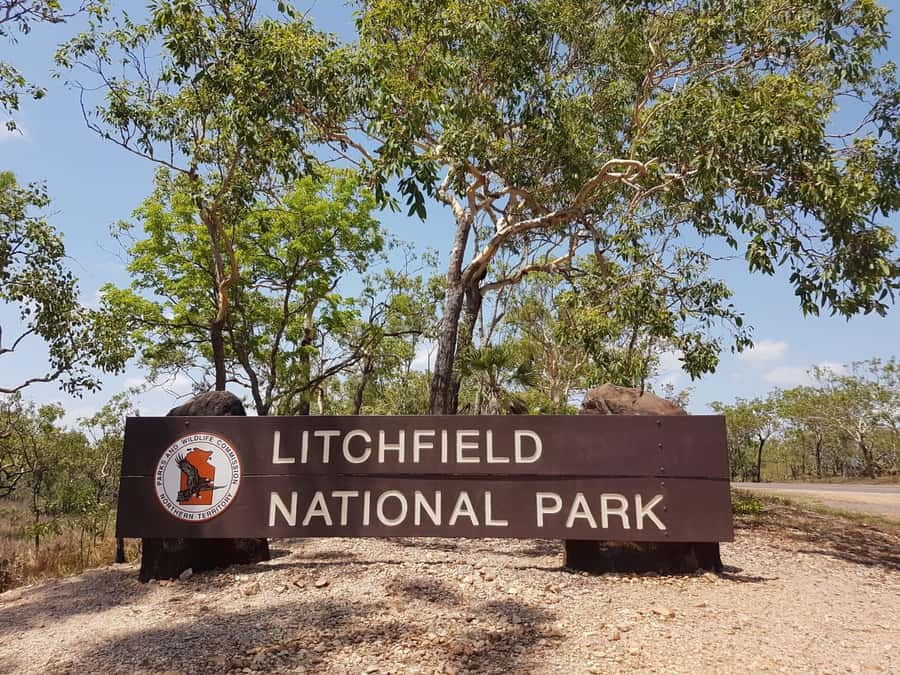
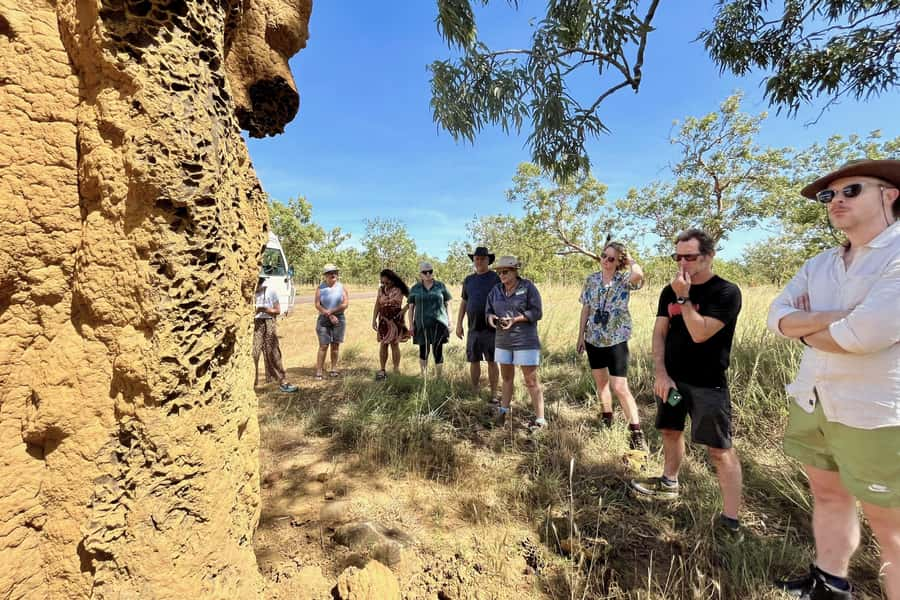
One of the most talked-about stops is the Magnetic Termite Mounds. The tour includes these monolithic, century-old mounds, which are the kind of thing you notice even before a guide explains them. They look built, but they’re natural—made by termites over a long time.
This stop works because it’s visual and physical. You’ll be walking and looking in close proximity, which turns a “cool fact” into a “wait, that’s real” moment. It’s also a great temperature break because you can focus on shade, textures, and details while the day’s heat presses on.
If you’re the type who likes learning why things happen (not just seeing what’s there), this is the kind of stop you’ll appreciate. The guide commentary—often the part that people rave about—helps connect what you’re seeing to the broader environment.
Florence Falls: where the swimming time actually matters
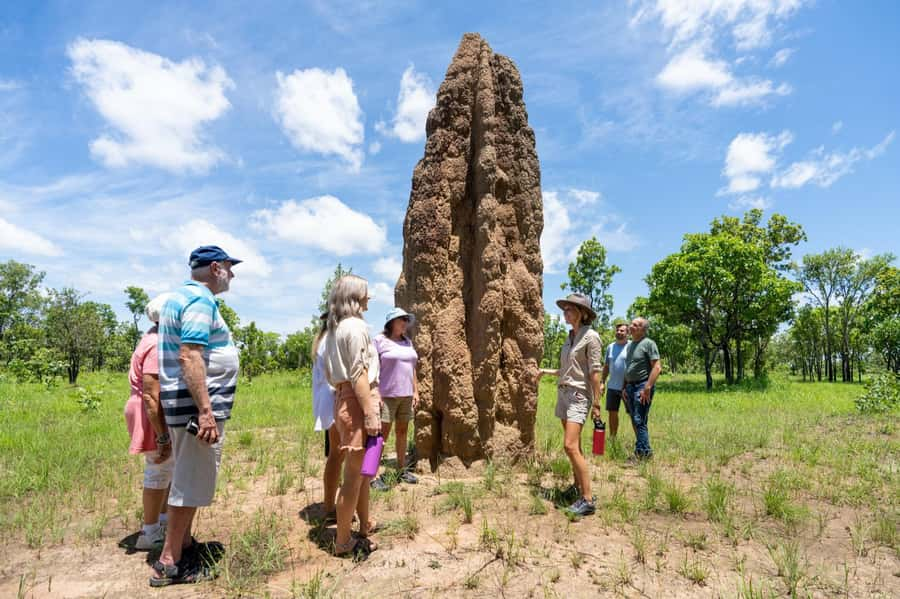
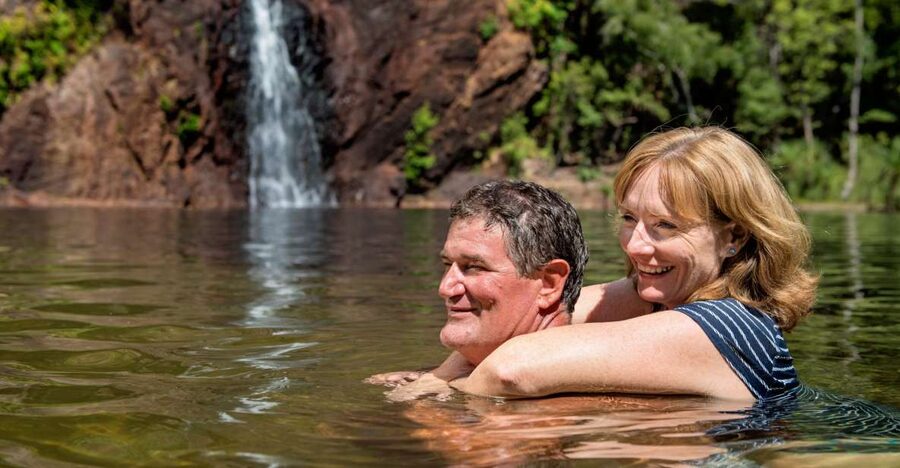
Next up is Florence Falls waterhole, with about 75 minutes of time on site. This is one of the core reasons to book this day trip. You’re not only there for a quick stop; you get a real window to swim, cool off, and move at your own pace within the group.
The tour focuses on the dramatic feel of Florence Falls and the plunge-pool style environment around it. If you’re traveling in colder months, conditions can still vary, but this is the stop where the day becomes memorable for most people.
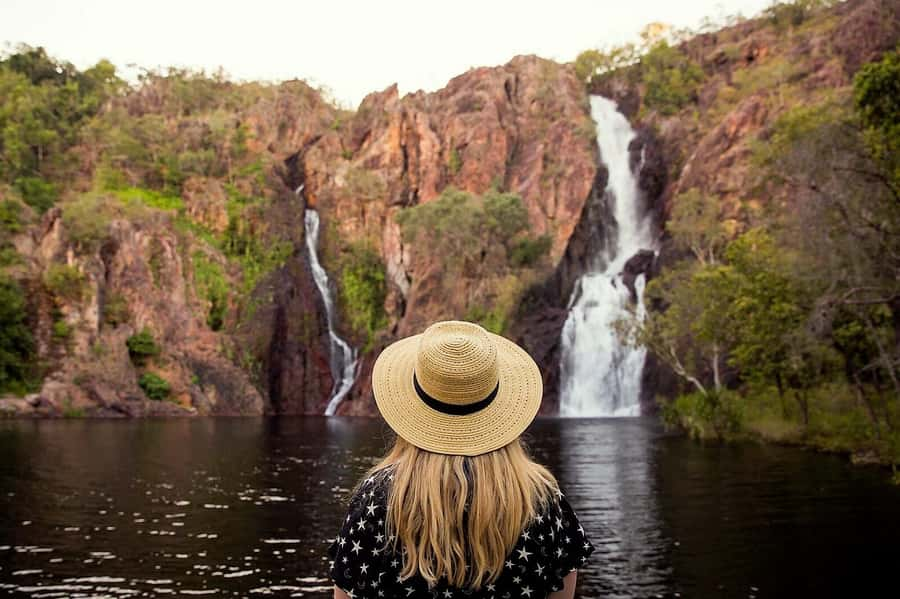
A practical note: swimming access can change. One review mentioned swimming at Wangi Falls wasn’t possible due to seasonal closures, but the waterfall viewing was still breathtaking. So I’d plan for two moods at these water sites: one for swimming if conditions allow, and one for soaking in the falls if you can’t get in.
Buley Rockhole: a calmer walk and a strong payoff
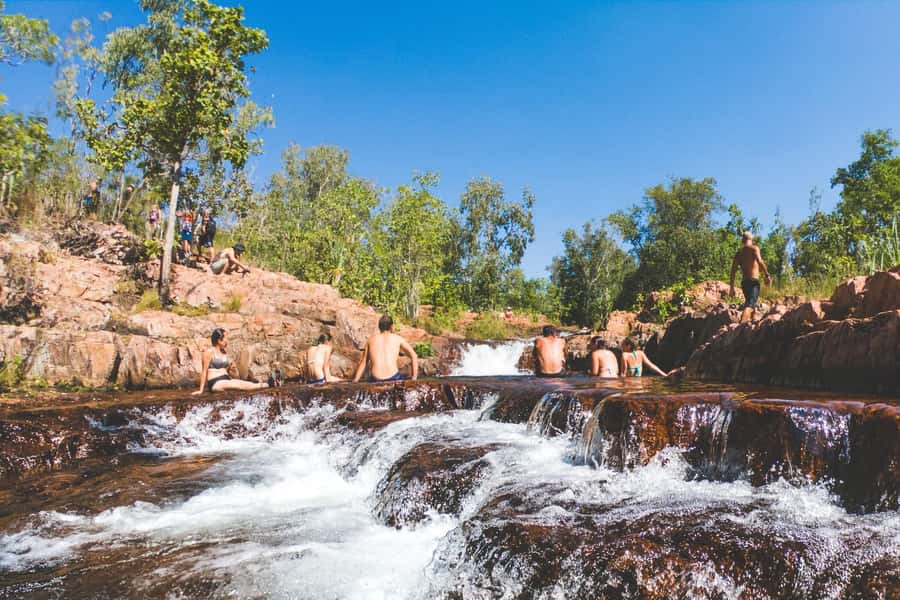
After Florence, the schedule continues to Buley Rockhole (about 40 minutes). This is another swim stop, and it’s often easier to handle than the longer, more exposed walks people remember from other waterfall areas.
The value here is timing and comfort. You get a chunk of water time without feeling like you have to sprint from one view to the next. The waterholes are known for being shallow enough to cool down without turning the day into a full-on expedition.
Also, this is where you’ll feel the difference between arriving for photos and arriving ready to actually use the facilities of the place. Bring the full swim setup—towel, sunscreen, and insect repellent—because you’ll want to stay for the whole time you’re given.
If you’re the sort of person who likes a “reward stop,” Buley Rockhole is it: you show up, you drop into the water, and suddenly the long drive feels worth it.
Fogg Dam wetlands: birds, reptiles, and quiet wildlife moments
The tour’s highlights include Fogg Dam Conservation, which is all about wetland ecology. Even when you’re not on a boat, this is the kind of environment where you can spot life if you slow down and look at edges—water lines, low plants, and bird activity.
Fogg Dam is also a nice counterbalance to the more action-focused crocodile cruise option. If you choose the Adelaide River early, you still get the wetland side later. If you skip the croc cruise, Fogg Dam becomes even more important.
The tour describes wetlands with a strong wildlife mix, including lots of birds. It also points to reptiles in the broader Top End ecosystem—turtles and water pythons are specifically referenced—so it helps to keep your eyes open even when you’re not actively “hunting” for something.
This stop is also good for photos that don’t look like typical waterfall pictures. You’ll come home with a mix: water, sand-colored rock, rainforest shade, and wetlands where the wildlife is quieter but not less real.
The guides make or break the day (and yours can be excellent)
This tour runs on a driver-guide, and the guide energy clearly affects your enjoyment. In the feedback you provided, several names come up repeatedly—people talk about Leigh, Aron, Dani, Becs, Naomi, Tom, Emily, Mick, Jojo, Mattia, and Daryl. The common thread is how they connect the parks and wildlife to Darwin itself.
That matters because Litchfield is only 1 part of the story. The other part is how the Top End works: what lives where, why the terrain looks the way it does, and how local ecosystems fit into the bigger Darwin picture. When your guide has a sense of humor and a real connection to the area, the drive stops feeling like dead time.
In practical terms, listen during the ride. The best moments often follow the explanation, like when you suddenly notice birds you didn’t think to look for, or you understand why a plant patch matters.
Timing, transportation, and comfort on a 10.5-hour circuit
You’re traveling by air-conditioned minibus, which is a big deal when the temps rise. In the Top End, air-con turns the long day from exhausting to manageable. You also have scheduled photo stops and walks, plus multiple chances to step out and reset.
One comfort plus that shows up in feedback: the bus setup includes cold drink storage (people describe it as a freezer area for personal beverages). There’s also an onboard water refill station and an esky to keep items fresh, which helps if you bring your own snacks or plan a day of hydration.
Be realistic about walking. You can have a great time even if you’re not a super hiker, but the tour does include walks at stops. And it’s not built for wheelchair use or for mobility impairments, so I’d skip it if mobility is a serious limitation.
For kids, the tour isn’t suitable for children under 6. If you’re traveling with younger children, you’ll likely spend the day wanting something else that’s gentler.
Price and value: what $130 buys (and what costs extra)
At $130 per person, you’re paying for a guided, full-day circuit that includes transport, interpretation, and multiple major stops. That value hits harder because you’re also getting time to swim at iconic water sites—those are the moments that cost time and planning if you DIY the trip.
A few important add-ons to factor in:
- The NT Parks Day Pass is required and not included.
- Food and drinks aren’t provided, so you’ll need lunch plans.
- The croc jumping cruise is listed as optional, so it may add to the day depending on how your booking is set up.
Even with the extra day pass, the structure still feels like good value because you’re not paying for a single viewpoint. You’re paying for a whole day of “here’s the place, here’s the context, now use the pool” experiences.
And you’re not getting nickel-and-dimmed on random costs, which matters when you’re traveling far from home.
What to pack for Litchfield swimming and heat
I’d treat packing like you’re going to be wet and sunburn-prone, because you are. The basics are clearly spelled out for this trip, and they’re right: comfortable shoes, sunglasses, sun hat, swimwear, towel, sunscreen, insect repellent, and a reusable water bottle.
They also recommend a 1.5L water bottle and a 5–7kg small day bag. The bag weight matters because the tour specifically notes restrictions: no oversize luggage and no backpacks or large bags. If you show up with a big bag, you’ll lose time and comfort.
Also keep in mind the wet-season risk (October to April). Some areas may close or roads may shift because of flooding or weather changes. You won’t always get a long warning, so pack with the assumption that conditions can change after you’ve already arrived.
Who should book this tour, and who should skip it
Book this if you want a guided Top End day that mixes classic waterfall stops with real wildlife and wetland time. It’s a strong pick for couples, solo travelers, and groups who want an organized plan but also want time to swim and explore on foot.
Skip it if you need wheelchair access or you have mobility impairments that make walking hard. It also isn’t suitable for babies under 1, and children under 6 can’t join.
Finally, if you hate long hot days, this might not be your style. But if you can handle sun, a few walks, and a full day away from Darwin, this is one of the most efficient ways to experience Litchfield without renting a vehicle and guessing your way between stops.
FAQ
FAQ
How long is the Darwin to Litchfield day trip?
The experience runs for about 630 minutes, which is a full day.
Is the NT Parks Day Pass included in the price?
No. The NT Parks Day Pass is required and is not included.
Is lunch provided?
No meals are provided. You can buy lunch at local stops or bring your own food.
Do I need to bring swimwear and a towel?
Yes. The tour includes time at swimming locations like Florence Falls and Buley Rockhole, so you’ll want swimwear and a towel.
Is the Jumping Crocodile Cruise included?
It’s optional. The experience mentions a crocodile jumping cruise on the Adelaide River as an optional extra.
What should I bring for the wet-season heat?
Bring sunscreen, a sun hat, insect repellent, sunglasses, a reusable water bottle (a 1.5L bottle is recommended), comfortable shoes, and any required medication.
Is this tour suitable for wheelchairs or limited mobility?
No. People with mobility impairments and wheelchair users aren’t suitable for this activity, and it also isn’t suitable for children under 6.