REVIEW · VIENNA
Danube Valley Day Trip from Vienna
Book on Viator →Operated by Vienna Sightseeing Tours · Bookable on Viator
Few places teach you Austria fast.
This Danube Valley day trip strings together UNESCO Wachau Valley scenery with the drama of Melk Abbey over the river, and in summer you add a romantic Danube boat ride. My favorite part is how the day mixes coach comfort with real Danube moments, not just a checklist of stops. One thing to plan for: the schedule can feel brisk, and some people find the stairs/steep boat ramps tough.
You start in central Vienna at Operngasse 8 (near the Opera area), then swap city life for river towns and vineyard hills. The tour runs about 8 to 9 hours and caps at 100 people, so it’s big enough to feel like a group outing, but small enough that you’re not drowning in strangers. Your day will hinge on the season: the boat is only April to October, and winter replaces it with lunch.
In This Review
- Quick Hits Before You Go
- A One-Day Route That Actually Makes Sense
- Vienna to Wachau Valley: Coach Ride With Good Storytelling
- Spitz to Melk on the Blue Danube: The Best Summer Payoff
- Melk Abbey: The Big Cultural Stop With a Real Vertical Challenge
- The Stops Between: Krems and Dürnstein Details That Add Color
- Timing, Free Time, and Getting Back on the Bus
- Price and Value: What You’re Really Paying For
- Your Best Match: Who Should Book This Danube Day Trip?
- Guides, Logistics, and What to Expect in Real Life
- Should You Book This Danube Valley Day Trip from Vienna?
- FAQ
- How long is the Danube Valley day trip?
- What stops are included on the itinerary?
- Is the boat ride always included?
- Where is the meeting point in Vienna?
- What language is the tour offered in?
- Is food included in the price?
- Can I cancel for a full refund?
Quick Hits Before You Go
- Wachau Valley UNESCO focus: A 24-mile (39-km) Danube stretch between Krems and Melk with castles, monasteries, wine villages, and forested areas.
- Summer boat segment (Spitz to Melk): You’ll ride on the DDSG Blue Danube line when conditions allow.
- Dürnstein castle ruins stop: Medieval ruins are part of the story as you move between towns.
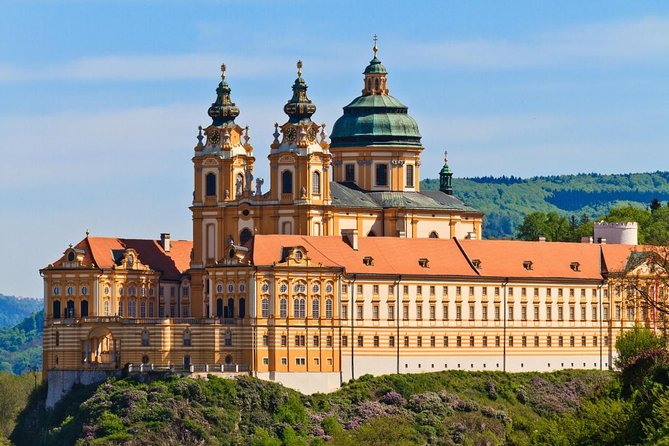
- Melk Abbey is option-based: You can add a guided visit to the Benedictine abbey if you choose the package that includes it.
- Coach does the heavy lifting: Most travel time is on a modern coach from Vienna and back.
A One-Day Route That Actually Makes Sense
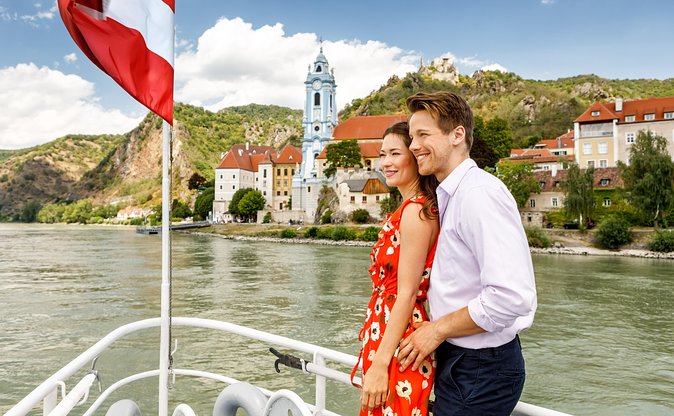
This is one of those trips that works because it’s built for a time-crunched traveler. You’re not trying to “DIY” a regional loop with connections, parking, and schedules. Instead, you get a plan that follows the Danube’s big sights in a logical order: city departure, Wachau area stops, a boat ride when available, and then Melk Abbey to cap it off.
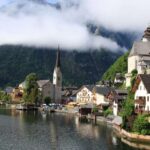
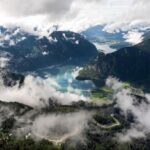
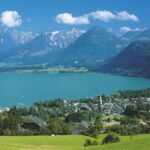
The route is also good for your first taste of the Lower Austria vibe. Wachau is famous for its mix: river bends, vineyards and wine towns, and layered history from fortresses to monastery walls. Even if you only catch it from the bus and deck of the boat, it’s enough to understand why the valley earned UNESCO status.
And yes, it’s romantic in a very practical way. In summer, the boat ride gives you time to look around without standing in a crowd. When the weather cooperates, that’s the part you’ll remember when you’re back in Vienna eating dumplings and pretending you don’t have travel nostalgia.
You can also read our reviews of more tours and experiences in Vienna.
Vienna to Wachau Valley: Coach Ride With Good Storytelling
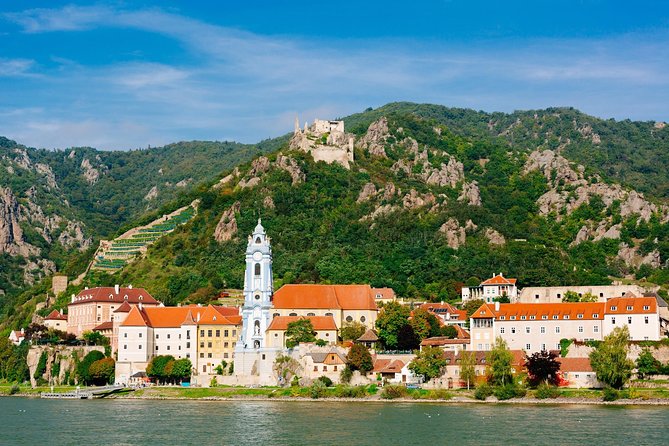
You leave from Operngasse 8 at 9:00am and head out by coach. The early segment is mostly travel, but it’s not dead time. Your guide points out what you’re seeing as the scenery changes—from busy streets to countryside, then to towns clustered along the river.
Your first stop is tied to the Wachau Valley area. You get a chance to see medieval castles and monasteries from the roadside and viewpoint angles that make sense on a day trip. One itinerary detail that matters: you’re not paying for admission for those initial sights, so your money goes toward transportation and the main cultural stops.
You’ll also pass the ruins of Dürnstein Castle on the way toward Spitz. Dürnstein’s name has history, and you feel it more when you see the town scale and the way the ruins sit over the river route. Some days include a short walk and the chance to take in the town feel more directly.
Group size also matters here. With a max of 100 people, the bus ride is organized, but you’ll still feel the “everyone moves together” rhythm. That’s not bad—just don’t expect a quiet, museum-style pace.
Spitz to Melk on the Blue Danube: The Best Summer Payoff
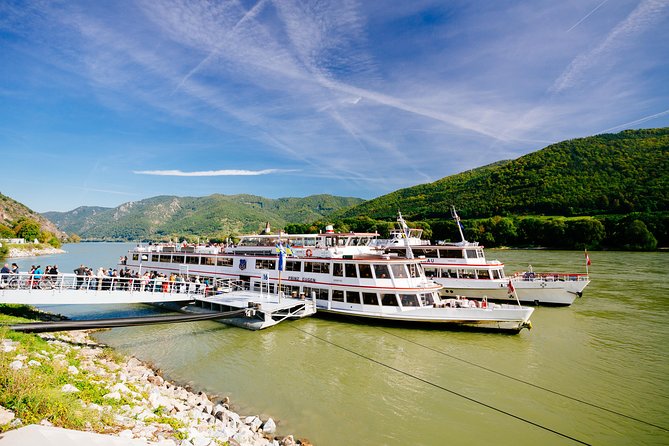
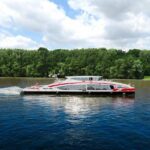
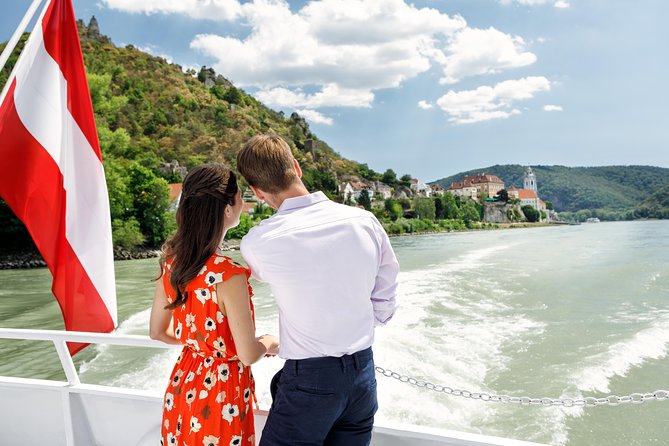
If you’re traveling between April and October, this tour can include the Danube boat ride. It runs in summer only, and the route described is from Spitz to Melk. When the boat is running, this is the strongest part of the day.
On the water, you get two advantages that don’t happen on a bus:
- Time to watch the river villages slide by without rushing.
- Views from a steady height, which makes it easier to understand how Wachau towns sit along the Danube.
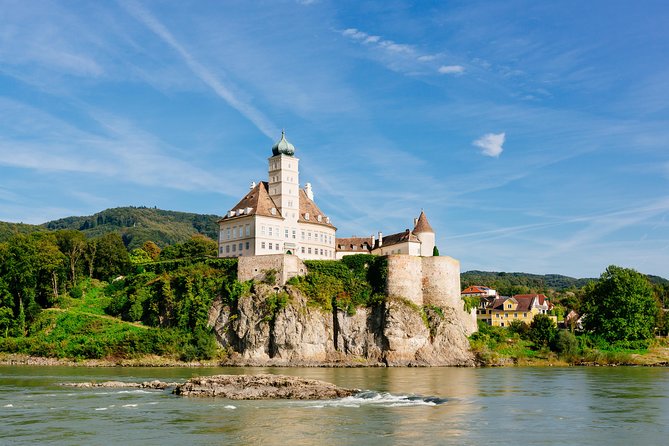
You’ll pass highlights like Schönbühel Castle below Melk on the right bank, and you’ll also see the wine-town character as you travel toward Krems and the Melk area.
One practical warning: boat operations depend on weather and water conditions. High water or other nature issues can cancel the boat ride. In winter months (November through April), the boat tour is replaced by lunch—so you still get a planned “Danube moment,” but it’s not the same as being on the deck.
Melk Abbey: The Big Cultural Stop With a Real Vertical Challenge
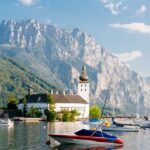
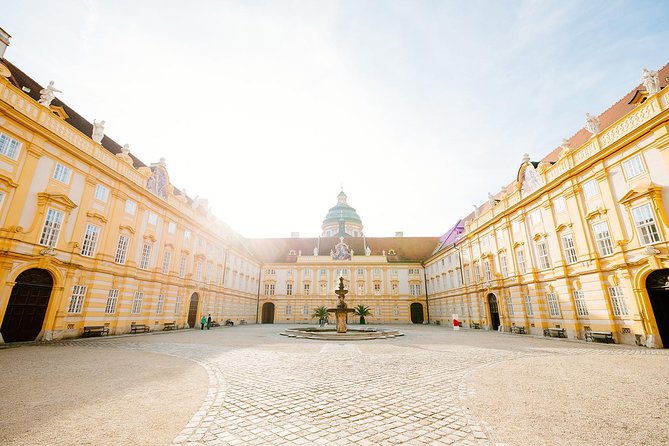
Most people come for two reasons: the Danube ride (in season) and Melk Abbey. If you choose the option that includes the abbey visit, you’ll arrive in Melk and have time to see the Benedictine Melk Abbey overlooking the river.
The abbey’s appeal is straightforward: it’s Baroque and dramatic, but it’s also a working monastic site with a long story behind it. The abbey was first established in the 11th century and has housed monks for well over 900 years—so even if you’re not a church-history person, you’re walking into a place that’s been shaping the region for centuries.
You’ll likely experience some kind of guided component (duration listed around 1 hour 30 minutes for the Melk Abbey stop when the guided option is selected). The key is timing. The abbey sits above the river, and getting there involves stairs. That’s where the tour won’t fit everyone perfectly. If you use a cane or have mobility limits, plan on extra effort and time.
Also think about what you want your day to feel like. The abbey is famous enough that you’ll likely want to linger for photos and details. If your priority is street wandering in Melk’s town, you can sometimes choose to focus more on the village rather than doing every internal option—depending on what’s offered on your date.
The Stops Between: Krems and Dürnstein Details That Add Color
This tour doesn’t just hit two towns and call it done. It threads together multiple Wachau flashes so you get a sense of how the valley “works” as a corridor between Krems and Melk.
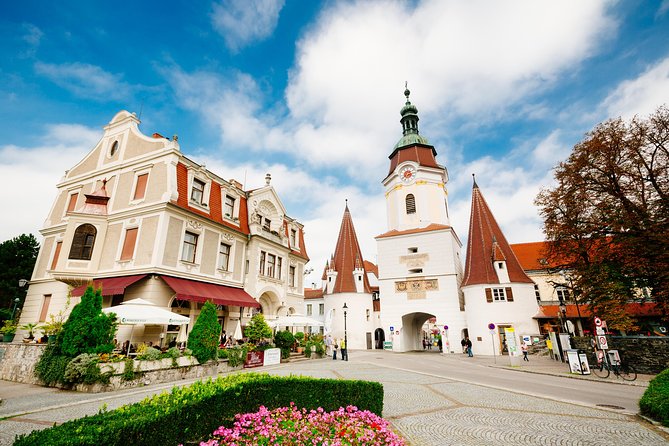
You can expect to see Krems and/or Dürnstein, depending on seasonal routing. Dürnstein specifically gets attention because of the castle ruins and the medieval town feel. The river-town scale is the point. Wachau isn’t some generic countryside stop—it’s small places built around the river’s path and the vineyards that line it.
If you like wine-country atmosphere, Krems helps you understand the valley’s modern identity, not only its castles and monasteries. You’re not tasting wine on this particular day trip (food and drinks aren’t included), but you’ll see why this region attracts people who like a slow meal and a long conversation.
One small planning note: if you’re going on a Saturday, some shop schedules can be tight in Melk. I’d treat Melk as a place to browse with timing in mind, not something you can casually shop at any hour.
Timing, Free Time, and Getting Back on the Bus

This is a long day. About 8 to 9 hours total means you’ll have moments that feel perfectly paced—then other moments that feel a bit compressed. That’s not a complaint about the sights. It’s just how a day trip works when it packs in river, town walking, and a guided abbey visit.
Here’s what to watch for:
- Transitions between the coach and the boat/departure points can create “move now” energy.
- Stairs and ramp angles can slow you down, especially at boat access and on abbey grounds.
- Free time can be less than you’d expect if you’re hoping for extra wandering.
If you’re the type who hates rushing, set expectations now. Bring water, plan for photo stops, and be ready to regroup quickly. The guides and drivers are there to keep the machine running, but you’ll still want to stay aware of meeting points and departure times.
For groups, noise levels can also affect the experience. If you’re farther back on the bus, you may catch less commentary than people closer to the front. If you’re sensitive to that, it’s worth aiming for a seat where you can hear clearly when the guide is speaking.
Price and Value: What You’re Really Paying For
At $141.77 per person, you’re paying for more than a bus. Your included core is:
- Round-trip modern coach from Vienna
- Access to Wachau area sights like Krems/Dürnstein depending on the day
- A Danube boat tour only in summer
- Melk Abbey admission depending on which option you choose
Food and drinks are not included, so you’ll want to budget for lunch on your date. In winter, the boat replacement is lunch, but that still doesn’t remove the need to plan your meal strategy.
So is it good value? For most first-timers, yes—because doing this loop independently can cost time and money fast. You’d need local transport planning, then separate routing for Spitz/Melk, then the abbey visit logistics. This tour compresses all of that into one day with built-in timing.
The main reason it might feel expensive is if you’re only in Vienna for a few days and you’re picky about which part of the itinerary you consider “the main event.” If you’re more interested in a long, slow day in the region, you may want to pair this with more independent time in Wachau later.
Your Best Match: Who Should Book This Danube Day Trip?
This works best if you fit at least a few of these:
- You want a first taste of Wachau Valley without planning transport.
- You’re traveling in spring/summer and want the Danube boat ride.
- You like castles/monasteries, but you don’t need to spend an entire day on any single site.
- You prefer a guided history thread while you move between towns.
It’s less ideal if:
- You need very limited walking or have mobility limits. The abbey and boat access include stairs and steep ramps.
- You hate group pace and frequent regrouping.
- You’re hoping for a long, slow lunch and hours of free wandering. This day is structured.
Guides, Logistics, and What to Expect in Real Life
The tour runs with a professional team and drivers who keep things moving. You may hear different guides on different dates, including names like Tommy, Claudia, and Eric (and you might spot Christian as a driver mentioned on some days). Guides tend to focus on logistics too, not only facts—so you’ll get clear instructions about where to board and when to return.
Also, keep your expectations aligned with the product:
- You’re not buying a private car.
- You’re buying a shared day with coordinated stops.
- The biggest variable is weather and boat conditions.
When the day goes smoothly, you get exactly what the itinerary promises: a coach-and-boat day through one of Austria’s most famous river corridors, capped by a major abbey visit.
Should You Book This Danube Valley Day Trip from Vienna?
Book it if you want the fastest way to see UNESCO Wachau Valley highlights with minimal planning stress. The mix of towns, the Danube boat segment in summer, and Melk Abbey makes the day feel full in a good way.
Consider skipping or choosing another format if you strongly prefer unstructured time, have mobility concerns for stairs and ramps, or you’ll be traveling in winter when the boat ride is replaced by lunch. In that case, you may still enjoy the sights—but your “Danube moment” changes.
My practical advice: if you can, travel in April–October for the boat. And if you book the Melk option, go in ready to take your time with the abbey grounds—because that’s where the day’s meaning really lands.
FAQ
How long is the Danube Valley day trip?
The tour runs about 8 to 9 hours.
What stops are included on the itinerary?
You’ll see the Wachau Valley, pass Dürnstein Castle ruins, stop in the Spitz to Melk area for a boat ride in summer, and visit Melk Abbey if you choose the option that includes it.
Is the boat ride always included?
No. The boat tour runs April to October. In winter (November through April), the boat ride is replaced by lunch.
Where is the meeting point in Vienna?
The meeting point is Operngasse 8, 1010 Wien, Austria, and the tour starts at 9:00am. It returns to the meeting point.
What language is the tour offered in?
The tour is offered in English (and is described as available for English-speaking travelers).
Is food included in the price?
No. Food and drinks are not included. Lunch may be part of the day when the boat ride doesn’t run.
Can I cancel for a full refund?
Yes, you can cancel for a full refund if you cancel at least 24 hours in advance of the experience start time.