REVIEW · NICE
Côtes de Provence Small Group Day Trip with Winery Visits & Tastings from Nice
Book on Viator →Operated by Provence Wine Tours · Bookable on Viator
Provence wine starts with a short ride and big flavors. This small-group trip from Nice (max 8 people) gets you to Côtes de Provence for three winery visits with expert-led tastings and a behind-the-scenes look at how bottles actually get made. In the best moments, guides like Lara, Laura, and Sandra keep wine talk friendly and clear, even if you’re a beginner.
I especially like the structure: two tastings in the morning, a relaxed lunch break in a quiet village, then a third stop later in the day. The tasting variety also matters—expect plenty of Provence rosé, plus reds and whites so you can learn what makes this region more than just pink wine.
One possible drawback to plan for: lunch is on you. You get about 1h30 free time, but the tour doesn’t include lunch, snacks, or bottled water, so you’ll want to budget for it and bring a water bottle if you’re heat-sensitive.
In This Review
- Quick hits
- Finding the right pace: 9am start, 5pm return, and a small group you’ll actually talk to
- The drive into Côtes de Provence: comfortable transport from Nice
- Stop one: the first two winery visits and why they’re set up like a learning sequence
- Tastings you can expect early
- Lunch in a quiet Provençal village: 1h30 that helps you reset (but don’t expect a full program)
- Stop three: the third winery visit and the practical value of “what happens after the grapes”
- What you learn about “terroir” without getting stuck in wine jargon
- Rosé-focused day, but not one-note: tasting reds and whites so you can compare
- Buying wine and getting it home: plan for logistics early
- Price and value: what your $199.55 is really paying for
- Who this tour suits best—and who should pick something else
- Practical tips that make your day smoother
- Should you book this Côtes de Provence wine day trip from Nice?
- FAQ
- What time does the tour start?
- Where do we meet in Nice?
- How long is the tour?
- How many wineries do you visit?
- Is lunch included?
- What languages are offered?
- What is the maximum group size?
- Is the tour suitable for children?
- What are the minimum drinking age requirements?
- Is there free cancellation?
Quick hits
- Max 8 people means more questions and less waiting around
- Three wineries with tastings of rosé, whites, and reds in one day
- Behind-the-scenes access to winemaking, aging, and bottling areas
- English-speaking wine expert guides who explain terroir without talking down
- A/C minivan round-trip from a central Nice meeting point
Finding the right pace: 9am start, 5pm return, and a small group you’ll actually talk to
This is a full-day outing—about 8 hours—built for people who want a real tasting day without spending the whole time in a bus lineup. You meet at 9:00 am at the Hotel Nice Beau Rivage area (24 Rue Saint-François de Paule), then hop into a comfortable, air-conditioned minivan designed for up to eight travelers.
That group size is a big deal. With fewer people, the guide can slow down when questions pop up—especially when you’re learning terms like soil, climate, and how grape choices translate into what’s in your glass. In the feedback I’m seeing, guides such as Lara and Sandra have a way of making wine feel approachable, not like a quiz you have to pass.
You should also know what your day feels like. It’s paced for tastings and learning, not for wandering. The tour includes a long lunch break in a quiet village, but don’t expect a full town takeover. If you like lots of window-shopping time, you may find yourself wishing for extra minutes at a winery instead.
You can also read our reviews of more tours and experiences in Nice.
The drive into Côtes de Provence: comfortable transport from Nice
Your transport is part of the value here. Round-trip pickup and drop-off happen from the central meeting point in Nice, and you travel in an A/C minivan. That’s practical because the wine region is a distance away, and you don’t want your day to start with a sweaty commute.
Also, the tour runs in all weather conditions, so pack for rain and sun. In practice, that means shoes you can walk in (even if it’s a little muddy) and sun protection—sunglasses and sunscreen matter once you’re outside.
The other useful detail: you’ll get a mobile ticket, and you’re confirmed at booking time. That helps if you’re juggling multiple reservations in Nice.
Stop one: the first two winery visits and why they’re set up like a learning sequence
You arrive in the Côtes de Provence wine region around 10:00 am. From there, the day is built as a progression: two winery visits in the morning, then a lunch break, then a third stop in the afternoon.
That morning layout works because it trains your palate while you’re still fresh. After the first winery, the tasting doesn’t feel random—it gives you a baseline. Then the second winery can show how styles and choices shift across appellations and different farming decisions.
At each winery, you’re not just standing there doing fast sips. You get expert-led explanations tied to what you’re tasting:
- terroir (the mix of soil and climate that shapes grapes)
- grape varieties used in the region
- French wine basics, including how classifications fit into what you’re drinking
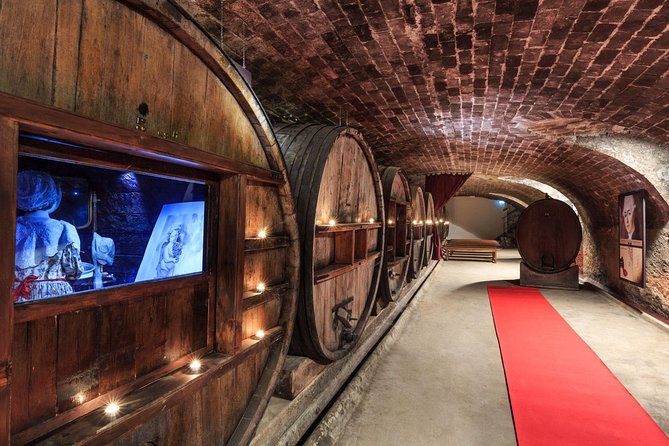
From the way these wineries are described, you’re also seeing more than tasting room counters. The tour takes you behind the scenes, including areas related to winemaking and aging. That adds context to the glass: you can connect what you tasted to what’s happening in storage and production.
Tastings you can expect early
The tastings are designed to show balance, not just extremes. You’ll likely taste some of the famous Provence rosés, but also whites and reds later across the day, with explanations on what makes each style feel different.
Even if you don’t want to become a wine scholar, you’ll leave with clearer instincts: what you enjoy in rosé (dry vs. more structured, for example), and what to look for when you see regional labels back in a shop.
Lunch in a quiet Provençal village: 1h30 that helps you reset (but don’t expect a full program)
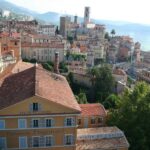
After the two morning stops, you get about 1h30 free time for lunch in a quiet village in Provence.
This break is smart. After a couple of winery tastings, your brain needs a reset. You’ll also be more relaxed for the third visit later, and you’ll likely taste differently when you’re not rushing.
The trade-off is simple: this time is free, and lunch isn’t included. One person’s perfect “slow Provence moment” is another person’s “not much to do.” If you like exploring small streets, great—this is the right pace. If you want guided sightseeing and busy landmarks, you may feel like the village is more for breathing than for touring.
Tip: bring a little flexibility. Some guides reportedly help with restaurant reservations, but you shouldn’t plan on the village having a big menu of options ready at any moment. Go in knowing you’re here for a pause between tastings, not a formal lunch event.



Stop three: the third winery visit and the practical value of “what happens after the grapes”
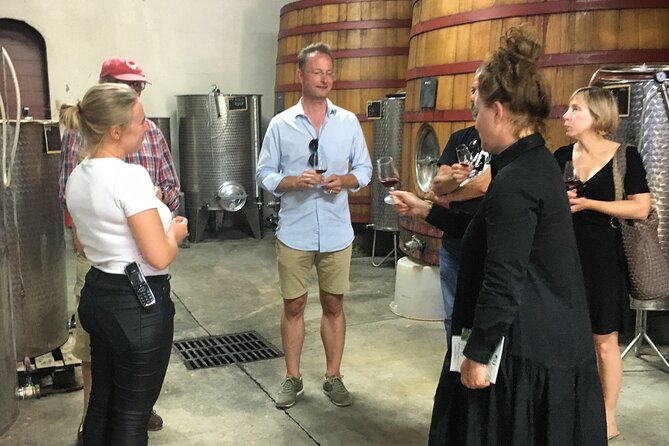
The third winery is where the day can click for you—because you’ve already learned the basics twice, and now you can focus on details.
The tour’s emphasis on the full production process is one reason this feels more worthwhile than a basic tasting-only excursion. You’ll be shown areas like:
- winemaking and aging rooms
- bottling lines (the part many people never see)
- practical choices tied to growing and harvest decisions
From the tour’s approach, you should expect conversation around topics like:
- picking and pruning
- green harvesting (reducing yields and shaping quality)
- the general logic behind how Provence grapes are handled
This is the kind of behind-the-scenes context that helps you understand why two bottles with similar colors can taste completely different. It’s also useful shopping knowledge: when you buy bottles to bring home (or to ship), you’ll know what questions to ask.
What you learn about “terroir” without getting stuck in wine jargon
If you’ve ever tried wine classes and felt lost in technical talk, this tour’s teaching style is built to avoid that problem. The guide-led format keeps the explanations tied to what you taste and what you see.
Here’s what “terroir” practically means on a day like this:
- soil type affects how vines handle stress
- climate shapes ripeness and acidity
- grape variety choices influence aroma and structure
- the region’s winemaking practices help preserve balance, especially for rosé
In the feedback, guides like Lara and Laura are repeatedly praised for explaining things in a way that feels easy, friendly, and non-intimidating. That’s exactly what you want on a tour: the information should help you taste better, not just sound impressive.
Also pay attention to how different wineries describe categories and classifications. France’s wine system can feel like a maze, but having it explained alongside actual production steps makes the theory stick.
Rosé-focused day, but not one-note: tasting reds and whites so you can compare
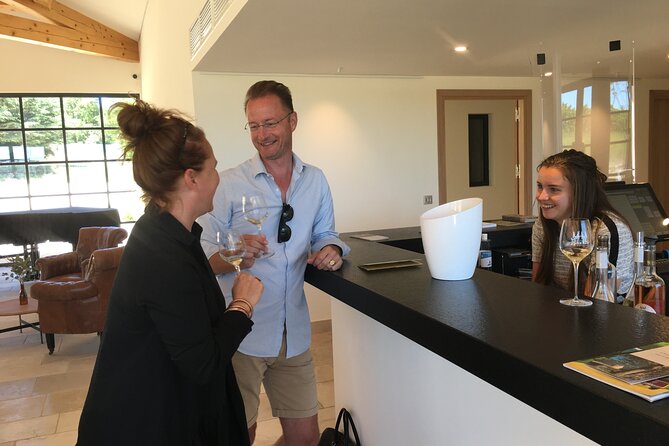
Yes, Côtes de Provence is famous for rosé, and this tour leans into that. But it’s not only pink wine sampling.
You should plan for tastings that include:
- Provence rosés
- whites that can feel aromatic and lively
- reds that show more power and balance
That mix matters because rosé is often how people start in Provence, then it becomes a trap if you only taste one style. With reds and whites in the mix, you get a fuller map of what the region does well.
And since each winery is different in size and approach (some feel more traditional, others more experimental), you’re more likely to find at least one surprise bottle you didn’t expect to like.
Buying wine and getting it home: plan for logistics early
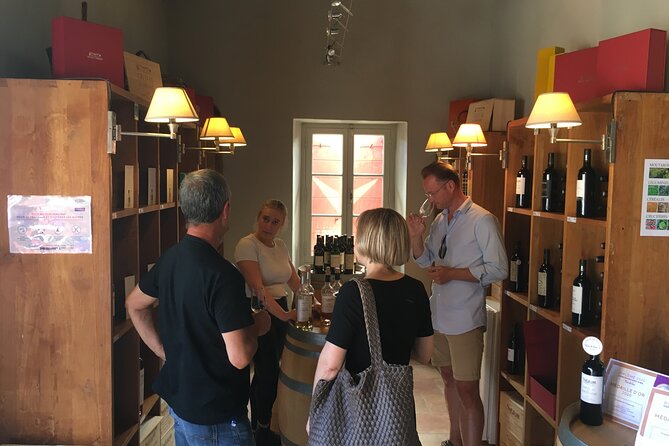
Alcoholic beverages are included during the tastings, and the tour takes you through wineries where you can buy bottles. If you’re hoping to bring wine home, plan for transport.
One helpful detail from the feedback: guides like Lara have helped with the paperwork and details for shipping wine back to the US. That’s not something you should count on blindly for every booking, but it’s a real option you can ask your guide about at the right time.
Also, remember the tour note about luggage: if you bring luggage, you should let the provider know quantity and size, and they won’t be responsible for lost or stolen luggage. For day-trippers, that’s a reason to travel light.
Price and value: what your $199.55 is really paying for
At $199.55 per person for an about 8-hour experience, you’re paying for more than a bus ride and a tasting flight.
Here’s what’s included:
- visit and tasting fees at three wineries
- transportation in an A/C minivan
- an English-speaking wine expert guide
- pick up/drop off from a central Nice meeting point
- alcoholic beverages during tastings
What’s not included:
- lunch, snacks, and bottled water
So when does it feel like a good deal?
- If you want guided education plus winery access (including production areas like aging and bottling)
- If you don’t want the planning headache of driving yourself and booking separate tastings
- If you care about understanding why the wine tastes the way it does, not just tasting a lot
The biggest “watch the math” item is lunch. Budget for at least your meal costs, and consider that you’ll be tasting several wines through the day.
Who this tour suits best—and who should pick something else
This is a strong fit if:
- you want three winery stops in one day
- you like wine education tied to real production
- you prefer a small group with room for questions
- you’re excited about rosé but want comparisons with whites and reds
- you want an English-speaking guide who makes wine approachable
This is less ideal if:
- you want a lot of free sightseeing time in a busy town
- you’re traveling with young kids (it’s not suitable for children under 10)
- you’re hoping for a tour that includes lunch or snacks (it doesn’t)
Practical tips that make your day smoother
Pack for a full-day outdoors and indoor winery visits. The tour specifically suggests:
- appropriate shoes
- sun protection (sunglasses, hat, sunscreen)
- sunscreen and a water bottle
Also, bring patience for timing. You start at 9:00 am, you’re back around 5:00 pm, and the day is structured around winery schedules. If you’re the type who hates feeling “on the clock,” you’ll still enjoy this—it’s well-paced—but you should accept that it’s not a flexible independent day.
One more thing: the minimum drinking age is 18. If you’re traveling with anyone under that age, you’ll need to choose another activity.
Should you book this Côtes de Provence wine day trip from Nice?
I’d book it if you want a day in Provence that mixes three tastings, real production access, and an English guide who can explain terroir and French wine classifications in a way that feels friendly. The small group cap at eight people is a practical upgrade, especially if you’re someone who asks questions.
I’d think twice if you’re looking for a lunch-included package with lots of town wandering. The village break is quiet, and you’ll pay for lunch yourself. In that case, it may still be worth it for the three winery stops, but plan the food budget in advance.
If your goal is to leave Nice with a stronger understanding of what makes Côtes de Provence taste like Côtes de Provence, this tour is built for that.
FAQ
What time does the tour start?
The tour starts at 9:00 am.
Where do we meet in Nice?
You meet at Hotel Nice Beau Rivage, 24 Rue Saint-François de Paule, 06300 Nice, France.
How long is the tour?
The duration is approximately 8 hours, and you return to the same meeting point around 5:00 pm.
How many wineries do you visit?
You visit three wineries total.
Is lunch included?
No. Lunch, snacks, and bottled water are not included.
What languages are offered?
The tour is offered in English.
What is the maximum group size?
The tour has a maximum of eight travelers.
Is the tour suitable for children?
It is not suitable for children under 10.
What are the minimum drinking age requirements?
The minimum drinking age is 18 years.
Is there free cancellation?
Yes. You can cancel up to 24 hours in advance for a full refund. If you cancel less than 24 hours before the start time, the amount paid is not refunded.