REVIEW · CHIANG MAI
Chiang Mai: Chiang Rai Temples, Karen Tribe and Hot Springs
Book on GetYourGuide →Operated by MONKEY TRAVEL ASIA by Ask Discovery · Bookable on GetYourGuide
Three surreal temples, one packed day. I like the Mae Kachan Hot Springs reset and I really love the Wat Rong Khun White Temple with its glassy, mind-bending design. The only catch is the day runs long, it’s warm, and you’ll be on your feet and climbing stairs at more than one stop.
This is a guided Chiang Rai highlights run that mixes Thai, Lanna, and Burmese influences in the art and daily life you see. You’ll get an English-speaking guide, plus optional QR audio in 41 languages (with your own earphones).
In This Review
- Key points worth knowing before you go
- Price and value: what $35 really buys
- Meeting point and timing from Chiang Mai (where days go wonky)
- Mae Kachan Hot Springs: a relaxing start without the swim
- Mae Kachan Long-Neck Karen village: culture, crafts, and a separate fee
- Wat Rong Khun White Temple: purity and glass that feel unreal
- Wat Rong Suea Ten Blue Temple: dragon guards and a calm Buddha center
- Huay Pla Kang Temple: Guan Yin statue and the nine-tier pagoda climb
- Lunch in Chiang Rai: not included, but you’ll have a real break
- Why the guide makes this tour feel worth it
- What to pack (and what to avoid)
- The real tradeoffs: long day, heat, and stair-heavy stops
- Who should book this Chiang Rai day trip?
- Should you book this tour?
- FAQ
- How long is the Chiang Rai temples tour from Chiang Mai?
- Where do I meet the guide?
- Which temple entrance fees are included?
- Is lunch included?
- Do I need to pay extra for the Long Neck village?
- Can I swim at Mae Kachan Hot Springs?
- What languages are available for the guide and audio?
Key points worth knowing before you go
- Start with warm water at Mae Kachan Hot Springs: relaxing stop first, but swimming is not allowed
- White Temple hits hard in person: all-white architecture with intricate glass details from Chalermchai Kositpipat
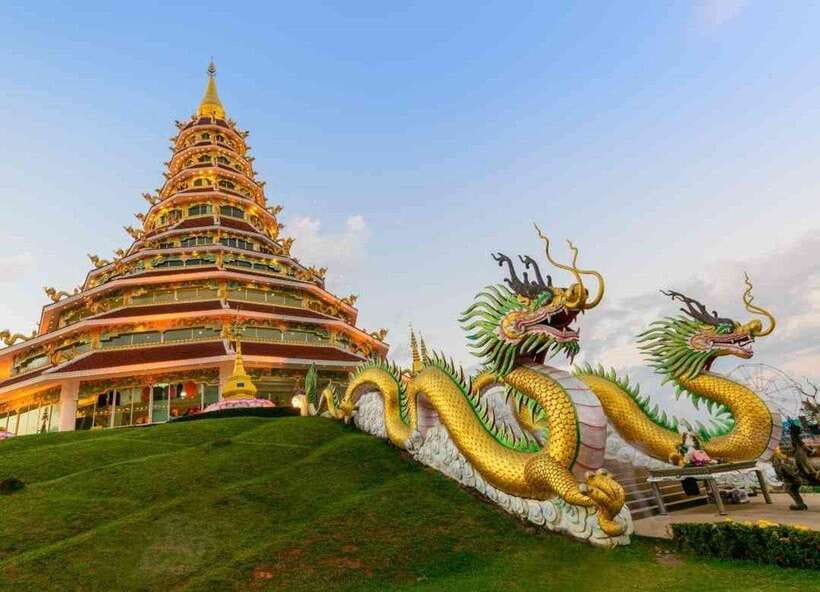
- Blue Temple is calm, bright, and guarded: deep blue interiors, gold accents, and dragon statues at the entrance
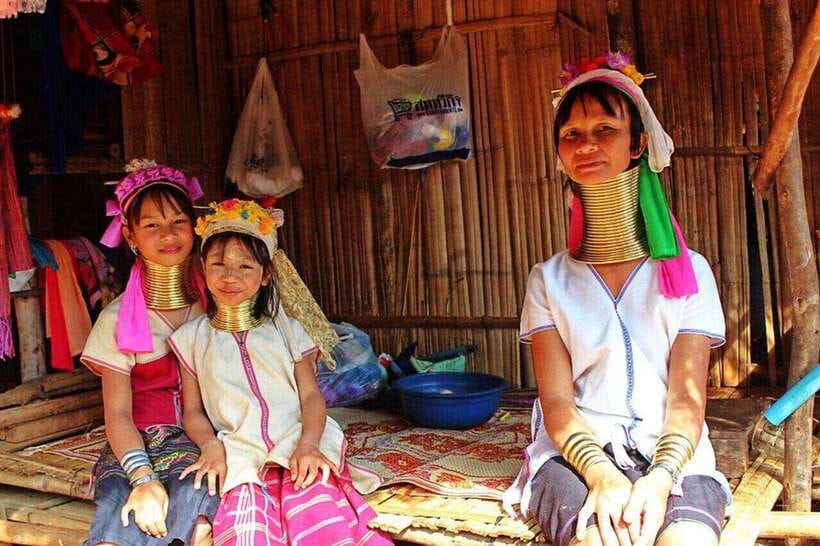
- Long-neck Karen village is culturally important and emotionally complicated: brass neck rings and handmade crafts, with a separate entrance fee
- Huay Pla Kang Temple gives big views: Guan Yin statue and a nine-tier pagoda you can climb toward
- The guides can make or break the day: people rave about guides like Benz, Kwan, Ruby, Ann, and Dee for clarity and energy
Price and value: what $35 really buys
At about $35 per person, this tour is priced for people who want Chiang Rai without spending a night there. You’re paying for round-trip transport from Chiang Mai, an air-conditioned vehicle, an official guide, mandatory insurance, and entrance fees for three major temples.
What’s not included matters. Lunch is on you, and the Long Neck Village entrance fee (300 THB) is also extra. Also plan to bring your own earphones for the QR audio system.
If you’re staying in Chiang Mai and this is your one shot at Chiang Rai’s signature temples, the value can be solid because you’re not organizing tickets, driving, or timing yourself.
You can also read our reviews of more tours and experiences in Chiang Mai.
Meeting point and timing from Chiang Mai (where days go wonky)
The meeting point is Burger King Thapae in Hotel M Chiangmai, and you should arrive 15 minutes early. Chiang Mai traffic can be real, so leaving yourself cushion time helps you avoid the tour’s strict start-time rule (they do not wait for late arrivals).
Pickup is optional. If you opt for hotel pickup, plan to be ready in the lobby about 10 minutes before the scheduled pickup time.
You’re on a schedule all day. That’s not bad, it just means you’ll want to travel light and be prompt.
Mae Kachan Hot Springs: a relaxing start without the swim
The day begins with a stop at Mae Kachan Hot Springs. This is mostly about a reset: guided visit, a photo pause, and time to slow down before temples and crowds.
Two key points. First, swimming is not allowed here. Second, you’re still in a place with activity around it, and you may find small stalls for things like coffee/Thai tea and jewelry while you’re there, depending on the setup that day.
I like hot springs as a warm-up because it breaks up the long bus rhythm. It also gives you a mental breather before you switch gears to very striking Buddhist art.
Mae Kachan Long-Neck Karen village: culture, crafts, and a separate fee
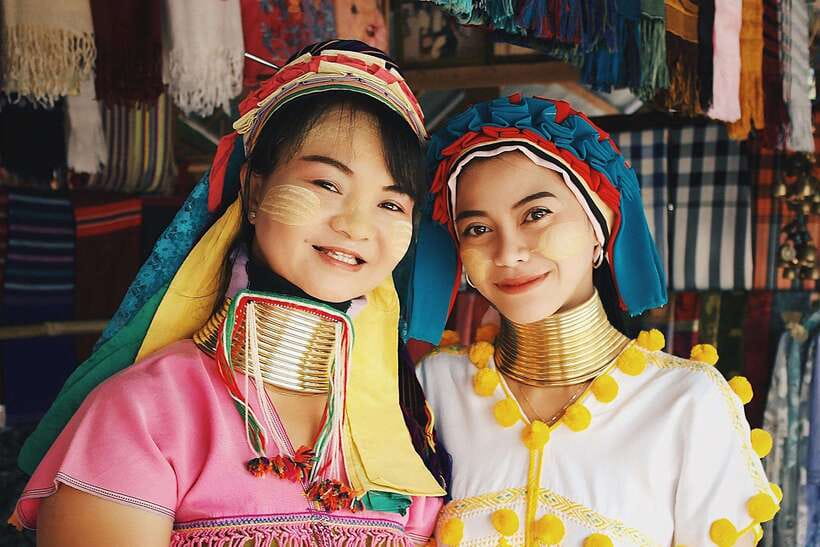
Next comes the Mae Kachan hill tribe and long-neck village. You’ll see the brass neck-ring tradition associated with the Karen community, along with handmade craft work they produce and sell.
Practical reality: the long-neck village entrance fee is 300 THB and is not included in the tour price. If you’re trying to budget tightly, keep that in mind early so you don’t get stuck hunting for cash later.
This stop can also be emotionally intense. Some people find it fascinating; others feel uneasy about the way the practice is presented. My advice is simple: go in with respect, ask yourself what you’re comfortable supporting, and treat the women and crafts as real life, not a photo prop.
Wat Rong Khun White Temple: purity and glass that feel unreal
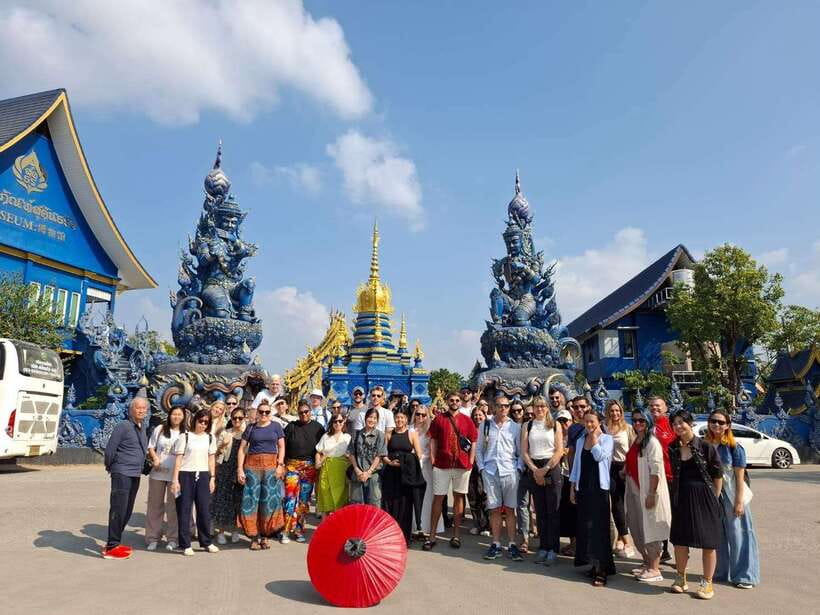
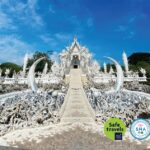
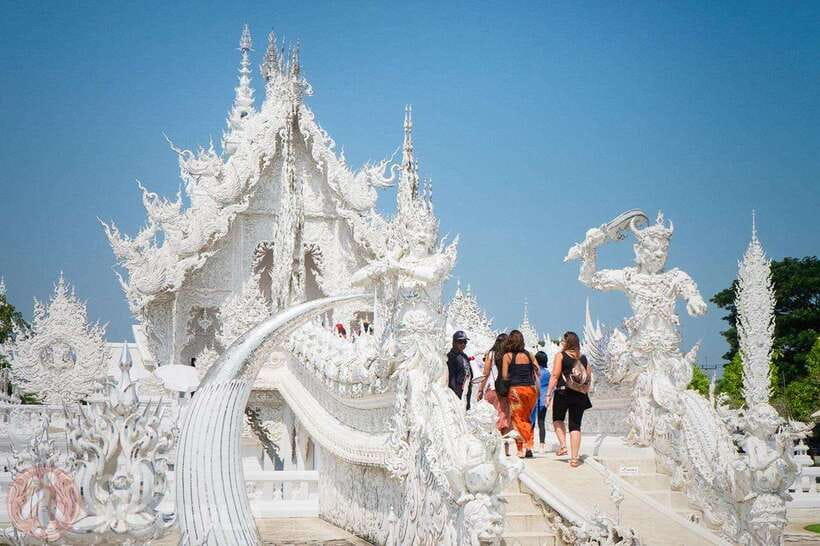
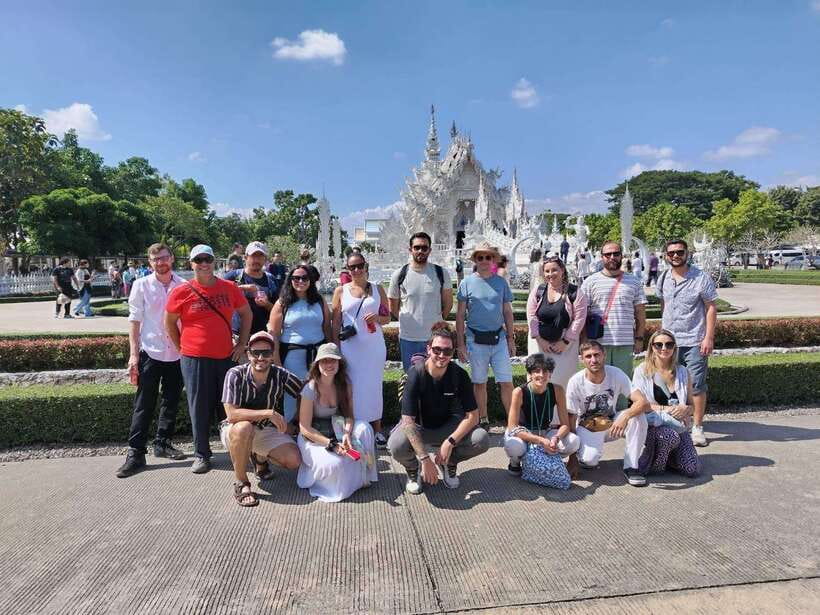
The big showpiece is Wat Rong Khun, the White Temple, created by artist Chalermchai Kositpipat. It’s famous for its all-white design, which represents purity, and for intricate glass details that connect visually to Buddhist wisdom.
What I like about it is how modern it feels while still being unmistakably religious. You also get both the expected temple art and the surprising, contemporary imagery that makes the place stick in your memory.
Time can feel tight depending on the size of your group and the day’s heat. Wear shoes you can climb in. If you’re doing photos, bring a strategy: shoot quick establishing angles first, then slow down for the fine glass work when the best light hits.
Wat Rong Suea Ten Blue Temple: dragon guards and a calm Buddha center
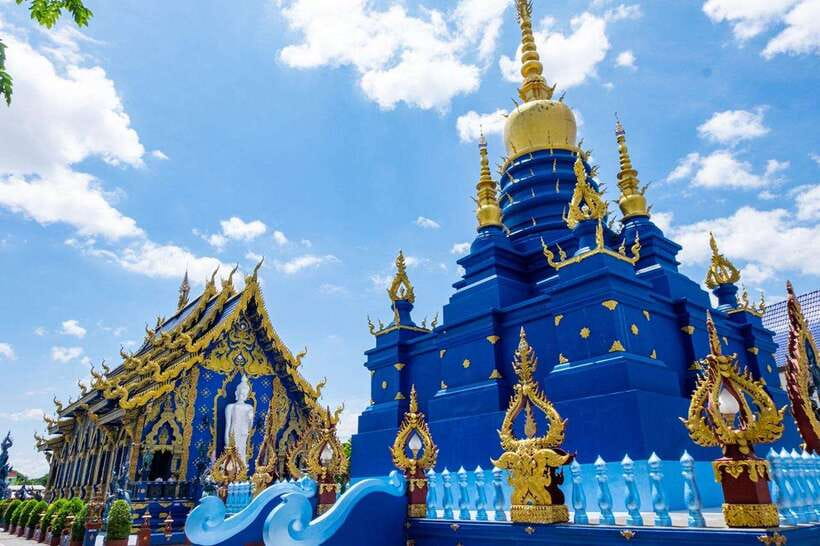
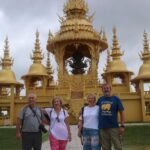
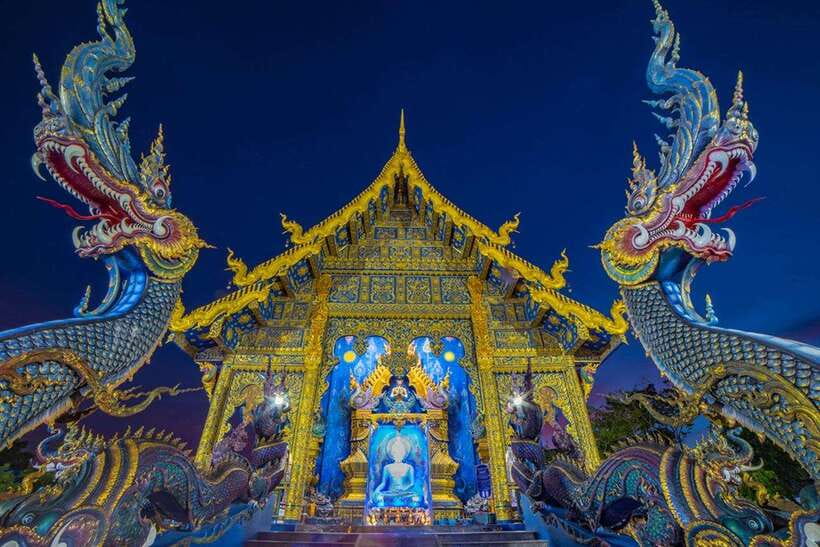
After lunch in Chiang Rai, you’ll head to Wat Rong Suea Ten, often called the Blue Temple. The design is all about contrast: deep blue interiors with gold details, plus big dragon statues guarding the entrance.
Inside, the tone shifts. There’s a calm, bright Buddha statue at the center, which helps balance the intensity of the White Temple earlier in the day. Even if you’re not a religious art expert, you’ll feel the difference in atmosphere.
Food tip you can plan around: many people grab treats here, including ice cream options that get mentioned often, like coconut-based flavors. Nothing heavy, just something sweet to keep your energy up for the next (and final) temple stop.
Huay Pla Kang Temple: Guan Yin statue and the nine-tier pagoda climb
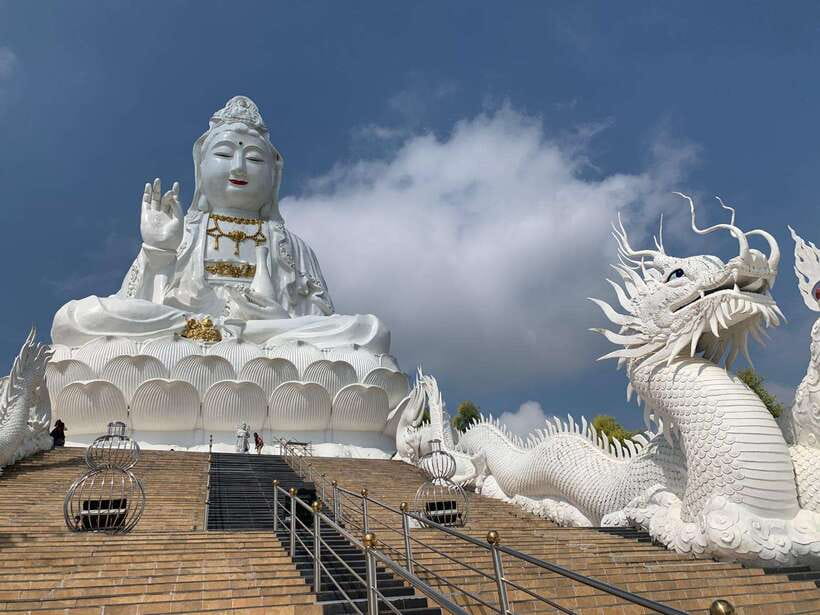
Your last major temple is Huay Pla Kang Temple (also written as Huay Pla Kang). This one is known for the large statue of Guan Yin, Goddess of Mercy, and for a nine-tiered pagoda.
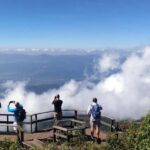
The standout is the climb. The views get better as you go up, and the temple grounds include beautifully decorated elements and carved statues as you move around.
This is also where your legs will start negotiating with you. Don’t underestimate steps and uneven surfaces. If you keep your pace steady and take short pauses, the reward is worth it.
Lunch in Chiang Rai: not included, but you’ll have a real break
Lunch is scheduled during the day, but it’s not included in the tour price. You’ll have time to eat, and the day’s flow includes breaks that help you reset between stops.
A practical money note: bring small bills. Some vendor setups don’t always have change for larger notes, so it helps to have cash ready in smaller denominations.
Also bring patience for the simple fact of distance. Even when timing is managed well, you’re moving across the province, and you’ll feel it.
Why the guide makes this tour feel worth it
The tour lives or dies by the guide’s pacing and explanations. In the feedback you’ll see a pattern: people remember the guide’s personality as much as the temples.
You might get guides like Benz, who’s described as friendly, passionate, and constantly checking that everyone is enjoying the day. Or Kwan, praised for background stories and for practical support when someone was feeling sick. Ruby shows up repeatedly in high praise for clarity, energy, and tips for making the most of each stop. Ann and Dee are also mentioned for humor, warm engagement, and stepping in when something goes off track.
That matters because the day is long. A good guide doesn’t just point. They help you understand what you’re seeing and they give you small photo and timing tips so you don’t feel rushed.
If you want to get even more from it, use the official audio option via QR and scan it as you move. You’ll have to bring your own earphones.
What to pack (and what to avoid)
This tour is straightforward, but Chiang Rai temples are not the place to be unprepared for heat and walking.
Bring:
- Passport or ID card
- Comfortable shoes
- Sun hat, sunglasses, sunscreen
- Insect repellent
Also consider charging needs. Some buses may have things like USB ports, and you’ll want your phone alive for temple photos and audio.
Avoid:
- Luggage or large bags
- Alcohol and drugs
And dress modestly at temples. You’ll feel more comfortable and you’ll avoid awkward moments.
The real tradeoffs: long day, heat, and stair-heavy stops
Let’s be honest. This is not a quick hop between landmarks. The total day is about 11 hours, with multiple drives that add up, including a return trip of roughly 3 hours.
The other tradeoff is physical effort. Between temple stairs and walking in warm weather, you’ll want to pace yourself. If you’re sensitive to heat or you don’t like climbing, plan breaks mentally and consider bringing a water bottle if your tour policy allows it (the day includes transport stops, and you’ll likely have chances to refresh, but don’t count on it).
If you have mobility impairments, the tour is not suitable.
Who should book this Chiang Rai day trip?
This trip is best for you if:
- You have limited time in Chiang Mai and want Chiang Rai’s signature temples in one day
- You like modern Buddhist art as much as classic temple scenes
- You want a guided structure so you don’t spend your day figuring out logistics
It might not be the right fit if:
- You want a relaxed day with slow wandering
- You hate stairs and long walking segments
- You’re uncomfortable with cultural stops that can feel complicated, like the long-neck village presentation
The most honest description is this: it’s a jam-packed cultural day designed to hit the highlights and get you back with a camera full of memories.
Should you book this tour?
I’d book it if your goal is to see the White Temple, Blue Temple, and Huay Pla Kang without planning a full Chiang Rai trip on your own. For the price, the value comes from bundled transport, official guidance, and entrance fees for the main temple stops.
I wouldn’t book it if you’re hoping for an easy, short day. This is a long outing with heat, walking, and strict timing. Also budget for the extra 300 THB long-neck village entrance and plan to pay for lunch.
If you do book, come prepared: arrive on time, bring earphones, wear good shoes, and use the audio QR so the art and symbolism land better.
FAQ
How long is the Chiang Rai temples tour from Chiang Mai?
The tour runs about 11 hours total.
Where do I meet the guide?
Meet the guide 15 minutes before departure at Burger King Thapae in Hotel M Chiangmai.
Which temple entrance fees are included?
Entrance fees are included for Wat Rong Khun (White Temple), Wat Rong Suea Ten (Blue Temple), and Huay Pla Kang Temple.
Is lunch included?
No. Lunch is not included, even though there is a lunch stop during the day.
Do I need to pay extra for the Long Neck village?
Yes. The Long Neck village entrance fee is 300 THB and is not included.
Can I swim at Mae Kachan Hot Springs?
No. Swimming is not allowed, but it’s still a relaxing stop for photos and rest.
What languages are available for the guide and audio?
The official live guide is English only. An optional audio guide is available via QR in 41 languages, and you must bring your own earphones.