REVIEW · CHIANG MAI
Chiang Mai: Doi Inthanon Park with Kew Mae Pan Hike Day Trip
Book on GetYourGuide →Operated by CHIANG MAI DAY TRIP · Bookable on GetYourGuide
A day in the clouds of Doi Inthanon. This trip mixes big scenery (highest peak at 2,565 meters) with Thai royal history at the Twin Pagodas, then adds a seasonal hike only open Nov–May. You also get a real taste of hill-tribe life with Hmong and Karen stops, plus a classic waterfall finish.
I like how the schedule balances nature with culture: the King and Queen pagodas aren’t just photo stops, and the views from Doi Inthanon feel like a true change of world. I also like the hiking payoff on the Kew Mae Pan trail, where the short route can still feel like a serious “worth it” trek, especially with the guide support (I’ve seen names like Paul, Mo, James, Yoong, and Wanida praised for keeping the day moving and making it fun).
One consideration: this is a long day (about 11 hours) and the Kew Mae Pan trail can include steep, step-heavy sections. If you’re sensitive to stairs or altitude, you’ll want to think twice before booking.
In This Review
- Key highlights you’ll actually care about
- The big idea: a mountain day from Chiang Mai
- Morning drive and first hits inside Doi Inthanon National Park
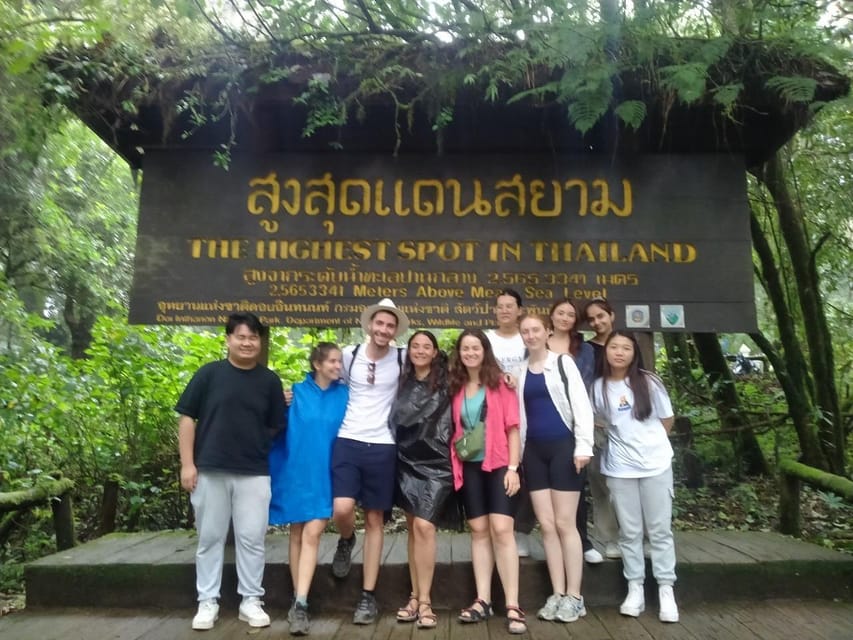
- Thailand’s highest peak: what you gain at 2,565 meters
- Twin Pagodas: King and Queen memorials, reflections, and a wooden bridge
- Kew Mae Pan Nature Trail: a seasonal 2-hour hike worth building around
- Hill-tribe culture stops: Hmong village/market and a Karen coffee farm
- Wachirathan Waterfall: second-big falls and a good end to the day
- Lunch, pacing, and comfort: what “$62 for 11 hours” really buys
- Who should book this trip, and who should skip it
- Practical tips before you go (so the day feels smooth)
- Should you book the Chiang Mai Doi Inthanon day trip with Kew Mae Pan hike?
- FAQ
- What time is pickup for this Doi Inthanon day trip?
- What time will I get back to Chiang Mai?
- How long is the tour?
- Is the Kew Mae Pan Nature Trail hike available year-round?
- How long is the Kew Mae Pan hike?
- What places will I visit besides the summit?
- What about lunch—do I get fed?
- Are entrance fees included?
- What should I bring and wear?
- Are there baggage and item limits?
Key highlights you’ll actually care about
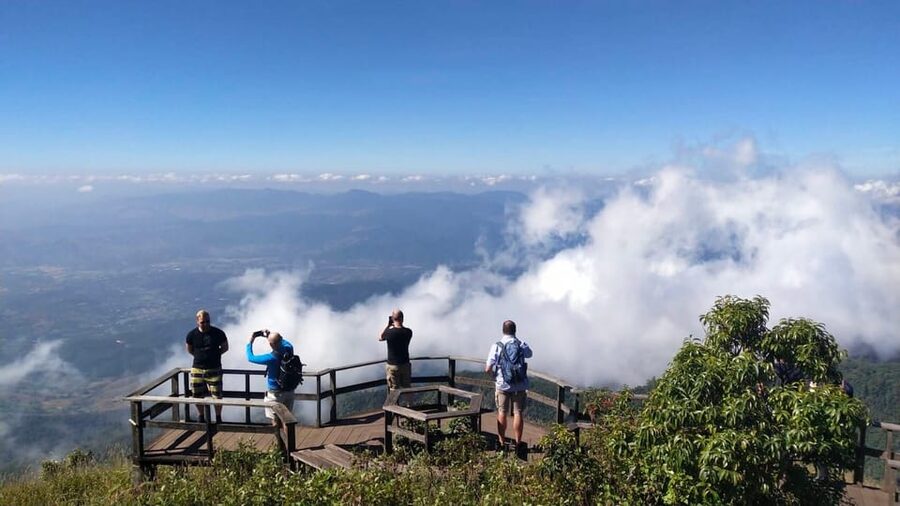
- Highest point in Thailand: Doi Inthanon summit views over cloud forests, rivers, and waterfalls.
- Twin Pagodas photo moments: especially their water reflections and the wooden bridge views.
- Kew Mae Pan Nature Trail only Nov–May: a seasonal 2-hour hike (2.78 km) with big panoramic reward.
- Hill-tribe stops that feel grounded: Hmong village/market plus a Karen coffee-farm stop.
- Wachirathan Waterfall: a major waterfall on the route, good for lingering and photos.
- Guides who manage a dense day: names like Mo and James show up often, with lots of personality and on-the-fly pacing.
The big idea: a mountain day from Chiang Mai
This is the kind of day trip that helps you understand why Doi Inthanon matters. Chiang Mai is all about easy travel and great food, but this route throws you into cooler air, steep viewpoints, and waterfall country—without requiring you to plan a thing.
The timing is part of the deal. Pickup is typically 7:00–7:30 AM, and you’re back around 5:30–6:00 PM. That means you’ll start early, ride a fair distance in an A/C van, and spend most of the day outdoors. For me, that’s ideal if you want “see a lot in one day” but still want nature and not just temples.
Group size can make a difference. You’ll be with a guide and driver handling the logistics, and some operations run with small enough groups that you can move comfortably. Still, popular viewpoints and market/photo spots can get crowded, so I’d treat it as a shared experience, not a private hike.
You can also read our reviews of more tours and experiences in Chiang Mai.
Morning drive and first hits inside Doi Inthanon National Park
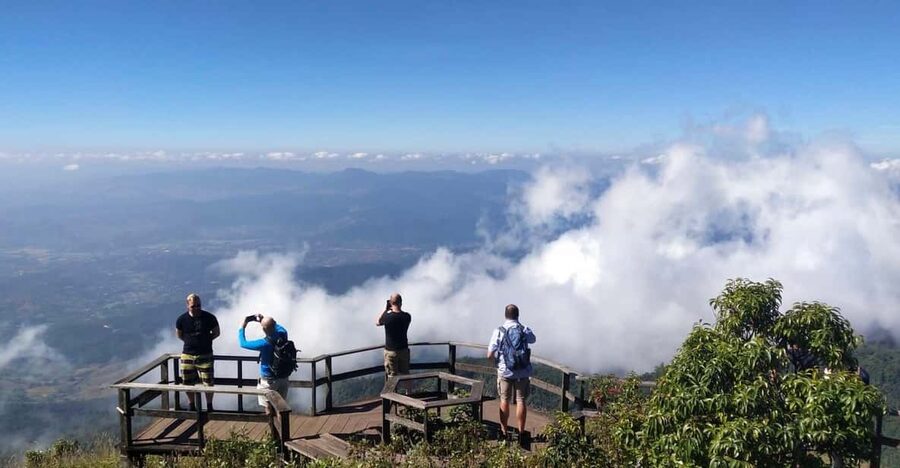
Once you’re in the national park, the day shifts fast from road travel to “stop, walk, look, repeat.” There’s usually time built in for short breaks, guided explanations, and guided sightseeing as you move between key areas.
You’ll be guided in English (and sometimes Thai alongside it), and you’ll generally get enough time to take photos and wander a bit on your own at stops. The tone of the day often depends on your guide—people often mention guide humor and energy, like Paul’s patient, uncle-style vibe or Mo and James bringing upbeat momentum to the route.
What to expect from the terrain: you’re going to walk on uneven ground and climb stairs at certain stops. Even if you’re not doing a full trekking program, the day has more “moving” than a typical city tour.
Thailand’s highest peak: what you gain at 2,565 meters
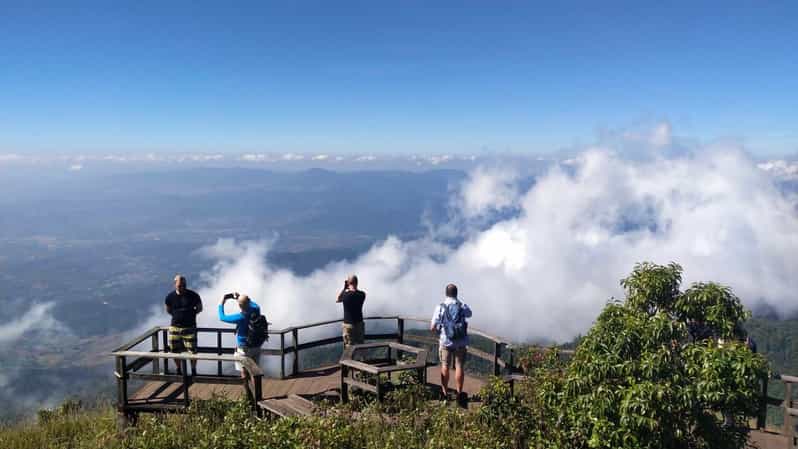
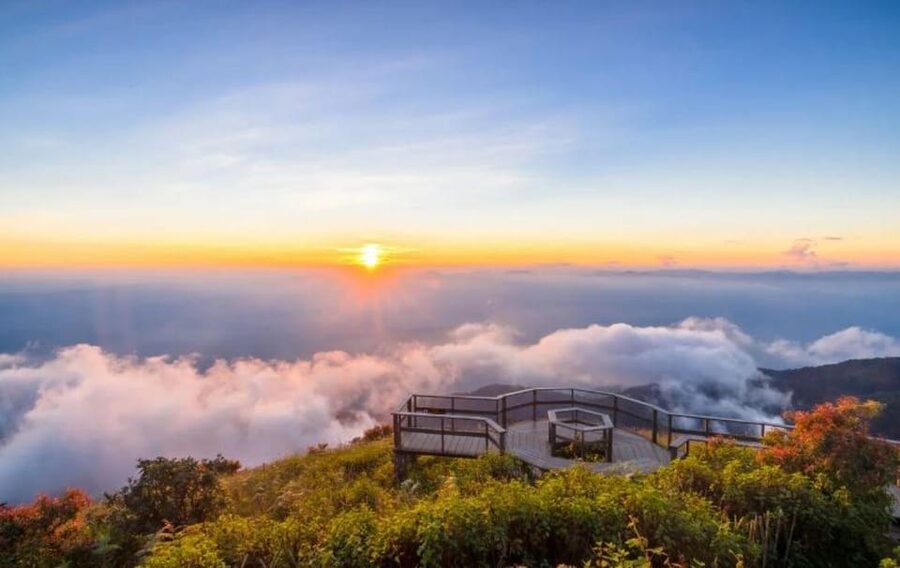
The core draw is the summit area. Doi Inthanon’s highest point sits at 2,565 meters, and the reward is the panoramic view over the cooler, misty-looking forest zone—clouds, ridgelines, rivers, and waterfalls in the same frame.
Now, the reality check: weather changes how you experience it. During burning season, views can be a little hazier, and daylight glare can affect photos depending on the sun angle and timing. One very practical tip: if you’re chasing photos, aim to be flexible with timing and don’t assume every viewpoint will look the same all day.
Also remember that “highest peak” doesn’t always mean you’ll be in the clouds all the time. Still, you’re going to feel the altitude shift compared to Chiang Mai, and it’s part of why the hikes and waterfalls feel different here.
If you’re sensitive to altitude or shortness of breath, it’s worth taking the route seriously. The tour isn’t marketed for people with altitude sickness, and it also lists heart problems and high blood pressure as reasons not to join.
Twin Pagodas: King and Queen memorials, reflections, and a wooden bridge
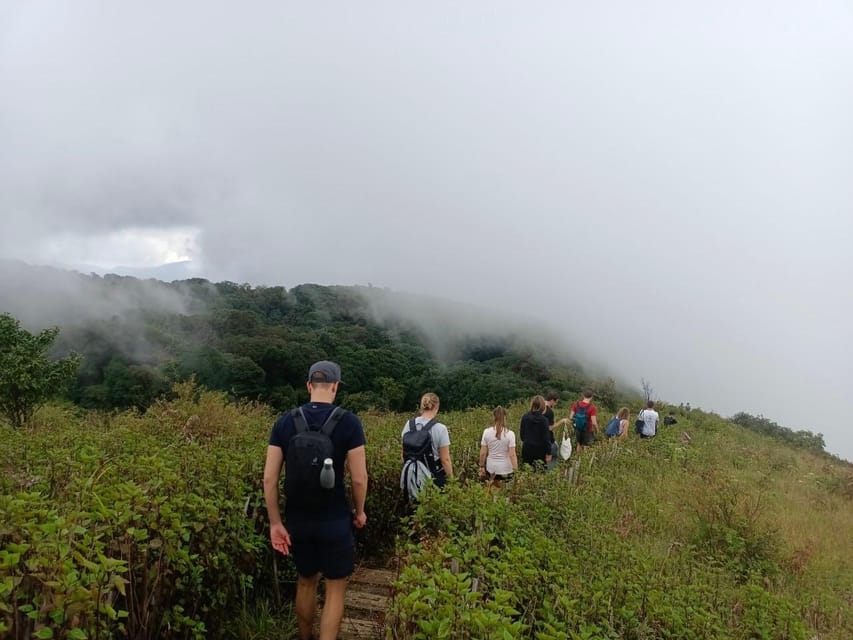
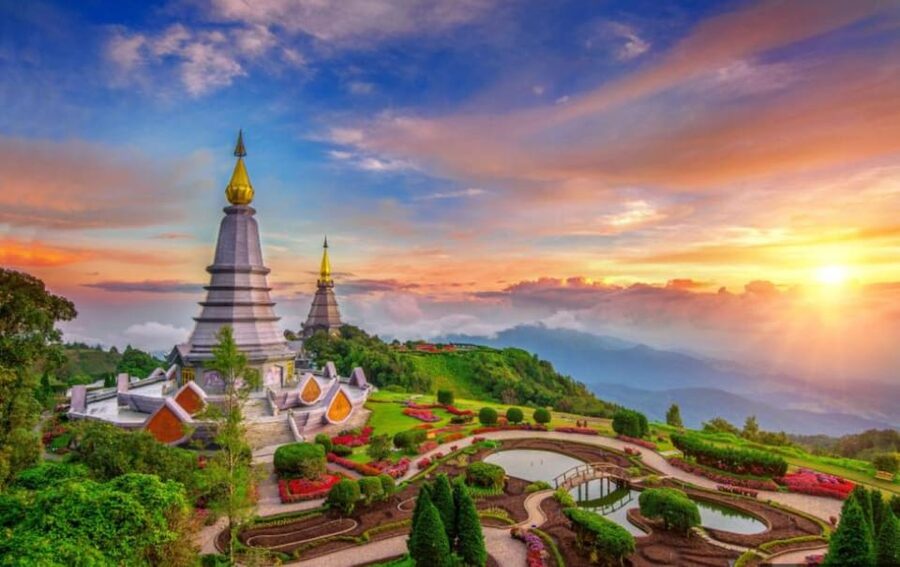
Next come the pagodas: the Honor King Bhumibal and Queen Sirikit twin monuments. These aren’t just pretty towers. They’re designed as memorials for the King and Queen’s 60th birthday, and that royal context helps the gardens and architecture make more sense when your guide explains what you’re seeing.
What I’d watch for here:
- The gardens and symmetry make it easy to frame photos.
- The water reflections can look dramatic when the conditions are right.
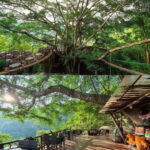
- There’s a charming wooden bridge viewpoint that helps you see the pagodas from another angle.
Timing matters. If you arrive when the sun is high, you might get glare in certain fountain-area views, which can make photos look washed. If that matters to you, treat the pagoda stop as a “try a few angles” moment, not a one-shot photo plan.
The good part: you don’t need special hiking ability to enjoy this section. It’s mostly walking and visual sightseeing, with chances to pause and enjoy the scale of the towers against the forest.
Kew Mae Pan Nature Trail: a seasonal 2-hour hike worth building around
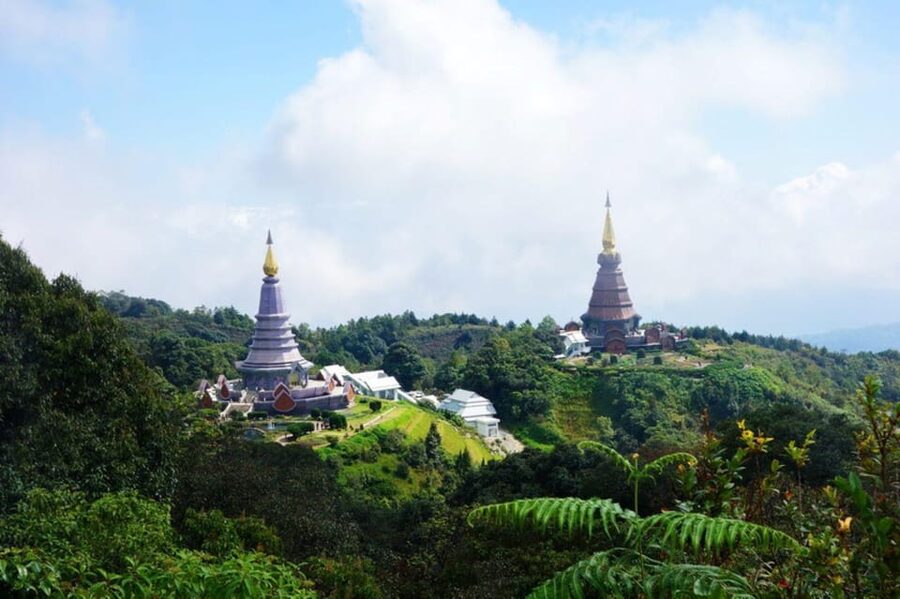
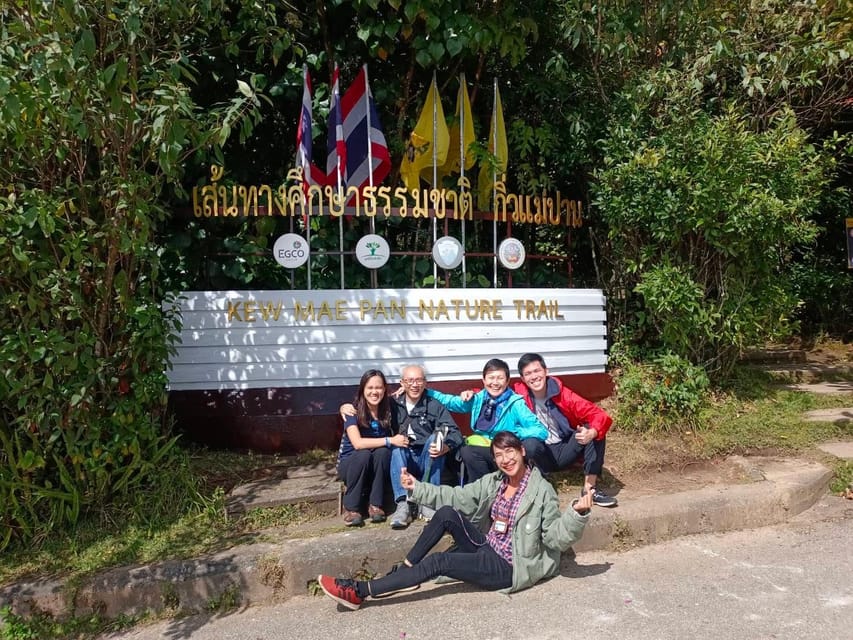
This is the day’s main hiking moment, and it’s also the part you absolutely must check before booking. The Kew Mae Pan Nature Trail is only available from November to May every year.
When it’s open, the hike is about 2 hours, covering 2.78 km. That distance sounds short on paper, but the path can include steep climbs and steps. Some people describe it as manageable, while others flag that it can feel more challenging than a casual “walk in the park,” especially with elevation and uneven footing.
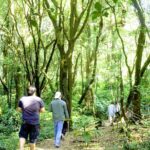
What makes it special is the panorama reward. You get a jungle-and-mountain viewpoint loop through forest, and the higher you go, the better the outlook tends to be. If you like photos, this is the section where you’ll understand why people plan their trips around this trail.
A couple of practical notes from what you should do:
- Bring comfortable shoes you can trust on steps and uneven surfaces.
- Use insect repellent. Even if you don’t get bitten constantly, it’s smart insurance.
- Don’t treat it like a gentle stroll. If you’re prone to getting out of breath, pace yourself and take the breaks your guide suggests.
The tour often keeps the hiking route organized with a guide and trail support, which helps if you’re not sure where the path goes or you want help timing your photo stops.
Hill-tribe culture stops: Hmong village/market and a Karen coffee farm
After you’ve worked up an appetite from the hike and viewpoints, the day turns toward people and food—more specifically, hill-tribe communities in the region.
You’ll visit a Hmong Hilltribe Village and also stop at the Hmong Hilltribe Market. This is one of those parts where you can learn by watching: how people sell goods, what’s popular, and how coffee ties into local routines. The tour description emphasizes that Hmong culture here includes coffee plantations, and that theme continues later.
There’s also a Karen hill-tribe coffee farm stop after the hike. Even if you’re not a coffee superfan, it’s a good “small reality check” moment: you get to see the farm-side of how coffee becomes a daily product, not just a souvenir.
A heads-up for expectations: a coffee tasting stop can get crowded depending on the day’s group size. If you like slow, unhurried tasting, go with the mindset that this is an opportunity to sample and learn rather than a long barista workshop.
Wachirathan Waterfall: second-big falls and a good end to the day
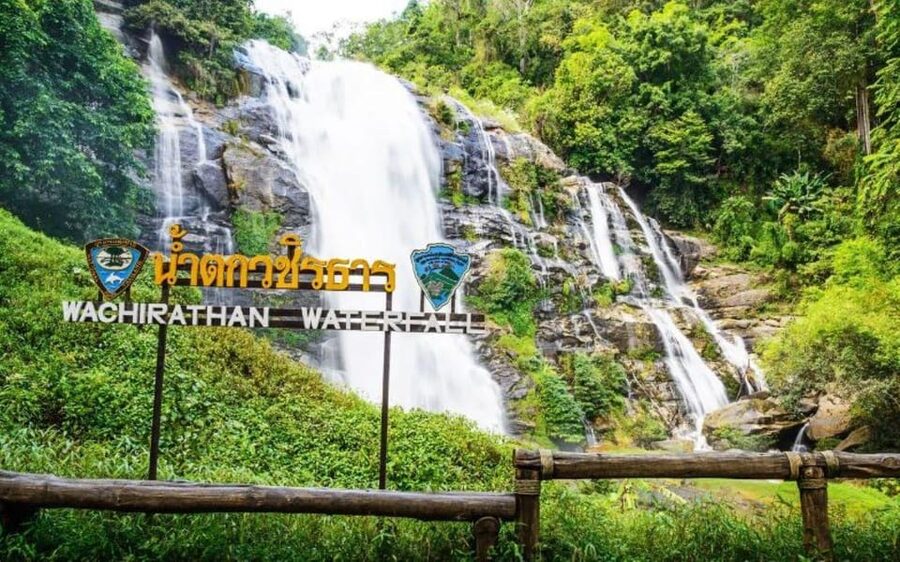
The final major nature stop is Wachirathan Waterfall. It’s described as the second biggest falls on the way to the summit, and it really fits the role of a “closing chapter” for the day.
Waterfalls are one of those places where time matters. You’ll want a moment to just watch the flow and reset your legs. People tend to treat this as the photo finish, but I’d also treat it as the moment to slow down a little—especially after the walking and steps earlier.
If you’re bringing a camera, try a few angles:
- wider shots to show the scale
- closer shots for texture
- and a few sheltered spots to avoid spray soaking your lens
The best strategy is to keep your expectations flexible: waterfall volume can vary, and cloud cover or haze can change the contrast. Still, Wachirathan is consistently impressive as a capstone.
Lunch, pacing, and comfort: what “$62 for 11 hours” really buys
Let’s talk value, because the price isn’t only about convenience. It’s about logistics and risk reduction.
At $62 per person for an about 11-hour outing, you’re paying for:
- A/C van round-trip from Chiang Mai
- a professional English-speaking guide
- entrance fees (with a note: they’re not applicable for an economic option)
- a Thai lunch with vegetarian options available
- a bottle of drinking water
- traffic accident insurance
The “value” part is that you don’t have to rent a car, navigate park routes, or coordinate timing between the peak, pagodas, hike, markets, and waterfall. Plus, you’re not left to figure out what matters at each stop.
Pacing is dense but usually not rushed. That said, this is still a full day. One common note is that if you care about deep historical explanations at every stop, you might find the approach more about guiding and keeping the itinerary on track rather than offering hour-long lectures.
Comfort-wise, the van ride can feel bumpy at times, and it’s smart to consider motion sickness if you’re sensitive. Bring a plan for that—this is not a smooth, short shuttle.
Who should book this trip, and who should skip it
This trip fits best if you:
- want an outdoors-heavy day without DIY planning
- like a short hike with big payoff (especially during Nov–May when Kew Mae Pan is open)
- enjoy mixing nature, temple architecture, and hill-tribe culture in one schedule
- are okay with stairs, uneven ground, and a long day
You should skip or reconsider if you:
- have heart problems, high blood pressure, or issues with altitude sickness
- need wheelchair access (it’s not suitable for wheelchair users)
- are over 70 years old (the tour lists a limit)
- have babies under 1 year
- can’t handle step-heavy hiking sections at Kew Mae Pan
If you’re a regular hiker with decent cardio, you’ll likely find the trail manageable with steady pacing. If you only do flat walks and rarely do stairs, this will feel like work, not a stroll.
Practical tips before you go (so the day feels smooth)
A few quick things that make this tour easier:
- Wear comfortable shoes you can use on steps and uneven paths.
- Pack insect repellent.
- Don’t bring luggage or large bags. The tour lists restrictions and allows only one small personal item up to 50cm x 35cm x 20cm and 7kg.
- If you’re staying outside the main pickup area, you’ll need to meet at a designated spot such as Wat Phra Singh or Starbucks at Maya Shopping Mall.
- Pickup happens between 7:00–7:30 AM, and you’ll need a WhatsApp number plus the exact property name for confirmation.
Also note: pickup isn’t available at Chiang Mai International Airport or airport parking areas. Plan an alternative way to reach the meeting points.
Should you book the Chiang Mai Doi Inthanon day trip with Kew Mae Pan hike?
If you want the most efficient way to see Doi Inthanon without getting stuck with transport and route planning, this is a strong choice. The biggest reason I’d recommend it is the mix: summit views, the Twin Pagodas’ memorial architecture and reflections, a seasonal high-reward hike, and a waterfall finish—all in one day.
Book it if Kew Mae Pan is available during your travel window (Nov–May). That seasonal trail is the difference-maker.
Skip it if you want a slow, easy day or if stairs and altitude might cause problems. Also, if you’re the type who needs long, deep historical context at every stop, set your expectations for a more guided-and-organized style.
Finally, pick your moment. Sunrise isn’t guaranteed magic, and haze or glare can change photos, but the overall experience is built to work even when the weather isn’t perfect. If you’re ready for a full day outdoors, this tour is one of the best ways to experience the park beyond a quick viewpoint loop.
FAQ
What time is pickup for this Doi Inthanon day trip?
Pickup is between 7:00–7:30 AM. Pickup may take a little longer (about 5–10 minutes) if traffic is heavy.
What time will I get back to Chiang Mai?
You generally arrive back around 17:30–18:00.
How long is the tour?
The duration is about 11 hours.
Is the Kew Mae Pan Nature Trail hike available year-round?
No. The Kew Mae Pan Nature Trail is only available from November to May each year.
How long is the Kew Mae Pan hike?
The hike is about 2 hours, covering 2.78 km.
What places will I visit besides the summit?
You’ll also visit the King and Queen Twin Pagodas, Hmong hill-tribe village and market, a Karen hill-tribe coffee farm stop, and Wachirathan Waterfall.
What about lunch—do I get fed?
Lunch is included on the Thai meal option, and vegetarian options are available. (For the economic option, lunch may not be included.)
Are entrance fees included?
Entrance fees are included for standard options. For the economic option, entrance fees are not applicable.
What should I bring and wear?
Bring comfortable shoes and insect repellent.
Are there baggage and item limits?
Pets are not allowed. Large luggage and large bags are not allowed on the van. You can bring one small personal item up to 50cm(H) x 35cm(W) x 20cm(D) and 7kg.