REVIEW · BUSAN
Busan: Gyeongju Guided Day Trip to Three Kingdoms Capital
Book on GetYourGuide →Operated by Lecirt · Bookable on GetYourGuide
Silla history takes over your day, with Donggung Palace & Wolji Pond and Bulguksa Temple turning a long coach ride into something worth it. I love the rhythm: guided stories for context, then enough free time to roam and take photos. I also love how the day connects state power to place—palace ponds, royal tombs, and historic villages all click together. The main drawback is simple: it is a long day (11–12 hours) with walking and stair steps, so pace yourself.
At $52 per person, the value comes from more than a sight list. You get pickup/drop-off from central Busan subway stations, a live English guide, admission to Donggung Palace and Wolji Pond, and lunch at a local restaurant (food is extra). The coach ride gets high marks (89% perfect score), but you should double-check your selected pickup point, because latecomers can’t be refunded.
In This Review
- Key things that make this Gyeongju day trip different
- Getting from Busan to Gyeongju: pickups, meet time, and not-miss-the-bus discipline
- A long day done right: 11–12 hours, coach comfort, and planned breaks
- Seokguram Grotto: UNESCO calm when you’re ready for stillness
- Bulguksa Temple: Buddhist storytelling, plus time to look at the details
- Hanok village detours: Gyochon Traditional Village or Yangdong Folk Village
- If you chose the Three Kingdoms-style stop
- If you chose the UNESCO village add-on
- Cheomseongdae Observatory: old science that still feels precise
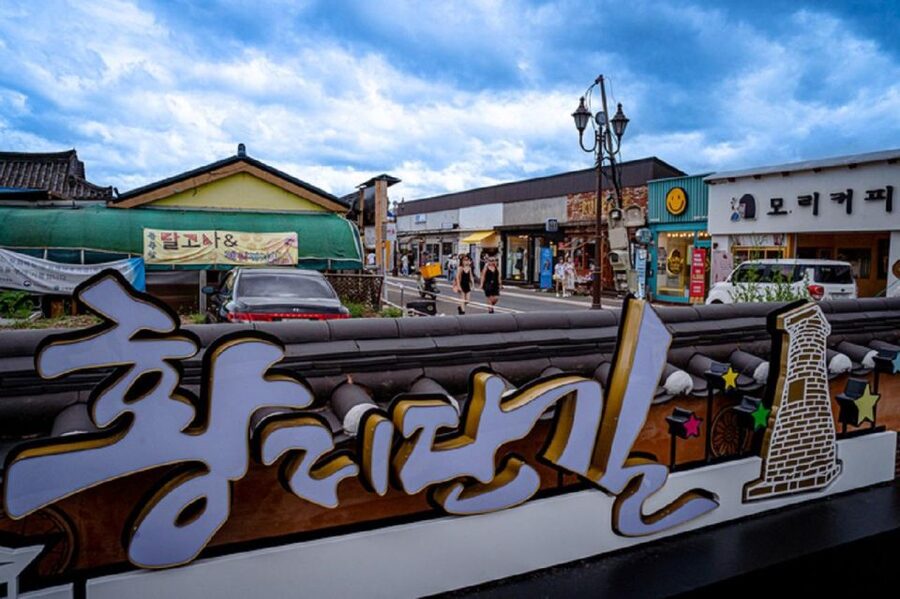
- Hwangnidan-gil: your 30-minute reset on a 1960s nostalgia street
- Daereungwon Tomb Complex: royal Silla power in stone and shape
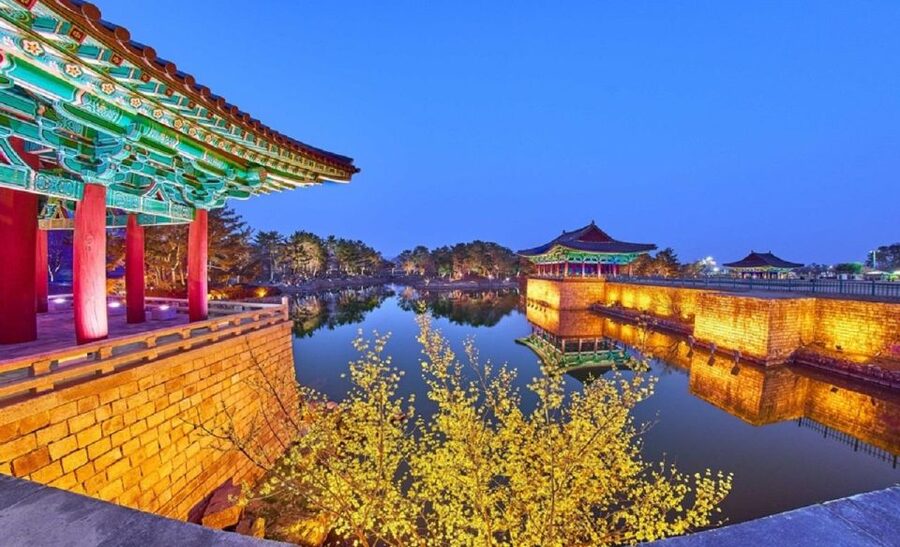
- Donggung Palace & Wolji Pond (Anapji): the reflection stop that steals the day
- Woljeonggyo Bridge: the easy win for night views and final photos
- The tour experience behind the scenes: pacing, guide energy, and how the day feels
- Should you book this Busan to Gyeongju day trip?
- FAQ
- How much does the Busan to Gyeongju guided day trip cost?
- How long is the tour?
- Where is the main meeting point in Busan?
- Can I choose a different pickup point?
- What is included in the tour price?
- Is lunch included?
- Will the tour run in the rain?
- Does the tour include UNESCO World Heritage sites?
- Is the tour suitable for wheelchair users or mobility impairments?
- What language is the guide?
Key things that make this Gyeongju day trip different
- Subway-based pickup: meet outside Haeundae Station Exit 7, with options at Busan Station Exit 2 and Seomyeon Exit 12
- Silla highlights built around UNESCO: temple, tombs, and palace-pond scenery all in one circuit
- Package add-ons matter: you choose the day’s extra stops, like Seokguram or historic villages
- Photo-friendly timing: Donggung Palace and Wolji Pond is a reflection stop you’ll remember
- English guide who keeps it moving: guides like Kayla Kim, Bada, and Katrina are praised for energy and clarity
- Enough breathing room: short walks, guided time, and self-guided breaks so it doesn’t feel like a nonstop lecture
Getting from Busan to Gyeongju: pickups, meet time, and not-miss-the-bus discipline
This tour runs as a full-day “coach rhythm,” and the day starts with an easy but strict meetup. The main meeting point is outside Haeundae Subway Station Exit 7 between 09:50 and 10:00. If you chose a different pickup, you’ll start at one of the other subway options: Busan Station Exit 2 or Seomyeon Station Exit 12.
Arrive about 10 minutes early. The guide will be holding a white flag with a green LECIRT logo, so you can spot the right group fast. Also, latecomers or no-shows can’t be refunded, so treat the meetup like catching a flight.
You can also read our reviews of more tours and experiences in Busan.
A long day done right: 11–12 hours, coach comfort, and planned breaks
Yes, it’s a long day. But it’s structured in a way that keeps it from feeling chaotic.
You’ll ride by coach/van to Gyeongju (one long segment is about 1.5 hours), then you’ll alternate between guided stops and short free periods. Lunch is built in at a local restaurant with a 1-hour break, and there are other pauses too, including a 30-minute shopping/self-guided window later in the day. The schedule is rain or shine, so if showers roll in, you just keep going.
There’s one more practical note: this tour isn’t suitable for people with mobility impairments or wheelchair users. The day includes walking and stair steps, and the itinerary is set up for getting around sites efficiently.
Seokguram Grotto: UNESCO calm when you’re ready for stillness
In the Seokguram Grotto package version, this is your first big “wow” stop. Seokguram is a UNESCO World Heritage site where art and spirituality are closely linked, and the visit is guided with time to walk around and look at the details (about 1 hour total at the site).
Why I think this stop works well in a day trip: it slows the day down. After the bus ride, you get a quieter, more contemplative setting than the palace-and-pond portion later.
One thing to watch for is physical comfort. The day includes hills and stairs overall, and this kind of site tends to amplify that. If you’re okay with short climbs and steady walking, Seokguram is a strong start.
Bulguksa Temple: Buddhist storytelling, plus time to look at the details
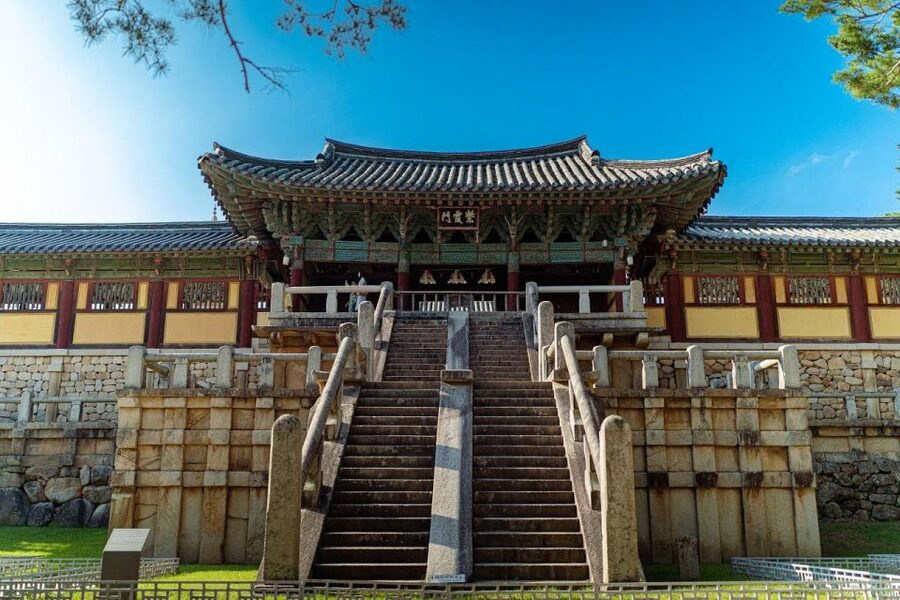
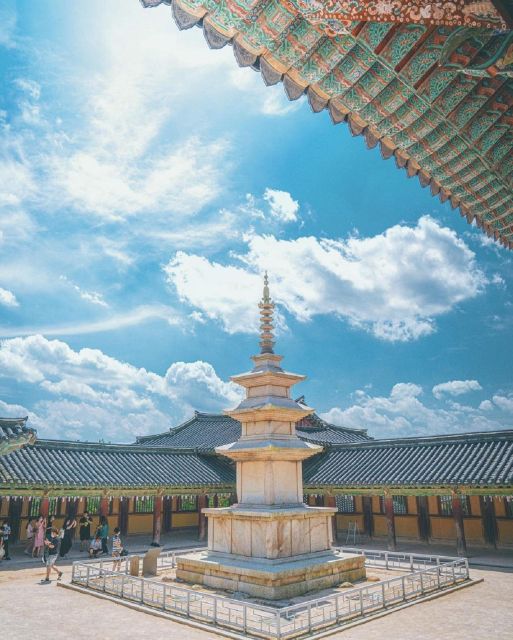
Bulguksa Temple is part of the core itinerary on all packages. It’s UNESCO listed and known for its harmony with nature—so it isn’t just monuments on stone, it’s a temple complex designed to fit the terrain.
You’ll get a guided tour, plus about 80 minutes of free time to wander. This is the segment where the guide’s style really matters. In real-world group experiences, guides like Bada and Kayla Kim are praised for making Buddhist topics understandable without turning it into a lecture. If you like asking questions, this is a good moment to do it.
Practical tip: in free time, don’t race. Bulguksa is one of those places where the most interesting bits are easy to miss if you only glance while moving.
Hanok village detours: Gyochon Traditional Village or Yangdong Folk Village
This is where your selected package really changes your day.
If you chose the Three Kingdoms-style stop
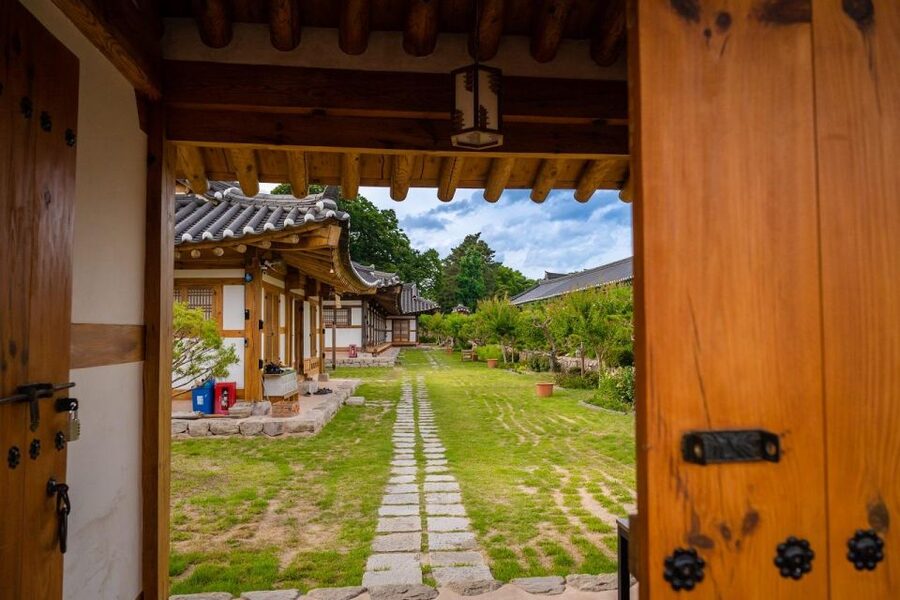
In the Gyechon Traditional Village add-on, you’re in hanok country. You’ll have a photo stop and then a guided visit, with time to explore on your own. The focus is on timeless hanok houses, the Gyeongju Hyanggyo, and the elegant link to the famous nearby bridge area.
If you chose the UNESCO village add-on
In the Yangdong Folk Village add-on (the UNESCO Tour 2025 APEC version), the tone shifts. Yangdong is described as Korea’s largest UNESCO listed traditional village, bringing the Joseon dynasty era to life with hanok houses and Confucian heritage.
Both villages are worth it because they give you a human-scale contrast to the monumental UNESCO sites. Tombs and temples are grand. Villages help you picture what life looked like around that power and culture.
Cheomseongdae Observatory: old science that still feels precise
Cheomseongdae is an optional-style highlight tied to some packages, and it’s a genuinely memorable “science-history” stop. It’s described as Korea’s oldest astronomical observatory, built on ancient engineering that still makes you stop and stare.
On this tour version, it’s guided with time to look around (about 1 hour). The best part is how it changes the story of Three Kingdoms-era Korea. It’s not only buildings and beliefs. You also see that the state cared about measuring the sky.
If you’re the type who likes seeing how things were designed before modern tools, this stop will click.
Hwangnidan-gil: your 30-minute reset on a 1960s nostalgia street
Between major heritage sites, you get a shorter break at Hwangnidan-gil. This is a self-guided window—about 30 minutes—with time for shopping and wandering.
The street is known for well-preserved 1960s architecture, so it’s a nice change of pace from UNESCO monuments. It’s also a useful “reset” moment when you want a snack, a small souvenir, or just a place to walk without a timer for the guide group.
Keep one eye on the meeting time back at the pickup point. This is the type of stop where it’s easy to lose track if you’re enjoying the street.
Daereungwon Tomb Complex: royal Silla power in stone and shape
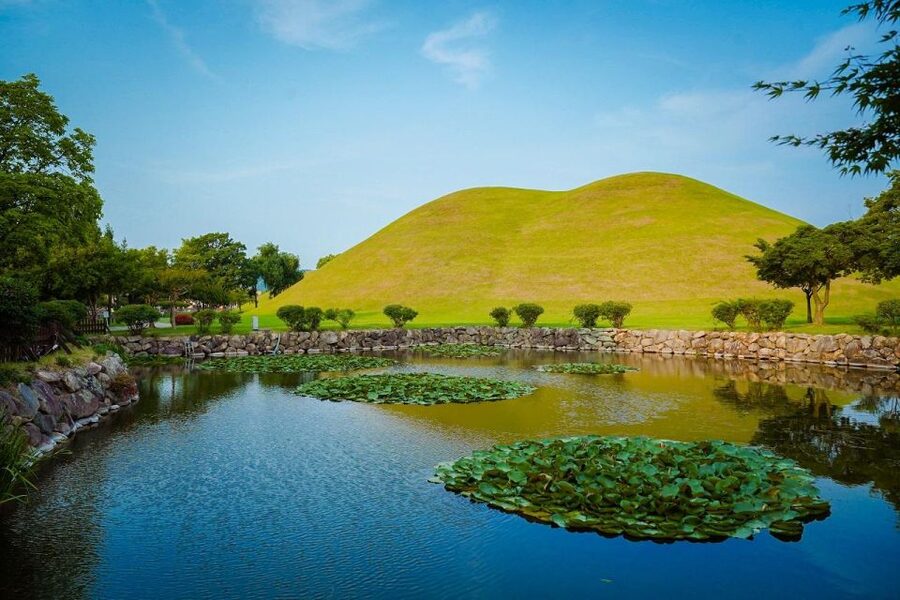
Daereungwon Tomb Complex is another core stop on the day. It’s guided, and you’ll also get about 1 hour of free time.
This place is described as a cluster of royal and aristocratic tombs from the Silla Kingdom. What hits hardest is how “planned” it all feels—tombs aren’t just burial spots here; they’re part of a landscape of authority.
Guides tend to explain how the tombs were constructed and what to notice as you look around. In past group experiences, that explanation is praised for being clear and engaging, especially if you ask for the significance behind shapes and layout.
Donggung Palace & Wolji Pond (Anapji): the reflection stop that steals the day
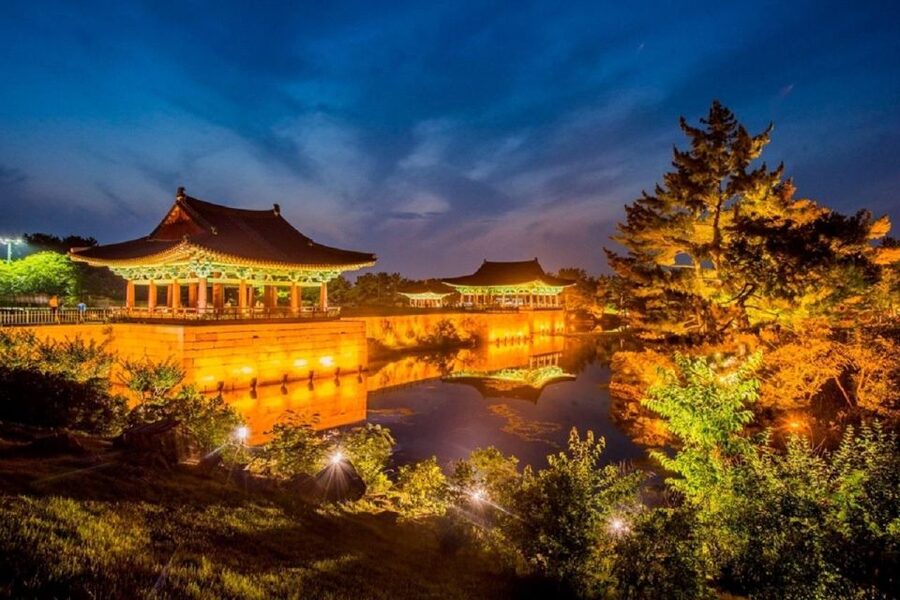
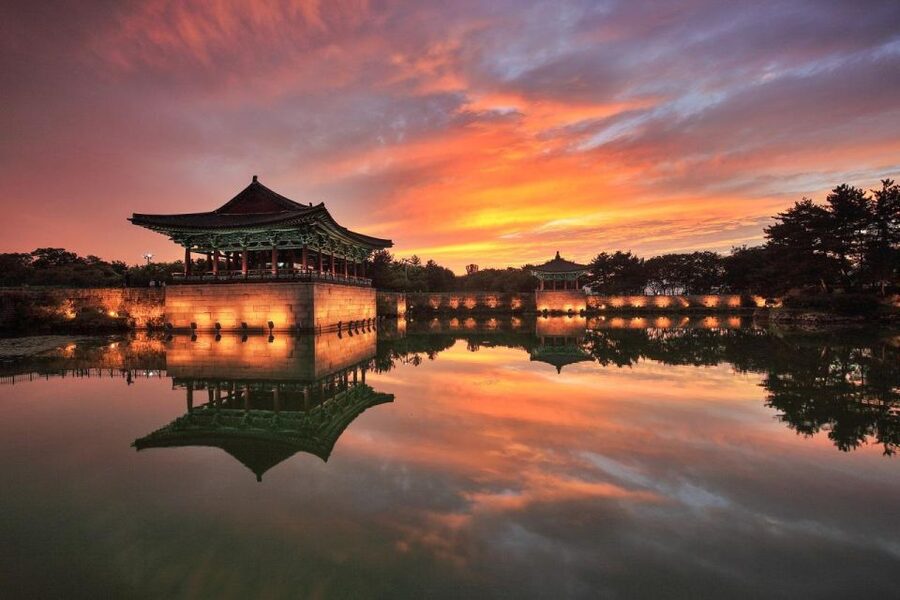
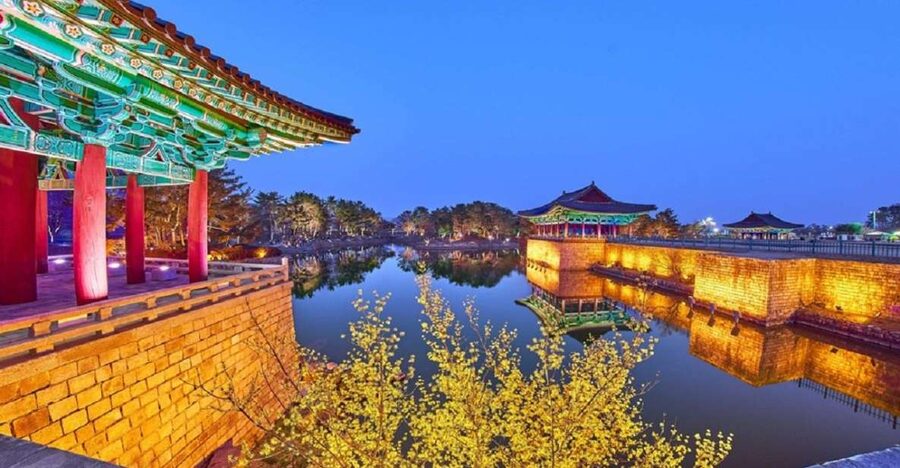
If you only care about one “must-see,” make it Donggung Palace & Wolji Pond (Anapji Pond). This is included in all packages, and it’s guided with time to enjoy the area on your own (about 1 hour total).
This stop is described as a masterpiece of Unified Silla architecture, with reflections in tranquil water that make the ruins feel alive. The reason it lands for most people is the mood: even if you’ve been moving all day, this part invites you to slow down and look.
Timing can make it special. In group experiences, people highlight the moment when daylight shifts and lights come on, turning the pond-and-palace view into something more magical. So if you’re choosing where to stand for photos, don’t just grab the first spot.
Woljeonggyo Bridge: the easy win for night views and final photos
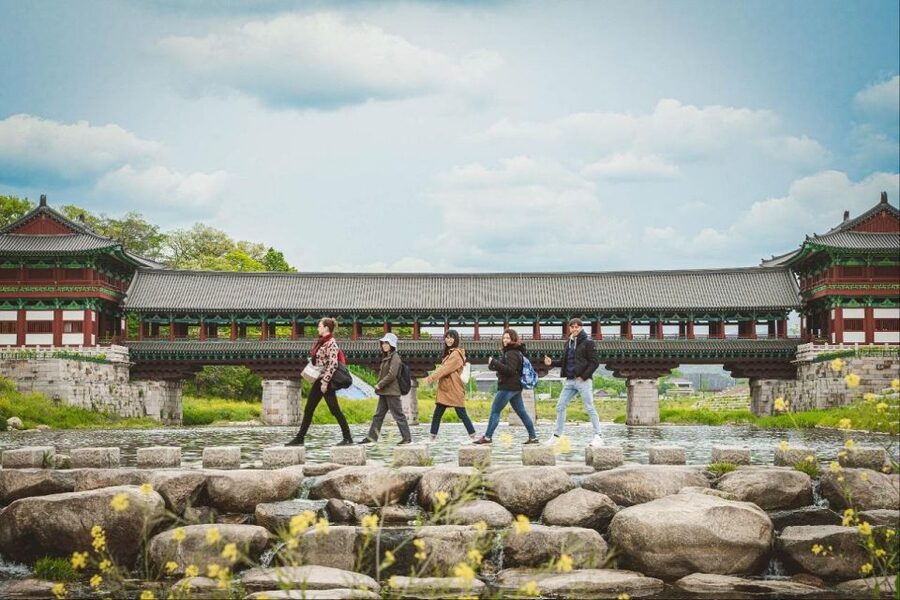
In the Three Kingdoms Trip package, you’ll add Woljeonggyo Bridge. You’ll have a guided visit and about 30 minutes of free time.
This bridge is highlighted for its night view, with historic charm reflected in the water. Even if you’re not a dedicated night-photography person, it’s still a satisfying finale because it ties the village theme to the palace-pond feeling you got earlier.
The tour experience behind the scenes: pacing, guide energy, and how the day feels
A lot of day trips look good on paper. What makes this one work is how it’s run.
The day alternates structure and freedom: guided time to understand what you’re seeing, then free time so you can take photos, ask questions, or just wander without feeling rushed. Many group experiences praise guides like Kayla Kim and Katrina for energy, humor, and patience—especially when people ask lots of questions. Some guides are also noted for being proactive with group photos and knowing good angles for pictures.
There’s also a practical comfort factor. The transport is repeatedly praised, and that matters on a day that includes multiple walking blocks and a long return ride.
Two reminders I’d give you:
- Choose your pickup point carefully before the day starts.
- If you’re sensitive to long days, treat the day as a marathon, not a sprint.
Should you book this Busan to Gyeongju day trip?
I’d book it if you want a high-density Gyeongju day without the stress of coordinating between sites. The core UNESCO lineup—Bulguksa, Daereungwon Tomb Complex, and Donggung Palace & Wolji Pond—is strong, and the price can make sense because admission to Donggung and Wolji Pond is included, along with a live English guide.
I’d think twice if you’re not comfortable with a long day and lots of walking and stairs. This isn’t a “sit most of the time” outing, and it isn’t designed for wheelchair use.
If you’re deciding between packages, match the add-ons to your curiosity:
- Pick Seokguram if you want art-in-a-still-place energy plus ancient-engineering astronomy via Cheomseongdae.
- Pick Gyochon and Woljeonggyo Bridge if you want hanok atmosphere and classic reflection views.
- Pick Yangdong Folk Village if you want a bigger Joseon-era village perspective alongside the Silla sites.
If that sounds like your kind of day, this one is a solid, practical way to see the Three Kingdoms capital story from Busan.
FAQ
How much does the Busan to Gyeongju guided day trip cost?
The price is listed as $52 per person.
How long is the tour?
The duration is 11–12 hours.
Where is the main meeting point in Busan?
Meet outside Haeundae Subway Station Exit 7 between 09:50 and 10:00 AM.
Can I choose a different pickup point?
Yes. Pickup is optional from three subway stations: Busan Subway Station Exit 2, Seomyeon Subway Station Exit 12, and Haeundae Subway Station Exit 7. You need to select your pickup point in advance.
What is included in the tour price?
Included: pickup and drop-off at one of three subway stations, admission to Donggung Palace and Wolji Pond, admission to Yangdong Folk Village in the UNESCO Tour 2025 APEC package, and a guide.
Is lunch included?
Lunch is not included as part of the tour price. The itinerary includes a break time for lunch at a local restaurant.
Will the tour run in the rain?
Yes. The tour takes place rain or shine.
Does the tour include UNESCO World Heritage sites?
Yes. All package options include UNESCO World Heritage sites (the itinerary features multiple major UNESCO-listed stops).
Is the tour suitable for wheelchair users or mobility impairments?
No. It is listed as not suitable for people with mobility impairments or wheelchair users.
What language is the guide?
The tour has a live English guide.