REVIEW · BUSAN
Gyeongju UNESCO World Heritage Guided Day Tour from Busan
Book on Viator →Operated by TOURSTORY · Bookable on Viator
Silla monuments hit hard in one day. This guided trip turns Gyeongju UNESCO sites into a stress-free long day trip from central Busan, with an option for temples and royal tombs or a museum-centered route.
What I like most is how smoothly the day is stitched together with a real guide and time to actually see, not just rush past. You also get real value from the included entrance fees on the UNESCO-style stops. A fair warning: it’s a 10–12 hour day with plenty of walking outdoors, so tired feet are part of the deal.
In This Review
- Quick hits before you go
- From Busan to Gyeongju: the value of a guided, round-trip day
- UNESCO Tour vs Museum Tour: choose the rhythm that fits you
- Bulguksa Temple: where the day gets real
- Yangdong Folk Village and Daereungwon tomb grounds (UNESCO option)
- Hwangnidan-gil Street: snacks, coffee, and a stylish break
- Woljeonggyo Bridge: the short stop that still works
- Donggung Palace and Wolji Pond: plan for the evening mood (UNESCO option)
- Museum tour time: Gyeongju National Museum without the outdoor drain
- Your guide experience: efficient, supportive, and usually multilingual
- Timing, traffic, and why the day can feel long
- What to wear and bring for 10–12 hours of walking
- Meals: what’s included, what’s not, and how to avoid a bad lunch
- Value check: why $57.14 can be a smart deal
- Who this tour is best for
- Should you book this Gyeongju UNESCO Guided Day Tour from Busan?
- FAQ
- What are the two tour options for this day trip?
- Are entrance fees included?
- How long is the tour?
- Is transportation included?
- Are meals included in the price?
- Can I cancel for free?
Quick hits before you go
- Two route options: UNESCO-focused stops vs a museum-focused itinerary
- Included entry: UNESCO stops like Yangdong Village and Donggung & Wolji come with tickets
- Long outdoor day: plan for sun, shade, and steps on uneven ground
- Photo-friendly pacing: stops are timed so you can get angles, not just headcounts
- Guides matter: you might meet English guides like Lucy or Irene, and bilingual teams too
- Small-ish group: up to 43 travelers on a coach/minivan setup
From Busan to Gyeongju: the value of a guided, round-trip day
This is one of those trips that works because it removes the hard parts. You don’t have to figure out bus connections, ticket lines, or where to start in a sprawling historical city. From central Busan, you ride in an air-conditioned coach or minivan and spend your brainpower on the sites.
Gyeongju is not just one monument. It’s spread out, and it’s the kind of place where timing matters. When a guide keeps the day organized, you get more meaningful seeing in less wasted time.
If you hate long travel days, this may test your patience. Even with a comfortable vehicle, you’re still committing to most of the day in motion and outdoors.
You can also read our reviews of more tours and experiences in Busan.
UNESCO Tour vs Museum Tour: choose the rhythm that fits you
You can pick between two versions, and the choice changes the whole feel of the day.
The UNESCO tour leans into Silla-era “place + story” stops. It pairs major temple architecture with a traditional village and then follows that with royal tomb grounds. It also includes admission for Yangdong Village, Donggung & Wolji, and a tomb-related ticket option (Cheonmachong Tomb).
The Museum tour is more indoor and museum-based, with a shorter set of classic sights plus a visit to the Gyeongju National Museum. If you prefer explanations over walking or you want a calmer reset, this version can feel better.
Here’s how I’d decide:
- Pick the UNESCO tour if you want to feel history on location, including village lanes and tomb complexes.
- Pick the Museum tour if you want more artifacts and less outdoor time.
Bulguksa Temple: where the day gets real
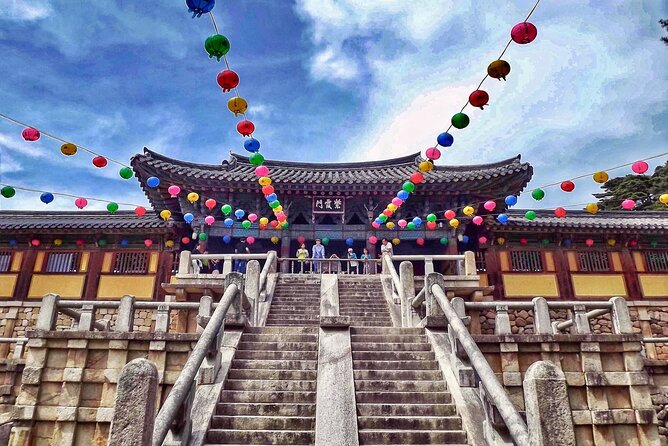
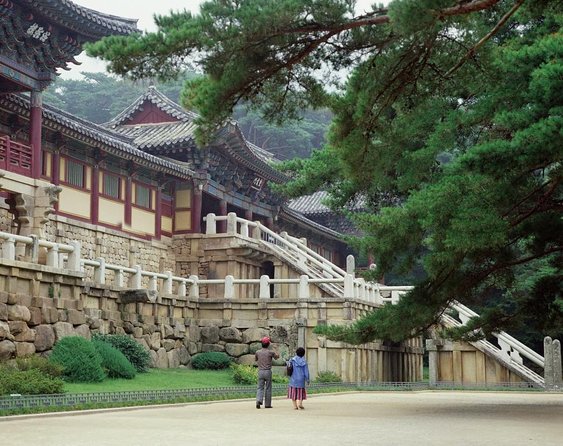
Bulguksa Temple is the anchor stop. It’s a UNESCO World Cultural Heritage site, tied to Silla-era Buddhist architecture, and the complex is one of Korea’s most revered temples. On this tour, you get about an hour plus to take it in, with admission included.
The value here is not just seeing the buildings. A good guide helps you connect what you’re looking at to the era that shaped it, so the temple feels like a living part of the story, not a random photo stop.
Practical tip: wear shoes with good grip. Temple grounds can be uneven, and the day is long.
Some guides also push for efficient movement so you don’t miss the main points. Still, if your priority is slow temple wandering, start with a mindset that you’ll have to choose what to linger on.
Yangdong Folk Village and Daereungwon tomb grounds (UNESCO option)
If you choose the UNESCO route, Yangdong Folk Village is a big reason to do it. It’s Korea’s largest and best-preserved traditional village designated as UNESCO, set around scenic mountains and gentle curves of countryside life. You get over two hours there, with ticket admission included.
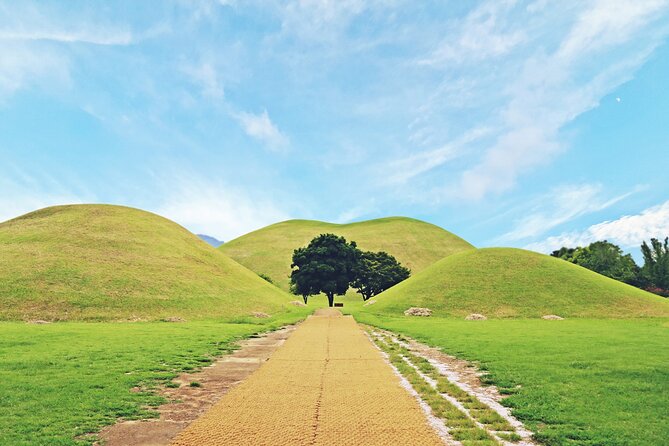
Daereungwon Tomb Complex (often called the Park of Royal Tombs) follows. This is a site with 23 tombs built during the Silla Dynasty. On the tour, this stop is shorter, but it’s designed for a concentrated look—enough time to understand the layout and the significance.
What I like about these two stops together is that they show two different faces of “heritage.” Yangdong focuses on everyday traditional living patterns, while Daereungwon is about royal burial landscapes and how power was expressed in stone and earth.
Downside: both areas involve walking outdoors. One guest noted that the schedule can feel rushed at larger stops like Bulguksa and Yangdong. If you’re the type who wants extra time to roam, consider bringing your energy early in the day.
Hwangnidan-gil Street: snacks, coffee, and a stylish break
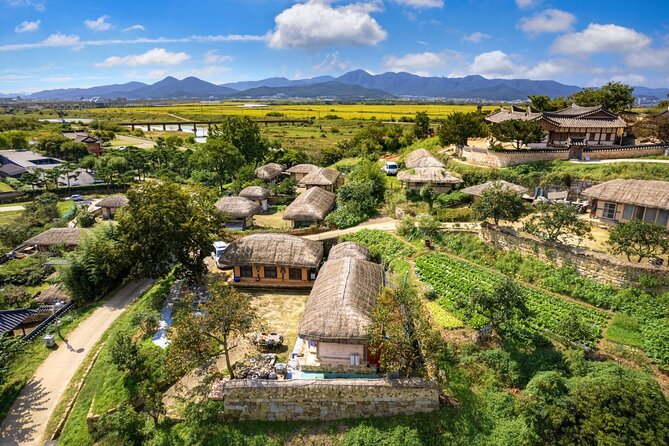
After the historical heavyweights, you get a built-in breather at Hwangnidan-gil Street near Daereungwon. This is a famous hotspot where ancient Gyeongju vibes meet modern style—think hanok cafés, specialty coffee, and the chance to try street snacks.
The tour gives about 45 minutes here, and this stop is free of admission. That matters because it’s time you can use on your own preferences instead of ticket logistics.
If you’re picky about meals, use this moment strategically:
- If you need a sugar hit or caffeine, do it here.
- If you prefer a full meal later, grab something small and keep your energy.
Woljeonggyo Bridge: the short stop that still works
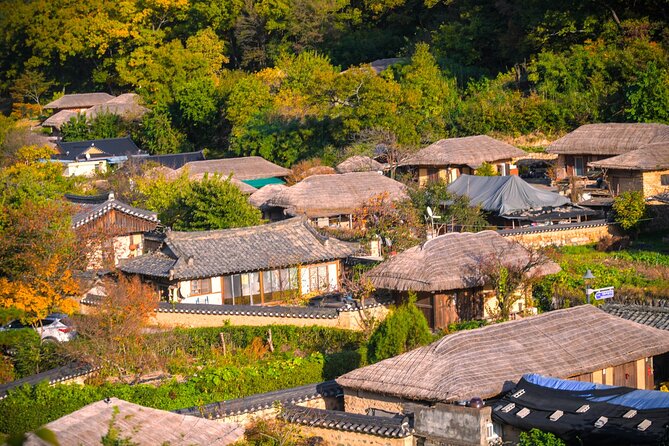
Woljeonggyo Bridge is a quick visit—about 20 minutes—with no admission required. It’s known for stone arches and an older engineering story, with the bridge spanning the Wolj area.
Because the stop is short, you have to treat it like a photo-and-briefing moment. A guide’s narration helps you see the bridge as part of the broader city story rather than just a bridge you happen to walk past.
If you’re traveling with family, this is often one of the easier stops to enjoy without getting mentally exhausted. It’s quick, visually clear, and doesn’t require a long uphill shuffle.
Donggung Palace and Wolji Pond: plan for the evening mood (UNESCO option)
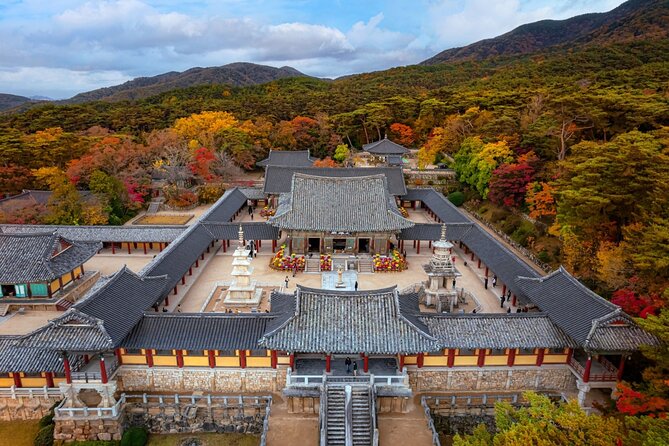
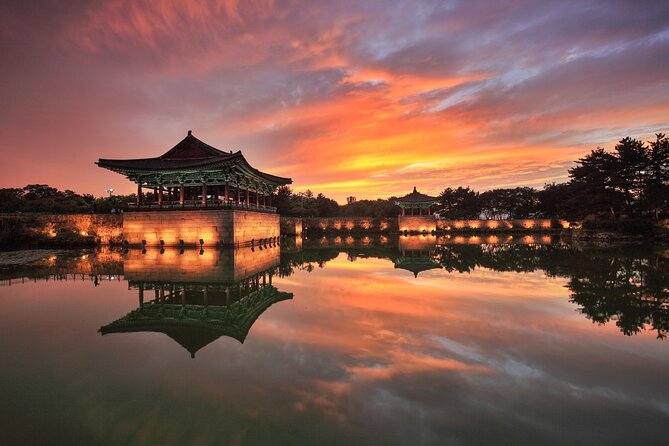
This is the stop that often turns into a highlight. You visit Donggung Palace and Wolji Pond (also called Donggung & Wolji), with admission included on the UNESCO route. The site traces back to the year 674, and the pond area is tied to palace history in Gyeongju’s cultural park setting.
Expect about an hour here. The timing can make a big difference, and a couple of guides are known for steering people toward the best viewpoints for evening light and illuminated views. One guide helped guests enjoy illuminated night scenery at Donggung palace and Wolji Pond.
Even if you’re not chasing night views, this stop gives you a change of pace: less tomb and temple intensity, more calm pond atmosphere. That balance is part of why the UNESCO tour feels like a full arc rather than a checklist.
Bring a layer. Even in fair weather, pond areas can cool down, and you’re walking as the hours wear on.
Museum tour time: Gyeongju National Museum without the outdoor drain
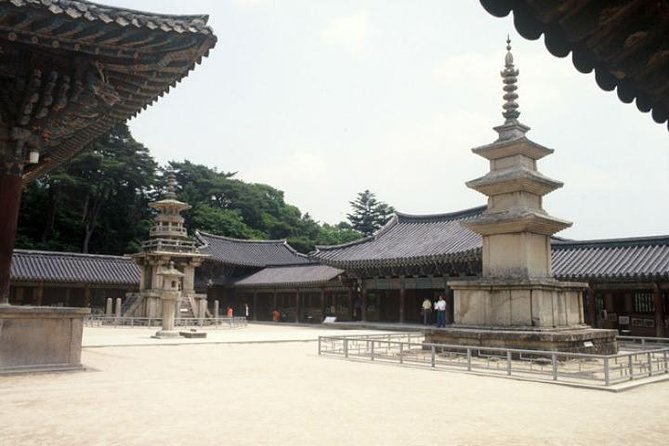
If you pick the museum route, you still hit the classics in a lighter way. You’ll see Bulguksa, spend time on Hwangnidan-gil Street, and then move into the Gyeongju National Museum.
The museum visit is about an hour, and the tour lists it as free entry for this option. The museum is focused on Silla artifacts, including items such as golden crowns and Buddhist relics, which helps you connect the outdoor sites you saw with physical objects.
I like museum time when you’re trying to keep the day enjoyable for more than just the history buffs. After lots of walking outside, a museum helps you reset your body and sharpen your understanding.
If you’re traveling with teenagers or someone who gets bored by short temple stops, this itinerary can keep the day from turning into a test of patience.
Your guide experience: efficient, supportive, and usually multilingual
The biggest “feel” difference between tours is your guide. This one includes English, Chinese, and Korean-speaking guides, and the group size caps at 43.
You might meet English guide Lucy, who was praised for keeping the day smooth, or Irene, who was described as friendly, humorous, and able to keep things on schedule. Bobby and Christina were also called out for being funny and organized while still packing in information.
A repeated theme is photo help and group management. Guides like Vincent and Lee were noted for being professional and helping people get good shots.
One more thoughtful detail: one guide named Roy (Sante) helped a guest reach a new hotel after a drop-off mix-up, including carrying luggage and getting proper metro directions. That’s not something you should plan to need, but it shows the guide support is real.
Still, no schedule is perfect. Some guests felt the itinerary could be rushed at the biggest stops, which is a reminder that this is a guided day trip with time limits, not a private museum tour.
Timing, traffic, and why the day can feel long
This trip runs about 10 to 12 hours. That’s true on paper and also in real life, especially if you’re sensitive to long coach rides or if you get mentally tired from constant site changes.
The itinerary is also subject to traffic and weather. That’s not a reason to panic. It’s a reason to stay flexible: if timing shifts, your guide still has to keep the order workable.
One guest pointed out that pickup and drop-off can land around the early morning into the evening range, with a late return near 21:00 in a specific case. So, treat it as a full day commitment. Plan nothing important the same evening besides dinner and sleep.
Also note: many stops are outdoors. One review said around 95% of stops are outside, so dress accordingly.
What to wear and bring for 10–12 hours of walking
Even without exact stop-by-stop terrain details, you can plan smart.
Bring:
- Comfortable walking shoes with grip
- Layers for changing temperatures, especially near pond or evening viewing
- Sun protection if the weather is clear
- A small snack plan for energy dips
If you’re the type who gets cold late in the day, pack a light jacket. Even when the day starts warm, you can cool down after hours outside.
For photos, go early in the day for the best light at temple and village areas. Later stops can still look great, but you’ll be slower when you’re tired.
Meals: what’s included, what’s not, and how to avoid a bad lunch
Meals are not included. That means you’ll have breaks where you can buy lunch and dinner, depending on the day’s schedule.
In practice, the UNESCO route often involves a lunch stop connected to the village area. One account said the lunch spot can be cash-only, and another note said vegetarian options may be limited because the available set menus included chicken, seafood, and pork.
So if your diet is restricted, you’ll be happiest if you pack a backup snack or small meal.
Quality varies. Some guests described lunch as authentic and delicious, including a ginseng chicken set menu in the village. Others found lunch mediocre and expensive for what it was.
My advice: treat lunch as a flexible plan, not a guaranteed slam dunk. Have a budget for snacks, and if you’re sensitive to meal timing, keep an energy bar in your day bag.
Value check: why $57.14 can be a smart deal
At $57.14 per person, the price can feel fair if you count three things:
1) Round-trip transport from central Busan
2) Guide time and narration in multiple languages
3) Included admissions on key UNESCO stops
On the UNESCO route, entrance fees are included for Yangdong Village, Donggung & Wolji, and a tomb-related ticket (Cheonmachong Tomb). Some stops like Hwangnidan-gil Street and Woljeonggyo Bridge are free, so you’re not paying twice for everything.
If you’d otherwise pay for coach transport plus site tickets plus a guide, this one-day format is a cost-effective way to hit the highlights without turning your day into a DIY logistics puzzle.
If you choose the museum route, you may appreciate that museum entry is handled as part of that version’s pacing, with the museum itself listed as free entry for the itinerary.
Who this tour is best for
You’ll likely love this tour if you:
- Want a guided overview of Gyeongju without planning transfers
- Enjoy temple architecture, traditional villages, and royal tomb sites
- Like structured time with some freedom to snack and roam briefly
- Prefer a group day over a long solo travel day
You may want to think twice if you:
- Dislike long days on coaches
- Need lots of free time at each stop to explore slowly
- Have strict dietary needs and don’t want to plan around lunch options
Also, if you’re traveling during peak traffic or very hot/cold weather, bring layers and adjust expectations. This is still a day tour that has to keep moving.
Should you book this Gyeongju UNESCO Guided Day Tour from Busan?
If you’re visiting Busan and want one big cultural day without the hassle, I’d say book it. The combination of UNESCO stops, included admissions on the UNESCO route, and guided context is what makes it work—especially if you’re short on time.
Choose the UNESCO option if you want the most “on-location” feeling: Bulguksa plus Yangdong plus tomb grounds plus Donggung & Wolji. Choose the museum option if you want a slightly calmer pace and more indoor time at the Gyeongju National Museum.
One last thing: pack for outdoors and treat the day like a marathon, not a stroll. Do that, and you’ll leave with clear memories of why Gyeongju mattered for centuries.
FAQ
What are the two tour options for this day trip?
You can choose a UNESCO tour or a Museum tour. The UNESCO tour includes stops such as Yangdong Folk Village, Daereungwon Tomb Complex, Woljeonggyo Bridge, and Donggung Palace and Wolji Pond. The Museum tour focuses on Bulguksa, Hwangnidan-gil Street, and the Gyeongju National Museum.
Are entrance fees included?
Entrance fees are included on this tour. On the UNESCO option, Yangdong Village admission fees and Donggung & Wolji admission fees are included, along with a Cheonmachong Tomb ticket.
How long is the tour?
The tour runs about 10 to 12 hours.
Is transportation included?
Yes. The tour includes transport by air-conditioned coach or minivan, plus round-trip travel from central Busan.
Are meals included in the price?
No. Meals are not included.
Can I cancel for free?
Yes. You can cancel for a full refund up to 24 hours before the experience starts.