REVIEW · MARRAKECH
Agafay Desert & Berber villages & Atlas Mountains, Full Day Trip From Marrakech
Book on Viator →Operated by Art de Cuivre Travel · Bookable on Viator
Camel time meets Atlas villages in one day. This full-day Agafay Desert trip mixes real Berber villages, High Atlas foothills, and a guided camel safari with sunset photo stops across rocky dunes. I like how the day is packed with place-by-place context, not just driving time, and I love the pause for mint tea in a local Berber setting. One thing to think about: the schedule is busy, with several walking and sitting segments, so comfortable shoes really matter.
You’ll start in Marrakech and work your way up toward the High Atlas, then down into valleys and plains before ending in the Agafay Desert around early evening. The best fit is for you if you want a single-day snapshot of countryside life—villages, souks, and desert edges—without renting a car. Just know the camel ride is usually short, so go for the experience, not the length.
In This Review
- Key highlights and what they mean for your day
- From Marrakech to the High Atlas: how the day actually feels
- Imlil, Amizmiz, Asni: villages and souks you can time to the week
- Mint tea in a Berber house: the break that changes the mood
- Iml n Tala valley and the Tnirt village walk
- Lunch in a traditional Berber house: what’s included, what costs extra
- Haouz plain and Ouled Mtaa: a nomadic connection
- Agafay Desert crossing: rocky dunes, quick pauses, and sunset
- Camel ride reality check: short, fun, and best for the full experience
- Timing, comfort, and group size: plan for a full day
- Value for money: why $16.22 can work
- Who should book this tour, and who might want to skip it
- Should you book Art de Cuivre Travel’s Agafay Desert day trip?
- FAQ
- What time does the trip start in Marrakech?
- How long is the Agafay Desert and Atlas villages day trip?
- What’s included in the tour price?
- Is lunch included?
- Where is the meeting point?
- Is the group small?
Key highlights and what they mean for your day
- Pickup plus focused route: hotel transport from Marrakech keeps the day easy.
- Atlas foothills driving: you’ll watch scenery shift from greener zones toward drier desert edges.
- Berber tea stop: coffee/tea and mint tea breaks up the road with a cultural moment.
- Souk timing in Amizmiz/Asni/Tahnaout: market days can add extra local energy to the itinerary.
- Camel ride over sandy terrain: plan on a short safari segment (often around 10–20 minutes).
- Agafay sunset photos: rocky dunes and photo stops near the end are the payoff.
From Marrakech to the High Atlas: how the day actually feels
This trip runs for about 8 hours, starting around 9:00am in Marrakech and heading back near 6:00pm. The first big value is that you don’t need to figure out logistics. Transport picks you up from your hotel in Marrakech (or you’ll meet at Hôtel Restaurant Café de France, Rue des Banques, near Jamaa el-Fna), and the guide keeps the route moving.
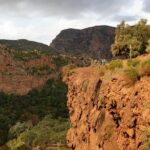
The drive is not just a transfer. It’s part of the tour. As you climb toward the High Atlas foothills, the scenery changes in a way that’s easy to notice: lush greenery and seasonal fruit areas give way to more rugged, arid terrain. It’s a good reminder that Morocco’s “desert” isn’t one single look. Agafay feels like a desert edge—rocky, textured, and dramatic—even though it’s close enough to Marrakech for a day trip.
You can also read our reviews of more tours and experiences in Marrakech.


Imlil, Amizmiz, Asni: villages and souks you can time to the week
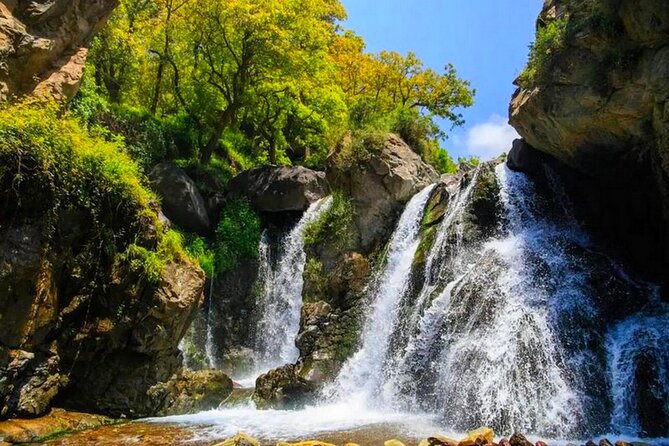
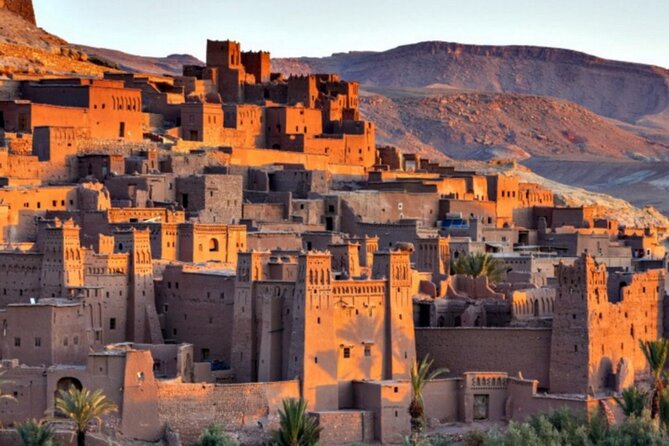
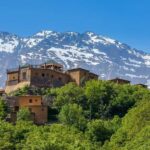
A key part of the experience is how the route uses real village hubs. You’ll go through Imlil at the foot of the High Atlas, then continue via Asni and the Kik Plateau before reaching Amizmiz, which acts like a junction between smaller Berber villages.
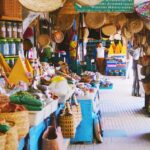
If your day lines up with market activity, you get a stronger slice of local life. The itinerary notes weekly souks on:
- Tuesday in Tahnaout
- Friday in Amizmiz
- Saturday in Asni
Even if you don’t land exactly on a market day, the route still makes sense. You’re moving through agricultural valleys and villages where people grow food in season and trade when they can.
This is also where the role of the guide matters. In the best versions of this tour, you’ll get quick context while you’re driving—how the villages relate to each other, why Amizmiz matters, and what the souk rhythm looks like for farmers. Some guides, like Yassine and Samira (as described in past tours), are praised for explaining photo spots and keeping information flowing without turning the day into a lecture.
Mint tea in a Berber house: the break that changes the mood
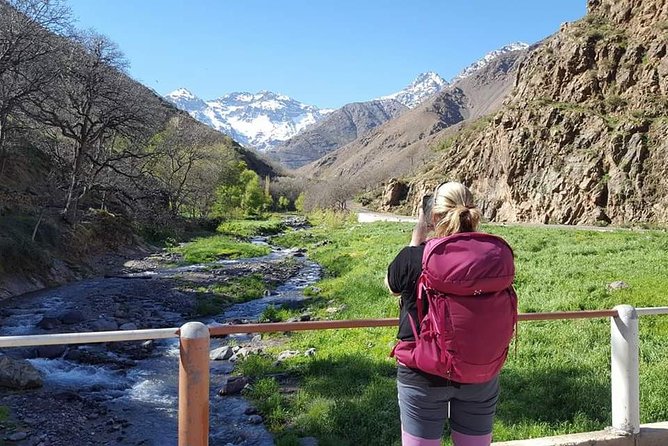
One of the most memorable parts of this kind of trip is the pause. Here, it’s a mint tea stop in a Berber house after the morning driving.
Tea isn’t a random tourist stop. It’s a simple ritual that sets the tone. It gives you a chance to cool down, sit with your group, and reset before the day turns more rural and more walk-and-wander.
The included coffee and/or tea is useful value. It means you don’t have to spend time hunting for a drink between stops. In a long day like this, that matters.
Iml n Tala valley and the Tnirt village walk
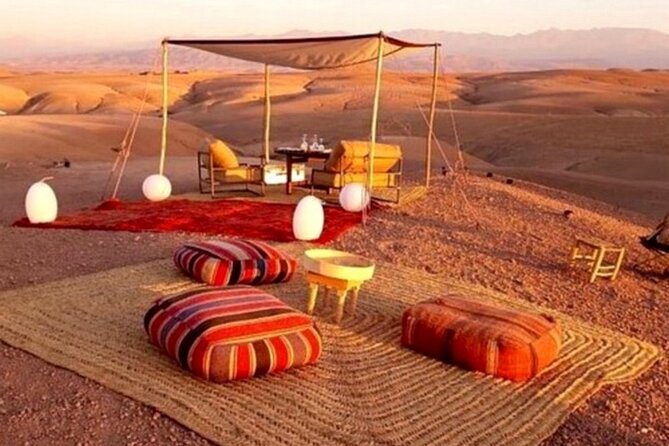
After tea, you leave the car for a part of the day that feels more local and more grounded. The route heads to the Imi n Tala area in the deep valley of Amizmiz, passing traditional villages along the way.
Then comes a short walk in Tnirt village. The walking portion is not described as a hardcore hike in the main itinerary, but it does count as actual time on your feet. And you’ll want to be honest with yourself: if you have mobility issues, steep sections can still be uncomfortable depending on how the route is handled that day.
Practical tip: bring shoes with grip. This tour includes walking time, and at least a few past groups specifically called out shoes suitable for walking as a must.
Lunch in a traditional Berber house: what’s included, what costs extra
Lunch is one of the places where expectations can get messy if you assume everything is included. The itinerary says you’ll have lunch in a traditional Berber house in the Tnirt area, but it also lists lunch optional at 7 euros.
So treat lunch like an add-on you can choose, not a guaranteed included meal. The plus side is that if you do opt in, you’re likely eating in a setting that matches the day’s theme—villages, local food, and a simple rhythm.
Some past groups praised meals like tajine served during the village stop. That fits with how Morocco does lunch on a rural day: hearty, comforting, and designed for people who are out working and traveling.


Haouz plain and Ouled Mtaa: a nomadic connection
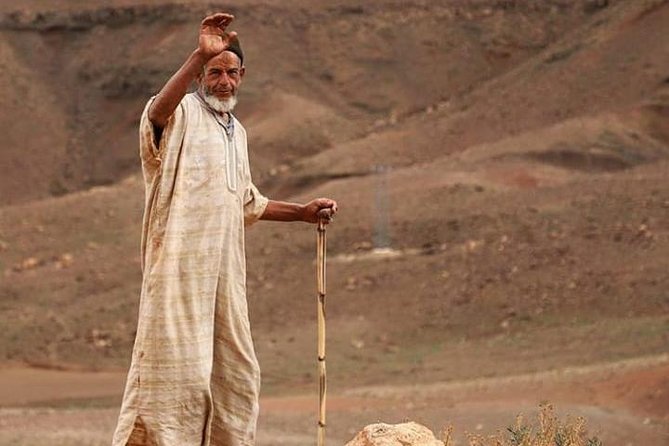
After the village and lunch stop, the itinerary shifts again. You descend toward the big plain of Haouz and cross through Ouled Mtaa, described as inhabited by nomadic Arab tribes originally from the Sahara.
This part is interesting for a different reason than the earlier valley views. It’s where the tour tries to connect the dots between desert origins and current village life. Even if you only catch it in a quick stop or passing segment, it gives the day a broader sense of place—why the desert heritage still shapes the way people move and live.
Agafay Desert crossing: rocky dunes, quick pauses, and sunset

The ending is the Agafay Desert segment. This is where the tour name pays off, and where you should show up with the right mindset.
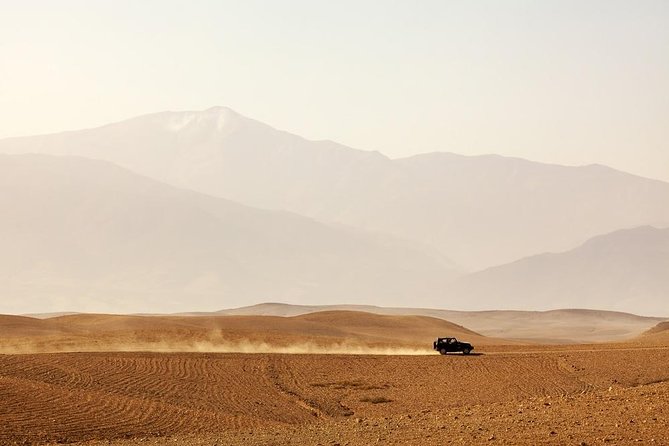
You won’t spend the entire afternoon trudging through deep sand. Instead, you head into the Agafay Desert area, and your car takes you up and over rocky dunes, with photo opportunities along the way.
Expect stops where you can step out and take pictures. The itinerary explicitly mentions opportunities for photography, including one stop around sunset. That timing is a big reason people book this as a day trip. The desert edge turns dramatic quickly when the light drops, even if it’s not a classic Sahara dune sea.
Camel ride reality check: short, fun, and best for the full experience
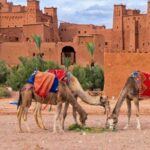
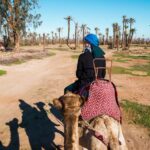
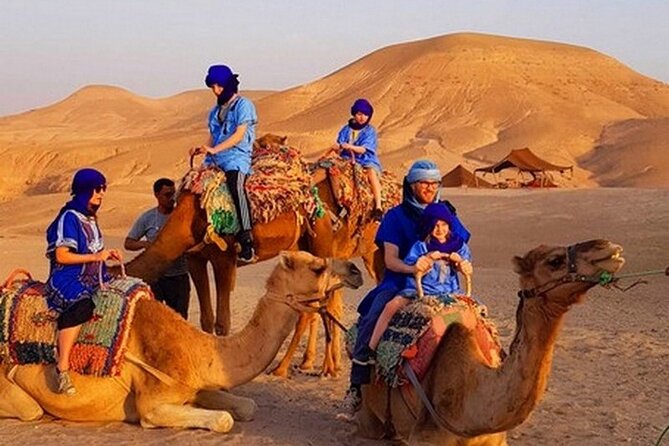
Camel ride is included, and it’s often the highlight that makes this feel different from a pure drive-and-see-villages day. Past groups have described the camel time as about 10–20 minutes, sometimes more of a short safari than a long desert trek.
So I’d call it a “taste” rather than a full adventure. Still, it’s a memorable contrast: you’re in Morocco’s rugged countryside, then you’re sitting up on camels in sandy terrain, dressed for the moment in some cases.
Some groups also mention laughter during the camel segment, especially when guides help you feel comfortable on the saddle. If your guide is like Mustapha or Omar, you can expect a friendly, well-paced vibe; that matters because the ride is short, and you want your few minutes to feel well-handled.
Timing, comfort, and group size: plan for a full day
This is not a slow, lingering day. It’s built to cover a lot of territory in about 8 hours. The tour is capped at 15 travelers, so it usually stays small and manageable.
The mini-bus or vehicle comfort can vary by day and by group setup. Some people have mentioned seating discomfort, so if you’re sensitive to back support, pick your seat carefully when you board.
Also, the return isn’t instant. The plan is to be back around 6:00pm, but you might drift later depending on the route and how long stops take.
Pack for the reality of a desert-adjacent day:
- Shoes with grip (walking in villages and slopes can be uneven)
- Layers for the temperature swings between mountains and the desert edge
- A flexible attitude for a schedule with a few “wait, watch, then move” moments
Value for money: why $16.22 can work
At about $16.22 per person, this is priced like a budget-friendly day outing. The value comes from what’s wrapped in:
- Hotel pickup and drop-off
- Guide
- Coffee and/or tea
- Camel ride
The only meal cost you might add is optional lunch (7 euros), and soft drinks aren’t included.
Even compared to other Marrakech day trips, the combination of Atlas villages, tea, a guided camel moment, and Agafay sunset photo time is a lot for the price. The main trade-off is that you’re paying less to cover more stops, so the camel ride is shorter and the day is more “see and move.”
Who should book this tour, and who might want to skip it
This is a strong match if:
- You want an easy Marrakech day trip with transport handled
- You like a mix of villages + views + a desert edge
- You want cultural moments like mint tea and village walking, not just a scenic drive
You might rethink it if:
- You’re looking for a long camel trek. Here, the camel segment is typically brief.
- You’re expecting a very calm day with lots of downtime. This is a full-day itinerary.
- You need very predictable walking conditions. There is walking time, and terrain can feel steep in sections depending on the route.
Should you book Art de Cuivre Travel’s Agafay Desert day trip?
If your goal is to see High Atlas foothills, meet village rhythms through stops like Amizmiz, and end with Agafay Desert photo time at sunset, I think this is worth booking. The included transport, guide, tea, and camel ride give you a complete day experience without a big spend.
Book it with clear expectations: it’s a fast-moving, small-group tour, and the desert part is about dramatic stopping points more than hours of trekking. If that fits your style, you’ll likely feel like you got your money’s worth.
FAQ
What time does the trip start in Marrakech?
The meeting time is 9:00am, with pickup from your accommodation in Marrakech.
How long is the Agafay Desert and Atlas villages day trip?
It runs for about 8 hours (approx.), returning to Marrakech around 6:00pm.
What’s included in the tour price?
The tour includes hotel pickup and drop-off in Marrakech, a guide, coffee and/or tea, and a camel ride.
Is lunch included?
Lunch is listed as optional and costs 7 euros.
Where is the meeting point?
You’ll meet at Hôtel Restaurant Café de France on Rue des Banques, near Jamaa el-Fna in Marrakech.
Is the group small?
Yes. The tour has a maximum of 15 travelers. Confirmation is received at booking time.