REVIEW · BUCHAREST
Transylvania: Cultural Full-Day Trip by Minivan
Book on GetYourGuide →Operated by CT&T, Romania · Bookable on GetYourGuide
Dracula country is only a day away. This full-day Transylvania trip turns Bucharest’s chaos into a guided loop of Sinaia and royal Peles Castle, plus medieval streets and big-carpet Gothic church drama in Brasov.
What I like most is the tight mix: royal splendor, Dracula-fueled myth, and real medieval town life in one long but well-paced day.
The second big win is the guide-and-driver combo. In the best departures, you’ll learn from guides like Claudiu Cirjan, and you get practical help when crowds hit at the famous sites.
I also appreciate that the tour builds in time for both landmarks and short walks—so you’re not just staring out a window the whole day.
One thing to weigh: it’s a 12-hour day. If you’re sensitive to long driving or you move slowly, this route can feel like a sprint rather than a slow travel day—especially since it isn’t suitable for wheelchair users or people with mobility impairments.
In This Review
- Key highlights at a glance
- Escaping Bucharest: how a 12-hour loop actually feels
- Sinaia and Peles Castle: royal architecture with real walking time
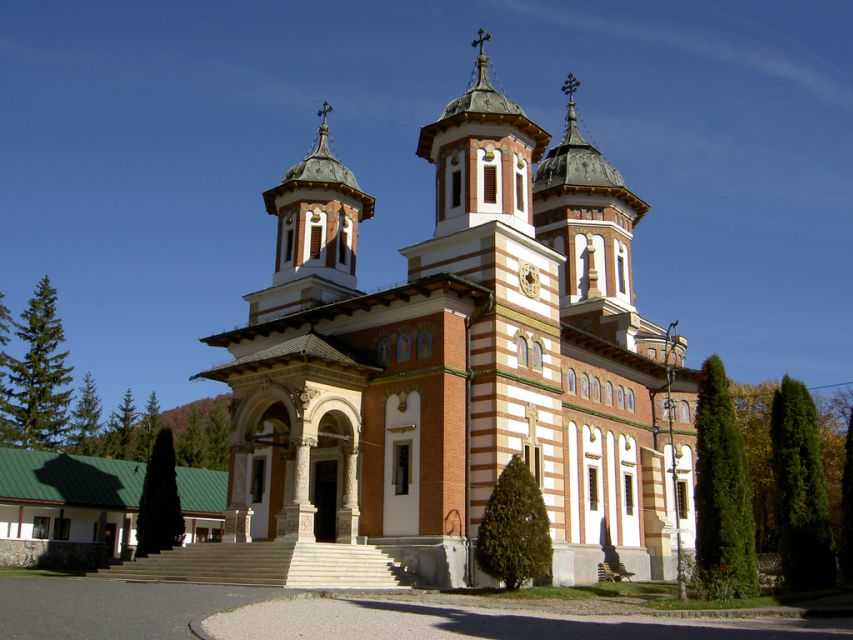
- Sinaia Monastery: art and late-17th-century craftsmanship
- Bran Castle and the Dracula connection: myth with a serious line-management plan
- Brasov’s old town circuit: Council Square, tower views, and craft history
- The Black Church in Brasov: Gothic scale you can feel
- Carpathian Mountains drive: trading comfort for an efficient day
- Guide and driver quality: why this trip earns repeat praise
- Price and value: what you’re paying for (and what you’re not)
- What to pack and plan for: small things that prevent big annoyances
- Who this day trip fits best (and who should skip it)
- Should you book this Transylvania day trip?
- FAQ
- How long is the Transylvania day trip?
- Where does the tour start and end?
- What’s included in the price?
- Are meals included?
- Are entrance fees included?
- Which main places do we visit?
- What languages are available for the live guide?
- Do I need a passport or ID card?
- Is the tour accessible for wheelchair users or people with mobility impairments?
- Are pets allowed?
Key highlights at a glance
- Sinaia + Peles Castle: a former royal residence with guided time on the grounds and interiors (where open)
- Bran Castle: the Dracula-associated stop with smart help when lines get intense
- Brasov old town core: Council Square, Council Tower, and Weavers’ Bastion built for walking
- Black Church in Brasov: the largest Gothic church in Southeast Europe, plus the town’s medieval vibe
- Carpathian Mountain drive: a full-day route that trades flexibility for a high sight count
- Guides that set the tone: English live guides (plus other languages) with strong communication and history context
Escaping Bucharest: how a 12-hour loop actually feels
This is the kind of day trip that makes sense if you’re short on time and want to leave the city fast. You get a hotel pick-up in Bucharest, then the minivan or car heads into the Carpathian region, with stops that feel connected rather than random.
The timing is built around three strong clusters: Sinaia (palace and monastery), Bran (the Dracula-name stop), and Brasov (old town + the Black Church). You’ll be back in Bucharest at about 8 pm, so it’s long, but it’s not vague. The route is designed to keep you moving while still letting you see what you came for.
One practical note: meals and entrance fees are not included. That means you’ll want cash or card ready for lunch and ticketed sites, and you can choose food that fits your taste rather than being stuck with one set menu.
You can also read our reviews of more tours and experiences in Bucharest.
Sinaia and Peles Castle: royal architecture with real walking time
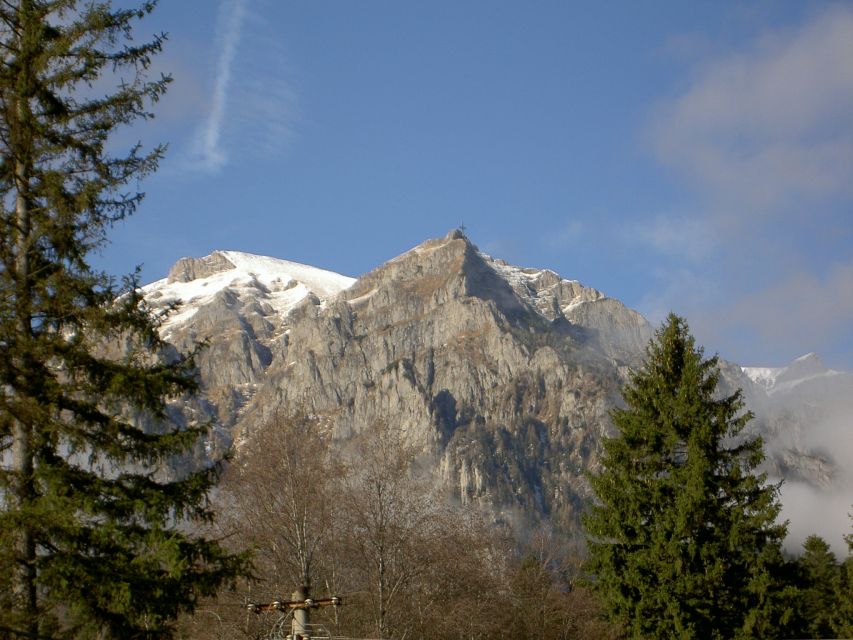
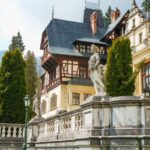
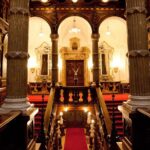
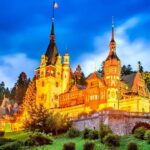
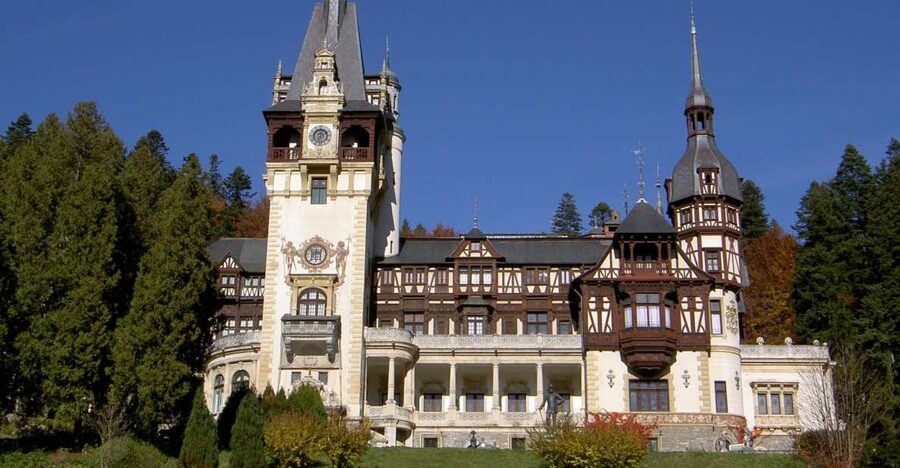
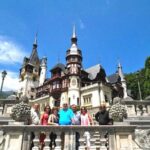
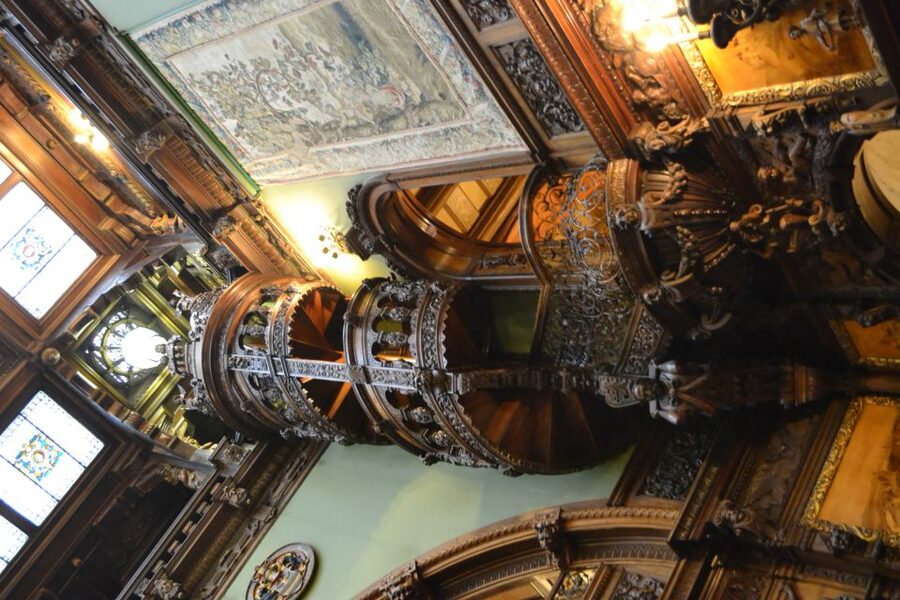
Sinaia is a mountain town, and the day starts by aiming you at its star attraction: Peles Castle, the former royal residence. This isn’t just a photo stop. You’ll explore it with a guided focus, which matters because the castle’s meaning is mostly in the details—design choices, period references, and the way it fits into Romania’s royal-era story.
Peles is also where the day’s pace starts to feel “worth it.” The castle gives you a structured experience: you get an orientation, you walk through the area, and you come away with more than a Dracula postcard. It’s also a great change from plain city sightseeing—everything feels more “designed,” from terraces to views from the complex.
Drawback to keep in mind: opening days vary. Peles Castle is closed on Mondays and Tuesdays, with a shorter program opening on Tuesdays in summer. In November, it’s replaced by Pelisor Castle. If your dates fall on the wrong weekday, plan around that, because the whole day’s rhythm depends on it.
Sinaia Monastery: art and late-17th-century craftsmanship
After Peles, you continue to Sinaia Monastery. This is where the trip slows down a bit and shifts from royal polish to something older and quieter. The monastery is described as an excellent example of late-17th-century architecture, and it’s also famous for the art inside.
What I like about adding this stop is that it changes your lens. Castles can blur into one “big wall” impression if you visit too many in a row. The monastery is more about atmosphere, religious art, and the feeling of a place that existed long before Dracula became a global brand.
Even if you’re not a “church art” person, this stop tends to land well because it gives you context for Transylvania beyond castles. It’s also a good place to regroup before the next drive.
Bran Castle and the Dracula connection: myth with a serious line-management plan
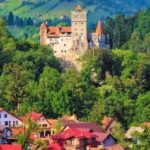
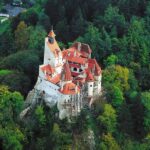
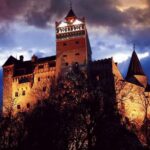
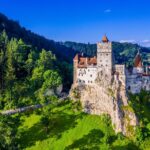
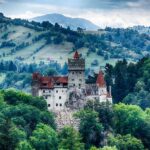
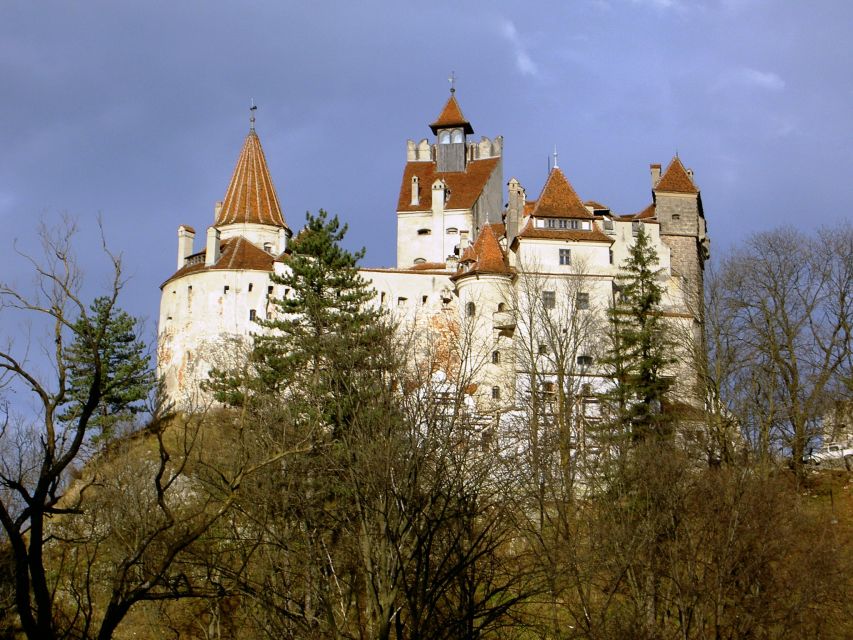
Then comes Bran Castle, the site famously tied to Bram Stoker’s Dracula story. Even if you’re skeptical about what’s historically accurate, the place still works because it captures the pop-culture imagination so powerfully. You’ll see why the association stuck.
Here’s the practical part: this is one of the places where crowds can feel intense. The tour includes skip-the-line tickets when it is too crowded, and guides are known for getting you positioned efficiently. Some departures even describe the guide using a strategy to avoid long waits when the line looks overwhelming.
That line-management detail matters more than you’d think. With a day trip, time is everything. If you lose an hour staring at a queue, the rest of the day gets squeezed. With smart ticket help, you’re more likely to finish Brasov with energy left for walking and photos.
Quick caution: the day trip may be affected by opening schedules and national holidays. Museums in Romania often close on Mondays, though Bran Castle is opening at noon time per the tour notes. If you’re traveling on a Monday, your timing will be different—so check your exact day before you pack.
Brasov’s old town circuit: Council Square, tower views, and craft history
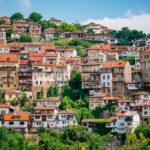
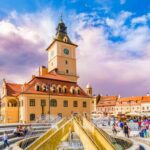
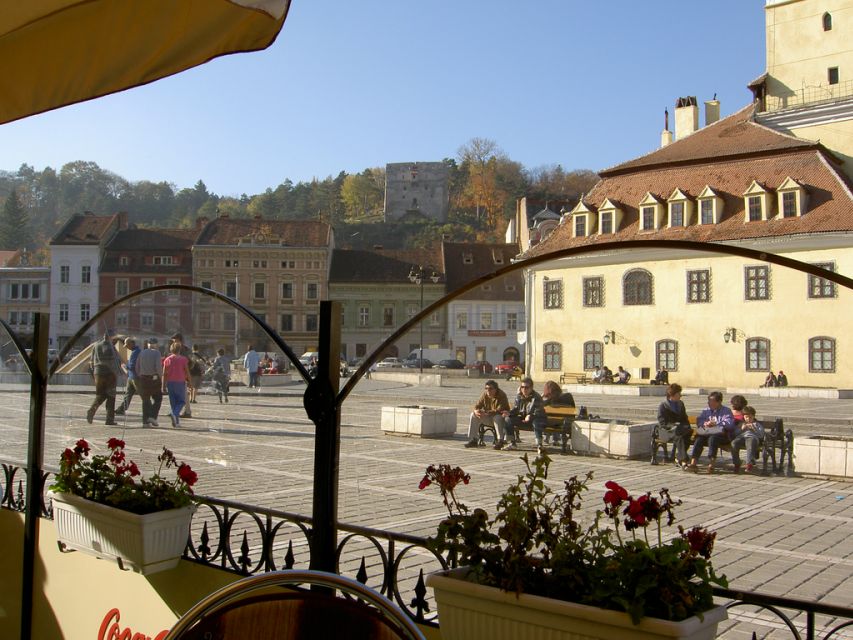
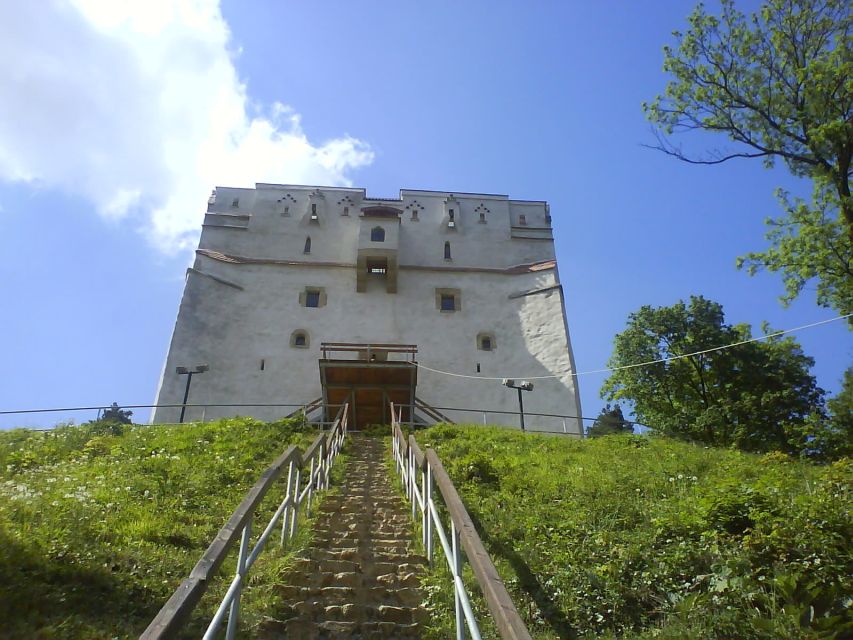
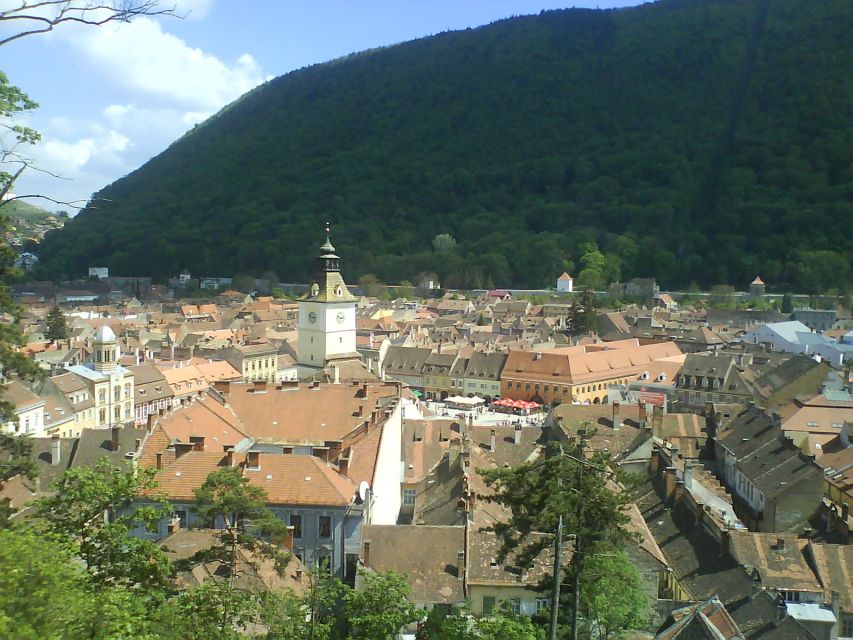
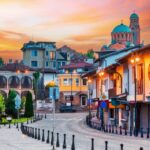
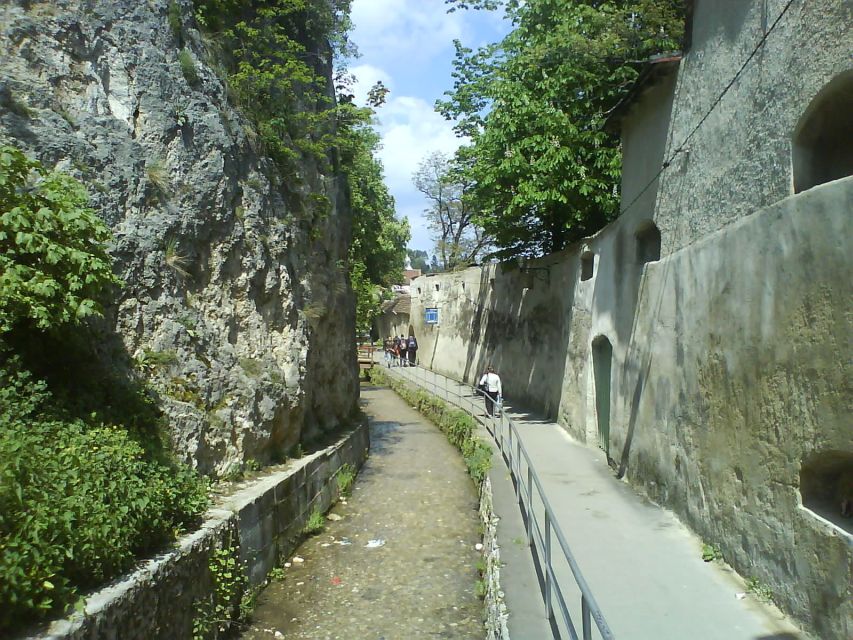
After a late lunch, the tour heads to Brasov, and this is where the medieval “street texture” kicks in. You get a guided look at the Council Square, Council Tower, and Weavers’ Bastion, plus the older town sections that make Brasov feel like a real place rather than a theme park.
Council Square is a classic starting point for a reason: it gives you a town-center anchor. From there, Council Tower ties the story to civic power—Brasov wasn’t just a backdrop for castles; it was a governed, working town. Weavers’ Bastion adds a craft-industry flavor, which helps you see medieval life as something lived, not just observed.
The best part of building Brasov into this itinerary is the balance. After castles and Dracula vibes, Brasov gives you local scale: narrow streets, stone buildings, and landmarks close enough for walking without sprinting.
The Black Church in Brasov: Gothic scale you can feel
No Transylvania day trip is complete without the Black Church, described as the largest Gothic church in Southeast Europe. This is the kind of landmark that hits your senses fast—size, architecture, and the way the town wraps around it.
Even if you only have a short window inside or near it (exact time depends on day and opening), the value is in what you learn and what you notice. Gothic churches have a visual logic: height, light, and structure. The Black Church is a strong example of that reputation, and it’s a perfect pairing with the old town sites nearby.
If you like history, you’ll also get context with a pass by the Schei Romanian District. The tour notes mention the area’s first Romanian school in Transylvania and the St. Nicholas Orthodox Church, which helps round out the story so you’re not stuck in a single cultural lane.
Carpathian Mountains drive: trading comfort for an efficient day
The road time is real. You’ll drive through the Carpathian Mountains on the way in and again returning to Bucharest at about 8 pm. For many people, that’s a fair trade—because it’s the only way to compress Sinaia, Bran, and Brasov into a single day.
What you should expect: you’ll be in a modern air-conditioned vehicle, and you’ll have a guide explaining the route and context. You’ll likely get a few moments to absorb the setting, but the tour is designed around time efficiency, not scenic stopovers every 15 minutes.
Bring a layer. Weather in mountain regions can shift quickly, and the tour explicitly urges you to check the forecast and dress accordingly. Comfort matters on a long day trip because tired travelers miss details, even in great places.
Guide and driver quality: why this trip earns repeat praise
This is one of those experiences where the guide changes everything. The tour descriptions and strong feedback show a repeated pattern: guides like Claudiu Cirjan are praised for strong communication and deep historical context, with driving that keeps the day smooth rather than chaotic.
A few specific guide-quality points that come through:
- You get clear explanations during the drive, not just random facts at stops.
- When lines get big, the guide uses smart timing and ticket help rather than hoping for the best.
- The overall pace feels designed for a 12-hour day, meaning you don’t waste time.
Language coverage is another plus. The tour offers live guides in English, French, German, Italian, and Spanish, so you can choose something you’re comfortable with. Some departures have been in Spanish, and that can be a big deal if you prefer learning through a language you really understand.
Price and value: what you’re paying for (and what you’re not)
The price is listed as $441 per group up to 2 for the full-day format. On paper, that’s not a “cheap bus tour.” But the value is in the private minivan/car experience, hotel pick-up in Bucharest, and guide time for multiple major stops.
What’s included:
- Transportation by modern air-conditioned car or minivan
- Driver and guide services
- Free pick-up from your hotel/location
- Skip-the-line tickets when sites are too crowded
What’s not included:
- Meals
- Entrance fees
- Photo fees
- A fully private arrangement is mentioned as possible by request, though the tour is described as a private group
So the math works best if you value a guided, efficient route and you’re traveling as a pair. If you’re solo, price per person effectively rises, and if you’re on a strict budget, consider whether you’d rather do a cheaper version with fewer stops or more self-guided time.
What to pack and plan for: small things that prevent big annoyances
You’ll want your passport or ID card. That’s the main document requirement listed, and it’s smart for a day that includes multiple controlled sites.
Wear shoes you can walk in. The tour isn’t suitable for mobility impairments or wheelchair users, which is your clue that you’ll do real walking around castle areas and Brasov streets.
Also note: no smoking and pets are not allowed. If you’re traveling with a companion who brings a pet, this tour won’t work.
Finally, remember the “not included” items: entrance fees and meals are on you. It’s worth planning a lunch strategy in advance based on what you like—this trip includes time for lunch, but you’ll pay for it.
Who this day trip fits best (and who should skip it)
I’d point this tour at you if:
- You have limited time in Romania and want a strong first taste of Transylvania
- You like castles and you want Brasov’s town history, not just one or two monuments
- You appreciate guided context, especially for cultural and architectural details
- You travel as a pair and want a private-feeling route without hiring a private driver for days
I’d think twice if:
- You want a slow travel day with minimal road time
- You need wheelchair access or have mobility limits
- You hate crowds and don’t like lining up at popular attractions (even with skip-the-line help)
Should you book this Transylvania day trip?
Book it if you want an efficient “best of” Transylvania day with a real guide guiding your attention and saving you time at crowded moments. The mix of Sinaia (Peles + monastery), Bran Castle, and Brasov (Council Square + the Black Church) is a strong arc, and it’s built for people who want maximum learning and photos without planning every step.
Skip it if long driving and a packed schedule will make you miserable, or if you need accessibility support the tour can’t offer. If your dates land on closure days—especially Peles Castle on Mondays/Tuesdays—double-check the site swap details so you know what you’ll actually see.
If you’re traveling with a partner and you want a guided cultural day that feels more focused than a generic bus ride, this is the kind of trip that earns its high score.
FAQ
How long is the Transylvania day trip?
It lasts about 12 hours.
Where does the tour start and end?
It includes free pick-up from your hotel/location in Bucharest and returns you to Bucharest at approximately 8 pm.
What’s included in the price?
Transportation by modern air-conditioned vehicle, driver and guide services, free hotel pick-up, and skip-the-line tickets when sites are too crowded.
Are meals included?
No, meals are not included.
Are entrance fees included?
No, entrance fees are not included.
Which main places do we visit?
You’ll visit Peles Castle in Sinaia, Sinaia Monastery, Bran Castle, and key old-town sites in Brasov including Council Square, Council Tower, Weavers’ Bastion, and the Black Church.
What languages are available for the live guide?
English, French, German, Italian, and Spanish.
Do I need a passport or ID card?
Yes. Bring a passport or ID card.
Is the tour accessible for wheelchair users or people with mobility impairments?
No. It’s not suitable for mobility impairments or wheelchair users.
Are pets allowed?
No, pets are not allowed.