REVIEW · QUEPOS
Sirena Station, Corcovado National Park Day Trip from Quepos.
Book on Viator →Operated by Manuel's Tours, Costa Rica. · Bookable on Viator
Corcovado rewards early risers with wild surprises. This Sirena Ranger Station day trip from Quepos puts you on the Osa Peninsula’s most biologically intense doorstep, with a long land-and-sea ride, two separate hikes, and a realistic shot at seeing everything from coatis to tapirs. You also get real-world wildlife support: two bilingual naturalist guides plus photo and video capture using ATX-BTX Swarovski spotting scopes.
I love how the day is built around food and timing. Breakfast in Sierpe and a full lunch at Sirena Station mean you are fueling for muddy trails instead of hunting for snacks. I also like that the tour handles the hard parts of nature viewing for you, including digiscoping know-how and the option to take home the guide’s captured photos and videos.
The main drawback is effort. This is a long day with a very early start and nonstop hiking in high humidity and changing conditions, so you need a strong physical baseline and a good attitude for wet, muddy footing.
In This Review
- Key things I’d bet on before you go
- Sirena Ranger Station: why this day trip feels different
- The 5:00 am run to Sierpe: breakfast, bathroom breaks, and water
- Sirena Ranger Station hike: two trail sections in rainforest and beach zones
- Wildlife viewing odds: what you can realistically hope for
- Meals included: breakfast and lunch actually matter on this route
- Bring-your-own water rules and the no-food-in-park reality
- Guides, digiscoping, and the Swarovski photo/video setup
- What to pack: shoes, sun, bugs, and staying sane in humidity
- The price question: is $395 worth a long day like this?
- Who should book this, and who should sit it out
- Should you book this Corcovado day trip from Quepos?
- FAQ
- What time does the tour start?
- How long is the Sirena Station day trip?
- What meals are included?
- Do I need to bring a reusable water bottle?
- Is park entry included?
- Can I bring food into Corcovado National Park?
- What’s the fitness level required?
- What if weather conditions are poor?
Key things I’d bet on before you go
- Early start with a purpose (5:00 am): You leave fast so you can spend more of the day in the park when animals are moving.
- Two bites of real food: breakfast in Sierpe, then lunch at the station, with vegetarian options by request.
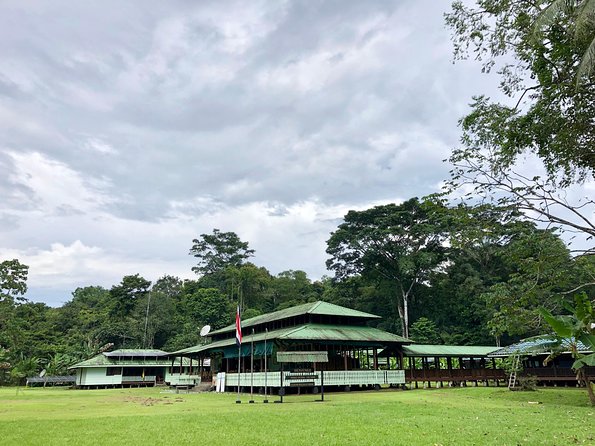
- Two separate hikes at Sirena: rainforest trails, beach stretches, forest types, riverside paths, and an old airstrip area.
- Spotting scopes that turn into your photos: ATX-BTX Swarovski gear used for photos and video you keep if you want.
- Small-group style: the tour caps at 10 travelers, helping you stay together and listen up on animal activity.
- No single-use plastics: you’ll need your own reusable water bottle, and the park has a strict no-food rule.
Sirena Ranger Station: why this day trip feels different
Sirena Ranger Station is one of the best entry points for experiencing Corcovado without needing days of planning. The area mixes wet rainforest trails with rocky and sandy beach sections, plus old-growth primary and secondary forest walking. That variety matters because in Corcovado, animals don’t live in one kind of habitat. You are moving through multiple zones in a single day, which increases the odds you’ll catch something interesting.
There’s also a practical feel to it. You start with a proper breakfast, you get guided movement and interpretation, and you finish with a scheduled return. It is adventure, but it is not chaos. And because the tour includes naturalist guidance and a small group size, you can actually use your attention instead of just trying to survive the terrain.
You can also read our reviews of more tours and experiences in Quepos.
The 5:00 am run to Sierpe: breakfast, bathroom breaks, and water
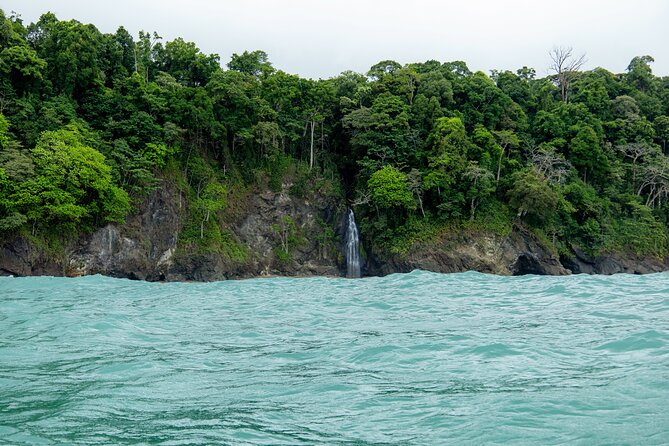
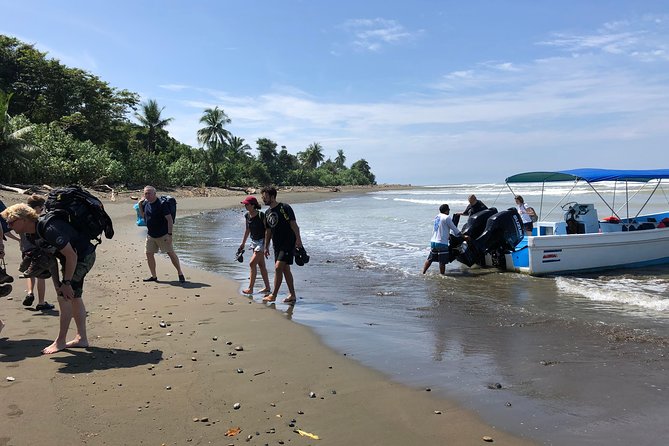
Your day starts early, with a stated start time of 5:00 am and a total duration of about 14 hours. The first stop is Sierpe, which acts like your launchpad for the Osa Peninsula half of the trip.
In Sierpe, you’ll get a big, straightforward breakfast: mixed rice and gallo pinto (beans), eggs, toast, fresh tropical fruit, coffee, and juice. Then comes the practical stuff that people underestimate: bathroom time and filling your reusable water bottles. This is also where you meet up with the sister company guide to coordinate the logistics for the next stage.
That matters because the day includes land and sea travel before you ever step onto the trails. When you plan for a full day like this, small resets keep you from burning out before the hike even begins.
Sirena Ranger Station hike: two trail sections in rainforest and beach zones
Once you reach Sirena Ranger Station, the real work starts. The tour is built around a guided day with two separate hikes through a mix of muddy rainforest, rocky and sandy areas, and forest walking. Depending on the season (the tour notes early May through late December conditions for wet and muddy trails), you should assume slick footing and frequent damp ground.
What you’ll cover during the hikes includes:
- Wet and muddy rainforest trails
- Rocky and sandy beach areas
- Old-growth primary and secondary forests
- Riversides trails
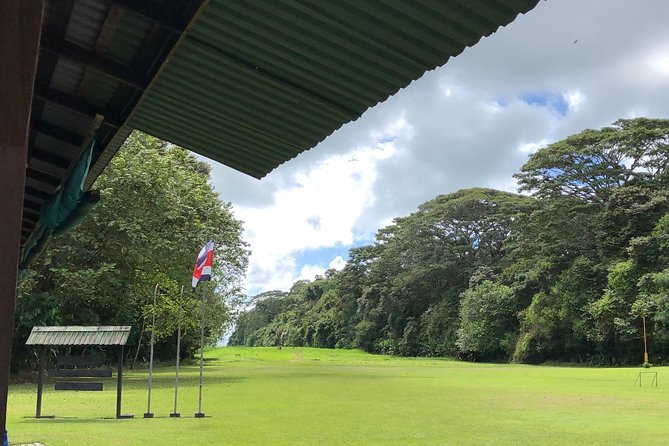
- An airstrip no longer in use
That list is your clue to the tour’s “feel.” You are not just going from point A to point B. You are walking through different micro-environments. In a place like Corcovado, that keeps your brain engaged and helps your guide track animal behavior more accurately.
One real consideration: the day is described as hiking nonstop from start to finish under high humidity and extreme, changing weather conditions. Translation: you need gear and a steady pace, not just enthusiasm. This is not a slow stroll where you stop every five minutes for photos—though you will get time for photos and video capture through the scope system.
Wildlife viewing odds: what you can realistically hope for
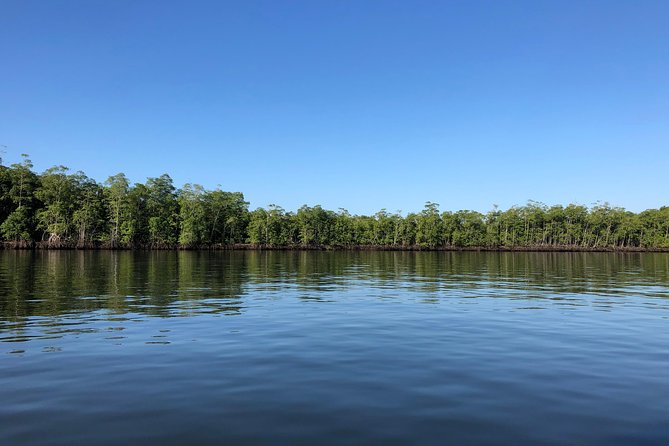
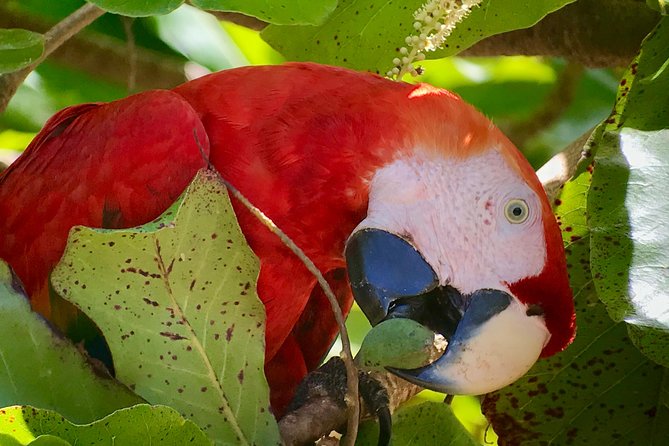
Corcovado is famous for high wildlife activity, and this itinerary is designed to put you where animals tend to pass through or feed. The tour lists a strong set of potential sightings, including coatis, anteaters, tapirs, wild peccaries, scarlet macaws, toucans, and four species of monkeys. It also notes the possibility of pumas, though that is never something you can count on like a schedule.
Here’s the pattern that helps you manage expectations:
- You’ll likely spot more small-to-medium wildlife by patience on trails and along edges between forest and beach.
- Birds can show up in bursts, especially when you pause and let the guide scan with the spotting scopes.
- Large mammals are possible, but in dense habitat, even good timing is just timing. The value is that your guide is working the landscape with you rather than leaving you alone with binoculars.
A practical bonus: your guides use spotting scopes and share photos/videos. That reduces the pressure to get the perfect shot on the first try, which is huge when you are hiking on uneven ground and watching your step at the same time.
Meals included: breakfast and lunch actually matter on this route
Meals are not an afterthought on this tour. Breakfast in Sierpe is meant to be substantial—rice, gallo pinto beans, eggs, toast, fruit, coffee, and juice. Then you get lunch at Sirena Station.
Lunch at the station is described as a full meal with rice and beans, vegetables, fruit, salad, and a choice of protein options like fish, chicken, or meat. There is also a vegetarian option on request. If you have dietary needs, you should flag them when booking so the team can plan.
Two rules you must know before you go:
- Bottled water is prohibited, and single-use plastics are not allowed. Bring a reusable water bottle.
- No food is allowed into the park. If you have a medical diet, you may bring prepared options like peeled fruit or a sandwich, but it has to be packed in a reusable container.
This affects how you pack. Plan to eat what’s included, then bring only what is allowed for medical needs.
Bring-your-own water rules and the no-food-in-park reality
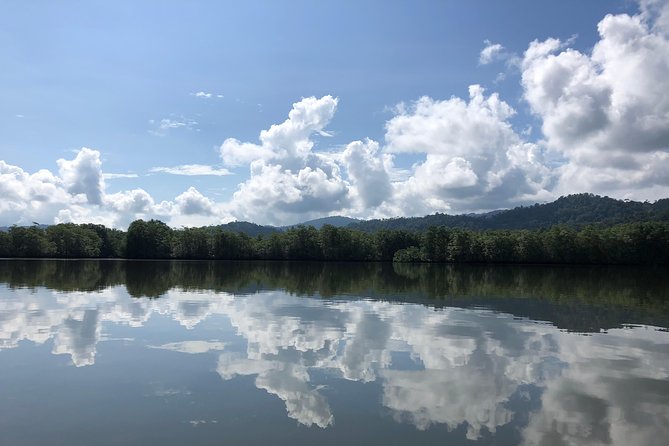
This tour is strict about plastics and park behavior. You’ll want to arrive already thinking like a Corcovado visitor: reuse, don’t litter, don’t try to sneak snacks into the hiking area.
Your reusable bottle is not optional. The tour explicitly prohibits single-use water bottles and notes that you should bring your own. Also, single-use items like plastic bags and straws are prohibited.
Because no food is allowed into the park, you should also pack around that rule. If you are diabetic or managing another medical diet, the tour data is clear that you can bring prepared and packaged foods in a reusable container—but you’ll need to do it the allowed way.
Guides, digiscoping, and the Swarovski photo/video setup
One of the smartest parts of this day trip is how the guide team uses equipment and technique. The tour includes two certified naturalist guides (bilingual) and specifically mentions digiscoping techniques and natural history knowledge. You get fewer “stand and hope” moments and more “listen and watch while the guide works the scene” moments.
Then there’s the photo and video piece. The tour uses ATX-BTX Swarovski spotting scopes, and the photos/videos captured during the tour are yours if you like. In real life terms, that can make the experience feel less like a scavenger hunt. You can focus on being present and safe, and still leave with a visual record of what you saw.
Also, since the group is capped at 10, you’re less likely to get separated into a chaotic trail cloud. You can pay attention to instructions and keep up with slower sections.
What to pack: shoes, sun, bugs, and staying sane in humidity
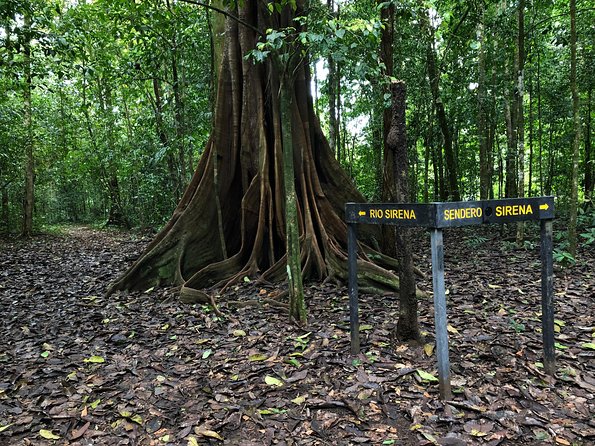
The tour data calls out a few must-haves: sunscreen and insect repellent. That’s not optional in coastal rainforest.
You also need footwear that can handle wet, muddy trails and changing terrain. The hike description is heavy on muddy rainforest routes, plus rocky and sandy areas. Even if conditions vary by season and day, Corcovado doesn’t do “dry shoes.” If you want a smoother time, plan for water-resistant socks and shoes you trust on slick ground.
Good to know: the day involves nonstop hiking under extreme temperatures and changing weather conditions. That means you should bring clothing you can layer and re-adjust for heat and humidity. If the weather turns, your comfort will affect your stamina more than you think.
The price question: is $395 worth a long day like this?
At $395 per person for an about-14-hour day, the price is not low. But this itinerary includes several things that usually cost extra when you piece tours together yourself.
What you are paying for includes:
- Roundtrip air-conditioned transportation from Manuel Antonio or Quepos
- Park entry/admission to Sirena Ranger Station
- Breakfast and lunch
- Two bilingual naturalist guides
- Photos and videos captured with ATX-BTX Swarovski spotting scopes
- A structured day covering transport + two hikes + return
In other words, you are not just buying access to Corcovado. You are buying transportation, meals, guide time, and a specific wildlife-viewing approach. That is why this can feel like value for active eco-travelers who want a guided, high-success wildlife day without building your own logistics.
If you hate early starts, mud, and long walking days, the cost won’t feel justified. But if you like the idea of a full-on Osa day with animals as the goal, this setup reduces stress in the places that matter.
Who should book this, and who should sit it out
This tour is best for people who can handle early mornings and long, humid walking. The tour data specifically asks for strong physical fitness and says it’s not recommended for kids under 7. If you have mobility concerns, balance issues, or you get worn down by weather and nonstop movement, you may struggle.
You’ll probably love it if you:
- Enjoy guided nature walks and learning in the field
- Want a one-day introduction to Corcovado’s main habitats
- Like the idea of returning with photos and video, not only memories
You might want to skip it if you:
- Get easily overwhelmed by wet, muddy conditions
- Have limited stamina for a long day with changing weather
- Need lots of flexibility in pacing
Should you book this Corcovado day trip from Quepos?
If you want a structured, wildlife-focused day that gets you into Sirena Ranger Station with meals, park entry, air-conditioned transport, and guide support, this is a strong choice. I’d book it if you treat the day like a hike-first experience and plan your packing and pace for humidity and mud.
If you’re on the fence, ask yourself one question: can you handle a 5:00 am start plus hours of guided walking through wet rainforest and beach areas? If the answer is yes, the included guide expertise, Swarovski scope photo/video, and full-day logistics make the $395 feel more like a package than a gamble.
FAQ
What time does the tour start?
The start time is listed as 5:00 am.
How long is the Sirena Station day trip?
The duration is approximately 14 hours.
What meals are included?
Breakfast is included in Sierpe, and lunch is served at Sirena Station.
Do I need to bring a reusable water bottle?
Yes. Single-use water bottles are prohibited, and you should bring your own reusable bottle for the hike.
Is park entry included?
Yes. Entry/admission to Sirena Ranger Station is included, and you’ll need to provide your full name, passport number, and nationality.
Can I bring food into Corcovado National Park?
No food is allowed into the park. If you have a medical diet, the tour data says you can bring specific prepared items like peeled fruit or a sandwich in a reusable container.
What’s the fitness level required?
The tour says travelers should have strong physical fitness because you’ll hike nonstop in high humidity, extreme temperatures, and changing weather.
What if weather conditions are poor?
This experience requires good weather. If it’s canceled due to poor weather, you’ll be offered a different date or a full refund. Free cancellation is available up to 24 hours in advance for a full refund.