REVIEW · SIENA
San Gimignano and Volterra: Day Tour from Siena
Book on GetYourGuide →Operated by Tuscan Escapes by Papilio · Bookable on GetYourGuide
Two medieval towns, one long Tuscan lesson. This San Gimignano and Volterra day trip connects you to the feuds and wins behind San Gimignano’s “fine towers,” then swaps to Volterra to see alabaster sculpting up close. I like that the guide turns stops into a clear story, and I also love that lunch is a home-cooked meal on an organic farm, with seasonal food, saffron dishes, and Vernaccia wine.
The only real drawback to plan for is space. Even with a small group, a van with eight plus the guide/driver can feel tight during the longer stretches.
In This Review
- Key points that make this tour worth your time
- San Gimignano’s towers and Volterra’s alabaster: why this day works
- From Siena to Monteriggioni: the van ride that sets the tone
- Monteriggioni’s fortress stop: fast, photogenic, and historically useful
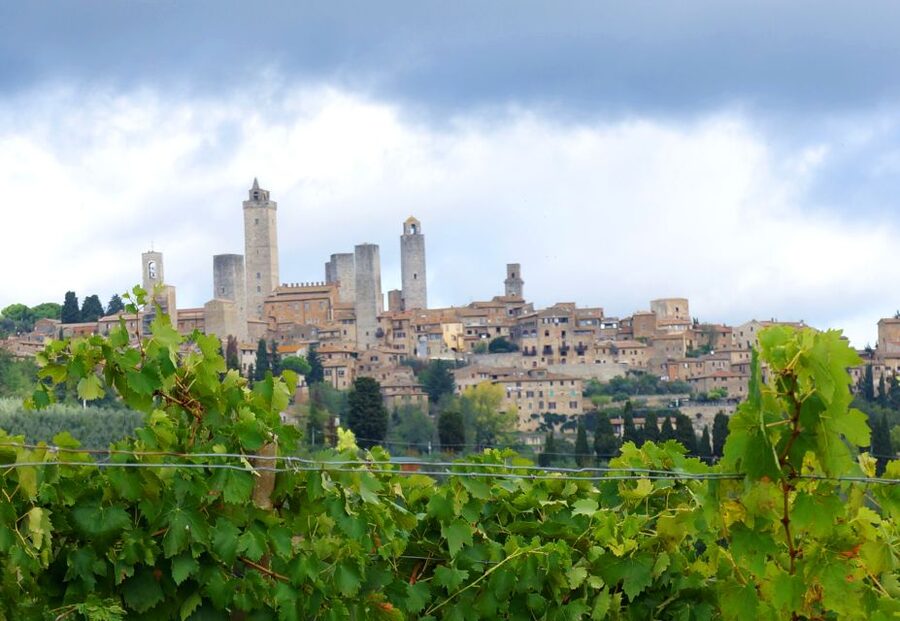
- San Gimignano walk: tower math, UNESCO streets, and medieval power
- A family organic farm lunch with saffron and Vernaccia
- Volterra alabaster workshop: watching sculptors shape stone
- Volterra’s layered historic center: Etruscans to Renaissance on one stroll
- Price and what you’re really paying for at $203.91
- Timing, comfort, and how to get the most out of the day
- Who this tour suits best (and who might skip it)
- Should you book San Gimignano and Volterra from Siena?
- FAQ
- How long is the tour?
- What is the meeting point?
- Does the tour include hotel pickup?
- How big is the group?
- Is there an English-speaking guide?
- What transport is provided?
- What’s included in lunch?
- Do we visit an alabaster workshop in Volterra?
- What is the price per person?
- Can I cancel or pay later?
Key points that make this tour worth your time
- San Gimignano’s tower story: you’ll learn why the skyline became a scoreboard for rival families.
- A quick fortress stop at Monteriggioni: a well-preserved 13th-century wall town that sets context fast.
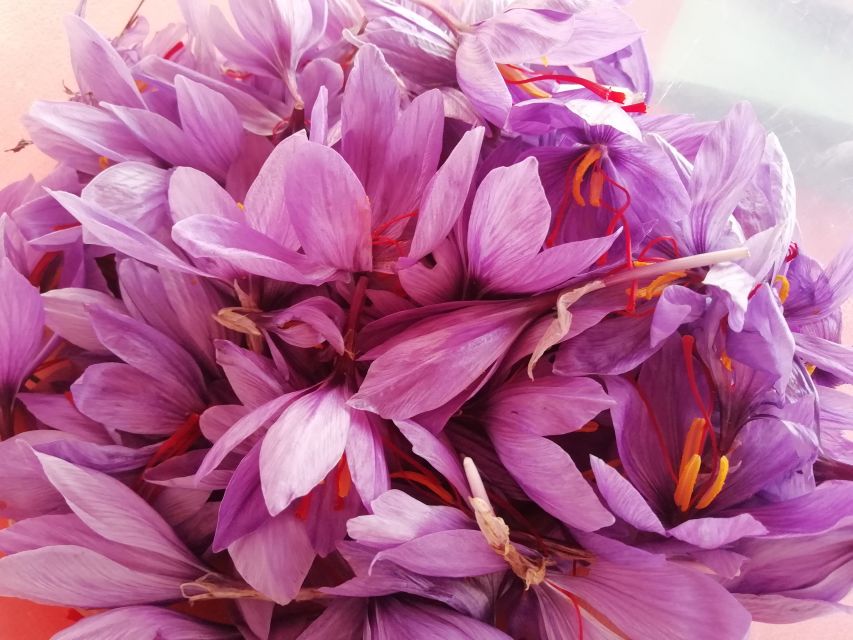
- Farm lunch built around saffron: seasonal, home-style cooking paired with Vernaccia.
- Volterra alabaster workshop: watch the craft and learn why this stone matters locally.
- A layered walking day: Etruscan, Roman, Medieval, and Renaissance streets in one coherent stroll.
San Gimignano’s towers and Volterra’s alabaster: why this day works
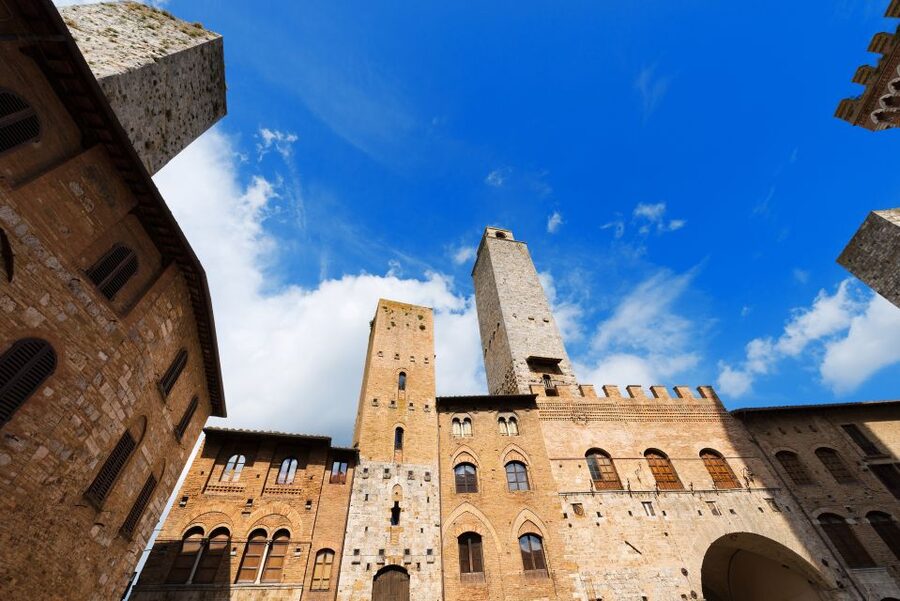
This is one of those Tuscany days that doesn’t just point at pretty things. The route is built to explain why those pretty things exist—first through San Gimignano’s tower era, then through Volterra’s alabaster trade.
You start with San Gimignano, the UNESCO-listed Town of Fine Towers. Then you head to Volterra, where the historic center shows multiple eras side by side, and you get an actual workshop visit for the alabaster craft.
The best part for me is the balance: you get built-in time with a guide, but you also have room to wander. That matters in places like San Gimignano, where towers and streets can blur together if you’re rushing.
You can also read our reviews of more tours and experiences in Siena.

From Siena to Monteriggioni: the van ride that sets the tone
You begin at San Domenico Basilica in Siena, then ride in an air-conditioned vehicle. This is not one of those “hop in, speed out” tours. The drive is part of the learning because your English-speaking expert guide sets context as you go.
On the road, guides like Guillermo (and others on different dates) are praised for turning the journey into useful history and practical sightlines. That means when you arrive at Monteriggioni and San Gimignano, you already know what you’re looking for.
Practical note: plan on sitting close together. One review said the van felt crowded with eight plus the driver. If you’re tall or you don’t love tight legroom, you’ll want to choose a seat early when you board.
Monteriggioni’s fortress stop: fast, photogenic, and historically useful
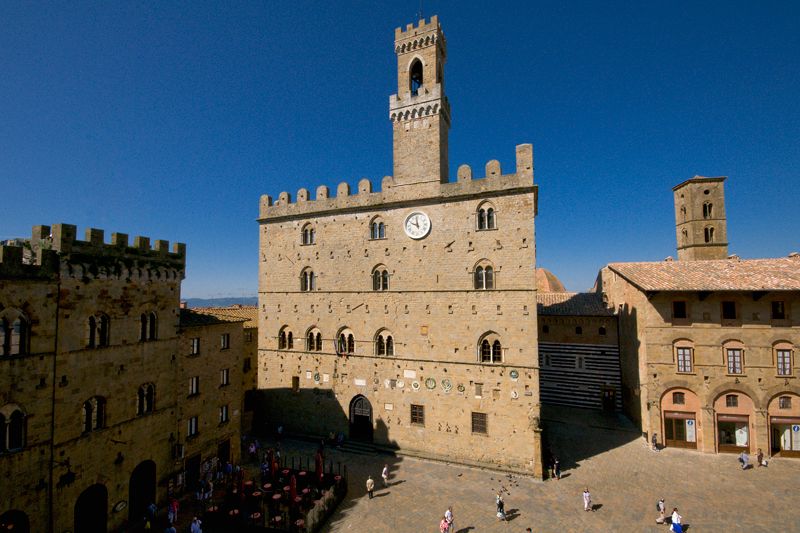
Monteriggioni is a classic Tuscany wall town, built as a fortress in the 13th century. You’ll stop to see it rather than doing a deep, long walkthrough. Think of it as the opening chapter.
What makes this stop valuable is how it frames San Gimignano’s bigger story. Your guide explains the conflict-and-control atmosphere of the era, so San Gimignano’s towers feel less random and more like purposeful architecture.
You can usually use this time to reset. Take quick photos from angles where the walls and towers line up, then keep moving—Monteriggioni is best as a short, high-impact stop.
San Gimignano walk: tower math, UNESCO streets, and medieval power
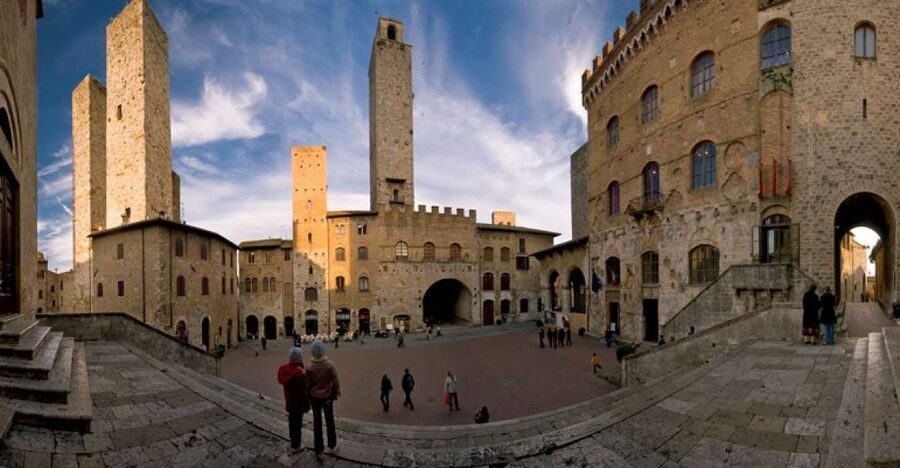
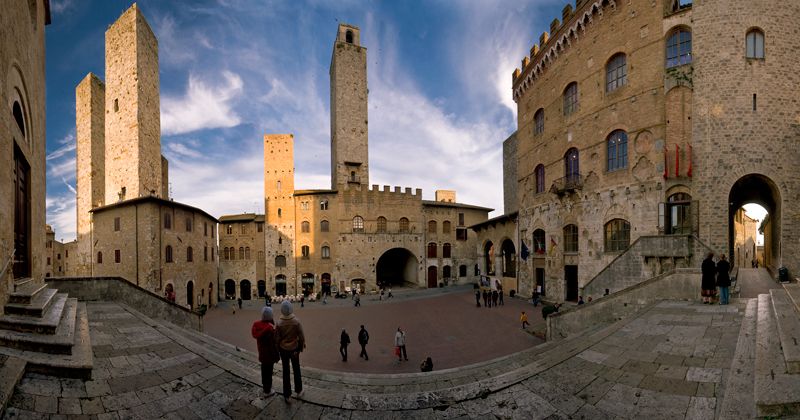
Once you arrive in San Gimignano, you’ll spend time exploring the medieval core on foot. This is the part people remember: the town’s many towers and the way they shape the skyline.
San Gimignano’s towers weren’t just decoration. Your guide walks you through the conflicts and triumphs that shaped the town, so the towers start to feel like a visual record of rivalry and ambition. Guides such as Mattia and Juliana are specifically mentioned for giving clear, organized commentary, and that pays off here because the streets can be easy to wander wrong without a plan.
What to do with your time in town:
- Focus on tower viewpoints first, then let the smaller streets surprise you.
- If you’re the type who likes seeing how neighborhoods connect, use the walking time to spot how the town’s layout funnels you toward major viewpoints.
- Keep some patience for stairs. San Gimignano can be steep and your legs will notice.
There’s also a practical upside: San Gimignano has artisanal boutiques. That gives you an option besides sightseeing—if you want a slow moment to browse after tower photos.
One extra tip based on the timing people describe: some departures have a sunset window with extra sightseeing. If your schedule allows and the group is in good shape, you might catch San Gimignano near golden hour. Don’t plan your day around it, but keep it in mind as a possible bonus.
A family organic farm lunch with saffron and Vernaccia
Lunch is not an afterthought on this tour. It’s a centerpiece, and the reviews are consistently loud about it.
You’ll eat at a small family-run farm using seasonal products. The menu is built around saffron—so you’ll taste saffron in multiple dishes rather than seeing it as a one-off garnish. You’ll also have Vernaccia wine with the meal, and your guide often uses the lunch conversation to explain agrarian angles of wine and production.
In the reviews, lunch is described as home-cooked and genuinely fun, not just “food included.” People mention hosts joining the group and adding warmth to the table talk. One review specifically praised a wine-and-food experience at a farm setting described as Il Palagione, including discussion of organic saffron farming.
Why this lunch setup is good for you:
- You get a break from medieval walking without giving up the Tuscany theme.
- The organic farm angle is hands-on, so you come away understanding the ingredients, not just posing with them.
- It’s timed so you don’t feel rushed between towns.
If you have food preferences, this is still the right moment to plan ahead. You’re eating seasonal farm cooking, so ask your provider before the day if you need dietary accommodations. The tour data confirms the lunch is farm-based, so it’s not a buffet where you can always swap items easily.
Volterra alabaster workshop: watching sculptors shape stone
Next comes the Volterra part, and it’s where the day turns from “walk and look” to “watch and learn.”
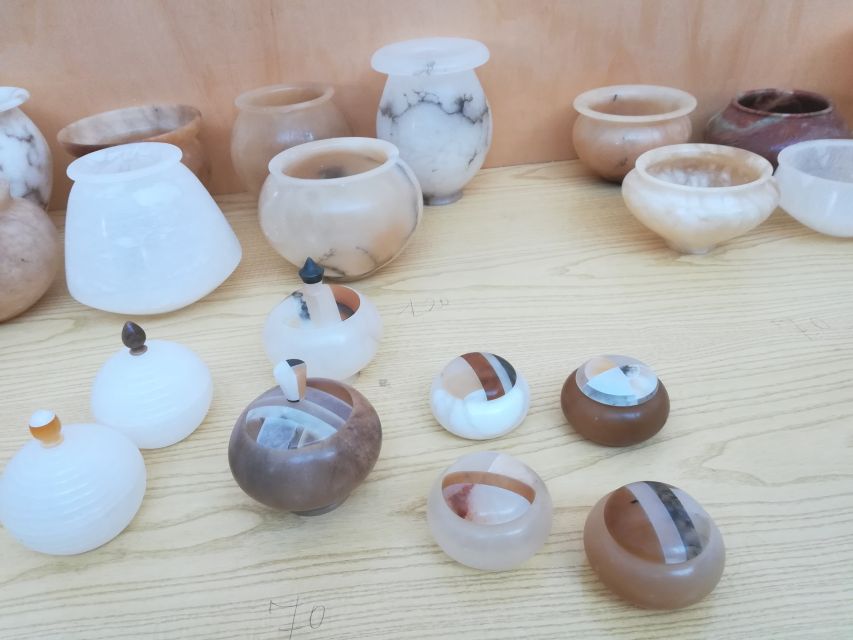
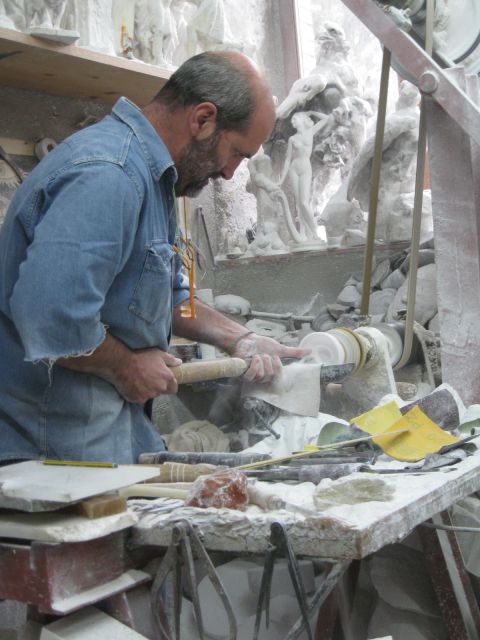
You’ll stop at a small alabaster workshop to see the ancient art of sculpting. One review highlighted Omero, described as the master of alabaster, as a standout. Even if your workshop host isn’t the same person, the structure is consistent: you’ll see the craft happening and learn why alabaster has been part of Volterra’s identity.
This is a great stop if you like process. Watching hands work stone gives you a different kind of appreciation than reading about art. And because it’s a workshop rather than a museum, you’re more likely to ask questions and get immediate answers.
The practical drawback: workshops can take place in spaces that are not always climate-perfect. If you’re sensitive to heat or cold, wear layers so you can manage the time in the shop.
Also, keep expectations realistic. This is a craft demonstration visit, not a long art class. You’ll want to arrive ready to observe, take notes if you like, and then shop only if something truly catches your eye.
Volterra’s layered historic center: Etruscans to Renaissance on one stroll
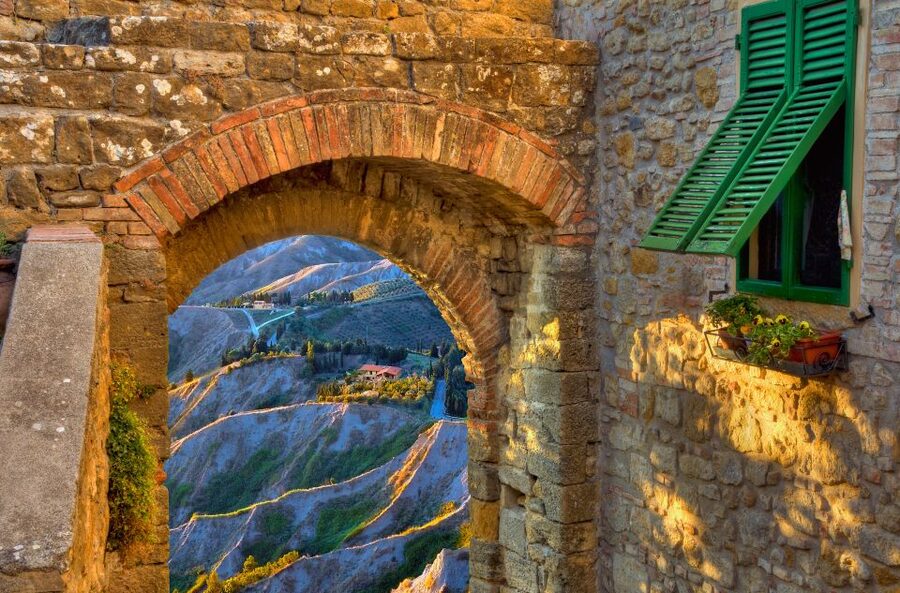
After the workshop, you’ll walk through Volterra’s historic center. Here’s where your guide’s storytelling really helps, because Volterra’s streets show multiple time periods in a single walk: Etruscan, Roman, Medieval, and Renaissance styles.
This is the part that feels most satisfying when your guide ties things together. Reviews mention guides like Marco and Marella for connecting town details to the bigger picture, which helps you avoid the usual “I saw buildings” feeling.
A useful way to experience Volterra is to separate your walk into two jobs:
1) Look for transitions—where does the architecture feel more Roman, more Medieval, more Renaissance?
2) Pick one street to follow slowly for a full minute or two, instead of sprinting between photo spots.
Volterra isn’t trying to be one style. That’s the point. You’ll leave with an intuitive sense of how cities change over centuries.
Price and what you’re really paying for at $203.91
At $203.91 per person, this tour sits in the mid-range for a guided day trip from Siena. The key to whether it feels like value is what’s included.
You’re getting:
- An English-speaking expert guide
- Air-conditioned transportation
- Entry-style experiences: an alabaster workshop visit
- A home-cooked farm lunch (seasonal, saffron-focused) plus Vernaccia
When you price those pieces separately—especially the guide time and the transportation—it starts to look more reasonable. A big part of the value here is that you’re not juggling logistics between three towns plus a workshop. The day is built as a smooth sequence.
Also, this is a small group tour capped at 8 participants. That’s important in old towns where you don’t want to be swallowed by crowds while you’re trying to hear explanations.
One thing to watch: because it’s a small group, the pacing is set for everyone. If you prefer completely free roaming with no structure, you might find the schedule slightly tight. But if you want guided context and easy movement, this is a strong match.
Timing, comfort, and how to get the most out of the day
This tour lasts about 8 hours and returns to the meeting point back at San Domenico Basilica in Siena. With stops in Monteriggioni, San Gimignano, Volterra, plus lunch and the workshop, that’s enough time to see a lot without feeling like you’re constantly running.
To make the most of it, do three simple things:
- Wear comfortable shoes. You’ll do walking in both medieval towns.
- Bring a light layer. You can move between indoor workshop space and outdoor town air.
- Charge your camera or phone. You’ll want photos of tower angles and workshop moments.
If you’re someone who likes to ask questions, this is also a good day for that. Workshop visits and farm lunches are prime moments to learn more than what a sign on a wall can tell you.
Finally, consider who you’re traveling with. Reviews praise the guides for being warm and attentive (and several names come up repeatedly, like Guillermo, Juliana, Keko, Elena, Leah, and William). That kind of group-friendly energy makes the “full day” feel less heavy.
Who this tour suits best (and who might skip it)
This tour is best if you want a guided day that mixes:
- Medieval architecture and a clear story about why towers rose
- A real craft visit (alabaster) rather than a quick photo stop
- A farm lunch that actually connects food to place via saffron and wine
It’s also a solid choice for adults and teens who like history, art process, and food. Reviews even point out that adults of different ages found it a memorable Tuscany rite-of-passage kind of day, mostly because it blends learning with hospitality.
Skip it or consider another option if:
- You need hotel pickup. This tour does not include hotel pickup, so you’ll plan your own way to San Domenico Basilica.
- You’re very sensitive to tight van seating. The group is small, but the reviews still mention it can feel crowded.
- You want a fully self-guided day with zero schedule.
Should you book San Gimignano and Volterra from Siena?
If you’re choosing between a DIY plan and a guided day, this one is worth serious consideration. The combination is efficient: you get San Gimignano’s towers, a quick Monteriggioni fortress context boost, a farm lunch built around saffron and Vernaccia, and a Volterra alabaster workshop you can’t easily recreate on your own without extra planning.
I’d book this if you like structured stops with time to wander, and if you care about understanding what you’re seeing. It also helps that the small-group cap at 8 keeps the experience from turning into a herd.
If you hate van time or you want total independence, a self-planned day may feel better. But if you want Tuscany with story, food, and a craft you can watch, this tour has the right mix.
FAQ
How long is the tour?
The tour duration is 8 hours.
What is the meeting point?
You start at San Domenico Basilica in Siena.
Does the tour include hotel pickup?
No. Hotel pickup is not included.
How big is the group?
The group is small, limited to 8 participants.
Is there an English-speaking guide?
Yes, the tour includes an English-speaking expert guide.
What transport is provided?
Transportation is included by air-conditioned vehicle.
What’s included in lunch?
Lunch is a home-cooked meal at an organic farm, made with seasonal products. Dishes include saffron, and the meal is accompanied by Vernaccia wine.
Do we visit an alabaster workshop in Volterra?
Yes. You’ll visit a small alabaster workshop and see sculpting at work.
What is the price per person?
The price is $203.91 per person.
Can I cancel or pay later?
Yes. You can cancel up to 24 hours in advance for a full refund, and you can reserve now & pay later.