REVIEW · MEXICO CITY
Puebla and Cholula Day Trip from Mexico City
Book on Viator →Operated by Mexitours · Bookable on Viator
Cholula and Puebla feel like two different worlds in one day. This tour is interesting because you get bilingual guiding plus a tight route through Cholula’s pyramid and Puebla’s cathedral-heavy historic center. If you like your Mexico City trips with real contrast, this one delivers.
My favorite parts were the chance to see the Great Pyramid of Cholula up close, and the church stops in Santo Domingo where the art is almost too much to take in. The one thing to watch: the day runs long, and in busy periods the pacing can feel rushed, especially if you want maximum time to wander on your own.
In This Review
- Key points to know before you go
- Why Cholula + Puebla is such a smart pairing
- Price and logistics: $54 is the easy part; the timing is the real deal
- The ride out of Mexico City: long, but not wasted
- Cholula’s Great Pyramid: the view you came for
- Santo Domingo and the Rosary Chapel: quick stops with major art payoff
- Puebla’s UNESCO old center: tiles, freestone, and nonstop church energy
- Santa Monica’s convent and the Museum of Religious Art
- Onyx and Talavera factories: craftsmanship and the shopping pause
- The optional 5-course lunch: good break or added time?
- What really makes or breaks this tour: group size, language, and pacing
- Bathroom breaks, comfort, and the small stuff that adds up
- Value check: when this tour feels like a bargain
- Tips so you get the day you paid for
- Should you book the Puebla and Cholula day trip?
- FAQ
- What time does the tour start?
- How long will the day take?
- Do I get hotel pickup?
- Is lunch included?
- Are tickets and admissions included for the pyramid?
- Is the guide English only?
- How big is the group?
- Can I cancel for a full refund?
Key points to know before you go
- Bilingual guide (English and Spanish), but the day can still run more Spanish-heavy depending on the group
- Cholula’s Great Pyramid is the star, with major viewpoints plus the top church in the mix
- Santo Domingo and the Rosary Chapel are compact stops with big visual payoff
- Puebla’s historic district focuses on churches and the tile-and-stone look that defines the city
- Onyx and Talavera factory visits are built in, so plan for a shopping moment
- Optional 5-course lunch can be either a solid break or an added time cost, depending on the day
Why Cholula + Puebla is such a smart pairing
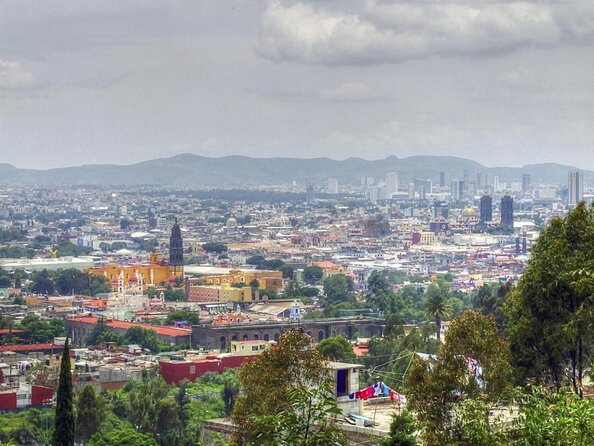
You’re doing two stops that are connected by geography, but not by vibe. Cholula is all about pre-Columbian layers—especially the Great Pyramid topped by a church—while Puebla feels like colonial Mexico with freestone facades and painted ceramic tiles.
The best part of the pairing is how quickly you see the country’s timeline. In a single day, you go from a massive ancient platform to baroque interiors, then to Puebla’s streets where churches basically act like landmarks on every corner.
If you want a day trip that feels like more than just looking at buildings, this route has the right ingredients: big sights, strong stories, and plenty of photo moments.
You can also read our reviews of more tours and experiences in Mexico City.


Price and logistics: $54 is the easy part; the timing is the real deal
On paper, the price looks fair: a long day from Mexico City with hotel pickup (for select hotels), air-conditioned transport, and a bilingual guide. In practice, your experience lives or dies on pacing and pickup flow, because traffic out of Mexico City can stretch everything.
The tour starts at 9:00 am, with pickup beginning about 1 hour earlier depending on the meeting point. The operator also asks you to call to confirm the exact pickup time, because it can shift within a 15 to 60 minute window. That detail matters because some headaches in the reviews weren’t about the sights—they were about where and when people were waiting.
My practical advice: treat pickup like a critical appointment. Show up early, double-check the meeting point instructions, and don’t assume the schedule on your phone is the full story. If you’re not in a listed pickup hotel, head to the De La República Ave 154, Tabacalera meeting point (near Monumento a la Revolución, behind Barceló Reforma, in front of ISSSTE).
The ride out of Mexico City: long, but not wasted
Expect a full 10 to 12 hours on the move, sometimes stretching longer with traffic. This is one of those trips where the vehicle comfort helps. The plan includes air-conditioned transport, which becomes important once you’re heading away from the city center and into hotter midday hours.
One review praised a rest break scheduled around the 80–90 minute mark. You shouldn’t treat that as guaranteed, but it’s a good sign that the better-run days include timed breaks. If you’re sensitive to long bus rides, bring motion-sickness prep just in case, and plan to use restrooms whenever you can.
A small tip that saves stress: bring something small to read or do. Sitting for hours is easier when you’re not staring at the clock.
Cholula’s Great Pyramid: the view you came for
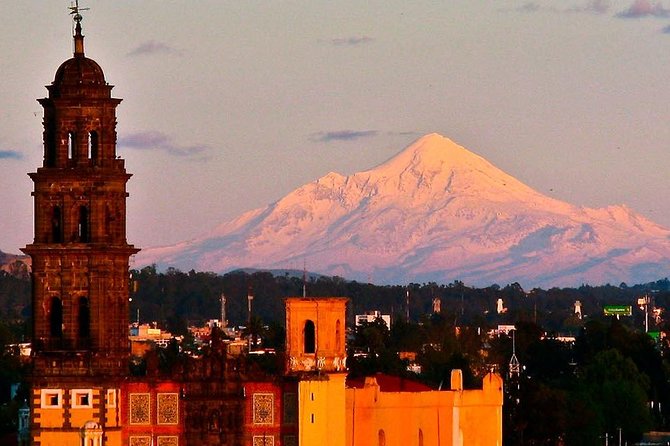
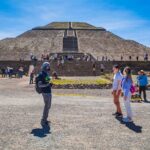
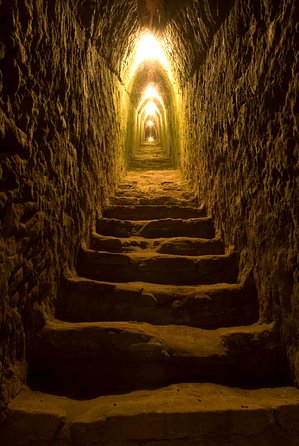
Cholula starts with the world’s largest pyramid—the Great Pyramid of Cholula, also called Tlachihualtepetl. It’s about 180 feet (55 meters) tall, with a square base around 1,300 feet (396 meters).
From the pyramid base, you’re meant to look up. On top sits the Church of Our Lady of the Remedies, which creates the weird-and-wonderful mixed-layer feeling you only get here. Your guide should also connect the story to Hernán Cortés, who ordered the construction of 365 churches on the site—one for each day of the year.
One key detail: the archaeological site entry isn’t included. The tour notes that admission tickets are not included for the pyramid visit. Also, on Tuesdays the visit is described as more panoramic—so if you care about the landscape views, that day may be a good pick.
What can go wrong? Some reviews complained that free time felt limited or that the group didn’t get the chance to climb to the church area. If that top view is your must-do, ask early what access is available on your day and how much time you’ll have.
Santo Domingo and the Rosary Chapel: quick stops with major art payoff
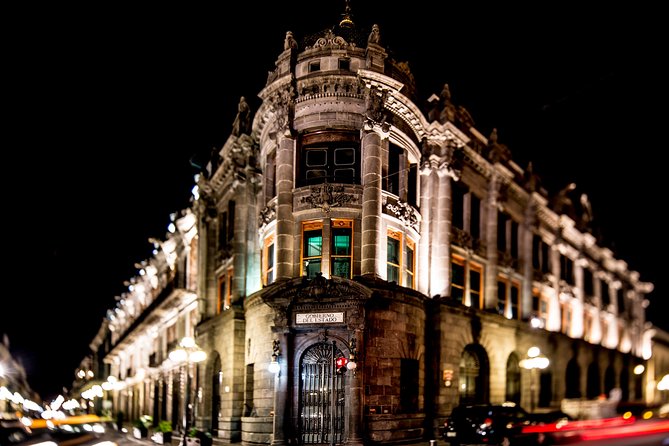
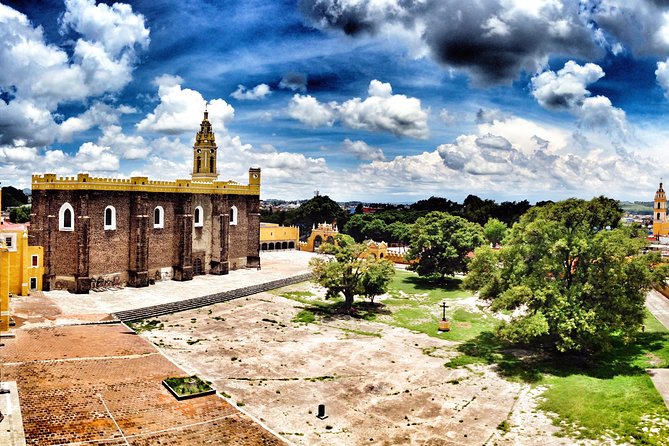
Before Puebla, you’ll hit the church complex at Santo Domingo and its Rosary Chapel. The tour time per stop is short—about 30 minutes each for the Santo Domingo church and the Rosary Chapel—and the admission ticket is listed as free for those parts.
Still, these stops are worth your energy because the interiors are where the magic lives. The Rosary Chapel is described as a standout example of Mexican Baroque architecture, with gilded stucco inside. The tour also frames it as once being considered the eighth wonder of the art world, which tells you what to expect: ornate, polished, and very hard to ignore.
A good strategy on these compact church visits: don’t try to read every plaque. Look for the big visual moments first—altar details, symmetry, and the way light hits the gold work—then let your guide’s story fill in the context.
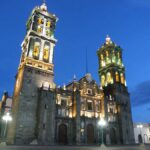
Puebla’s UNESCO old center: tiles, freestone, and nonstop church energy
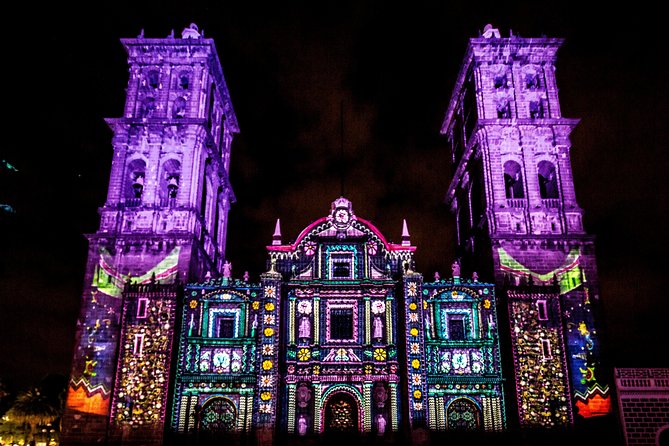
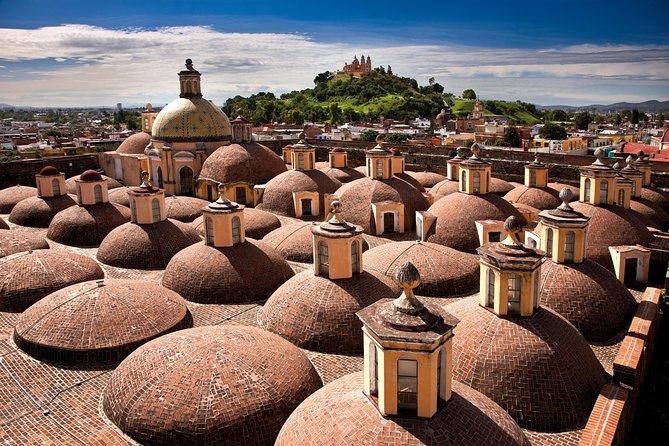
Once you reach Puebla, the tour shifts from big ruins to the city’s historic core. Puebla is a UNESCO World Heritage Site, and the vibe is unmistakable: buildings shaped from freestone and covered in painted ceramic tiles.
You’ll learn that there are 70 churches in the historic district alone. That number explains why your walking route feels like you’re constantly stepping into a new landmark.
A highlighted stop is the 16th-century Church of Santo Domingo—not just outside, but with the contrast between the plain exterior and the opulence inside. You also get time in the city area to take in the look, not just the check-box sights.
One balanced note: a few reviews said Puebla got rushed compared to what they expected. If you want deeper exploration—like lingering in side streets for photos or stopping for extra views—go in with the mindset that this tour is a guided highlight route, not a free-roam day.
Santa Monica’s convent and the Museum of Religious Art
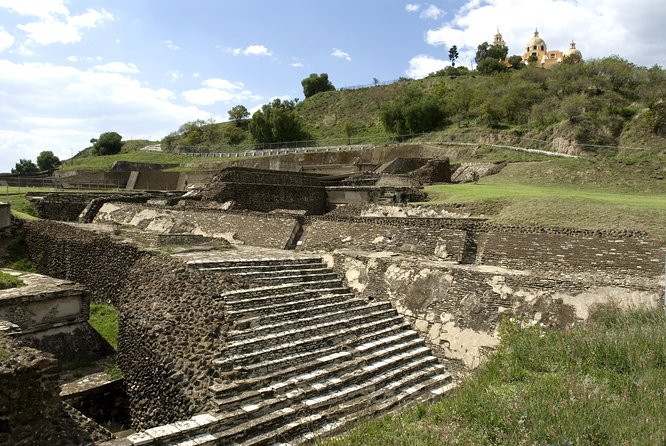
Next comes the Convent of Santa Monica, which is now home to the Museum of Religious Art. The tour frames it as a calm, serene-blue stop, and it fits the day’s pattern: a break from the outdoor monumental stuff to focus on art and spiritual design.
Because this is a museum setting tied to a former convent space, what you’ll get out of it depends on your interest in religious art and architecture. If you’re the type who likes how objects connect to belief systems and community history, you’ll likely enjoy it. If you prefer street life over indoor art, treat it as one of several necessary stops before your day shifts toward the factory visits and the trip back.
Onyx and Talavera factories: craftsmanship and the shopping pause
After churches and museums, the tour heads to craft-focused stops: onyx and Talavera ceramics factories. This is one of the most practical parts of the itinerary—because Talavera is one of those things you want to understand before you buy it.
You’re meant to watch or learn how the artisanal items are crafted. Onyx and Talavera also make great souvenirs because they’re both tied to local materials and techniques, not generic trinkets.
Still, go in knowing these stops include sales energy. One review complained this part felt like a buying push. You can reduce the pressure by setting your own boundary before you arrive: decide what you’re willing to spend, and aim for a quick, focused purchase rather than browsing for an hour.
The optional 5-course lunch: good break or added time?
Lunch is optional and described as an express buffet with a multi-course flow: salad, soup, pasta or rice, then 4–5 stews and dessert. If you choose the lunch package, beverages aren’t included.
In the reviews, lunch results vary. One group enjoyed the meal and even praised a lunchtime performance by a guitarist. Another group found the lunch bland and service slow, and a different review mentioned the pace slipping so that lunch effectively became later-in-theday food.
Here’s how I’d plan for it:
- If you’re hungry and you want lower decision stress, the lunch option can be convenient.
- If you hate being tied to meal timing, you may prefer not choosing lunch and grabbing food more independently after Puebla, depending on your schedule.
What really makes or breaks this tour: group size, language, and pacing
The tour runs as a shared service with a bilingual guide. The guide provides English and Spanish, but the actual experience depends on the group mix. Some reviews said English coverage was thin or that the microphone wasn’t clear enough for everyone.
Other reviews were the opposite: guides like Gabriela got praised for making the day feel personal, safe, and well paced. Names that popped up in positive feedback include Jaime, Erik, Xavier, and Francisco Javier—and the strongest common thread wasn’t just facts. It was organization, warmth, and clear explanations.
What to do with that information? Assume you’ll have some combination of these realities:
- You’ll get a story-led tour, but you may not receive equal translation time for every passenger.
- Some days feel smooth and on time; other days can turn chaotic if pickups, waits, or vehicle logistics go sideways.
- If you want a lot of independent time—especially at Cholula—this might not be the best fit.
Bathroom breaks, comfort, and the small stuff that adds up
A full day on the road means bathroom strategy matters. One positive review specifically mentioned many bathroom breaks, and that kind of planning can keep the whole day from turning into a stress spiral.
Also consider comfort: wear shoes you can walk in for a few hours, because the day includes a walking portion in Puebla. If your stomach is sensitive to bus rides, be ready—one review mentioned motion sickness issues due to a bouncy ride and fumes.
And if you’re picky about sound: bring a backup hearing solution like earplugs. Some reviews criticized audio quality and volume.
Value check: when this tour feels like a bargain
At $54 per person, you’re paying for four things:
- Transportation out of Mexico City and back
- A guide who handles logistics and context
- Major stops in Cholula and Puebla
- Factory visits that connect to souvenirs
When guides are strong and timing holds, the value feels real. The best reviews described the day as worth the long drive and a highlight of a Mexico City stay, largely because of the guide experience.
When the tour goes off rhythm, the value can shrink fast. Waiting around, rushed museum/church time, and limited freedom in Cholula are the items that most directly reduce the feeling of value. It turns a cultural day into a long schedule.
Tips so you get the day you paid for
- Ask about Cholula access. If climbing up to the church area is part of your plan, confirm how much time the group gets.
- Keep your expectations flexible. This is a highlight route, not a slow stroll.
- Bring patience for traffic. Delays are outside the company’s control, but you still need a mindset that absorbs them.
- Use the rest stops. If the tour offers breaks, take them.
- Set a souvenir budget before you reach the Talavera and onyx stops.
If you’re going with someone who wants independence, it helps to agree in advance on the trade-off: you’ll see a lot with a guide, but you won’t control every minute.
Should you book the Puebla and Cholula day trip?
If you want Cholula’s Great Pyramid + Puebla’s church-focused historic center in one managed day, this tour can be a great match—especially if you appreciate guided storytelling and you’re okay with a structured itinerary.
I’d book it if:
- You’re comfortable with a long day and want the convenience of hotel pickup and a set route
- You care about baroque church interiors and Puebla’s tiled streets
- You’re hoping a strong guide like Gabriela or Jaime will make the day click
I would hesitate if:
- You need lots of free time at Cholula for climbing and wandering
- You’re only comfortable with fully English explanations for every stop
- You’re very sensitive to delays and disorganization in group logistics
If you’re the flexible, curious type who likes big sights and clear structure, this is a memorable way to spend a day outside Mexico City. Just go in with a calm plan for timing, and you’ll do fine.
FAQ
What time does the tour start?
The tour starts at 9:00 am. Pickup begins about 1 hour before the start time depending on which meeting point you choose, and you’re asked to call to confirm the exact pickup time since it may shift earlier than the activity start.
How long will the day take?
It’s listed as 10 to 12 hours (approx.). The return time may vary due to traffic situations and roadworks or the number of people.
Do I get hotel pickup?
Hotel pickup is offered from select hotels only. If your hotel isn’t in the pickup zone, you’ll need to go to the meeting point on Av. de la República 154, Tabacalera (near Monumento a la Revolución, behind Barceló Reforma, in front of ISSSTE building).
Is lunch included?
Lunch is optional. If you select it, you get an express buffet lunch described as a 5-course style meal with items like salad, soup, pasta or rice, 4–5 stews, and dessert. Beverages are not included.
Are tickets and admissions included for the pyramid?
Admission tickets are not included for the Great Pyramid of Cholula archaeological site. For the church stops at Santo Domingo and the Rosary Chapel, admission ticket is listed as free.
Is the guide English only?
No. The guide is bilingual (English and Spanish). The service is shared, so the amount of English vs Spanish can vary depending on how many people in each language are in the group.
How big is the group?
The tour has a maximum of 50 travelers. It’s a shared service, so you should expect a group pace rather than a private schedule.
Can I cancel for a full refund?
Yes. Free cancellation is available up to 24 hours before the experience’s start time for a full refund. Within 24 hours, the amount paid is not refunded.