REVIEW · POMPEII
Private Pompeii & Ravello Day Trip via Amalfi Coast (Tickets)
Book on Viator →Operated by Leisure Italy · Bookable on Viator
Pompeii turns a page in your brain. This private day trip pairs hotel pickup with a full-day driver for the Amalfi Coast, then gives you a smart way to see Pompeii’s main streets and set pieces. I especially like the flexibility: you can walk Pompeii on your own pace or upgrade for a Pompeii guide that helps you move through the site efficiently. One possible drawback: the road time along the Amalfi Coast can eat into stop length, especially if you’re traveling during peak or weekend traffic.
The best value here is how the day is built around time and comfort. Instead of wrestling with directions and transfers, you’re in a vehicle with live commentary while the coast scenery does the heavy lifting, then you get real time in Ravello to slow down above the shoreline.
Just plan your expectations for a long day. You’ll be on your feet in Pompeii for stretches, and even with a private setup, this is still a lot of highlights crammed into about 8 to 9 hours.
In This Review
- Key highlights worth caring about
- Price and Logistics: what $508.61 really buys
- Getting picked up: the comfort factor that changes the day
- Pompeii’s main entrance moment: Porta Marina and the feeling of arrival
- Temple, Forum, and the parts that make Rome feel real
- Temple of Apollo: early layers under later Rome
- The Forum: civic life with a volcano backdrop
- The Macellum: shopping, lunch, and commerce
- Forum Baths: social life behind hot water
- The big houses: House of the Faun and House of the Vettii
- House of the Faun: wealth on a city-block scale
- House of the Vettii: myth and everyday life in one package
- Pompeii blocks you’ll remember: Via dell’Abbondanza and Teatro Grande
- Antiquarium and the Basilica: context that makes your walk click
- How the Pompeii guide option changes the experience
- Amalfi Coast drive: why the car time is part of the attraction
- Ravello: a calmer hour above the sea
- Villa Rufolo: the Grand Tour connection
- Villa Cimbrone Gardens: the Terrace of Infinity
- Short stops that add texture: Minori, Maiori, Cetara, Vietri sul Mare
- Minori: the City of Taste
- Maiori: a longer beach and a more open feel
- Cetara: still tied to fishing
- Vietri sul Mare: ceramics and the gateway feeling
- Timing, crowds, and the one thing to decide before you book
- Family fit and who this day trip works best for
- The places where this can feel rushed
- So, should you book this Pompeii and Ravello day trip?
Key highlights worth caring about
- Hotel pickup + private transportation all day: you skip the stress of getting from town to town.
- Optional Pompeii guide upgrade: better context and less wasted time inside the park.
- A “whole-day driver” approach: you focus on viewpoints, not on maps or schedules.
- Ravello time that feels calm: about an hour to wander without a rush.
- Photo-friendly Amalfi Coast stops: the drive itself is part of the experience.
- Site variety in Pompeii: gates, forum life, baths, theaters, and elite houses in one visit.
Price and Logistics: what $508.61 really buys
At $508.61 per person, this isn’t a cheap day. You’re paying for a few things that add up fast if you try to DIY: private transportation, hotel pickup, and a full-day driver who controls the schedule. You’re also paying for convenience during the hardest part of the route—getting from Naples/Sorrento/Pompeii area into the Amalfi Coast towns without burning hours figuring out logistics.
If you choose the Pompeii guide option, the tour also adds Pompeii Express skip-the-line tickets and a Private Blue Badge Guide for Pompeii. That matters because Pompeii can be time-consuming even when the entrance line looks short; having someone help you plan the walk can turn a “see what we can” day into a “you understood what you saw” day.
Here’s the tradeoff to weigh: if your priority is only Pompeii, the price can feel steep. If your priority is both Pompeii and the Amalfi area in one day with minimal hassle, then the value clicks.
You can also read our reviews of more tours and experiences in Pompeii.

Getting picked up: the comfort factor that changes the day
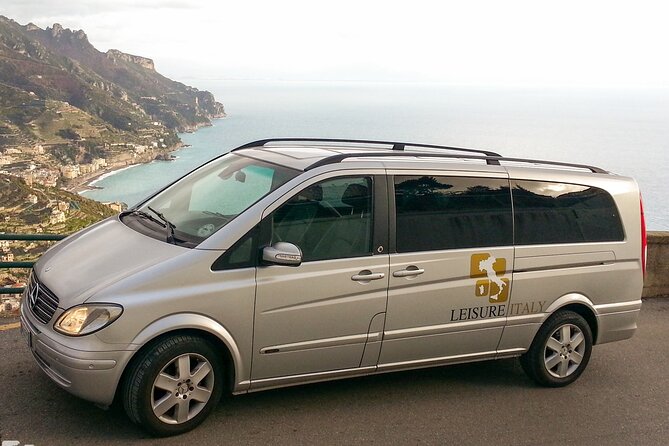
The day starts with pickup from Naples, Sorrento, Pompeii, and also places like vacation rentals, train stations, and cruise terminals/ports. That sounds basic, but in this region it’s a big deal. Getting to Pompeii and then back out to the coast usually means buses, trains, taxis, and timing headaches. With private pickup, you lose less time to “getting set up.”
You also get live commentary during the ride. That doesn’t just entertain—it helps you connect what you’re seeing to what you’ll see later. When the coast curves into views like lemon terraces and cliffside towns, it’s easier to appreciate the geography once you know why it developed that way.
Most practical tip: wear shoes you’re happy to walk in for a while. The operator specifically recommends comfortable shoes for Pompeii and sun gear for summer. I’d add one more thing: pack your own water bottle. One of the fewer-than-perfect moments in the feedback involved the lack of freely provided water during intense heat, which is exactly when you don’t want surprises.
Pompeii’s main entrance moment: Porta Marina and the feeling of arrival
Pompeii’s first wow moment is walking through Porta Marina, the main gate in Roman times. It sets the tone right away. You’re not stepping into a museum hallway; you’re entering a working city that once had merchants, travelers, and residents moving in and out.
From there, the route naturally frames the defensive walls and the layout of Pompeii. That detail matters because Pompeii wasn’t just pretty villas and tragic endings. It was organized, planned, and fortified—an intentional city, not random ruins.
This portion gives you an immediate mental map. Even if you don’t buy a guide, you’ll start understanding where the civic center sits and why later monuments line up the way they do.
Temple, Forum, and the parts that make Rome feel real
Pompeii’s best sites aren’t just impressive. They also explain how people lived.
Temple of Apollo: early layers under later Rome
The Temple of Apollo dates to the 6th century BC and sits near the Forum area. It’s a helpful stop because it reminds you Pompeii’s roots go back before Roman rule fully took over, reflecting Greek influence. You’ll still see the columned portico, altar, and the elevated podium that emphasized its sacred role.
This temple also ties religion to daily life. From the grounds, there are sightlines toward Mount Vesuvius, which helps you understand why natural forces weren’t “out there” in the ancient imagination—they were woven into belief and routine.
The Forum: civic life with a volcano backdrop
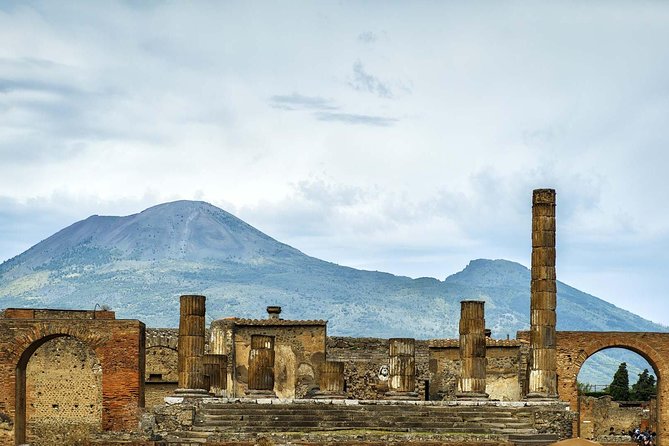
Then comes the heart: the Forum. Even roofless and partially open to the sky, it’s the most powerful way to picture politics, markets, and public gatherings. You can stand in the square and imagine people moving between temples and administrative spaces.
One extra visual advantage: the Forum’s framing gives you direct views toward Vesuvius. That’s not just scenery. It’s a reminder of how central the volcano was to the city’s geography and daily rhythm.
The Macellum: shopping, lunch, and commerce
Just off the Forum, the Macellum shows Pompeii’s principal food market. This stop is great for people who like everyday details. You’ll see porticoes and stalls you can picture being busy with fish, meat, fruit, and imported goods. Marble counters and storage spaces still communicate how organized the city’s food supply was.
Even better: you’ll spot the link between commerce and politics. A small shrine honoring the imperial family shows that buying and selling happened in the shadow of state power.
Forum Baths: social life behind hot water
The Forum Baths are among the most elegant bath complexes in Pompeii. The layout is readable: changing rooms, warm spaces, and hot plunge areas. It’s also a rare example where Roman engineering is still legible—heated floors and ventilation systems make the whole thing feel less like guesswork.
This is where Pompeii can start to feel human. You can almost time the day with the routine of meeting, socializing, and cleaning up.
The big houses: House of the Faun and House of the Vettii
If you want to understand social class in Pompeii, don’t skip the elite residences.
House of the Faun: wealth on a city-block scale
The House of the Faun covers an entire city block and feels more like a palace than a home. It’s famous for its mosaics, including the Alexander Mosaic, and for the bronze Dancing Faun that once greeted visitors at the entrance.
What I like about this stop is the scale. It’s not just one room; it’s a layout that signals status and cultural ambition—courtyards, columned spaces, and refined interior details.
House of the Vettii: myth and everyday life in one package
The House of the Vettii gives you color and story. This residence is filled with frescoes in playful and mythological themes that decorated nearly every wall. It includes a central garden with statues and fountains, plus private rooms around it.
If you’re worried Pompeii will feel like scattered walls, this is where it starts to feel like a home again. The paintings make it clear the wealthy didn’t just have money. They had taste and identity.
Pompeii blocks you’ll remember: Via dell’Abbondanza and Teatro Grande
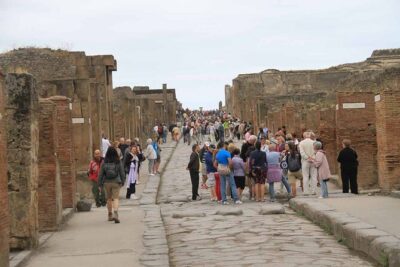
Walking the Via dell’Abbondanza is a smart move because it functions like the city’s main corridor. This is where shops, bakeries, bars, and workshops would have lined up to serve crowds moving between the Forum and the amphitheater area. You’ll notice stepping stones and water fountains, and the elevated walkways help you see the street layout without constantly stepping around uneven ground.
Then there’s the Teatro Grande. It’s an open-air theater built into the slope of the hill, designed for comedies, dramas, and musical performances. The acoustic design is still working today, which makes this stop feel more “alive” than many other ruins.
You can access panoramic viewpoints from elevated walkways above the stage, giving you a sense of how the theater sat in the city. It’s a great bridge between Pompeii as an archaeological site and Pompeii as a place where people once watched shows together.
Antiquarium and the Basilica: context that makes your walk click
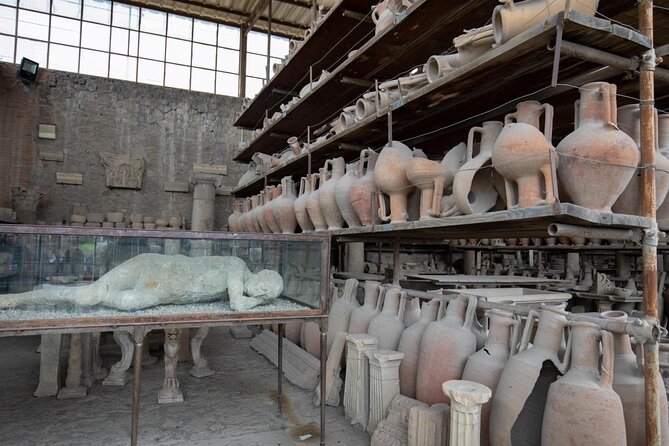
The Antiquarium is Pompeii’s main museum space for interpretation. It helps you connect fresco fragments, everyday objects, luxury items, and even plaster casts linked to the final moments of the eruption. The signage and multimedia guide you through Pompeii’s rise, destruction, and rediscovery, which is especially useful if you’re visiting without a guide.
Finally, there’s the Basilica, a civic building used for law courts and civic business. Even roofless, the columns and hall layout are still easy to picture. This stop gives you a second civic “why it mattered” moment after the Forum. Together, they help you understand how Roman public life ran on buildings built for meetings, disputes, and negotiations.
How the Pompeii guide option changes the experience
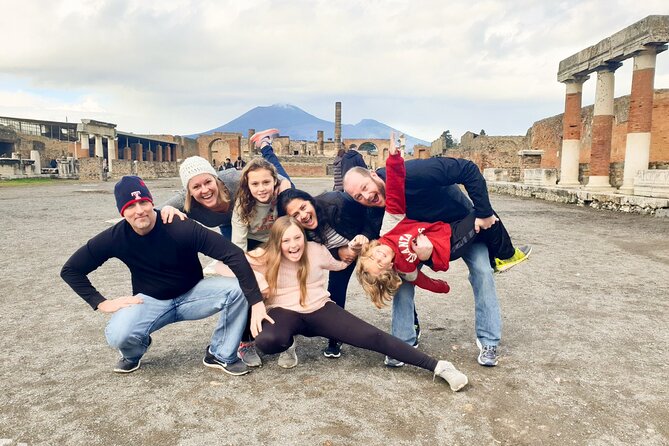
This tour offers a real choice: you can explore Pompeii at your own pace, or upgrade for tickets and a private Pompeii guide.
The practical difference is time and clarity. A good guide helps you avoid wandering. They point out what to notice in frescoes, floors, and street markings. They also help you connect sites that can look unrelated when you’re walking them alone.
The feedback you can trust most here is how guides were described as being engaging and able to tailor the pace. Names that came up repeatedly include Fabrizio (driver and in some cases the Pompeii guide), Viviana and Lavinia (Pompeii guide roles), and Umberto (also noted for engaging families). When the guide portion is done well, it also helps the day feel less rushed inside Pompeii.
If you’re going with kids, a guide upgrade is often the move. One family-friendly note in the feedback mentioned a guide handling questions well for kids ages 10 and 12, which is exactly what you want in a place that’s easy to overwhelm.
Amalfi Coast drive: why the car time is part of the attraction
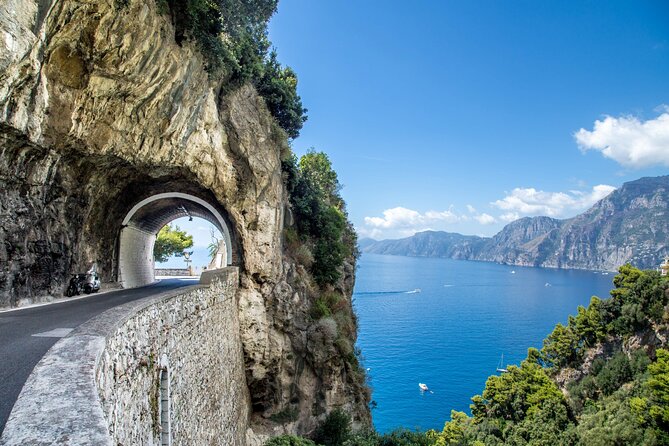
The Amalfi Coast portion isn’t just transportation. The route is designed for repeated viewpoint stops, so you’re getting the cliff-and-sea drama without having to drive yourself.
Expect constant changes: tunnels, perched villages, terraced lemon groves, and small harbors far below the road. With private transport, you don’t have to race the schedule to get one quick photo.
A key reality check: traffic and weekend crowds can cut walking time. The feedback specifically flagged that weekends can slow down driving and shrink stops. That’s why an early start matters. One trip described meeting the port early, which helped avoid lines and gave more useful time inside Pompeii.
Ravello: a calmer hour above the sea
Ravello is the payoff town in this itinerary. It sits high above the coastline and feels quieter than the towns down on the shore.
You get about an hour of free time, and that’s the right amount. It’s long enough to get your bearings, find a café, and walk the narrow lanes without turning the whole visit into a check-list.
Key stops you’ll hit include:
- Piazza Duomo and the 11th-century Cathedral with bronze doors.
- Artisan shops and scenic terraces where you can browse at a relaxed pace.
Then there are the gardens, which add the “artist pause” feeling to the day.
Villa Rufolo: the Grand Tour connection
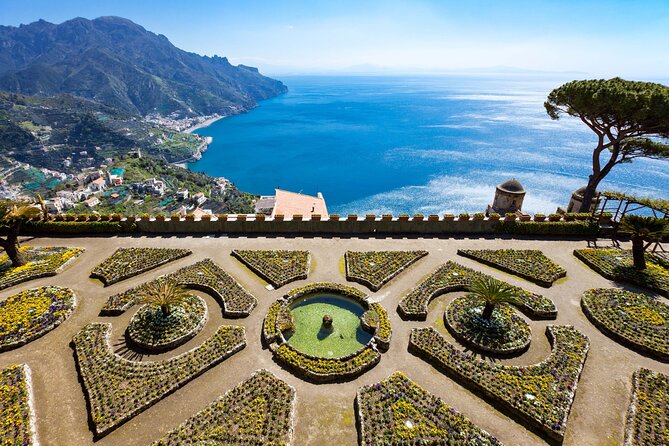
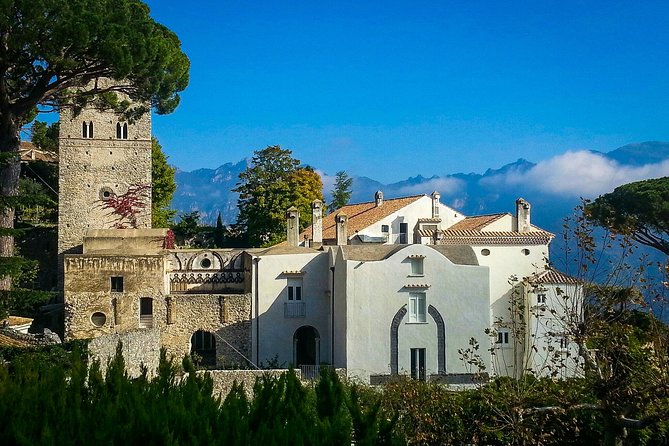
Villa Rufolo is just off Ravello’s main square. It has cloistered courtyards and Neo-Moorish arches, with tiered gardens and terraces that open onto the Amalfi panorama. It also has the Grand Tour story connection tied to European artists, plus the Wagner link associated with scenes inspired by its gardens.
This stop is short—about 15 minutes—so your goal here is viewpoint and atmosphere, not a deep garden tour.
Villa Cimbrone Gardens: the Terrace of Infinity
Villa Cimbrone is where people go for the signature outlook: the Terrace of Infinity. The marble bust-lined balustrade creates that sky-and-sea illusion. You’ll also find shaded walkways, rose terraces, statues, and decorative follies.
In the itinerary, Villa Cimbrone Gardens is about 30 minutes and admission is not included. If you care about doing the terrace, budget the extra entry fee and bring a little patience for people gathering for photos.
Short stops that add texture: Minori, Maiori, Cetara, Vietri sul Mare
This day isn’t only about two big names. It also threads through smaller towns where you can feel how coastal life runs.
Minori: the City of Taste
Minori is known as the City of Taste. It has a small beach, a gentle waterfront, and pastry shops that feel everyday rather than staged. You can also see a hint of ancient roots with a Roman maritime village site and a 1st-century villa remains.
The big draw here is simple: lemon-based specialties and handmade pastas, plus the chance to watch real coastal routine for a moment.
Maiori: a longer beach and a more open feel
Maiori has one of the longest beaches on the Amalfi Coast, so it feels breezier than the tight cliff towns. You’ll likely enjoy the wide promenade and easy access to the sea, plus pastel buildings climbing toward the mountains.
For many people, this is a low-stress stop: a walk and a coffee, then back on the road.
Cetara: still tied to fishing
Cetara is a small fishing village you see as the road curves. The harbor, colorful boats, and a medieval watchtower all point to a place built around the daily catch. Cetara is especially known for anchovy tradition, which makes this stop feel more grounded than purely tourist-focused areas.
Vietri sul Mare: ceramics and the gateway feeling
Vietri sul Mare is recognized for bright ceramic tiles and a domed church that glitters above the town. It’s often described as an artistic gateway to the Amalfi Coast because the hand-painted ceramics tradition still shows up on façades, shops, and signs.
This is a solid place to look for souvenirs without it feeling like a mass-market trap.
Timing, crowds, and the one thing to decide before you book
You have two major choices to make early:
1) Pompeii order and guide upgrade
Some itineraries on this route can adjust the order. One tip that came through in the feedback: going to the Amalfi Coast first can help you avoid larger morning crowds in Pompeii. If you’re sensitive to crowds and heat, ask about timing preferences when you confirm your plan.
Also decide whether you want the Pompeii guide option. If you want the place to make sense fast, pay for the guide. If you’re happy to walk and absorb on your own, you can still get plenty out of Porta Marina, the Forum area, and the key monuments.
2) How much walking you’re willing to do
Pompeii rewards patience and walking. The operator notes a moderate physical fitness level and even points out that cafés and gift shops are right in front of the ticket area if someone needs a break. Plan shoes accordingly.
If you’re traveling in peak summer heat, build in extra recovery time whenever possible. It’s a long day, and your energy affects everything.
Family fit and who this day trip works best for
This tour can work especially well for families who want one memorable day that doesn’t require navigation and multiple tickets. The feedback mentioned guides engaging kids and tailoring the tour to preferences.
It’s also a strong fit for couples who want romance and variety in one day: Pompeii’s stone-and-paint stories, then Ravello’s calm views above the sea, then smaller towns where you can snack and wander.
If you only want one stop—either just Pompeii or just Ravello—the price may feel less justified. But if your goal is to cover a lot of ground without stress, this is the “one vehicle, one day, you’re taken care of” style.
The places where this can feel rushed
Even with private transportation, the day can feel tight in certain conditions. The main culprit is time lost to driving delays on narrow roads and around busy coast towns.
The feedback also mentioned that the Amalfi Coast stop time can shrink when traffic is heavy, which reduced time to walk in places like Amalfi or Positano on some days. That’s why you should avoid assuming you’ll get a long, slow beach walk.
My practical advice: keep your must-do list short—one or two viewpoint moments, one garden stop if you’re paying admission, and a single Pompeii walk strategy (self-paced vs guided).
So, should you book this Pompeii and Ravello day trip?
I’d book this tour if you want Pompeii plus the Amalfi Coast in one day without logistics headaches, and you’re willing to pay for pickup, private driving, and a schedule that actually connects the sights.
I wouldn’t book it if you’re mainly chasing beach time or if you’re the type who gets frustrated when stop lengths shrink due to traffic. In that case, you might prefer a Pompeii-only day or a slower Ravello-focused plan.
If you do book, tip to use right away: decide whether you want the Pompeii guide upgrade, and consider asking for timing that reduces morning crowd stress. Then pack comfortable shoes, bring your own water, and treat the coast drive as part of the experience, not just a commute.