REVIEW · PRAGUE
Private Half-Day Tour From Prague To Terezín Concentration Camp
Book on Viator →Operated by Lucytours · Bookable on Viator
Terezín is quiet in the worst way. This private half-day from Prague is interesting because you’ll see both sides of the story in one tight visit: the Big Fortress turned into a wartime ghetto, and the Small Fortress used as a Gestapo-run prison for political prisoners. A good guide here can make the facts stick without turning the place into a lecture.
Two things I really like about this tour are the pacing and the focus. You get a private, guided walk through major sites (not just a quick drive-by), and you also get the human details that usually get skipped on bus tours—music, jazz ensembles, schools, artists, and even the camp magazine. One thing to consider: the tour info doesn’t fully agree on whether the ride is a limousine or simply a car/van, and you’ll want to plan for basics like water on your own.
In This Review
- Key things to know before you go
- Why Terezín needs context, not just dates
- Prague pickup and the ride out to Terezín
- Terezín Memorial: Big Fortress and the wartime ghetto story
- Small Fortress (Gestapo prison): what one hour is really for
- Ghetto Museum dormitories, hidden worship, and the secret chapel
- The crematorium stop: finishing with the hardest part
- Tickets, entrance fees, and the price reality check (around $301.70)
- Guides that keep the tone human: what to look for
- Who this private Terezín tour fits best
- Should you book this private tour from Prague?
- FAQ
- How long is the Prague to Terezín private tour?
- Is hotel pickup and drop-off included?
- Is this a private tour or a shared group?
- Are admission tickets included, or do I pay entrance fees on-site?
- What parts of Terezín will I visit?
- Will I get a guided tour at the site?
- Is food or drinks included?
- What language is the tour offered in?
- Does the tour run in bad weather?
Key things to know before you go
- Private guiding, not a crowd shuffle: your guide sets the tempo so you can linger at exhibits that hit harder.
- Big Fortress first, then Small Fortress: you’ll cover both the ghetto system and the Gestapo prison within the same day.
- You’ll learn how culture survived under terror: orchestras, jazz, schools, artists, and a camp magazine show up in the storytelling.
- Secret chapel and dormitories are part of the route: you’re shown spaces tied to hidden worship and everyday confinement.
- Entrance fees can be a small puzzle: adult pricing is listed as 215 CZK, with discounts for children, students, and seniors—double-check what’s included when you book.
- Comfort matters on a 5-hour outing: the subject is heavy, so having a smooth pickup and clean transport helps your brain focus.
Why Terezín needs context, not just dates
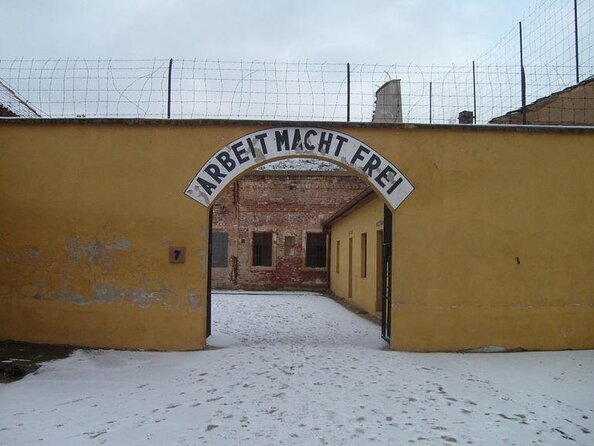
Terezín isn’t one stop. It’s a whole system, built to control people, hide crimes, and then let the world look away. The Big Fortress became a ghetto and transit point where Czech Jewish people were held and processed before being murdered by the Nazis. Then the Small Fortress tells a different, more direct story: it was used as a Gestapo-run prison for around 32,000 political prisoners.
What makes this tour feel worth your time is how the guide is expected to connect the site to the details of daily life—then to the tragedy. You’ll hear about uncounted losses, but also about how people tried to keep culture alive: orchestras, jazz ensembles, schools, artists, and the camp magazine. That mix can be emotionally tough, but it’s also honest. It shows you the Nazis didn’t just attack bodies; they tried to erase a future.
This is also the kind of place where your questions matter. Private guiding helps. If something feels confusing—like how one fortress relates to the other—your guide can slow down and clarify.
You can also read our reviews of more tours and experiences in Prague.

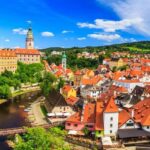

Prague pickup and the ride out to Terezín
The outing starts with pickup at a time and place that works for you—hotel, square, or even the airport area. That flexibility is a big deal if you’re staying somewhere off the main tourist grid or if you just don’t want to wrestle with directions before a heavy day.
You’ll then travel about an hour from Prague to Terezín in a private vehicle with a driver/guide. The operator’s name is Lucytours, an independent Prague-based agency that’s been operating since 1997, and the tours are described as family-run in tone. In the real world, that usually translates to less friction: you show up, you get picked up, and you’re not left to figure out logistics while your brain is already bracing for what’s next.
One practical consideration: the tour description uses the word limousine in one spot, while some people experienced it as a clean car/van. Either way, you’re going to a very serious site, so what matters most is comfort and reliability. Bring a light layer, because you’ll be outside in parts of the visit, and the day runs long enough that you’ll appreciate not being rushed.
Terezín Memorial: Big Fortress and the wartime ghetto story
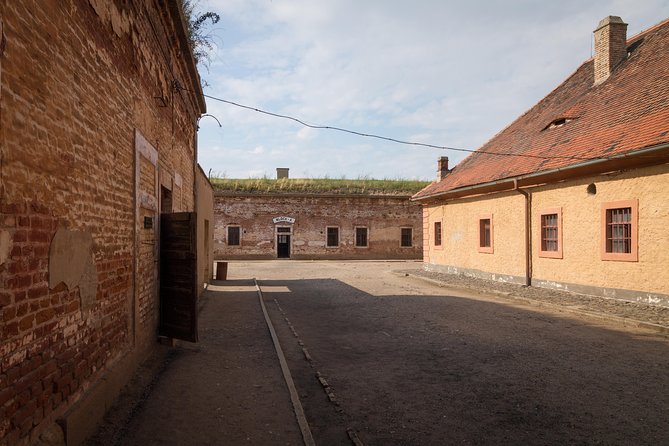
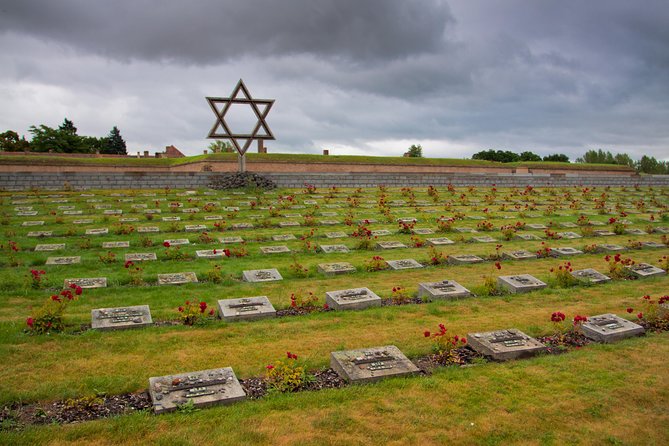
At the Terezín Memorial area, you’ll spend the bulk of your time, roughly four hours. This is where the Big Fortress role becomes real. You’ll explore areas tied to its transformation into a ghetto and transit hub—one of the reasons Terezín is studied so intensely in Holocaust history. The numbers and the system can feel abstract at first. With a guide, they connect to places you can walk through.
The route also includes the Ghetto Museum, where you’ll learn stories of some of the people imprisoned in the former fortress. Look for the room-by-room approach: it’s not just artifacts. It’s the way daily life is presented—what people wore, how housing worked, and what survival looked like in a place designed to crush it.
You’ll also see men’s and women’s dormitories. Those spaces are among the most unsettling parts of the entire experience, mostly because they shrink the time between then and now. You’re not only hearing about imprisonment—you’re stepping into the geometry of it.
If you do just one thing differently from a group bus plan, do this: slow down in the museum and take in the personal details before rushing outdoors again. When you walk back through the fortress afterward, the site makes more sense.
Small Fortress (Gestapo prison): what one hour is really for
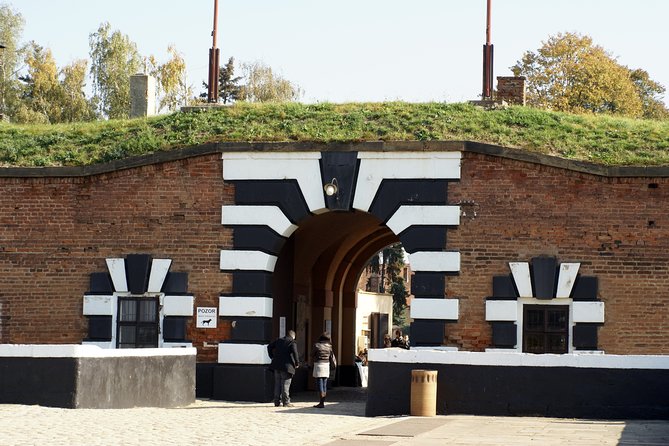
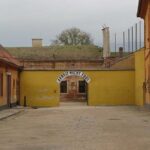
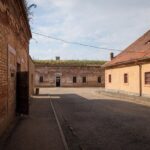
After the Big Fortress, you’ll continue to the Small Fortress, typically about an hour. This part is often shorter on the clock, but it doesn’t feel shorter emotionally. The Small Fortress served as a Gestapo-run prison for political prisoners, so the atmosphere shifts from ghetto administration to direct coercion and interrogation.
You’ll learn how the Nazis used the prison as part of a broader strategy—fear as a tool, not a side effect. A private guide is useful here because it’s easy to get lost if you’re trying to memorize everything from signage. Let the guide do the organizing, then use your own pace for the difficult bits.
If you’re sensitive to graphic or emotionally intense content, it’s still a visit many people choose, but you should go in with the right mindset: this isn’t entertainment, and it won’t try to soften the message. You’ll likely come away thinking about how small spaces, routine, and power shape human behavior.
Ghetto Museum dormitories, hidden worship, and the secret chapel
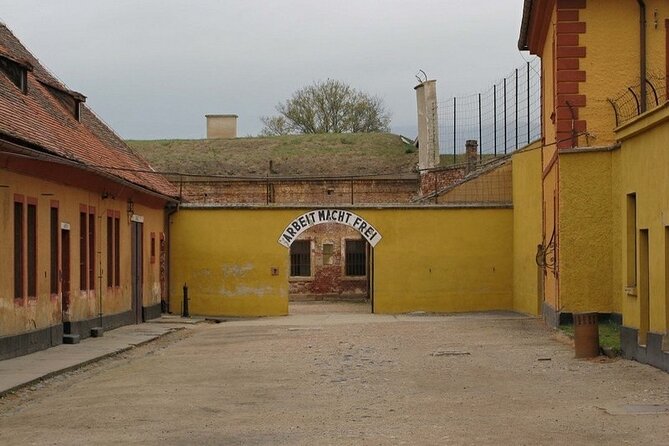
This tour doesn’t stop at “here’s where people were held.” It also points to the ways people tried to keep meaning alive—sometimes in secret.
In the Ghetto Museum area, you’ll see dormitories for both men and women and hear stories that connect those spaces to real lives. Then there’s a stop for a secret chapel, where ghetto inhabitants held hidden services. Even if you don’t consider yourself religious, this moment can be one of the most powerful stops, because it shows how faith and community refused to disappear on command.
A quick practical tip: pace yourself. These are not separate “attractions.” They’re emotional checkpoints that build on each other. If you rush the museum, the chapel might feel like just another room. If you take it step by step, it hits harder—in a meaningful way.



The crematorium stop: finishing with the hardest part
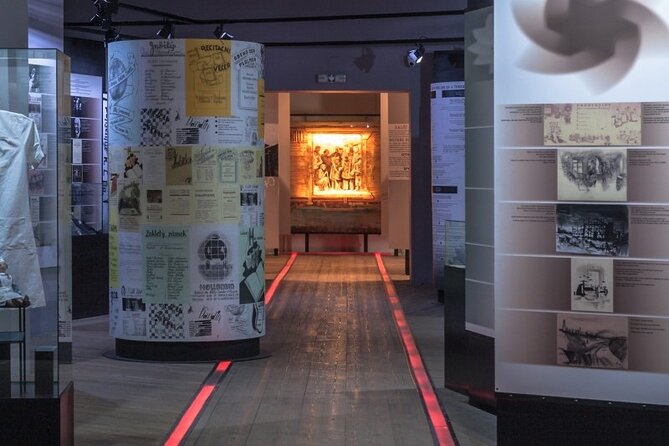
Your final stop is the crematorium. This is the portion of the visit where you’ll understand, in a physical way, that the system didn’t end at detention or deportation—it aimed at total destruction.
What you’ll notice on site is how the memorial experience is structured: you move through spaces that make the process feel real, then you’re given room to take it in. Some guides also reference the memorial spaces tied to ashes from different concentration camps, which can be a particularly tough moment because it reduces scale into one focused reminder of loss.
If you’re prone to sadness or anger on history days, this is where you’ll feel it most. That’s normal. Bring water, slow your breathing, and don’t be afraid to take five minutes alone if you need it.
Tickets, entrance fees, and the price reality check (around $301.70)
The tour price is listed at $301.70 per person for a private half-day that runs about five hours. You’re paying for several things at once: pickup and drop-off, a private guide, and the transportation from Prague. In other words, you’re not just buying “access”—you’re buying time, context, and a less stressful day.
Here’s the part you should double-check: the info provided says two different things about admission. One section notes entrance fees at the site aren’t included, while the inclusions list says admission tickets are included. Either way, you should be ready for the official entrance fees to matter.
Entrance fees are listed as:
- 215 CZK for adults
- 165 CZK for children ages 6–18
- Students with identification cards
- Seniors over 65
- Family tickets for up to two adults and three children for 425 CZK
So, what’s the value at $301.70? For many people, it comes down to whether they want:
- a guide who can explain what you’re seeing as you go, and
- the freedom to move at your pace in a place that doesn’t feel “fast” even when you want it to.
The private format also helps you avoid the common problem on Holocaust history days: being herded through difficult spaces while you try to read signs over walking noise.
Guides that keep the tone human: what to look for
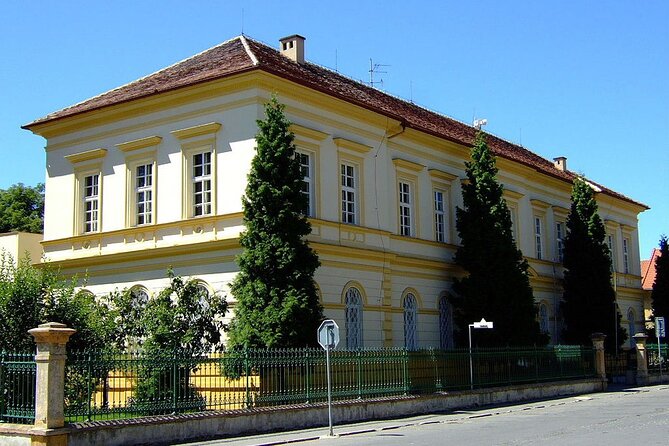
A Terezín guide needs a specific skill set: clarity, empathy, and the ability to handle heavy material without turning it into melodrama. In the guide names associated with this operator, several have stood out in how they balance facts with sensitivity. Names that have been singled out include Petr Kotlar, Jan, Pavel, Patrick, Paul, Vaclav, and Roman.
Whether you get one of those guides or someone else on the roster, you can use this checklist the moment you meet them:
- Do they explain what you’re looking at before you get lost in exhibits?
- Do they handle difficult topics with care, not cold facts only?
- Do they give you enough time to absorb the spaces you’re walking through?
If your guide does those things, this tour earns its price.
Who this private Terezín tour fits best
You’ll likely love this if you want a guided, serious, structured visit with hotel pickup and a private format that helps you control pace. It’s also a good match for:
- history-minded travelers who want both the Big and Small Fortress stories in one day
- people who prefer questions over quiet self-guided reading
- visitors who appreciate being guided through emotionally intense sites with sensitivity
It’s less ideal if you strongly prefer silent, unguided museum wandering. The subject is intense, and you might want to control every moment yourself rather than listening to a spoken narrative.
Good to know: service animals are allowed, and the tour runs in all weather conditions—dress appropriately so you stay focused, not distracted by cold or rain.
Should you book this private tour from Prague?
Book it if you want the simplest path to a meaningful, guided Terezín day—pickup, transportation, and a local guide who can connect the Big Fortress ghetto story to the Small Fortress Gestapo prison reality. With the Ghetto Museum, secret chapel, and crematorium included in the route, you’ll get the full arc without having to plan every stop.
Skip or rethink if you’re trying to keep costs very low, or if you expect a comfortable pace and then discover you’re sensitive to long, emotionally heavy walking. Also, before you go, confirm how entrance fees are handled and what vehicle to expect, since the information about limousine vs car/van isn’t perfectly consistent.
FAQ
How long is the Prague to Terezín private tour?
It’s listed at about 5 hours total.
Is hotel pickup and drop-off included?
Yes. Pickup and drop-off are included, and pickup can be arranged at a place that suits you.
Is this a private tour or a shared group?
This is a private tour/activity, so only your group participates.
Are admission tickets included, or do I pay entrance fees on-site?
The provided information is inconsistent: one part says entrance fees are not included, while the inclusions list says admission tickets are included. Entrance fees are listed by age category (for example, 215 CZK for adults), so you should confirm how your booking handles admission.
What parts of Terezín will I visit?
You’ll visit the Terezín Memorial (Big Fortress) and the Small Fortress, plus stops including the Ghetto Museum, dormitories, a secret chapel, and the crematorium.
Will I get a guided tour at the site?
Yes. The experience includes a private tour guide.
Is food or drinks included?
No. Food and drinks are not included.
What language is the tour offered in?
The tour is offered in English.
Does the tour run in bad weather?
Yes, it operates in all weather conditions. Dress appropriately.