REVIEW · MARRAKECH
Private Atlas Mountains & Berber villages day trip & camel ride
Book on Viator →Operated by astara tours · Bookable on Viator
A camel ride in the Atlas changes everything. This private day trip from Marrakech mixes Berber villages, an argan oil co-operative visit, and classic mountain scenery like Imlil Valley and the Tibidert Gorges (the ones shown in Tom Cruise’s film). You’ll also get out of the city fast, with hotel pickup and a guide who keeps the day moving at a comfortable pace.
What I really like is the way the experience ties food to place: you learn about argan oil, then you eat a traditional, locally made three-course lunch with mint tea. The other standout is the human side—guides such as Badr, Karim, Nassim, Wassim, and Monsieur Mohamed are repeatedly praised for being attentive, friendly, and in many cases very good at French. One consideration: you’ll need moderate fitness for walking in valleys and hamlets, and winter travel can mean chilly mornings, so good sneakers and warm layers matter.
In This Review
- Key highlights worth your attention
- Leaving Marrakech for the Atlas, without wasting the day
- Lalla Takerkoust: start with camel time and big views
- Atlas Mountains scenery: Kik Plateau, Asni Valley, and the valley rhythm
- Imlil Valley and Berber hamlets: where the day becomes personal
- A stop for movie-famous scenery: Tibidert Gorges
- Tahnaout Valley photo time: villages + postcard stops
- Food and argan oil: breakfast, mint tea, and a real 3-course lunch
- How the guides really shape the experience
- Price and value from a practical angle
- What to bring (and what to expect) so it feels easy
- Is this tour the right fit for you?
- FAQ
- What time does the tour start, and how long is it?
- Do I get pickup from my hotel or riad?
- What does the camel ride include and how long is it?
- What kind of food and drinks are included?
- How fit do I need to be, and what should I wear?
- What if weather is bad?
Key highlights worth your attention
- Argan oil co-operative visit with breakfast and local insight
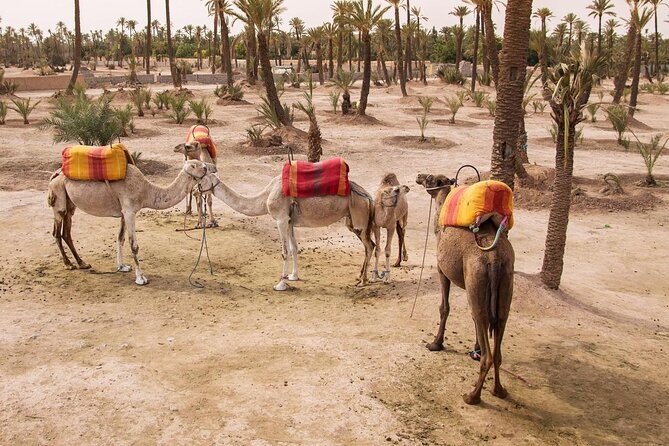
- Camel ride in the Lalla Takerkoust area for photos and a real taste of local rhythm
- Guided Berber village strolls in Imlil and surrounding valleys
- Three-course lunch made by locals, with vegetarian/vegan options
- Mountain scenery stops including Tibidert Gorges and photo-friendly viewpoints in Tahnaout Valley
Leaving Marrakech for the Atlas, without wasting the day
This tour is built for people who want the Atlas Mountains in one shot, without the stress of planning. Pickup is offered from your hotel or riad, and you head out in an air-conditioned vehicle. The day starts at 8:30 am, and the whole outing runs about 7 hours.
I like that the route is structured like a “greatest hits” loop: a quick first stop to get you into the countryside mood, then a sequence of valleys where the scenery and village life keep changing. You’re not stuck staring at the inside of a bus for hours in a row.
Your guide sets the pace, but this isn’t a “sit and look” itinerary. The physical requirement is described as moderate fitness, and there’s walking through valleys/hamlets. If you’re comfortable strolling for a bit on uneven paths, you’ll be fine.
You can also read our reviews of more tours and experiences in Marrakech.
Lalla Takerkoust: start with camel time and big views
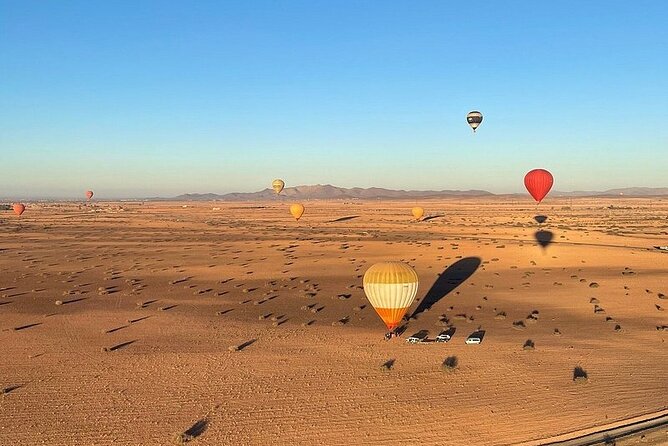
The morning swing to Lalla Takerkoust is short—about 30 kilometers south of Marrakech—which helps you feel like you’re escaping the city quickly. It’s close to the Agafay Desert area, so the scenery has that rugged, open feel even before you hit deeper mountain country.
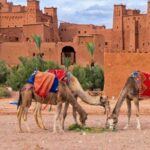
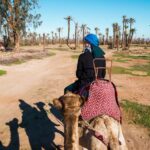
Here’s where the camel ride happens. Expect a short ride—described as around 20 to 30 minutes—guided by a camel handler who gets you ready before you mount up. For me, that’s the right length: long enough for photos and the experience, not so long that the day drags.
Practical note: even if you’re only riding for a short time, wear closed-toe shoes and keep your phone secure. Paths and handling can be rustic.
Atlas Mountains scenery: Kik Plateau, Asni Valley, and the valley rhythm
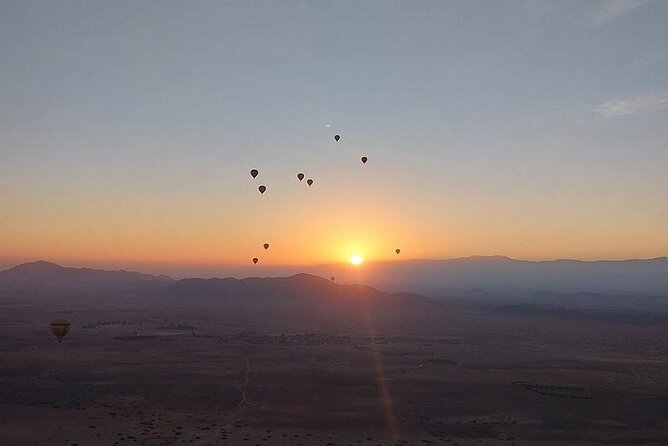
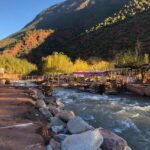
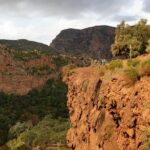
After Lalla Takerkoust, the day turns into a mountain drive along the Kik Plateau, where you’ll pass through green fields and get expanding views of peaks. One of the nice things about this part of the route is how it shifts from open countryside into valley life.
You’ll also pass through Asni Valley, which is often described as a must-visit stop for its views and agricultural scenery. This is the kind of place where you get context for what you’ll see later: terraces, fields, and villages that look like they grew out of the landscape rather than been placed into it.
At this point, you’ll likely notice the big advantage of having a local guide. They don’t just point. They explain what you’re looking at—why the valleys look the way they do, and what’s typical about village life in this region.
Imlil Valley and Berber hamlets: where the day becomes personal
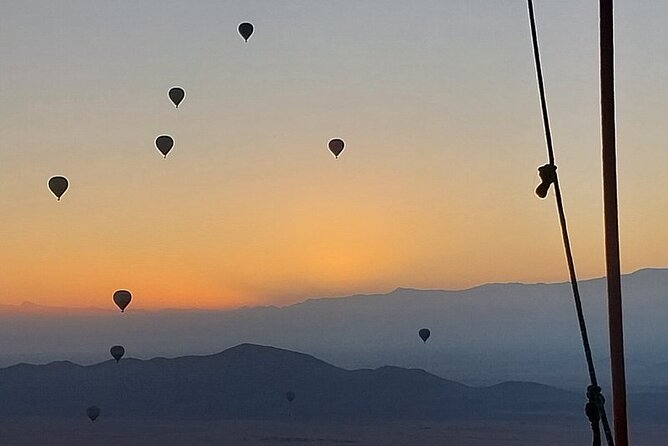
Then comes Imlil Valley, one of the best-known areas for Atlas village experiences. This is where the tour shifts from sightseeing into cultural time. You’ll have a chance to enjoy authentic Moroccan and Berber dishes (part of the meal story of the day), and you’ll also take a guided stroll through the valley.
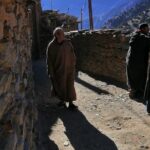
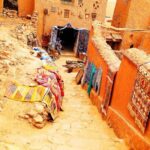
What makes this part valuable isn’t only the views. It’s the village rhythm—fields, homes, and the way people live on a daily schedule shaped by the mountains. The itinerary calls out Berber villages and scenic vistas, and the guiding style matters here: in the feedback you’ll find praises for guides like Nassim and Wassim for being attentive to what guests need, not just marching everyone down a path.
Depending on the day and how the guide plans the walk, you might also catch glimpses of things like walnut groves and waterfall-style stops (one guide-led hike was described that way). If you’re the type who likes small nature details—not only big postcard shots—this stop can feel like the core of the day.
A stop for movie-famous scenery: Tibidert Gorges
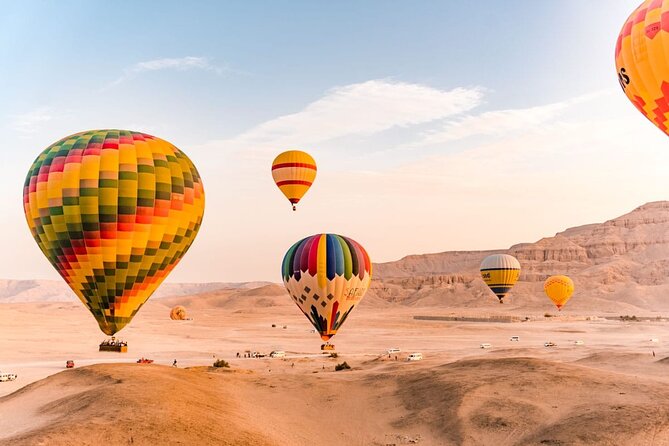
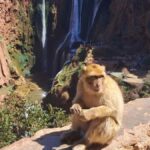
Next is the Tibidert Gorges, a location featured in Tom Cruise’s film. Even if you’re not a movie person, this is a good “stretch your legs and reset your eyes” break.
Gorges like this usually mean steep, dramatic terrain and narrow views—perfect for photos, but also a reminder that roads here are built around the landscape, not the other way around. The big upside of the tour format is that you’ll get to this type of spot without navigating it yourself.
This part can be photogenic in multiple light conditions. If you’re sensitive to glare, early-morning light usually helps, but midday can also work if you angle shots and avoid standing directly under harsh sun.

Tahnaout Valley photo time: villages + postcard stops
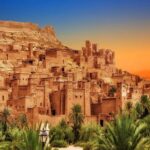
The day continues through the Tahnaout Valley, known for idyllic village scenes and good photo opportunities. This is one of those late-day stops that feels like the tour’s “send-off”—you’re already tired from being outside, but the scenery keeps rewarding you.
If you’re traveling as a couple or with friends, this is a good point for quick group photos and short walks to viewpoints. If you prefer a slower pace, this is where you can slow down and let your guide tailor where you spend extra minutes.
Food and argan oil: breakfast, mint tea, and a real 3-course lunch
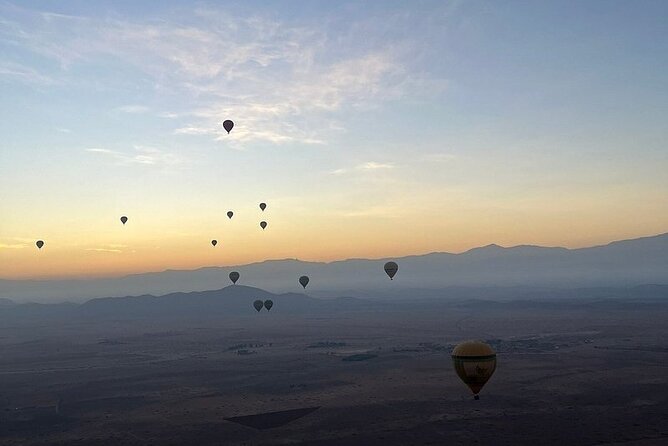
This tour earns its keep with food that feels tied to place, not staged for tourists. You’ll start with breakfast at an argan oil co-operative. The point isn’t only the product—it’s the local process and the people behind it, which helps you understand why argan oil is such a big deal in this region.
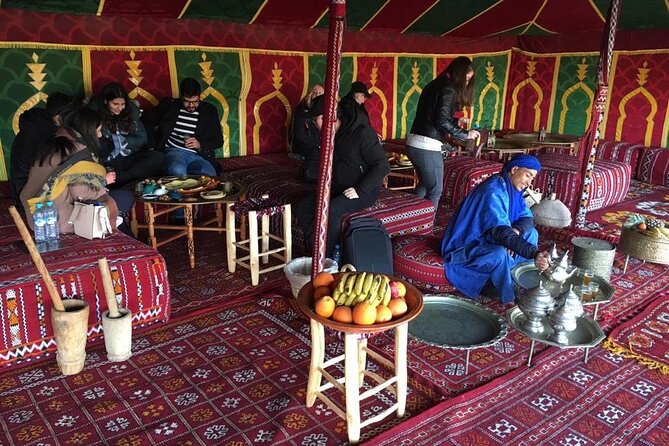
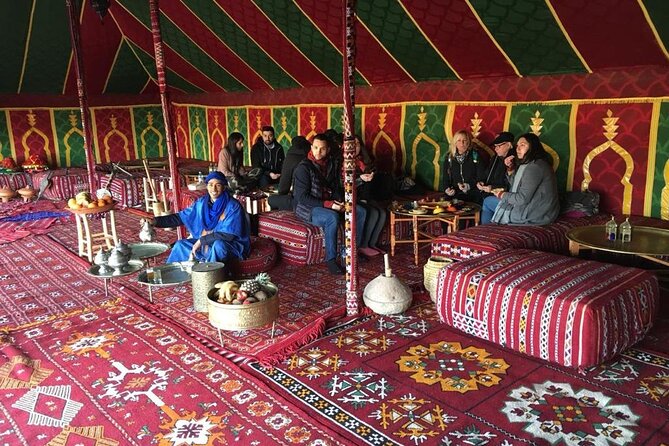
Then lunch lands with a classic setup: a three-course meal and mint tea, made and served by locals. Vegetarian and vegan options are available, which is a big plus if you’re picky about food on the road.
A Berber-family style meal is usually one of the best moments in a day like this because it slows everything down. After hours of driving and walking, you get warmth, conversation, and a chance to learn how daily life connects to what you’ve been seeing outdoors.
If you care about food, keep your expectations realistic. This is rustic, local cooking—not a plated restaurant experience. But that’s exactly why it works.
How the guides really shape the experience
One theme pops up in the feedback: the guides make the day. People praised safe, comfortable driving (including a chauffeur named Karim), and they also praised guides for being attentive to guest needs and for speaking French well (Monsieur Mohamed is named in one account).
I’d treat guide quality as part of the “value” equation here. With a route full of valleys and village stops, you’ll get much more from the day if someone explains what’s happening. When a guide is flexible—stopping for the right photo moments, adjusting walking pace, and keeping the group together—the whole day feels easier.
Price and value from a practical angle
At $75.60 per person, this tour is priced in the “one good day” category from Marrakech. What makes it feel fair is that you’re not paying only for driving and viewpoints.
You’re also getting:
- round-trip transfer support (hotel/riad pickup),
- air-conditioned transport,
- a guided Atlas experience,
- breakfast at an argan oil co-operative,
- a three-course lunch with mint tea,
- and a camel ride.
The camel ride alone would cost extra if booked separately, and the meal experience usually isn’t cheap when done properly with locals. When everything is packaged together, you spend less time organizing and more time in the mountains.
If you’re trying to stretch your budget, I’d compare it to piecing together taxis + separate guide services + lunch. Even without doing a spreadsheet, this package approach tends to win for first-time Atlas visitors.
What to bring (and what to expect) so it feels easy
Weather matters here. The tour notes that it requires good weather; if conditions are poor, it can be rescheduled or refunded. Since mountain conditions can shift quickly, layers are your friend.
Pack:
- comfortable sneakers for walking (paths can be uneven),
- warm clothes for winter,
- a layer for sun and shade (valleys can feel cooler than Marrakech),
- and water (even though you’ll have tea and food, you’ll still be outside).
As for timing, you’ll start early at 8:30 am and spend most of the day on the move. Build in the mental plan: you’re going to do a lot, and you’ll be happier if you keep your expectations simple—see the valleys, meet people, eat well, and take photos.
Is this tour the right fit for you?
You should book it if you want:
- a single-day Atlas experience with Berber villages and real food,
- hands-on learning through an argan oil co-operative,
- a camel ride experience that’s short and not exhausting,
- and someone local guiding you through valleys like Imlil and stops such as Tibidert Gorges.
You might skip (or at least think carefully) if:
- walking in uneven valley paths sounds unpleasant,
- you hate early starts (this one begins at 8:30 am),
- or you’re traveling in a season where you know winter cold might be rough without proper layers.
This is a good “first Atlas day” tour—especially if it’s your first time near Marrakech and you want the region’s culture, not just the scenery.
FAQ
What time does the tour start, and how long is it?
The tour starts at 8:30 am and runs for about 7 hours.
Do I get pickup from my hotel or riad?
Yes. Hotel pick-up is included, and the tour also mentions a designated meeting point.
What does the camel ride include and how long is it?
A camel ride is included and is described as about 20 minutes (it’s also described as a short ride around half an hour).
What kind of food and drinks are included?
You’ll have breakfast at an argan oil co-operative, and you’ll also enjoy a three-course lunch made and served by locals, plus mint tea. Vegetarian and vegan options are available.
How fit do I need to be, and what should I wear?
The tour notes a moderate fitness level is needed. Bring comfortable sneakers and warm clothes for winter.
What if weather is bad?
The activity requires good weather. If it’s canceled due to poor weather, you’ll be offered a different date or a full refund.