REVIEW · MARRAKECH
Ourika Valley Day Trip From Marrakech – Ourika Valley Marrakech
Book on Viator →Operated by HDIDA Tours · Bookable on Viator
A day trip to Ourika can be one of your best Marrakech returns. You’ll ride up through the High Atlas, hike to the Setti Fatma waterfalls, and spend time with Berber families and argan producers. One catch: the day is packed, and lunch is listed as an own-expense stop, so you’ll want a little money ready.
I like that this tour keeps things organized without feeling like a speed-run. You get hotel pickup in Marrakech, an air-conditioned vehicle, and a real guide for the day’s rhythm. If you’re hoping to choose every restaurant yourself, note that the food part can feel fixed once you’re on the ground, and one guest said they felt a bit rushed.
In This Review
- Key things to know before you go
- How the Ourika Valley day trip runs from Marrakech
- Morning drive: High Atlas views plus an argan oil stop
- The Setti Fatma waterfall hike: your main active moment
- Ourika Valley waterfalls and the lunch reality
- Berber home visit, mint tea, and cultural exchange
- Markets, handicrafts, and the end-of-day rhythm back to Marrakech
- Price and value: what you’re getting for about $14
- Group size, transport comfort, and pacing (the stuff that makes or breaks the day)
- What to bring and how to make your day feel smoother
- Should you book this Ourika Valley day trip?
- FAQ
- How long is the Ourika Valley day trip from Marrakech?
- What time does the tour pick me up in Marrakech?
- Is hotel pickup and drop-off included?
- What’s the main activity in the Ourika Valley part of the day?
- How long is the hike to Setti Fatma waterfalls?
- Are there natural pools you can swim in?
- Is lunch included in the tour price?
- What does the tour include in terms of transport and safety?
- How much does the tour cost?
- How big is the group?
Key things to know before you go
- 8 to 9 hours door-to-door time makes it a full day, not a quick half-trip
- Moderate 1.5-hour hike to Setti Fatma means good shoes matter
- Seasonal natural pools at the waterfalls can mean swim time only sometimes
- Max 17 travelers keeps the group small and easier to manage
- Argan oil cooperative + women’s production gives the story behind the famous product
- Lunch isn’t clearly included in the day plan, so plan for an extra cost
How the Ourika Valley day trip runs from Marrakech
This is a classic “Marrakech to the mountains and back” outing. You leave around 8:30 AM with hotel pickup, then you spend your day split between moving through the High Atlas Mountains, walking to waterfall views, and stopping at Berber homes and artisan places along the way. You return by about 5:30 PM.
The tour uses an air-conditioned vehicle, and it includes transportation insurance plus a guide. That matters more than you might think on a long day: the Atlas roads can take time, and having someone who knows the stops helps you spend energy on the views, not on figuring out logistics.
Also, this is a small group up to 17 people. In practice, that usually means less waiting around than larger bus tours and a smoother flow at quieter cultural stops.
You can also read our reviews of more tours and experiences in Marrakech.
Morning drive: High Atlas views plus an argan oil stop
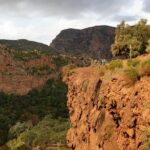
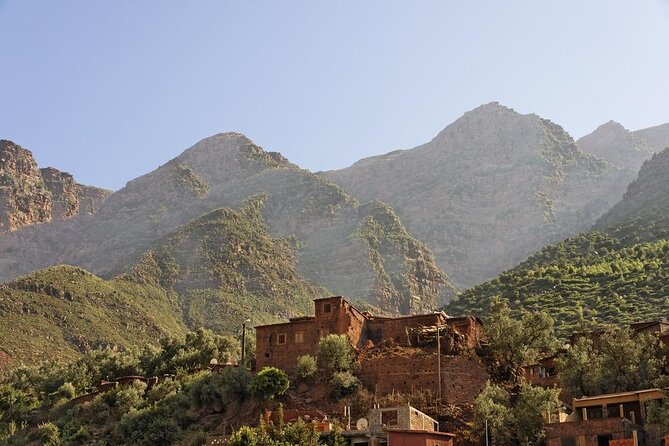
The first big chunk is the ride. Expect a scenic drive from Marrakech up through the High Atlas Mountain area toward Ourika. If you like window-seat travel, this is one of those routes where the scenery is part of the payoff.
Early on, you’ll stop at an argan oil cooperative where you can see traditional production methods. This is one of the best “value” moments in the day because it turns a product you’ve seen in shops into something you can actually picture: where the oil comes from, how it’s processed, and why it matters for local livelihoods.
From the tour overview, there’s also additional argan-focused time later (including an argan shop and women’s cooperatives producing argan oil). So you’re not just doing one quick stop—you get repeated chances to connect the dots between the trees, the hands that work them, and the final bottles sold to visitors.
The Setti Fatma waterfall hike: your main active moment
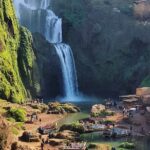
The highlight hike is to Setti Fatma waterfalls. You begin a moderate 1.5-hour walk. This is the moment most people plan for, and it’s also the point where the tour becomes physically “real.”
Here’s what that means for you:
- You should dress for a walk (comfortable footwear helps).
- Your pace will depend on the group, and the day’s weather can change conditions around the trail.
Once there, you’ll take in the waterfalls and the surrounding valley atmosphere. One important seasonal detail: the Ourika Valley section later mentions natural pools for swimming only in season. For Setti Fatma, you should treat water access as conditions-dependent rather than guaranteed.
Also, guide quality seems to matter here. One guide name that came up for hands-on help during the climb was Ibrahim, described as helpful in getting people up during the hike. Another guide name you might hear is Majid, praised for attentiveness and listening. Different groups can get different guides, but the pattern is the same: you’ll do better if you’re willing to follow instructions and ask for pacing.
Ourika Valley waterfalls and the lunch reality
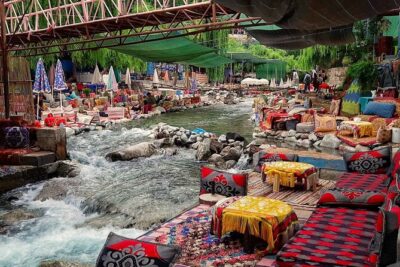
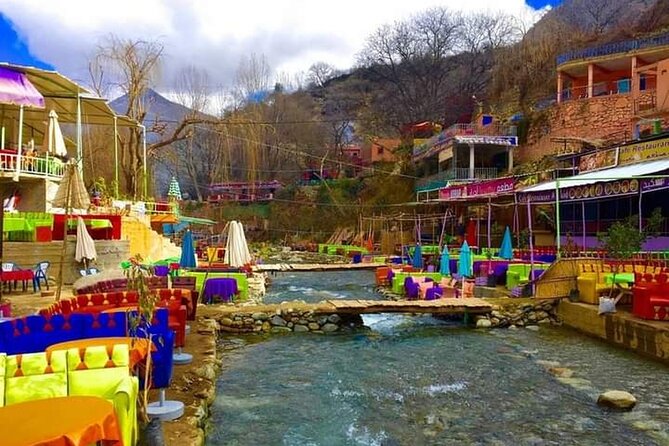
After the hike, you move into the Ourika Valley itself. This part centers on waterfalls and time in the valley area, with an option for swimming in natural pools (seasonal). In other words: if the season is right, you might get water-time; if not, you’ll still get the scenery and the chance to linger.
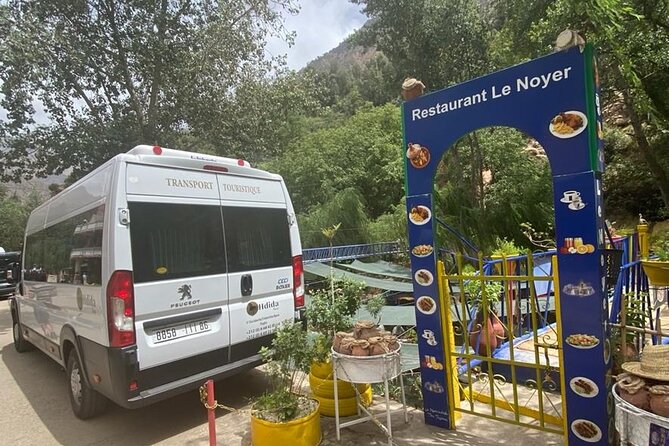
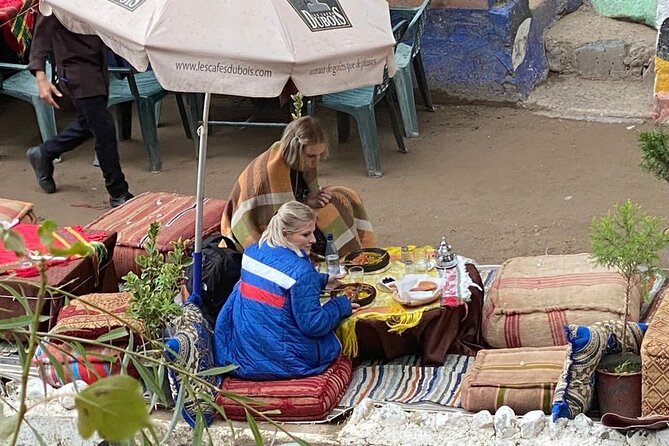
About lunch: the day description includes a traditional Berber lunch opportunity with valley views, but it’s also explicitly listed as own expense in the stop details. That’s not a dealbreaker, but it does change the “value math.”
So how should you handle this?
- Bring a budget for food even though you’re paying a low tour price.
- If you have dietary needs or you’re traveling with kids, plan to ask what’s possible when you get there. One person said kids weren’t discounted at the restaurant and that choice was limited, which can make the meal feel less flexible than expected.
The positive side: the lunch is positioned as a sit-down break in a scenic area, so it’s not just rushing through a viewpoint while you eat a sandwich standing up.
Berber home visit, mint tea, and cultural exchange
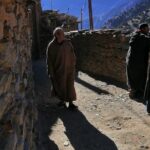
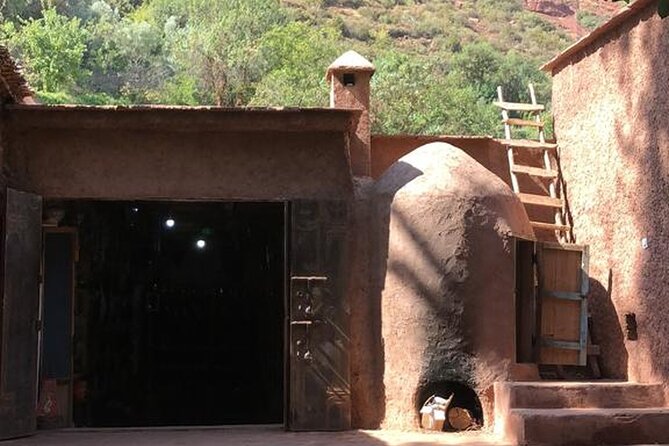
One of the more meaningful stops is the time at a local family home. You’ll have mint tea and a cultural exchange, usually short but personal. This isn’t a museum-style performance. It’s the kind of stop where the goal is to understand how daily life works—how people live with the seasons, what traditions still matter, and what families want visitors to notice.
You also visit a Berber House earlier in the overview and see pottery making as part of the cultural and craft experience. Those two elements are worth paying attention to because they shift you from “tourist consumer mode” into “craft and home context.” You start to see that pottery and daily household items are tied to a way of life, not just a souvenir line.
If you’re the type who enjoys asking respectful questions, this is where you’ll get the most from the day. The best moments tend to happen when you slow down a bit and let the conversation go where it goes.
Markets, handicrafts, and the end-of-day rhythm back to Marrakech
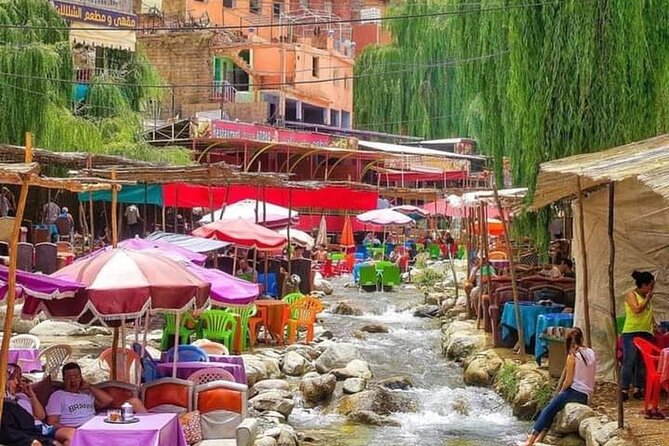
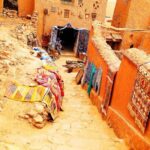
Later in the day there’s time in an Ourika-area market visit for handicrafts and souvenirs, followed by return photo stops on the drive back. This portion can be quick depending on the group pace, so don’t expect hours of wandering.
What you can expect from these market moments:
- You’ll see the kinds of items tourists often buy in the region.
- You’ll have a chance to grab small gifts if you want something practical.
Then you’re back on the road, aiming for a 5:30 PM drop-off.
For a 8–9 hour day, the timing is tight enough that you’ll want to keep expectations realistic: the goal is to see a lot, not to slow-trip every stop.
Price and value: what you’re getting for about $14
At $13.96 per person, this tour is priced like a budget-friendly way to experience the Atlas and Ourika Valley without arranging everything yourself. The big value pieces are:
- Hotel pickup and drop-off
- Air-conditioned transport
- A guide
- Included admissions at key points (for example, the cooperative and parts of the waterfall areas)
But here’s the balanced part. The day still includes costs that aren’t wrapped into the ticket, and lunch is the clearest example. Also, one guest said an extra guide cost of 5 euros for two people wasn’t mentioned in the tour description. That’s not guaranteed, but it’s a good reminder to ask what any on-the-ground fees might be before you commit to the meal plan.
If you’re traveling as a pair, even small add-ons can change the effective per-person value. If you’re traveling solo, the tour’s fixed costs can feel more noticeable when you add lunch and tips.
Group size, transport comfort, and pacing (the stuff that makes or breaks the day)
This tour caps at 17 travelers, which is a big plus. Smaller groups tend to move faster at viewpoints and are easier for the guide to manage during the hike.
The vehicle is air-conditioned, and the long ride back from the valley is the moment many day trips start to feel tiring. Getting comfortable early helps you enjoy the waterfalls instead of rushing through them mentally.
Pacing is the other key. The itinerary is structured with set stops, so you’ll feel a consistent flow. That can be good if you like order. It can also be the reason one person felt hurried during the restaurant part. If you hate feeling rushed, I’d treat meal time as flexible: bring a snack mindset, keep your expectations about restaurant choice modest, and focus on the cultural moments and waterfalls.
What to bring and how to make your day feel smoother
You’ll walk for about 1.5 hours on the Setti Fatma route, and you’ll likely do standing and moving around at waterfalls and in village areas. So build your comfort around that.
I recommend:
- Comfortable walking shoes for a moderate hike
- A small day bag for water and essentials
- Some cash for lunch since it’s listed as own expense
- A light layer, since mountain weather can shift during the day
Also, if you’re planning to shop at the market or argan stops, decide in advance what you want (small gifts, not big-ticket items). Day trips move fast, and it helps to avoid making purchases when you’re already tired.
Should you book this Ourika Valley day trip?
I’d book it if you want a single-day Ourika experience that mixes scenery, a real hike, and cultural stops without needing to coordinate transport on your own. The combination of High Atlas driving, the Setti Fatma waterfalls hike, and the argan and Berber home/craft components makes it a strong value play for the price.
I’d think twice if:
- You need full control over lunch choices and timing
- You dislike feeling scheduled throughout the day
- You’re sensitive to any extra on-the-ground fees that aren’t clearly included
If you go in knowing lunch is likely extra and the day is intentionally structured, you’ll probably leave happy—especially if the waterfalls and the walk are what you came for.
FAQ
How long is the Ourika Valley day trip from Marrakech?
The tour lasts about 8 to 9 hours.
What time does the tour pick me up in Marrakech?
Pickup starts at 8:30 AM.
Is hotel pickup and drop-off included?
Yes. Hotel pickup and hotel drop-off in Marrakech are included.
What’s the main activity in the Ourika Valley part of the day?
You’ll hike to the Setti Fatma waterfalls and then spend time around the Ourika Valley waterfalls area.
How long is the hike to Setti Fatma waterfalls?
The hike is described as a moderate 1.5-hour walk.
Are there natural pools you can swim in?
The waterfalls area notes natural pools for swimming are seasonal.
Is lunch included in the tour price?
Lunch is listed as own expense in the itinerary stop for the valley meal, even though the overview mentions lunch.
What does the tour include in terms of transport and safety?
You get an air-conditioned vehicle, transportation insurance, and a guide.
How much does the tour cost?
The price is $13.96 per person.
How big is the group?
The tour has a maximum of 17 travelers.