REVIEW · BELGRADE
Northern Serbia: Sremski Karlovci and Novi Sad Full-Day Tour from Belgrade
Book on Viator →Operated by VICTOR TOURS · Bookable on Viator
Sremski Karlovci feels like time travel. This full-day trip from Belgrade mixes baroque streets, Orthodox monastery culture, and Danube views, all wrapped in one easy plan. I especially like how it gives you real Vojvodina context and then drops you into the places where Serbia’s mix of cultures shows up in stone, icons, and street life.
What I love most is the pace with breathing room at each stop, and the way the guide turns the drive and sights into a story you can actually follow. When the group is led by guides like Milica or Ivana (also Jelica, Nikola, and Konstantin in past runs), the explanations tend to land, not just recite dates.
The main thing to consider is that the day is full. If you want extra time for slow wandering on top of Petrovaradin Fortress or deeper time in Novi Sad, you might wish the free time were stretched a bit.
In This Review
- Key highlights worth clocking before you go
- Getting There From Belgrade: Pickup, Comfort, and Real Timing
- Vojvodina’s Pannonian Plain: Why This Region Feels So Different
- Fruška Gora and Krušedol Monastery: The Serbian Holly Mountain at Peace
- Sremski Karlovci’s Chapel of Peace and Baroque Center
- Bermet Wine at Vinarija Kis: Sweet Dessert Wine With Serious Alcohol
- Petrovaradin Fortress: Danube Views and a Fortress With Layers
- Novi Sad Street Level: Austro-Hungarian Character and Serbian Pride
- Price and Value: What $78.60 Buys You in the Real World
- Who This Tour Fits Best (and Who Might Want Something Different)
- Should You Book This Northern Serbia Day Trip?
- FAQ
- FAQ
- How long is the Northern Serbia tour from Belgrade?
- What time does the tour start?
- Is pickup from my hotel included?
- What does the tour include besides the sightseeing?
- Is there a wine tasting, and do I have to drink?
- How much time do I get at Novi Sad and the fortress?
- What should I wear for monastery visits?
- What’s the group size like?
Key highlights worth clocking before you go
- Hotel pickup in central Belgrade saves you the hassle of arranging transport on your own.
- Fruška Gora and Krušedol Monastery bring you into one of Serbia’s key religious and cultural landscapes.
- Sremski Karlovci’s Chapel of Peace and baroque core show how peace and empire history sit side-by-side.
- Bermet tasting at Vinarija Kis gives you a specific local flavor, not a generic souvenir stop.
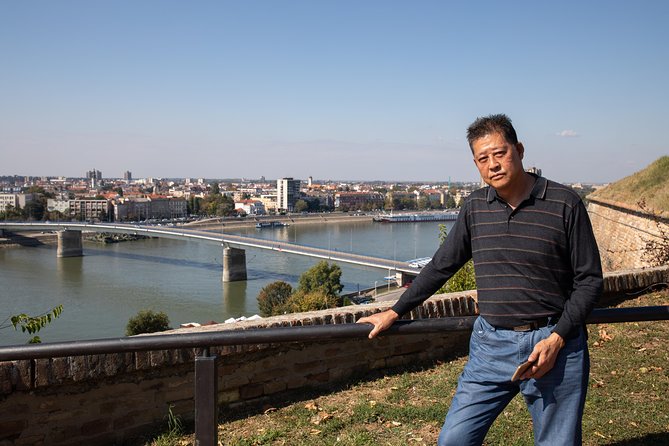
- Petrovaradin Fortress viewpoints over the Danube are the big wow moment for photos and scale.
- Novi Sad’s Austro-Hungarian architecture makes a strong contrast with Belgrade.
Getting There From Belgrade: Pickup, Comfort, and Real Timing
This is the kind of day trip that works because you start with less friction. Pickup is offered from hotels, Airbnbs, or pensions within about 5 km of Republic Square. If you’re just outside that zone, you’ll need to check with the operator, and you might be asked to walk a few minutes to the nearest pickup point.
The departure is usually 9:30 am, and you return in the afternoon after several planned stops. The ride itself matters here. You’re not just getting from A to B; you get a guided introduction to Vojvodina’s diversity along the way. That helps you understand why the region feels different from central Serbia once you start seeing the mix of languages, traditions, and buildings.
Comfort is generally solid. The tour uses an air-conditioned van or minibus, and that matters on a long day where you’re stepping out multiple times. One review even noted practical perks like USB charging and free Wi‑Fi on board, which is exactly what you want when the day gets long.
You can also read our reviews of more tours and experiences in Belgrade.
Vojvodina’s Pannonian Plain: Why This Region Feels So Different
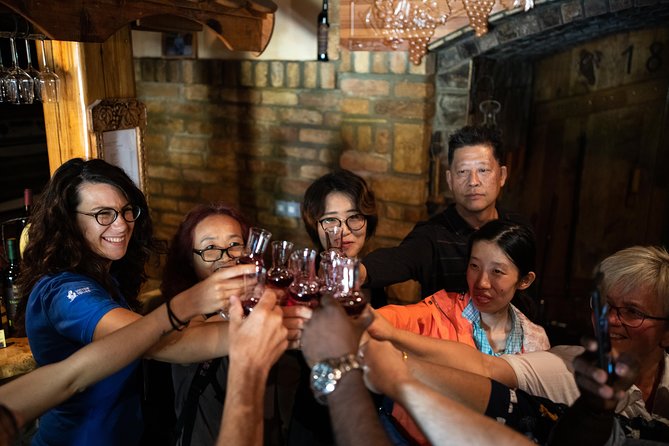
Before you ever reach the first monastery or town center, the tour frames the region as something special: Vojvodina is one of Serbia’s most diverse provinces. More than 25 ethnic groups live here, and you’ll hear that the region uses six official languages. Even if you don’t test the languages yourself, this context changes how you read the landscape and architecture as you travel.
You’ll also learn why Vojvodina is tied to agriculture. The area sits on fine chernozem soils and supplies much of Serbia’s wheat and corn. There’s even a local saying about how fertile it is: drop a button in the ground and you’ll harvest a full coat next spring. It’s a silly line, sure, but it captures the point fast—this isn’t a rocky, mountainous country drive. It’s farmland, villages, and open space.
This matters because it sets up the emotional contrast later. Fruška Gora (the mountain you’ll reach) feels like a break from the flatness. The monastery sites feel more meaningful because you understand how long people have worked these valleys and hills—quietly, steadily, and for centuries.
Fruška Gora and Krušedol Monastery: The Serbian Holly Mountain at Peace
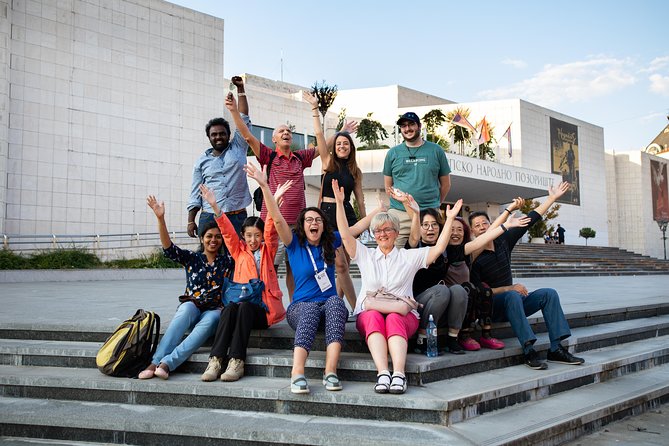
Fruška Gora is the only mountain in the region. It’s wooded, and the lower slopes are tied to vineyards and winemaking. The tour also emphasizes that Fruška Gora is part of one of Serbia’s national parks and that this is an old wine region. That pairing—forest and wine—shows up in the day’s rhythm: quiet monastery, then a wine town, then a fortress with panoramic city-and-river views.
You’ll visit Krušedol Monastery, one of the major Orthodox sites in the area. Krušedol was founded in the early 1500s during the turbulent period caused by Turkish occupation, wars, and migrations. The idea isn’t just religious; it’s cultural survival. The monastery system here helped communities keep Serbian identity and Orthodox faith through hard times.
What to look for when you’re there:
- The church’s dome and original art elements that remain after periods of destruction.
- Frescoes and icons that date to the mid-1700s.
- The resting places connected to important Serbian noble families, including the Branković family, plus King Milan Obrenović (died 1901).
The visit is timed to around 30 minutes with the entrance ticket included. That’s enough for a calm look inside and a respectful lap around key areas—just don’t plan on turning this into a long art-study session.
Sremski Karlovci’s Chapel of Peace and Baroque Center
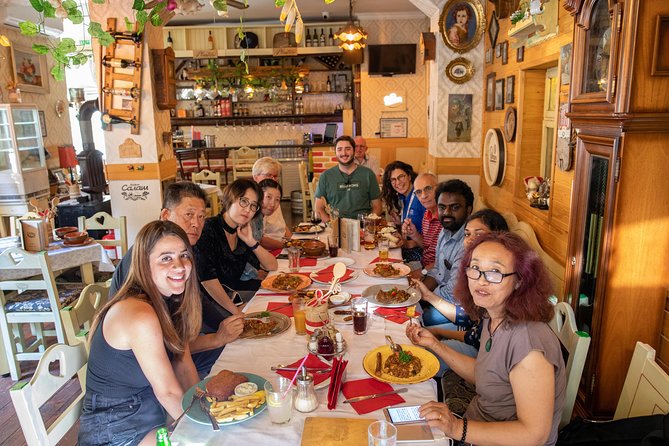
Then you move into Sremski Karlovci, the baroque town where history feels close enough to touch. The streets are small. The buildings have that baroque look—churches, palaces, gardens, and fountains. It’s quieter than Belgrade. You can almost hear the change in pace.
The most powerful anchor here is the story of the Chapel of Peace, tied to the 1699 peace treaty between Christian European forces and the Ottoman Empire. If you’ve ever wondered why Serbia’s history is full of crossroads, this is a concrete example. It’s not just abstract struggle—it’s a specific negotiation outcome, tied to a specific location.
From there, you’ll stroll toward the main square and key landmarks you’ll want to spot:
- Four Lions Fountain
- Karlovci Gymnasium (High School)
- Town Hall
- A mix of Roman Catholic and Serbian Orthodox churches
- The Serbian Orthodox Theological Seminary and Patriarchy area
- The Serbian Orthodox Church of St. Nicholas
There’s also a big learning payoff here: Karlovci served as a religious and educational center for Serbs for more than 250 years. The town doesn’t feel like a single-photo stop. It feels like a place where people studied, prayed, and organized a community for generations.
You’ll also have a chance to taste Bermet wine during this part of the day, which leads into the next stop.
Bermet Wine at Vinarija Kis: Sweet Dessert Wine With Serious Alcohol
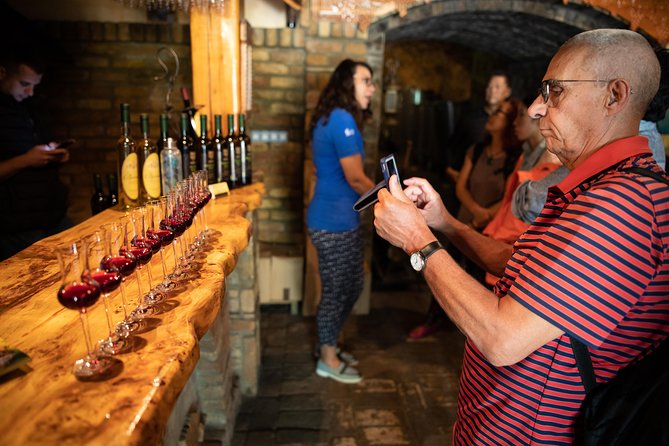
If you’re expecting a quick sip of something sweet, Bermet will surprise you. At Vinarija Kis, you’ll learn about the tradition and taste two glasses as part of the tour.
Bermet is an aromatic dessert wine associated with Sremski Karlovci and made through a local process families have guarded for a long time. It’s often described as easy to underestimate because of the sweet profile, but it carries around 15–18% alcohol. So yes, it tastes friendly—and then it reminds you it’s not juice.
The tour also shares the story of how Bermet spread. It was popular in European royal circles in the 15th century and later exported to the United States in the late 1800s. One of the funniest details you’ll hear is the local line that Bermet is the best wine for men—plus the twist about what happens when ladies drink it. It’s the kind of cultural aside that makes a tasting feel like a living tradition, not a sales pitch.
If you’re not a big alcohol drinker, don’t panic. Two glasses is a limited amount, and this stop is short and focused. You can still take in the storytelling and the town setting.
Petrovaradin Fortress: Danube Views and a Fortress With Layers
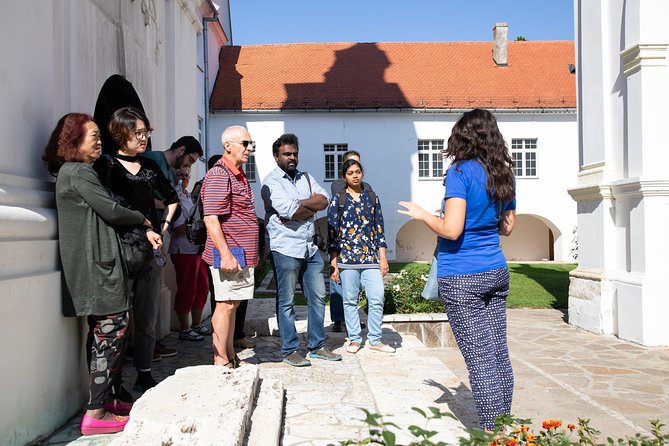
Now for the big visual payoff: Petrovaradin Fortress, nicknamed the Gibraltar on the Danube. This isn’t a single small viewpoint you hop to and leave. The fortress covers a huge area—around 100 hectares—and it has preserved strength from the 17th to 18th centuries, built by the Austrian Empire during an era of Ottoman pressure in the region.
Your time here is roughly 30 minutes, and it’s more of a guided walk than a deep exploration. Still, you’ll see key highlights:
- Gates and sections of the fortress walk
- The City Museum area
- Old Military Barracks
- The Clock Tower
- And, most importantly, the view over the Danube and the city of Novi Sad
This is where you’ll understand why people photograph the Danube from above. The river looks powerful, and Novi Sad’s scale snaps into focus once you’re at height.
One real consideration: several people felt the top portion and/or overall fortress time could be longer. If you love fortresses, choose a mentality of seeing the best highlights, not covering every corner.
Practical note: if the day is cloudy, the view still helps, but you may want to optimize your spot early and keep your expectations flexible.
Novi Sad Street Level: Austro-Hungarian Character and Serbian Pride
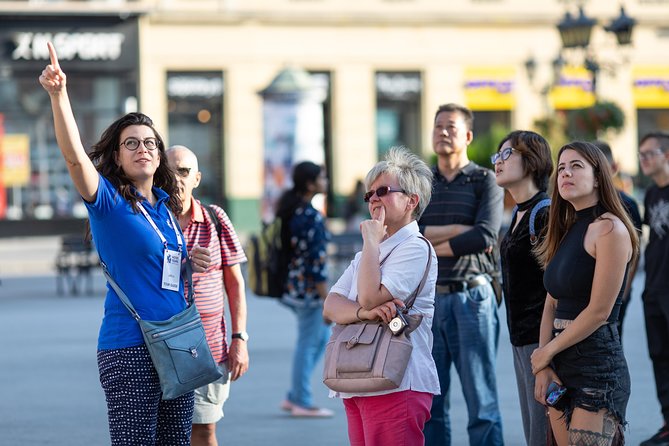
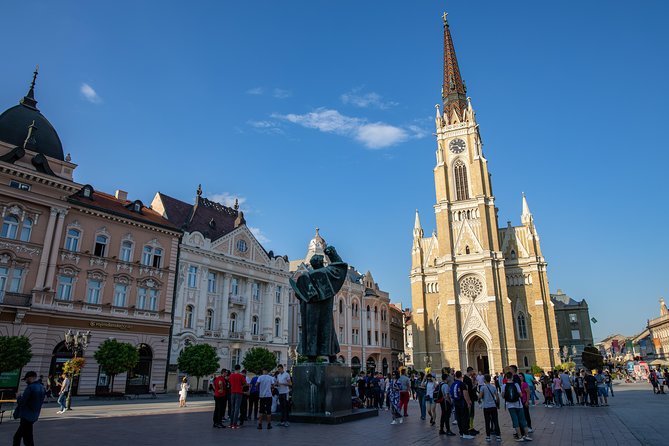
After the fortress, you land in Novi Sad, Serbia’s second-largest city. The tour positions it as a cultural and intellectual center tied to the Austro-Hungarian Empire, which is why it earned the name Serbian Athens. In practice, that shows up in the architecture mix and the feeling of a European city that grew with different influences.
You’ll see several major sites and districts:
- Museum of Vojvodina and Dunavski Park
- The Neo-Romantic Serbian Orthodox Bishop’s Palace
- The Serbian Orthodox Cathedral of St. George (18th century), including the iconostasis painted by Paja Jovanović
- Main street architecture across the 18th and 19th centuries
- Liberty Square, with the Town Hall, Roman Catholic Cathedral, Finance Palace, and the oldest city hotel area called Vojvodina
- Serbian National Theater
- The Synagogue, a Hungarian Secession-style building and one of the largest preserved in Europe
You’ll get a break and free time in Novi Sad afterward. That’s smart, because Novi Sad is the kind of place where you can do one of two things well: wander streets and stop into cafes, or use the time to add a museum visit (like the Museum of Vojvodina) if you want more structure.
One note to plan around: some feedback suggested Novi Sad free time can sometimes feel short if you’re hoping for deeper exploration. So if Novi Sad is your main goal, be ready to move a little faster—or bring a short list of what you most want to see and let everything else be bonus.
Price and Value: What $78.60 Buys You in the Real World
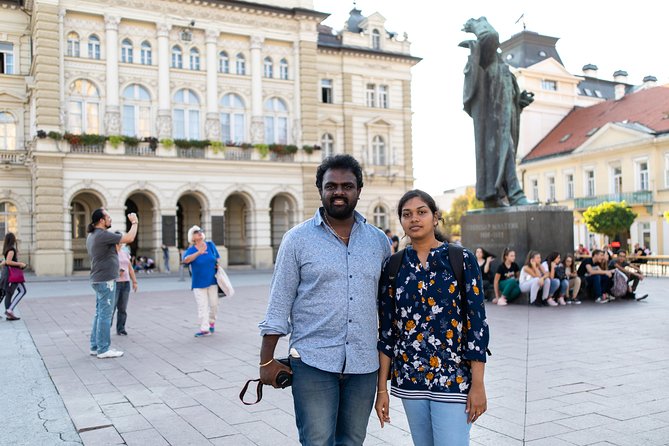
At $78.60 per person, this tour isn’t just a bus ride. You’re paying for a full-day structure that includes:
- Hotel pickup and drop-off
- Transport in an air-conditioned vehicle
- A professional guide
- Bermet wine tasting (two glasses)
- Entrance fee for Krušedol Monastery
Where this becomes good value is that the day mixes paid entry and guided time into the cost. If you tried to piece it together yourself, you’d likely spend time coordinating transport, paying for individual admissions, and dealing with timing. Here, the day is built around efficient travel between sites and guided context so you’re not just staring at buildings with no idea why they matter.
Also, the cap of maximum 16 travelers tends to make a difference. It’s easier to hear your guide. It’s less chaotic at stops. And that helps keep the pace from feeling like a factory line.
Who This Tour Fits Best (and Who Might Want Something Different)
This is a great match if you want:
- A day outside Belgrade that still feels organized
- A mix of monasteries, baroque towns, and city architecture
- Wine tasting that’s connected to place and story (Bermet, not a random tasting room)
- Guided context while you learn why Vojvodina is different
You might want to look at a different style of outing if you:
- Want hours and hours of time on top of Petrovaradin Fortress
- Think you’ll want a long, slow day in Novi Sad rather than a guided walk plus free time
But for most people, this “most important highlights + room to breathe” format is exactly what makes a one-day plan work.
Should You Book This Northern Serbia Day Trip?
I think you should book it if you like your travel days with structure and stories. You’ll get baroque Karlovci, Orthodox monastery art and meaning at Krušedol, a very specific tasting in Bermet, and one of the best Danube-overview experiences from Petrovaradin Fortress. The best part is how the guide ties the stops together so the day feels like one coherent theme: how Vojvodina’s identity took shape in religion, diplomacy, and everyday life.
If you’re the type who needs lots of spare time at your favorite stop, go in with a plan. Pick one must-see place for extra attention (often the fortress viewpoint or the Novi Sad streets). The tour gives you the core highlights either way.
FAQ
FAQ
How long is the Northern Serbia tour from Belgrade?
The tour runs about 8 to 9 hours, depending on timing and conditions.
What time does the tour start?
The start time is 9:30 am.
Is pickup from my hotel included?
Yes, free hotel pickup and drop-off are included, if you’re within the pickup area near Republic Square (about a 5 km radius).
What does the tour include besides the sightseeing?
It includes transport by air-conditioned van or minibus, a professional guide, Bermet wine tasting (two glasses), and the entrance fee for Krušedol Monastery.
Is there a wine tasting, and do I have to drink?
There is Bermet wine tasting, and it includes two glasses. The tour notes participation is generally possible for most travelers, but it doesn’t state an option to skip tasting.
How much time do I get at Novi Sad and the fortress?
The Novi Sad portion is about 3 hours with free time, and Petrovaradin Fortress is about 30 minutes.
What should I wear for monastery visits?
You’ll be visiting places of worship, so you’ll be asked to wear appropriate clothing.
What’s the group size like?
The tour has a maximum of 16 travelers. Shared tours are also subject to a minimum number of guests to operate.