REVIEW · ANTEQUERA
Málaga: Dolmens and El Torcal de Antequera Guided Day Trip
Book on GetYourGuide →Operated by Visita Antequera · Bookable on GetYourGuide
Dolmens meet strange limestone mountains today. This Málaga day trip connects Europe’s biggest dolmen sites with El Torcal de Antequera’s eerie karst rock world, then ends with a breather in Antequera’s center. It’s a fast-paced 5 hours, but it’s built so you actually understand what you’re seeing.
I especially like the mix of Neolithic graves (Menga, Viera, and the Tholos of El Romeral) with El Torcal’s natural history, because the guide ties the two together—ritual life on one side, deep geological time on the other. I also like that the group is kept small (limited to 8), so questions don’t get swallowed.
One possible drawback: the schedule moves quickly, and you only get a limited window to explore Antequera on your own. If you want a slow, photo-only day, this tour may feel a bit like a highlight reel.
In This Review
- Key things I’d plan around
- Why El Torcal and the dolmens feel oddly connected
- Starting from La Orquídea Restobar: a clean start, then you’re moving
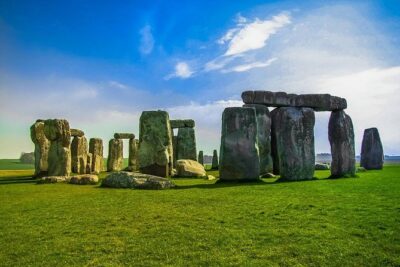
- The dolmens of Antequera: Menga, Viera, and the Tholos of El Romeral
- Menga: the biggest dolmen in Europe
- Viera: a different Neolithic form, same human purpose
- Tholos of El Romeral: the story of a chambered tomb
- Transfer time: why the van-and-steps rhythm works
- El Torcal de Antequera: karst rocks, fossils, and stories at 1,200 meters
- What you’ll notice once the guide points it out
- Walking sticks and footing
- Antequera free time: use it like a bonus day
- Cost and value: where your money really goes
- The guide matters more than you think
- Who should book this tour (and who should skip it)
- Practical tips so your day feels smooth
- Should you book this Málaga day trip?
- FAQ
- How long is the Málaga to El Torcal and dolmens day trip?
- Where does the tour start in Málaga?
- What stops are included during the tour?
- How long do you spend at the dolmens and at El Torcal?
- What kind of transport is used during the day?
- Is the tour suitable for people who need walking support?
- What should I wear and bring?
- What languages are available with the guide?
- How do I get back to Málaga after the tour ends?
Key things I’d plan around
- Small group size (8 max) helps you hear explanations clearly and ask questions.
- Menga, Viera, and El Romeral give you a real look at different dolmen styles in one go.
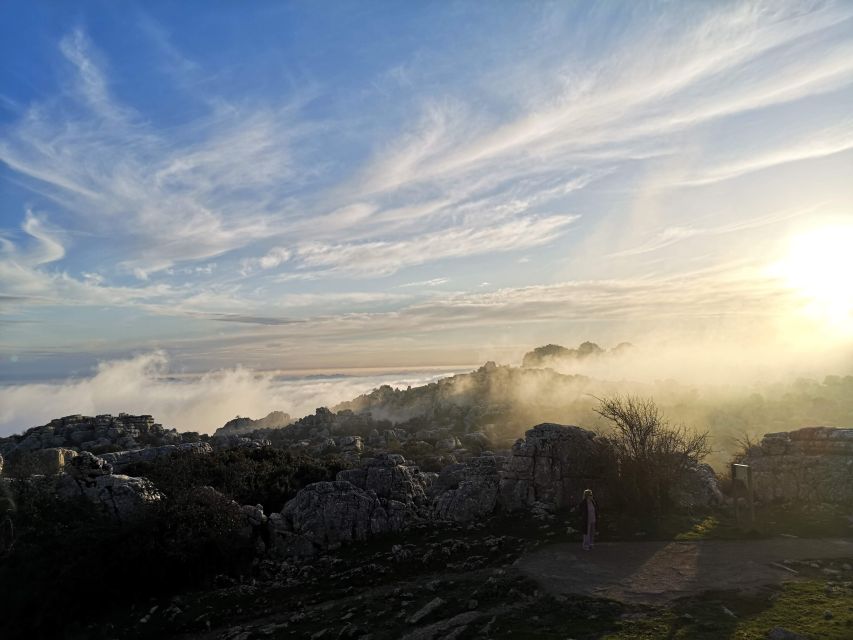
- El Torcal sits around 1,200 meters above sea level, so pack warm layers.
- Walking sticks included for uneven ground at the rock formations.
- You’ll get a bus card back to Málaga with set return times, so check the timetable before you relax in Antequera.
- Multiple guide languages (Spanish, English, French) means the story of the rocks and tombs stays understandable.
Why El Torcal and the dolmens feel oddly connected
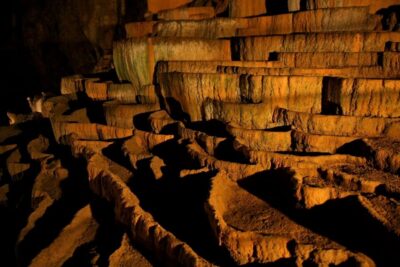
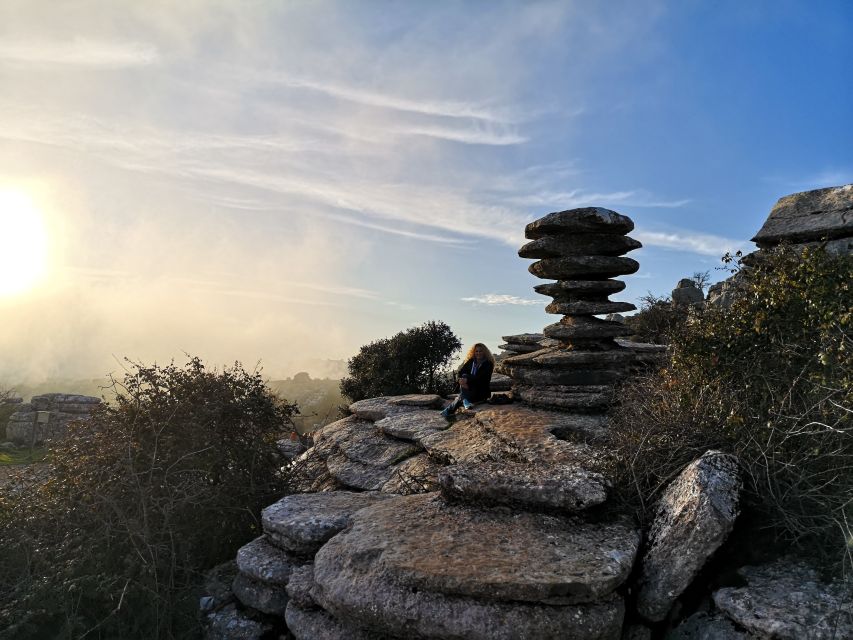
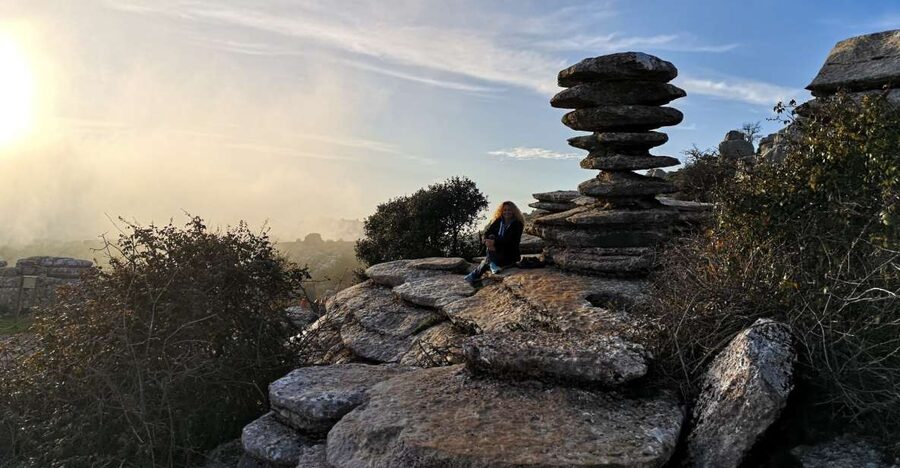
El Torcal de Antequera is famous for its karst formations—limestone shaped over huge spans of time. The tour frames it in a way that makes sense fast: you’re not just staring at rocks, you’re learning how limestone and fossils create the shapes you see today.
Then the dolmens bring you back to humans. These stone chambers were used for rituals and funerals, and the guide helps you imagine what those Neolithic communities were doing in a place that already looked dramatic. When both stops work together, the day stops feeling like two separate attractions.
Starting from La Orquídea Restobar: a clean start, then you’re moving
The day begins near La Orquídea Restobar in Málaga, with an organized transfer by van. This matters because El Torcal and the dolmens aren’t something you can casually hop between if you’re relying on public transport.
Your first transfer takes about an hour, and then you jump straight into the archaeological dolmens of Antequera. That pacing is good for most people: it reduces dead time and gets you outdoors while daylight is still comfortable.
The dolmens of Antequera: Menga, Viera, and the Tholos of El Romeral
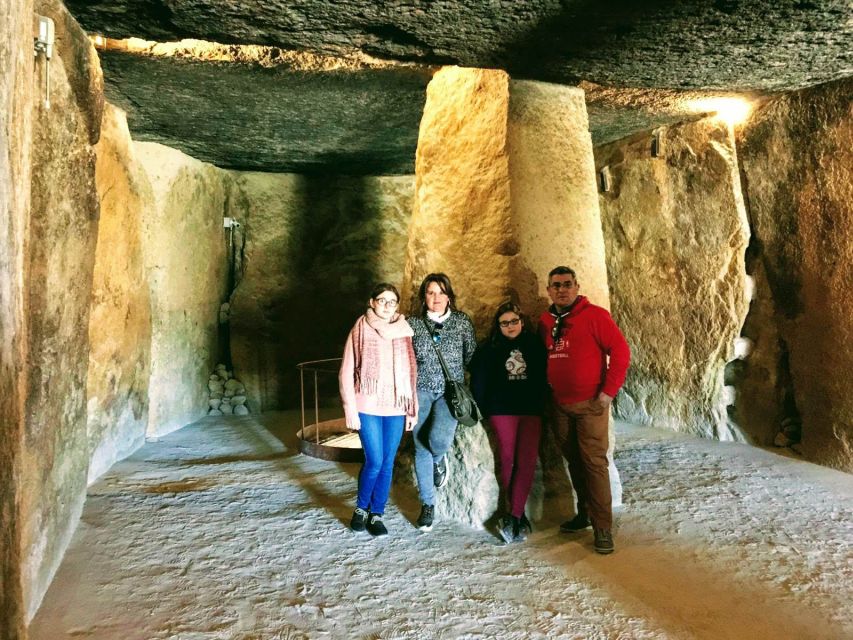
The guided dolmen portion lasts about 1.5 hours, and that’s where the tour earns its keep. You’re seeing three separate funerary/ritual spaces—Menga, Viera, and the Tholos of El Romeral—so you’re not left with just one “wow” moment.
Menga: the biggest dolmen in Europe
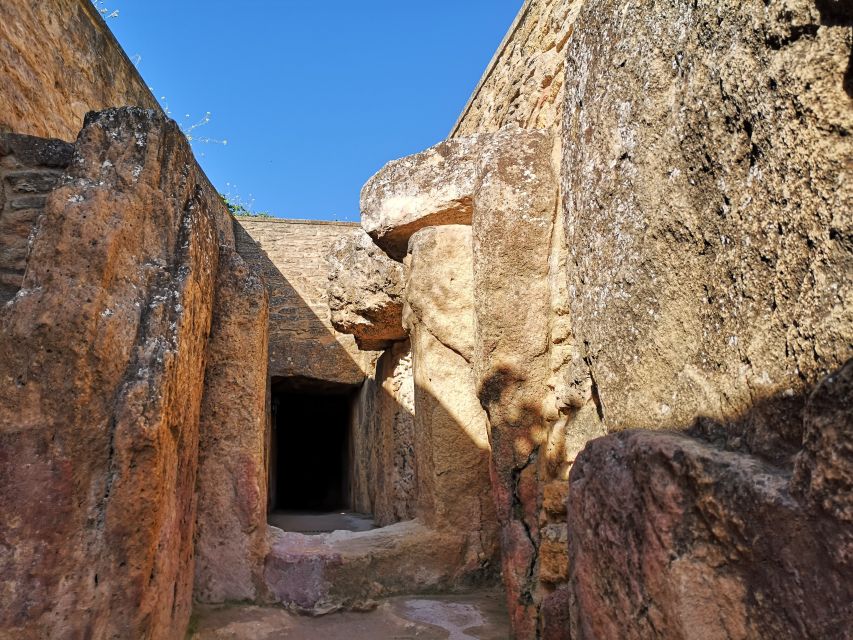
Menga is the headline site. It’s described as the biggest dolmen in Europe, and the tour places it about 6,000 years in the past. When you stand there, the scale does something to your sense of time. You start thinking in generations, not hours.
The guide’s job here is key: these are not random rocks arranged for effect. The explanations about how they functioned—ritual use and funerary purpose—help you read the site instead of just walking around it.
Viera: a different Neolithic form, same human purpose
Viera is the kind of stop that can quietly become one of your favorites, because it adds variety. You see another dolmen structure while keeping the same bigger theme: what Neolithic life looked like when stone architecture mattered.
Even if you’ve seen dolmens elsewhere, this set works better because the day groups them tightly. You can compare features in your head while the guide keeps the context fresh.
Tholos of El Romeral: the story of a chambered tomb
The Tholos of El Romeral is the third major grave stop. The “tholos” style matters because it points to the way communities built covered stone spaces for ritual and death.
If you like understanding design, this is a good section. The guide connects the architecture to the purpose, so you feel like you’re learning how people lived and believed—rather than treating the site like a museum prop.
Transfer time: why the van-and-steps rhythm works
After the dolmens, there’s another short van transfer (about 30 minutes) before El Torcal. It’s not just transportation; it’s part of the pacing strategy.
This tour doesn’t pretend the day is long. With a total duration listed at 5 hours, the best way it works is by keeping the moving pieces short: van to the next viewpoint, short guided time, then a bit of freedom. If you arrive expecting a long leisurely hike, you’ll likely be disappointed.
El Torcal de Antequera: karst rocks, fossils, and stories at 1,200 meters
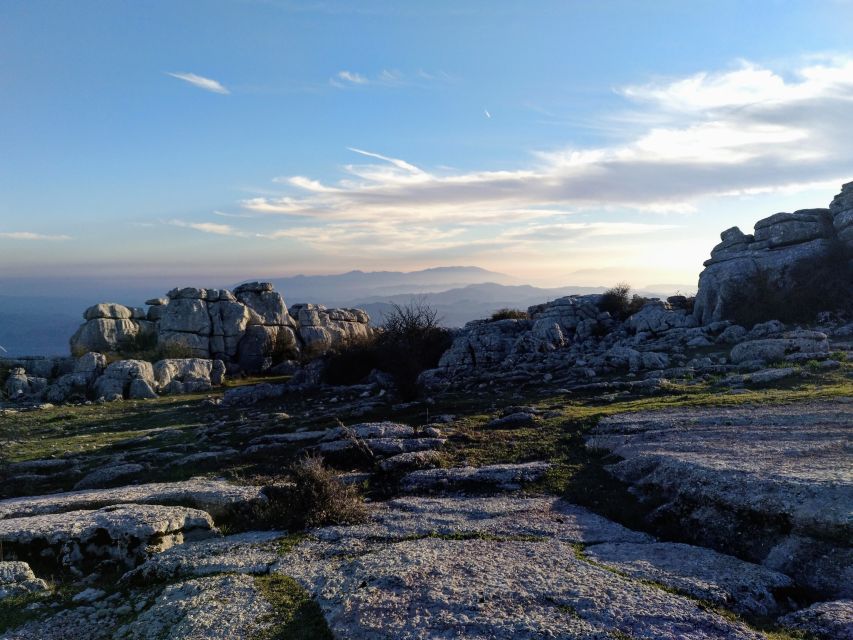
El Torcal de Antequera is the nature highlight, and the tour gives you both structure and room to look. You’ll get a break and then a guided walk, plus free time—together around 1.5 hours at the site.
The tour emphasizes the karstic relief and the fact that you’re up at about 1,200 meters above sea level. That altitude detail matters for comfort: even on mild days, you can feel cooler in the rock area, especially if clouds roll in.
What you’ll notice once the guide points it out
You’ll be looking at limestone formations with fossils and the kind of “carved” shapes that make El Torcal so distinctive. The guide explains how the terrain forms, so you can interpret the rock features instead of guessing.
The best part is the storytelling angle: you hear what the rocks suggest about what lived here millions of years ago. It turns an outdoor walk into a quick natural history lesson you can actually remember.
Walking sticks and footing
Walking sticks are included, which is practical if the ground is uneven or you’re not used to rocky paths. You’ll want hiking shoes, not just sneakers that feel fine on flat sidewalks. The tour also asks for warm clothing, which is smart given the elevation and weather swings.
Antequera free time: use it like a bonus day
After El Torcal, you’ll take a bus/coach for about 1 hour, then a short van transfer (about 25 minutes) into Antequera. The structure ends with free time in the city center, before the day concludes back in Málaga.
This is where you need to manage expectations. The free time is a bonus, not a full city day. Still, it’s enough to do something satisfying: walk the center, grab a coffee, and get a sense of Antequera without stress.
When the guide gives you a bus card back to Málaga, it’s worth planning around the listed return windows. The card includes multiple departure times:
- Monday to Friday (working days): 2pm–5pm and 7pm
- Saturday (working days): 1:25pm–5pm
- Sunday and bank holidays: 1:25pm–5pm and 7pm
Check the bus timetable before you settle in, because your exact return depends on service times.
Cost and value: where your money really goes
At about $71 per person, you’re paying for three things: expert guidance, transportation from Málaga, and time-saving logistics. For a 5-hour day trip, that’s a fair deal if you want both natural and human history in one package.
You’re also getting value through the small-group size (max 8). In places like El Torcal, it’s easier for the guide to keep everyone together and answer questions when the group isn’t oversized.
Walking sticks being included is another small cost-saver. And because you’re going to multiple sites (dolmens plus El Torcal plus Antequera), the guided format helps you avoid spending your time reading signage you might not understand at speed.
The guide matters more than you think
This tour lives or dies by its explanations. The guidance style tends to focus on clear, organized storytelling, with room for questions. In past departures, guides such as Natacha have been praised for professional, easy-to-follow explanations, and others like Justine have been credited for strong clarity.
That’s exactly what you want here. Dolmens and karst geology both have a learning curve. With the right guide, you start noticing details you would miss on your own.
Who should book this tour (and who should skip it)
This works best if you want:
- a guided day that connects nature and human history
- a small group with time for questions
- an outdoor walk that isn’t trying to be a hardcore hike
You might want to skip it if you:
- want hours of unstructured time in Antequera
- dislike getting moved around by van and coach during a short day
- are hoping for a fully flexible schedule where you can linger everywhere
Practical tips so your day feels smooth
Plan for outdoor time and bring what the tour asks for. Even if the day starts easy, you’re spending time at rock formations and historical sites where footing matters.
Here’s what I’d do:
- Pack warm layers (the tour explicitly recommends it, especially with El Torcal’s elevation).
- Wear hiking shoes to handle uneven ground.
- Bring a small bag with a light layer you can take on/off as conditions change.
- When you arrive in Antequera, look at your return bus window right away so you don’t end up rushing later.
Also, the tour notes that you should check the bus timetable back to Málaga in advance. Do it before you head into the city center, not after you’re already comfortable.
Should you book this Málaga day trip?
I’d book it if you like stories that make the scenery understandable. The combination of the dolmens (Menga, Viera, El Romeral) and El Torcal’s karst formations is a strong pairing because one stop explains human meaning in stone, and the other explains how stone becomes the landscape you stand on.
I’d think twice if your priority is hanging out in Antequera for hours. This tour spends more time on the sites than on the city. But if you want a guided, efficient hit of both Neolithic history and geological drama, this is a smart value way to fill a half-day window from Málaga.
FAQ
How long is the Málaga to El Torcal and dolmens day trip?
The total duration is listed as 5 hours.
Where does the tour start in Málaga?
The start location is close to La Orquídea Restobar, near Lamar and La Orquidea Restaurant.
What stops are included during the tour?
You’ll visit the archaeological dolmens of Antequera (Menga, Viera, and the Tholos of El Romeral) and then El Torcal de Antequera. Afterward, you’ll have free time in Antequera.
How long do you spend at the dolmens and at El Torcal?
The guided dolmen tour is about 1.5 hours. At El Torcal you’ll have break time plus guided and free time totaling about 1.5 hours.
What kind of transport is used during the day?
You use vans for transfers between Málaga and the sites, plus a bus/coach segment and additional van transfers as the day moves between stops.
Is the tour suitable for people who need walking support?
Walking sticks are included. The tour also recommends hiking shoes and warm clothing.
What should I wear and bring?
Bring warm clothing and wear hiking shoes. The tour suggests these specifically.
What languages are available with the guide?
The live guide is offered in Spanish, English, and French.
How do I get back to Málaga after the tour ends?
After the tour, the guide gives you a card to take the bus back to Málaga. Return options listed include specific times on weekdays, Saturdays, and Sundays/bank holidays, and you should check the bus timetable in advance.